It has been a while since Vince Giuliano has posted to his blog. For those not familiar with Vince, he is a 93 year old with a broad science background. He does in-depth analysis of longevity related topics. And I find his personal health habits interesting and relevant.
8 Likes
Thanks for that. I’ve read all of his blogs religiously and consider Vince to be an extremely smart guy and an expert on all things aging. He tends to keep a low profile, avoids hyperbole, and is very evidence based.
Regarding some of his points:
-
I agree that loss of epigenetic information and the subsequent loss of beneficial gene expression is a major cause of aging. On the other hand, I’m not as confident that the present day tests are all that reliable.
-
I fully agree that chronic inflammation plays a huge role in the process.
-
It does seem that 122 is our max age limit at present, but we’re fairly close to overcoming it.
-
He mentions rapamycin, but as far as I can tell, he doesn’t take it himself. He doesn’t respond to emails so I’m not certain.
-
He mentions metformin as a life extender in the same sentence as rapamycin and I certainly disagree.
-
He’s taken numerous supplements over the years. At one count it was about 60 a day. He’s still going strong.
-
He makes an interesting point that if you want to be a healthy 200, you must first do the things required to be a healthy 100.
-
I’m looking forward to his educational material. I wish that he were a part of this forum.
9 Likes
Thank you for the reference. Excellent article and it gives me hope to live to 120 yrs at least.
“In particular, I have focused on the importance of controlling chronic inflammation for healthy aging”
Fortunately, I gleaned the importance of chronic inflammation many years ago and started using anti-inflammation supplements such as Boswellia serrata (Frankincense).
5 Likes
Jeanne Calment made history when she died at the age of 122 in 1997, but a new investigation claims her daughter actually assumed her identity in 1934. Was the World’s Oldest Person Ever Actually Her 99-Year-Old Daughter? Where are we getting the 120?
My great Aunt passed away at 106. I recall; she was a first-generation Sicilian living in the US, my grandfather’s sister; in fact, all his siblings (6 of them) lived well into their late 90s. She lived with her husband, that smoked two packs a day; she was a beautician into her 80s worked with hair dyes and chemicals. Her favorite meal was a burger, fries, and a shake, which she ate daily! Genetics! Can’t imagine if she took Rapa, and had a diet and exercise routine, maybe 120?
6 Likes
| 1 | Kane Tanaka[4] | F | 2 January 1903 | 19 April 2022 | 119 years, 107 days | Fukuoka | Fukuoka |
|---|---|---|---|---|---|---|---|
| 2 | Nabi Tajima[4] | F | 4 August 1900 | 21 April 2018 | 117 years, 260 days | Kagoshima | Kagoshima |
| 3 | Chiyo Miyako[4] | F | 2 May 1901 | 22 July 2018 | 117 years, 81 days | Wakayama | Kanagawa |
| 4 | Misao Okawa[4] | F | 5 March 1898 | 1 April 2015 | 117 years, 27 days | Ōsaka | Ōsaka |
| 5 | Tane Ikai[5] | F | 18 January 1879 | 12 July 1995 | 116 years, 175 days | Aichi | Aichi |
Full list below; verified by the Gerontology Research Group, based in LA, CA.
List of Japanese supercentenarians - Wikipedia.
Andrei Gudkov also opines that the cliff (as he calls it) is 120 years.
5 Likes
Boswellia is good.
You can keep the myrrh.
Send the gold to me!
Vince has 2 new posts on his Anti-Aging Firewall Blog.. Some interesting facets of what he thinks important for longevity at an older age. A snipit of his intro below. His blog post is good candidate for an ai summary.
This blog entry also outlines a number of interventions and activities that can help fundamentally healthy people have a high likelihood of reaching 100 or so years of age, remaining healthy and functional, cognitively all there, and working and contributing to their families and society. These activities and interventions are the ones that have been are working for me. My 96th birthday was 11-18-2025, and I expect to keep working and contributing until I am at least 100.
Preface and a personal note to 2023 version
In April of this year, I experienced a breakthrough in understanding human aging. This was a key event for me, coming after 15 years of full-time study and writing 600 or so articles on nearly every conceivable facet of the subject. A second key breakthrough was directly derived from this understanding. I had finally articulated a simple set of scientifically grounded interventions, applicable late in life, that can likely extend healthy active human lifespans by 20% to 30%, allowing most people to be healthy and continuing contributors to their family and professional lives until they are 100 or beyond.
To my knowledge, I am the only longevity researcher in my age cohort who is still alive, active, researching, writing, and publishing. I have been pursuing versions of many of the specific longevity interventions suggested in this blog for over 40 years now, improving on them as I learn more. They seem to continue working well. Turning 94 in two months(November 17, 2023), I am now nearly as healthy, functional, and physically active as I was 40 years ago, and perhaps a bit more professionally engaged and intellectually active than ever before. I expect this situation will go on until I am well beyond 100. ”You must have good genes” is not the explanation. Everyone in my family besides my mother died in their 70s. My mother required intensive nursing care starting in her late 80s and died at age 91.
I have none of the known degenerative diseases of advanced aging. I haven’t seen a real doctor for 10 months. I can climb stairs, cook up pasta Bolognese for the whole family, vacuum key areas of the house, do the laundry and wash a sink-full of dishes and load the dishwasher every night. And get in 6-12 hours of longevity research, communications with colleagues and writing every day. Unlike some of my close colleagues, I only monitor a tiny collection of health and aging biomarkers. For the same reason most people in their 30s and 40’s don’t bother with their biomarkers – they don’t have to.
4 Likes
His blog is down rn - is he ok?
I was at his website yesterday - so I presume it is a glitch.
What makes you think we are fairly close to overcoming it?
Somehow I missed your snarky reply. :

I never tell anyone to take what I am taking. I only say what I am taking and why. And I report any benefits or lack thereof that I have felt. As with many supplements, there are no large RCTs, but from what I have read and my own experience, Boswellia is one of my supplements.
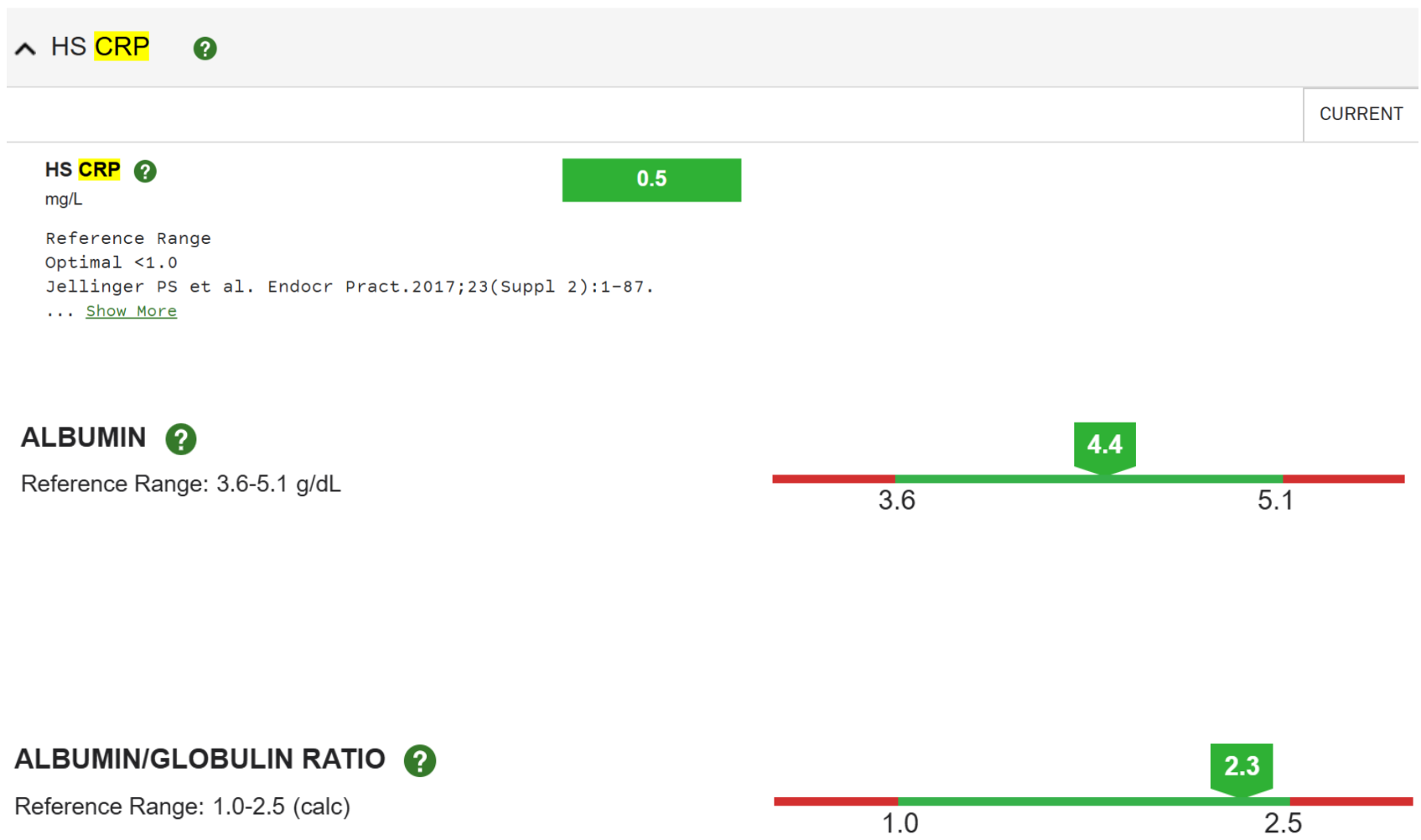
I don’t do a whole range of blood tests to verify this, but my current tests show the following anti-inflammatory markers:
From Claude:
Boswellia Serrata: A Deep Dive into Its Benefits
What Is Boswellia Serrata?
Boswellia serrata is a tree prevalent in India, the Middle East, and North Africa. The gummy exudate or resin obtained by peeling away the bark is commonly known as frankincense or olibanum, and has been used widely in Ayurveda for treating arthritis, ulcerative colitis, coughs, sores, wound healing, and asthma. Memorial Sloan Kettering Cancer Center
The resinous part of Boswellia serrata possesses monoterpenes, diterpenes, triterpenes, tetracyclic triterpenic acids, and four major pentacyclic triterpenic acids — β-boswellic acid, acetyl-β-boswellic acid, 11-keto-β-boswellic acid, and acetyl-11-keto-β-boswellic acid — responsible for inhibition of pro-inflammatory enzymes. Of these, acetyl-11-keto-β-boswellic acid (AKBA) is the most potent inhibitor of 5-lipoxygenase, the enzyme chiefly responsible for inflammation. PubMed
Beneficial Properties of Boswellia Serrata
1.  Anti-Inflammatory (Primary Mechanism)
Boswellic acids work mainly by inhibiting inflammatory enzymes like 5-lipoxygenase (5-LO). This enzyme is involved in producing leukotrienes — molecules that promote inflammation. By blocking 5-LO, boswellic acids may help reduce inflammation and related symptoms. This differs from common anti-inflammatory drugs like NSAIDs, which may contribute to Boswellia’s fewer side effects on the stomach. Jinfiniti
This dual inhibitory action on the inflammatory process is unique to boswellic acids. AKBA is the most potent inhibitor of 5-LO. Research has observed 25–46% inhibition of paw edema in animal models, along with 45–67% anti-arthritic activity. It also showed antipyretic (fever-reducing) effects with no ulcerogenic effect. PubMed Central
2.  Joint Health: Osteoarthritis & Rheumatoid Arthritis
Boswellia serrata is considered a potent anti-inflammatory, anti-arthritic, and analgesic agent. In a meta-analysis of seven clinical trials involving 545 patients, Boswellia and its extracts were found to significantly relieve pain and joint stiffness compared with controls. PubMed Central
A double-blind, placebo-controlled trial demonstrated that Boswellia serrata extract (BSE) treatment significantly improved physical function in patients with knee osteoarthritis by reducing pain and stiffness. Radiographic assessments showed improved knee joint gap and reduced osteophytes, and BSE also significantly reduced serum levels of high-sensitive C-reactive protein, an inflammatory marker associated with knee OA. Wiley Online Library
In a meta-analysis including seven clinical trials involving 545 patients, Boswellia and its extract were reported to have a positive effect on relieving pain and stiffness, and improving joint function. PubMed Central
3.  Respiratory Health (Asthma & Bronchitis)
Boswellic acid has exhibited efficacy against various chronic diseases including asthma. Clinical studies have evidenced improvements in dyspnoea, rhonchi, number of attacks, FEV1, FVC, and PEFR, in addition to a decline in eosinophilic count and ESR in asthma patients treated with Boswellia serrata extract. PubMed Central
Respiratory problems like asthma, bronchitis, and chronic cough have been successfully addressed using Boswellia serrata, with the active compounds inhibiting arachidonic acid metabolism pathways that contribute to airway inflammation. Jeffrey Peng MD
4.  Gastrointestinal & Gut Health
Boswellia serrata has been shown to protect the intestinal epithelial barrier from oxidative and inflammatory damage and is beneficial for inflammatory bowel diseases (IBD). It maintains the integrity and function of the intestinal epithelium by preventing the disassembly of tight junction proteins and reducing oxidative stress. Jinfiniti
Research has shown that AKBA significantly influenced gut microbiome composition, increasing Akkermansia muciniphila (a bacterium associated with weight loss and anti-inflammation) in both male and female mice, along with an increase in Bifidobacterium in female mice, suggesting potential prebiotic-like benefits. PubMed Central
5.  Neuroprotective Effects
Studies show boswellic acids can reduce amyloid-beta buildup, protect neurons from its toxicity, and regulate inflammation in brain immune cells. In Alzheimer’s mouse models, they have reduced amyloid plaque and improved cognitive function. Jinfiniti
In ischemic brain injury, AKBA was responsible for neuroprotection that involved the Nrf2/HO-1 defense pathway. Administration of AKBA increased Nrf2 and HO-1 expression, and a similar observation was also made for KBA against cerebral ischemia-reperfusion injury. PubMed Central
6.  Anti-Cancer Properties (Emerging Research)
Boswellic acids have shown potent anti-inflammatory activities in both in vitro and in vivo animal models, along with anti-arthritic, anti-rheumatic, anti-diarrhoeal, anti-hyperlipidemic, anti-asthmatic, anticancer, anti-microbial, analgesic, hepatoprotective, and immunomodulatory activities. BAs are specific and non-redox inhibitors of 5-lipoxygenase (5-LOX), an enzyme involved in arachidonic acid metabolism, and preclinical data has shown anti-cancer potential against various malignant tumors in both cell culture and in vivo models. ScienceDirect
Research published in Carcinogenesis showed that AKBA can inhibit the growth of various cancer cells and induce apoptosis in certain cancer types, including prostate, breast, and colon cancer cells. Natural Remedy Ideas
Boswellic acid also showed cytotoxic and radio-enhancing effects, and prevented intestinal tumorigenesis in a murine model. Animal models further suggest Boswellia may improve cognitive impairment and insulin resistance. Memorial Sloan Kettering Cancer Center
7.  Antioxidant Properties
The analysis of Boswellia serrata has revealed a wide range of pharmacological effects, including antioxidant, anti-inflammatory, neuroprotective, and anticarcinogenic properties. It has also been described as capable of restoring mitochondrial dysfunction. ScienceDirect
8.  Analgesic (Pain Relief)
Beyond its well-established anti-inflammatory effects, Boswellia has analgesic (pain-relieving) properties. It helps reduce pain by inhibiting inflammatory pathways and reducing swelling. A study in the Indian Journal of Pharmacology found that Boswellia extract was effective in reducing pain intensity and frequency in patients with osteoarthritis. Natural Remedy Ideas
9.  Cartilage Protection
Boswellia serrata gum resin extract notably upregulated the expression of COL2A1 and aggrecan (key cartilage proteins) while concurrently reducing levels of nitric oxide, prostaglandin E2, leukotriene B4, IL-6, and TNF-α, indicating promising therapeutic implications for preventing cartilage degradation in osteoarthritis. MDPI
10.  Immunomodulatory Effects
Boswellic acid has exhibited efficacy against various chronic diseases including Parkinson’s disease, Alzheimer’s, and inflammatory bowel disease. Its molecular targets include transcription factors, kinases, enzymes, receptors, and growth factors, contributing to its wide range of biological activities. PubMed Central
11.  Favorable Safety Profile
Boswellia has a good safety profile across many clinical trials, especially for osteoarthritis. Clinical trials show that Boswellia extract has a similar safety profile to placebo, with no significant differences in safety outcomes when compared to placebo, suggesting it is generally well tolerated by most people without the side effects of NSAIDs. Jinfiniti
Summary
Boswellia serrata is one of the most extensively researched herbal anti-inflammatory agents in modern medicine, with thousands of years of use in Ayurvedic tradition. Its primary active compounds — the boswellic acids, particularly AKBA — exert their effects chiefly by inhibiting the 5-lipoxygenase (5-LOX) enzyme, suppressing leukotriene-mediated inflammation without the gastrointestinal side effects common to NSAIDs. Clinical evidence is strongest for joint health (osteoarthritis), respiratory conditions (asthma), and inflammatory bowel disease. Emerging research also points to neuroprotective, antioxidant, immunomodulatory, and anti-cancer properties. Its safety profile is generally favorable, making it a promising complement or alternative to conventional anti-inflammatory therapies, though medical supervision is always recommended.
Primary References
- Siddiqui MZ (2011). “Boswellia Serrata, A Potential Antiinflammatory Agent: An Overview.” Indian Journal of Pharmaceutical Sciences. PMC3309643. PubMed
- Majeed A et al. (2024). “A standardized Boswellia serrata extract shows improvements in knee osteoarthritis within five days — a double-blind, randomized, three-arm, parallel-group, multi-center, placebo-controlled trial.” Frontiers in Pharmacology. DOI: 10.3389/fphar.2024.1428440
- Yu G et al. (2020). “Effectiveness of Boswellia and Boswellia extract for osteoarthritis patients: a systematic review and meta-analysis.” BMC Complementary Medicine and Therapies. PMC7368679.
- Vichkanova SA et al. (2024). “Evaluating the Anti-Osteoarthritis Potential of Standardized Boswellia serrata Gum Resin Extract.” International Journal of Molecular Sciences. DOI: 10.3390/ijms25063218
- Alam M et al. (2022). “An Update on Pharmacological Potential of Boswellic Acids against Chronic Diseases.” PMC6747466.
- Majeed M et al. (2019). “A pilot, randomized, double-blind, placebo-controlled trial to assess the safety and efficacy of a novel Boswellia serrata extract in the management of osteoarthritis of the knee.” Phytotherapy Research. DOI: 10.1002/ptr.6338
- Kunnumakkara AB et al. (2023). “Anti-cancer properties of boswellic acids: mechanism of action as anti-cancerous agent.” PMC10434769.
- Memorial Sloan Kettering Cancer Center. “Boswellia — Integrative Medicine Database.” mskcc.org
- Doyle R et al. (2022). “Dietary Boswellia serrata Acid Alters the Gut Microbiome and Blood Metabolites in Experimental Models.” PMC8877038.
6 Likes