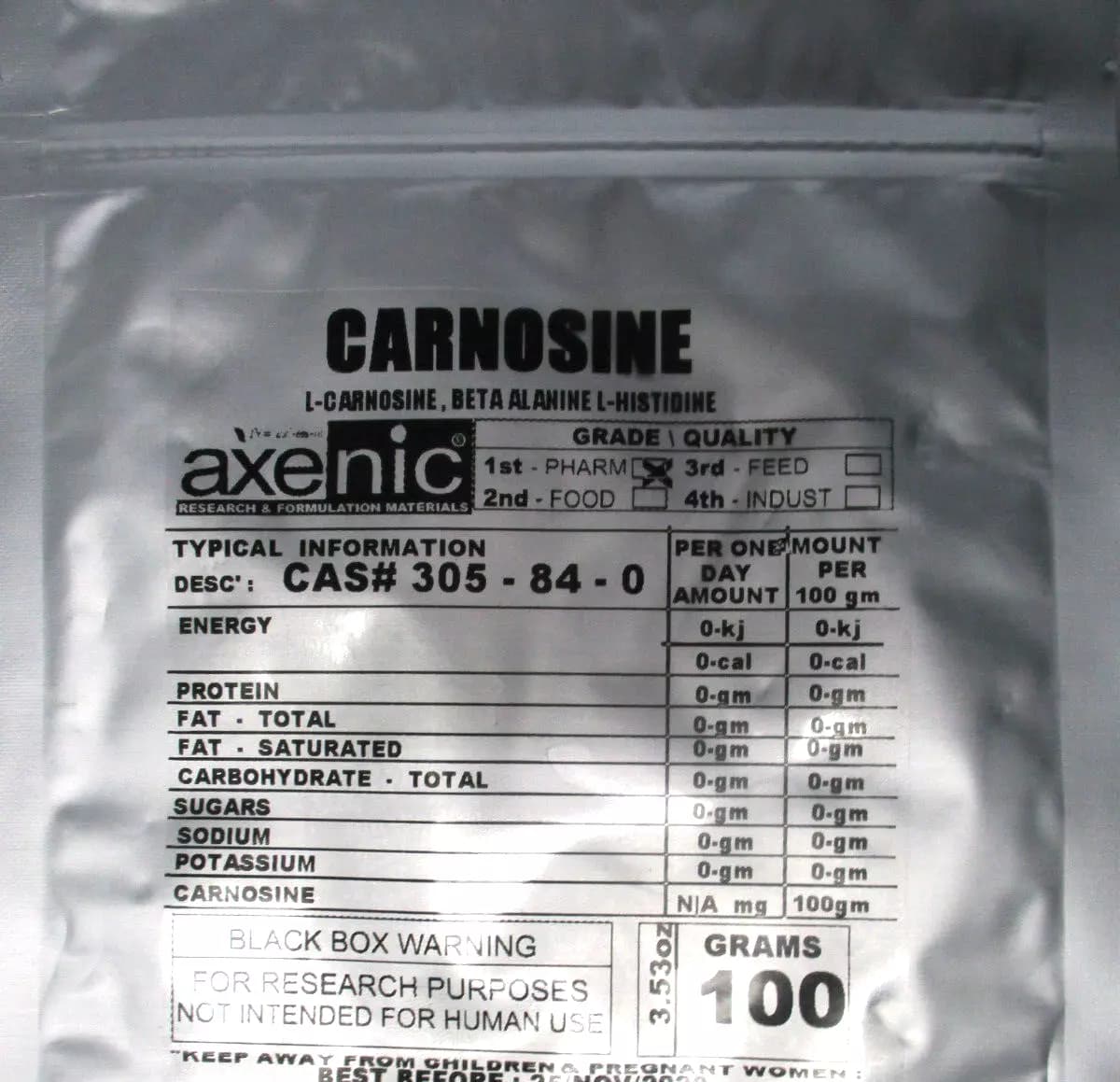
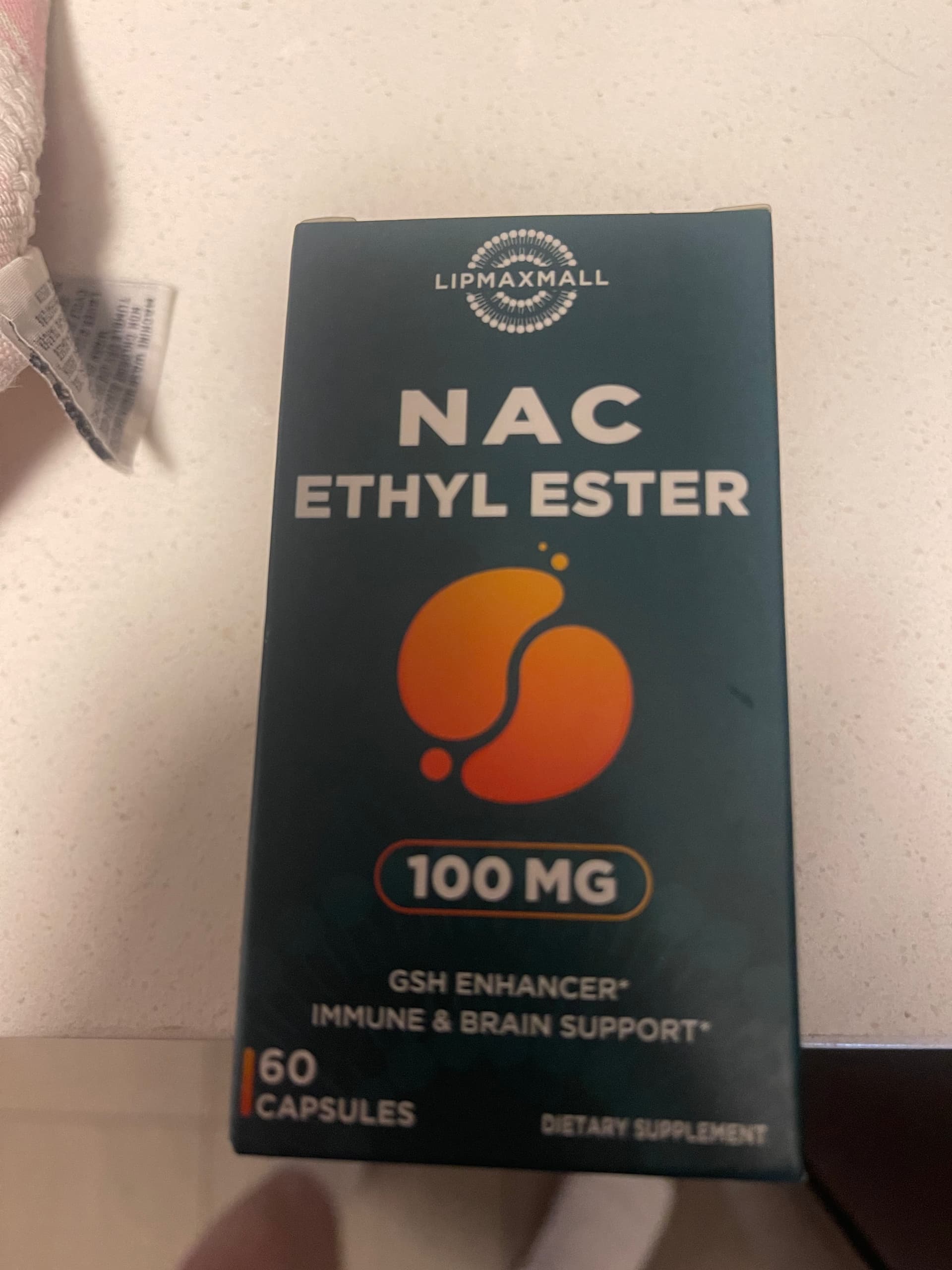
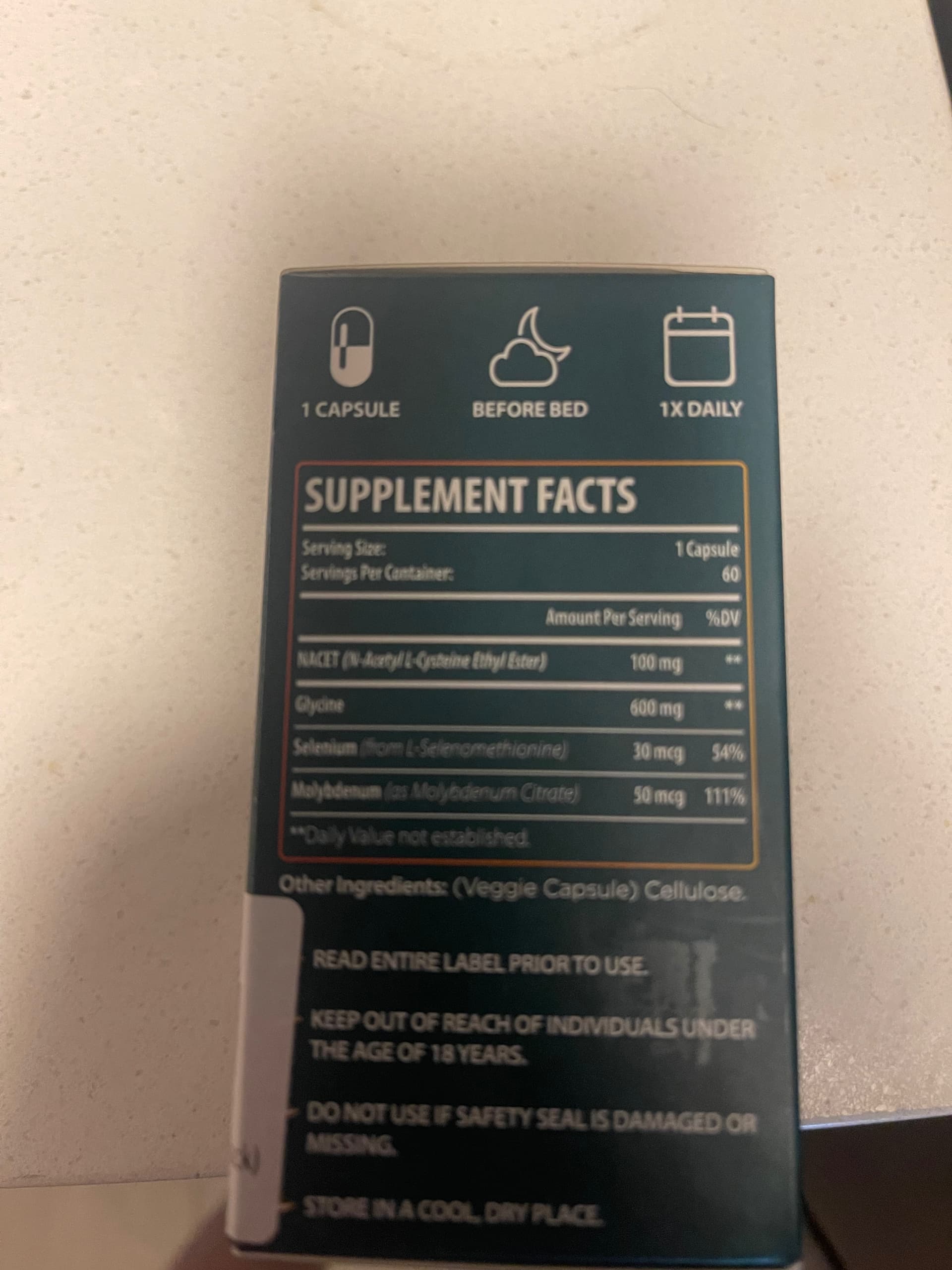
That’s interesting, thank you. 10-12g of glycine is not an issue — i believe i saw a reference to a study on healthline or something like that which mentioned human studies have conformed that taking 90g of glycine daily in humans for a month wasn’t toxic. I’m already taking 6g of glycine and 30g collagen daily — the glycine as part of GlyNaC (with 200mg of NACET which could be between 1-4g of NAC equivalent, if you believe the “bioavailability” argument). I’m eating a heavily animal protein diet so probably high in methionine, so I’m working on the theory that more glycine could counteract the longevity detriments of methionine which could be the majority of the detrimental longevity difference between animal protein and plant protein consumption. And if not, then glycine is difficult to overdose on….
A few questions though:
o. Does “diabetic” in mice/rats mean type 1 (as in “no insulin production”)? Or does it mean high average blood glucose levels?
o. Is “L-glycine” the same as glycine we are all buying in kg bags? Or is it a derivative?
o. Is the mechanism for cataract prevention similar to preventing presbyopia? Meaning it (i think) should impact glycation in the eye lens specifically, which may have something to do with improving lens cell mitochondrial function?
Thank you.
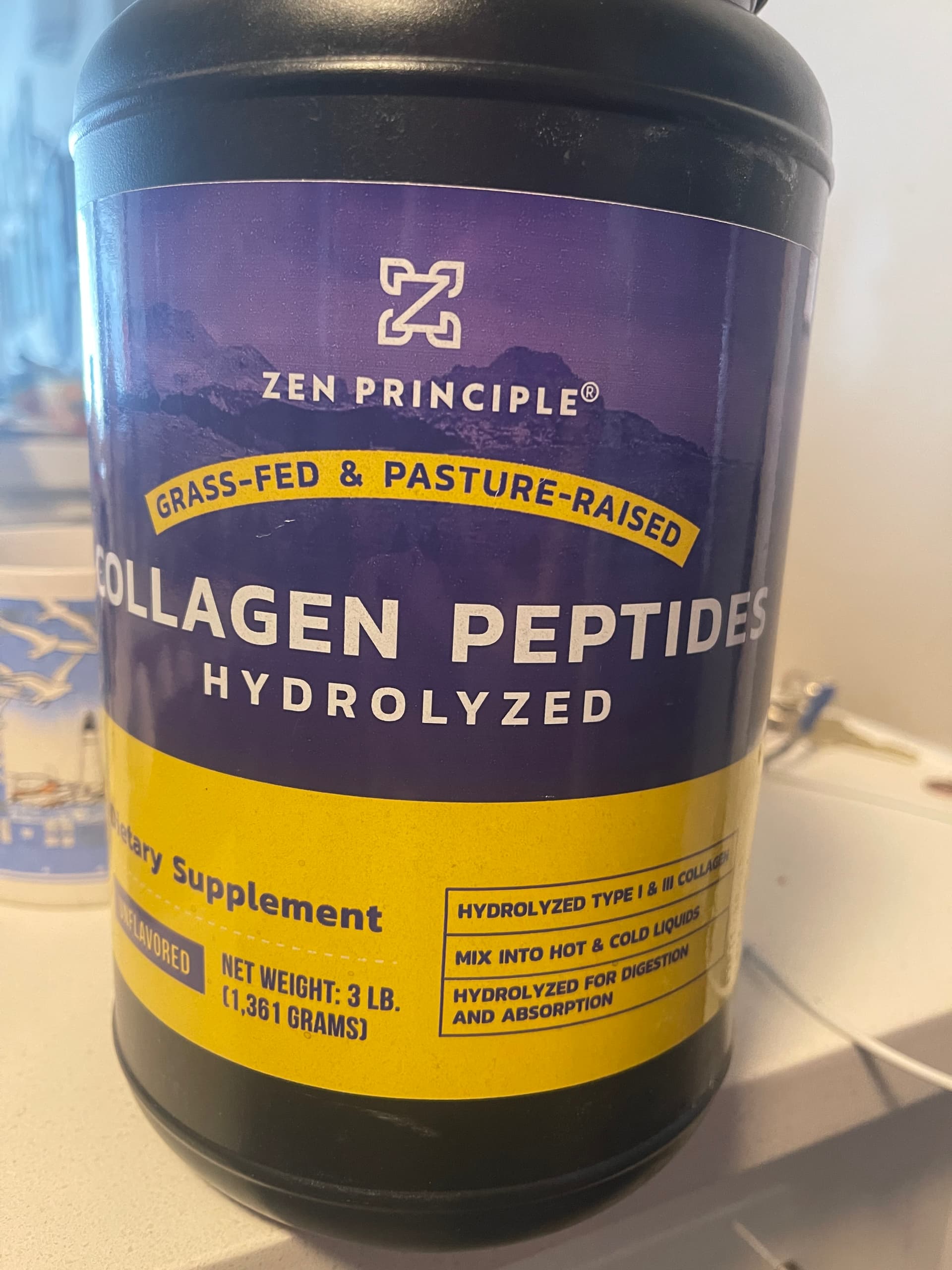
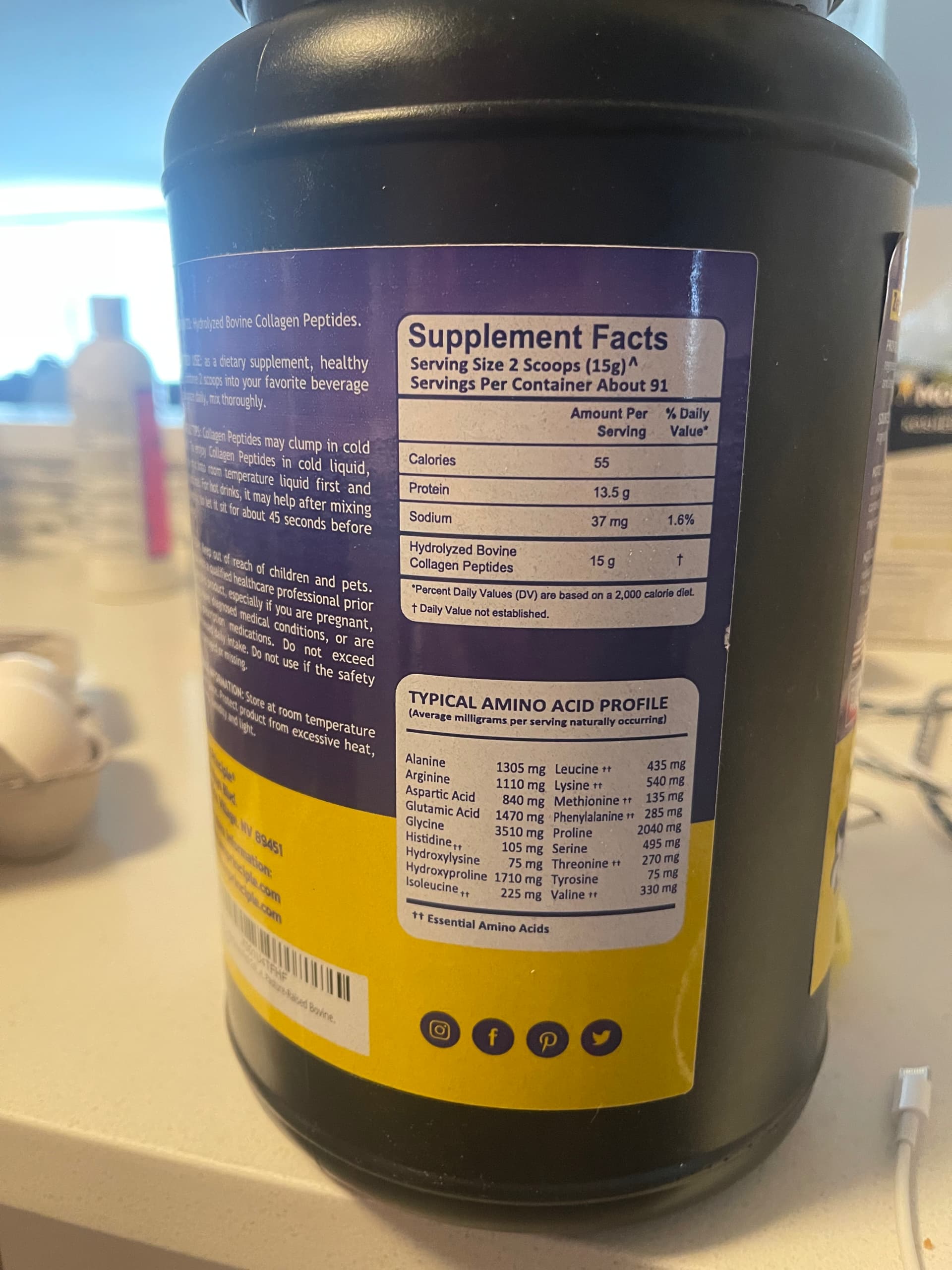
 ). But in terms of collagen quality (I know it should go in the collagen thread)…I was taking Ancient Nutrition because it had type 2 collagen for your joints.