Rhonda Patrick: This is my current supplement stack:
• Omega-3s (2g morning, 2g evening)
• Vitamin D (5,000 IU/day)
• Multivitamin (O.N.E. from Pure Encapsulations)
• Magnesium glycinate (~125 mg, Pure Encapsulations)
• Vitamin K2 (Life Extension)
• CocoaVia
• PQQ (20 mg/day, Life Extension)
• Alpha-lipoic Acid (Pure Encapsulations)
• Berberine (Thorne)
• Lutein and Zeaxanthin (Pure Encapsulations)
• Ubiquinol (100 mg/day)
• RENUAL from Pure Encapsulations
• Liposomal Glutathione (Pure Encapsulations, only weekends)
• L-carnitine
8 Likes
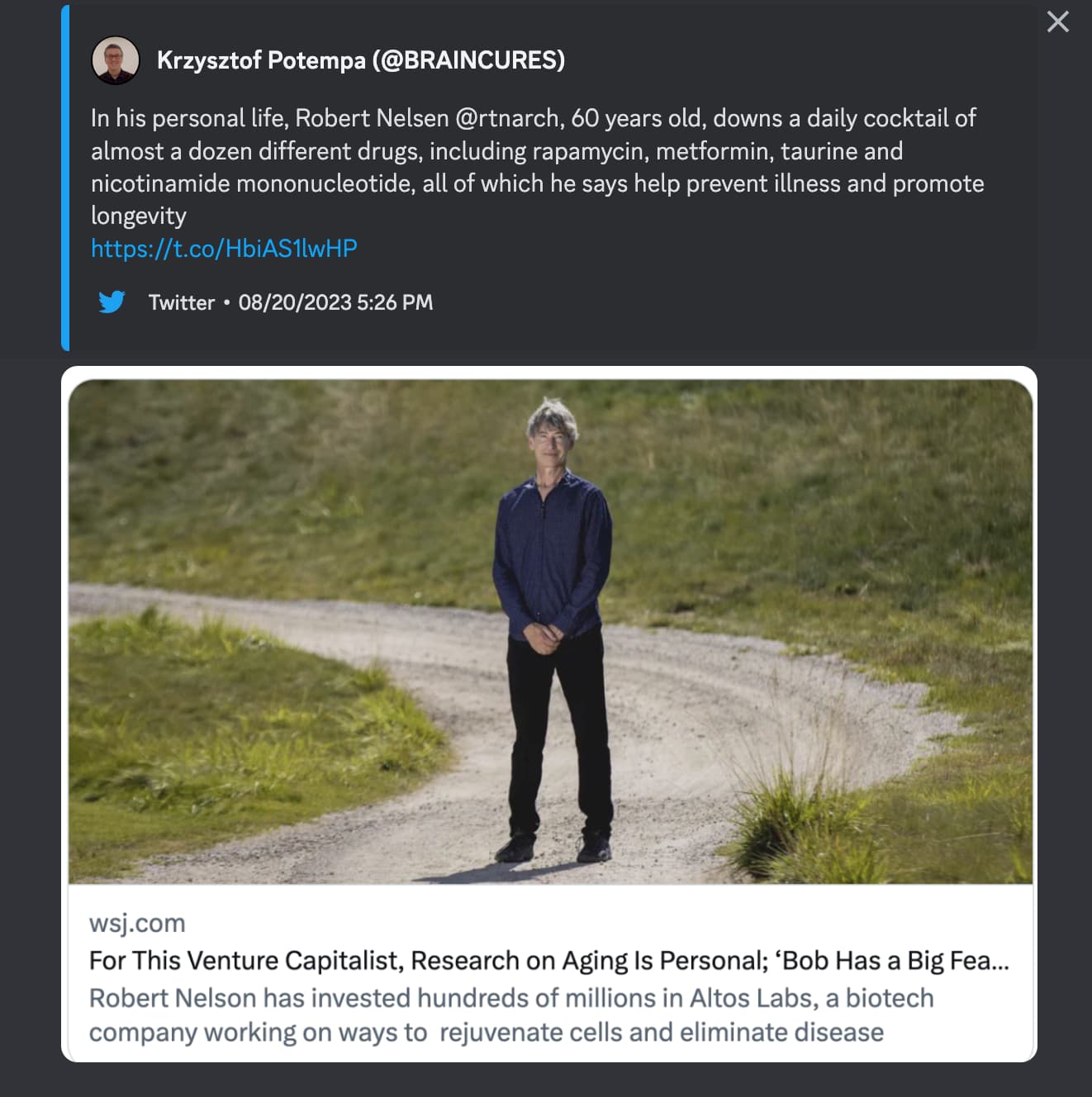
Robert Nelsen, a highly successful VC, @rtnarch, 60 years old, downs a daily cocktail of almost a dozen different drugs, including rapamycin, metformin, taurine, and nicotinamide mononucleotide, all of which he says help prevent illness and promote longevity
https://t.co/HbiAS1lwHP
4 Likes
Cynthia Kenyon is the IT lady for molecular biology. (Molecular biology - Wikipedia)
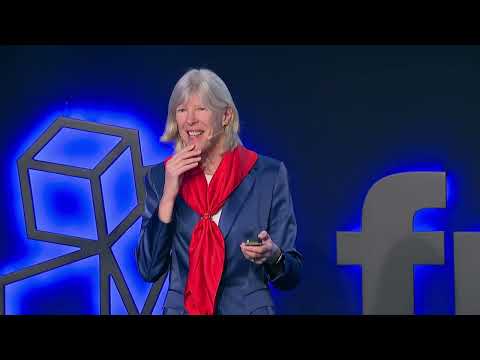
She looks fabulous for a 70 year old. In this video, she talked about rapamycin as a longevity agent but she doesn’t take it herself (timestamp: 5:29)
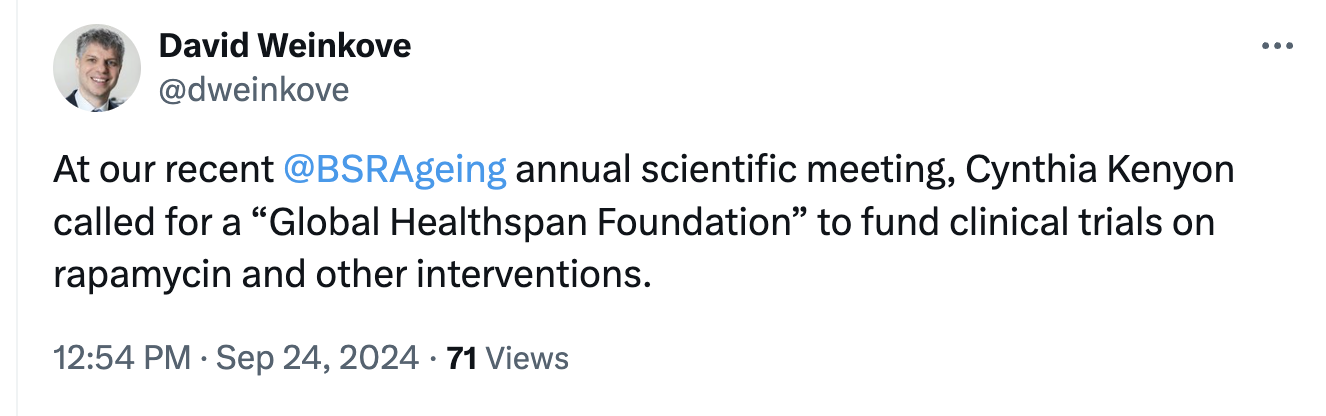
She is a purist. Recently she called for a “Global Healthspan Foundation” to fund clinical trials on rapamycin and other interventions.
Source: x.com
2 Likes
"Your go-to daily meals: I have 2 meals a day. One is a protein shake at 10 AM and second meal is at 4-5 PM. Protein shake includes 30 grams of whey protein with collagen and some frozen berries. Second meal is a Mediterranean style meal with cruciferous vegetables, tomatoes, beans, fish like salmon or herring, sometimes eggs and meat, and potatoes with olive oil. My macros are about 25% protein, 25% fat and 50% carbs.
Supplements you take: collagen 10 g/day, glycine 10-15 g/day, TMG 2 g/day, creatine 3 g/day, magnesium 400 mg/day, taurine 6 g/day, omega-3s 2 g/day, hyaluronic acid 200 mg/day, astaxanthin 12 mg/day
Workout routines: 3x week resistance training for 45 minutes (push-pull-legs split), 1x week HIIT training 4x4x4 Norwegian protocol, 2x week zone 2 cardio 60 minutes. Daily walking ~10-12k steps
Stress relief/mindfulness practices: sauna 4x week 20 min. Playing with dog and spending time with wife.
Sleep routines: Bedtime 10 PM, wakeup 6 AM. Block blue light with glasses 1 hour before bed, cooling mattress, sleep mask, melatonin 0.3 mg on some nights.
Recovery strategies: sauna 4x week 20 min, stretching, walking
Any other longevity routines you practice: comprehensive blood panel 2x a year, DEXA scan 1x year"
5 Likes
Not a famous person, but definitely longevity-ambitious:
What sort of novel therapies are you using now?
My mindset is perhaps my most powerful tool. I believe that a positive, determined attitude can influence physical health in profound ways. Studies support this, showing that people with positive outlooks, especially in long-lived populations, can experience significant longevity benefits. While I use some supplements, my primary focus remains on harnessing the power of my mind to drive my longevity journey.I am currently exploring new therapies like NAD+ and Rapamycin, which have shown promise in longevity research. Rapamycin, for example, is a drug originally used in organ transplants but has gained attention for its potential anti-aging properties. It works by inhibiting the mTOR pathway, which is linked to aging and cellular senescence. I’m inspired by pioneers like Peter Diamandis, who advocate for its use in slowing down the biological clock. I haven’t fully committed to a Rapamycin regimen yet, but I’m closely monitoring the research and considering it as a part of my longevity toolkit.
2 Likes
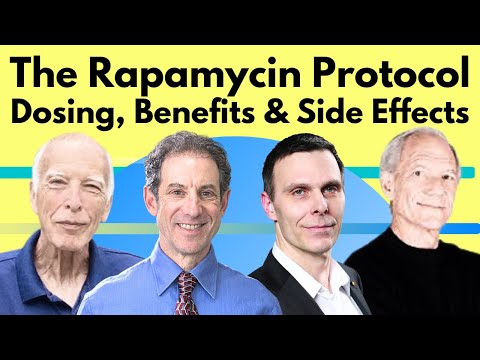
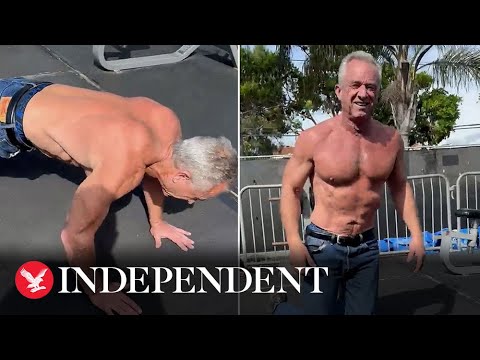
Happen to see a clip of RFK Jr working out, he is pretty good shape for a 70 yr old!
Wonder what’s his secrete? He does eat very clean and he is on TRT.
1 Like
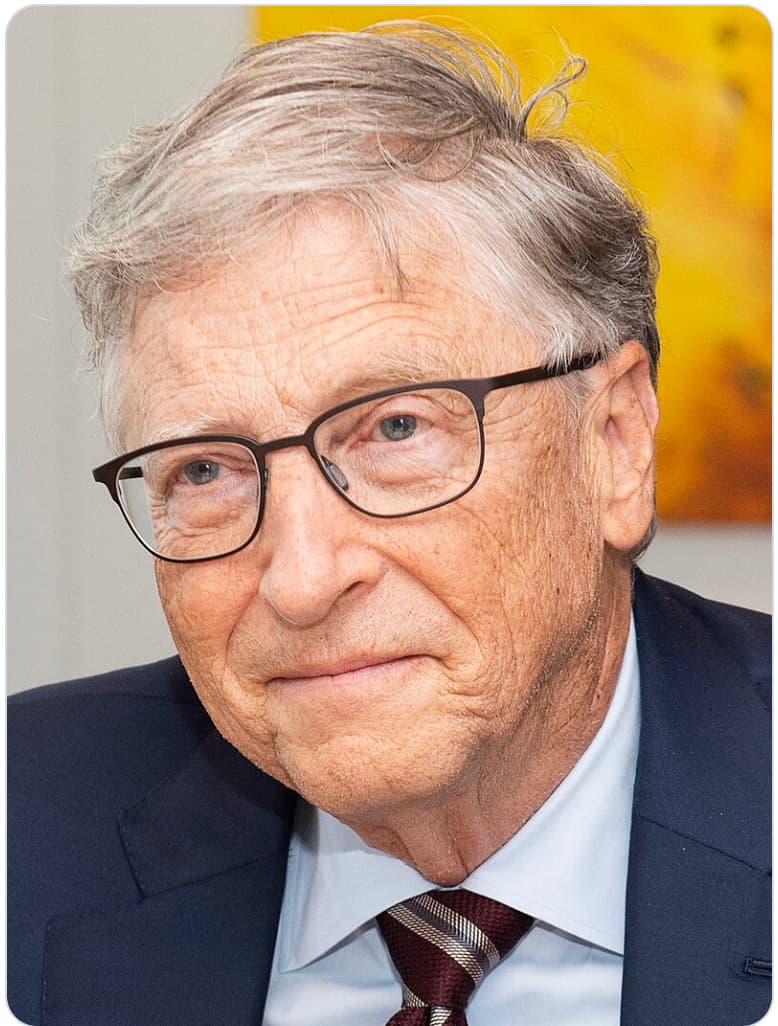
Ha, I actually think it’s a decent looking man, fwiw. 
1 Like
It’s worth looking into what Ray Kurzweil took. He was like Bryan Johnson before Bryan Johnson. He’s currently 78 years old. He does look a little younger, but his speech and movement seem to have slowed by an appreciable amount. I guess his mind is probably still sharp, though his interviews often seemed scripted anyways (people would joke about how he would repeat certain lines from one interview or speech to another).
He took most of the same supplements that people on this forum take; but I don’t think he took Rapamycin. He was a big proponent of phosphatidylcholine, as he thought it was essential to keep cell membranes youthful. I think he took astaxanthin.
3 Likes
An email newsletter update from Peter Diamandis:
Updated Longevity Protocols for 2026
What David Sinclair and I Are Actually Doing
Last month at the 2026 Abundance Summit , I sat down with my friend Dr. David Sinclair, the Harvard geneticist who wrote the book on why we age and how to reverse it, and we compared notes on our longevity protocols.
The response from the Community was overwhelming. So many of you asked: What exactly are you two doing right now?
Here it is. No fluff. Just updated protocols, David’s and mine, side by side.
David Sinclair’s 2026 Longevity Protocol
David’s approach is rooted in what he calls the “Information Theory of Aging”: the idea that aging is a loss of cellular information that can be recovered. His protocol targets the key molecular pathways his lab has been studying for over two decades.
The Big Three (Daily; Morning)
- NMN (Nicotinamide Mononucleotide): 1g daily. NMN is a precursor to NAD+, the coenzyme critical for DNA repair and cellular energy. NAD+ levels decline dramatically as we age. David has been taking this for over a decade.
- Resveratrol: 1g daily, always mixed with olive oil, yogurt, or another small fat or protein source for absorption. As Sinclair explains: if you just take resveratrol as a pill without fat, it mostly passes straight through you. This is the sirtuin activator: think of it as the accelerator pedal for your longevity genes. His lab has new data linking sirtuins directly to epigenetic reprogramming, and they’re about to submit a paper for Nature .
- Metformin (or Berberine): He cycles between metformin (a prescription diabetes drug, taken at 1g/day) and berberine (a natural alternative that activates the same AMPK longevity pathway). Both lower blood glucose, which is critical. We’ve found at Fountain Life that hemoglobin A1C is the #1 correlate to heart disease, more than HDL, LDL, or Lp(a). David recommends not taking metformin in the hours before a workout, or skipping it that day, because it can interfere with the body’s ability to make energy through mitochondria, reducing workout intensity and muscle gains.
The Extended Stack
- Nattokinase: 10,000 units daily. David added this in the last couple of years. In his own words, it’s the only compound very clearly shown in large clinical trials of 1,000+ people to actually reverse arterial plaque. Important: it requires about a year of consistent use. Sinclair notes that 6,000 units in clinical trials didn’t work; the dose that worked was 10,000. His father, now 86, takes it too.
- Spermidine: Stimulates autophagy (your body’s cellular recycling system) and may also delay epigenetic information loss. Sinclair notes it extends lifespan in every animal model studied, from worms to mice, and is considered very safe.
- Vitamin D3/K2: A daily dosage of a combined formulation of D3 and K2. Vitamin D3: Supports immune function, bone strength, reduces inflammation, while Vitamin K2 directs calcium to bones, prevents arterial calcification.
- Low-dose Aspirin: A baby aspirin most days. Sinclair takes this because of his personal high cardiovascular risk: he carries elevated LDL and elevated Lp(a) genetically. He notes that medical associations have walked back the general aspirin recommendation for average-risk individuals due to bleeding concerns, but for high-risk individuals he believes the benefit still outweighs the risk.
- Glycine: ~5g daily, an amino acid Sinclair believes helps regulate DNA methylation (the epigenetic “labels” that tell cells what type they are), potentially slowing the cellular identity loss that drives aging. Sinclair notes it extends lifespan in animal models and is considered very safe with no meaningful downside.
- Niacin (Vitamin B3): ~500mg daily (high dose). Sinclair takes this specifically to lower his elevated Lp(a): a cardiovascular risk factor he carries genetically. He builds up the dose gradually; it can cause temporary flushing/tingling, which taking it alongside an aspirin can help reduce. He notes it is one of the very few things known to bring Lp(a) down while better drugs are still in development.
Lifestyle Protocols
- Diet: David eats mostly a plant-based diet. He credits his partner for getting him off the nightly cheese-and-wine habit. He emphasizes “stressed plants” (dark leafy greens, broccolini, deeply colored vegetables) based on the xenohormesis hypothesis he co-published. The idea: stressed plants produce more polyphenols, which signal our bodies to activate longevity defenses. So, what’s his favorite? Broccolini: very lightly steamed, with olive oil.
- Alcohol: Eliminated. Even one glass daily correlates with a smaller brain size. David says he may occasionally celebrate a few times a year.
- Fasting: Practices intermittent fasting daily: typically skipping breakfast and eating in a compressed window, aiming for at least 14 - 16 hours of fasting most days. He also does an extended 3-day fast roughly once a month to trigger chaperone-mediated autophagy: a deeper level of cellular protein recycling that doesn’t kick in during shorter fasts. His reasoning: the body begins turning over old, damaged proteins preferentially after about 2.5–3 days without food.
- Coffee/Tea: David drinks both throughout the day, given that the current science is strongly favorable.
- Environment: HEPA filtration in every room. Eliminated plastics and Teflon. Filtered water. Fresh air circulation.
- Mindset & Meditation: Sinclair is now a convert. After years of his partner encouraging him, a recent study showed that neural signaling from the brain directly increases immune cells in the gut. His lab is now studying this: rejuvenating sensory nerves to produce systemic health effects.
- Imaging, Wearables & Genomics: David believes in proper diagnostic testing. He recommends full genome sequencing for actionable insights. Wearables for continuous monitoring. Carotid ultrasound (not CT, to avoid radiation) to track arterial plaque. He echoes my thoughts, to understand what’s going on inside your body, so you can “make sure that you’re not going to die from something stupid like a stroke or a heart attack.”
Peter’s 2026 Longevity Protocol
My mornings start at 5am. By 7am, I’ve stacked more longevity interventions than most people do in a week. Here’s the breakdown:
Sleep (9:30pm - 5am)
- 8 hours of sleep, non-negotiable. Cool room at 63°F. No food 2-3 hours before bed. I wear an eye-mask and mouth-tape. A great night sleep is key. Even 1 gram of sugar an hour before sleep can destroy your time-restricted eating benefits. I track everything with my Oura Ring, and my target Sleep Score is 90+.
- PEMF (Pulsed Electromagnetic Field) therapy runs automatically from 5:00-5:30am while I’m still in bed; and then again at 9:30pm when I’m going to sleep.
Morning Routine (5:30am - 7:00am)
- Red Light Therapy (30 min): I use three devices simultaneously: a PlatinumLED BIOMAX 900 panel for my body (20 minutes), a laser cap for hair growth (10 minutes), and a red-light mouthpiece for gum and teeth health (10 minutes). David and I both swear by red light: it reduces inflammation and promotes healthy skin and tissue repair.
- Meditation: 15 minutes using an Ohm device. My meditation focus every morning is on GRATITUDE and Optimism. The data is clear: optimists live 15% longer than pessimists. Your mindset is the most underrated longevity lever.
- Workout: 40 minutes of weight training, targeting upper and lower body. Muscle mass is one of the strongest predictors of longevity. My goal: resistance training 5 days a week, 1g protein per pound of bodyweight, and 5g of creatine daily.
Morning Peptides
- CJC-1295: 5 days/week, a growth hormone-releasing hormone analog for tissue repair and recovery.
- SS-31 (Elamipretide): Sunday & Wednesday. Targets and repairs mitochondria directly.
- MOTC: Sunday, Wednesday, Friday. a mitochondria-derived peptide that enhances metabolic function.
- Tirzepatide (microdose): Sunday only. It’s a next-gen GLP-1 receptor agonist. David and I discussed this at the Abundance Summit. Beyond weight loss, GLP-1s are showing remarkable benefits for the heart and brain. We’re both watching this space closely.
Evening Peptides
- Sermorelin: 5 days/week. A peptide used to stimulate the pituitary gland to produce and release more growth hormone.
- BPC-157: Sunday thru Thursday. A peptide used to accelerate healing of tendons, ligaments, muscles, and gut tissue.
- DSIP (Delta Sleep-Inducing Peptide): A naturally occurring neuropeptide that, when administered intranasally, is reported to promote slow-wave (deep) sleep and improve sleep quality.
My Supplement Stack
As I’ve mentioned before, I take a stack of over 60 supplements per day divided into a wake-up, AM, Lunchtime, PM and Bedtime pill packs. Without listing everything, I want to say I mirror nearly 100% of what David listed above.
As always, I have to say you should discuss your supplements and meds with you physician . Having said that, the following supplements are, in my humble opinion, useful for most everyone, and a few I will list in addition to those listed by Dr. Sinclair:
- Creatine 5 grams every day: Fuels muscles, boosts strength and power output.
- Coq10 with PQQ: Cellular Energy and support: mitochondria support.
- Urolithin A: Mitochondria Support.
- N-Acetyl Cysteine: Precursor to glutathione (the body’s master antioxidant).
- Magnesium Glycinate & Magnesium Threonate: Brain and Sleep support.
Therapeutics
- Infrared Sauna: 3x per week, 20-30 minutes. I use a “Healing Sauna ,” which is super portable and keeps my head and arms free to do work. David and I agree: heat stress activates your body’s “adversity mode,” triggering longevity pathways. Your air-conditioned, comfortable life is actually working against you.
- Exosomes, Immuna and Throne Biosciences: Through Fountain Life , under the care of my physicians, I’ve used three different rejuvenation protocols, specifically: (i) IV exosomes (Kimera Labs ); (ii) Immuna, an experimental protocol under phase-2 FDA trial from Immunis ; and (iii) Stem Cell Educator Therapy by Throne Biosciences : a one-time, dialysis-like treatment that uses CB-SC stem cells derived from human umbilical cord blood to “re-educate” and reset the immune system.
My Skin Protocol. This Is Where the Science Gets Exciting
Here’s something I’ve become increasingly passionate about: your skin is not just cosmetic. It’s your body’s largest organ and a major driver of systemic aging.
Both morning and evening, I apply OneSkin’s OS-01 FACE and BODY formulations.
Why? Because the science behind OS-01 is some of the most rigorous I’ve seen in the longevity space. OneSkin was founded by four female PhDs from Brazil who asked a simple question: What if you could eliminate the senescent “zombie” cells in your skin that drive aging?
They screened roughly 1,000 peptide sequences and found one, OS-01, that does exactly that.
Here’s what the peer-reviewed data shows:
- Reduces senescent cell burden by up to 50% in skin tissue models.
- Decreases skin’s biological age by 2.5 years in just 5 days of treatment, measured by MolClock, the first skin-specific molecular clock.
- Increases epidermal thickness and supports collagen biosynthesis the key building block of younger skin.
- A new 2025 pilot study published in the Journal of Cosmetic Dermatology found that OS-01 BODY, their body moisturizer with the OS-01 PeptideTM, increased skin’s barrier strength , leading to a reduced systemic inflammatory marker (IL-8), even though the peptide never enters the bloodstream.
That’s not skincare, that’s longevity science applied through your body’s largest organ.
And this actually makes a lot of sense when you consider that skin is your body’s first line of defense against external aggressors, and the fact that we live in a toxic soup these days.
David’s work has taught us that senescent cells are among the primary accelerators of aging. His lab uses gene therapies to target them systemically. OneSkin is doing something complementary: targeting senescent cell accumulation in the skin with a topical peptide, and the downstream effects on systemic health are remarkable.
I apply OS-01 FACE morning and evening, and OS-01 BODY every morning. It’s part of my protocol because the science warrants it.
Here’s Bottom Line…
David and I approach longevity from different angles: he’s the bench scientist developing age-reversal gene therapies that could be in human trials any day now, and I’m the operator stacking every available intervention to stay alive long enough to benefit from what his lab creates.
But we agree on the fundamentals:
- Manage your glucose. It’s the #1 correlate to heart disease.
- Build and protect muscle mass. It’s the most underrated longevity predictor.
- Clear senescent cells . Whether that’s through senolytics like fisetin, gene therapy, or topical senomorphics like OneSkin’s OS-01.
- Stress your body intentionally. Hot saunas, cold showers or plunges, fasting, exercise. Your comfortable life is aging you.
- Sleep like it matters. Because it does more than almost anything else.
- Monitor everything. Whole genome sequencing. Blood work. Wearables. Carotid ultrasound. You can’t optimize what you don’t measure.
- Fix your mindset. Believe that a longevity revolution is coming, because it is. 2026 may be the year we learn that age reversal is possible in humans.
We’re living during the most extraordinary time in human history. The longevity breakthroughs are coming.
So, here’s the question for you: will you be healthy enough when they arrive?
Stay healthy. Stay optimistic. Stack the protocols.
To your longevity,
Peter
4 Likes
Thanks for the Peter Diamandis post. Is he still on rapamycin or not?
What medications he is one these days?
No idea - I only see what is in the newsletter I just posted. Perhaps other people here follow him more closely and can comment…
Interesting in theory, but falls apart upon examination. Biggest issue: whom do you regard as a “longevity expert”? Names listed here are the furthest thing from a longevity expert I can think of. Peter Attia comes closest, but he’s not a scientist or researcher and has some wacky ideas (protein, nutrition in general etc.), the rest are unimpressive at best. In what universe is Bryan Johnson a longevity expert? He’s a tech bro gobbling up bucketfulls of supplements served up by his team of hustlers. Huberman? A grifter pushing fraudulent supplements for money (A1Greens etc.). Hyman - an influencer MD doing no research and falling for blatant snakeoil that almost cost him his life (sepsis from insane injections by obvious scammers). Rhonda Patrick who has emotional attachments to favored supplements despite extensive evidence to the contrary that she refuses to engage with (fishoil).
The fact that they all agree upon fishoil as the #1 supplement tells you all you need to know.
Where are there true experts doing actual work in the field, like Matt Kaeberlein, Bryan Kennedy, Joan Mannick or even Nir Barzilai?
5 Likes
As we now know that NAD levels don’t decrease with age I wonder if he’ll dump NMN: https://www.nytimes.com/2026/05/23/well/nad-longevity-supplement-antiaging.html
That makes me question the rest of the stack as well…
1 Like
In all fairneess, the title of the post was famous people’s supplements not expert supplemements. That said, I totally agree with you. Being famous is no indication of exertise except possibly expertise in marketing. If you were to list the people with the most expertise many of them would not be well known at all. That’s why I always dislike lists like this.
2 Likes