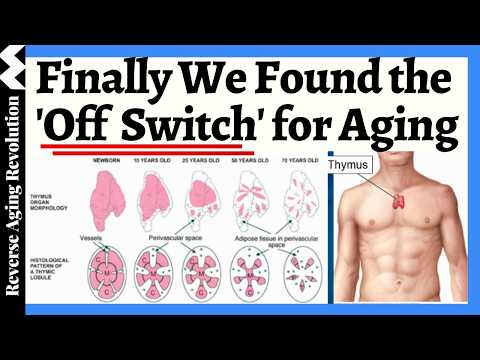
Melatonin is an important regulator of thymus function. The thymus is the central immune organ where T lymphocytes develop and mature, often called the “school of the immune system.” Melatonin protects and enhances thymus function through multiple mechanisms.
Main Mechanisms of Action
Promotes Thymic Hormone Secretion
Melatonin can directly stimulate the thymus to produce thymic peptides, such as Thymosin-α1 and Thymulin. Studies show that elevated blood melatonin levels at night are positively correlated with increased thymic peptide secretion.
Reverses Age-Related Thymic Involution
As age advances, the thymus gradually atrophies (thymic involution), which is a major cause of immunosenescence. Research has found:
Melatonin can significantly increase thymus weight and total thymocyte count in aged mice
Oral melatonin can rejuvenate the atrophied thymus, restoring partial peripheral immune function
In 22-month-old aged mice, after 60 days of melatonin treatment, thymocyte count recovered from 7.3×10⁷ to 9.1×10⁷ (approaching the 12.6×10⁷ seen in 2-month-old young mice)
Anti-Apoptotic Protection
Melatonin protects thymocytes from apoptosis:
Inhibits thymocyte apoptosis induced by glucocorticoids or hydroxyl radicals
Protects CD4+ T lymphocytes and monocytes from programmed cell death
Achieves cytoprotection by safeguarding mitochondria and activating intracellular signaling pathways
Regulates Hormone Receptors
Melatonin receptors (MT1 and MT2) exist in the thymus, and melatonin regulates thymus function by:
Modulating the expression and sensitivity of glucocorticoid receptors on thymocytes
Upregulating MT1 and MT2 receptor expression in the thymus during early pregnancy in sheep
Influencing androgen receptor expression, thereby regulating cell-mediated immune function
Effects of Melatonin Deficiency on the Thymus
Pinealectomy leads to reduced trkB expression in rat thymus, which can be reversed by exogenous melatonin supplementation
Continuous light exposure or β-adrenergic blockade inhibiting melatonin synthesis results in decreased thymus and spleen cell counts and impaired immune function
These immunosuppressive effects can be reversed by evening melatonin supplementation
Clinical Significance
Application Area Effect
Anti-aging Delays immunosenescence and maintains thymus function
Immune enhancement Improves vaccine efficacy and enhances anti-infection capability
HIV/AIDS adjuvant Improves immune function in patients with severe immunodeficiency
Stress protection Counteracts immune suppression caused by stress or trauma
Summary
The relationship between melatonin and the thymus can be summarized as: Melatonin is a key regulatory factor of thymic endocrine function. It maintains and enhances the immune function of the thymus through direct action on thymocytes, promoting thymic hormone secretion, protecting thymocytes from apoptosis, and regulating related hormone receptors. The decline in melatonin levels with age is closely related to thymic involution, and melatonin supplementation may be a potential strategy to delay age-related immune function decline.
After one year of daily 3.5 iu HGH for thymus regrowth and success, I am now doing weekly rapamycin for 3 months. Then taking a rapamycin break and doing 1 month 3.5 daily HGH, so T-cells are finished. Then 3 months rapamycin.
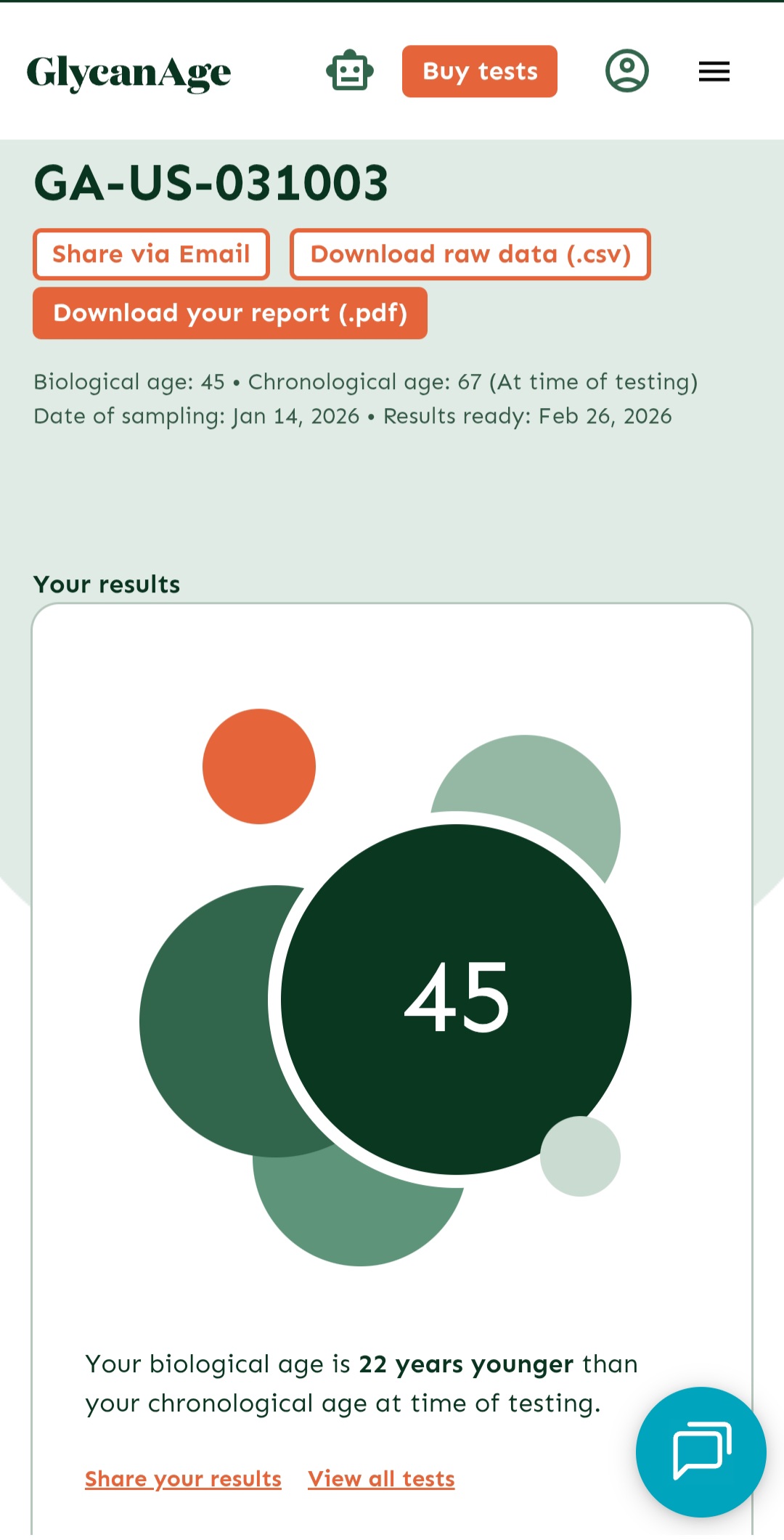
Huge inflammation reduction, getting inflammation down is key to longevity. Looking at my last blood Glycan test below my inflammation is 22 years younger than my actual age… and reduced by a year from my previous test 21 years. So a 2-year reduction there counting my extra year of aging. I believe rapamycin is equally involved in lowering inflammation. So yeah - my inflammation level is that of someone 45 years. I am 68 years.
If Gregg Fahy’s hair is not dyed… pretty amazing. I have lots of new solid black hair mixed with grey beard and on my head. But… that said, my arm hair , chest hair and pubic hair has no grey at 68 years… so just maybe?!?
3.5 IU is a standard daily dosage of Human Growth Hormone (HGH) typically used for muscle growth, fat reduction, and anti-aging . In terms of mass, this equals approximately 1.17 mg (using the standard conversion of 1 mg ≈ 3 IU).
This dosage falls within the therapeutic range for:
Adults with Growth Hormone Deficiency (GHD) : It is often prescribed for patients under 30 years old or those transitioning from pediatric treatment, where starting doses range from 1.2 to 1.5 IU up to 3.0 IU depending on age and IGF-1 levels.
Bodybuilding and Athletic Performance : It serves as a moderate dose for lean muscle gain and fat loss, sitting between the low end (1–2 IU) for beginners and the high end (4–8 IU) used by experienced athletes.
Key considerations for this dosage include:
Monitoring : Doses should be adjusted based on IGF-1 levels and blood tests to prevent side effects like fluid retention, joint pain, or insulin resistance.
Administration : HGH is administered via subcutaneous injection , often in the evening to mimic natural secretion patterns.
Safety : Higher doses increase the risk of adverse effects; therefore, individualized titration under medical supervision is recommended to maintain IGF-1 levels within the normal range.
I did some quick math and for myself (82kg) 3.5 daily is on high end for the TRIM protocol. Luke’s math above would put me at 3.7 3-4x a week. Or if I net it out, about 2.1 IU / day. Which is approximate where I am at daily.
3.5 daily will put me into super physiological levels. Along with Carple tunnel. Which if I was a bit older, I’d probably be ok with. But prefer to stay in range at 45.
I did 3.5mg daily 5 days a week for about 3 months last year and I don’t think I got anything out of it. I don’t recall getting any benefits (maybe) and no side effects either.
As I was watching this video I was surprised by Greg Fahy’s very dark full head of hair, and his beard looks like it has a lot of color, too. I know plenty of people in their 70s and not even one of them has their original hair color, They all have varying depths of gray to all gray hair. Is it known whether or not this is natural for him or whether or not his hair color came back after going through the TRIIM protocols? And, of course, there is certainly the possibility that he could be dyeing it?
To me he looks like he dyes his hair and facial hair, and to make the matters worse he doesn’t even do a good job at LOL. Nah his hair is not original color, no way nor is his beard. But he does look pretty good for someone approaching 80, I think he’s 77 or something. I was watching some video of his like 15 years ago and to me he looks better and probably younger now than then.