You wrote: BTW I do think that one certainly should not take Rapamycin and HGH at the same time, for many reasons.
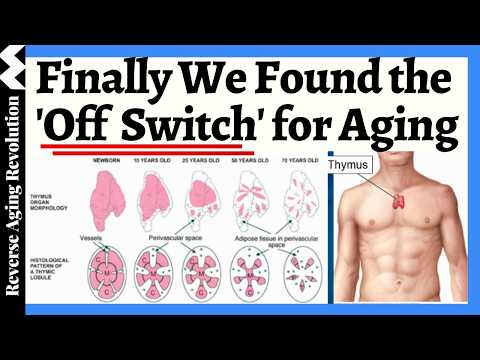
This came up in the Kaeberlein and Fahy interview. Rapamycin might also rebuild the Thymus. Fahy’s concern was Rapamycin might inhibit the Thymus from producing the finishing stage of the T-cell. So, I am starting to think 3 months on Rapamycin…one month off for Thymus T-cell production. Just a guess.
Really appreciate your perspective and shared experience with the TRIIM XA trial.
I’d suggest that anyone reading this thread should also take a look at Growth hormone supplementation can restore the thymus, but what is its effect on lifespan? - General - Rapamycin Longevity News. That thread discusses evidence from mouse studies that reduced GH and IGF-1 (throughout life) extends average and maximum lifespan, while overexpression of GH shortens lifespan. There’s more of course, including possible benefits of taking GH at advanced age vs. younger age, and the “cancer risk” issue: Anyone with active cancer or a history of cancer shouldn’t be taking growth hormone.
I have also benefited from online HGH sources, thanks to @Agetron and, indirectly, @AgentSmith. The price was low and the quality high.
I take a low dose of 2 iu per week and, at 78, I’m happy with the results. I get monthly blood panels, which show that nothing is amiss. HGH and TRT have combined to improve my quality of life. And things will be even better on Monday when I will receive a much-needed iron infusion.
Exactly. Kaeberlein brings this up. And, Fahy says no evidence of increased cancer risks in humans on HGH. The thymus rejuvenation actually builds immunity response to cancer. In the Optispan interview. Link: https://www.youtube.com/watch?v=Xj45rcfzrbM 2
In fact, in all the TRIIM-X trials, volunteers with active cancer or a history of cancer have been excluded – this is because HGH does stimulate cell growth and division, and doing this in cells that have escaped the normal cell cycle controls is a very bad idea. When Fahy says we haven’t seen evidence that introducing [extra] HGH in a population of normal cells causes or leads to cancerous cell growth (true to the best of my knowledge), he is not saying there’s no cancer risk. The cancer risk arises because in a population of 30-40 trillion cells, especially at advanced age, there may well be pre-cancerous cells, and we don’t (yet) have adequate methods to test for and eliminate them. This is in fact a non-zero risk for anyone taking HGH, but for people with a history of cancer it’s a greater risk, and for people with active cancer, taking HGH is a VERY bad idea. BTW on the issue of testing for cancer, I happen to think (considering all the evidence from the British NHS trial) that taking the Galleri test, maybe once every few years, is a good idea, granted that it still costs about $1,000 (I expect it will come down). With all this, the evidence from TRIIM-X for not just thymus regeneration, but new naive T-cells arising from the thymus is a real positive, since a strengthened immune system is indeed one of your best defenses against the spread of cancer. No course of action in life is risk-free – especially inaction … we have to make our bets and act on them.
Definitely, if you have familial cancer genetics or have had cancer… lots of things are off the table for you.
I am trying to address the normal, healthy population on this site. As always, each person is responsible for testing and knowing their health situation. A fair balance of risks and rewards always needs to be in one’s health choices and treatments.
Rapamycin is helpful in clearing potential cancer cells. So that is a plus of using it for the past 4.5 years.
Melatonin is an important regulator of thymus function. The thymus is the central immune organ where T lymphocytes develop and mature, often called the “school of the immune system.” Melatonin protects and enhances thymus function through multiple mechanisms.
Main Mechanisms of Action
Promotes Thymic Hormone Secretion
Melatonin can directly stimulate the thymus to produce thymic peptides, such as Thymosin-α1 and Thymulin. Studies show that elevated blood melatonin levels at night are positively correlated with increased thymic peptide secretion.
Reverses Age-Related Thymic Involution
As age advances, the thymus gradually atrophies (thymic involution), which is a major cause of immunosenescence. Research has found:
Melatonin can significantly increase thymus weight and total thymocyte count in aged mice
Oral melatonin can rejuvenate the atrophied thymus, restoring partial peripheral immune function
In 22-month-old aged mice, after 60 days of melatonin treatment, thymocyte count recovered from 7.3×10⁷ to 9.1×10⁷ (approaching the 12.6×10⁷ seen in 2-month-old young mice)
Anti-Apoptotic Protection
Melatonin protects thymocytes from apoptosis:
Inhibits thymocyte apoptosis induced by glucocorticoids or hydroxyl radicals
Protects CD4+ T lymphocytes and monocytes from programmed cell death
Achieves cytoprotection by safeguarding mitochondria and activating intracellular signaling pathways
Regulates Hormone Receptors
Melatonin receptors (MT1 and MT2) exist in the thymus, and melatonin regulates thymus function by:
Modulating the expression and sensitivity of glucocorticoid receptors on thymocytes
Upregulating MT1 and MT2 receptor expression in the thymus during early pregnancy in sheep
Influencing androgen receptor expression, thereby regulating cell-mediated immune function
Effects of Melatonin Deficiency on the Thymus
Pinealectomy leads to reduced trkB expression in rat thymus, which can be reversed by exogenous melatonin supplementation
Continuous light exposure or β-adrenergic blockade inhibiting melatonin synthesis results in decreased thymus and spleen cell counts and impaired immune function
These immunosuppressive effects can be reversed by evening melatonin supplementation
Clinical Significance
Application Area Effect
Anti-aging Delays immunosenescence and maintains thymus function
Immune enhancement Improves vaccine efficacy and enhances anti-infection capability
HIV/AIDS adjuvant Improves immune function in patients with severe immunodeficiency
Stress protection Counteracts immune suppression caused by stress or trauma
Summary
The relationship between melatonin and the thymus can be summarized as: Melatonin is a key regulatory factor of thymic endocrine function. It maintains and enhances the immune function of the thymus through direct action on thymocytes, promoting thymic hormone secretion, protecting thymocytes from apoptosis, and regulating related hormone receptors. The decline in melatonin levels with age is closely related to thymic involution, and melatonin supplementation may be a potential strategy to delay age-related immune function decline.
After one year of daily 3.5 iu HGH for thymus regrowth and success, I am now doing weekly rapamycin for 3 months. Then taking a rapamycin break and doing 1 month 3.5 daily HGH, so T-cells are finished. Then 3 months rapamycin.
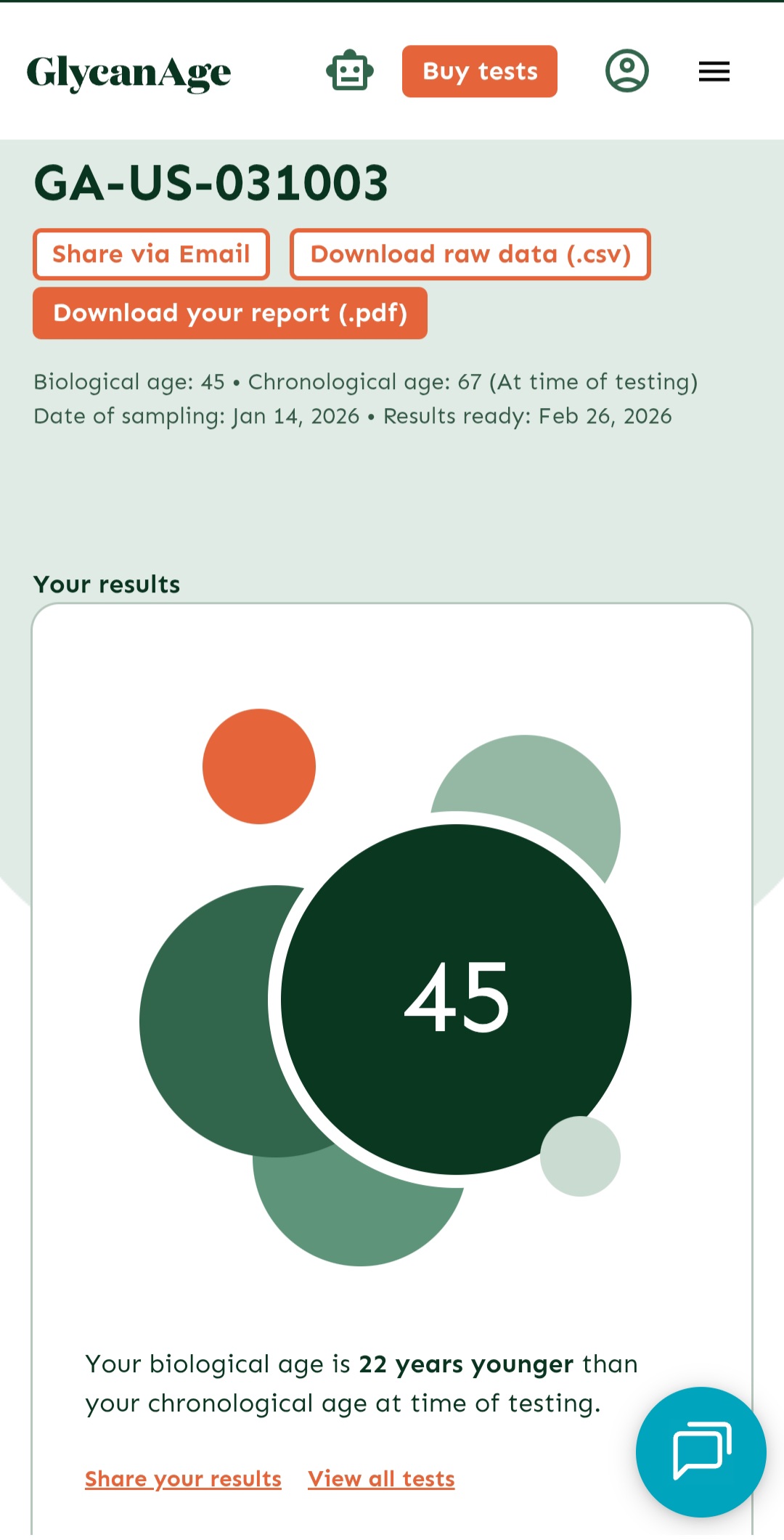
Huge inflammation reduction, getting inflammation down is key to longevity. Looking at my last blood Glycan test below my inflammation is 22 years younger than my actual age… and reduced by a year from my previous test 21 years. So a 2-year reduction there counting my extra year of aging. I believe rapamycin is equally involved in lowering inflammation. So yeah - my inflammation level is that of someone 45 years. I am 68 years.
If Gregg Fahy’s hair is not dyed… pretty amazing. I have lots of new solid black hair mixed with grey beard and on my head. But… that said, my arm hair , chest hair and pubic hair has no grey at 68 years… so just maybe?!?