The Lancet: Experts warn global rise in ultra-processed foods poses major public health threat; call for worldwide policy reform
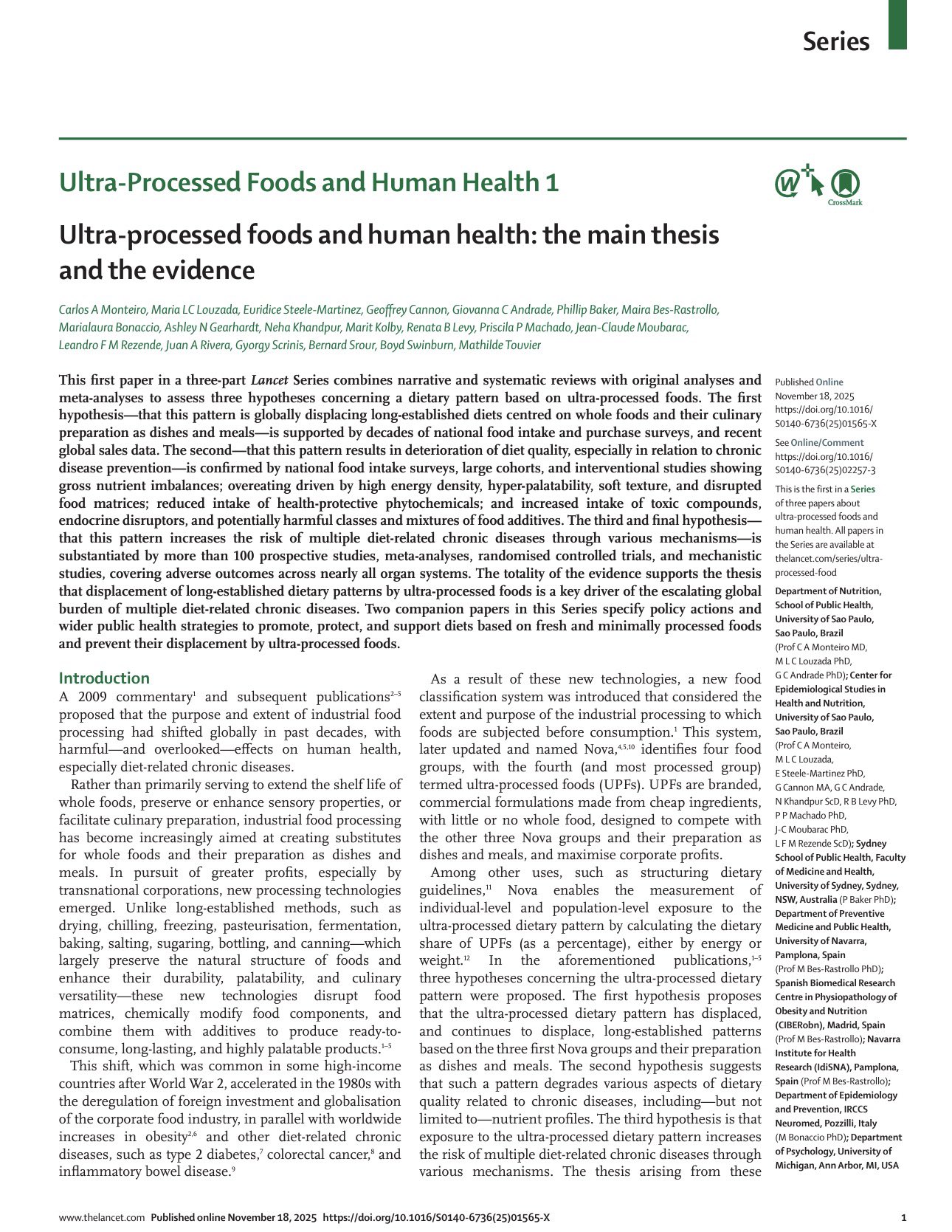
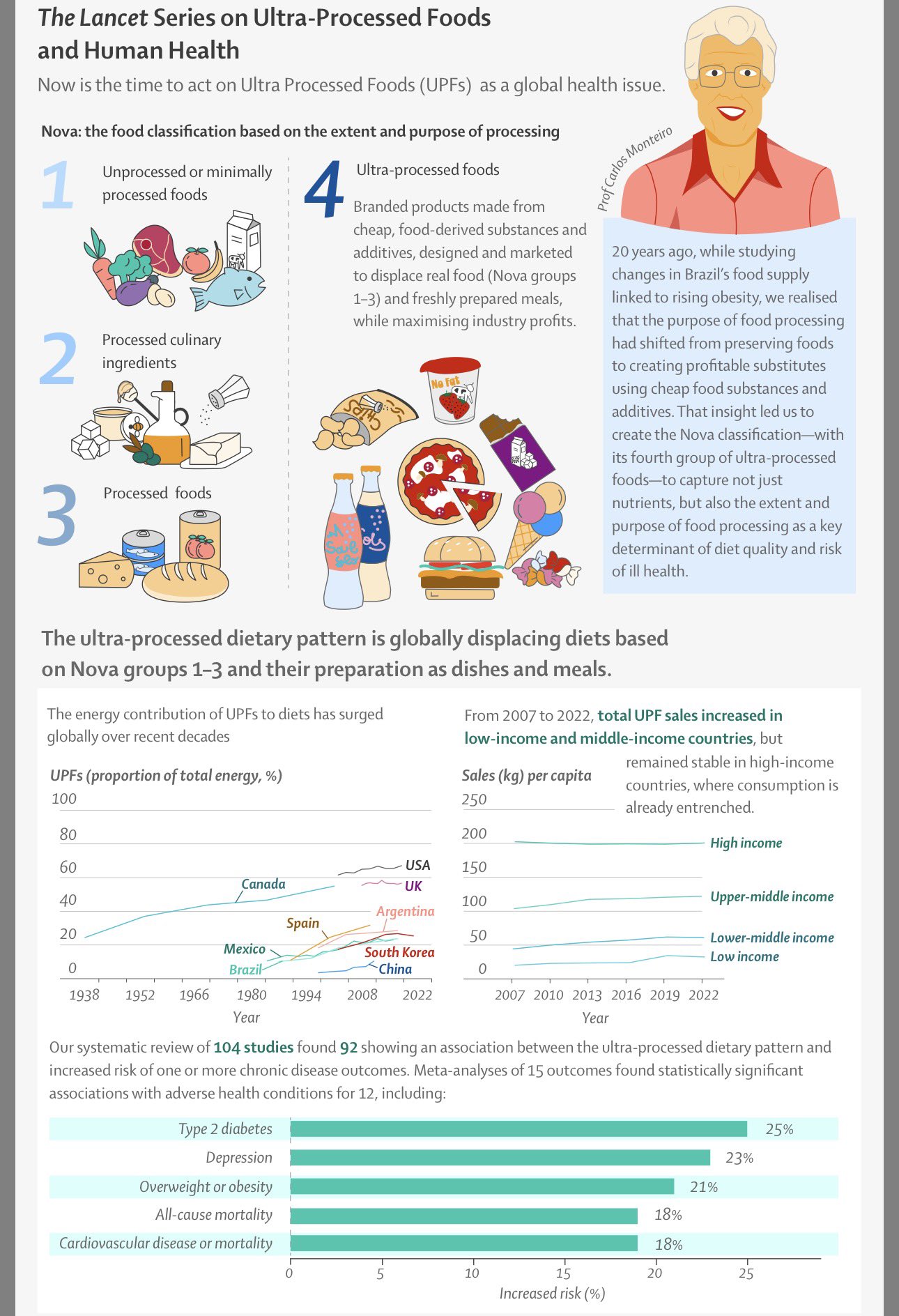
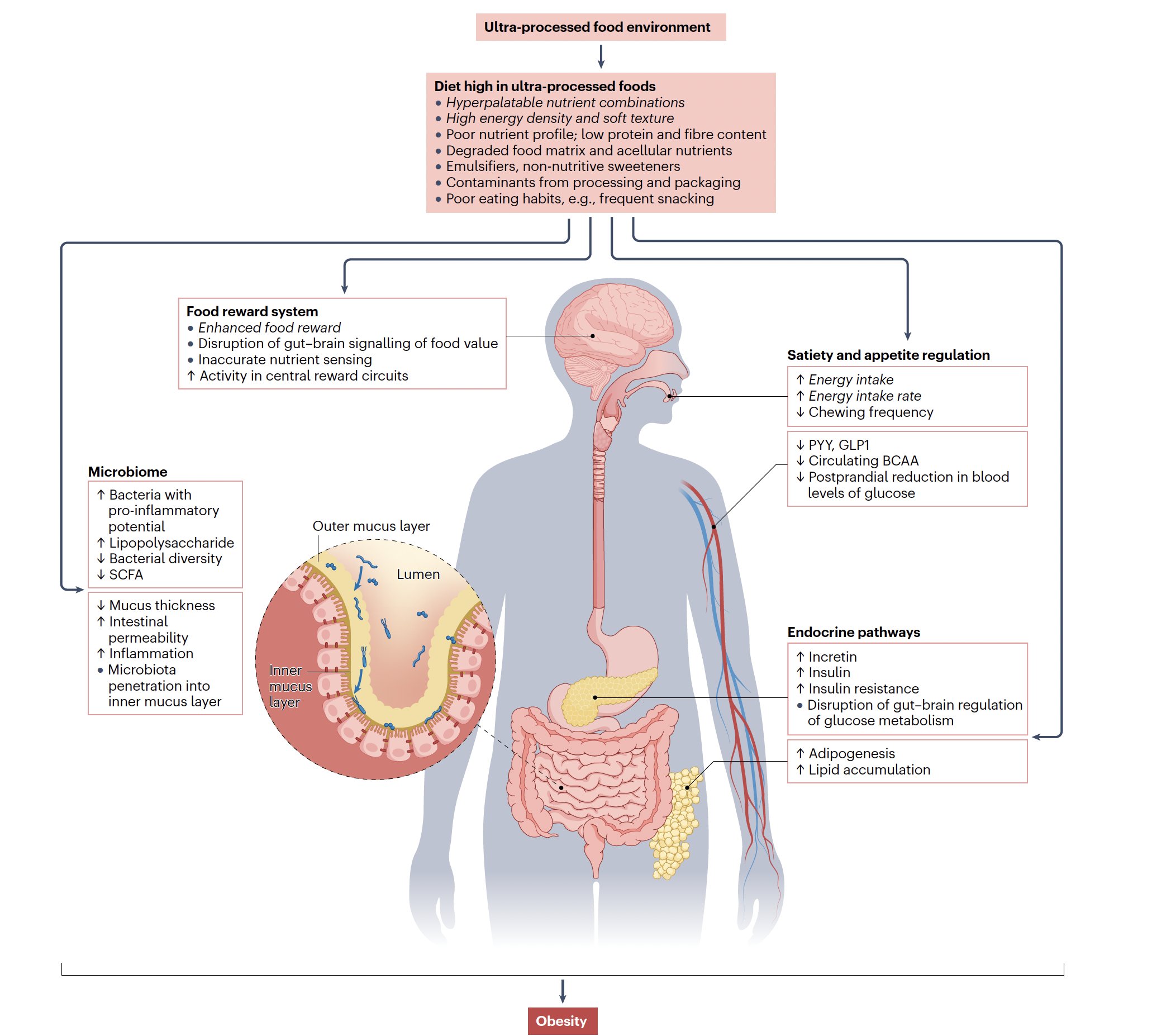
- A new three paper Series published in The Lancet reviews evidence that ultra-processed foods (UPFs) are displacing fresh and minimally processed foods and meals, worsening diet quality, and are associated with an increased risk of multiple chronic diseases.
- The Lancet Series on Ultra-Processed Foods and Human Health argues, although additional studies on the impact of UPFs on human health will be valuable, further research should not delay immediate and decisive public health action to tackle UPFs and improve diets globally.
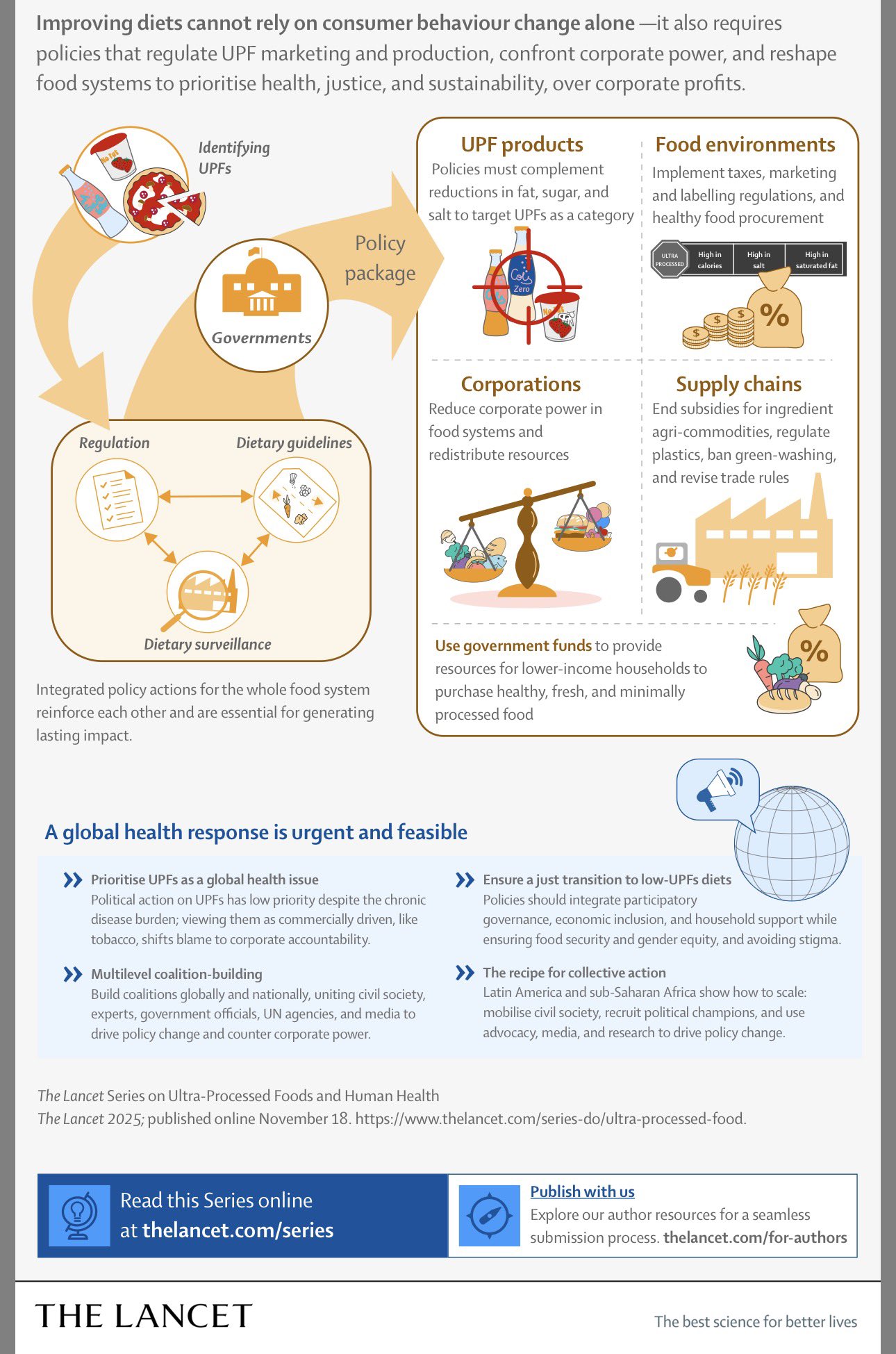
- Authors say improving diets cannot rely on consumer behaviour change alone - it requires coordinated policies to reduce UPF production, marketing, and consumption, alongside tackling high fat, sugar and salt and improving access to healthy food.
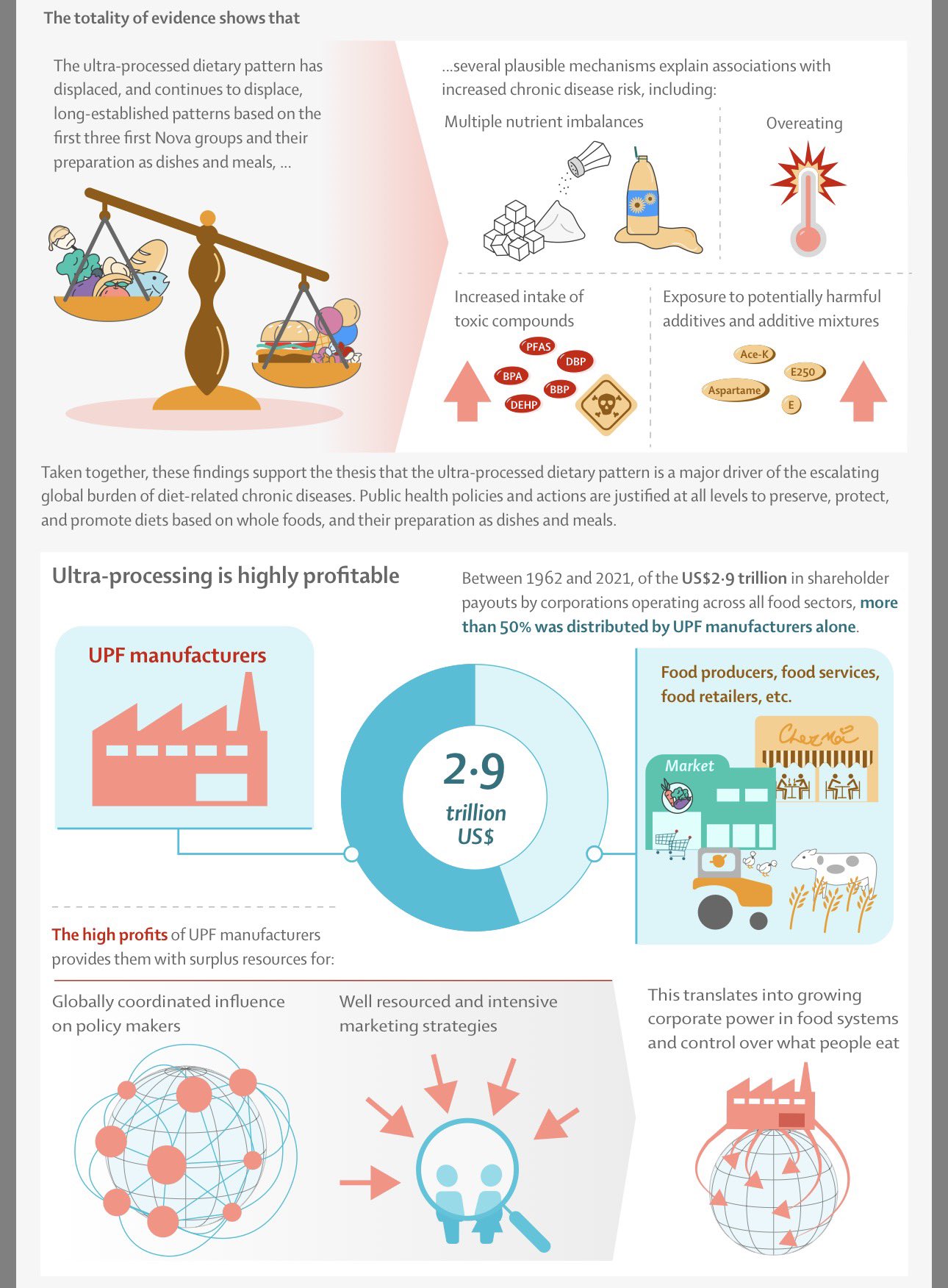
- The Series sets out how UPFs are the product of a food economy driven by corporate profit, not nutrition or sustainability. Only a coordinated global response can combat UPF companies’ political playbook - the largest barrier to implementing effective policies to reduce the share of UPFs in people’s diets.
The increase of UPFs in diets worldwide presents an urgent challenge to health that demands coordinated policies and advocacy action to address, says a new three paper Series authored by 43 global experts and published in The Lancet. The Series exposes the tactics UPF companies use to drive consumption and prevent effective policy. It outlines a roadmap for change towards impactful government regulation, community mobilisation, and accessible and affordable healthier diets.
Professor Carlos Monteiro, University of Sao Paulo, Brazil, says, “The growing consumption of ultra-processed foods is reshaping diets worldwide, displacing fresh and minimally processed foods and meals. This change in what people eat is fuelled by powerful global corporations who generate huge profits by prioritising ultra-processed products, supported by extensive marketing and political lobbying to stop effective public health policies to support healthy eating.”
Professor Camila Corvalan, University of Chile, Chile, adds, “Addressing this challenge requires governments to step up and introduce bold, coordinated policy action - from including markers of UPFs in front-of-package labels to restricting marketing and implementing taxes on these products to fund greater access to affordable, nutritious foods.”
Dr Phillip Baker, University of Sydney, Australia, adds, “We need a strong global public health response - like the coordinated efforts to challenge the tobacco industry. Including safeguarding policy spaces from political lobbying and building powerful coalitions to advocate for healthy, fair and sustainable food systems and stand-up to corporate power.”
Lancet Series:
https://www.thelancet.com/series-do/ultra-processed-food
News Coverage:
-
Scientists Call for Global Shift Away From Ultraprocessed Foods (NY Times)
In a sweeping series of papers, scientists have proposed policy reforms, such as taxes on sugary drinks, to improve the food supply.