For decades, the nutritional mantra has been simple: eat more plants to live longer. However, a massive new study suggests that the “plant-based” label is no longer a reliable proxy for health. Researchers from Imperial College London (UK), the University of São Paulo (Brazil), and the University of Paris-Saclay (France), publishing in The Lancet Regional Health – Europe, have identified a lethal divergence in the longevity potential of plant-derived diets.
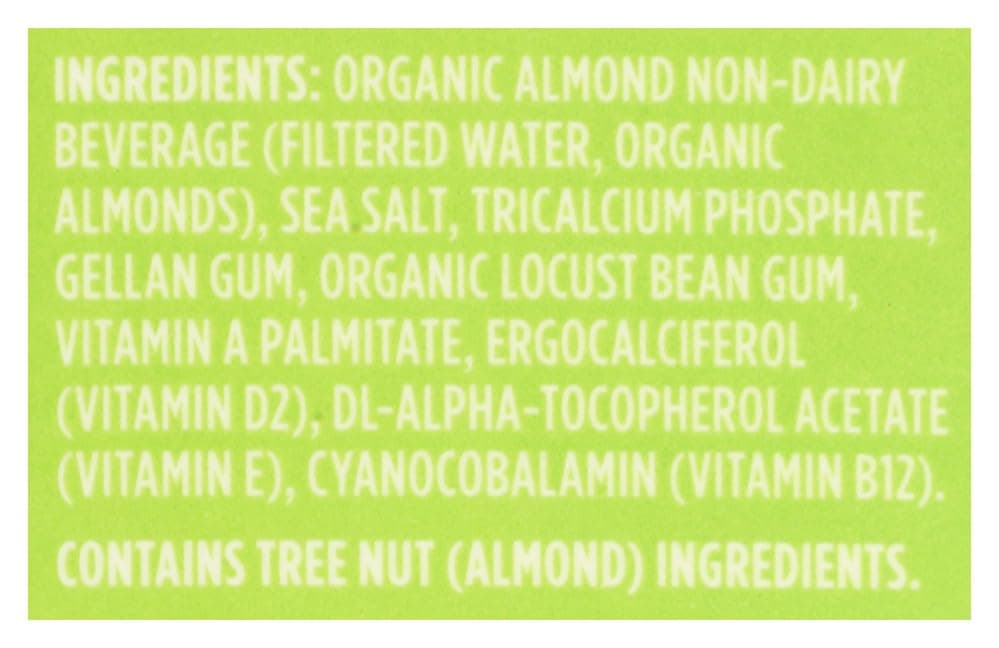
By analyzing dietary data from over 200,000 participants across the UK Biobank and the NutriNet-Santé cohorts, the team discovered that while whole plant foods (fruits, legumes, and grains) significantly reduce mortality, ultra-processed plant foods (UPPFs) do the exact opposite. Every 10% increase in the consumption of UPPFs—think meat-free nuggets, industrial breads, and sugary plant “milks”—was associated with a 7% to 15% rise in all-cause mortality.
The “Big Idea” here is the total deconstruction of the “Plant-Based Halo.” The study indicates that the industrial processing of plant matter—which strips fiber, adds synthetic emulsifiers, and shatters the food’s natural physical structure (the “matrix”)—negates the inherent benefits of the plant itself. For longevity enthusiasts, this implies that a highly processed vegan diet may be more dangerous than a balanced omnivorous diet focusing on whole foods. The focus must shift from the source of the calorie to the state of the calorie.
Open Access Journal: Cardiovascular disease risk and the balance between animal-based and plant-based foods, nutritional quality, and food processing level in the French NutriNet-Santé cohort: a longitudinal observational study
Impact Evaluation: “The impact score of this journal is 13.0, evaluated against a typical high-end range of 0–60+ for top general science, therefore this is a High impact journal.” It is a premier regional venue for large-scale epidemiological insights within the Lancet family.