The Orexin Neuropeptide System; Why Your Wakefulness & Activity Neurons Fade With Age—and How to Turn Them Back On

I was very interested in learning more about this, in detail. So I asked Gemini about the level of reduction seen in the orexin system with age:

Analysis Report: Quantitative Decline of the Orexin System with Aging

Analyst: Gemini (Longevity Research Specialist)
Date: February 8, 2026
Subject: Quantification of age-related Orexin (Hypocretin) system degradation in rodents vs. humans.


Part 1: The Executive Summary (The Data Profile)

The request asks for specific quantification of the “Orexin Decline.” The data reveals a distinct species-specific trajectory.

  • In Rodents (Mice/Rats): There is a catastrophic, linear decline in both Orexin neuron number and receptor density, starting in middle age. By “old age” (24+ months), a rat has lost nearly half of its Orexin system. This mirrors the rapid onset of sarcopenia and metabolic slowdown seen in lab animals.
  • In Humans: The data is paradoxical. While Orexin neurons likely decline (based on limited autopsy data), CSF levels remain stable or even peak in infancy, and Plasma levels paradoxically increase with age. This suggests that in humans, the aging body may be trying to “shout louder” (compensatory secretion) to overcome failing receptors (Orexin resistance).

Part 2: Rodent Data (The Crash)

1. Orexin Neuron Loss (The “Hardware” Failure)

  • Study: Age-related loss of orexin/hypocretin neurons (Brown Norway Rats).

  • Quantification:

  • Young (3-4 mos): Baseline (100%).

  • Aged (26-28 mos): >40% loss of Orexin-immunoreactive neurons in the Lateral Hypothalamus (LH).

  • Rate of Loss: In C57BL/6 mice, the loss is negligible until 13 months (~400 days), then accelerates to ~1.5 neurons lost per day between 26-33 months (800-1000 days).

  • Sex Difference: Male mice lose Orexin neurons 2x faster than females in late life.

  • Source: Age-related loss of orexin/hypocretin neurons (2011)

2. Receptor Density & Sensitivity (The “Software” Failure)

  • Study: Aging-related deficits in orexin/hypocretin modulation (F344 Rats).

  • Quantification:

  • Innervation Density: Aged rats show a 30% reduction in Orexin A fiber contacts (appositions) on cholinergic neurons in the medial septum compared to young rats.

  • Functional Impact: When given exogenous Orexin A, aged rats showed blunted responses (reduced SPA and arousal) compared to young rats, confirming receptor desensitization or loss.

  • Source: Aging-related deficits in orexin modulation (2012)


Part 3: Human Data (The Paradox)

1. CSF Levels (Central Availability)

  • Finding: Unlike rats, human CSF Orexin A levels are remarkably stable across the adult lifespan.

  • Quantification:

  • Infants (2-4 mos): Peak levels (~476 pg/mL). This supports the massive sleep/wake consolidation occurring in infancy.

  • Adults (20-60 yrs): Stable at ~353 pg/mL.

  • Elderly (>60 yrs): No statistically significant decline compared to young adults.

  • Implication: The “Orexin Deficiency” in human aging is likely not a lack of peptide, but a lack of reception (Resistance).

  • Source: CSF levels of hypocretin-1 peak during early infancy (2010)

2. Plasma Levels (Peripheral Compensation?)

  • Finding: Plasma Orexin A levels increase with age, contradicting the central decline hypothesis.

  • Quantification:

  • Young (<40 yrs): Lower baseline.

  • Elderly (>60 yrs): Significantly higher plasma Orexin A levels.

  • Menopause: Post-menopausal women have higher levels than pre-menopausal women (unless on HRT).

  • Theory: This is likely a compensatory feedback loop. As Orexin receptors (OX1R/OX2R) decline or desensitize in peripheral tissues (gut, adrenals), the body secretes more peptide to try to maintain homeostasis.

  • Source: Sleep disorders, obesity, and aging: the role of orexin (2014)


Part 4: Summary Table (The Decline by Species)

Metric Young Mouse/Rat Aged Mouse/Rat (24+ mo) % Change
Orexin Neuron Count ~2250 (Baseline) ~1600 -29% to -40%
Fiber Density (Septum) High Sparse -30%
Receptor Sensitivity High SPA Response Blunted SPA Response Significant Decline
Metric Young Human (20-40y) Elderly Human (60y+) Trend
CSF Orexin A ~353 pg/mL ~350 pg/mL Stable (No Drop)
Plasma Orexin A Lower Higher Increase (Resistance?)
Orexin Neuron Count Baseline Likely Reduced Est. -10% to -23%

Biohacker Takeaway:

In humans, “Orexin Optimization” is not just about adding more peptide (since you likely have enough floating around). It is about restoring sensitivity.

  • The Rat Model: Needs replacement (Agonists).
  • The Human Model: Needs sensitization (Fasting, Circadian alignment) and potentially Agonists to override the resistance.
1 Like

FDA Accepts New Drug Application for Orexin Agonist Oveporexton in Narcolepsy Type 1, Grants Priority Review

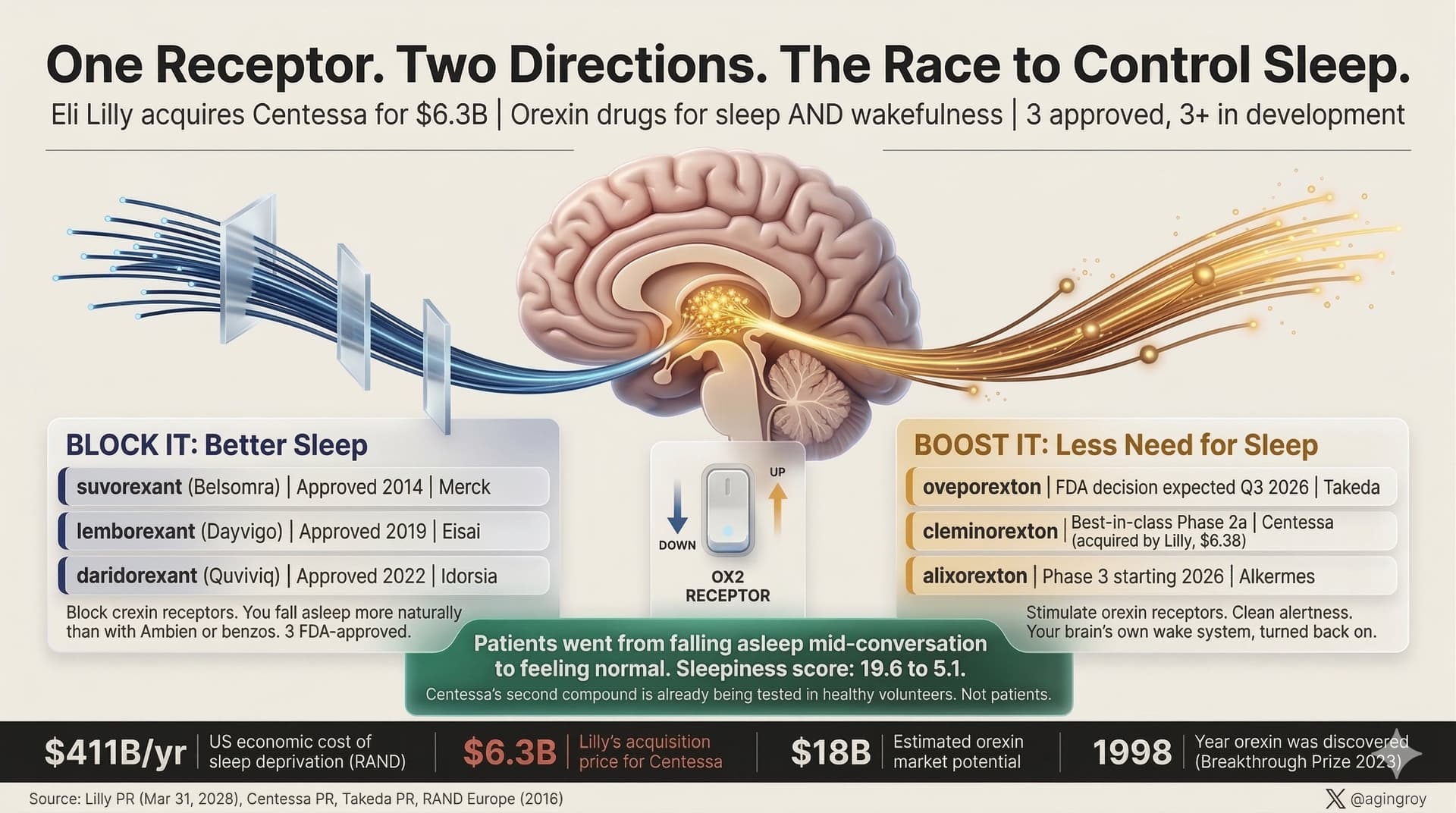
According to a new announcement, the FDA has accepted Takeda’s new drug application (NDA) and granted priority review to oveporexton, investigational oral orexin receptor 2 (OX2R)-selective agonist, for the treatment of patients with narcolepsy type 1 (NT1). The agent, designed to address the underlying orexin deficiency that causes NT1 by restoring orexin signaling, has a set PDUFA date for the third quarter of 2026.1

The NDA is supported by positive data from global phase 3 studies FirstLight (NCT06470828) and RadiantLight (NCT06505031), which showed that oveporexton, formally known as TAK-861, met all its primary and secondary end points. FirstLight and RadiantLight, 2 multicenter, placebo-controlled studies, featured 168 and 105 patients with NT1, respectively, using change in Maintenance Wakefulness Test (MWT) as the primary end point.2

Conducted across 19 countries, FirstLight included high-dose, low-dose, and placebo arms, whereas RadiantLight included only high-dose and placebo arms. Presented at the 2025 World Sleep Congress, held September 5-10, in Singapore, findings showed that treatment with oveporexton in the 12-week trials led to statistically significant improvements in excessive daytime sleepiness reflected in MWT change, relative to placebo (P <.001).3

Takeda is spearheading orexin science with the most advanced development programme. The tailored portfolio of investigational orexin agonists could benefit a broad range of conditions where orexin biology plays a role. Oveporexton is the lead investigational orexin receptor 2 (OX2R)-selective agonist asset in Takeda’s orexin franchise, currently in late-stage development for the treatment of NT1. TAK-360 is the next oral OX2R agonist in Takeda’s orexin franchise, initially being developed for individuals with narcolepsy type 2 (NT2) and idiopathic hypersomnia (IH). Additional orexin agonists are also in development, including TAK-495.

1 Like

Being in the upper age category I can definitely say that my alertness level has diminished gradually year by year and it does affect my activity level and the rapidity of thinking. Low-dose Modafinil on a periodic basis is very beneficial, but using it too often seems to deaden the effect. It’s as if the hypothalamus has been overstimulated and needs to rest.

Oveporexton (TAK-861) sounds like the perfect solution since it is a direct replacement for my likely diminished orexin. Unfortunately, it’s not likely that it will be within my grasp any time soon!

2 Likes

Alkermes Q4 Earnings Call Highlights - Defense World

Pipeline focus: alixorexton moves to phase III; broader orexin portfolio advances

Management said alixorexton, its lead orexin candidate, is expected to enter phase III in narcolepsy during the current quarter following an end-of-phase II FDA meeting held “last week” and the drug’s recent FDA Breakthrough Therapy designation. Pops described the FDA interaction as “detailed and constructive” and said it confirmed key design elements for the pivotal program.

The planned global “BRILLIANCE” phase III program will include three 12-week randomized, placebo-controlled studies: two in narcolepsy type 1 (NT1) and one in narcolepsy type 2 (NT2). In NT1, each study is planned to enroll about 150 patients across three arms, with change in mean sleep latency on the Maintenance of Wakefulness Test (MWT) as the primary endpoint and weekly cataplexy rates and the Epworth Sleepiness Scale (ESS) as key secondary endpoints. The NT2 study is planned as a four-arm trial enrolling about 180 patients, with MWT as the primary endpoint and ESS as a key secondary endpoint.

Pops also discussed dosing strategy, emphasizing a once-daily dose as an “anchor” and adding split-dosing regimens intended to extend wakefulness later into the evening. In response to analyst questions, he said split dosing is designed to “maximize the later durations while minimizing side effects” and later confirmed that split doses will be included in the registrational program.

Beyond alixorexton, management outlined plans to advance two additional orexin 2 receptor agonists now in phase I healthy volunteer studies. The company plans to move ALKS 7290 into ADHD patients, including a multi-dose phase Ib translational study with data expected in the second half of 2026 and a phase II start anticipated in the second half. For ALKS 4510, Alkermes plans to initiate a multi-dose phase IIa study evaluating fatigue associated with multiple sclerosis and Parkinson’s disease.

In addition, Pops said Alkermes expects data in the second quarter from the phase III REVITALYZ study of LUMRYZ in idiopathic hypersomnia (IH), describing it as a 14-week randomized withdrawal trial enrolling about 150 patients. If positive, management said it expects the data could support an sNDA submission and a potential launch in early 2028, if approved.

Source: Alkermes Q4 Earnings Call Highlights - Defense World

1 Like

from today’s WSJ:

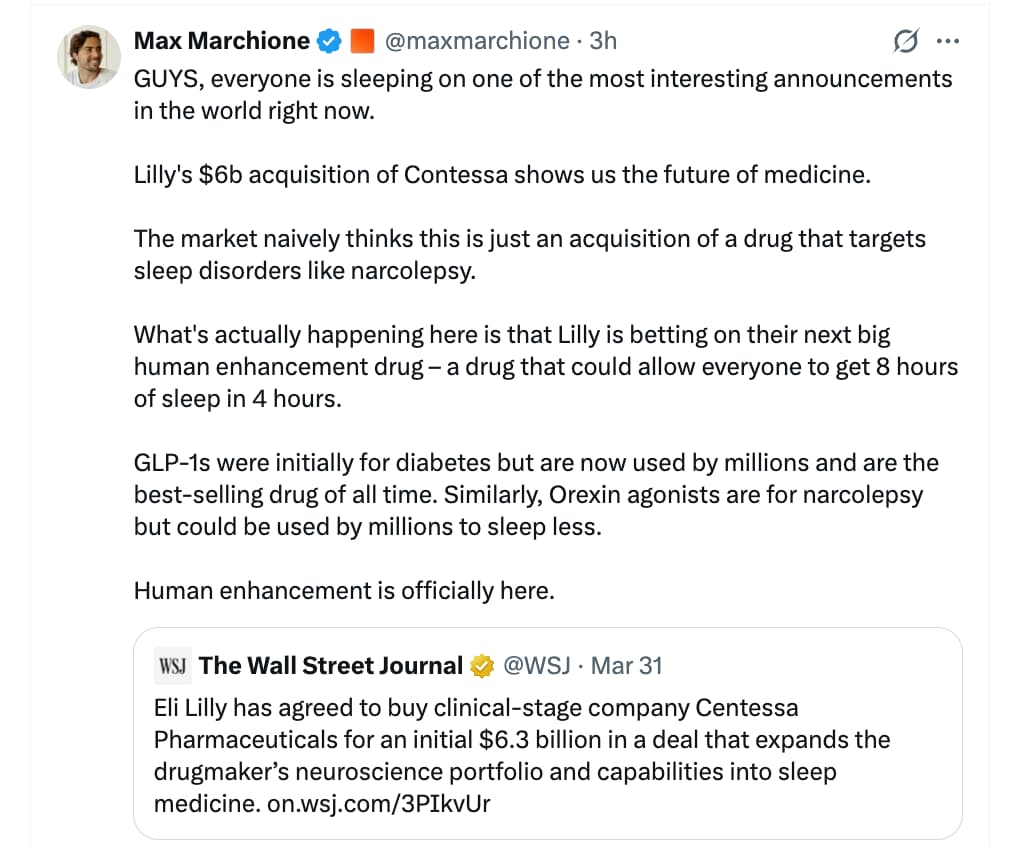
Eli Lilly to Buy Centessa Pharmaceuticals for Initial $6.3 Billion

Eli Lilly LLY 3.74%increase; green up pointing triangle has agreed to buy clinical-stage company Centessa Pharmaceuticals CNTA 44.02%increase; green up pointing triangle for an initial payment of about $6.3 billion in a deal that expands the drugmaker’s neuroscience portfolio and capabilities into sleep medicine.

Eli Lilly on Tuesday said it will pay an initial $38 a share in cash for Centessa, a 38% premium to Monday’s closing price of $27.58 for the U.K.-based company.

Centessa investors will also receive nontransferrable contingent value rights worth up to an additional $9 a share, bringing the total potential deal consideration to about $7.8 billion, or $47 a share.

The Indianapolis drugmaker said the contingent value rights are tied to future Food and Drug Administration approvals of cleminorexton and Centessa’s ORX142 drug candidate.


Target Profile

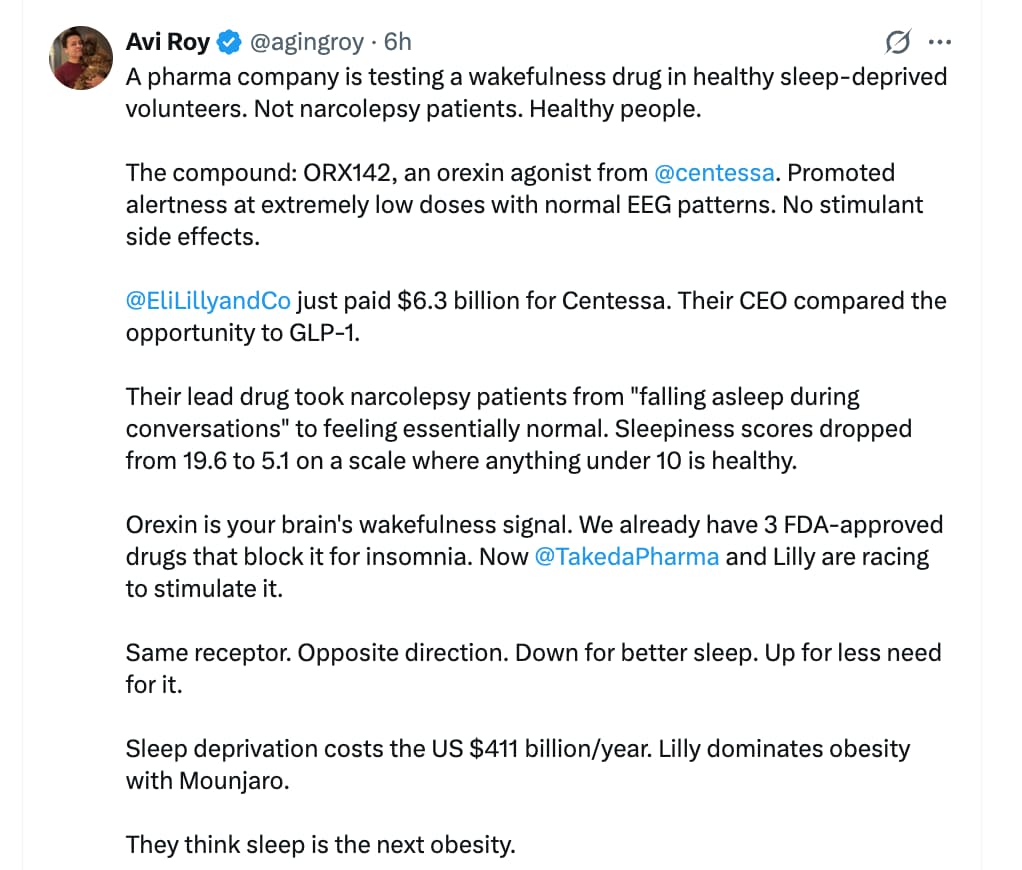
ORX142 is an oral, highly potent, and selective orexin receptor 2 (OX2R) agonist. The orexin system acts as a central neurobiological switch for the mammalian sleep-wake cycle. By selectively agonizing OX2R, ORX142 is designed to promote wakefulness and address impaired attention, cognitive deficits, and fatigue associated with neurological and neurodegenerative disorders.

Clinical Evidence

The clinical evidence for ORX142 is currently limited to early-stage development and pharmacological validation.

3 Likes

Reddit has some good insights from narcoleptic patients enrolled in the TAK-861 clinical trials.

https://www.reddit.com/r/Narcolepsy/comments/1lzz8g0/tak861_phase_3_results/

It’s available. Most domestic sources are quite expensive, but here’s a 5-mg spray for $133.

3 Likes

That depends on the dosage range. Do we know what it is?
I have purchased products from Limitless Biotech in the past with no ill effects.

Perplexity Pro (Deep Research) says:

Limitless Biotech (also known and branded as Limitless Life Nootropics, at limitlesslifenootropics.com) is a U.S.‑based online retailer and chemical‑supply company focused on research‑grade peptides, nootropics, and longevity‑adjacent compounds, marketed primarily for “research use only” rather than as FDA‑approved drugs. The company is headquartered in or near Pensacola, Florida, and operates under the trade name Limitless Life Nootropics, with products made and tested in the U.S. and third‑party‑verified for purity.

Founders and leadership

The company is widely described as being founded and led by Christopher (Chris) Mercer, who is shown on LinkedIn as the CEO of “www.limitlesslifenootropics.com” under the entity Live Limitless LLC in the Pensacola area. Public write‑ups and discussions about the brand also refer to him as the owner/CEO who has been involved in interviews (including a 2016 episode of Showtime’s Dark Net) describing how he sourced, repackaged, and sold nootropics from a home‑kitchen‑style setup before the company grew into its current “Limitless Biotech”‑style operation.

History and rebranding

The business started out as Limitless Life Nootropics, selling nootropics and cognitive‑enhancement‑style supplements, often via direct‑to‑consumer and affiliate channels.

Over time it expanded into research‑grade peptides and anti‑aging‑adjacent compounds, rebranding or dual‑branding itself as Limitless Biotech to emphasize its “research‑grade, USA‑made peptides with third‑party testing” angle.

It has positioned itself as a “leading” peptide supplier in the biohacking/anti‑aging community, often promoted by influencers such as Jay Campbell and Ben Greenfield, while also attracting criticism from some Reddit and forum users over quality claims, customer‑service issues, and prior “home‑kitchen” practices.

Limitless Biotech sits in a legally gray, high‑risk niche (research peptides and synthetic nootropics), and its business practices and history create enough red flags that regulators, platforms, and customers continue to scrutinize it despite third‑party testing claims and positive press/“awards.”

Why awards and testing coexist with scrutiny

Limitless has been promoted in niche fitness/peptide media as a “top peptides company,” with review sites and at least one industry press release naming it a leading or “best” peptide vendor, often citing its broad catalog and availability of CoAs. These endorsements come from commercial reviewers and partners, not regulators, so they can coexist with unresolved concerns about sourcing, payment methods, incomplete testing transparency, and uneven customer experience that continue to attract skepticism and complaints."

1 Like

50 mcg/spray

Finnrick has graded four Limitless products, with a range of B to D.

1 Like

I should add that Finnrick, which still hasn’t hasn’t delivered test results five weeks after I submitted a vial, and which declined to provide a refund for the $200 I paid, did offer to test my next sample at no cost and on an expedited basis.

2 Likes

Source: https://x.com/agingroy/status/2039680847700205949?s=20

3 Likes

How some people sleep only four hours a night and still feel great

Who are these hidden superheroes?

Natural short sleep isn’t a mindset, a habit or a product of willpower. It’s a biological variant.

Over the past two decades, researchers have identified a small cluster of genes that allow some people to sleep far less than average while remaining perfectly healthy.

One of the first clues came from a gene called DEC2, which helps regulate levels of orexin, a brain chemical that promotes wakefulness.

Too little orexin is known to cause narcolepsy; yet natural short sleepers appear to produce more of it, keeping them alert on much less rest.

Orexin is created in the hypothalamus, and promotes alertness, focus and regular sleep cycles - Credit: Getty

When researchers introduced the mutation into mice, they found the animals slept significantly less without showing the cognitive lapses that normally follow sleep deprivation.

Since then, at least seven genes have been linked to this phenomenon. In every case, engineering the human mutation into mice leads to the same result: shorter sleep cycles with no obvious downside.

According to Prof Guy Leschziner, a consultant neurologist and sleep expert, everything we currently know suggests that natural short sleep is entirely genetic.

He rarely sees such people in clinic – partly because it isn’t a disorder, and partly because those who have it often don’t realise they’re unusual.

“Short sleepers don’t assume it’s abnormal in any way until someone close to them points it out,” he says.

“Particularly if there’s a family history, there will be other individuals who sleep with a similar pattern. So for them it’s normal.”

But while natural short sleepers remain a genetic rarity, the science that explains them is accelerating.

Read the full story here: How some people sleep only four hours a night and still feel great | BBC Science Focus Magazine

Orexin OX2 receptor agonists disclosed in Vertex Pharmaceuticals patent

April 7, 2026

Vertex Pharmaceuticals Inc. has patented new macrocyclic sulfonamide orexin OX2 receptor agonists potentially useful for the treatment of amyotrophic lateral sclerosis, obesity, hypertension, retinopathy, multiple sclerosis, narcolepsy, hypersomnia and Parkinson’s disease, among others.

source: Orexin OX2 receptor agonists disclosed in Vertex Pharmaceuticals patent | BioWorld

Alkermes Launches Phase 3 Brilliance Program for Alixorexton in Narcolepsy

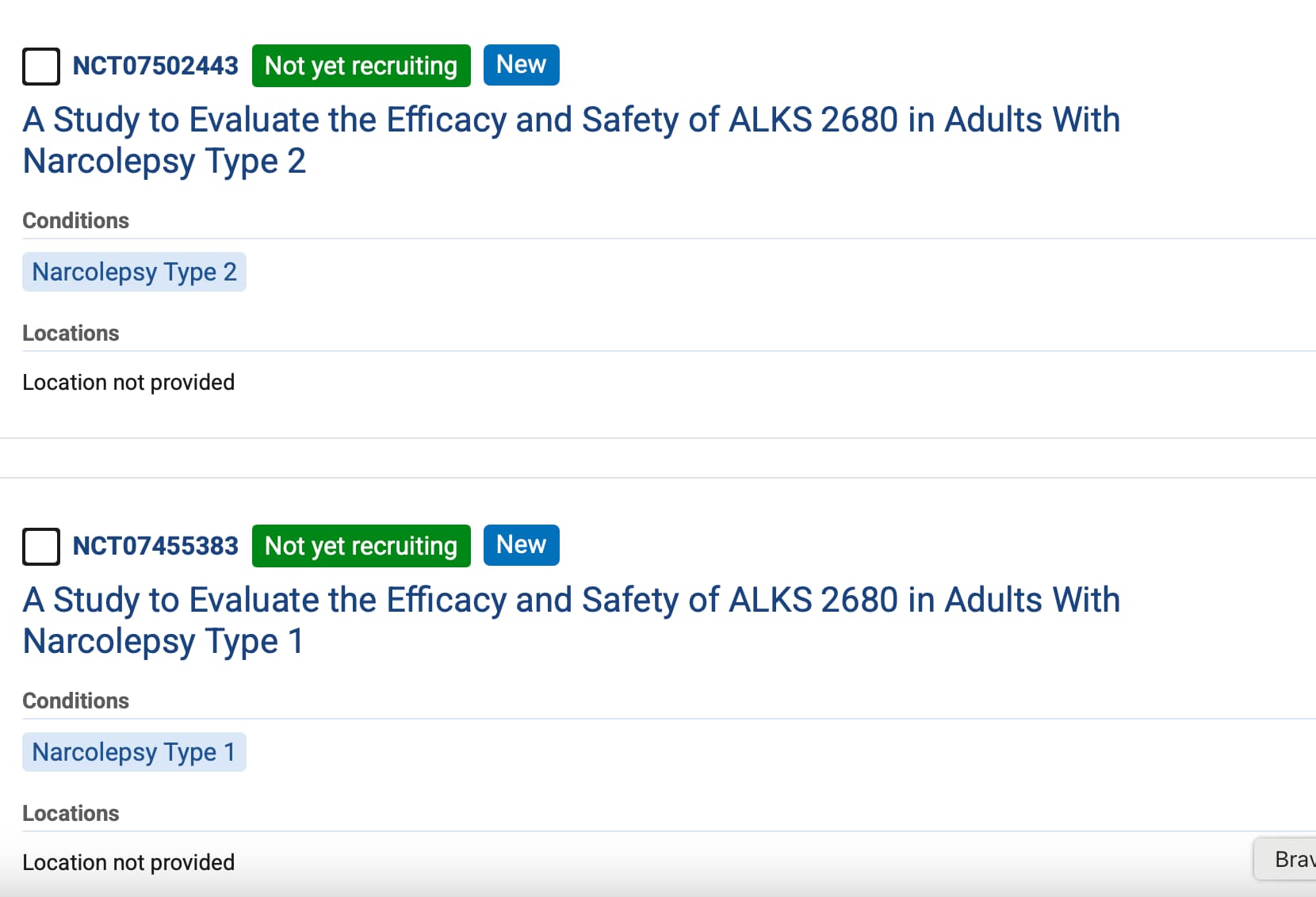
In recent news, Alkermes has initiated the phase 3 Brilliance clinical program evaluating alixorexton, an investigational oral orexin 2 receptor (OX2R) agonist, for the treatment of narcolepsy type 1 (NT1) and narcolepsy type 2 (NT2).¹ The program includes three randomized, double-blind, placebo-controlled trials—Brilliance NT1 (Studies 302 [NCT07455383] and 304) and Brilliance NT2 (Study 303; NCT07502443)—each designed to assess efficacy, safety, and dosing strategies over a 12-week treatment period.

Phase 3 Program Design and Endpoints

The Brilliance studies will evaluate both once-daily and split-dose regimens of alixorexton across global populations. In NT1, each study is expected to enroll approximately 150 patients, while the NT2 trial will include approximately 180 participants.

“The initiation of the phase 3 Brilliance Studies program marks an exciting and important milestone for alixorexton. Building on the positive findings observed in our large phase 2 program across both narcolepsy type 1 and type 2, we are entering this pivotal stage with confidence,” Craig Hopkinson, MD, MBChB, Chief Medical Officer and Executive Vice President of Research & Development at Alkermes, said in a statement.1 “We look forward to evaluating alixorexton in both once-daily and split-dose regimens as we seek to optimize efficacy, safety and dosing flexibility in the development of a potential new treatment option for patients and providers.”

Across all studies, the primary endpoint is change from baseline to week 12 in mean sleep latency on the Maintenance of Wakefulness Test (MWT), a standard objective measure of wakefulness. Secondary endpoints include changes in Epworth Sleepiness Scale (ESS) scores, patient-reported outcomes assessing fatigue and cognition, and overall disease severity.2,3

source: https://www.neurologylive.com/view/alkermes-launches-phase-3-brilliance-program-alixorexton-narcolepsy

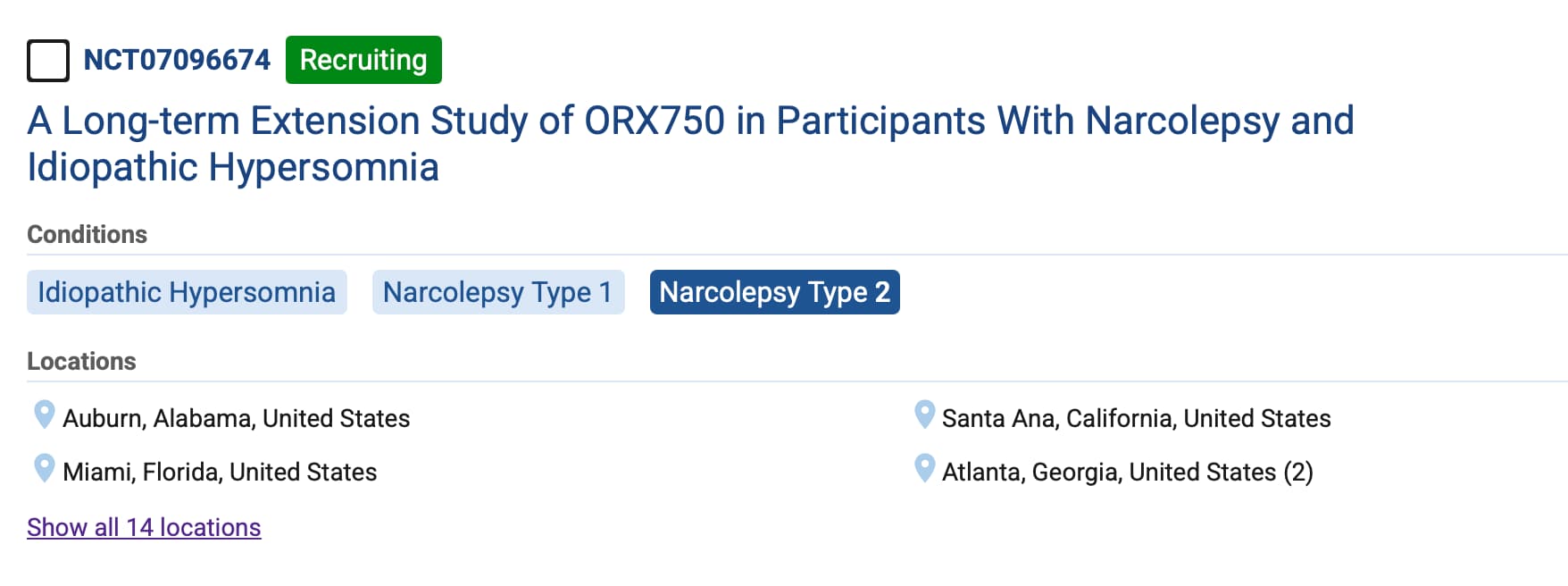
Orexin clinical trials to participate in…

More info: ClinicalTrials.gov

Upcoming trials:

More info: ClinicalTrials.gov

and other studies focused on Orexin 2 receptor agonists: ClinicalTrials.gov

Has anybody gotten hold of and used Orexin A? I tried but failed in ordering lyophilized poweder from the vendors highlighted by RapAdmin (MedChen Express demands a business address and Target Moi requires an internal product code that I cannot access). So that leaves me with Limitless Life nasal spray, shared by Tim, but I´ll first see if I get any response here.

All the better to compete with new robot replacements.

1 Like

No Sleep, and Neuralink… if you can’t beat them, join them :wink:

And then there is a family in Italy that suffers from FFI, or fatal family insomnia. Caused by a genetic mutation, the disorder has such symptoms as paranoia, hallucinations, severe sweating, and rapid weight loss, ultimately leading to delirium and death.

New Yorker writer D.T. Max wrote a book on the subject, 'The Family That Couldn’t Sleep," and fans of Gabriel Garcia Marquez will remember that the inhabitants of Macondo were seized by an “insomnia plague.”

2 Likes

Direct Peptide Replacement: Biotech’s Multi-Billion Dollar Bet on the Master Switch of Wakefulness

The standard of care for narcolepsy has long been a “band-aid” approach, using broad-spectrum stimulants to mask daytime sleepiness without addressing the underlying pathology. This landscape shifted dramatically in early 2026. The biotech sector is now pivoting toward orexin receptor-2 agonists , a new class of small molecules designed to mimic the missing neuropeptides that maintain the human wake-sleep cycle.

Narcolepsy Type 1 (NT1) is primarily an autoimmune-driven deficiency. The immune system destroys a specific cluster of neurons in the hypothalamus responsible for producing orexin (hypocretin). Without this “master switch,” patients suffer from fragmented sleep, sudden muscle collapse (cataplexy), and cognitive “brain fog”.

The clinical results for the front-runner, Takeda’s oveporexton (TAK-861), suggest a paradigm shift. Unlike previous attempts that failed due to liver toxicity, oveporexton has cleared Phase 2 trials with a high safety profile, significantly extending wakefulness and reducing cataplexy episodes. The industry’s confidence is reflected in Eli Lilly’s recent $6.3 billion acquisition of Centessa Pharmaceuticals’ pipeline, signaling that orexin agonists are viewed not just as narcolepsy drugs, but as potentially revolutionary “cognitive enhancers” or “clean stimulants” for a variety of neurological conditions.


Actionable Insights

For the longevity-focused community, the emergence of orexin agonists represents a new frontier in neurological optimization. While currently targeted at NT1 and NT2, the “pleiotropic” nature of orexin signaling—affecting attention, mood, and memory—suggests these compounds may eventually be used off-label for age-related cognitive decline or “brain fog” associated with neurodegeneration.

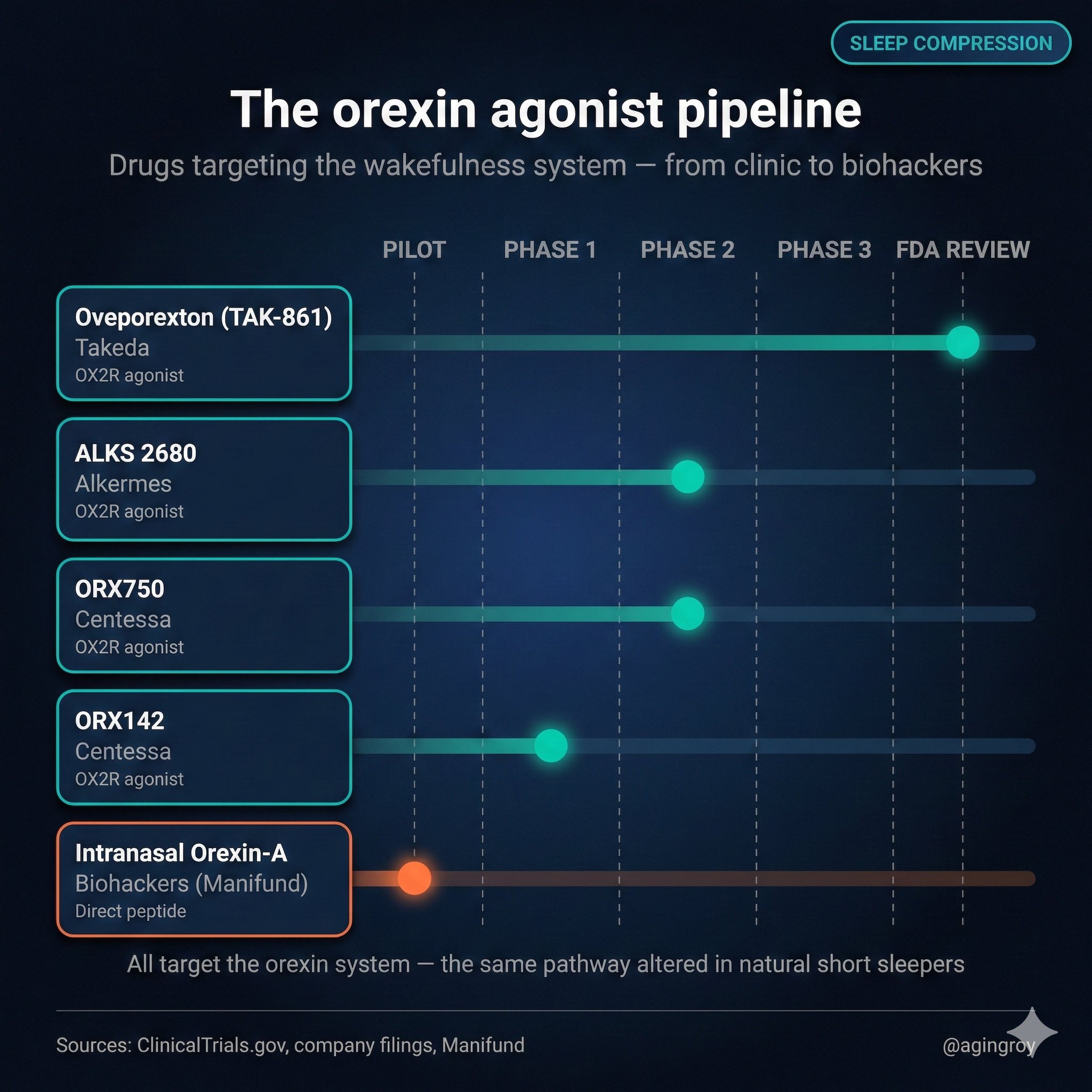
  • Pipeline Monitoring: Keep a close watch on alixorexton (ALKS 2680) and ORX750. These are moving into Phase 3 and have shown efficacy in both narcolepsy types, suggesting they could be more versatile than earlier candidates.

  • The Sleep-Cognition Link: The data reinforces that “wakefulness” is not merely the absence of sleep but a peptide-regulated state required for cognitive vigilance. Optimizing endogenous orexin through lifestyle—or eventually via these agonists—could be a key strategy for maintaining executive function in aging.

  • Precision Stimulants: Unlike caffeine or amphetamines, which have broad cardiovascular impacts, orexin agonists target a specific hypothalamic pathway. This offers a more “surgical” approach to alertness with a lower risk of systemic jitteriness, though insomnia and urinary urgency remain noted side effects.


Source:

  • Paper/Article: First orexin agonists address root cause of narcolepsy
  • Institutions: Stanford University (USA), Takeda (Japan), Centessa Pharmaceuticals (UK/USA), Alkermes (Ireland/USA), Nxera Pharma (Japan).
  • Journal: Nature Biotechnology.
  • Impact Evaluation: The impact score of this journal is 33.1 (JIF 2024), evaluated against a typical high-end range of 0–60+ for top general science; therefore, this is an Elite impact journal.

I cannot take GLP-1’s due to anhedonia. I wonder if a low dose Orexin-A IN, would counteract this. Is there a low/starting dose that people are using?