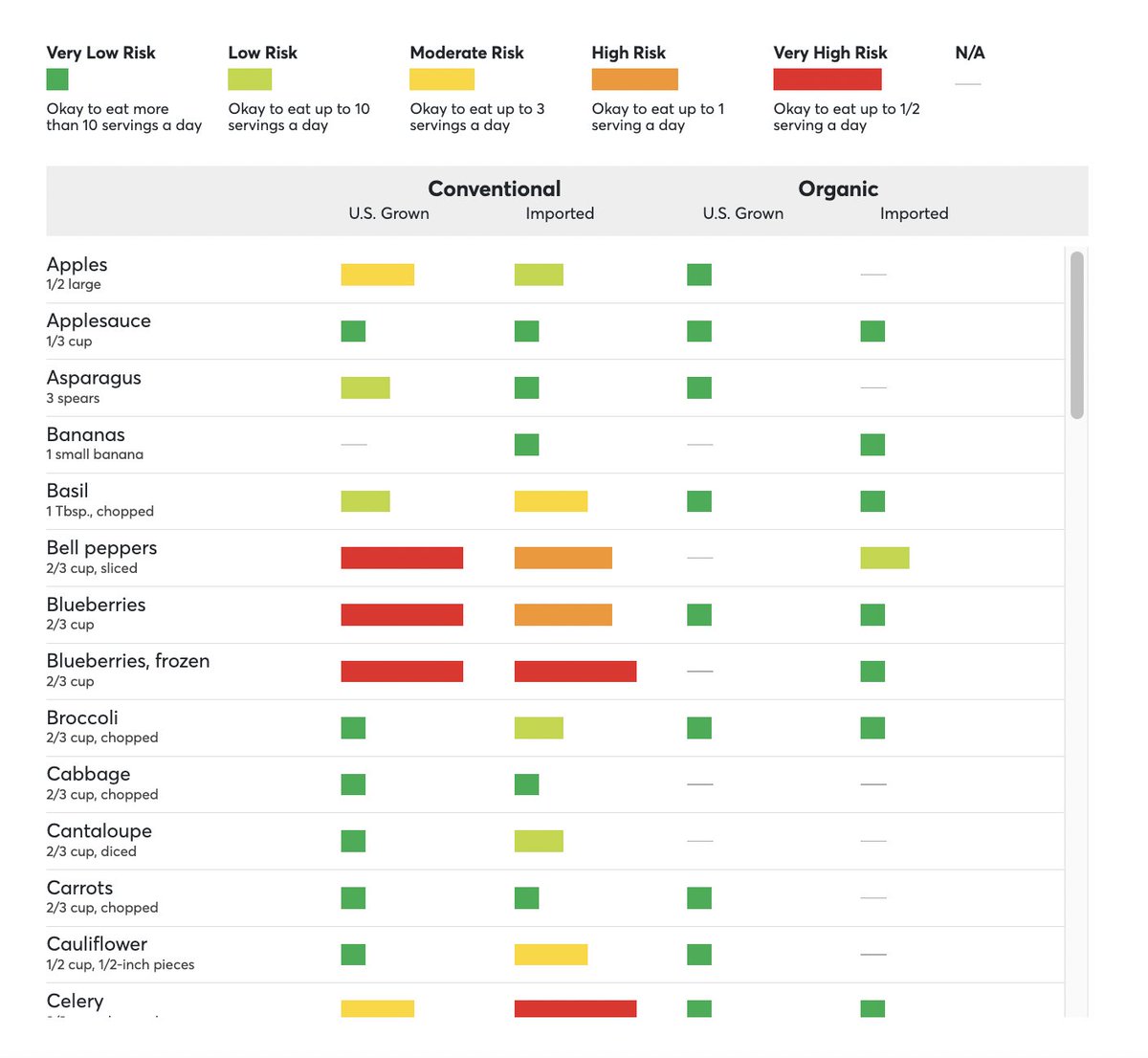
This randomized, crossover dietary intervention trial reveals a critical trade-off in modern nutrition: switching from a standard Western diet to a “healthy” Mediterranean diet significantly increases toxic burden unless organic foods are selected.
The study, conducted by researchers at Newcastle University, addressed the tension between nutritional guidelines (which promote high fruit and vegetable intake) and toxicology data (which show these same foods are primary vectors for synthetic pesticides). In a controlled crossover trial involving 27 participants, subjects alternated between a conventional Western diet, a conventional Mediterranean diet, and an organic Mediterranean diet.
The results were stark. When participants switched from a conventional Western diet to a conventional Mediterranean diet, their urinary excretion of insecticides and organophosphates increased significantly—in some cases by over 300%. Specifically, insecticide residues rose from 7 to 25 μg/d and organophosphates from 5 to 19 μg/d. This confirms that following standard medical advice to “eat more produce” using conventional food sources inadvertently spikes exposure to neurotoxic and endocrine-disrupting chemicals.
However, the intervention arm demonstrated that this toxic load is not an inevitable consequence of healthy eating. When participants consumed the same Mediterranean diet composed of certified organic foods, total urinary pesticide residue excretion (UPRE) dropped by 91% compared to the conventional Mediterranean phase. Notably, residues of the plant growth regulator chlormequat (CCC)—a suspected reproductive toxin—were reduced by 95%.
This paper challenges the simplistic narrative that “diet quality” is solely defined by macronutrient balance or food groups. It establishes that food production method (organic vs. conventional) is a non-negotiable variable in the toxicology of nutrition. For the biohacker or clinician, the data indicates that a conventional plant-heavy diet acts as a delivery system for agricultural xenobiotics, necessitating a re-evaluation of the risk-benefit profile of non-organic produce.
Source:
- Open Access Paper: Diet and food type affect urinary pesticide residue excretion profiles in healthy individuals: results of a randomized controlled dietary intervention trial
-
Institution: Newcastle University, UK
Journal: The American Journal of Clinical Nutrition, February, 2022 - Impact Evaluation: The impact score of The American Journal of Clinical Nutrition is approximately 7.0–8.5 (CiteScore ~10.6), evaluated against a typical high-end range of 0–60+ for top general science. Therefore, this is a High impact journal within the specific domain of Nutrition and Dietetics (Ranked Q1), though Medium relative to elite multidisciplinary journals like Nature or Science.