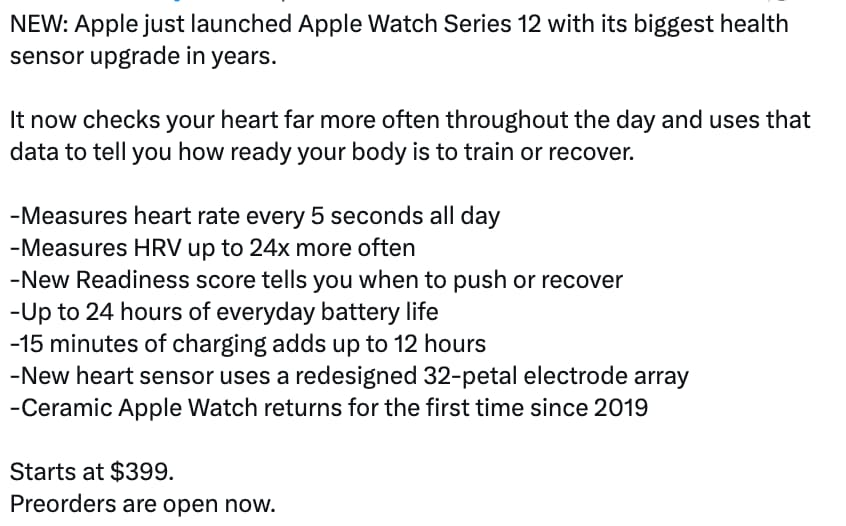
Just pre-ordered mine. Vital Signal says it is shipping October 2026. Sending sizing kit soon.
4 Likes
Almost here, Friday, July 24, 2026, the Garmin CIRQA smart band https://www.garmin.com/en-US/p/1989182/pn/010-04675-01/
1 Like
Hilo.com now selling the Hilo Core continuous wear, band and BP cuff in the United States. $238.98 — Cuff and band $$89.99 + $149.99 for 1 year subscription.
“Next-generation blood pressure monitoring. The only clinically certified cuffless and continuous solution. Designed to support meaningful reductions in blood.”
1 Like
I have a Katalyst that I sometimes bring when traveling
It seems to work.
But be aware to not overdo it, it there are potential risks of rhabdomyolysis (often shortened to “rhabdo”). When overworked muscle fibers break down and release their contents (particularly a protein called myoglobin) into the bloodstream, which can overwhelm and damage the kidneys in severe cases.
1 Like
Great. This is the device previously called Aktiia, that has been discussed a lot on this site as it was cleared on the UK and EU much earlier.
@adssx @John_Hemming - how happy have you been with your devices now that you’ve had them for a long time?
1 Like
Past discussion on the aktiia device
1 Like
I stopped using this device at an early stage as it did not seem to calibrate reliably with my other sphyngmanometers.
I maintain an open mind on this and would like to try such a device again in the future.
1 Like
Eduardo Otaola, developer of Cora Merrick Park in Coral Gables, Florida, says the high-end Miami-area condo project designed by Arquitectonica will boast longevity-focused features, including air purification systems and electrification, and cost roughly 10% more to complete. But when the building opens in 2028, he expects a 25% to 30% premium in sale prices versus a comparable unit without the health focus.
https://www.fastcompany.com/91576716/want-to-live-forever-theres-a-house-for-that
1 Like
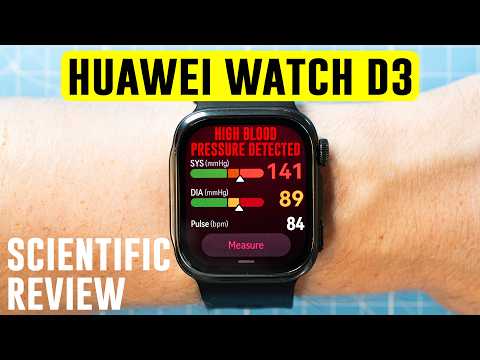
Isn’t it inaccurate at night compared to other ABPM’s?
The subscription added on is a minus, they could at least remove it for older devices (and not only accounts). Rent seeking:
The classic example of rent-seeking, according to Robert Shiller, is that of a property owner who installs a chain across a river that flows through the owner’s land and then hires a collector to charge passing boats a fee to lower the chain. There is nothing productive about the chain or the collector, nor do passing boats get anything in return. The owner has made no improvements to the river and is not adding value in any way, directly or indirectly, except for themselves. All they are doing is finding a way to obtain money from something that used to be free. Rent-seeking - Wikipedia
Or how companies can invest in big R&D programs, create better later generation versions and fund clinical trials
1 Like
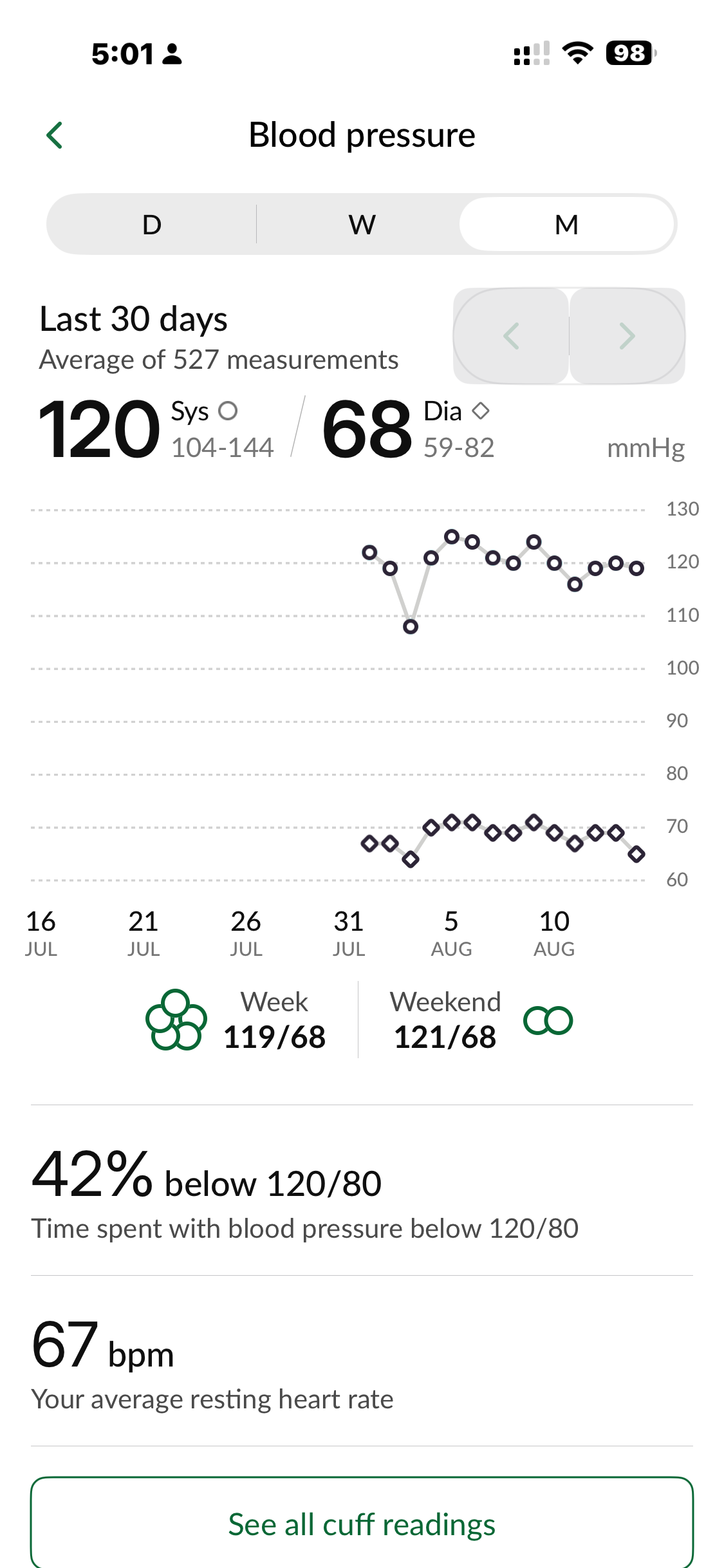
I’ve had the Hilo for two weeks now. Here are both my Monthly Trend Graph, with 527 measurements so far and a data export.
Hilo_Blood_Pressure_Report_Aug2026.pdf (32.2 KB)
My BP is surprisingly consistent day and night. I don’t know how accurate the band’s readings are, but the longitudinal data series is of some use to me. The device is calibrated against an upper arm blood cuff that Hilo supplied
5 Likes
Put one of these in your car with a comma 4, use DIY full-self driving car, in the future reduce risks on the road. chestnut doesn’t have a new driving model yet, a 1B parameter driving model soon, & they will be able to fit a 8B (4 gb) model. The comma 4 is plug in self-driving to cars.
Not medical advice.
2 Likes
The latest batch of Y-Combinator Healthcare companies:
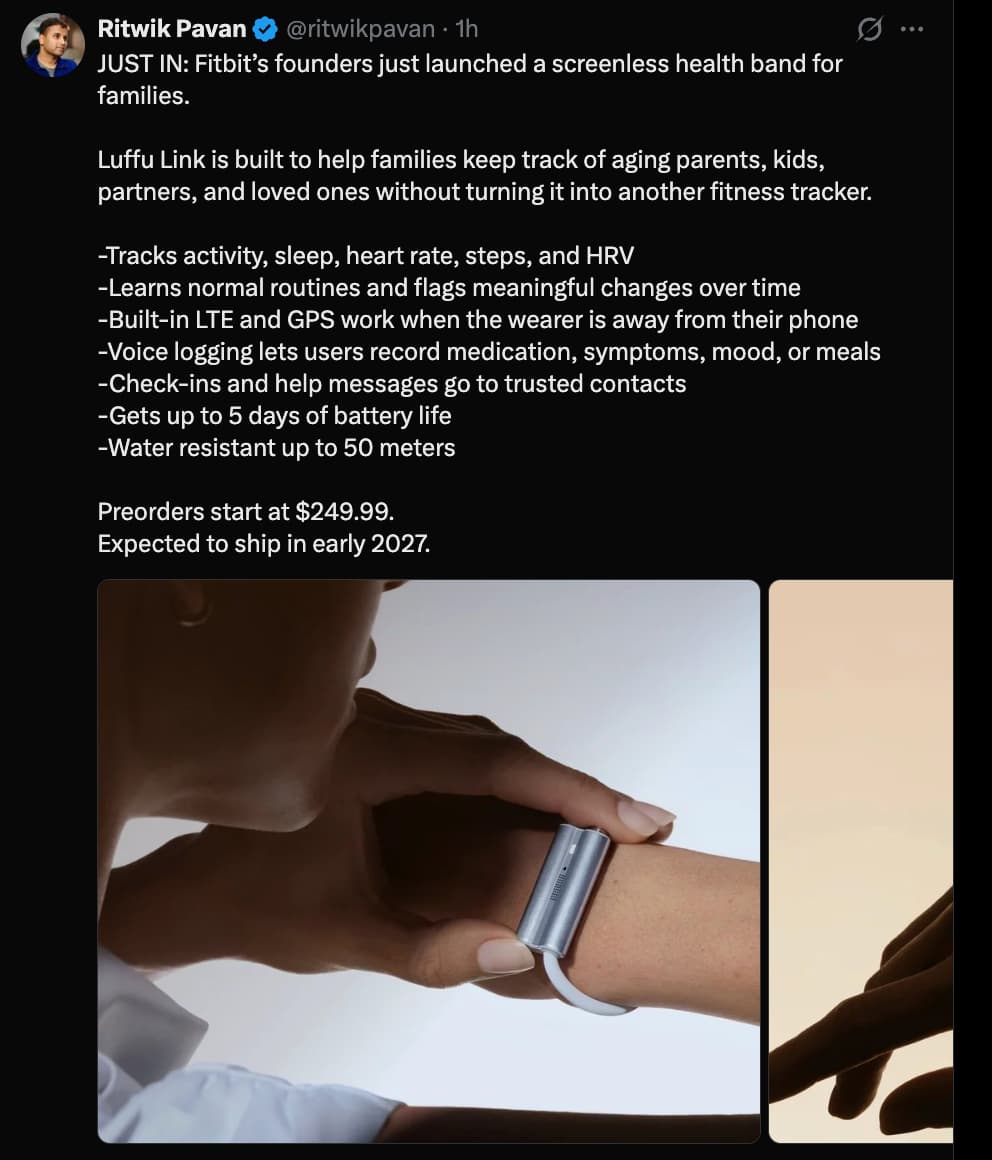
I can see this being valuable to track how parents who may live far from you, are doing on a day to day basis (physically).
2 Likes
A nearly $95 million Seattle research effort aims to use artificial intelligence to design biological molecules that don’t exist in nature.
Why it matters: The AI BioDesign project, which was announced Thursday and will run at least five years, is looking to combine AI and bioscience, with potential applications from cancer treatments to enzymes that break down plastics.
Driving the news: The project is supported by the Fund for Science and Technology, a nonprofit foundation launched by late Microsoft co-founder Paul Allen’s estate.
- The Allen Institute will receive $46.1 million, the University of Washington will receive $43.8 million and the Fred Hutch Cancer Center will get $4.7 million, according to the Allen Institute.
How it works: AI models will propose new biological designs, which scientists will build and test in the lab. The results will then be fed back into the models, helping them make better designs in the next round.
- The idea is to explore possibilities that evolution hasn’t produced and, in the process, learn more about the fundamental rules governing how biology works.
What they’re saying: Evolution creates diversity, but “it is a slow process,” said UW researcher David Baker, who won the 2024 Nobel Prize in Chemistry for pioneering the computational creation of new proteins.
Zoom in: Among the first targets are custom proteins designed to latch onto disease, genetic switches that can turn genes on or off, and tools that can selectively destroy or stabilize proteins, according to Jay Shendure, lead scientific director of the project.
The bottom line: Researchers hope the project can harness AI’s potential for good — turning biological possibilities into medicines, materials and technologies that work in the real world.
2 Likes
It’s inaccurate in this N=1.
1 Like
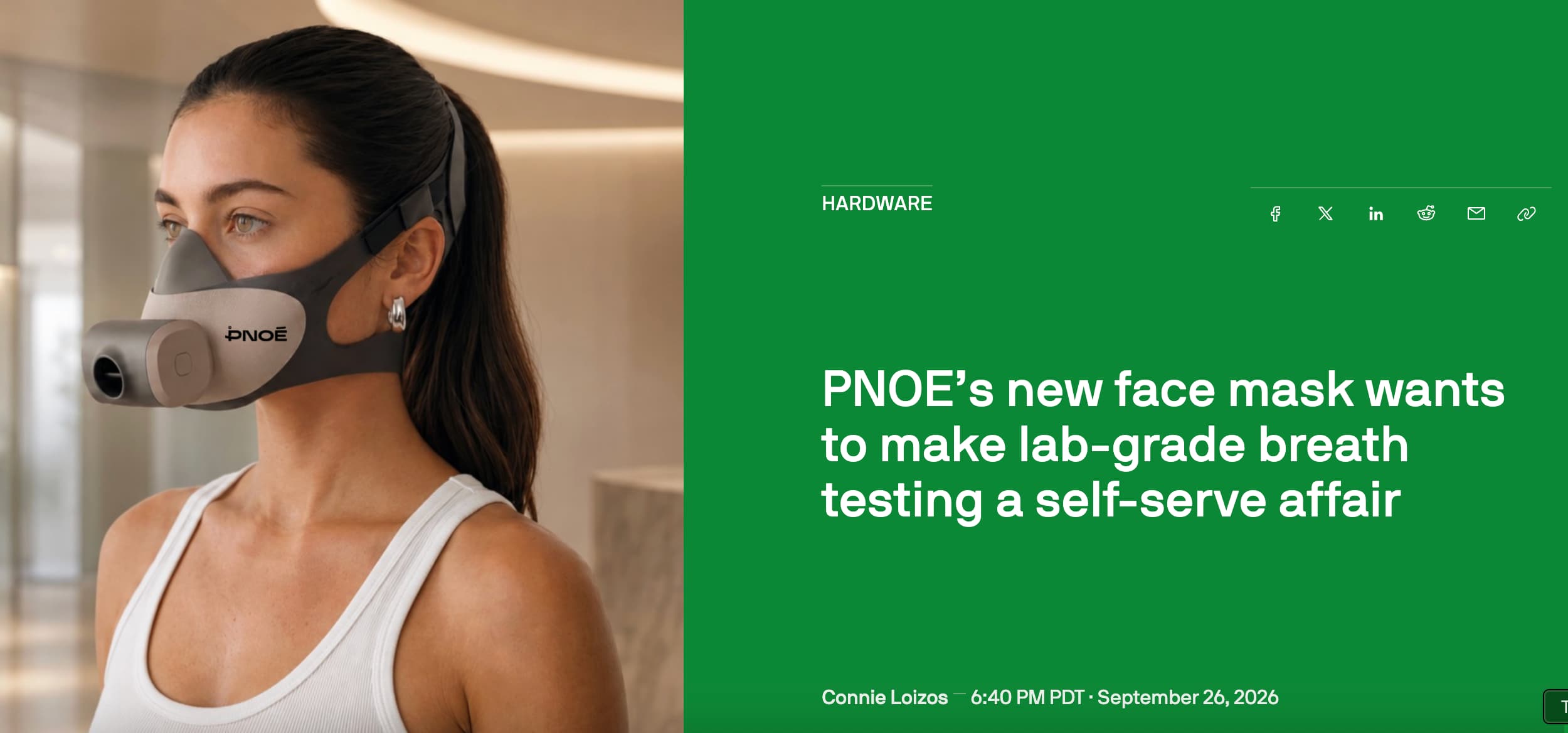
At first glance, the newest device from PNOĒ looks like something a comic-book villain might wear. The mask, which covers the nose and mouth and straps around the back of the head, bears more than a passing resemblance to the one worn by Bane, Batman’s hulking nemesis. But its purpose is far more benign; it measures how much oxygen you consume and how much carbon dioxide you exhale, then turns that data into advice about how to eat, train, and, the company hopes, live longer.
PNOĒ, which is based in Malden, Massachusetts, and has operations in Athens, Greece, is preparing to launch the PNOĒ 2.0 on October 1. The big change from its current device is that users can administer the test themselves. According to co-founder and CEO Apostolos Atsalakis, someone can walk into a gym, “just wear the mask, push the button, sit down,” and breathe for eight minutes. “That’s it. It’s that easy,” he said recently, talking with this editor over a Zoom call from the company’s Athens location.
That matters because PNOĒ’s current device requires a trained operator, which limits where it can be used. A self-serve version could open the door to fitness centers without dedicated staff and potentially even pharmacies, Atsalakis said.
2 Likes