Forget heart rate: this breathing sensor is like having a £40,000 lab on your chest
Why Vingegaard’s new breathing sensor could be the biggest breakthrough in wearable performance tech since the heart rate monitor
The Tymewear device is comprised of a chest strap, a heart-rate monitor and a very sensitive strain gauge.
“The sensor measures the expansion and contraction of the chest cavity,” explains Larusson.
“We measure that displacement, and that allows us to measure breathing rate, which is the peaks of that expansion and contraction, but it also gives us a reference for the tidal volume.”
Although not a direct measure of tidal volume (the amount of air that moves in or out of the lungs with each respiratory cycle), the device can show with 95% accuracy how much oxygen and carbon dioxide are going into and out of the lungs without the use of a mask.
Larusson adds that tidal volume is a key measurement because, “what’s going in and out of the lungs is what’s going in and out of the muscles throughout the body”.
By multiplying breathing rate and tidal volume, you also get ‘minute ventilation’ – the total volume of air inhaled and exhaled out of the lungs in 60 seconds – which is a marker of how effectively the respiratory system is responding to the metabolic demands that are placed upon it.
“By understanding [this], we can get a really good idea of the internal workload of the body. How quickly or how much air is going in, and how that’s changing over time, tells us how efficiently you’re producing that workload,” adds Larusson.
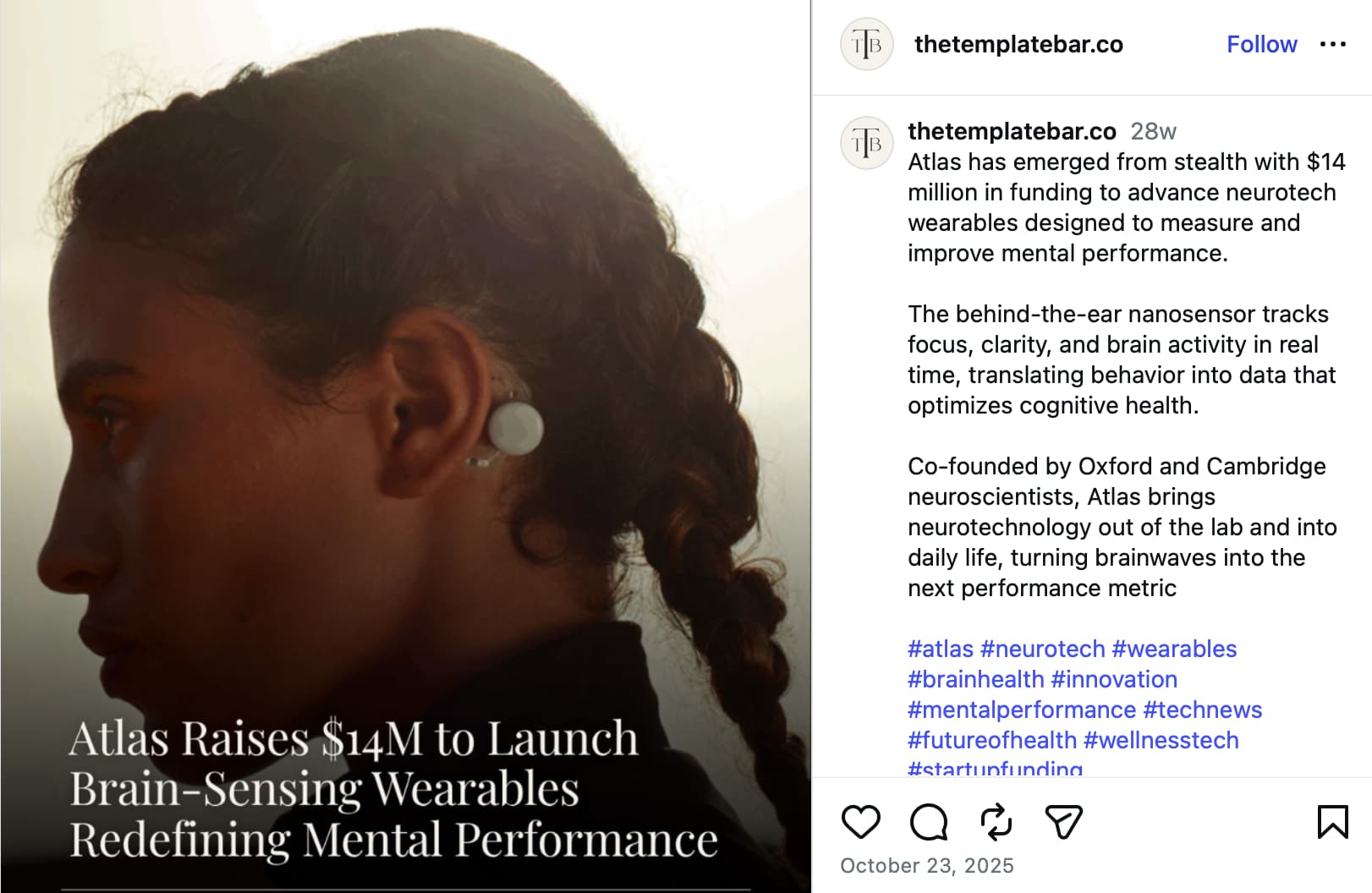
What’s happening: Atlas emerged from stealth with $14M in funding to launch its multi-modal brain-sensing wearable next year.
On-demand acuity. Designed to track mental clarity in real time, the behind-the-ear nanosensor decodes brain signals to reveal how daily behaviors—from physical activity to phone usage—affect focus and acuity. Its app delivers instant feedback to boost mental performance.
Co-founded by Oxford and Cambridge neuroscientists, Atlas will tap wellness industry vets from Oura, Nest, and Kernel to scale up.
Head game. Breaking from the lab, DTC neurotech is turning brain health into a trainable metric.
Targeting sleep, stress, and meditation, Muse launched a new EEG headband and partnered with alphabeats on athletic flow states. Opting for HEG sensors, Mendi helps users quell anxiety.
Atlas will take on “distraction tech,” training the mind to resist cheap dopamine while empowering its users with strengthened mental resilience.
Get on the waitlist to find out more and get pricing:
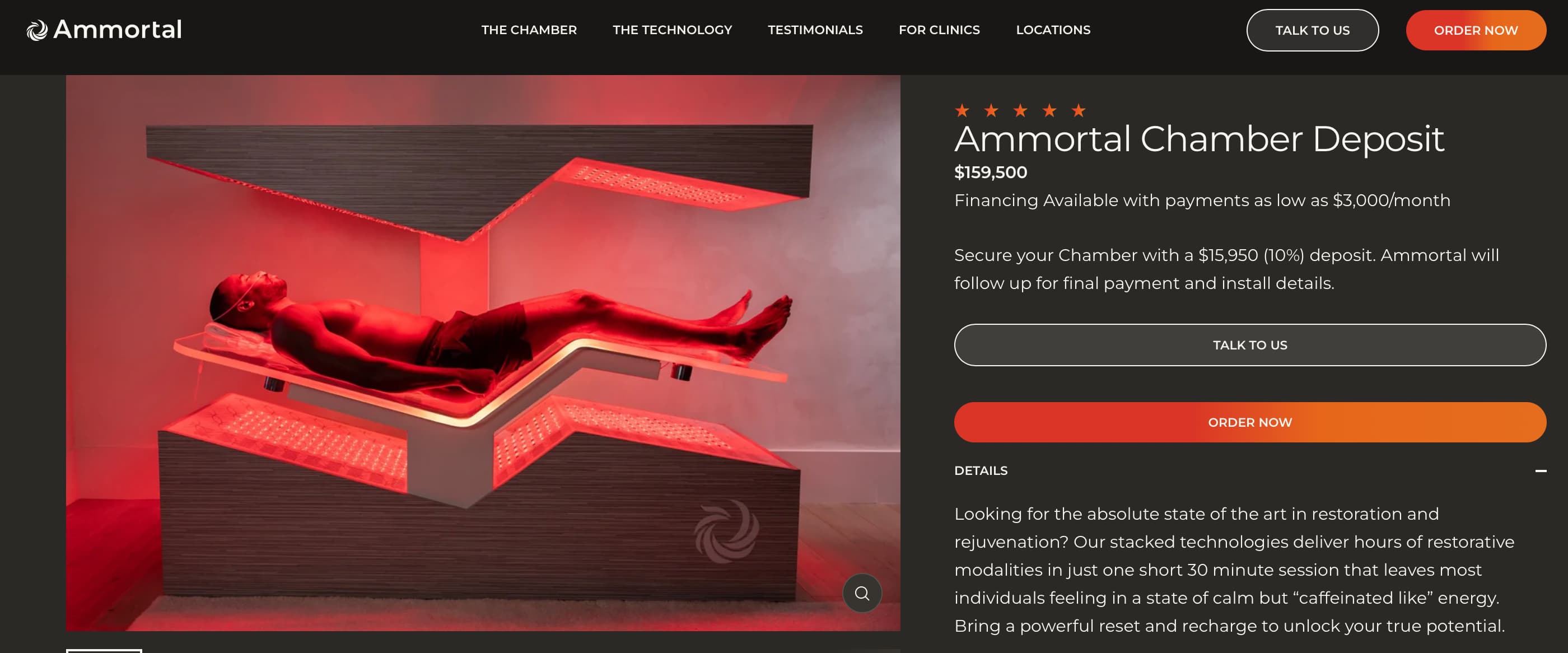
@desertshores , perhaps an idea for a redesign & upgrade of your red-light system…
How do you pack 48 hours of recovery into a 24-hour day? By doing five things at once: (1) red-light and (2) multiwave pulsed electric field and pulsed electromagnetic field therapies, which are supposed to help with cell regeneration, tissue healing and inflammation reduction; (3) vibroacoustics (zapping the body with low-frequency sound waves to relieve stress and enhance mood); (4) molecular hydrogen (an antioxidant said to reduce inflammation) inhaled through a nasal cannula; and (5) voice-guided meditation.
However, I currently wear both a Whoop MG and an Amazfit Helio Band on my biceps. The Helio is good and the app is getting better. It’s been updated regularly.
The Whoop has some features that are not currently available on other fitness bands. I can upload my lab tests to add information for Whoop health assessments. The biggest difference is the Whoop can be charged while wearing it.
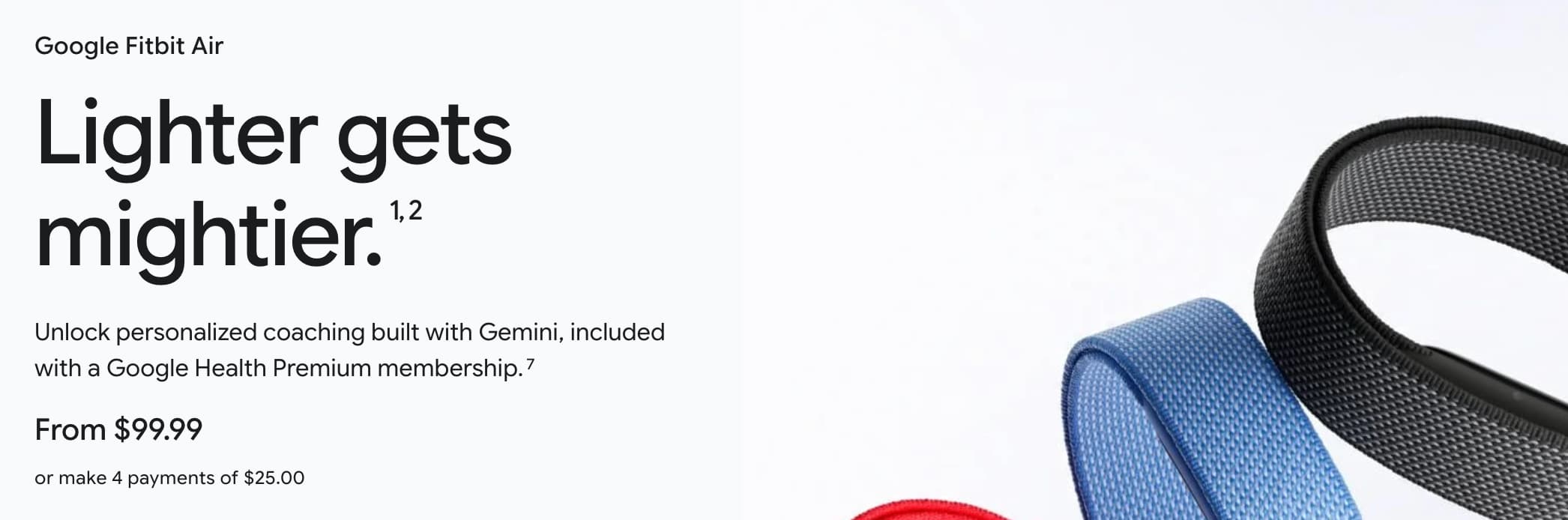
Since I recently began using Google Gemini Pro as my health and fitness coach, which is amazing, I am looking forward to seamlessly incorporating the Fitbit Air data. Gemini puts the built-in AIs from Whoop or Amazfit/Zepp to shame by comparison.
I gave up wearing smart rings as they got in way of my weight training and weighted jump rope workouts.
Garmin is rumored to be coming out with a screenless band in the very near future.
Isomorphic Labs just outlined its new AI drug design engine (IsoDDE), and this looks like a major step beyond AlphaFold 3.
The system reportedly improves protein–ligand prediction accuracy, identifies new druggable pockets from sequence alone, and outperforms traditional physics-based methods. In other words, this moves AI from structure prediction into actual drug discovery.
For longevity, the implications are straightforward:
Faster target discovery
Access to previously “undruggable” biology
Better small molecules and biologics
Potential acceleration of aging-related therapies
If this holds up in practice, discovery may stop being the bottleneck. The limiting factors shift to validation and trials.
I’m looking forward to hearing about Google’s new XR smart glasses at Google IO today (I’ll be watching from here: https://www.youtube.com/watch?v=wYSncx9zLIU ). This could be a game-changer for people wishing to optimize their health. e.g. imagine going to the grocery store and before you buy something it immediately highlights items that are probably not the best for your health (with a red x) and points out ones for which there is some evidence that it helps. Or, imagine you go to a cafe and order something and immediately see nutritional content (better than dedicated apps for this on a smartphone, since the glasses would have access to the whole context – what cafe you are in, what ingredients they list online, etc.) in the AR window. Couple that with Android’s new fitness-trackers and you could get personalized recommendations.
Interesting. I’ve looked at Hero before. My concern is that it’s designed for medications, not supplements. I take 8 different things daily and Hero doesn’t really support that workflow. Curious if anyone here has actually used it for a complex supplement stack?
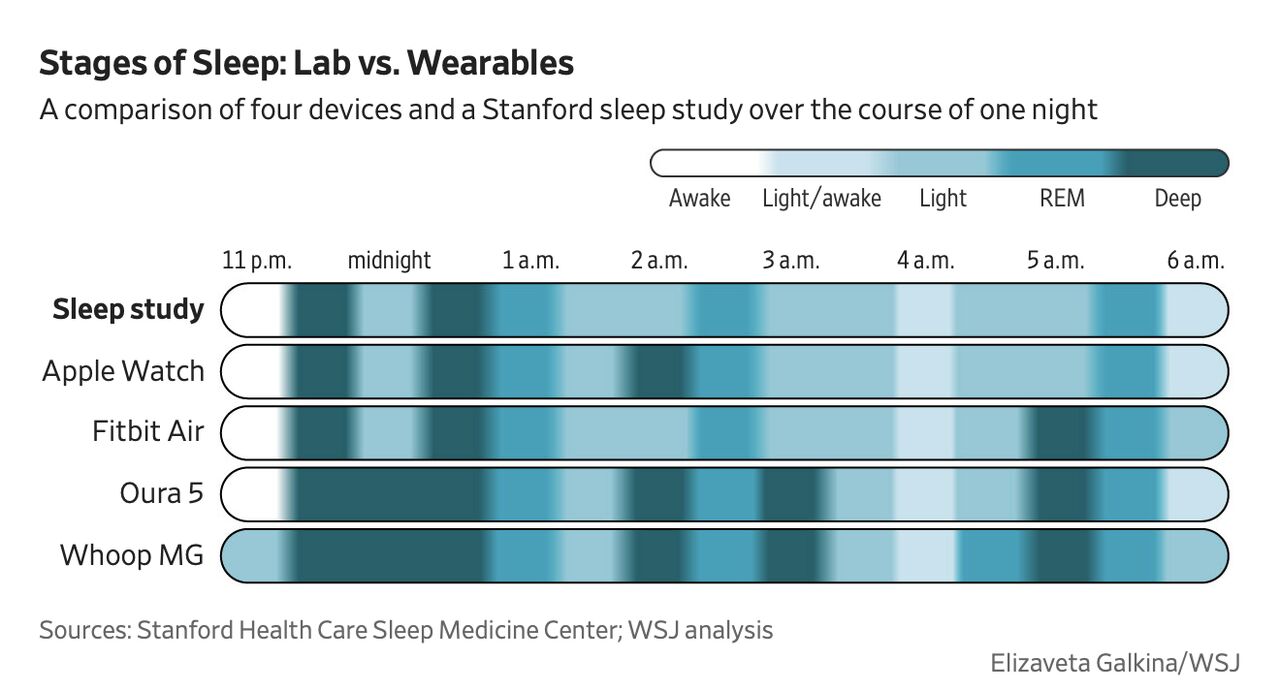
The next morning, I reviewed my results with Dr. Rafael Pelayo, a clinical professor of sleep medicine, who says a restorative night includes a mix of different stages: deep, REM (aka rapid eye movement) and lighter sleep, plus several micro-awakenings.
A sleep technician looked at my brain waves, muscle activity, eye movements and snoring audio to determine the stages. Even though the wearables can only infer the stages, using heart rate and movement data, they kept up pretty well.
The Apple Watch clocked the same sleep duration, down to the minute (six hours and 52 minutes) and its sleep staging aligned most with the lab results. The Fitbit Air was a close second, followed by Oura.
The Whoop tripped up early, mistaking my late-night reading for light sleep. Emily Capodilupo, senior vice president of research at Whoop, says its sleep algorithms have been validated against polysomnography, and peer-reviewed studies found its sleep detection reliable.