If you put that nasty looking stuff in your fridge for a few hours it’ll turn into a nice coffee gel that you could use on your skin or eat,
Very helpful Chris… as I have a big bag of HA.
Ummm… nope still like swallowing paste. Will try water.
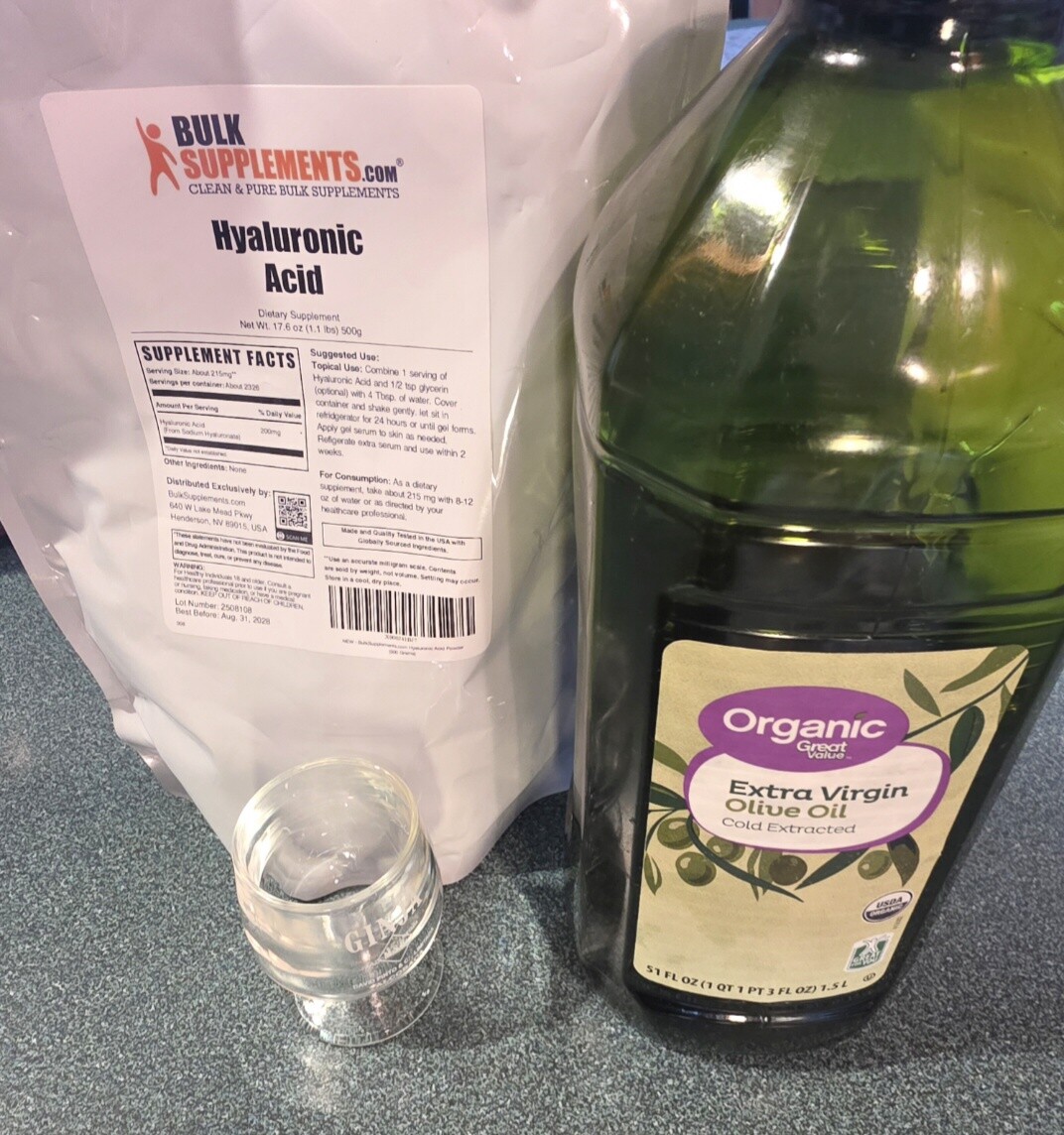
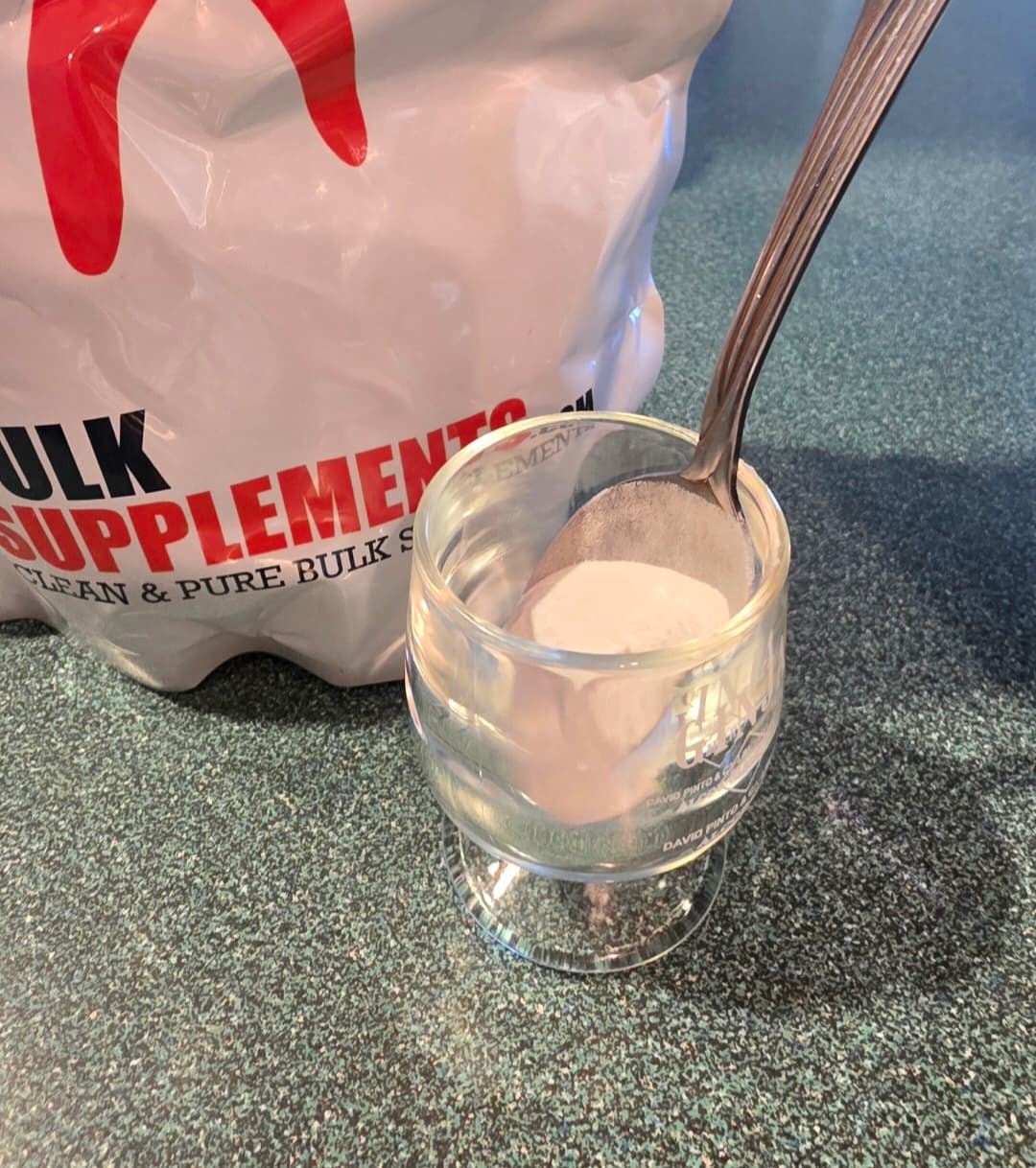
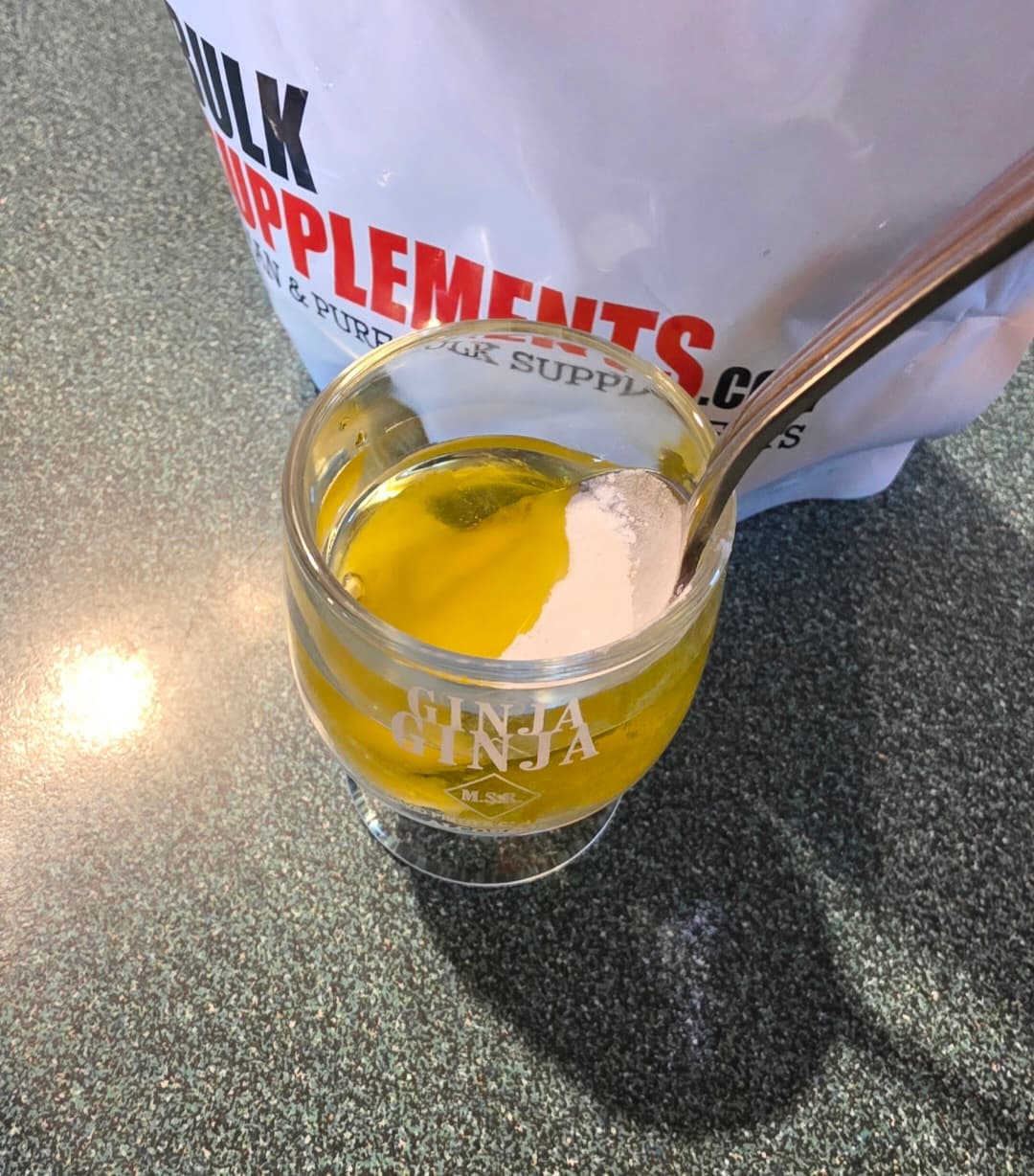
2 Likes
You’re using a spoonful? I only use 1 g at a time. I think you’re using too much. 500 mg is what most supplements use. It looks like you’re using about 5-10 g. I think that will turn anything into paste!
1 Like
Yep a spoon full…lol.
I blended on high 4oz coffee and 1g HA - mixes very well and is pleasant to drink.
1 Like
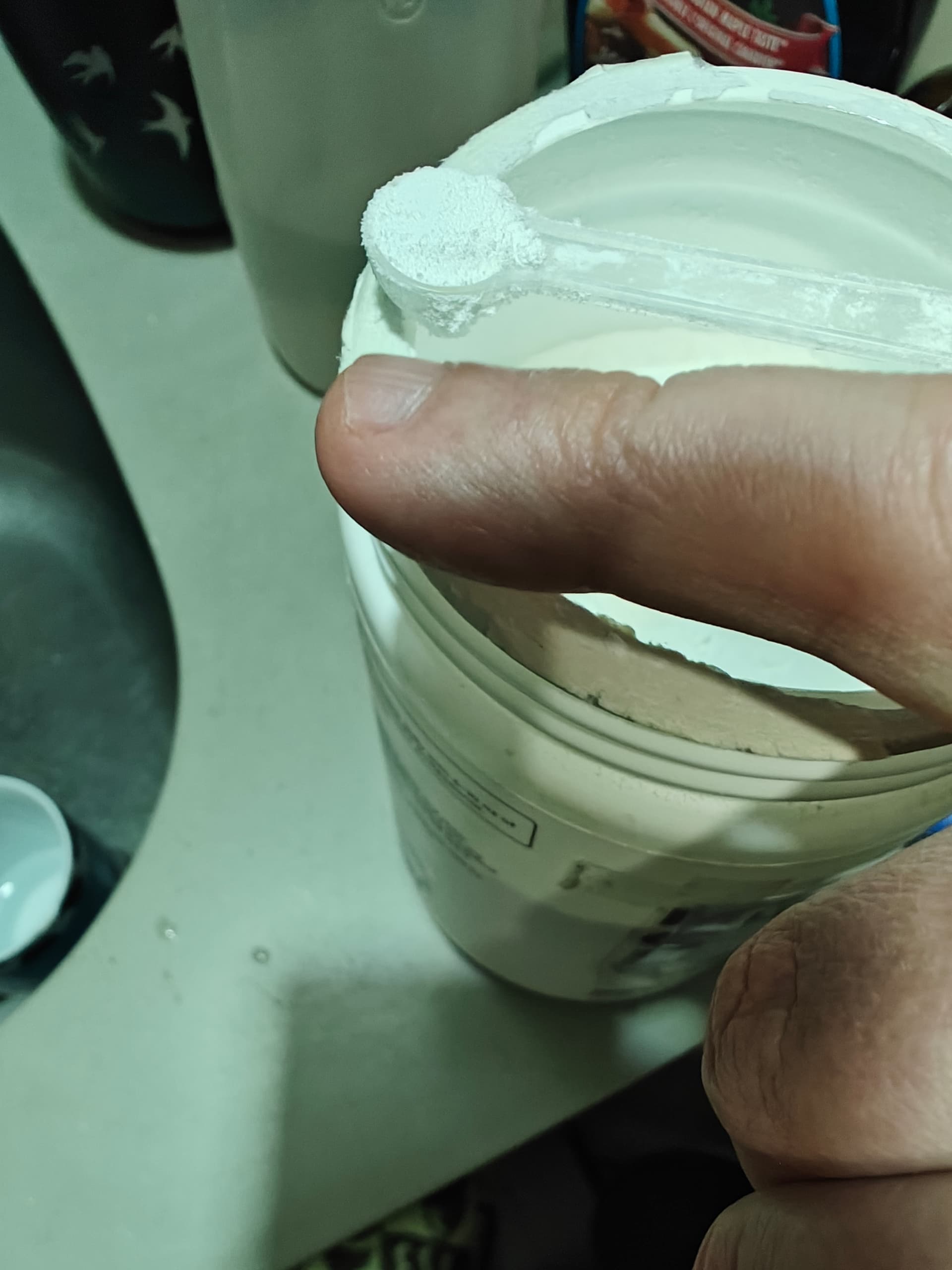
Here’s a picture of the 250 mg scoop I use with my pinky finger for reference. I use 4 scoops and it doesn’t turn to paste. It’s the amount you’re using that pastifies all your liquids! 
3 Likes
I definitely see.
Going to try lemon water tomorrow.
Wish I could just put it in coffee with the rest of my powders. 
Thanks.
2 Likes
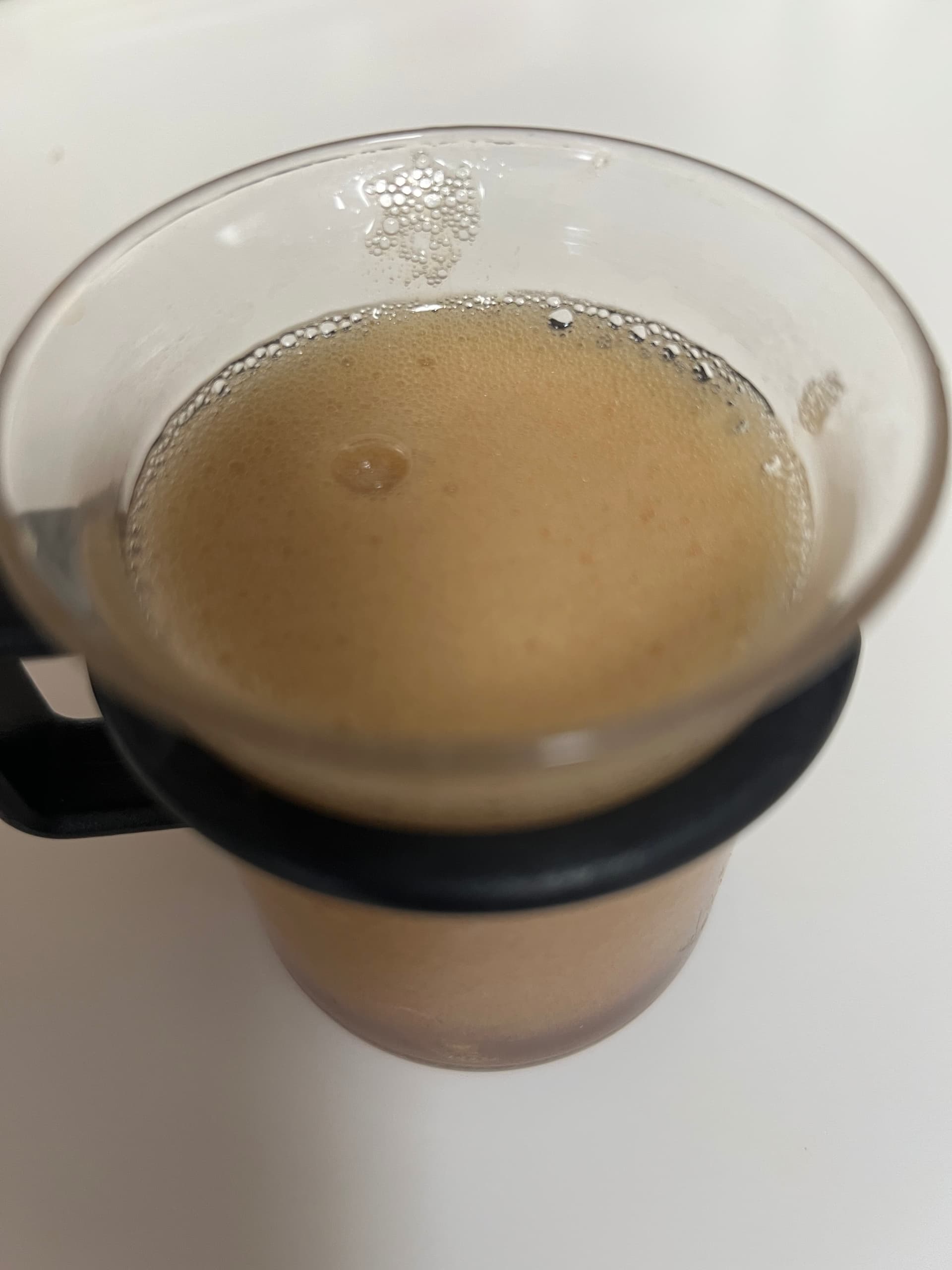
This is cold coffee blended with HA and refrigerated for 1 hour. No lumps, pleasant to taste and smooth.
5 Likes
I just received my shipment of Toniiq HA. Each capsule is about 125mg, which is in line with 120 to 240 dosage used for most studies of oral HA.
3 Likes
I make a thick cacao with it! I put the tiny hyaluronic acid scoop into my cacao powder with a tablespoon or two of collagen, 3g glycine scoop, and spices, mix them DRY with a spoon, then pour a quarter glass almost boiling water in and blend with a handheld shake blender. Then add hot almond milk, cacao butter wafers, vanilla extract and mix. No sweetener needed with the glycine 
4 Likes
Your Skin Loses 75% of This (hyaluronic acid) by Age 75 (New Fix)
I. Executive Summary
The central thesis of the provided transcript posits that oral hyaluronic acid (HA) supplementation yields measurable improvements in skin hydration, elasticity, and wrinkle depth, despite possessing exceedingly poor direct bioavailability. Historically, clinical dermatology and the supplement industry favored high-molecular-weight (HMW) HA under the flawed assumption that larger polymers evaded gastrointestinal degradation to directly populate dermal tissue. Recent pharmacokinetic isotope-tracking data invalidate this model. Oral HA—irrespective of its initial molecular weight—is extensively catabolized by gastric acid and the intestinal microbiome (specifically Bacteroides species) into low-molecular-weight (LMW) oligosaccharides and short-chain fatty acids (SCFAs). Intact systemic absorption is negligible (approximately 0.2% to 2%).
Consequently, the observed clinical benefits of oral HA on skin parameters are driven by an indirect, systemic mechanism via the gut-skin axis, rather than direct compound deposition in the dermis. These indirect pathways include microbiome-derived SCFA anti-inflammatory signaling, gut receptor-mediated systemic immunomodulation, and the downstream upregulation of endogenous dermal fibroblast activity. A robust 2025 randomized controlled trial (RCT) confirms that low-dose oral sodium hyaluronate (120 mg/day) significantly increases skin hydration and reduces transepidermal water loss (TEWL). While knowledge gaps remain regarding the precise receptor-ligand interactions mapping the gut-skin signaling cascade in humans, current data unequivocally justify the use of highly bioavailable, cost-effective LMW-HA over premium-priced HMW-HA formulations. Ultimately, oral HA is a validated, albeit modest, adjunct intervention for structural skin longevity.
II. Insight Bullets
- Endogenous cutaneous HA levels decline precipitously with biological age; a 75-year-old retains roughly 25% of the dermal HA found in a 19-year-old.
- Early models suggesting HMW-HA survives digestion intact to directly hydrate skin tissue have been falsified by recent carbon-13 isotope pharmacokinetic studies.
- Oral HA exhibits exceptionally low bioavailability; merely 0.2% to 2% of ingested metabolites reach systemic circulation.
- The gastrointestinal microbiome is an obligatory gatekeeper for oral HA efficacy; in vivo germ-free models exhibit zero HA absorption.
- Gut bacteria (Bacteroides spp.) enzymatically cleave HA into unsaturated oligosaccharides (<3 kDa) and ferment the remainder into short-chain fatty acids (SCFAs).
- The clinical efficacy of oral HA is mechanistically indirect, relying entirely on gut-skin axis signaling rather than physical dermal accumulation of the ingested polymer.
- Proposed mechanisms of action include SCFA-induced attenuation of systemic inflammation, gut-receptor binding (e.g., CD44), and downstream upregulation of endogenous collagen and HA synthesis.
- A 2021 clinical trial established that 200 mg/day of oral HA reduced objective wrinkle depth by 18.8% over 28 days, compared to a 2.6% reduction in placebo.
- A comprehensive 2025 RCT (150 subjects, 12 weeks) verified that 120 mg/day of oral sodium hyaluronate elevated cheek hydration by 11.5%.
- Secondary verified benefits of oral HA encompass statistically significant reductions in transepidermal water loss (TEWL) and sebum production.
- Oral HA fails to modulate superficial aesthetic metrics such as skin coloration, pore size, or surface gloss.
- Premium consumer pricing for oral HMW-HA is biochemically unjustified; gastric and microbial degradation neutralize macromolecular structural differences prior to absorption.
- Low-molecular-weight (LMW) sodium hyaluronate is the pragmatic, cost-efficient vector for oral supplementation.
- Direct dermal injection of cross-linked HA remains the most potent, high-effect-size intervention for localized structural correction.
- Oral HA must be clinically contextualized as a marginal, complementary intervention with modest effect sizes, not a foundational monotherapy for skin aging.
III. Adversarial Claims & Evidence Table
| Specific Claim | What They Cited | Scientific Reality (Current Data) | Evidence Grade | Verdict |
|---|---|---|---|---|
| HA levels decrease by 75% at age 75 compared to age 19. | Unspecified reference. | Verified. Dermal HA becomes highly tissue-bound with age, and epidermal HA drops drastically, diminishing total moisture retention capacity. Papakonstantinou et al., 2012 | Level C | Strong Support |
| Oral HA reduces wrinkle depth by 18.8%. | 2021 Clinical Trial. | Verified. A 28-day RCT utilizing 200 mg/day of full-spectrum HA demonstrated an 18.8% reduction in wrinkle depth and 10.6% increase in hydration. Michelotti et al., 2021 | Level B | Strong Support |
| Gut bacteria are mandatory for HA absorption; intact bioavailability is ~2%. | 2023 murine study. | Verified. 13C-hyaluronan tracing in germ-free vs. wild-type mice proves Bacteroides spp. are required to cleave HA. Bioavailability of fragments is ~0.2%. Šimek et al., 2023 | Level D (Translational Gap) | Strong Support |
| 120 mg/day of oral HA boosts hydration by 11.5% and reduces TEWL. | December 2025 Scientific Reports Trial. | Verified. A 12-week RCT on 150 adults confirmed that 120 mg/day sodium hyaluronate significantly enhanced hydration and elasticity while reducing TEWL and sebum. Dolečková et al., 2025 | Level B | Strong Support |
| High-molecular-weight (HMW) oral HA offers no superior benefit over low-molecular-weight (LMW). | Logical deduction from 2023 absorption data. | Verified. Because all oral HA is depolymerized by stomach acid and the microbiome prior to absorption, HMW offers no physiological advantage to justify premium costs. Oakes et al., 2024 | Level B | Plausible |
IV. Actionable Protocol (Prioritized)
High Confidence Tier * Low-Molecular-Weight Sodium Hyaluronate (Oral): Dose at 120 mg to 200 mg daily. This protocol optimizes global skin hydration, reduces transepidermal water loss (TEWL), and generates modest improvements in periorbital wrinkle depth. It serves as a systemic primer for dermal structural integrity.
- Targeted Dermal Injectables: For immediate, high-magnitude correction of deep rhytides, volume loss, and mechanical skin failure. Direct injection bypasses the gastrointestinal metabolic trap entirely.
Experimental Tier * Microbiome-Optimized Matrix: Because oral HA efficacy relies on microbial cleavage, concurrent maintenance of a healthy gut microbiome via dietary fiber (prebiotics) to support Bacteroides populations theoretically maximizes the conversion of ingested HA into beneficial oligosaccharides and SCFAs.
Red Flag Zone * Premium HMW-HA Supplements: Purchasing expensive high-molecular-weight oral HA under the marketing guise of “superior intact absorption” is scientifically invalid. The gastrointestinal tract destroys the macromolecular structure of HMW-HA, rendering the premium cost a total waste of capital.
V. Technical Mechanism Breakdown
The translation of oral hyaluronic acid into observable dermal benefits relies on an indirect, multi-system cascade rather than standard pharmacokinetic distribution:
- Gastrointestinal Depolymerization: Oral HA consists of massive linear polymers of alternating β-1,4-D-glucuronic acid and β-1,3-N-acetyl-D-glucosamine. Upon ingestion, it undergoes acidic hydrolysis in the stomach, yielding medium-weight fragments. In the colon, the microbiome (specifically Bacteroides species expressing hyaluronidases) depolymerizes these fragments into low-molecular-weight oligosaccharides (<3 kDa).
- Microbial Fermentation: The remaining unabsorbed HA fragments are fermented by gut flora into short-chain fatty acids (SCFAs), notably butyrate, acetate, and propionate.
-
The Gut-Skin Axis (Indirect Signaling):
- Systemic Anti-Inflammation: Gut-derived SCFAs enter systemic circulation and inhibit histone deacetylases (HDACs), which downregulates NF-κB pathways. This attenuates systemic oxidative stress and “inflammaging”—the low-grade chronic inflammation that upregulates Matrix Metalloproteinases (MMPs), the enzymes responsible for degrading dermal collagen and endogenous HA.
- Receptor-Mediated Immunomodulation: HA oligosaccharides bind to intestinal epithelial receptors (such as CD44 and Toll-like receptor 4 [TLR4]). This interaction alters localized mucosal immunity, shifting systemic cytokine profiles (lowering TNF-α and IL-6) to exert a cytoprotective effect on dermal fibroblasts.
- Endogenous Upregulation: Systemic signaling from these HA metabolites stimulates dermal fibroblasts to upregulate the transcription of Hyaluronan Synthase genes (HAS1, HAS2, HAS3) and COL1A1 (Type I collagen). The body initiates de novo synthesis of extracellular matrix components rather than depositing the physical HA molecules that were ingested.
Additional data required for full answers: The exact serum concentration of HA oligosaccharides required to trigger HAS1/HAS2 upregulation in human dermal fibroblasts remains poorly quantified. Future in vivo human isotope-tracing studies are required to permanently map the receptor-ligand kinetics of the gut-skin axis.
5 Likes
I’ve been using this, at two caps twice a day for a few years now, and it seems to be working, both internally and externally. At the very least, my skin and bones aren’t getting worse.
2 Likes
These proprietary blends annoy me because they don’t tell you how much hyaluronic acid is actually in the supplement and the label (Hyaluronic Acid 2,000mg) is extremely misleading, if not an outright lie.
5 Likes
It could be merely a milligram of hyaurlonic acid, but Naturebell has good reviews. A hydrophilic substance found in every joint, HA is a natural lubricant. A half a teaspoon can can absorb more than a gallon of water. The “proprietary blend” includes MSM and collagen, which also have good reviews. Subjective but relevant.
I don’t trust Amazon reviews. I skip the MSM and take a properly-labeled, pure collagen supplement and a pure HA supplement separately.
4 Likes
There’s so much more that can be done to move the needle for the skin that I think this thread is over optimizing a stump of an intervention. Just 0.1% tret alone in a $2 tube is worth orders of magnitude more than any amount of ideally sized molecule of HA.
1 Like
Suppco gives Naturebell an overall TrustScore of 6.61, which is about a C, but doesn’t grade its HA at all. The brand scores high for product quality but low for the clinical testing of its products. In particular, Suppco is suspicious of its proprietary blends.
1 Like