I. Executive Summary
This analysis evaluates the operational model, clinical validity, and translational feasibility of autologous hair follicle cryopreservation and secretome therapy as presented by Acorn Biolabs. The platform circumvents conventional invasive mesenchymal stem cell (MSC) harvesting techniques—such as iliac crest bone marrow aspiration or surgical liposuction—by extracting roughly fifty hair follicles from the occipital scalp. These follicles yield accessible clusters of follicular MSCs, dermal papilla cells, and keratinocytes. Plucked specimens are transported via a specialized electrolyte,antioxidant, and carbohydrate substrate to a centralized facility where they undergo quality validation before vitrification at ultra-low temperatures (-190°C) across geographically segregated, redundant cryogenic storage tanks.
The commercialized clinical deliverable consists not of viable cell re-implantation, but of an autologous secretome product. Ex vivo cell culture isolates conditioned media enriched with cell-secreted cytokines, extracellular vesicles, and growth factors, which are repackaged as topical serums or microneedling adjuvants for aesthetic dermatology, alopecia,and scar remodeling. Beyond dermatological aesthetics, the company markets cell banking as biological longevity insurance, premised on the future therapeutic translation of induced pluripotent stem cell (iPSC) reprogramming pioneered by Takahashi et al., 2007. Under this model, banked youthful somatic cells could theoretically be reprogrammed using Yamanaka transcription factors (Oct4, Sox2, Klf4, c-Myc) to generate autologous chondrocytes,pancreatic islet cells, or tumor-infiltrating lymphocytes.
From an evidence-based clinical perspective, a severe translational gap exists between current commercialization and prospective systemic therapeutics. While banking younger cells preserves telomere integrity and minimizes cumulative somatic mutations, all regenerative organ replacement, immunotherapeutic, and endocrine applications remain strictly preclinical. Furthermore, commercial autologous secretome microneedling lacks robust, high-powered, double-blind randomized controlled trials demonstrating superior efficacy over conventional dermatological interventions such as tretinoin or platelet-rich plasma. Additionally, cold-chain dependency presents critical post-delivery risks; ambient storage in domestic refrigeration risks rapid protein degradation and bioactivity loss. Cell banking may provide future utility if clinical-grade iPSC autologous manufacturing matures, but current marketing conflates unproven exosome biology with established regenerative medicine.
II. Insight Bullets
-
Acorn Biolabs operates an autologous cell cryopreservation platform based at Toronto General Hospital utilizing non-invasive harvesting of hair follicle stem cells.
-
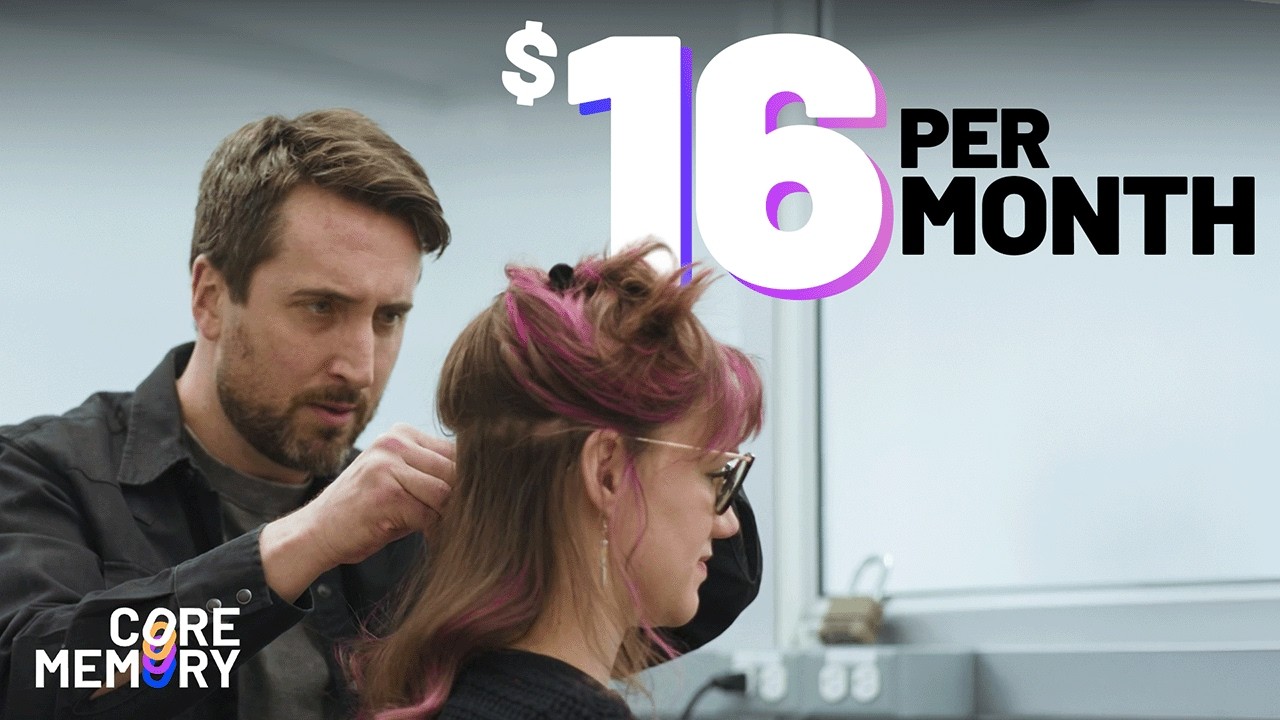
The collection protocol extracts approximately fifty intact hair follicles from the posterior and temporal scalp using manual mechanical epilation.
-
Hair follicle roots contain multipotent mesenchymal-like stem cells, dermal papilla cells, and outer root sheath keratinocytes.
-
Follicular extraction provides an outpatient, low-morbidity alternative to invasive cell sources such as bone marrow aspiration or surgical liposuction.
-
Follicles must be mechanically epilated in an intact anagen/bulb-retaining state, rendering naturally shed brush hair unusable.
-
Epilated specimens are transported in a proprietary preservation medium containing salts, carbohydrates, and antioxidants designed to maintain cellular viability across commercial transit.
-
Cryopreservation utilizes liquid nitrogen vapor-phase freezers maintained at -190°C (-310°F) to arrest all cellular metabolic processes.
-
Biorepository safety architecture incorporates geographically distributed, redundant cryo-tanks to mitigate catastrophic mechanical or environmental failure.
-
The immediate commercial offering derives a personalized, cell-free secretome product from the ex vivo culture of harvested follicular cells.
-
The secretome formulation comprises cell-conditioned media enriched with autologous growth factors, cytokines,and extracellular vesicles.
-
Commercial secretome applications are targeted topically or transdermally via microneedling for facial skin rejuvenation, scar remodeling, and hair loss.
-
Clinical aesthetic practices market autologous secretome harvesting and microneedling packages at price points around $4,000.
-
Long-term cryopreservation maintenance is commercialized under a direct-to-consumer recurring subscription fee of approximately $190 annually.
-
Early-life cell banking is promoted as a preventive hedge against age-related genomic accumulation, epigenetic drift, and telomere shortening.
-
The prospective therapeutic model depends on induced pluripotent stem cell (iPSC) reprogramming methodology established by Takahashi et al., 2007.
-
Yamanaka factor induction (Oct4, Sox2, Klf4, and c-Myc) enables somatic follicular cells to revert to a pluripotent state capable of multilineage differentiation.
-
In vitro proof-of-concept experiments by company researchers have differentiated reprogrammed follicle-derived cells into osteogenic and chondrogenic lineages.
-
Preclinical exploratory pipelines are investigating the conversion of hair follicle-derived iPSCs into insulin-producing pancreatic progenitor cells.
-
Theoretical oncology applications involve reprogramming banked autologous cells into targeted immune effector cells for adoptive cell therapies.
-
All systemic regenerative applications, including bioprinted organs and solid tissue replacement, remain strictly preclinical without active Phase 3 human trials.
-
Autologous secretome products sent directly to consumers carry significant risks of protein and growth factor degradation if kept in standard domestic refrigeration.
-
Institutional healthcare systems and commercial insurance providers currently exclude coverage for elective autologous stem cell banking and secretome aesthetics.
-
Canadian academic research faces persistent translational funding gaps between initial university spin-off formation and commercial biomanufacturing scale.
-
Cryopreserved cell-free secretome treatments operate in a distinct regulatory category from living autologous stem cell infusions.
-
Clinical validation evaluating autologous hair follicle secretome efficacy against standard-of-care treatments in androgenetic alopecia is presently undergoing controlled evaluation (ClinicalTrials.gov NCT07107841).