Ha, I already made an ongoing thread about parenting for longevity. Enjoy!
Oops. Merging them then.
Ha, you’ll see my first very post is saying that we give the kids 250mg DHA per day. And my wife took fish oil right through the whole pregnancy and while breast feeding.
Argument/logic is/was: DHA is the predominant lipid in a child brain (15% of all fatty acids apparently), particularly in grey matter of the prefrontal cortex. It’s in breast milk. It’s compulsory to be included in infant formula in the EU. The developing brain rapidly accumulates DHA, especially through the first 2 years of life. Interestingly, children with ADHD also have lower O3 levels. So you have all this rationale saying that DHA is important for development etc. Plus, the western diet means that most children do not even come close to daily targets. However, it doesn’t necessarily mean they are O3 deficient, since they likely do consume ALA.
However, after looking into it some more, the evidence in favour of supplements is weaker than I thought. A couple trials have shown moderate benefits in asthma, but most of the big ones have failed. One study showed an IQ increase, but a followup found no changes in behaviour, performance etc.
The end conclusion is that maybe there are some benefits in people who are deficient or in the lowest percentage of intake. For otherwise healthy kids, I have no idea. Luckily my kids do eat plenty of fish, so I think based on our chats and the report below, I will stop buying DHA supplements for them.
I had Claude write a deep research report which I attach here:
Research Report.pdf (89.5 KB)
Experiencing adversity throughout life could make you age prematurely
People who have experienced hardships both in childhood and in adulthood age faster than others, a new study shows.
Childhood trauma can have consequences for both our mental and physical health.
Research has shown this for a long time.
A new study now indicates that experiencing adversity both early and later in life may be especially damaging to health.
“Those who experienced adversity both as children and as adults showed the clearest signs of faster clinical and biological ageing. This was more pronounced than among those who experienced adversity during only one stage of life,” Monica Aas tells Science Norway.
The Norwegian researcher is the lead author of the study from King’s College London.
Together with colleagues, she examined nearly 154,000 people who answered questions about health and life events and also provided blood samples to the UK Biobank. This is the world’s largest health registry for research.
Abuse had the greatest impact
The researchers looked at people who had experienced physical, psychological, and emotional abuse.
They also included individuals who reported neglect and financial hardship.
Overall, 27 per cent reported having experienced things in life that had been a major burden for them.
“Our study shows that abuse was most strongly linked to earlier ageing, more strongly than neglect,” says Aas.
Paper:
Adverse events in both childhood and adulthood are associated with molecular, clinical and functional markers of ageing
POSITIVE CHILDHOOD EXPERIENCES LINKED TO BETTER HEALTH, INCOME AMONG ADULTS WHO ALSO EXPERIENCED ADVERSE CHILDHOOD EXPERIENCES
Posted on May 13, 2026
Children who experienced adverse childhood experiences such as abuse or neglect were more likely to be healthier and higher earners as adults if they also were exposed to positive childhood experiences, including safe, supportive relationships, according to a new study.
The study, “Positive and Adverse Childhood Experiences and Adult Health and Economic Outcomes,” published in the June Pediatrics (published online May 13) analyzed data from the Behavioral Risk Factor Surveillance Survey from four states between 2015–2020, including 18,773 adults.
Researchers categorized positive and adverse childhood experiences and evaluated them against adult health and life opportunity outcomes. The states included in the survey were Kansas (2020), Michigan (2016), South Carolina (2019), and Wisconsin (2015). Adverse childhood experiences (ACEs) have been shown to have a significant association with alcohol and substance use; smoking; high-risk sexual behaviors; chronic diseases such as heart disease, diabetes, and autoimmune disorders; and mental health issues like depression, anxiety, and post-traumatic stress disorder.
In the survey, respondents were asked questions such as if they had a supportive adult in their lives, if they felt supported by friends or felt a sense of belonging in high school. Adults who had been exposed to childhood adversity and also reported having some positive childhood experiences (PCEs) were less likely to report having chronic conditions, poor physical health, and tobacco use.
The authors observe the potential power of positive experiences, especially among those who have experienced adversity, and emphasize the clinical and public health implications of interventions that effectively promote positive experiences among all children.
The seven positive childhood experiences (PCEs) evaluated in this study—derived from the Behavioral Risk Factor Surveillance System (BRFSS) relational health metrics—quantify specific aspects of emotional, environmental, and community support experienced prior to age 18.
The specific PCE items cited and analyzed are:
-
Family Communication: Feeling able to talk to family members about personal feelings.
-
Family Solidarity: Feeling that one’s family stood by them during difficult or challenging times.
-
Domestic Safety: Feeling safe and protected by an adult in the home.
-
Peer Support: Feeling supported by friends.
-
Institutional Belonging: Feeling a distinct sense of belonging while in high school.
-
Non-Parental Mentorship: Having at least two non-parent adults who took a genuine, supportive interest in them.
-
Community Connection: Enjoying active participation in broader community traditions.
related
Positive Childhood Experiences and Adult Health and Opportunity Outcomes in 4 US States
https://jamanetwork.com/journals/jamanetworkopen/fullarticle/2836904
Help them develop a healthy lifestyle
Healthy Diet
Exercise
Outdoor activities
Limit screen time
Reading books
Social activities
Community activities
One on one time with each parent.
Fundamentals - but… having raised 4 of our own, it’s not easy to achieve all the above.
Each person has their own individual traits and enabling them to explore their own humanity can put parent and child at odds. Then they become their own person, where the parent has little to zero influence.
What we have found is that while every one of the 4 went down a different path, some were on very dark paths, they have all, as adults come back to relative “health”. They love, support and respect their siblings and enjoy being in our family unit.
They had a foundation that weathered the storms and they recognize that. Each are working at doing the same for their little families.
Perhaps the biggest gift you can give your children… healthy parents before a child’s conception.
A summary from Google Gemini:
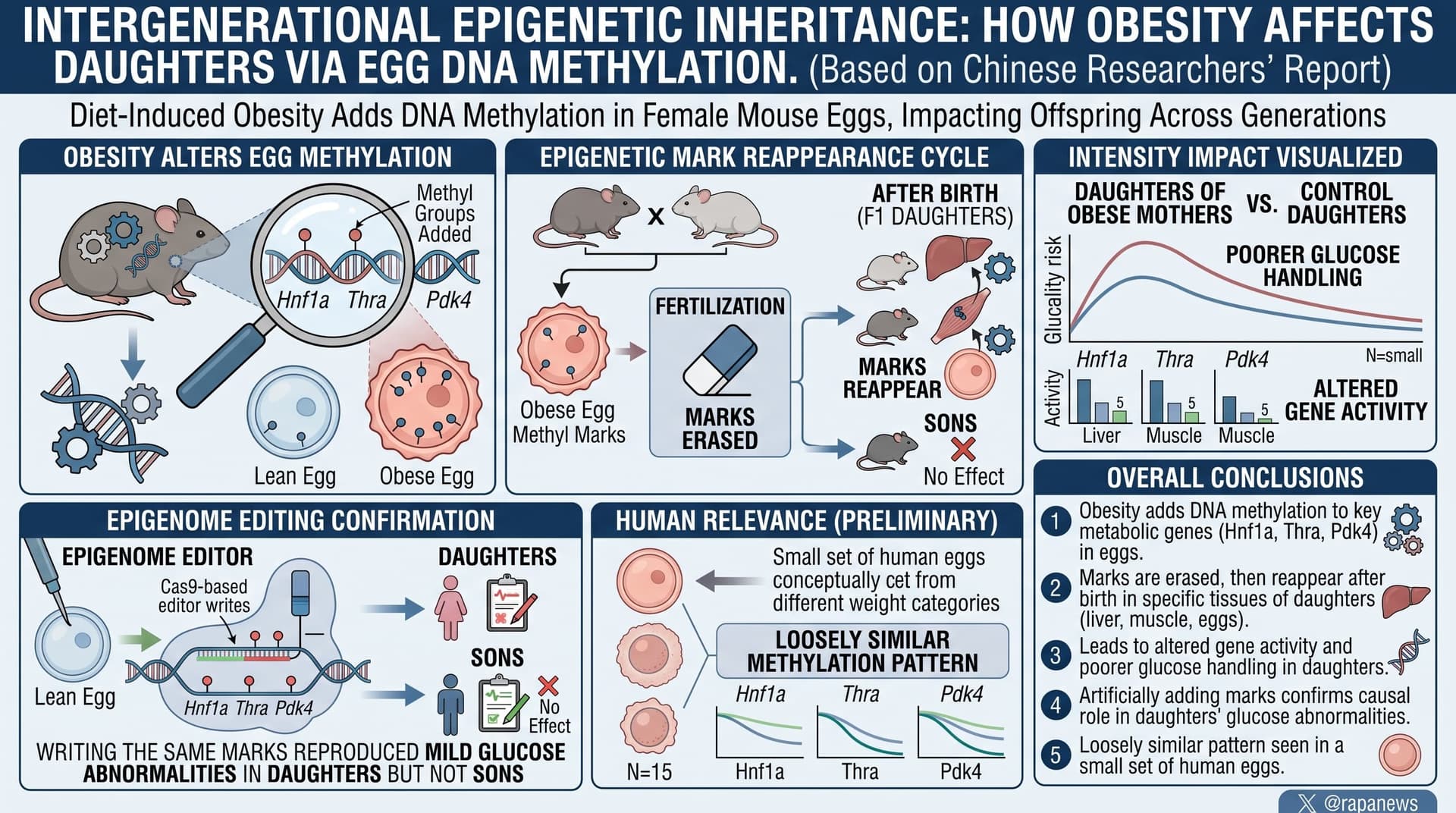
Maternal and Paternal Health and Obesity Prior to Child Conception
The biological trajectory of offspring longevity is shaped by a dual-lineage system of preconception health. While intrauterine programming via maternal overnutrition is well-documented, clinical and animal data reveal that paternal obesity independently drives epigenetic age acceleration, metabolic dysfunction, and shortened lifespans in subsequent generations. When both parents are obese, these risks compound synergistically.
Primary Research Literature: Dual-Lineage Programming
- Paternal Preconception Overweight and Accelerated Offspring Epigenetic Aging
- Study: Epigenetic age acceleration in offspring linked to paternal smoking initiation and overweight in puberty: Evidence from a two-generation study (2026). Available via medRxiv.
- Methodology & Findings: This two-generation human cohort analyzed the impact of parental metabolic status during critical developmental windows. Researchers discovered that adult daughters and sons of fathers who were overweight during childhood and puberty exhibited statistically significant accelerated epigenetic aging. This acceleration was verified across multiple validated DNA methylation metrics, including PCHorvath, PCGrimAge, DunedinPACE, and PCPhenoAge. Notably, this transgenerational age acceleration persisted independently of the offspring’s own lifestyle and adult BMI.
- Locus-Specific Epigenetic Disruption in Sperm Lines
-
Study: Soubry, A., et al. Paternal obesity is associated with IGF2 hypomethylation in newborns: results from a Newborn Epigenetics Study (NEST) cohort. Data hosted on DukeSpace / BMC Medicine.
-
Methodology & Findings: The NEST cohort evaluated DNA methylation patterns in umbilical cord blood to isolate the impact of paternal obesity from maternal variables. Paternal obesity was strongly associated with significant hypomethylation at the IGF2 (Insulin-Like Growth Factor II) differentially methylated region (DMR) in newborns (β-coefficient = -5.28, P = 0.003). Because IGF2 is a critical locus for placental growth and metabolic programming, its disruption establishes early-life vulnerabilities to cardiometabolic disease and subsequent premature mortality.
- Maternal Overnutrition and Fixed Lifespan Deficits
-
Study: Moore, E., et al. (2026). Maternal Obesity Decreases Offspring Lifespan. Indexed on PMC / Molecular Metabolism.
-
Methodology & Findings: Utilizing a controlled C57BL/6J rodent model to isolate pure in uteroprogramming from postnatal confounding, researchers demonstrated that maternal obesity restricts both median and maximum lifespan in offspring. Offspring were weaned exclusively onto a non-obesogenic control diet, yet still suffered early mortality driven by multi-organ, age-related systemic fibrosis (affecting the liver, heart, and kidneys). Gompertz mathematical modeling confirmed that mortality risks were permanently hardwired during early development rather than accelerating normal aging later in life.
Consumer-Oriented News & Public Health Synthesis
- The Multigenerational “Dad Bod” Risk Profile
- Media Source: News-Medical (June 2026). Fathers’ health may shape children’s future obesity risk. Report details available on News-Medical.Net.
- Coverage Context: Covering a comprehensive review published in Current Obesity Reports led by researchers at the University of California, Irvine, this consumer piece translates molecular sperm data for the public. It emphasizes that paternal obesity operates through biological, behavioral, and environmental pathways, altering sperm quality and small non-coding RNA profiles to pass down a 40% to 70% heritable metabolic liability before conception occurs.
- Synergistic Conjoint Parental Risk Factors
-
Media Source: University of Toronto Temerty Faculty of Medicine. Before Baby: New study links father’s prenatal weight to early growth patterns, obesity risk in children. Full text accessible at the University of Toronto.
-
Coverage Context: This science communication release highlights human tracking data showing that children of obese fathers are twice as likely to follow a rapid, adverse BMI growth trajectory up to age five. Crucially, when both parents are obese, the child’s subsequent risk of metabolic acceleration increases more than fourfold, demonstrating a compounding intergenerational effect.
Scholarly Debates & Translational Gaps
-
The Environmental Confounding Dilemma: In human epidemiological datasets, separating biological germline inheritance (sperm/egg epigenetic marks) from shared household environments remains highly complex. Families with high parental BMIs typically share obesogenic microenvironments, dietary habits, and socioeconomic variables that independently drive cellular attrition and shorten lifespans.
-
Sex-Specific Susceptibility Divergence: Animal models suggest that maternal and paternal lineages affect male and female offspring differently. For instance, paternal high-fat diet exposure frequently impairs glucose tolerance and placental vascularization more severely in female offspring than in males, a phenomenon currently attributed to sex-specific placental stress adaptations.
-
Tissue-Specific vs. Systemic Biological Clocks: While human data confirms that paternal obesity accelerates epigenetic clocks (like GrimAge) in peripheral blood, it is still an open question whether this correlates perfectly with accelerated aging in vital parenchymal organs (such as the heart or brain).
Actionable Longevity Interventions & Reversibility
From a geroscience perspective, the transgenerational damage induced by parental obesity is not entirely immutable. Active research targets several molecular correction vectors:
- Preconception Epigenetic Resetting: Clinical trials indicate that paternal weight-loss interventions—including intensive exercise regimens, caloric restriction, and bariatric surgery—can significantly alter the small non-coding RNA (sncRNA) profile and DNA methylation patterns in mature sperm. Correcting these paternal germline marks prior to conception normalizes offspring glucose regulation, attenuates tissue fibrosis, and restores pancreatic islet cell morphology in animal models.
- Postnatal Metformin and AMPK Activation: Because maternal overnutrition permanently impairs offspring tissue architecture via the down-regulation of AMPK and the activation of fibrogenetic TGF-β signaling, postnatal therapeutic strategies prioritize robust AMPK activation. Utilizing metformin or specific mimetics during early adulthood can theoretically override the intrauterine program, dampening chronic low-grade metabolic inflammation (“metaflammation”) and preventing the multi-organ fibrosis that curtails maximum lifespan.
Summary: A new study revealed the precise biological pathways by which early-life adversity becomes “embodied,” translating childhood trauma into lifelong physical and psychological health vulnerabilities. The investigation utilized high-resolution functional magnetic resonance imaging (fMRI) paired with systemic inflammatory biomarker tracking in 128 young adults.
Our chronological age advances at the same pace in everyone, but our biology may tell a different story. Three new studies using data from over 150,000 UK adults show that adverse experiences in childhood and adulthood, including abuse, neglect and trauma, are associated with older biological ageing profiles at midlife.
Some of those associations are cumulative, sex-specific and detectable up to decades after exposure. In this blog, we explain how researchers measure biological ageing, what we found and why childhood experiences still leave a mark on the body later in life.
The Dietary Echo of Childhood Trauma: How Early Adversity Programs the Adolescent Immune System
A growing body of literature links early life stress (ELS) to chronic, low-grade systemic inflammation and increased mortality in adulthood. However, the behavioral intermediaries driving this phenotype have remained poorly understood. A breakthrough study demonstrates that severe stress experienced during infancy leaves a lasting behavioral imprint, manifesting as a highly pro-inflammatory diet more than a decade later, which directly drives peripheral inflammation.
The investigation focused on adolescents who spent their earliest months in resource-limited orphanages before being adopted into affluent families. Despite living in highly resourced environments for an average of 14 years, these previously institutionalized youth consumed significantly more pro-inflammatory foods than their non-adopted peers. This behavior is explained by the Neuro-Immune Network Hypothesis. Severe early deprivation alters neural circuits regulating reward processing, threat responses, and executive control. Consequently, individuals become biologically predisposed to seek out hyper-palatable, calorie-dense foods (high in refined sugars and saturated fats) as a form of physiological self-medication.
Crucially, this dietary pattern acts as a direct bridge to systemic inflammation. Using the Dietary Inflammatory Index (DII), researchers found that higher dietary inflammation scores directly predicted elevated levels of key circulating cytokines, specifically Interleukin-6 (IL-6) and Tumor Necrosis Factor-alpha (TNF-alpha). Path analyses revealed that dietary choices statistically mediated the entire relationship between early institutional neglect and adolescent TNF-alpha levels. This creates a destructive feed-forward loop: early stress programs maladaptive eating habits, and the resulting pro-inflammatory diet perpetuates systemic low-grade inflammation, accelerating biological aging pathways.
The broader significance for longevity medicine is profound. It demonstrates that early environmental insult permanently calibrates metabolic and immune baselines, which cannot be entirely erased by subsequent socioeconomic or environmental enrichment. However, because diet is a modifiable behavioral lever, it presents an actionable therapeutic target to interrupt the translation of childhood trauma into adult disease.
Actionable Insights
For longevity biohackers, clinicians, and individuals managing historical trauma, the take-home message is clear: mitigating historical ELS requires strict, deliberate down-regulation of the Dietary Inflammatory Index (DII).
The paper demonstrates a powerful, quantifiable treatment effect:
-
Previously institutionalized youth exhibited a significantly higher mean DII score of 1.97 compared to 1.19 in controls (p = 0.003).
-
Across the cohort, dietary inflammation directly scaled with peripheral cytokine levels. Multiple regression analyses revealed that the standardized effect size (Std. B) of DII predicting TNF-alpha was 0.232 (p = 0.001), and for IL-6 was 0.168 (p = 0.027). Every unit increase in DII score increased unstandardized log-transformed TNF-alpha by 0.318 pg/ml.
To offset this biological trajectory, individuals should aggressively implement anti-inflammatory dietary architectures, such as the Mediterranean or strict plant-based diets, which emphasize omega-3 fatty acids, polyphenols, and high fiber. Global databases show DII scores can be driven as low as -8.87. Given that dietary inflammation fully mediates the path to upstream inflammatory initiators like TNF-alpha, driving the DII into negative territory offers a direct, non-pharmacological mechanism to lower the systemic chronic inflammation that underpins cardiovascular disease, type 2 diabetes, and neurodegeneration.
Source:
- Open Access Paper: Inflammatory diet mediates the relationship between early life stress and inflammation in adolescents
- Institutions: Center for Cognitive and Brain Health, Northeastern University, Boston, MA; Institute of Child Development, University of Minnesota, Minneapolis, MN; Department of Laboratory Medicine and Pathology, University of Minnesota, Minneapolis, MN, USA.
- Journal Name: Brain, Behavior, and Immunity.
- Impact Score: The impact score (CiteScore/Journal Impact Factor) of this journal is approximately 8.8. Evaluated against a typical high-end range of 0–60+ for top general science journals, this is a High impact journal, representing a premier tier for psychoneuroimmunology and systemic inflammation research.
Medical Education is Failing the Childhood Trauma Test
A systematic review reveals that while American medical training programs are expanding their curricula on Adverse Childhood Experiences (ACEs), the underlying educational interventions are methodologically weak, brief, and heavily reliant on unreliable trainee self-assessments. The severe lack of objective testing and longitudinal tracking means future physicians remain poorly equipped to mitigate the chronic inflammatory cascades driven by early life trauma.
Adverse Childhood Experiences (ACEs)—encompassing abuse, neglect, and household dysfunction—affect nearly two-thirds of the United States population. From a physiological standpoint, this early trauma is not merely a psychological scar; it is an upstream driver of systemic biological decay. Prolonged childhood stress dysregulates the sympathetic nervous system, triggers chronic cellular inflammation, and alters neurodevelopment. This state of permanent hyper-vigilance exhibits a strict dose-dependent relationship with adult metabolic collapse, depression, and severe chronic diseases.
Despite this profound impact on adult health and longevity, a systematic review by Fairchild et al. (2026) reveals that the medical establishment’s approach to training physicians on trauma-informed care is superficial. Out of 608 unique studies screened, only 15 empirical interventions in the US medical education pipeline met the inclusion criteria.
The core issue is a systemic lack of educational rigor. The median time dedicated to teaching future frontline physicians about this massive health driver is a mere 2.5 hours. Furthermore, two-thirds of these programs rely on passive, lecture-based formats. While 86.7% of the studies claimed to show post-intervention improvements in ACEs knowledge, only 20% actually measured this objectively through standardized tests or clinical skill evaluations. The vast majority of the literature relies on asking medical students and residents if they feel more confident. In medical education, self-assessment routinely leads to massive overestimations of actual competence. Consequently, the current pipeline produces clinicians who are aware that trauma impacts longevity, but who lack the verified, objective skills to screen, de-escalate, or treat it in real-world clinical environments.
Actionable Insights
For healthcare professionals, biotech entrepreneurs, and longevity practitioners, the gaps identified in this paper yield immediate, practical directives:
-
Implement Standardized, Forced Clinical Workflows: Do not rely on passive clinician education to change medical outcomes. The data shows that simply educating physicians yields no statistical change in their actual comfort or screening likelihood. However, when a physical, standardized screening tool is actively integrated into clinical operations, objective screening compliance can skyrocket from an absolute baseline of 0% to 60%.
-
Acknowledge the Self-Assessment Trap: Trainees and clinicians cannot accurately gauge their own trauma-informed capabilities. Objective evaluation metrics (such as multiple-choice quizzes or standardized patient simulations) must be utilized to verify competence.
-
Prioritize Personal ACE Score Evaluation: For individuals optimizing their own longevity, calculating your personal ACE score is a highly practical first step. Understanding this score provides an objective framework for personalized trauma-informed self-care and helps identify personal health trajectories.
Context & Impact Evaluation
- Open Access Paper: ACEs Educational Interventions for Medical Students and Residents: A Systematic Review
- Institutions: College of Human Medicine, Michigan State University College of Human Medicine, and Michigan State University Libraries (East Lansing, MI, USA).
- Journal Name: Family Medicine
Thanks @RapAdmin for keeping this thread updated.
Yet again, it’s amazing how many things are not coming down to “traditional” health, but to mental health, wellbeing, trauma etc. I think this has been greatly overlooked for a long time, and it’s nice to see lots of new evidence coming out.
As a university professor, I see lots of 18-25 year olds, and many of them do basically seem traumatised. You give them the smallest compliment or some dedicated attention and they’re so surprised and appreciative. No idea what sort of parents they had ![]()
It’s in the Blood: A Congo Basin Village Shows a Father’s Care — and His Quarrels — Leave Molecular Fingerprints on His Children
In a remote fishing-farming community in the Republic of the Congo, researchers found that how peers rated a father’s caregiving and marital conflict was statistically associated with patterns of DNA methylation in his children’s blood — and that the caregiving-linked marks tracked with the children’s physical growth. The work extends the “biological embedding” hypothesis beyond the usual Western samples, but it is small, cross-sectional, and correlational.
For two decades, a central idea in developmental biology has been that early family life gets “written” into the body at a molecular level — a process called biological embedding. The dominant tool for reading those marks is DNA methylation (DNAm), chemical tags that sit on the genome and can shift in response to the environment. Almost all of this work has been done in wealthy, Euro-American populations, and almost all of it has measured mothers, not fathers.
This preprint pushes into genuinely new territory on both counts. Working with 54 children from 17 Bandongo families in the rainforest of northern Congo — a non-market, pathogen-heavy subsistence society — the team asked whether two kinds of family dynamics left a methylation signature in children’s blood: negative (parental conflict) and positive (a father’s direct hands-on care and his indirect care, meaning food and resource provisioning). Crucially, the family ratings did not come from surveys but from other fathers in the village, ranking each other using a photo array — a culturally appropriate “peer-ranking” method.
Scanning roughly 46,000 co-methylated regions of the genome, they flagged eleven regions linked to parental conflict and five linked to paternal care. One conflict-associated region cleared the strictest statistical bar, sitting in TMEM86A, a gene tied to lipid and energy metabolism. Others fell in or near genes involved in inflammation (TOLLIP) and development.
The more interesting move came next. Using path models, the team showed that the caregiving-linked methylation — but not the conflict-linked methylation — tracked with the children’s actual physical condition (skinfold thickness and peer-rated health), with moderate-to-large statistical strength. They also found that families with more children showed methylation patterns running in the opposite direction to those produced by conflict, raising the speculative possibility that siblings buffer family stress.
The “big idea” is one of convergence: despite a radically different culture, economy, and ecology, the genes and biological themes implicated here — stress, immunity, development — echo what has been seen in Toronto, Wisconsin, and the UK. That cross-cultural similarity is the paper’s strongest contribution.
The cautions are equally large. With only 17 independent families driving the exposure measure, this is a statistically underpowered, observational snapshot. It cannot establish cause, and a liberal error threshold means several “hits” may be noise. It is a provocative map, not a verdict.
Actionable Insights
This is an anthropological epigenetics study of children, not a personal longevity protocol. The honest take-home messages are indirect:
- The relational/provisioning environment is biologically measurable. Children of fathers ranked higher on caregiving showed methylation patterns that tracked with better physical condition. Effect magnitude: standardized path coefficients of |B| ≈ 0.44–0.56 (moderate-to-large by Cohen’s convention) linking care-associated methylation to skinfold thickness and peer-rated health.
- Conflict-linked marks did NOT predict child health here — consistent with prior null findings in the same cohort — suggesting DNAm at these loci is a correlate of stress exposure, not necessarily a causal mediator of harm.
- “Dose” is small at the population level. The most robust hit showed a methylation difference of only ~3.7 percentage points (Δβ = 0.037) across the high-versus-low conflict contrast — biologically plausible but modest.
For the longevity reader, the transferable principle is unchanged from prior literature: psychosocial environment imprints on the epigenome early, and provisioning/care quality appears protective.
Source:
- Open Access Paper: Children’s DNA Methylation and Family Dynamics in a Congo Basin Subsistence Community: Links with Parental Conflict and Fathers’ Caregiving
- Institutions: University of British Columbia (lead — Kobor/Chan group), University of Notre Dame (Gettler), Purdue, UMass Lowell, Durham University (UK), Max Planck Institute for Evolutionary Anthropology (Germany), Laboratoire National de Santé Publique (Brazzaville, Congo).
- Country of study population: Republic of the Congo (Likouala Department).
- Venue: bioRxiv preprint
Neurostructural Embedding of Systemic Stress: A Brain-Wide Association Analysis of Childhood Environments
A massive brain-wide association study demonstrates that childhood socioeconomic environments are the dominant predictors of individual variations in human brain structure and functional connectivity, eclipsing the impacts of both cognition and mental health. These structural alterations map directly onto the brain’s sensorimotor and arousal networks, revealing a distinct neural signature of chronic environmental stress.
Human neuroimaging has long struggled to map robust, reproducible relationships between brain architecture and individual behavioral phenotypes. In a definitive attempt to rank the real-world forces sculpting the human psyche, a study by Marek et al. analyzed 649 distinct phenotypic measures against the structural and functional brain scans of thousands of children aged 9 to 10. The data reveals a clear, unvarnished truth: the socioeconomic context of a child’s upbringing is the single most powerful non-biological factor altering the macroscale organization of the developing brain.
Socioeconomic status (SES)—a composite of neighborhood opportunity, family income, parental education, and school resources—overwhelmingly dominated the highest-ranked brain associations. Out of the top 40 strongest correlations identified across the entire phenome, SES variables accounted for 37 of the variations in functional connectivity and 35 of the variations in cortical thickness. This structural footprint was subsequently replicated in an independent adult cohort and remained completely independent of genetic ancestry, confirming that the variations are driven by the material realities of the childhood environment rather than hereditary predispositions.
Intriguingly, these neurostructural variations were not concentrated in higher-order cognitive regions. Instead, the structural differences localized heavily within the sensorimotor cortex—areas responsible for processing sensory inputs and motor outputs. These exact regions overlap with the neural circuitry that regulates systemic arousal, wakefulness, and physiological activation. The data strongly indicates that lower socioeconomic environments embed themselves biologically by forcing the brain into a state of chronic, sustained alert. Upstream lifestyle stressors frequently tied to lower SES, such as restricted sleep duration and elevated screen time, mapped onto these identical sensorimotor nodes.
Ultimately, this research reframes how we view cognitive development and neural healthspan. It demonstrates that standard brain-cognition models become highly inaccurate when they fail to account for background socioeconomic status, largely because traditional neuroimaging cohorts have been skewed toward affluent populations. While the developing brain retains significant adaptive plasticity, these findings prove that environmental stress physically molds the sensory and regulatory foundations of the central nervous system before an individual even hits adolescence.
Actionable Insights
For clinicians, biotech professionals, and longevity biohackers, this paper provides a stark reminder that systemic physiological strain overrides micro-optimized cognitive protocols. Because environmental volatility shapes the brain via autonomic arousal networks, direct interventions must prioritize stabilizing the body’s stress response and sleep architecture. The study specifically links lower sleep duration and high screen time to negative alterations in sensorimotor functional connectivity. Therefore, rigorous sleep optimization and the mitigation of nocturnal sensory overstimulation are foundational to preserving cortical integrity.
Effect Size and Variance Analysis
To understand the real-world magnitude of these findings, look directly at the variance metrics. The paper notes that even though socioeconomic status is the strongest phenotypic variable in the study, 84% or more of the variation in brain measures was not explained by socioeconomic status.
This means that SES accounts for a maximum of 16% of the total variance in cortical thickness and functional connectivity. In the landscape of human neuroimaging, an effect size explaining up to 16% of structural variance is extraordinarily large. However, from an optimization standpoint, it reveals that 84% of your neurostructural fate is determined by other factors, including direct biological interventions, targeted behaviors, sleep hygiene, and autonomic nervous system regulation. Early environment shapes the baseline, but it does not dictate final neurological capacity.
Source:
- Paywalled “Perspective”: Childhood environments shape the brain, June 11, 2026
- Institutions: Penn Lifespan Informatics and Neuroimaging Center; Lifespan Brain Institute of Penn Medicine and Children’s Hospital of Philadelphia; Department of Psychiatry, University of Pennsylvania.
- Country: United States.
- Journal Name: Science.
- Impact Evaluation: The impact score of this journal is 44.7, evaluated against a typical high-end range of 0–60+ for top general science, therefore this is an Elite impact journal.
Nature Loads the Gun, Nurture Pulls the Trigger — Independently: Sweden’s 2.7-Million-Person Ledger on What Really Drives Schizophrenia and Bipolar Disorder
Using Swedish national registers covering everyone born from 1973 to 1998, researchers quantified how inherited family risk and early-life environmental exposures jointly shape the odds of developing schizophrenia (SCZ) or bipolar disorder (BD). They found that a multi-generational genetic risk index and modifiable exposures — chiefly childhood adversity and substance use — each raise risk substantially, but do so largely independently of one another, with little evidence that genes amplify environmental harm or vice versa. Genetic risk was steeper for schizophrenia (roughly 9x for the top risk group) than bipolar disorder (roughly 6x), while population-level modeling suggested that eliminating substance use or childhood adversity could theoretically prevent up to a fifth of cases.
For decades, psychiatry has repeated a comfortable slogan: mental illness arises from “genes and environment interacting.” This study, drawing on one of the most complete population datasets on Earth, delivers a more uncomfortable and more precise message. The interaction may be weaker than assumed. Instead, inherited risk and life exposures appear to stack additively, each contributing its own quota of risk on largely separate tracks.
The team built family genetic risk scores (FGRS) — an aggregate estimate of inherited liability computed from the diagnoses of up to four degrees of relatives (an average of 22 relatives per person), weighted by shared DNA, relatives’ age, and shared household. This is not a blood-test genotype; it is a statistical portrait of a family’s psychiatric history spanning generations. They then matched 3,057 schizophrenia cases and 15,029 bipolar cases to unaffected controls and asked how genetic and environmental risk combined.
The genetic gradient was stark. Individuals in the top fifth of family risk carried roughly nine times the odds of schizophrenia and six times the odds of bipolar disorder compared with people who had no affected relatives. Curiously, this genetic signal was stronger for schizophrenia even though the two disorders are thought to be similarly heritable — an unresolved puzzle the authors flag but cannot explain.
The headline for prevention is environmental. Childhood adversity (parental death, incarceration, separation, substance use, or abuse) and substance use emerged as the two most impactful modifiable factors. Crucially, their effects barely moved when genetic risk was controlled for, and vice versa — evidence that these are not merely genetic effects in disguise. In population terms, the authors estimate that removing substance use could avert about 18 percent of schizophrenia cases, and removing childhood adversity about 20 percent of bipolar cases.
The catch, which the authors state honestly, is that these population attributable fractions assume clean causation. In reality, substance use may partly be an early symptom rather than a cause, and childhood adversity is entangled with a parent’s own illness. When the team adjusted for childhood socioeconomic status, the adversity signal for schizophrenia nearly halved — a warning that “modifiable” is doing heavy lifting.
Actionable Insights
Be clear-eyed: this is a population-epidemiology paper about serious mental illness. Its take-home messages are structural and preventive, and the effect sizes are for developing SCZ/BD.
The two levers the data support:
Substance use. At the individual exposure level, a substance use diagnosis was associated with an IRR of 6.21 for schizophrenia and 4.84 for bipolar disorder — meaning roughly 6x and 5x elevated odds. These are among the largest environmental signals in the psychiatric literature. Population attributable fraction: SCZ 18.3 percent, BD 13.2 percent. Interpretation caveat below.
Childhood adversity (ACEs). IRR 1.65 (SCZ) and 1.74 (BD) — a 65 to 74 percent increase in odds. PAF: SCZ 14.1 percent, BD 19.8 percent. But adjusting for childhood socioeconomic status collapsed the SCZ figure to 8.6 percent, so treat the modifiable fraction as an upper bound.
For a clinician or health-conscious reader, the defensible message is narrow: avoiding a substance use disorder and mitigating adverse childhood environments are the highest-leverage points, and they act on top of, not merely through, inherited risk. The IRRs also mean that eliminating one exposure cannot cancel a high genetic baseline — it modifies it.
Context / Source
- Full title: Effects of family genetic risk scores and environmental factors on risk of schizophrenia and bipolar disorder.
- Access: Open Access
- Institutions: Karolinska Institutet (Stockholm, Sweden); Lund University (Malmö, Sweden); Virginia Commonwealth University (Richmond, USA).
- Country of data: Sweden.
- Journal: Molecular Psychiatry (Springer Nature / Nature Portfolio).
- Impact evaluation: The impact score of this journal is 10.1, therefore this is a High impact journal.
Track your children’s blood pressure during the teenage years: Your Rising Teenage Blood Pressure Is a Bigger Time Bomb Than Your Adult Reading