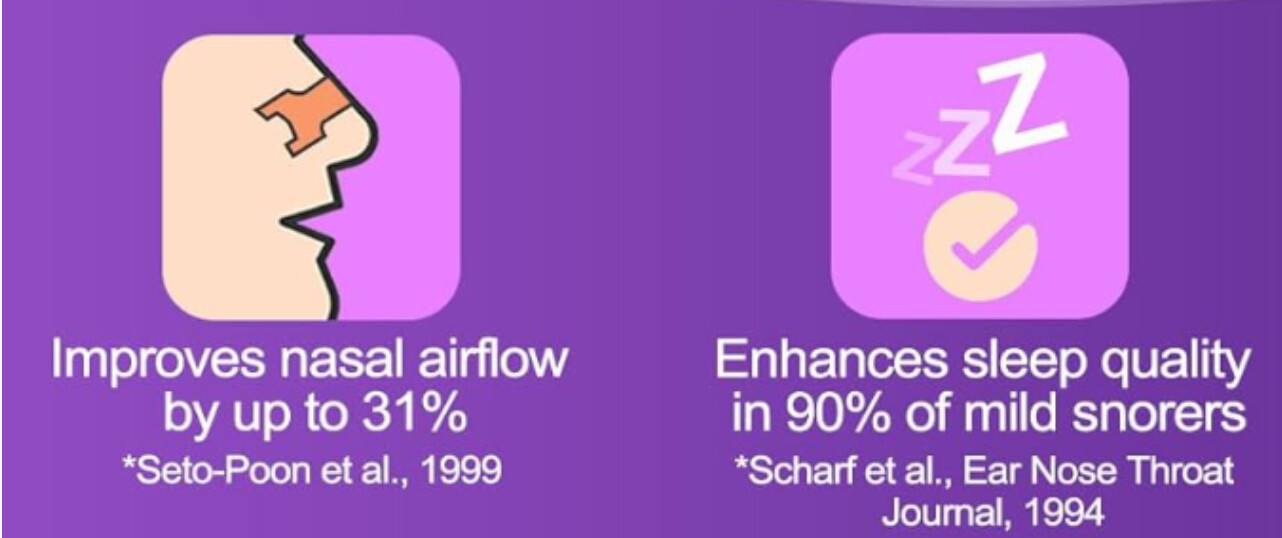
I use mouth taping as part of my sleep routine, so I am acutely aware of any nasal congestion. Most nights, my nasal passages are open, but occasionally, when I get a stuffy nose, I use nasal strips.
3 Likes
Sour/tart cherry juice. It is natural and yet works consistently every time I’ve tried it.
My sleep tracker noted I slept longer and higher quality.
I notoriously have problems sleeping long enough. I find this works better than instant or extended release melatonin supplements.
6 Likes
The most important part here is to really believe in the magic powers of tart cherry juice for sleeping. It works only if you believe in it. And it seems that you do.
4 Likes
I mean it just works somehow lol. It could be the ultimate placebo but I’ve tried many sleep supplements and this works the best.
2 Likes
The Orexin Loop: Breaking the Feed-Forward Cycle of Trauma and Insomnia
Post-Traumatic Stress Disorder (PTSD) has long been framed primarily as a disorder of memory and fear conditioning. However, this commentary identifies a critical physiological “therapeutic gap”: current treatments targeting monoamines and trauma-focused therapy often fail to resolve the hyperarousal and sleep disturbances that define the condition. The authors argue that the orexinergic system, centered in the lateral hypothalamus, acts as the primary driver of this persistent state. Orexin neurons are not merely “wakefulness” switches; they function as central hubs that integrate stress responses, emotional processing, and sleep-wake stability.
In the context of PTSD, traumatic stress activates orexin signaling, which then triggers a cascade across the brainstem and corticolimbic regions. This creates a bidirectional “trap.” On one side, orexin enhances the release of corticotropin-releasing hormone (CRH), hyper-activating the HPA axis and impairing the body’s ability to “turn off” the stress response through glucocorticoid feedback. On the other, chronic orexin hyperactivity leads to Rapid Eye Movement (REM) sleep fragmentation and nightmares. This REM instability is not just a symptom; it is a mechanism that reinforces maladaptive, emotionally charged fear memories, preventing the brain from naturally “extinguishing” trauma during sleep.
The paper introduces an “Orexin-Modulated Corticolimbic-Brainstem Network” model. This network explains how orexin-A, acting through OX1R receptors in the amygdala and locus coeruleus, drives exaggerated fear and hypervigilance while simultaneously suppressing the executive control of the prefrontal cortex.
The technical shift suggested here moves away from traditional sedatives—which often disrupt sleep architecture—toward Dual Orexin Receptor Antagonists (DORAs) like suvorexant and daridorexant. These compounds aim to “rebalance” the sleep-arousal-fear circuit by stabilizing REM sleep without the safety concerns of benzodiazepines or the inconsistent results of adrenergic blockers like prazosin. By fixing the sleep “infrastructure,” clinicians may finally enable the learning-dependent processes required for successful psychotherapy.
Actionable Insights
For those optimizing for longevity and cognitive resilience, the primary takeaway is the transition from “sedation” to “sleep stabilization.” Chronic hyperarousal is a longevity deficit, as it sustains high cortisol dynamics and HPA-axis hyper-responsiveness.
-
Prioritize REM Continuity: Fragmented REM sleep is a physiological driver of cognitive inflexibility and impaired fear extinction. If experiencing trauma-related insomnia, traditional sleep aids (benzodiazepines) may be counterproductive due to safety and sleep architecture disruption.
-
Consider Orexin Antagonists (DORAs): Unlike older hypnotics, DORAs (suvorexant, lemborexant, daridorexant) maintain natural REM patterns while attenuating hyperarousal. This is critical for neuroplasticity and emotional processing.
-
The “Sleep First” Strategy: High-stress or PTSD-afflicted individuals should view sleep stabilization as a prerequisite for, rather than a byproduct of, psychological recovery. Addressing orexin-driven hyperarousal can “unlock” the prefrontal cortex’s executive control, making cognitive-behavioral interventions more effective.
-
Biomarker Monitoring: Future longevity-focused diagnostics may include neuromelanin-sensitive MRI of the locus coeruleus or tracking REM continuity as non-invasive phenotypes of orexin-driven aging.
Context & Impact Evaluation
- Paywalled Paper: Orexin signaling at the interface of sleep disturbance and PTSD
- Institutions: University of South Florida (USA), Adamas University (India), Yale University School of Medicine (USA).
- Journal: Neuropsychopharmacology (Nature Portfolio).
- Impact Evaluation: The impact score of this journal is approximately 7.6, evaluated against a typical high-end range of 0–60+ for top general science, therefore this is a High impact journal in the field of neuroscience and psychiatry.
1 Like
Has anyone ever tried Oral Pinealon peptide? Can you share your experiences?
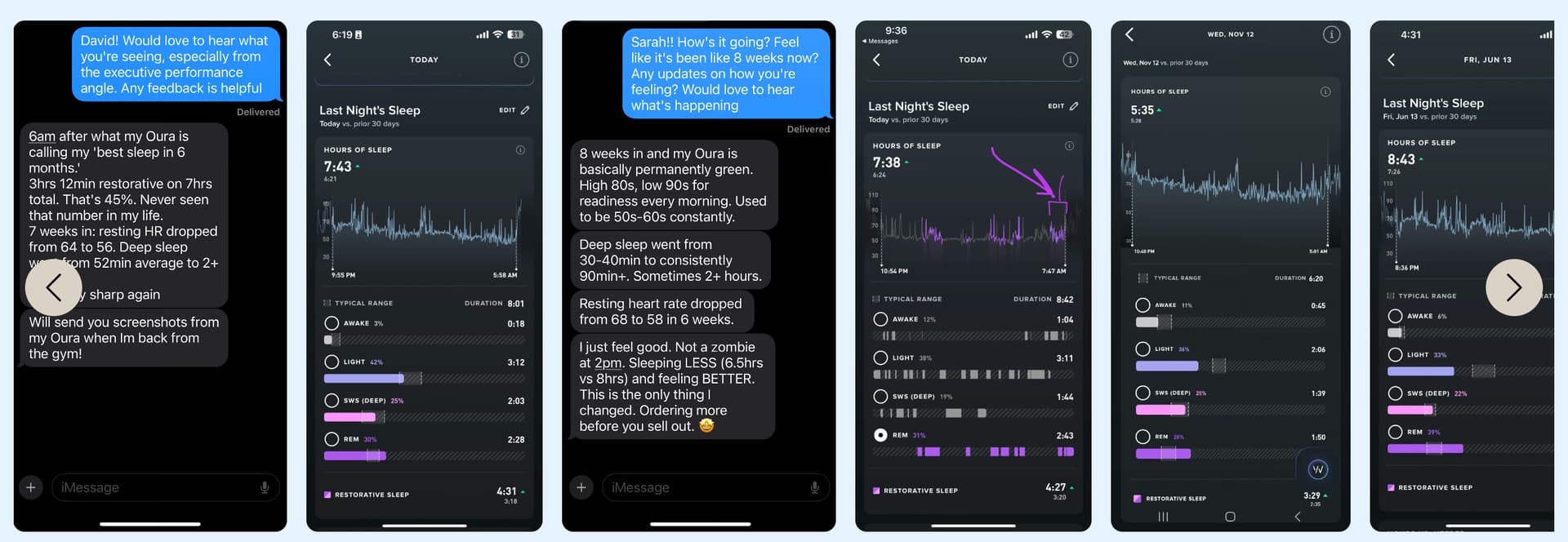
https://staycuriousmetabolism.substack.com/p/why-im-trying-this-peptide-for-slee
2 Likes
Too Sour to be True? Tart Cherries (Prunus cerasus) and Sleep: a Systematic Review and Meta-analysis
Open access paper: Too Sour to be True? Tart Cherries (Prunus cerasus) and Sleep: a Systematic Review and Meta-analysis | Current Sleep Medicine Reports | Springer Nature Link
Summary
Whilst individuals may not subjectively experience a benefit, there is evidence to support significant improvements to total sleep time and sleep efficiency with the ingestion of Prunus cerasus using objective measures. Tart cherry may be the next frontier of sleep medicine and warrants further research.
2 Likes
The new sleeping pill that could change the lives of insomniacs
He tried every insomnia drug he could buy, from Nytol, which contains antihistamine to induce drowsiness, to melatonin to regulate his circadian rhythm. His GP prescribed the sleeping pill zopiclone “three or four times”. None of them helped.
Then a GP colleague told Carter, from Bolton, about a new insomnia drug called daridorexant, licensed as Quviviq in the UK by the Swiss company Idorsia Pharmaceuticals. Unlike conventional sleeping pills such as zopiclone, which are prescribed for short-term use and force sleep with sedation but can result in addiction, daridorexant is what is known as a dual orexin receptor antagonist (Dora). That means it blocks the activity of orexin — a neuropeptide that sends messages to the brain to stay awake and normally declines at night — helping you to fall asleep faster and stay asleep longer, without risk of addiction or grogginess the next morning.
When Carter took the drug, he slept all night for the first time he can remember. “I cried in the morning,” he says. “It’s actually making me feel emotional, telling you now. That relief, it was phenomenal.”
Carter is on the NHS waiting list for the therapy and in the meantime paying for daridorexant privately, via an online pharmacist. “I understand there’s specific criteria, but personally I think it stinks having to pay £80 a month for something I can prove has made a massive improvement to my sleep and health.”
In October 2023, when the National Institute for Health and Care Excellence (Nice) recommended daridorexant for adults who had insomnia symptoms for three nights or more a week for at least three months, it estimated that by 2027-2028, 116,600 adults would start treatment.
Perhaps as the drug costs £42 for 30 tablets, compared with 82p per 14 zopiclone tablets, prescription is still patchy. Just 23 prescriptions were written in Sheffield this February, for example, compared with 1,191 prescriptions in central London. Nationwide, daridorexant has been prescribed approximately 67,000 times across England between November 2023 and June 2025, while zopiclone was issued more than seven million times.
Although the British neuroscientist and sleep expert Matthew Walker recently described daridorexant as “the first new class of sleeping medication I’m in favour of” on Steven Bartlett’s Diary of a CEO podcast, he added that “most people aren’t aware of it”.
Full story:
9 Likes
If you must use supplements or sleep meds, it may as well be DORA which increase your REM sleep.
3 Likes
I switched to this from lemborexant a few months ago. 25mg does the job - 50mg is better. It’s more effective for me than lemborexant even though the half life is much shorter. Any lingering morning somnolence is easily knocked out with paraxanthine. It took years of tinkering but I finally figured out how to sleep very well - this is part of the stack but a relatively minor part.
3 Likes
Is this nightly use?
Yes
20 characters
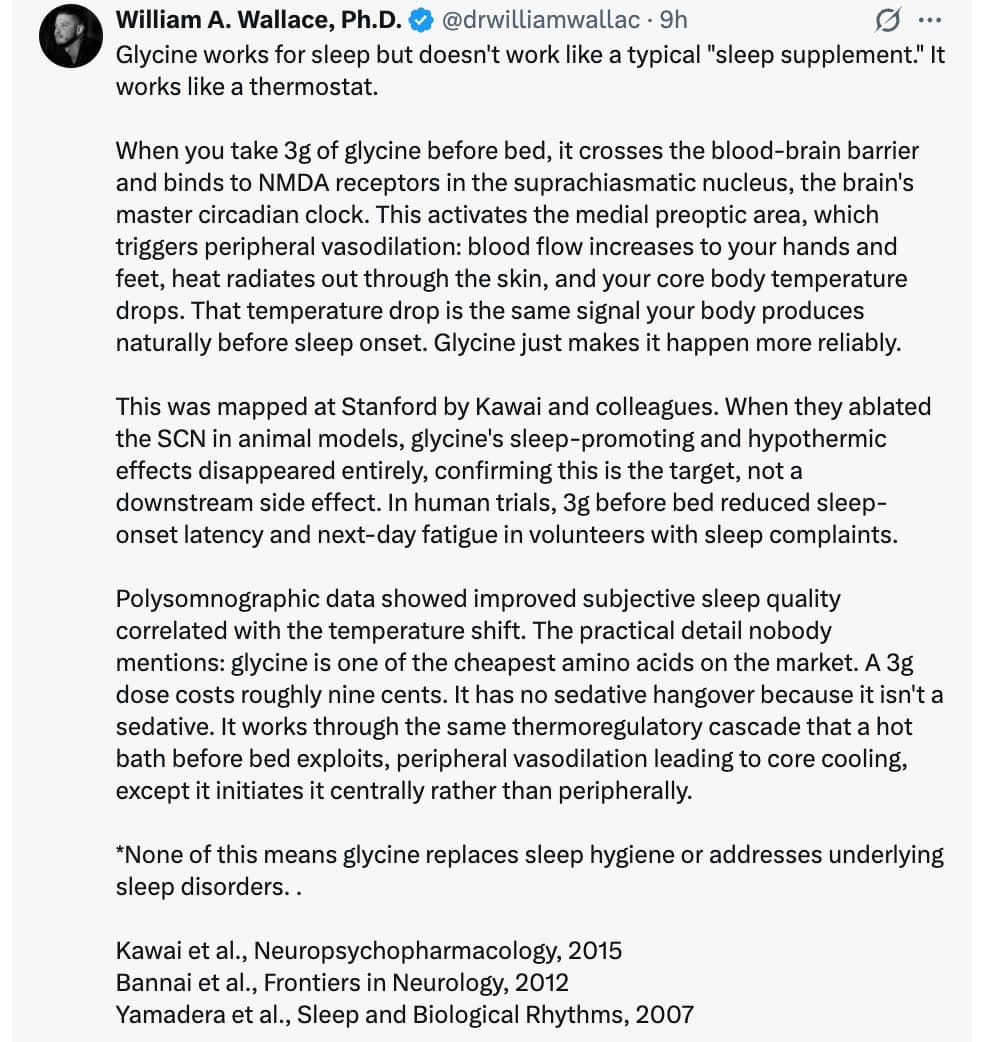
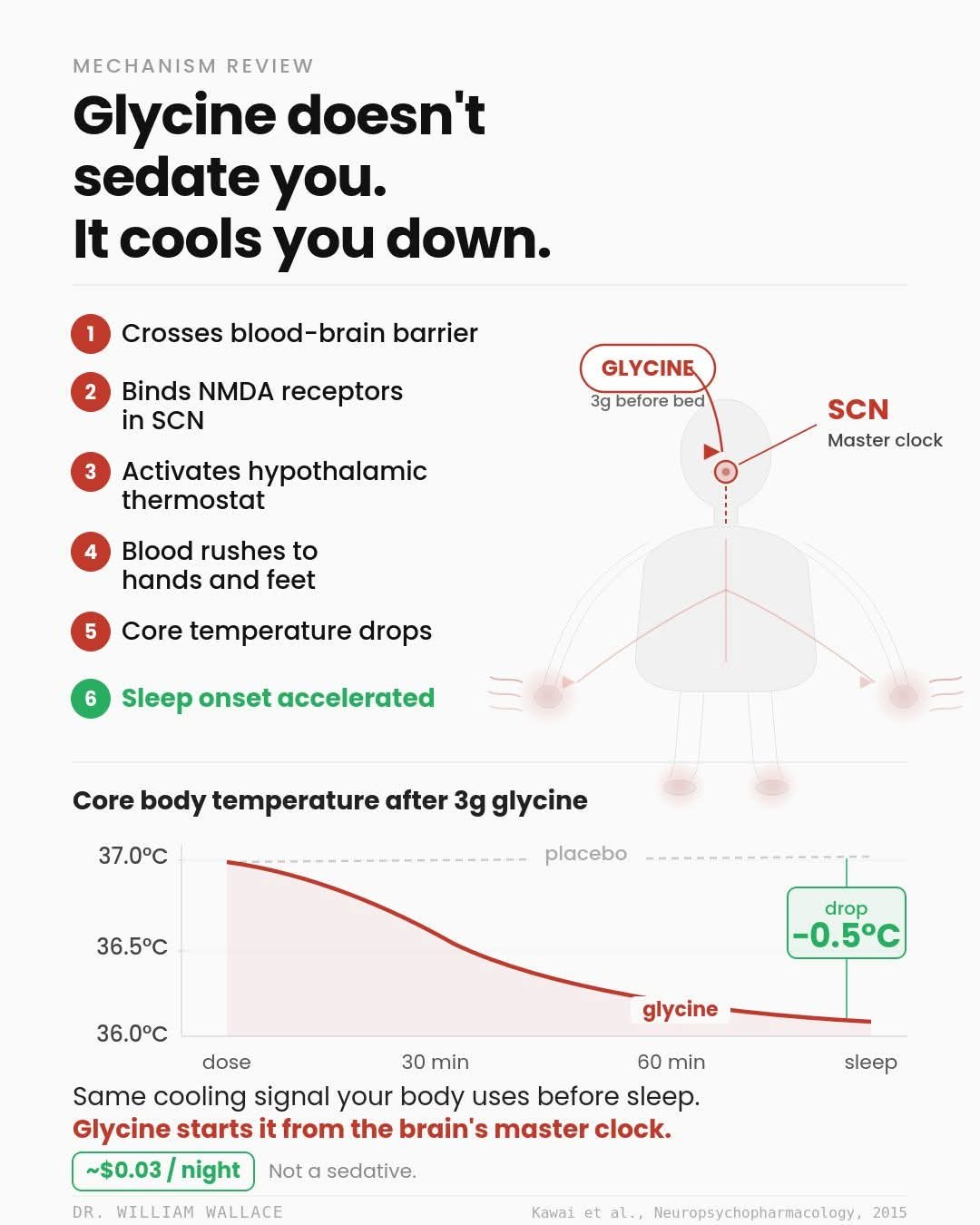
Perhaps this would lead to a slight reduction in DNA damage. I think this is one of the reasons why Brian Johnson keeps his body temperature a little lower than normal. I guess one can achieve a reduction half of what he does by taking glycine at the right doses and right times.
@AgentSmith are you sourcing it from India? and based on your research are you aware of any side effects (major, i.e. kidney, or liver damage, hormone imbalances etc…) if taken for a long time. Thanks
Not India - my career would be over if I got caught importing a controlled substance.
The only potential concern I know of is that OXR1 interacts with pancreatic cancer. I’m aware of I e study that points in one direction, and another that suggests the opposite. There’s not a lot of research yet.
1 Like
Thanks for the info. Ok, you seem like a good guy (agent) so I’ll do it for you, and you can reimburse me haha. Probably just offering to do it would put me in enough trouble LOL.
1 Like
 Ha, well, crossing the line from possession to distribution… yeah, that’s another level. I don’t know how those guys sleep at night.
1 Like
I wonder what those people travelling overseas like on the Trump China trip, what everyone else is using including reporters and SS to stay awake and functioning?
They pop ambien and modafinil like candy.
2 Likes