Sharing a bad mistake: My stack led me to bleeding emergency (after Septoturbinoplasty surgery)

Hi all,

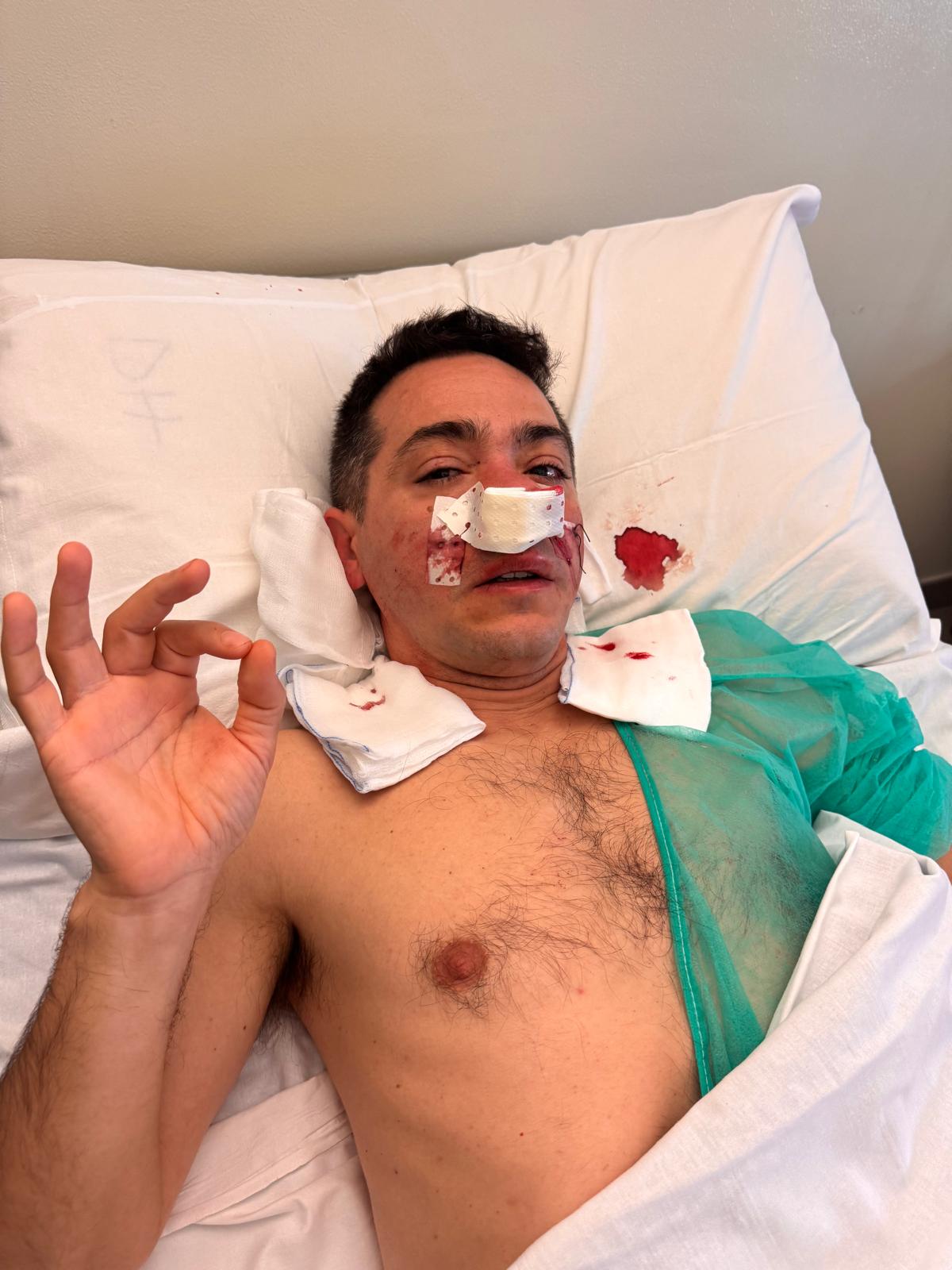
i want to share a bad experience, made by my mistake, bringing me to an emergency bleeding after a Septoturbinoplasty surgery i underwent in order to optimize my breathing.

Here’s my actual daily stack:
Nmn, bernerine, fisetine, omega-3, astaxanthin, AEON Longevity complex (curcumin, resveratrol, quercetin), Swisse multivitamin for man, EGCG, bromelain, magnesium, niancin, melatonin, finasteride, minoxidil, acarbose, Merformin, semaglutide, vitamin D, K2, taurine.

In the aftermath of the surgery, i kept loosing blood with little coagulation, the surgeon had to intervene by providing anti-bleeding drugs and applying extra tampon into my nose (i now have 4 tampons stretching all along my turbinates).

I have no history of having blood coagulation problems.

I made at least 3 mistakes:

  1. I didn’t stopped my stack “weeks before” but only “two day before” the schedule surgery
  2. I didn’t reported to the hospital the full stack list, but only what’s categorized as a “pharmaceutical”
  3. I’ve never evaluated the anti-platelet/anticoagulant effects of my stack

The lesson learned here is that (according to ChatGPT), Bromelain + EGCG + Omega-3 have a strong anticoagulant effect, bundled together with Niancin + Curcumin + Resveratrol + Quercetin that feature an mild antiplatelet effect, i put myself into an emorragic-friendly human.

I wanted to share this story, because my incident happened within an hospital context and within a scheduled surgery, but if i had any bleeding accident outside a controlled environment, for a stacking of supplements, i could had encountered way more serious consequences.

I don’t know how many of you evaluated this specific aspects of antiplatelet/anticoagulant effect of a protocol stack and/or established measurement biomarker to ensure to avoid this situation.

I do wanted to share with you my experience, of a real mistake with real consequences, as not all biohacking experience works well, and sharing mistakes is maybe more important than sharing success.

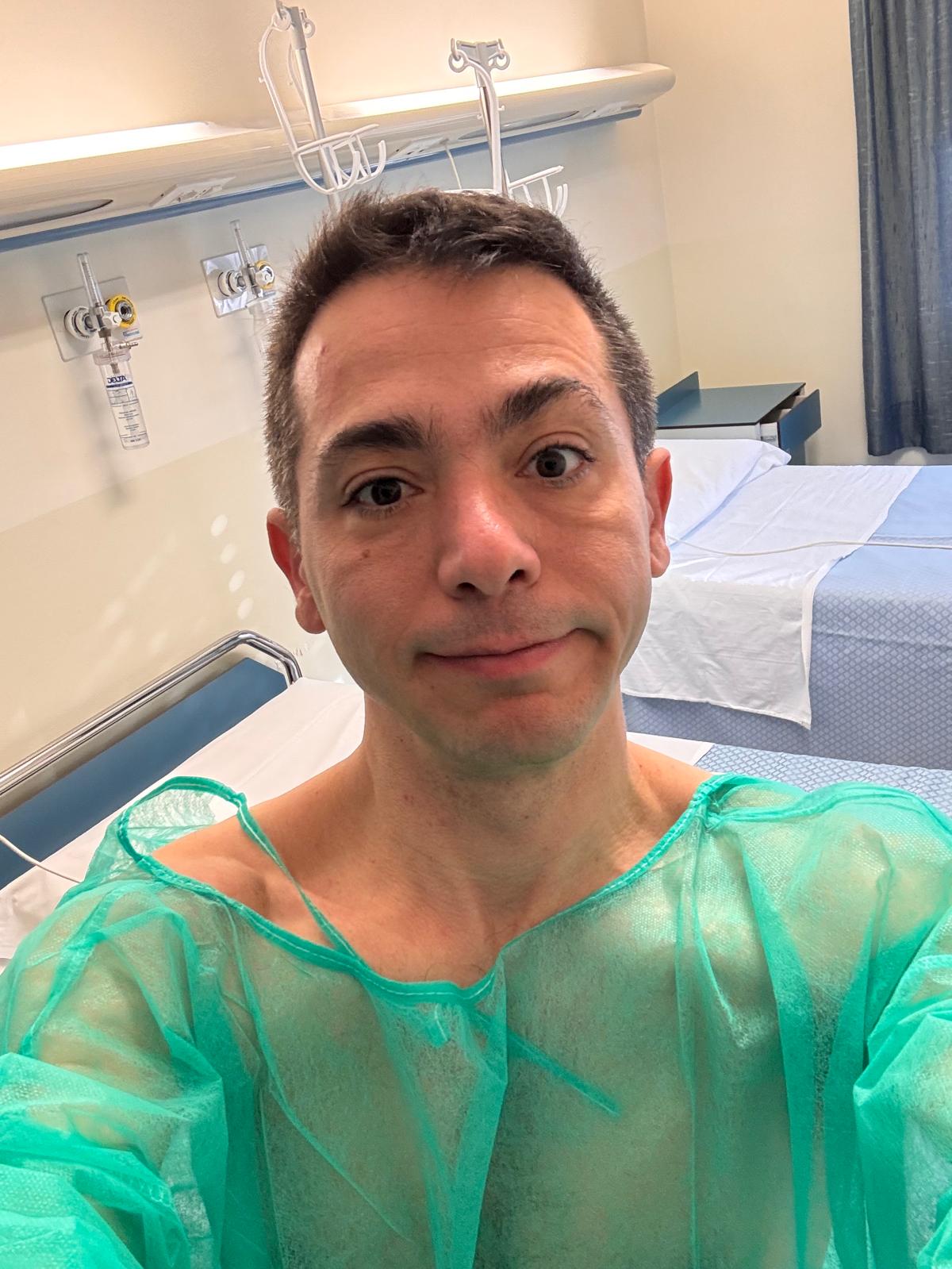
Below photo of me before and after bleeding experience a couple of hour after surgery, now i’m fine and recovery taking tranexamic acid to support coagulation.

How would you suggest to keep under control the level of antiplatelet/anticoagulant effects in order not to encounter such a surprises?

Fabio

11 Likes

Similar here, I’ve used all of those supplements, but the only regular one I use now is Omega3, but I also take a baby aspirin every other day, BUT I’ve found if I do it long term (over a month at a time) my observable blood clotting decreasees to a notable and for surgery dangerous degree. I don’t have fancy tests but I pick at my cuticles and if I peel off too much I bleed quite readily, and that doesn’t happen without the aspirin. Have cataract surgery coming up so stopped aspirin. I’m afraid to mention what all I’ve taken to the cataract surgeon, he’d write me off as a loony, (and he might be right:)

4 Likes

Sorry to hear.

I’ve heard about this side effect from high dose Omega-3. What amount were you taking if you want to share?

2 Likes

‘’Never Lie To Your Doctor or Lawyer’’
German proverb/advise

I’d add “never withhold”.

Surely the supplements didn’t help things but of course the nose is incredibly vascular and vessels are superficial.

Tampons for this existed well before bio hackers. Even without surgery.

Most surgeons (particularly neuro, Ortho and ENT) usually state to stop everything for a couple of weeks.

As a general and bariatric surgeon, it is mostly annoying bleeding and bruising rather than life threatening. Even aspirin and plavix. So not all surgery is the same.

And how many obits have you seen that listed nose bleed or any post surgical bleed as cause of death? I did have a partner die of one after a Whipple but it is typically surgical misadventures rather than supplements.

Platelets and factors can be replaced easily but most serious problems we refer to as silk deficiency (hope the meaning of that is apparent). Hard to use silk on turbinates I bet.

I never had people stop any supplements and mostly chuckled at the idea. But again, not ENT.

3 Likes

I take 2 brands; the Nordic EPA Extra and NOW Ultra Omegae, 2 of each, so about 4 grams of fish oil partially fractioned to increase the percentage of EPA. And I don’t think that’s what pushes me over into slight bleeding, pretty sure its the aspirin. When I stop the bleeding stops, but then I’ll read something about aspirin’s benefits and consider my high CAC and family history of cardio mortality, and I’ll start taking it again. I’ve done this at least a dozen times and I’ll no doubt repeat myself again.

2 Likes

I am taking Eliquis bled thinner. And in recently re-evaluating my entire stack, I also discovered this problem. Two actions that I took were:

  1. Stopped using curcumin
  2. Lowered my omega-3 dose to 3 g per day

Also be aware that your stack has several supps that can potentially interfere with iron absorption - Metformin, EGCG, curcumin, quercetin, resveratrol for example. It is a good idea to check your ferritin on occasion. I overdid it with my supplement regime and drove it down too low.

2 Likes

I’m so sorry this happened to you!! Glad you are doing better.

It’s important you shared this, so thank you.

I have always known to stop baby aspirin and omegas prior to getting Botox because even the derms will mention increased bruising if you take them.

Considering I get those generic forms from a dermatologist, I’m surprised to hear that your surgeon’s office didn’t provide a list of things to stop prior to surgery.

2 Likes

FYI - tadalafil like viagra can cause light nose bleeds.

I am a believer in baby aspirin. Omega 3, not so much. If you are taking it for lowering lipids, I believe there are better alternatives. For CVD not particularly effective:
" * A Cochrane systematic review of many randomized trials concluded that increasing omega-3 intake probably makes little or no difference to overall deaths, heart attacks, or strokes in general adult populations. ref