The science and the mechanism
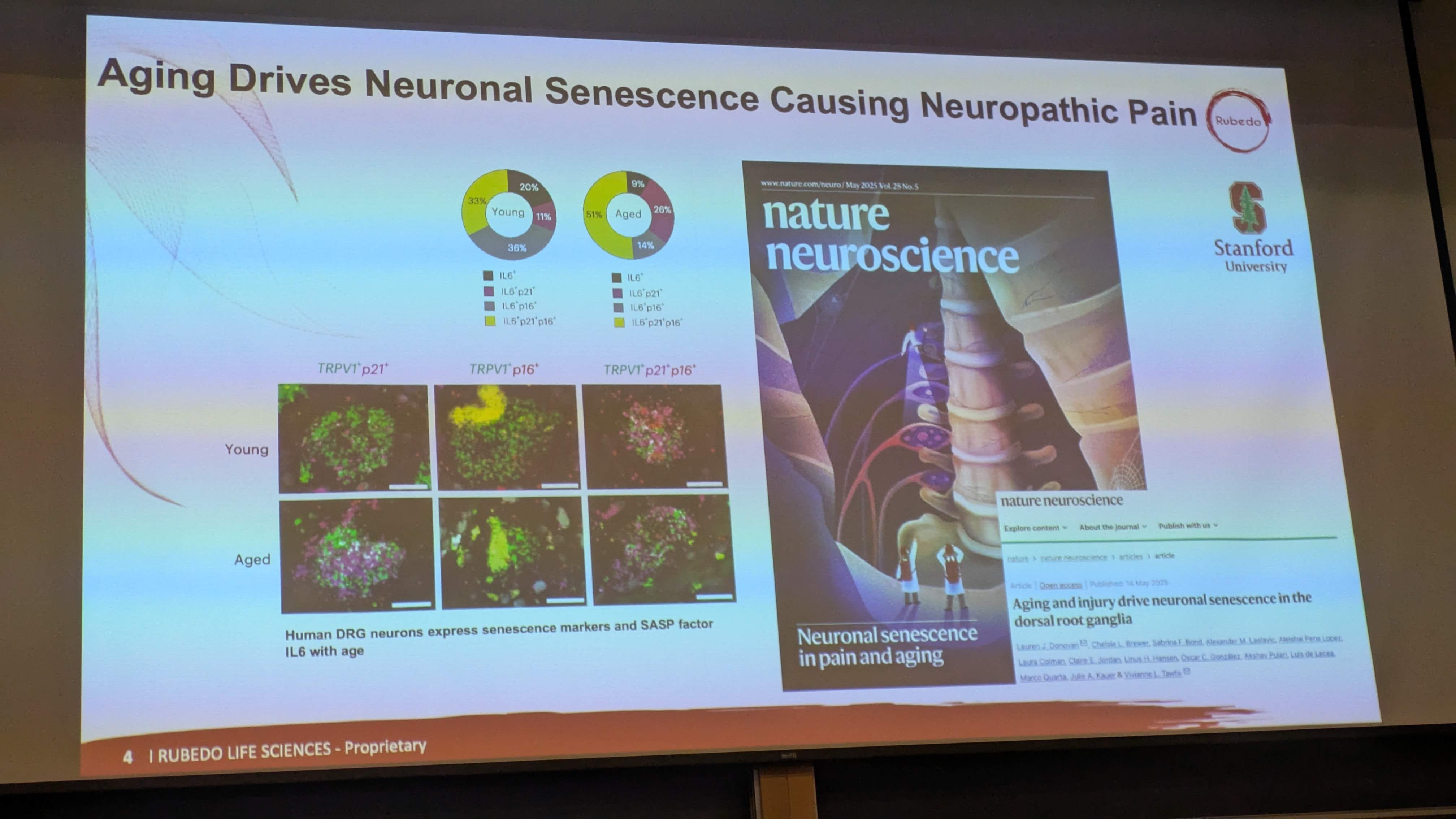
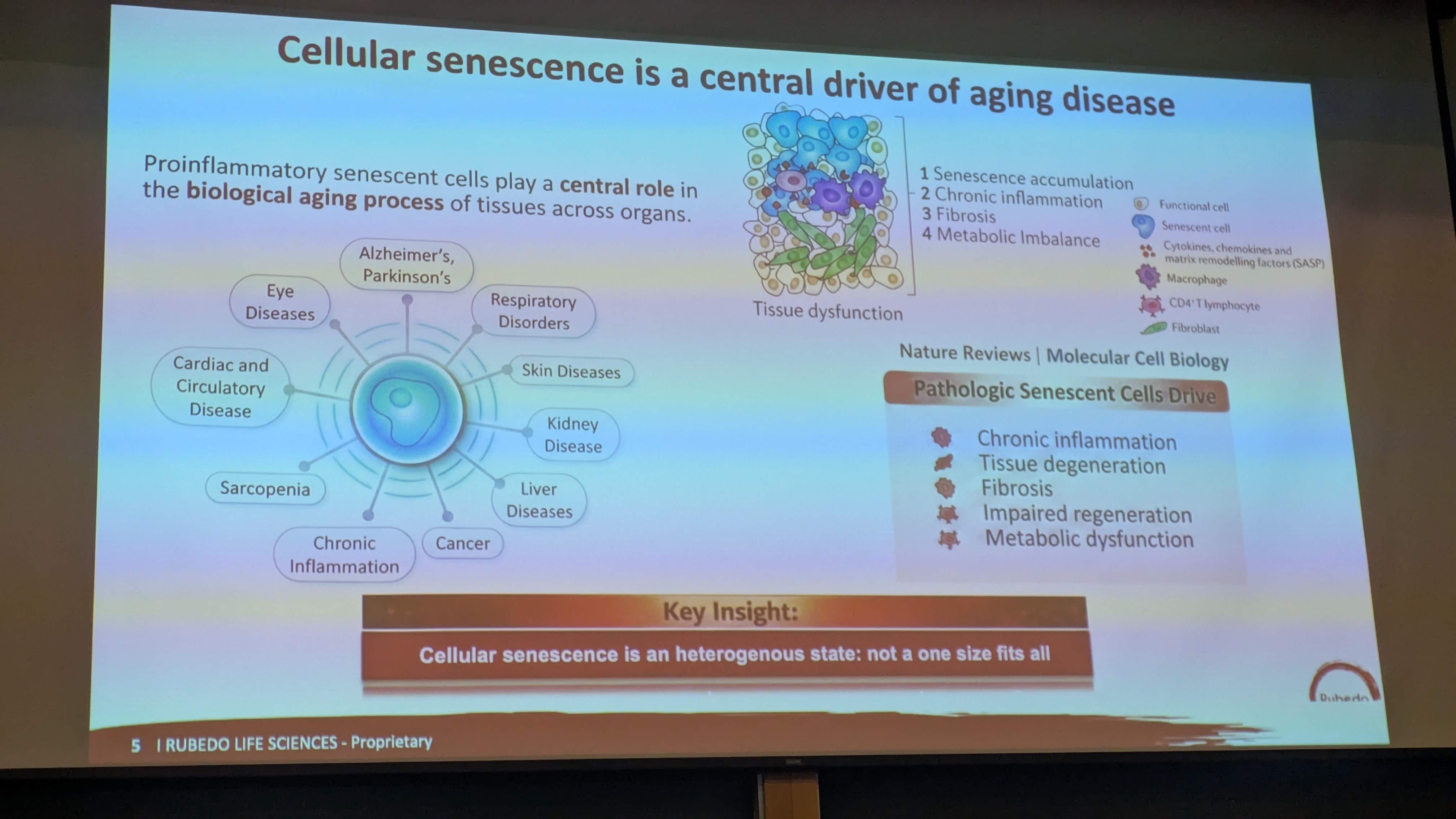
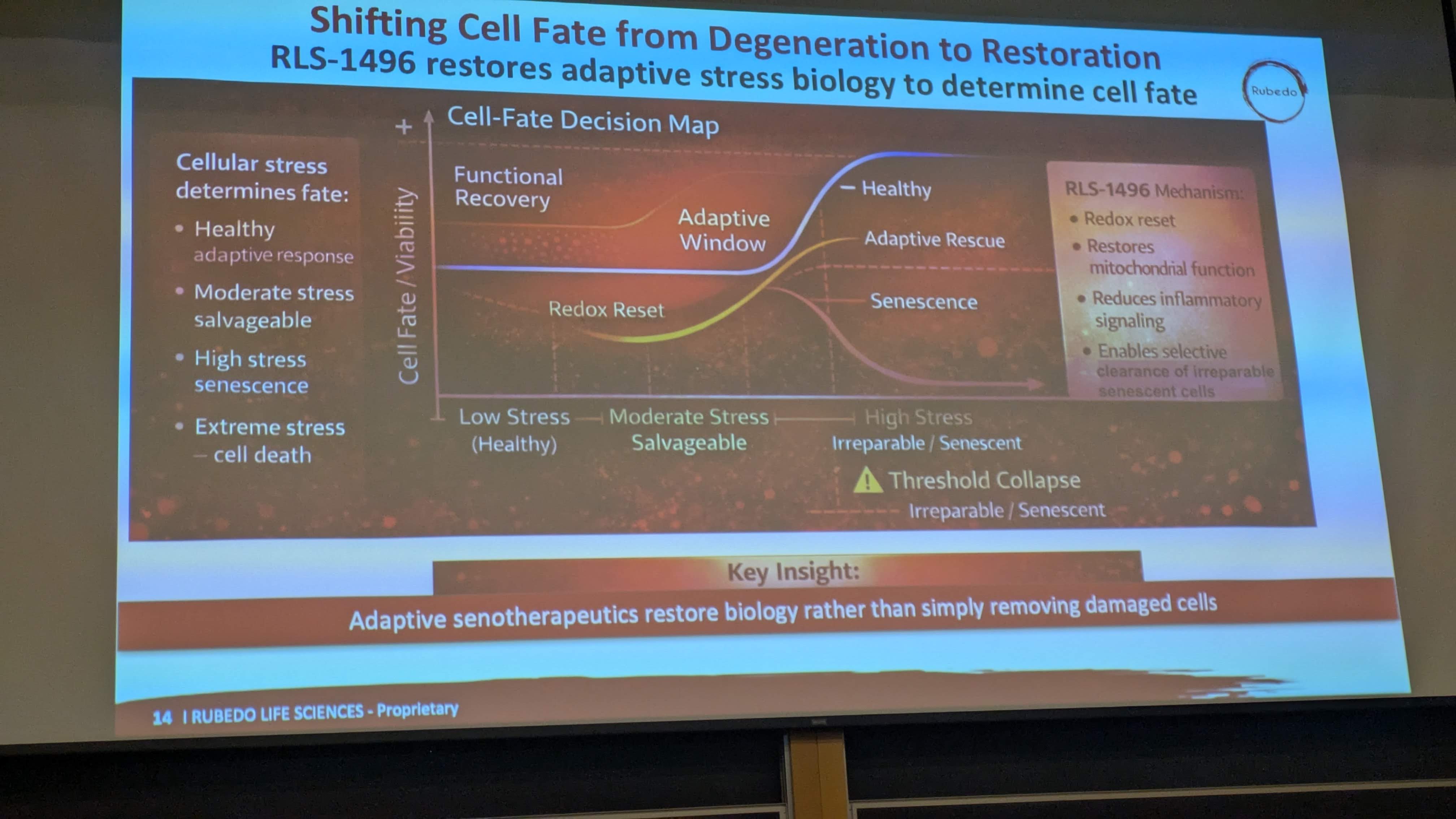
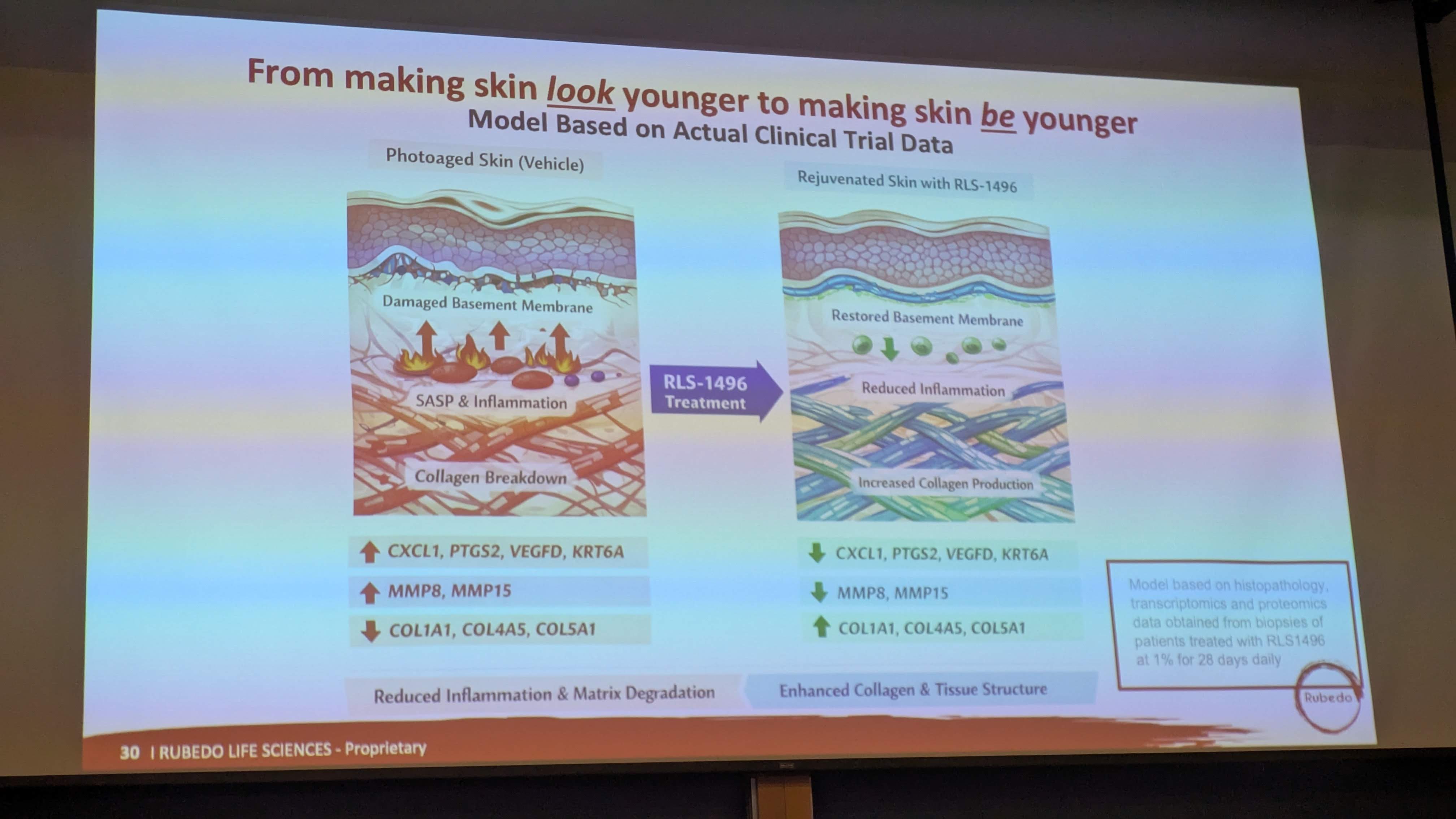
Rubedo’s target is cellular senescence: dysfunctional cells that accumulate with age, stop dividing, and begin secreting a pro-inflammatory cocktail of signals. In animal models, clearing these cells has improved multiple age-linked phenotypes. Such experiments have helped propel senescence into one of longevity biology’s most hyped, and contested, therapeutic frontiers. “You can do this to mice and then they become ‘Arnold Schwarzenegger‘ mice,” Beddingfield said. “More hair, better skin, bigger muscles. They get rid of their diabetes.” The underlying mouse data support improvements in metabolic function and several age-linked phenotypes, though the magnitude varies by model and endpoint.
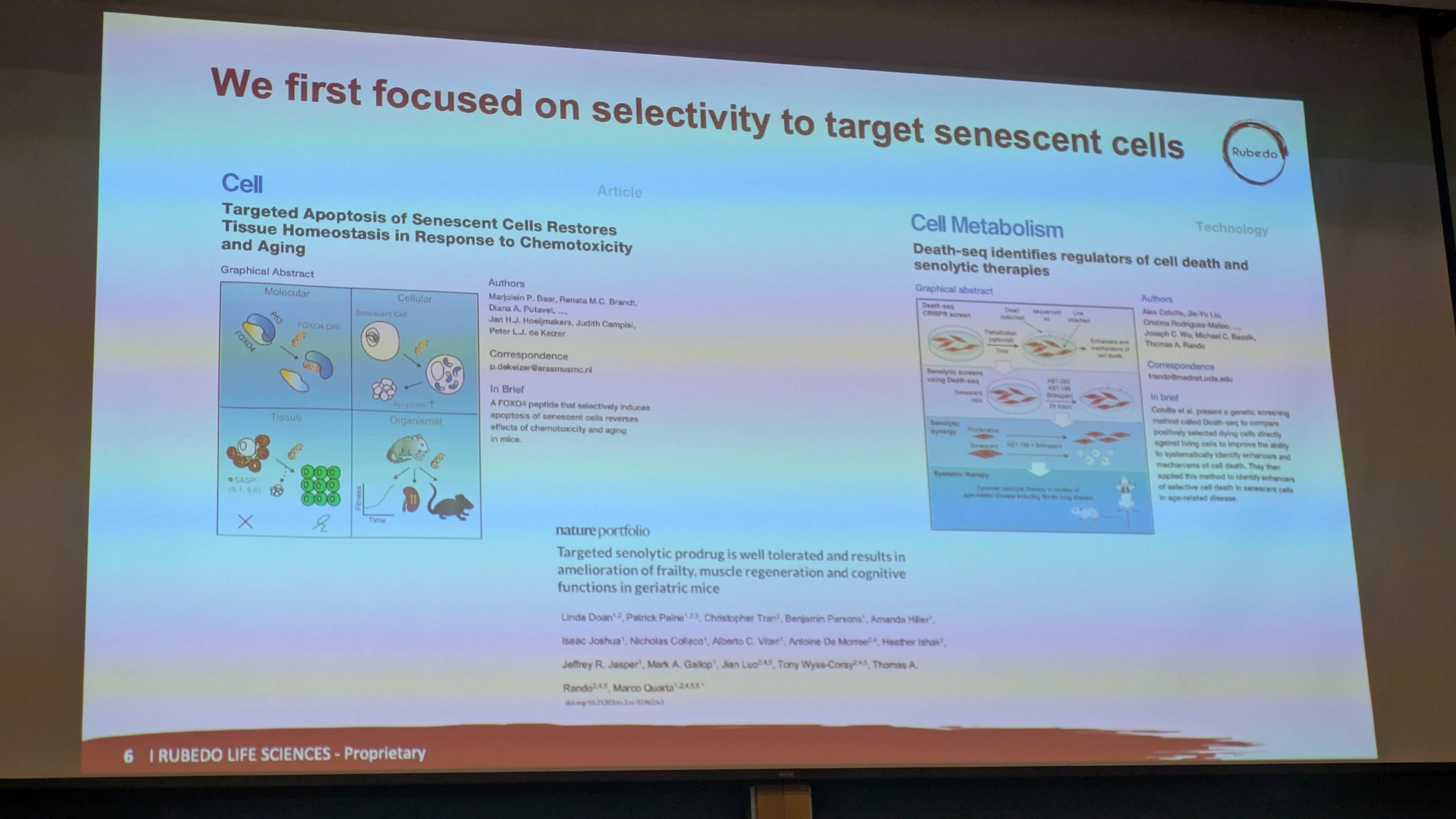
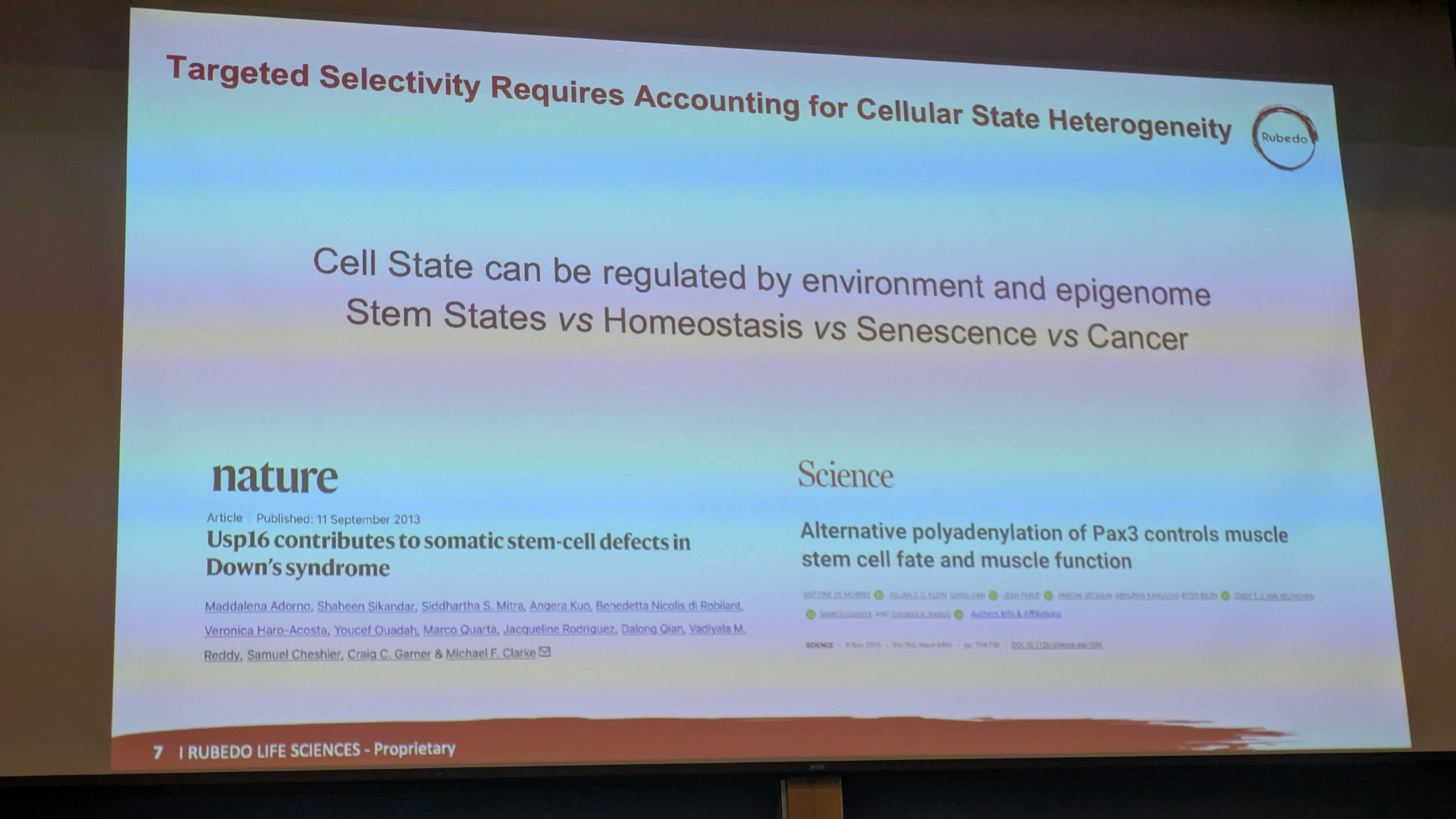
In humans, early clinical senolytic programs have yielded limited and mixed signals, with dose-limiting toxicities for some agents. Many first-generation approaches have raised selectivity and tolerability questions, especially given the heterogeneity of senescent cell populations: if you can’t reliably distinguish a harmful senescent cell from an innocent bystander, efficacy and safety both get messy fast.
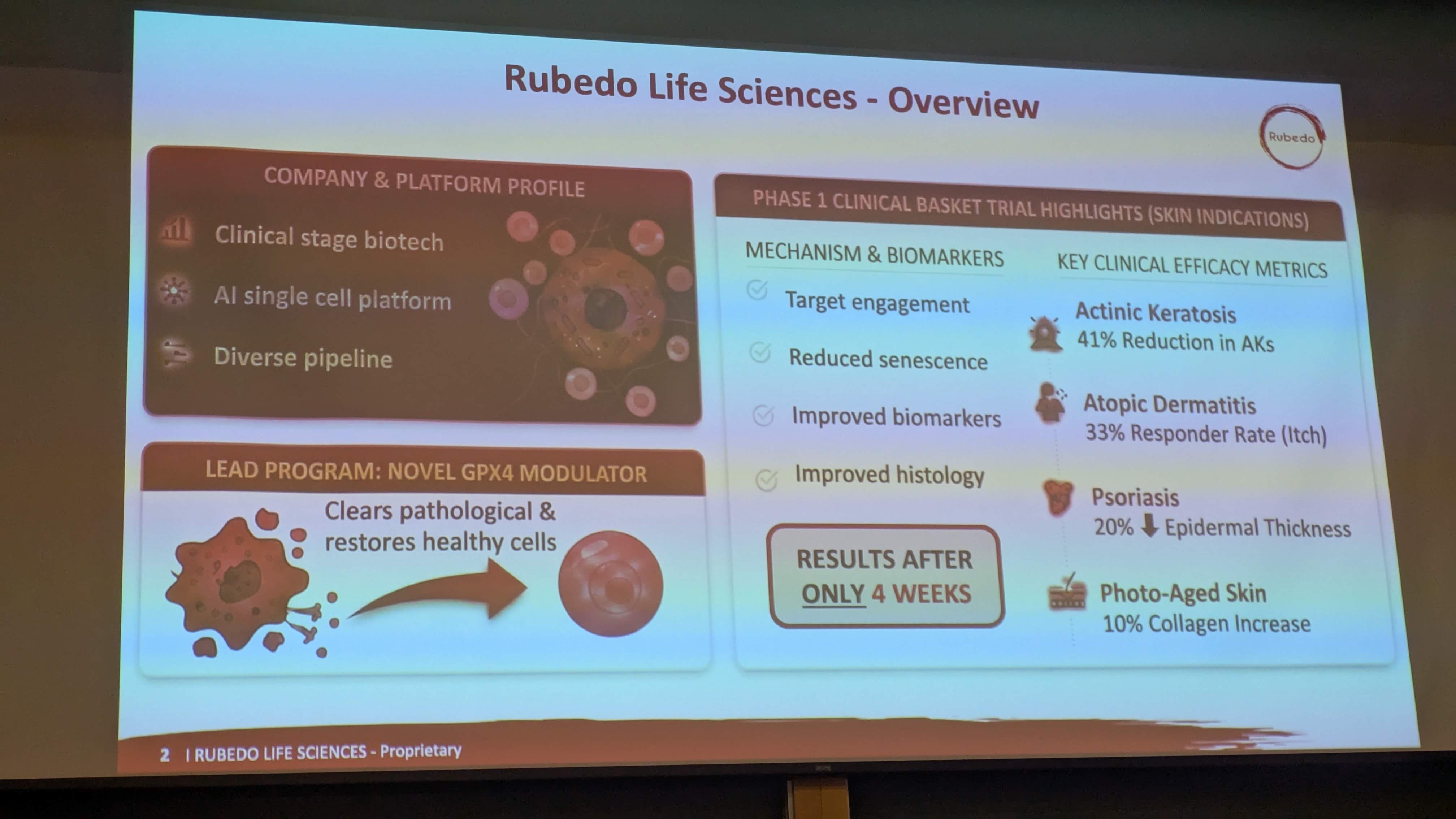
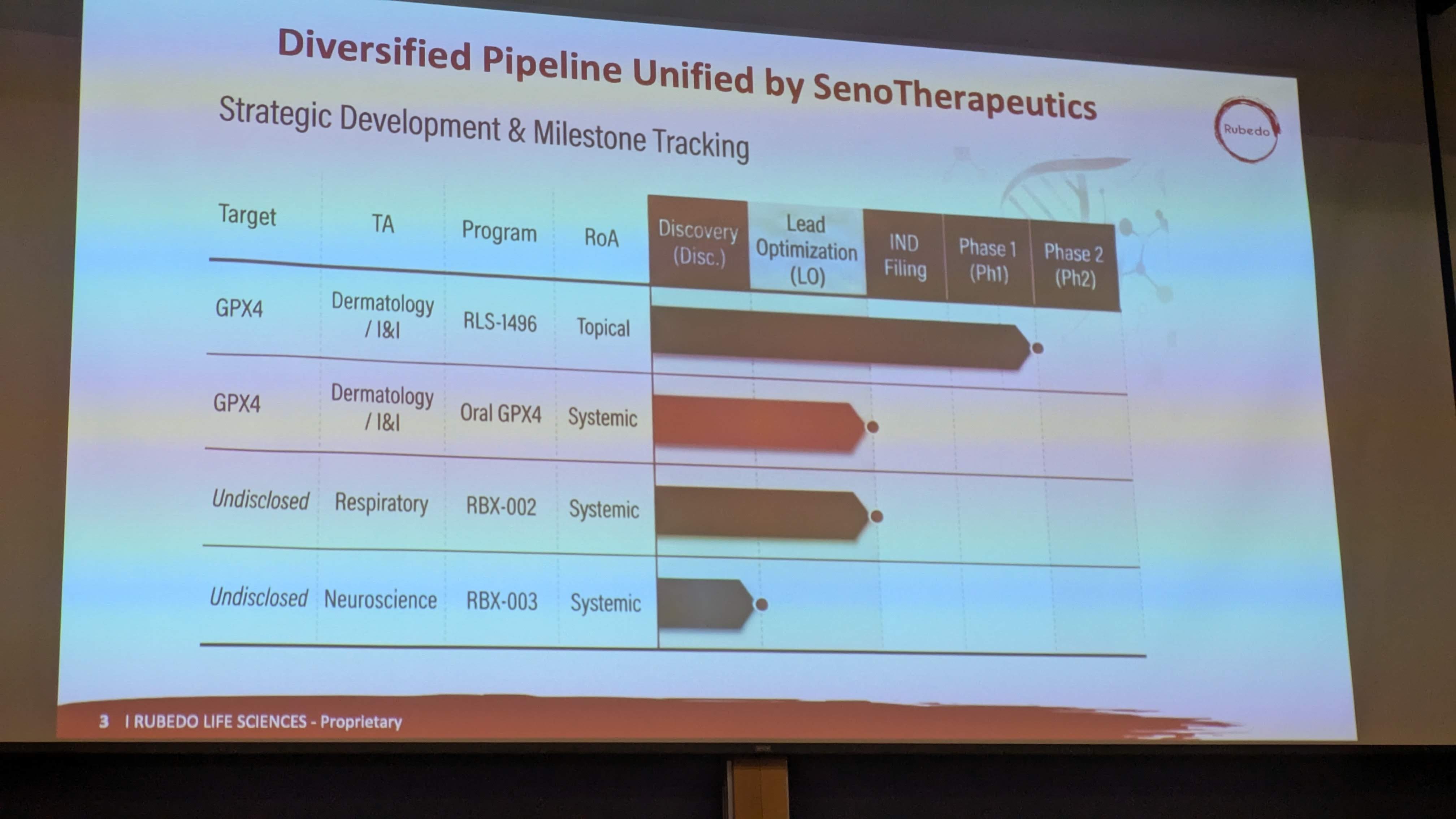
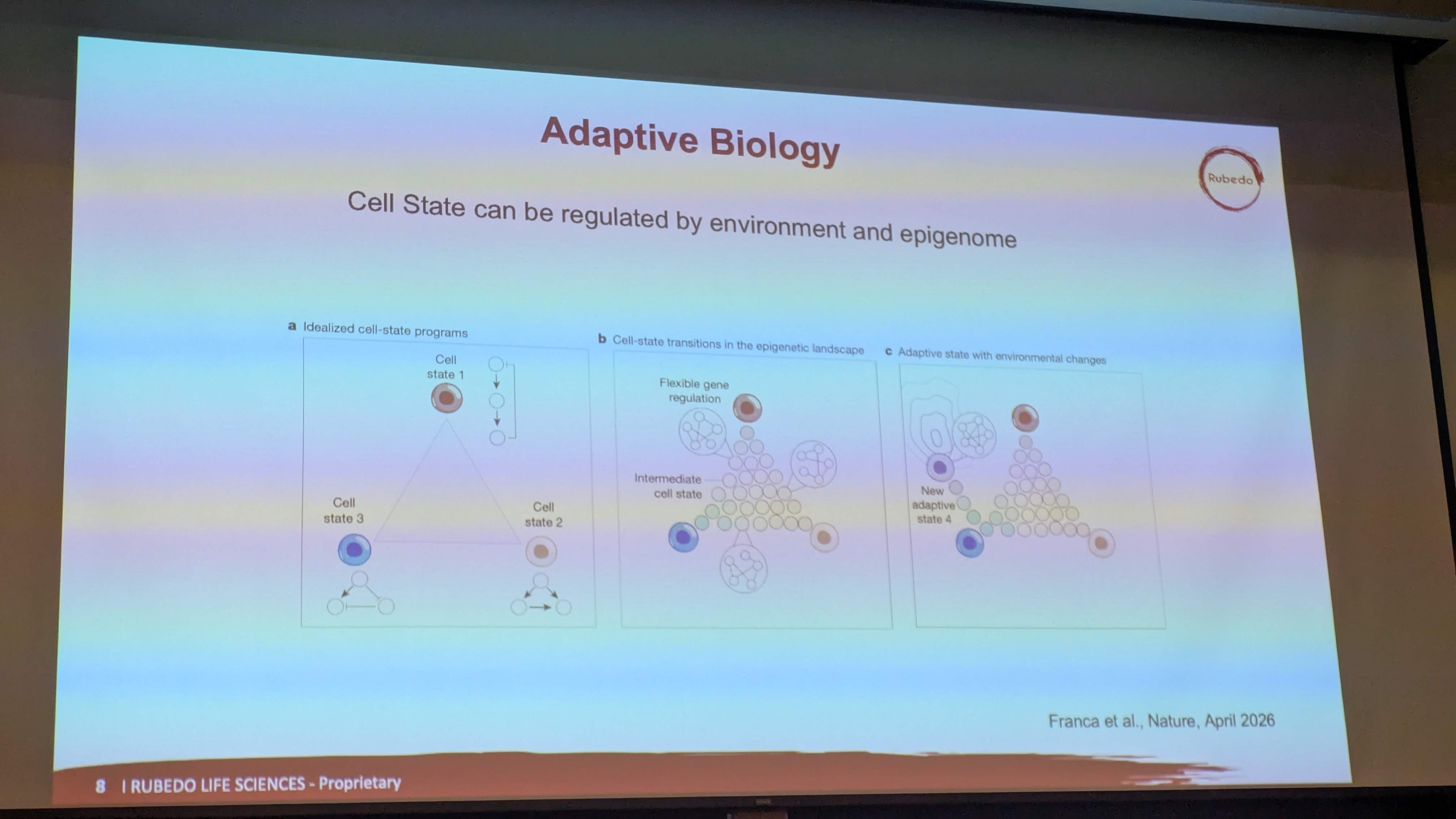
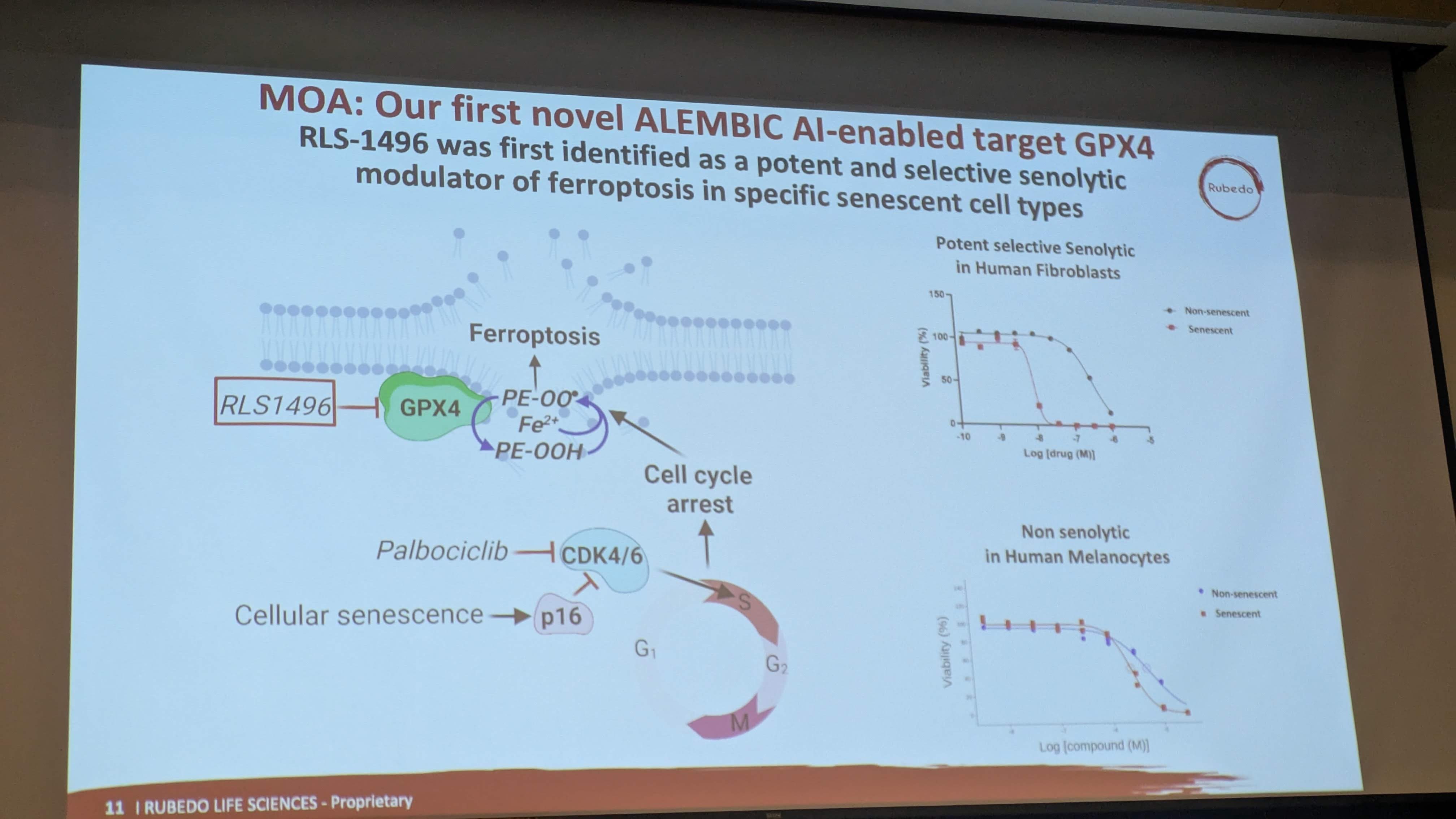
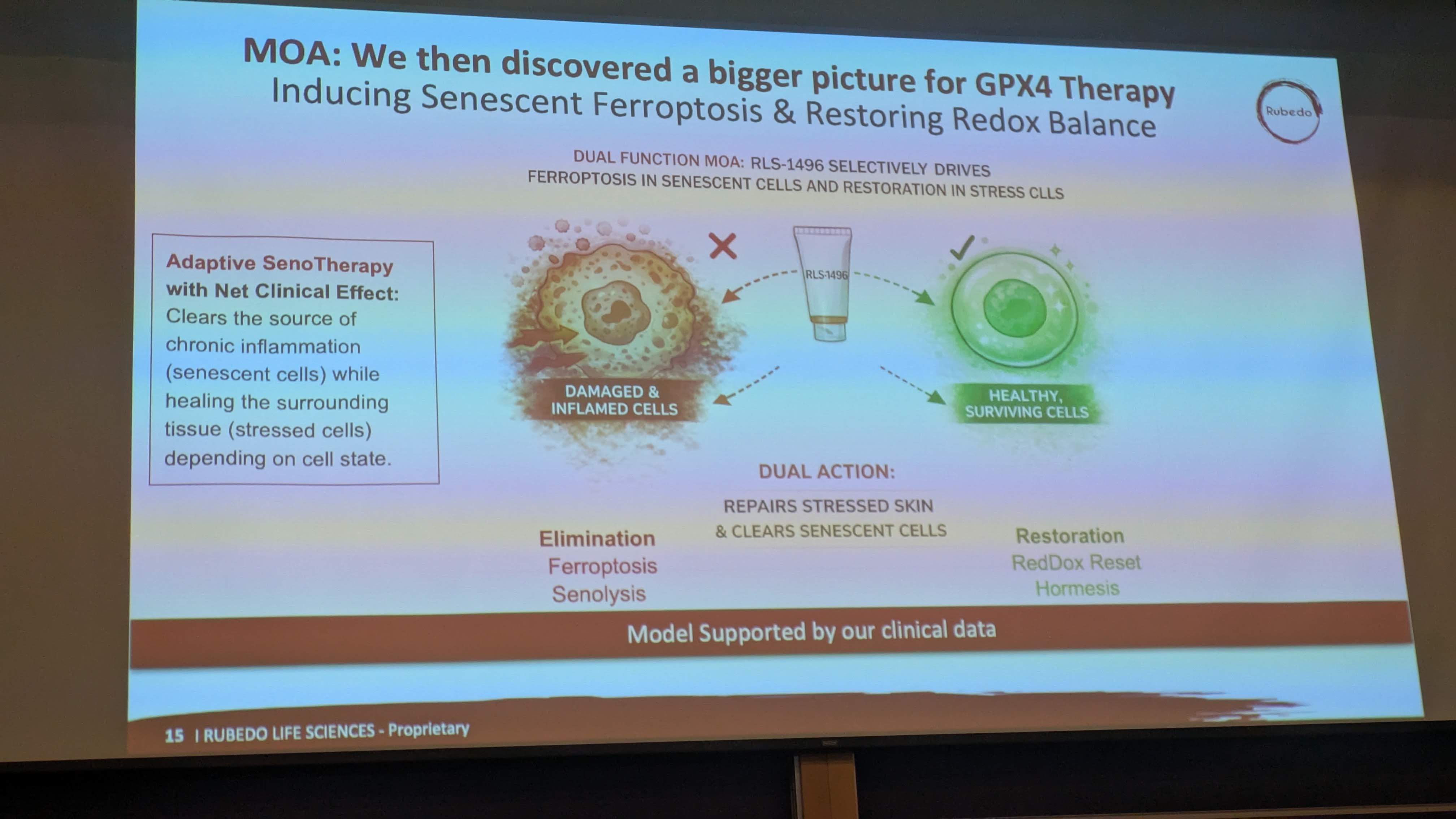
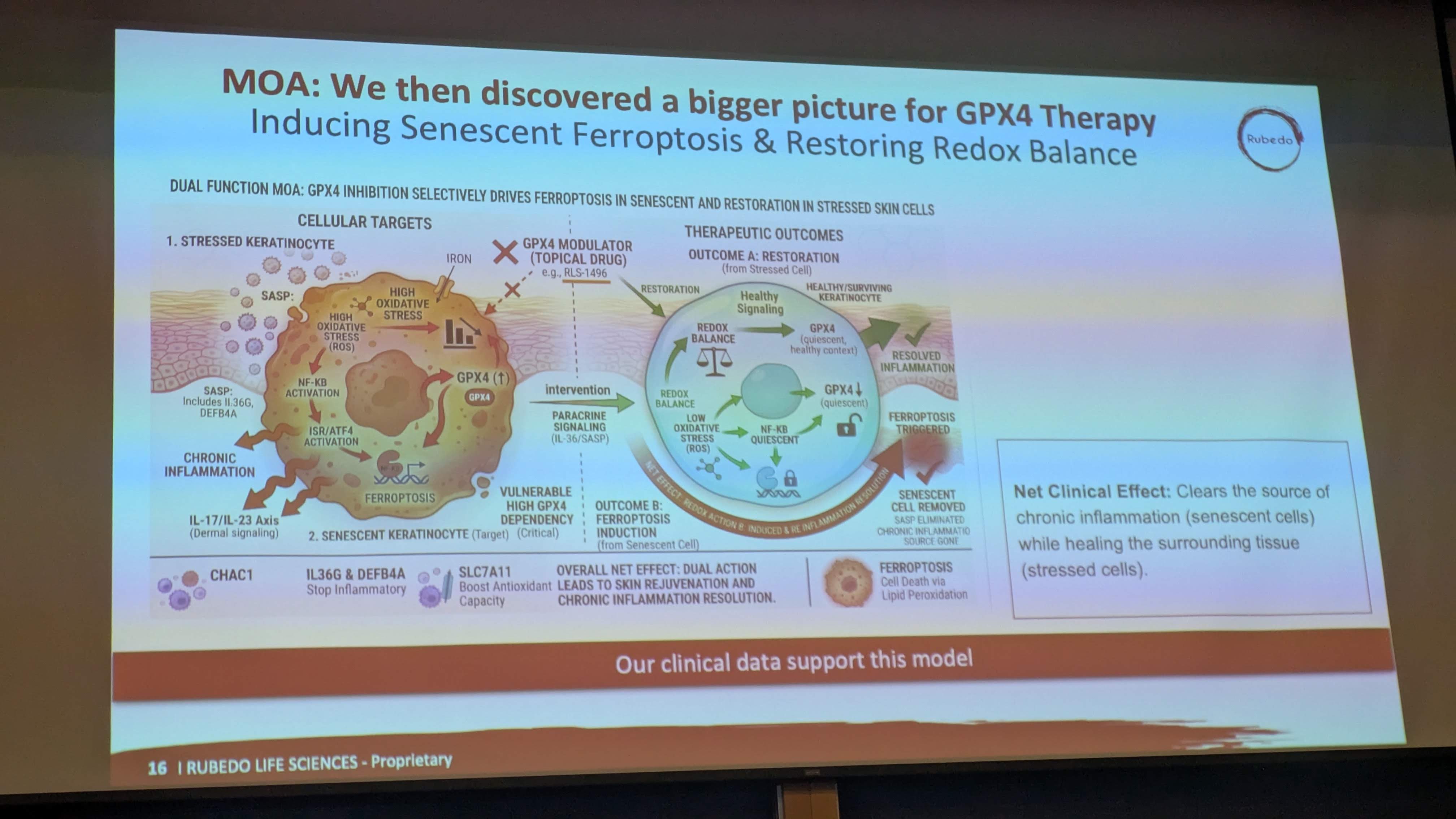
Rubedo’s lead program, RLS-1496, is a topical GPX4 modulator designed to push ferroptosis-sensitive senescent cells toward death. GPX4 (glutathione peroxidase 4) is a key enzyme that protects cells from oxidative damage; disrupting that protective system can sensitize cells to ferroptosis, an iron-dependent, regulated form of cell death. The selectivity argument hinges on cell state: senescent cells are already in cell-cycle arrest, often associated with markers like p16, which Beddingfield describes as an “inherent vulnerability.” In oncology, companies exploring ferroptosis strategies may need to force cancer cells into the right state before a GPX4-oriented approach bites. In senescence, the cells of interest are already parked there. That framing is central to Rubedo’s thesis, though researchers have also shown that certain senescent cell populations play beneficial roles in wound healing and tissue remodeling—making blanket clearance strategies a risk.
The company also emphasizes that senescent cells are not all created equal. In the skin, Beddingfield said Rubedo sees strong sensitivity in senescent keratinocytes and fibroblasts in preclinical work, while melanocytes appear less responsive. That uneven sensitivity, in his telling, helps guide indication selection toward tissues where the company expects a wider therapeutic window.
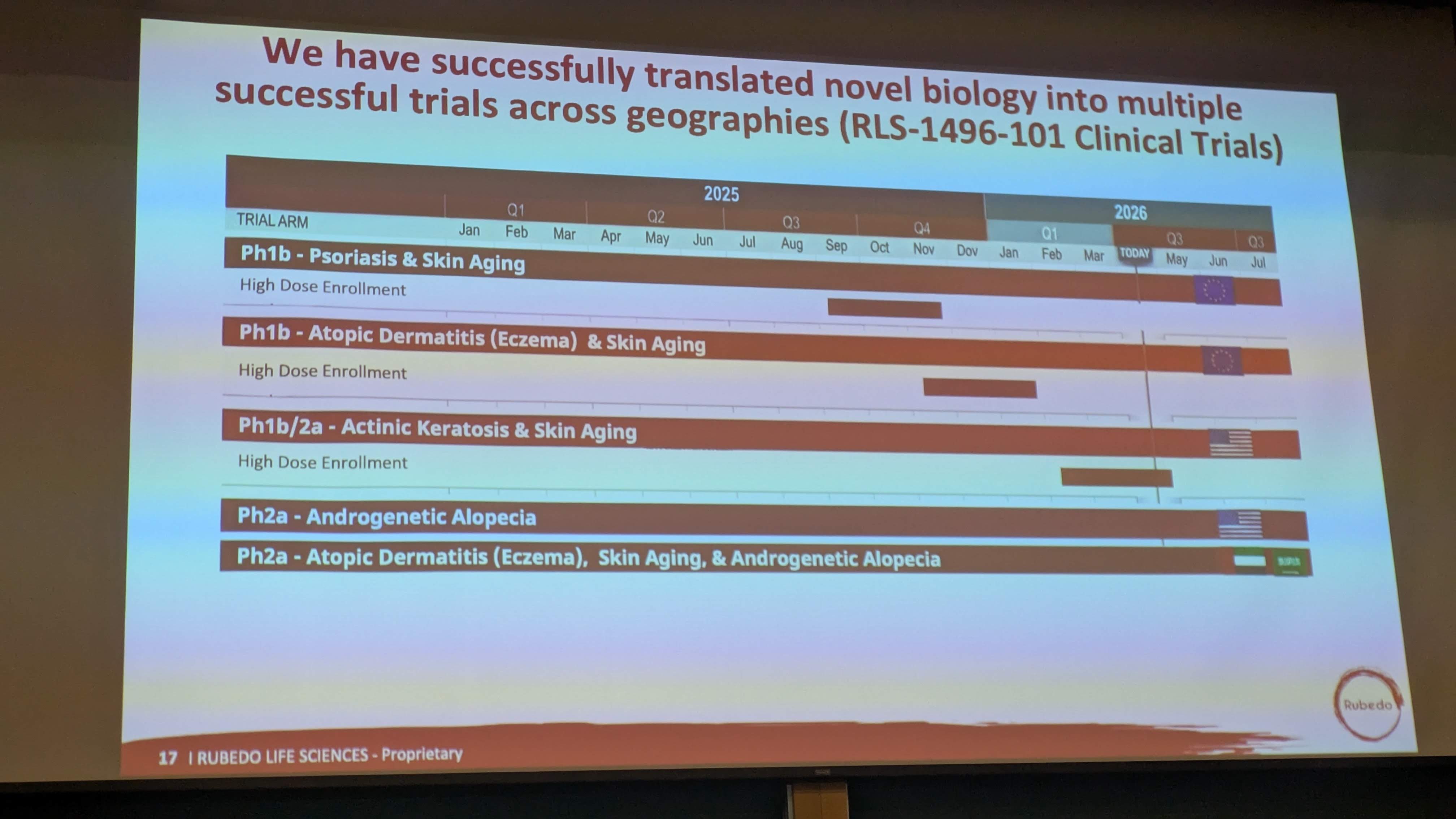
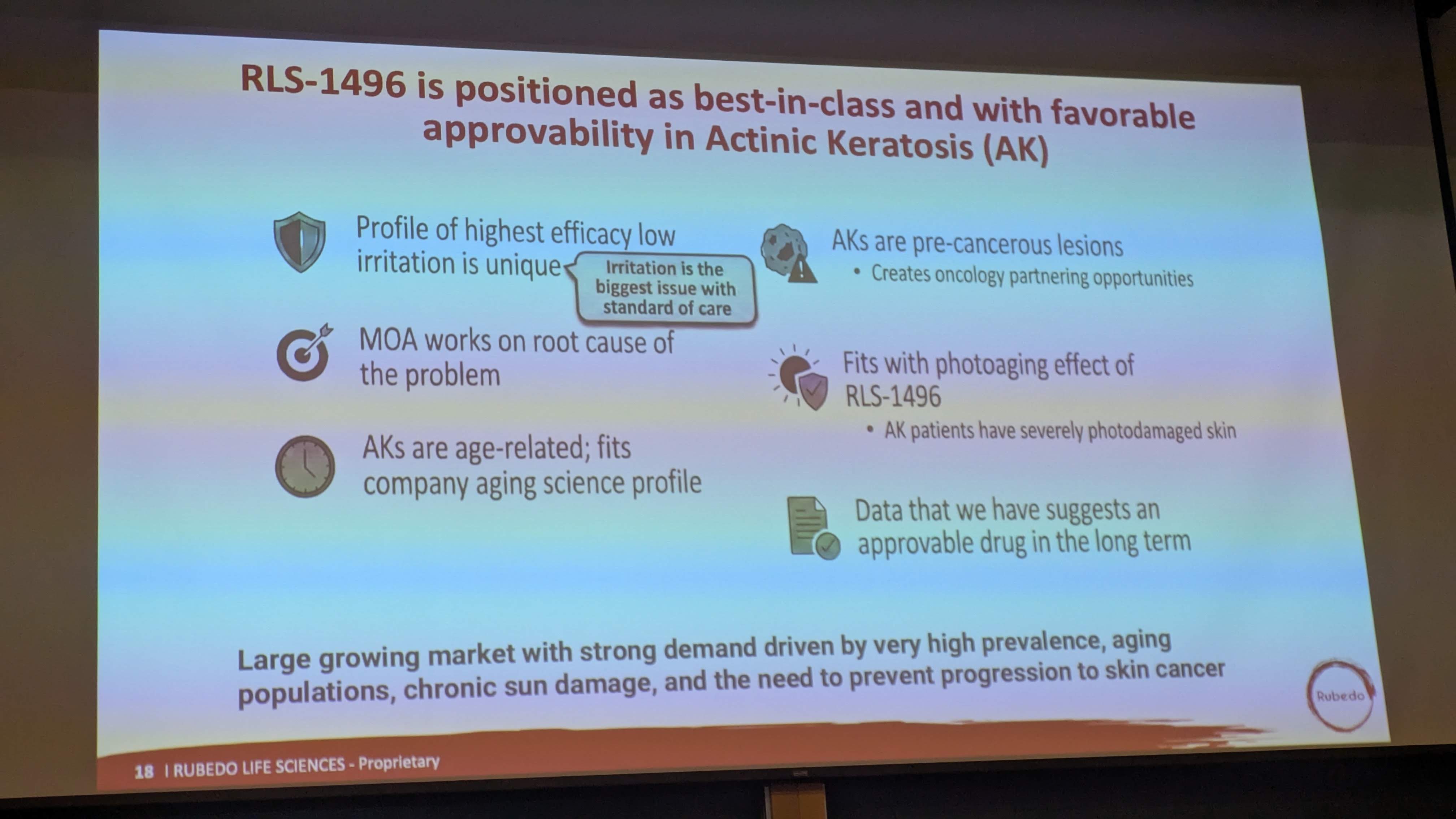
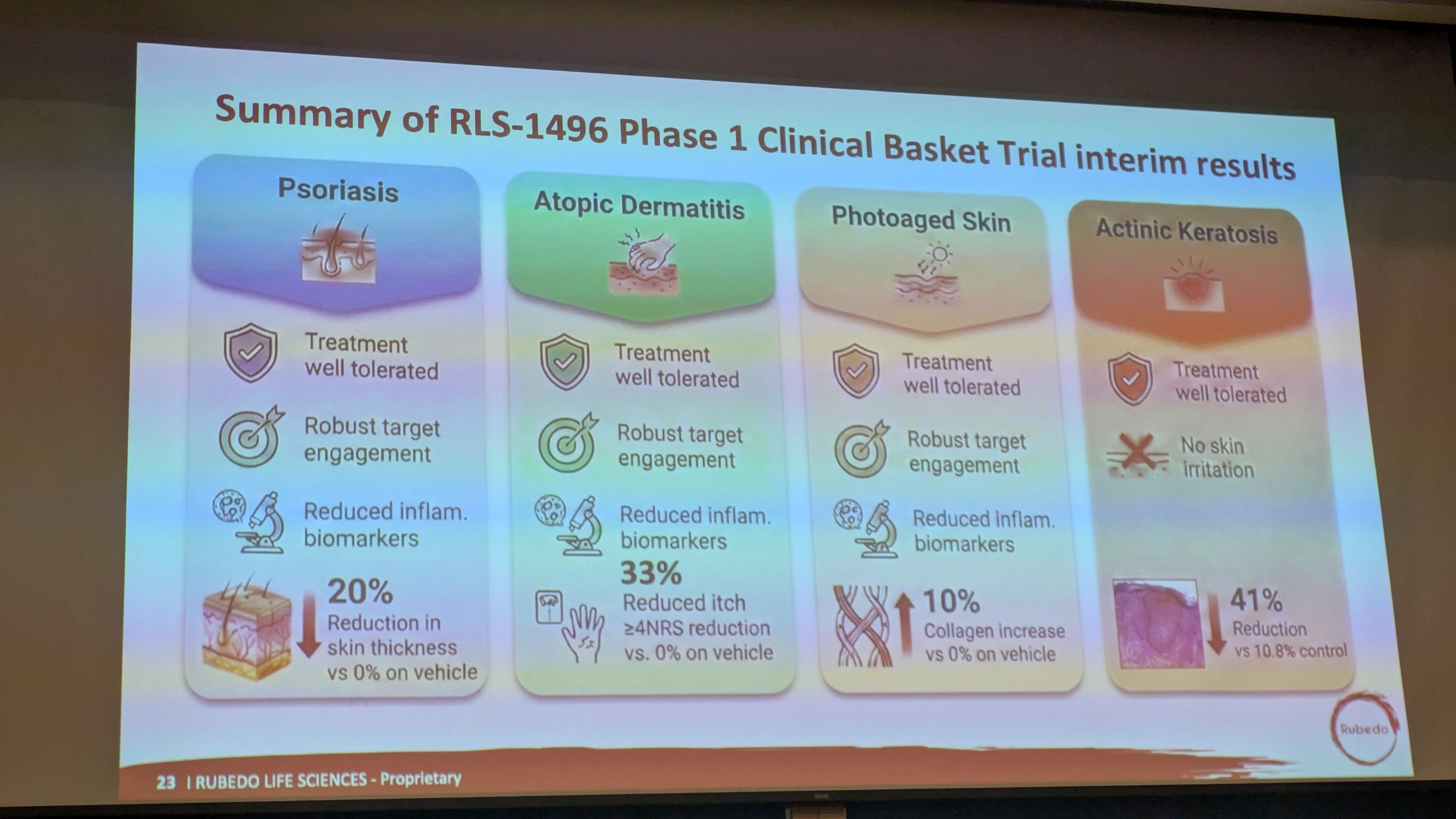
Rubedo previously said it expected initial Phase 1 results in Q4 2025, but Beddingfield said during JPM week that the timeline had shifted, with psoriasis efficacy data now expected in early 2026, atopic dermatitis data to follow, and actinic keratosis results later in the year. The FDA has also cleared an IND for an RLS-1496 study in AK, a particularly clean aging-biology indication given its association with cumulative sun exposure. Rubedo has said it is developing a systemic formulation of RLS-1496 that, if it reaches the clinic, would broaden the platform’s reach beyond dermatology into metabolic, fibrotic, and other age-linked conditions.
Why it’s different
Biologics and JAK inhibitors have transformed psoriasis and atopic dermatitis, but they work by inhibiting specific immune pathways. Senolysis, in Rubedo’s framing, is mechanistically distinct: rather than blocking one cytokine at a time, you eliminate a cell population that produces multiple inflammatory signals, without directly inhibiting immune signaling the way cytokine blockers or JAK inhibitors do. That distance also creates combination logic. Even patients on systemic biologics often remain on topicals for residual disease, and a non-immunosuppressive topical with a different target could slot into the rotation problem that defines psoriasis care, where patients cycle through multiple agents as responses wane, tolerability constraints accumulate, or both.
Full story here: Rubedo bets senescent cell clearance can make skin act younger
Company Website: https://www.rubedolife.com