I stumbled upon these articles in a Chinese community, I translated them into English to share here.
https://zhuanlan.zhihu.com/p/564585089
https://zhuanlan.zhihu.com/p/642574981
https://zhuanlan.zhihu.com/p/664760945
I stumbled upon these articles in a Chinese community, I translated them into English to share here.
https://zhuanlan.zhihu.com/p/564585089
https://zhuanlan.zhihu.com/p/642574981
https://zhuanlan.zhihu.com/p/664760945
mTOR is a crucial pathway in cancer development; therefore, rapamycin, which inhibits mTOR, is renowned for its anti-cancer properties. However, man proposes, cancer disposes—all roads lead to Rome: cancer cells are cunning and metabolically flexible, and attempting to fight cancer by inhibiting mTOR may yield the exact opposite result.
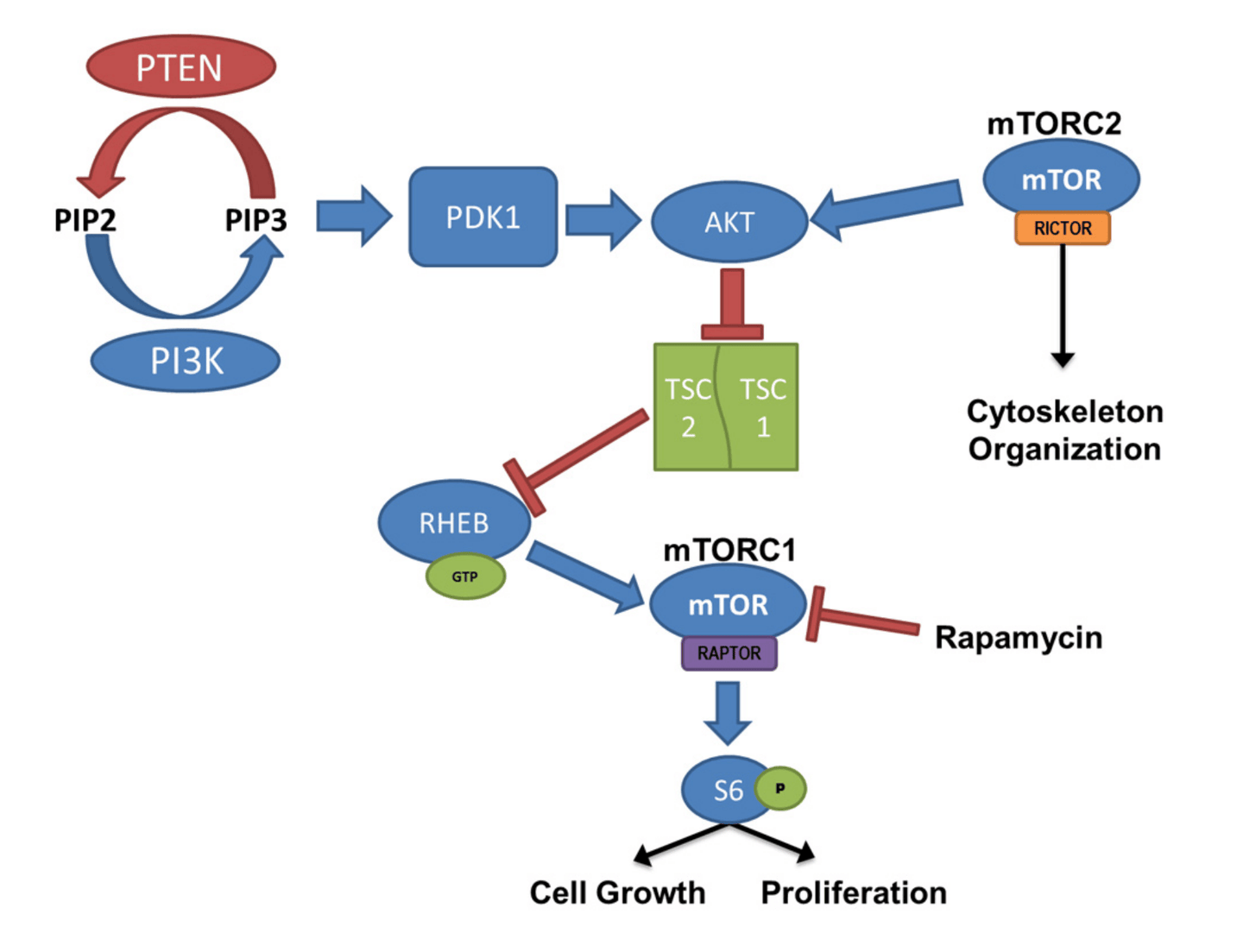
PTEN is a tumor suppressor gene, and PTEN inactivation is found in approximately 40% of glioblastoma patients [1]. When PTEN is inactivated, the PI3K/Akt/mTOR pathway is activated, thereby promoting tumor growth [2]. Therefore, theoretically, rapamycin can suppress glioma growth induced by PTEN inactivation by inhibiting mTOR.
However, reality contradicts theory: in a Phase I clinical study (NCT00047073) [1] investigating rapamycin intervention in glioblastoma patients, 15 patients with PTEN-deficient recurrent glioblastoma received oral rapamycin (2 mg, 5 mg, or 10 mg/day) for approximately 1 week. The results showed that rapamycin was detected in the tumor tissues of 14 out of the 15 patients; however, more than half of the patients experienced disease progression rather than improvement after receiving rapamycin.
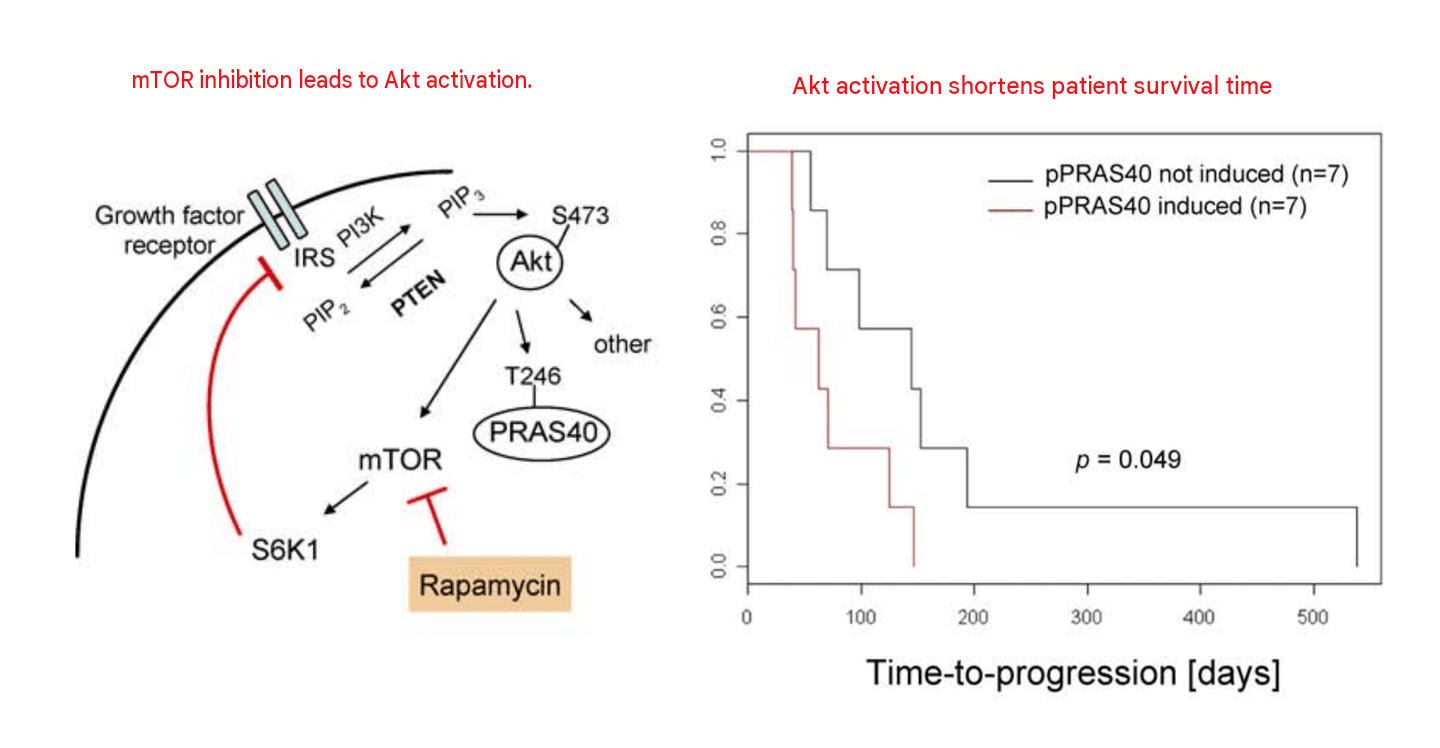
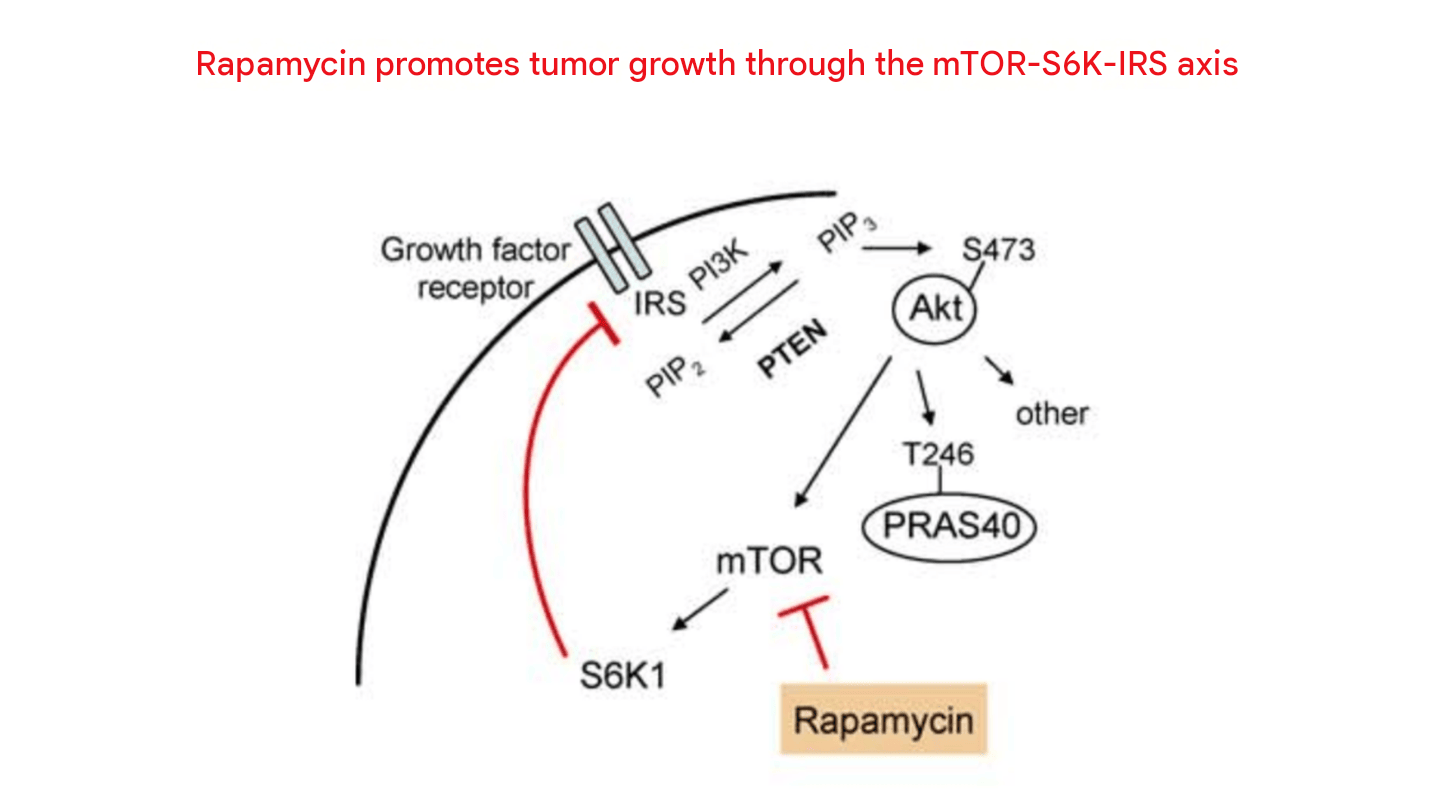
The PI3K/Akt/mTOR pathway is regulated by a negative feedback loop: when mTOR is inhibited, the suppression of S6 phosphorylation—which lies downstream of mTOR—leads to IRS phosphorylation and the reactivation of the Akt pathway. Grouping these patients based on Akt activation revealed that the survival time of the Akt activation group was significantly reduced. The Akt activation resulting from rapamycin-induced mTOR inhibition may be one of the reasons for disease worsening in these patients.
A study [3] found that treating high-fat-diet-induced BL6 hepatic steatosis mice with rapamycin for 2 weeks resulted in exacerbated liver injury, which is consistent with the effects observed in human clinical studies [4].
Meanwhile, although steatosis decreased in these mice, levels of IL-6 and STAT3 (a hepatocarcinogenic factor) surged in the liver tissue. As confirmed by study [5], the IL-6/STAT3 axis promotes the progression of liver cancer, suggesting that rapamycin promotes the transition from hepatic steatosis to liver cancer.
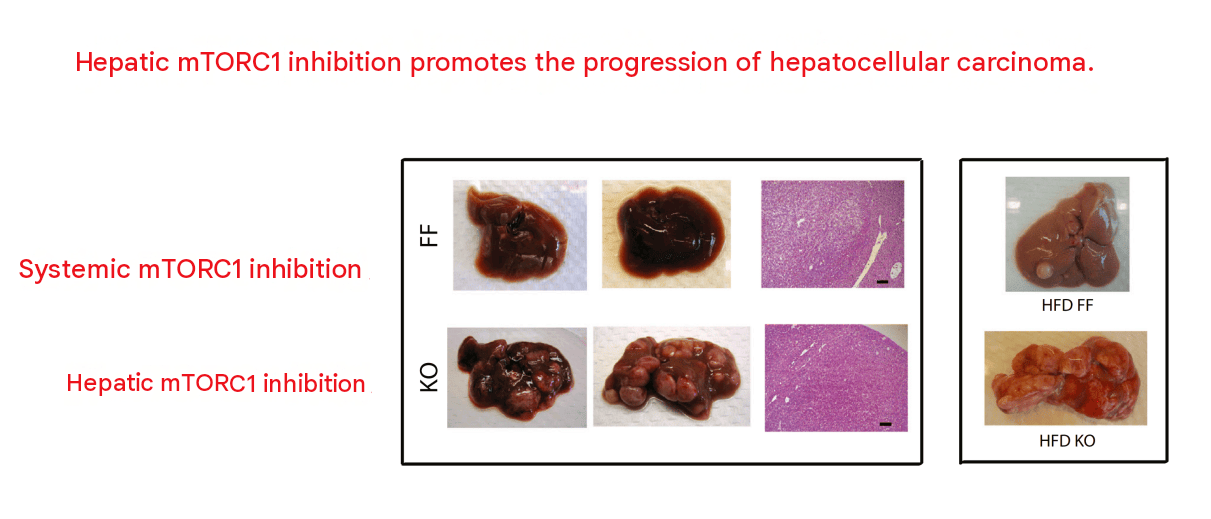
To investigate the effects of long-term mTOR inhibition on the liver, researchers developed two types of mice: systemic mTORC1-inhibited mice and liver-specific mTORC1-inhibited mice. The results showed that both types of mice developed liver injury at two months of age, suggesting that long-term mTORC1 inhibition promotes liver injury. Concurrently, Akt activation was observed in these mice, which is consistent with the aforementioned human clinical study [2].
When DEN (a hepatocarcinogen) was injected into 14-day-old liver-specific mTORC1-inhibited mice [3], it was observed that by 7 months of age, the tumor size and number in the hepatic mTORC1-inhibited mice surged, indicating that hepatic mTORC1 inhibition promotes the development of hepatocellular carcinoma.
Pancreatic cancer is a major stronghold of the mTOR pathway, with mTOR pathway activation observed in half of pancreatic cancer patients [6]. Therefore, theoretically, rapamycin, which inhibits mTOR, should suppress the progression of pancreatic cancer.
However, reality defies expectations: a Phase II clinical study (NCT00409292) investigating everolimus (RAD001, a rapamycin analog) in metastatic breast cancer [6] (Note: text context refers to pancreatic/breast cancer trial context) confirmed that everolimus showed essentially no efficacy in these patients, with tumor regression observed in only 2 out of 33 patients. Meanwhile, a preceding Phase I clinical trial [7] of this study had already demonstrated that everolimus treatment reduced mTOR activity in tumor cells. Therefore, everolimus-induced reduction in mTOR activity failed to suppress—and may have instead promoted—the progression of pancreatic cancer in these patients.
Two studies [8] (NCT0075647 and NCT00640978) recruited advanced pancreatic cancer patients. In Study A, 5 patients received rapamycin at 25 mg/week, while in Study B, 16 patients received rapamycin at 30 mg/week combined with erlotinib at 150 mg/week.
The results were equally disappointing: patients receiving rapamycin alone exhibited significant adverse reactions; furthermore, 1 of the 5 patients died from rapid disease progression, and another died from a stroke. The overall survival time for patients receiving rapamycin plus erlotinib was 87 days, far below the expected 6 months. Both studies were terminated early.
Preclinical studies [9] by the same research group also confirmed that a rapamycin analog (CCI-779, temsirolimus) can increase Akt activation in pancreatic cancer cells. Consequently, researchers hypothesized that Akt activation may be one of the mechanisms by which rapamycin fails to treat—and even worsens—pancreatic cancer in the patients of Study A.
Erlotinib, used in Study B, is an Akt inhibitor. However, the combined inhibition of mTOR and Akt proved ineffective for treating pancreatic cancer, which may be attributed to the activation of another cancer-promoting pathway, MAPK/ERK, resulting from mTOR inhibition.
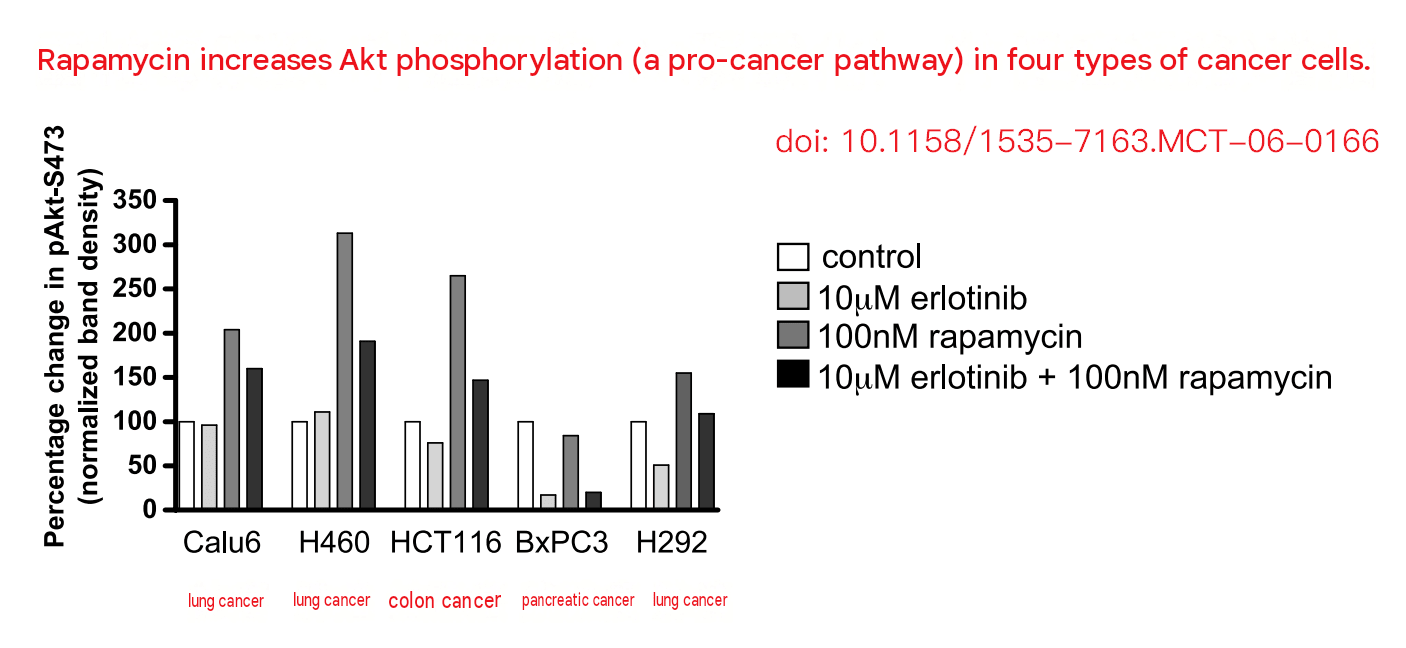
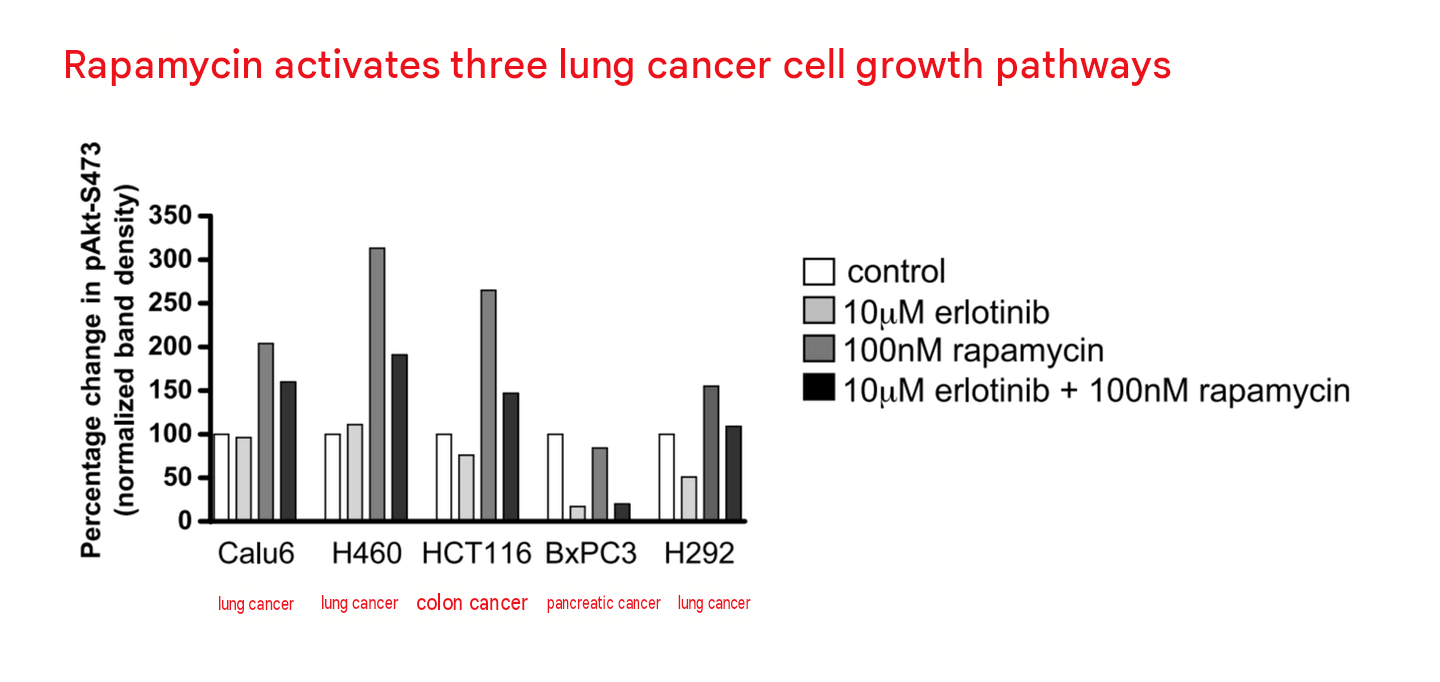
Multiple studies have found that rapamycin and its derivatives promote Akt activation in a variety of cancer cells, including but not limited to Rh30/RD human rhabdomyosarcoma [10], DU-145 prostate cancer [11], MCF-7/MDA-MB-468 breast cancer [11], TMK-1 gastric cancer [12], HPAF-II pancreatic cancer [12], Calu6/H460/H292 lung cancer [13], and HCT-1126 colon cancer cells [13].
Study [10] found that the inhibition of IRS-1 and TSC-1 did not reverse rapamycin-induced Akt activation, whereas the inhibition of IGF-1R blocked Akt activation. This indicates that rapamycin-mediated Akt activation is IGF-1R-dependent. Similarly, study [11] found that the rapamycin derivative everolimus mediates Akt activation in prostate and breast cancer cells via IGF-1R.
mTOR comprises mTORC1 and mTORC2, and the direct target of rapamycin is mTORC1 within mTOR. Study [12] found that rapamycin downregulated mTORC1 while upregulating the expression of IGF-1R and Her, whereas inhibiting mTORC2 reversed this process, indicating that mTORC2 mediates the activation of Akt caused by mTORC1 inhibition [14].
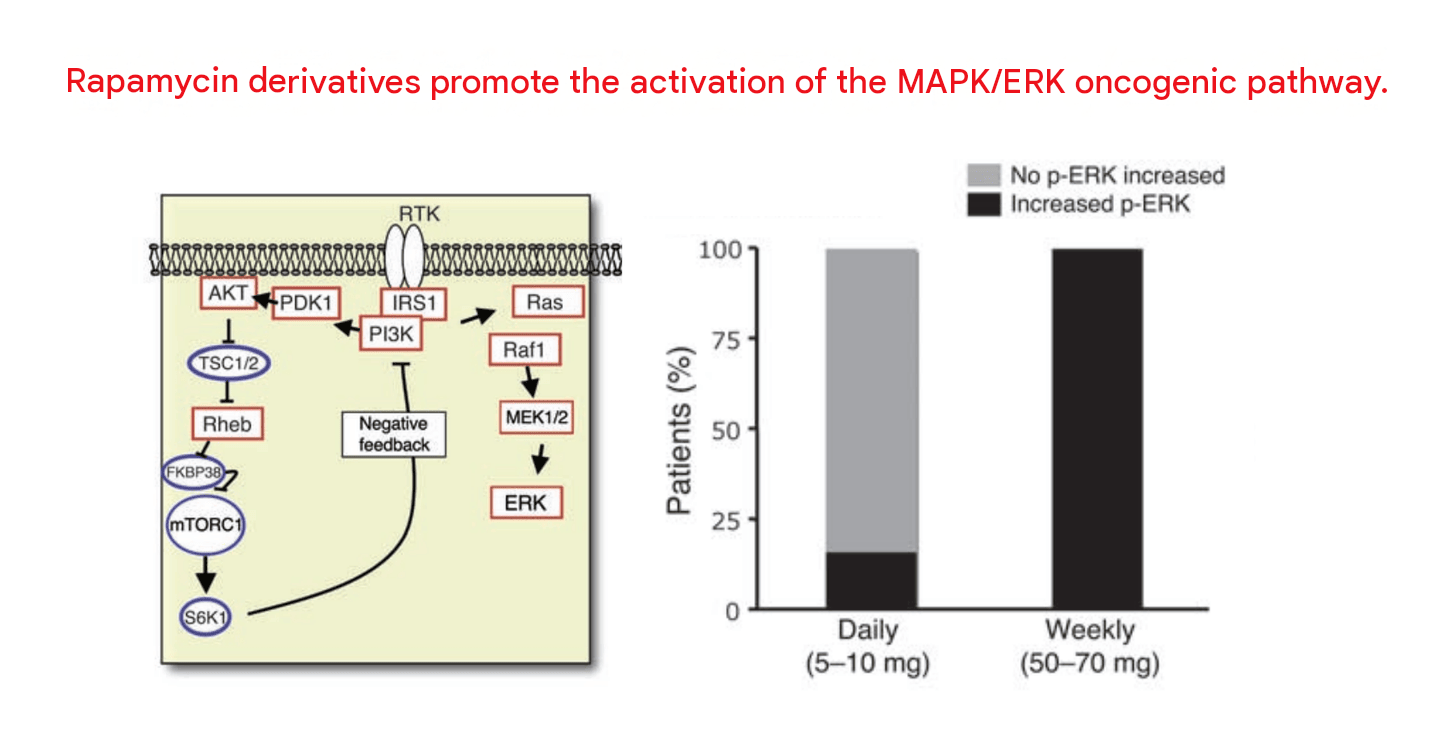
The MAPK/ERK pathway is one of the pathways involved in cancer development. Study [15] found that everolimus led to the activation of the MAPK pathway in prostate cancer mice, indicating that mTOR inhibition promotes cancer progression by driving the MAPK pathway. Further analysis revealed that mTOR inhibition sends a negative feedback signal to PI3K via the suppression of S6K1, causing cancer cell metabolism to shift toward PI3K/MAPK/ERK.
This was confirmed in human tumor samples: more than half of the 10 cancer patients treated with everolimus (including breast cancer, melanoma, and colon cancer) exhibited increased ERK phosphorylation, demonstrating that rapamycin derivatives promote the activation of the MAPK/ERK cancer pathway in these patients.
Therefore, when mTOR is inhibited by rapamycin (and its analogs), another cancer-promoting pathway, MAPK/ERK, is activated, thereby fueling tumor growth.
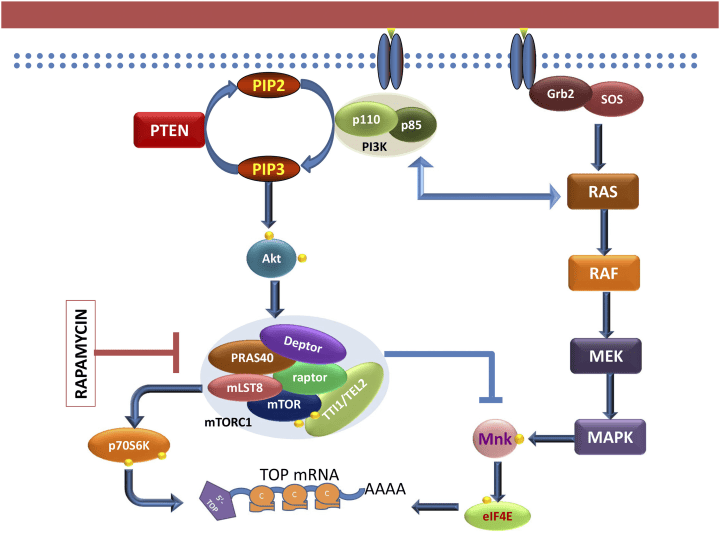
In addition to the negative feedback loop on PI3K, rapamycin has alternative pathways to activate the MAPK/ERK pathway. Research on hepatocellular carcinoma [16] has found that rapamycin can directly activate the cancer-promoting MAPK/ERK pathway by activating PDGFRβ.
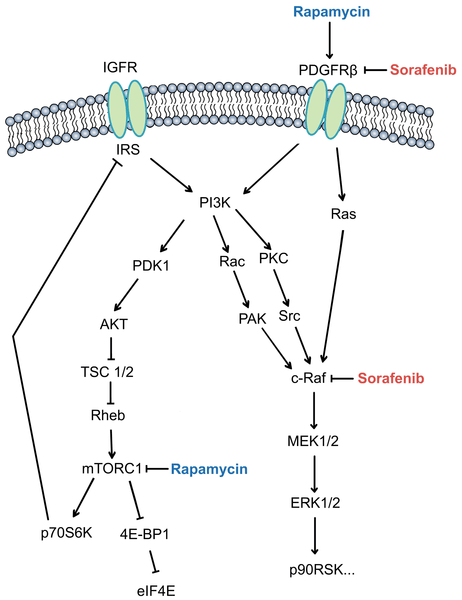
The phosphorylation of eIF4E plays a critical role in tumorigenesis. Studies have found that exposure to rapamycin promotes eIF4E phosphorylation in a variety of cancer cells through Mnk activation. These cancer cells include, but are not limited to, H157/A549/Calu-1/H460 lung cancer [17], U87MG/LN229 glioblastoma [17], RPMI8266 myeloma [17], PC3 prostate cancer [18], MCF-7/MDA-MB breast cancer [19], and HeLa cervical cancer [19].
Meanwhile, Mnk is activated by the MAPK pathway; therefore, rapamycin forces metabolically flexible cancer cells to shift toward the MAPK/ERK pathway, thereby activating the Mnk/eIF4E phosphorylation cancer-promoting pathway [20].
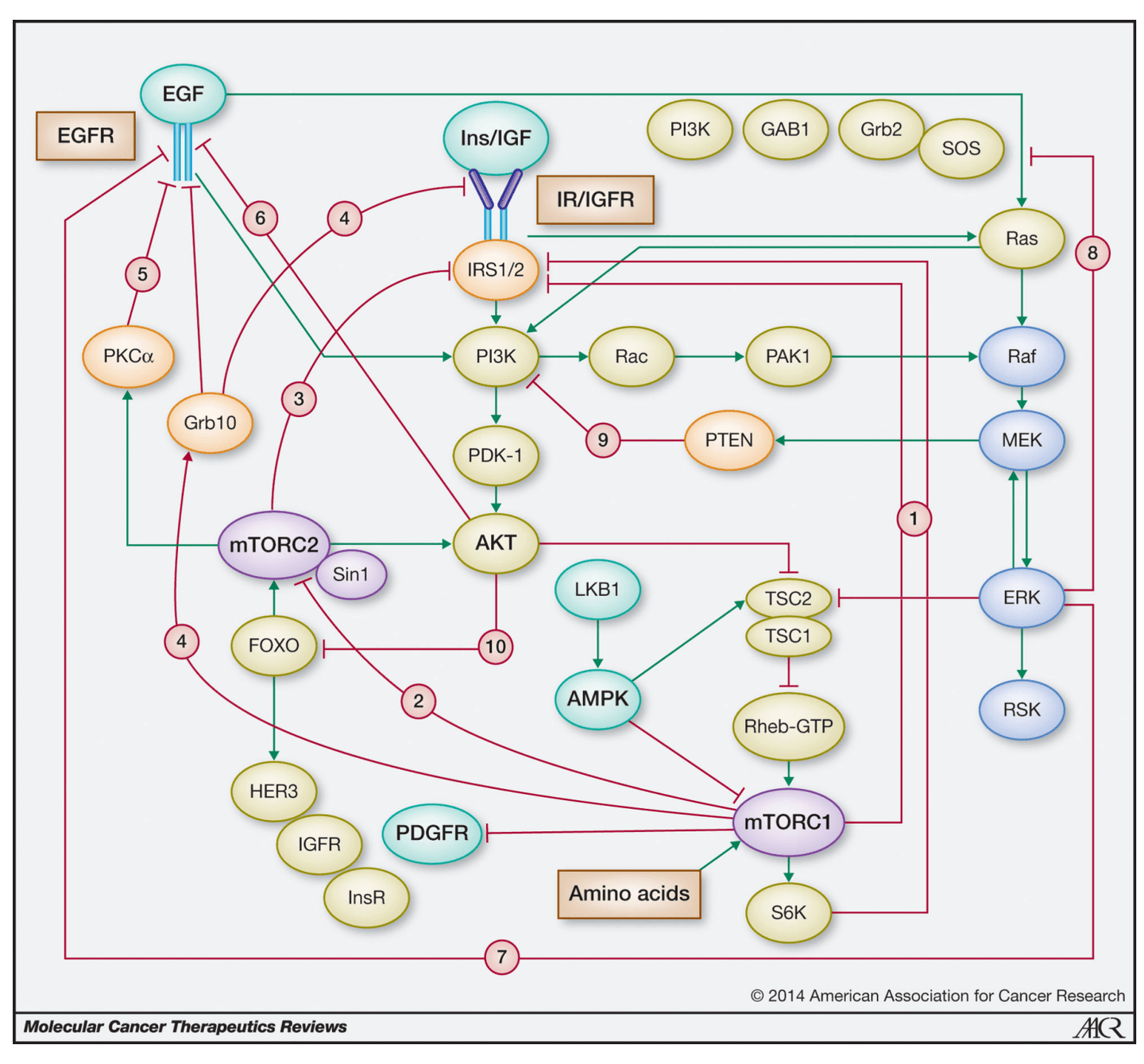
A study [21] provides an incomplete summary of other cancer-promoting pathways induced by mTORC1 inhibition. Based on the pathway diagram provided by this study, countless oncogenic pathways can be arranged and combined.
So, will healthy individuals taking rapamycin long-term get lost in these countless pathways and develop cancer? Let’s wait and see what answers biohackers will provide.
[1] Cloughesy TF, Yoshimoto K, Nghiemphu P, Brown K, Dang J, Zhu S, Hsueh T, Chen Y, Wang W, Youngkin D, Liau L, Martin N, Becker D, Bergsneider M, Lai A, Green R, Oglesby T, Koleto M, Trent J, Horvath S, Mischel PS, Mellinghoff IK, Sawyers CL. Antitumor activity of rapamycin in a Phase I trial for patients with recurrent PTEN-deficient glioblastoma. PLoS Med. 2008 Jan 22;5(1):e8. doi: 10.1371/journal.pmed.0050008. PMID: 18215105; PMCID: PMC2211560.
[2] Lasarge CL, Danzer SC. Mechanisms regulating neuronal excitability and seizure development following mTOR pathway hyperactivation. Front Mol Neurosci. 2014 Mar 14;7:18. doi: 10.3389/fnmol.2014.00018. PMID: 24672426; PMCID: PMC3953715.
[3] Umemura A, Park EJ, Taniguchi K, Lee JH, Shalapour S, Valasek MA, Aghajan M, Nakagawa H, Seki E, Hall MN, Karin M. Liver damage, inflammation, and enhanced tumorigenesis after persistent mTORC1 inhibition. Cell Metab. 2014 Jul 1;20(1):133-44. doi: 10.1016/j.cmet.2014.05.001. Epub 2014 Jun 5. PMID: 24910242; PMCID: PMC4079758.
[4] Buron F, Malvezzi P, Villar E, Chauvet C, Janbon B, Denis L, Brunet M, Daoud S, Cahen R, Pouteil-Noble C, Gagnieu MC, Bienvenu J, Bayle F, Morelon E, Thaunat O. Profiling sirolimus-induced inflammatory syndrome: a prospective tricentric observational study. PLoS One. 2013;8(1):e53078. doi: 10.1371/journal.pone.0053078. Epub 2013 Jan 7. PMID: 23308138; PMCID: PMC3538748.
[5] He G, Dhar D, Nakagawa H, Font-Burgada J, Ogata H, Jiang Y, Shalapour S, Seki E, Yost SE, Jepsen K, Frazer KA, Harismendy O, Hatziapostolou M, Iliopoulos D, Suetsugu A, Hoffman RM, Tateishi R, Koike K, Karin M. Identification of liver cancer progenitors whose malignant progression depends on autocrine IL-6 signaling. Cell. 2013 Oct 10;155(2):384-96. doi: 10.1016/j.cell.2013.09.031. PMID: 24120137; PMCID: PMC4015514.
[6] Wolpin BM, Hezel AF, Abrams T, Blaszkowsky LS, Meyerhardt JA, Chan JA, Enzinger PC, Allen B, Clark JW, Ryan DP, Fuchs CS. Oral mTOR inhibitor everolimus in patients with gemcitabine-refractory metastatic pancreatic cancer. J Clin Oncol. 2009 Jan 10;27(2):193-8. doi: 10.1200/JCO.2008.18.9514. Epub 2008 Dec 1. PMID: 19047305; PMCID: PMC2645085.
[7] O’Donnell A, Faivre S, Burris HA 3rd, Rea D, Papadimitrakopoulou V, Shand N, Lane HA, Hazell K, Zoellner U, Kovarik JM, Brock C, Jones S, Raymond E, Judson I. Phase I pharmacokinetic and pharmacodynamic study of the oral mammalian target of rapamycin inhibitor everolimus in patients with advanced solid tumors. J Clin Oncol. 2008 Apr 1;26(10):1588-95. doi: 10.1200/JCO.2007.14.0988. Epub 2008 Mar 10. PMID: 18332470.
[8] Javle MM, Shroff RT, Xiong H, Varadhachary GA, Fogelman D, Reddy SA, Davis D, Zhang Y, Wolff RA, Abbruzzese JL. Inhibition of the mammalian target of rapamycin (mTOR) in advanced pancreatic cancer: results of two phase II studies. BMC Cancer. 2010 Jul 14;10:368. doi: 10.1186/1471-2407-10-368. PMID: 20630061; PMCID: PMC2910694.
[9] Asano T, Yao Y, Zhu J, Li D, Abbruzzese JL, Reddy SA. The rapamycin analog CCI-779 is a potent inhibitor of pancreatic cancer cell proliferation. Biochem Biophys Res Commun. 2005 May 27;331(1):295-302. doi: 10.1016/j.bbrc.2005.03.166. PMID: 15845392.
[10] Wan X, Harkavy B, Shen N, Grohar P, Helman LJ. Rapamycin induces feedback activation of Akt signaling through an IGF-1R-dependent mechanism. Oncogene. 2007 Mar 22;26(13):1932-40. doi: 10.1038/sj.onc.1209990. Epub 2006 Sep 25. PMID: 17001314.
[11] O’Reilly KE, Rojo F, She QB, Solit D, Mills GB, Smith D, Lane H, Hofmann F, Hicklin DJ, Ludwig DL, Baselga J, Rosen N. mTOR inhibition induces upstream receptor tyrosine kinase signaling and activates Akt. Cancer Res. 2006 Feb 1;66(3):1500-8. doi: 10.1158/0008-5472.CAN-05-2925. PMID: 16452206; PMCID: PMC3193604.
[12] Lang SA, Hackl C, Moser C, Fichtner-Feigl S, Koehl GE, Schlitt HJ, Geissler EK, Stoeltzing O. Implication of RICTOR in the mTOR inhibitor-mediated induction of insulin-like growth factor-I receptor (IGF-IR) and human epidermal growth factor receptor-2 (Her2) expression in gastrointestinal cancer cells. Biochim Biophys Acta. 2010 Apr;1803(4):435-42. doi: 10.1016/j.bbamcr.2010.01.009. Epub 2010 Jan 28. PMID: 20116405.
[13] Buck E, Eyzaguirre A, Brown E, Petti F, McCormack S, Haley JD, Iwata KK, Gibson NW, Griffin G. Rapamycin synergizes with the epidermal growth factor receptor inhibitor erlotinib in non-small-cell lung, pancreatic, colon, and breast tumors. Mol Cancer Ther. 2006 Nov;5(11):2676-84. doi: 10.1158/1535-7163.MCT-06-0166. PMID: 17121914.
[14] Rozengurt E, Soares HP, Sinnet-Smith J. Suppression of feedback loops mediated by PI3K/mTOR induces multiple overactivation of compensatory pathways: an unintended consequence leading to drug resistance. Mol Cancer Ther. 2014 Nov;13(11):2477-88. doi: 10.1158/1535-7163.MCT-14-0330. Epub 2014 Oct 16. PMID: 25323681; PMCID: PMC4222988.
[15] Carracedo A, Ma L, Teruya-Feldstein J, Rojo F, Salmena L, Alimonti A, Egia A, Sasaki AT, Thomas G, Kozma SC, Papa A, Nardella C, Cantley LC, Baselga J, Pandolfi PP. Inhibition of mTORC1 leads to MAPK pathway activation through a PI3K-dependent feedback loop in human cancer. J Clin Invest. 2008 Sep;118(9):3065-74. doi: 10.1172/JCI34739. PMID: 18725988; PMCID: PMC2518073.
[16] Li QL, Gu FM, Wang Z, Jiang JH, Yao LQ, Tan CJ, Huang XY, Ke AW, Dai Z, Fan J, Zhou J. Activation of PI3K/AKT and MAPK pathway through a PDGFRβ-dependent feedback loop is involved in rapamycin resistance in hepatocellular carcinoma. PLoS One. 2012;7(3):e33379. doi: 10.1371/journal.pone.0033379. Epub 2012 Mar 9. PMID: 22428038; PMCID: PMC3302853.
[17] Wang X, Yue P, Chan CB, Ye K, Ueda T, Watanabe-Fukunaga R, Fukunaga R, Fu H, Khuri FR, Sun SY. Inhibition of mammalian target of rapamycin induces phosphatidylinositol 3-kinase-dependent and Mnk-mediated eukaryotic translation initiation factor 4E phosphorylation. Mol Cell Biol. 2007 Nov;27(21):7405-13. doi: 10.1128/MCB.00760-07. Epub 2007 Aug 27. PMID: 17724079; PMCID: PMC2169067.
[18] Stead RL, Proud CG. Rapamycin enhances eIF4E phosphorylation by activating MAP kinase-interacting kinase 2a (Mnk2a). FEBS Lett. 2013 Aug 19;587(16):2623-8. doi: 10.1016/j.febslet.2013.06.045. Epub 2013 Jul 4. PMID: 23831578.
[19] Batool A, Majeed ST, Aashaq S, Majeed R, Bhat NN, Andrabi KI. Eukaryotic initiation factor 4E is a novel effector of mTORC1 signaling pathway in cross talk with Mnk1. Mol Cell Biochem. 2020 Feb;465(1-2):13-26. doi: 10.1007/s11010-019-03663-z. Epub 2019 Nov 28. PMID: 31782083.
[20] D’Abronzo LS, Ghosh PM. eIF4E Phosphorylation in Prostate Cancer. Neoplasia. 2018 Jun;20(6):563-573. doi: 10.1016/j.neo.2018.04.003. Epub 2018 May 4. PMID: 29730477; PMCID: PMC5994774.
[21] Rozengurt E, Soares HP, Sinnet-Smith J. Suppression of feedback loops mediated by PI3K/mTOR induces multiple overactivation of compensatory pathways: an unintended consequence leading to drug resistance. Mol Cancer Ther. 2014 Nov;13(11):2477-88. doi: 10.1158/1535-7163.MCT-14-0330. Epub 2014 Oct 16. PMID: 25323681; PMCID: PMC4222988.
Rapamycin is an immunosuppressant used to prevent organ transplant rejection. However, rapamycin has recently been hyped as an anti-aging supplement and packaged by a series of papers as a “miracle substance” possessing anti-aging, anti-cancer, anti-diabetic, and life-extending properties simultaneously.
Notably, Mikhail Blagosklonny, the primary originator of the rapamycin anti-aging theory, is also the editor-in-chief of three journals: Aging, Cell Cycle, and Oncotarget. The self-citations and mutual citations among these three journals have indeed provided significant endorsement for rapamycin.
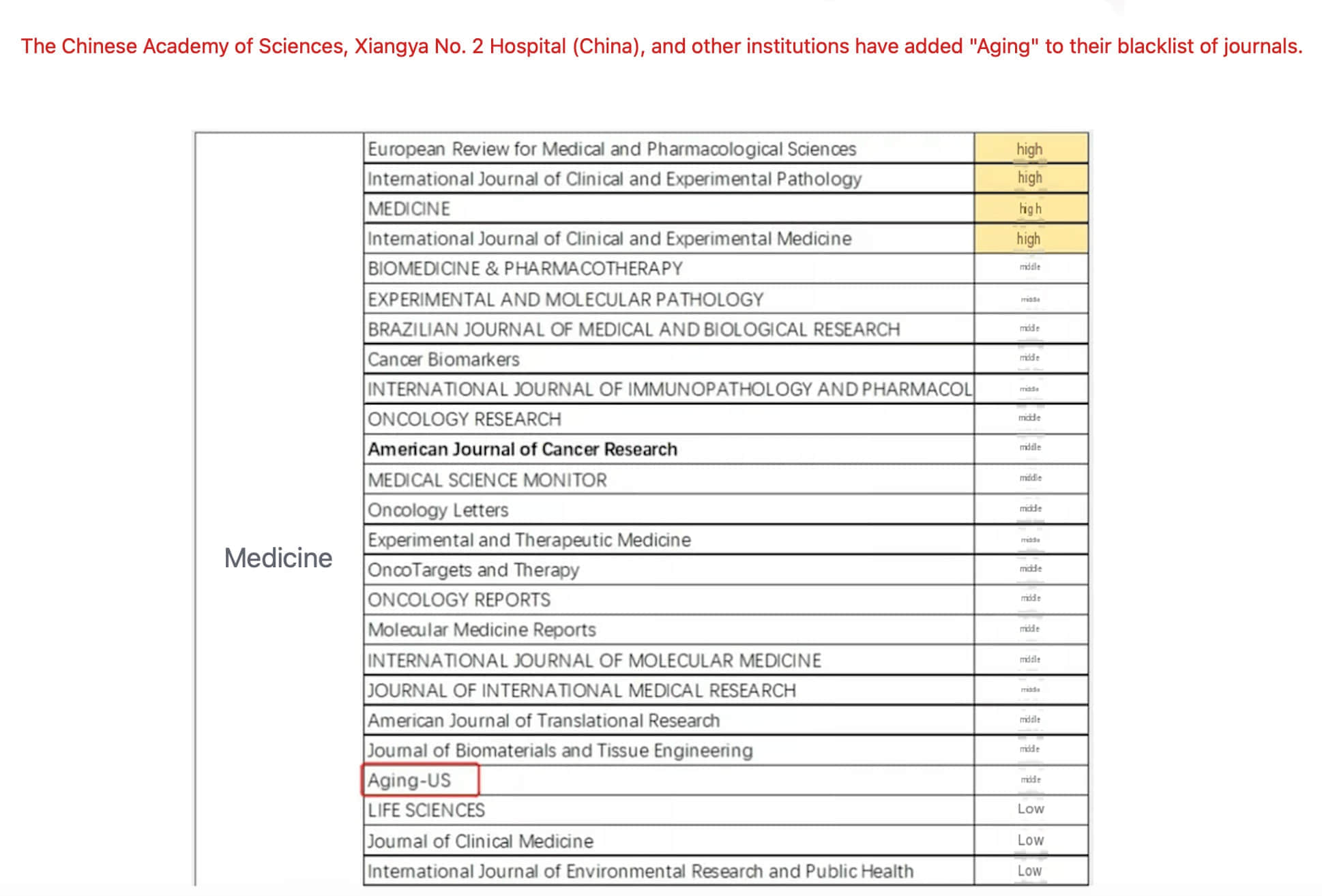
However, this has faced skepticism from numerous journal evaluation institutions: in late 2020, multiple domestic academic institutions, including the Chinese Academy of Sciences and the Second Xiangya Hospital (China), placed Aging on their journal blacklist [1].
Recently, Blagosklonny, at the age of 60 [2], was hospitalized for a stroke and diagnosed with brain metastasis secondary to lung cancer, meaning that he has limited time left. In reality, dying in one’s early sixties forms a stark contrast to the theoretical immortality promised by rapamycin.
Nonetheless, Blagosklonny, as a true believer in rapamycin, consoled himself by claiming that “rapamycin delayed his lung cancer” [3], which is entirely consistent with his previous remarks such as “rapamycin-induced diabetes is physiological.”
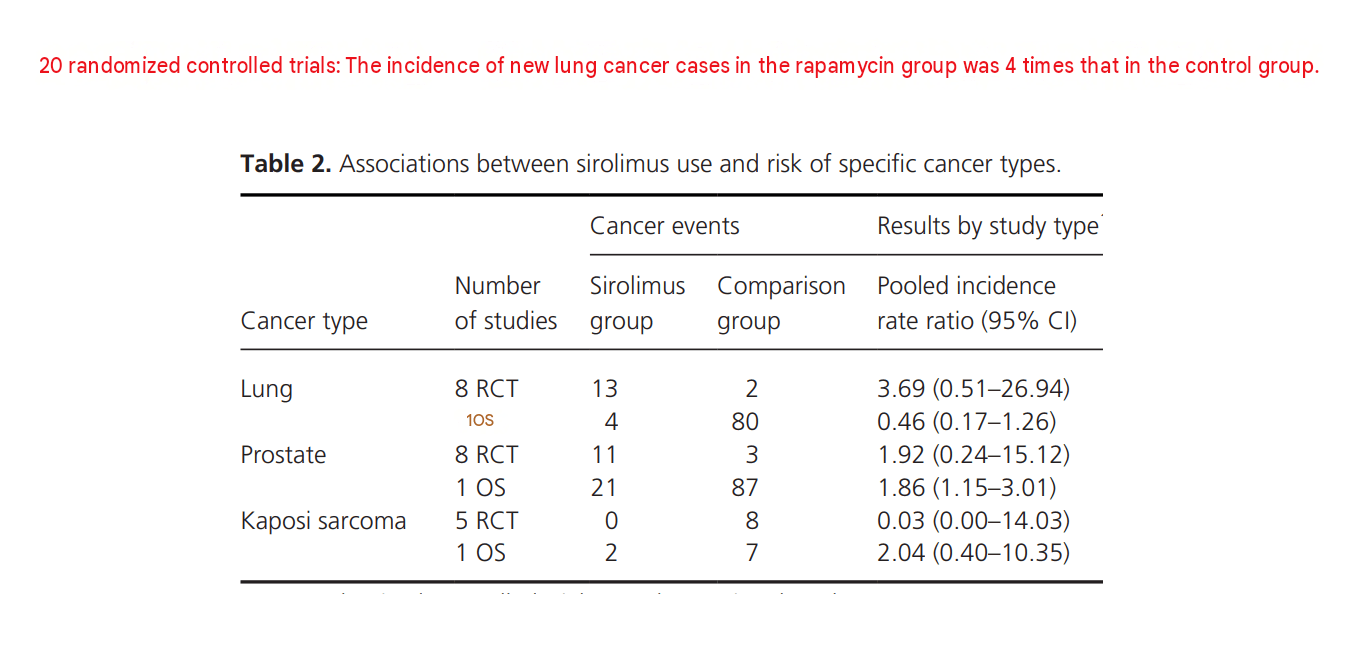
In fact, for rapamycin as an immunosuppressant used in organ transplantation, prognosis data from long-term follow-up are already well-established. A meta-analysis published in 2015, which included 20 randomized controlled trials involving 6,225 patients [4], found that the incidence rate of new-onset lung cancer in patients using rapamycin following kidney transplantation was 3.69 times that of the control group.
The role of rapamycin in promoting lung cancer cell growth has been widely studied for a long time. A preclinical study published in 2006 [5] found that rapamycin promotes lung cancer cell growth by activating Akt phosphorylation.
Mechanistically, rapamycin can promote tumor growth by activating Akt phosphorylation via the mTOR-S6K-IRS axis [6].
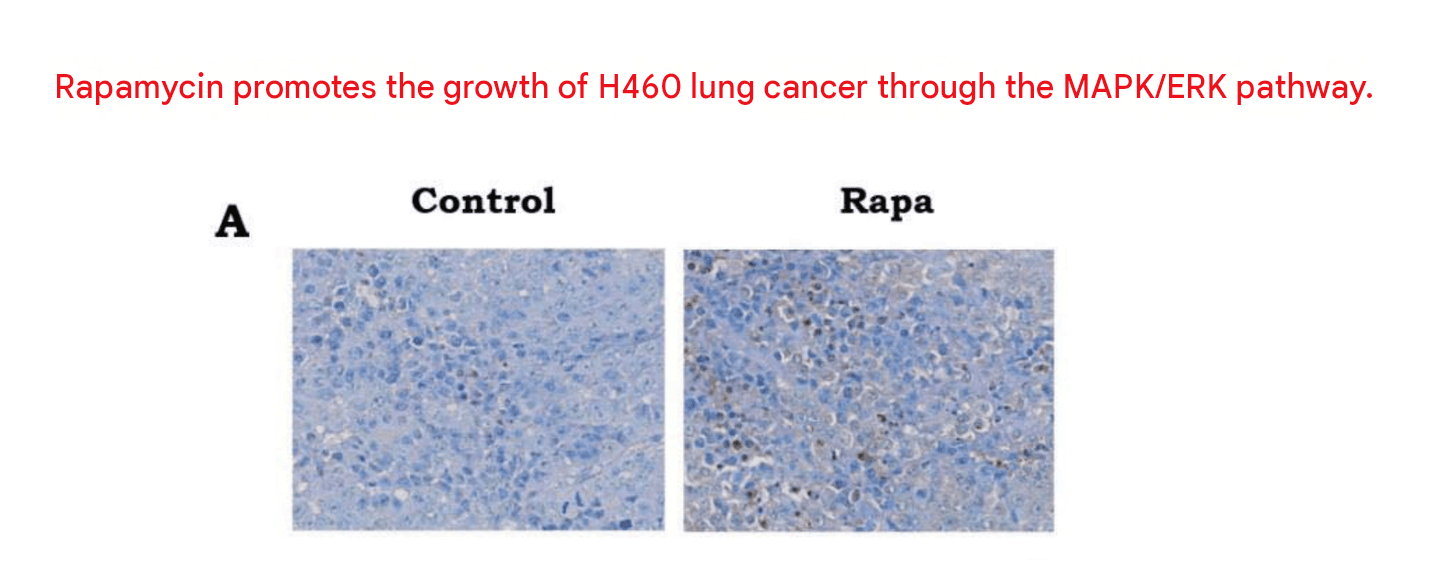
A preclinical study published in 2012 found that, in addition to activating the Akt pathway, rapamycin can also promote the activation of the MAPK/ERK pathway in three types of lung cancer cells (H460, H157, and A549).
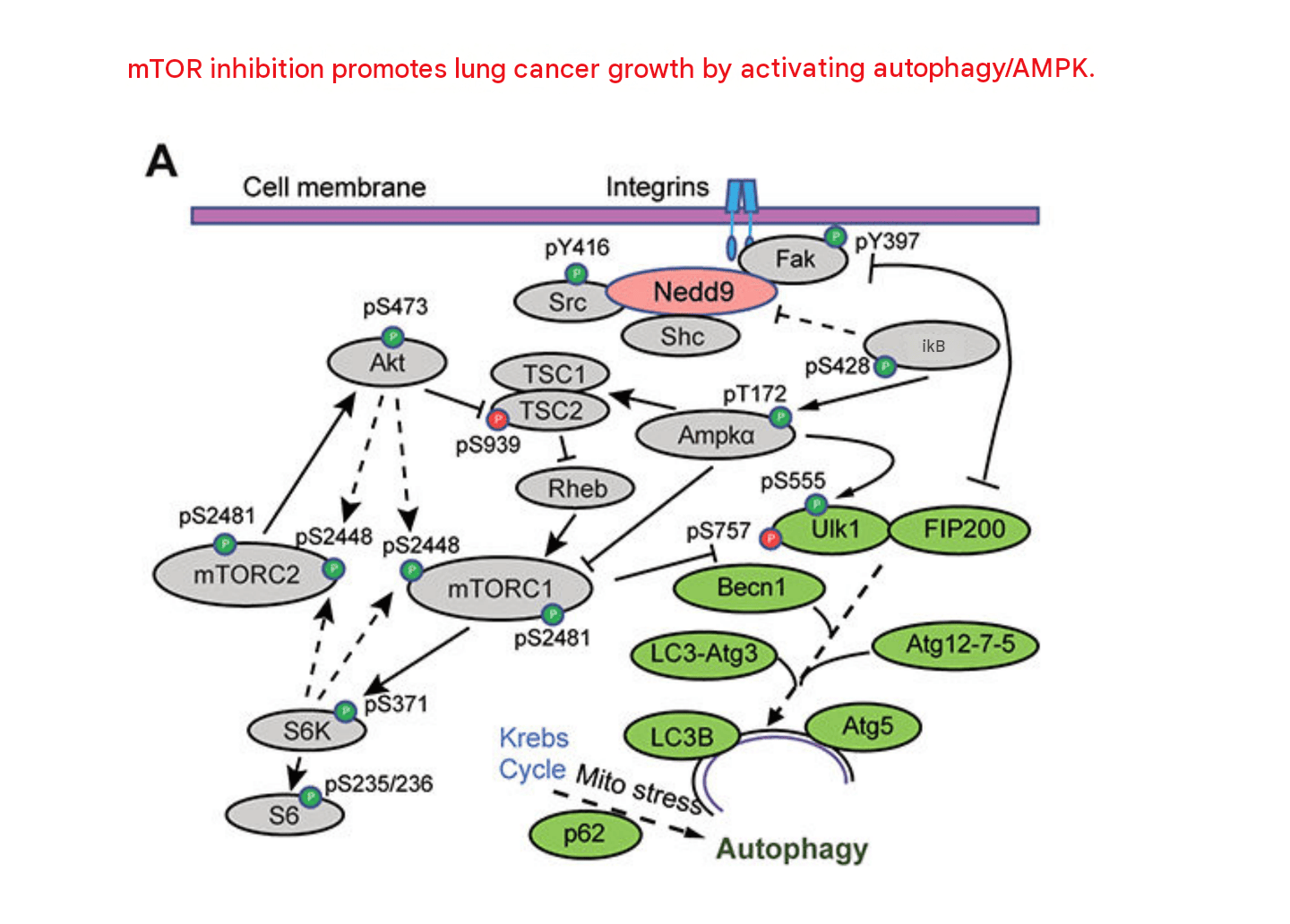
Autophagy and AMPK activation have been hyped as benefits of rapamycin. However, a preclinical study published in 2021 [7] found that mTOR inhibition promotes the growth of non-small cell lung cancer by enhancing autophagy and AMPK activation. As is well known, mTOR inhibition is the direct target of rapamycin, indicating that rapamycin can promote lung cancer growth via the mTOR/AMPK/autophagy axis.
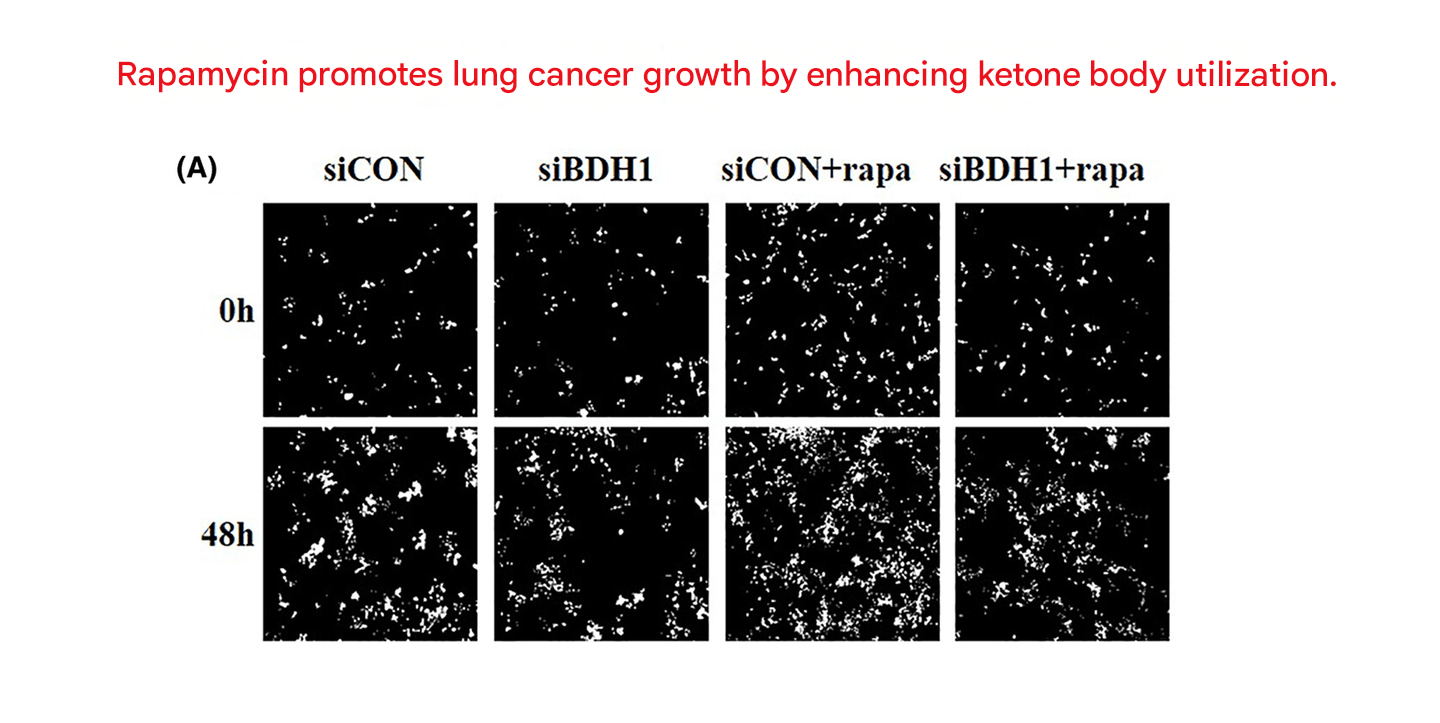
The extensive utilization of ketone bodies is one of the mechanisms driving rapid cancer cell growth. A study published by the 301 Hospital (China) in 2023 [8] found that the growth of lung cancer cells with defects in ketone body utilization was inhibited, whereas treatment with rapamycin activated ketone body utilization, leading to massive proliferation, migration, and invasion of lung cancer cells. This indicates that rapamycin promotes lung cancer growth by enhancing ketone body utilization.
[1] https://zhuanlan.zhihu.com/p/371545465
[3] https://www.mikhailblagosklonny.com/blog/i-am-a-soldier-my-battle-with-cancer/
[4] Yanik EL, Siddiqui K, Engels EA. Sirolimus effects on cancer incidence after kidney transplantation: a meta-analysis. Cancer Med. 2015 Sep;4(9):1448-59. doi: 10.1002/cam4.487. Epub 2015 Jun 24. PMID: 26108799; PMCID: PMC4567030.
[5] Buck E, Eyzaguirre A, Brown E, Petti F, McCormack S, Haley JD, Iwata KK, Gibson NW, Griffin G. Rapamycin synergizes with the epidermal growth factor receptor inhibitor erlotinib in non-small-cell lung, pancreatic, colon, and breast tumors. Mol Cancer Ther. 2006 Nov;5(11):2676-84. doi: 10.1158/1535-7163.MCT-06-0166. PMID: 17121914.
[6] Cloughesy TF, Yoshimoto K, Nghiemphu P, Brown K, Dang J, Zhu S, Hsueh T, Chen Y, Wang W, Youngkin D, Liau L, Martin N, Becker D, Bergsneider M, Lai A, Green R, Oglesby T, Koleto M, Trent J, Horvath S, Mischel PS, Mellinghoff IK, Sawyers CL. Antitumor activity of rapamycin in a Phase I trial for patients with recurrent PTEN-deficient glioblastoma. PLoS Med. 2008 Jan 22;5(1):e8. doi: 10.1371/journal.pmed.0050008. PMID: 18215105; PMCID: PMC2211560.
[7] Deneka AY, Kopp MC, Nikonova AS, Gaponova AV, Kiseleva AA, Hensley HH, Flieder DB, Serebriiskii IG, Golemis EA. Nedd9 Restrains Autophagy to Limit Growth of Early Stage Non-Small Cell Lung Cancer. Cancer Res. 2021 Jul 1;81(13):3717-3726. doi: 10.1158/0008-5472.CAN-20-3626. Epub 2021 May 18. PMID: 34006524; PMCID: PMC8277748.
[8] Zhang Z, Bi X, Lian X, Niu Z. BDH1 promotes lung cancer cell proliferation and metastases by PARP1-mediated autophagy. J Cell Mol Med. 2023 Apr;27(7):939-949. doi: 10.1111/jcmm.17700. Epub 2023 Mar 15. PMID: 36919822; PMCID: PMC10064033.
The story of Mikhail Blagosklonny, a ketogenic diet expert and advocate of rapamycin, developing cancer has become well known. Recently, Blagosklonny’s anti-cancer diary [1] was freshly released, containing records of his tortuous treatment journey.
Of course, although rapamycin clearly promoted the progression of his lung cancer, Blagosklonny still insists that rapamycin delayed the progression by 20 years. Evidently, such phrasing allows Blagosklonny to feel more at ease during his remaining days.
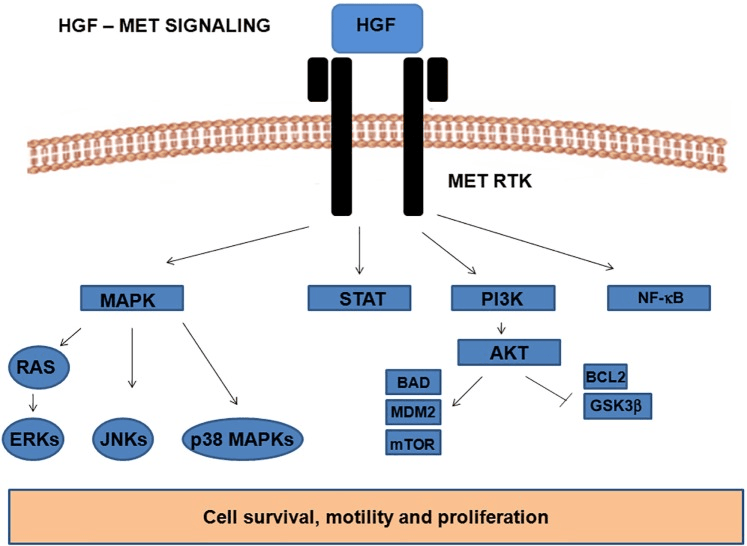
According to Blagosklonny’s diary, a MET ex14 mutation was found in his non-small cell lung cancer genes, and the activation of MET and its downstream signaling caused by this mutation promoted the progression of the lung cancer. As shown in Figure [2], the overactivation of the MAPK and PI3K pathways, which lie downstream of MET, promotes tumor growth.
This was confirmed after he took the oral MET inhibitor (capmatinib): following oral administration of the MET inhibitor, Blagosklonny’s primary tumor and brain metastases achieved partial regression. Although 3 months later, a bunch of mutations (CDK4, FDGFR, FGFR) were detected again from his primary lesion—obviously, the tumor rapidly developed resistance as expected, which is clearly much shorter than the 10.6-month progression-free survival seen in other similar treatment-naive populations [3].
The MET gene encodes the c-Met protein located on the cell membrane. Similar to c-Met, integrins are also transmembrane receptors on the cell surface. Integrins are overexpressed in a variety of tumors, and their high expression is associated with poor prognosis in cancer patients, including ovarian cancer [4], lymphoma [5], and lung cancer [6].
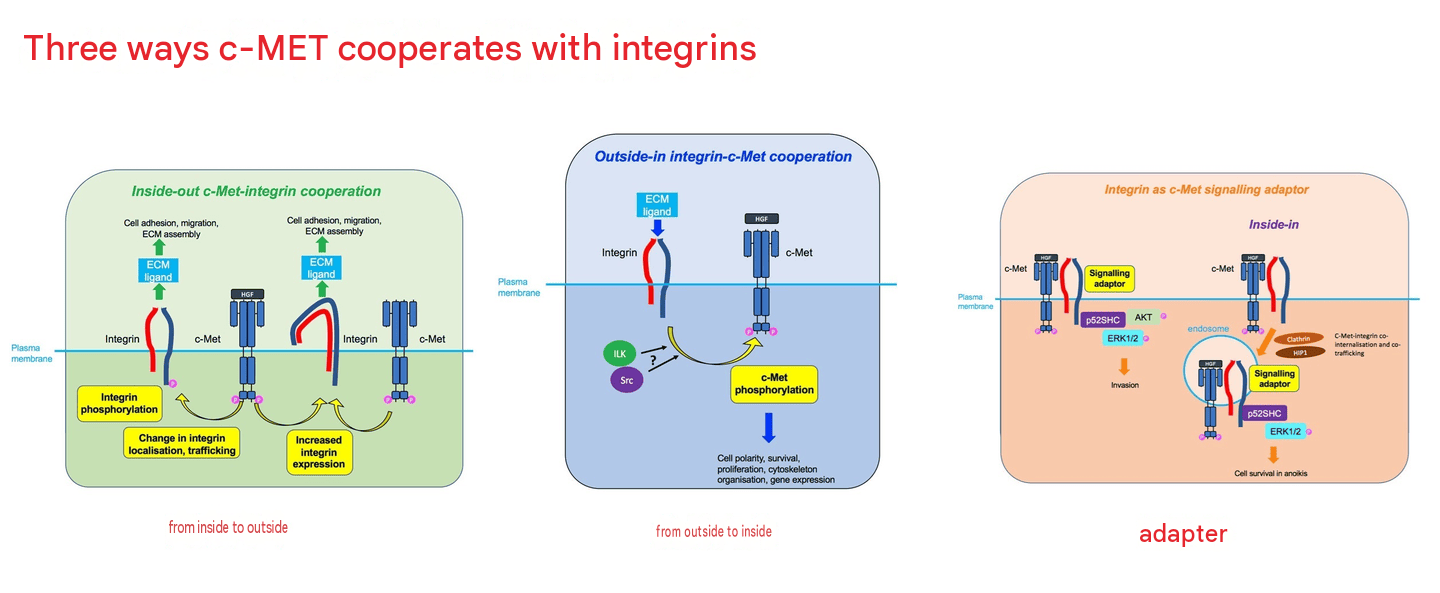
c-Met and integrins cooperate in three ways to promote tumor growth and migration, including inside-out, outside-in, and adapter modes [7].
Among them, in the adapter mode, c-Met can directly bind to integrins and promote downstream signal transduction. The complex formed by c-Met and integrins, as a form of adapter mode, plays an important role in tumor growth and invasion.
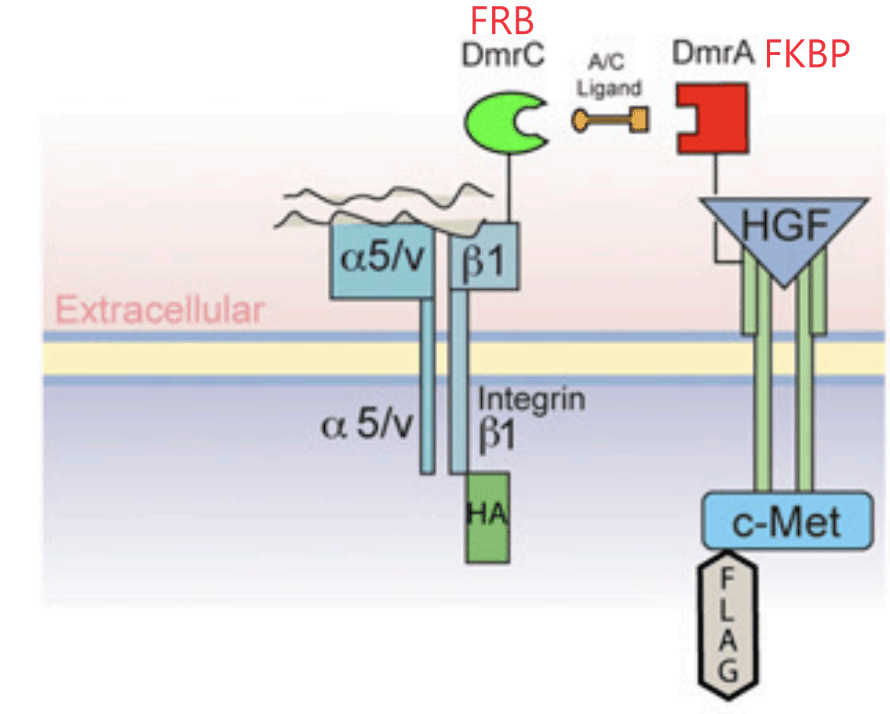
Meanwhile, research [8] has found that AP21967, a rapamycin derivative, can link c-Met with integrin β1 to form a c-Met-β1 complex, promoting the invasion of breast cancer and glioblastoma.
Specifically, AP21967 connects the FRB domain of integrin β1 at one end and the FKBP domain of c-Met at the other end, thereby forming a complex between integrin β1 and c-Met.
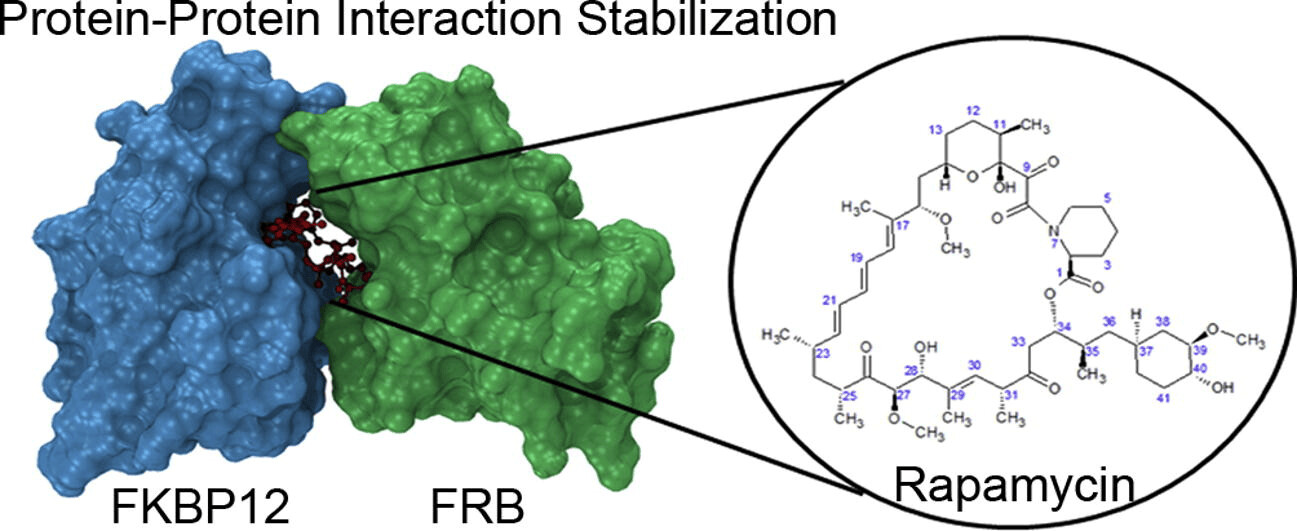
If rapamycin derivatives can do this, what about rapamycin itself? As can be clearly seen from Figure [9], rapamycin can likewise seamlessly and intimately connect with FKBP or FRB.
What, then, are the consequences of this intimate connection? Research [8] found that compared to primary and gastric metastases, brain metastases are enriched with a large amount of c-Met-β1 complexes. Meanwhile, injecting MDA-MB-231 cells pretreated with a rapamycin derivative into the tail vein of mice resulted in the observation of numerous c-Met-β1 complexes in the lungs, indicating that the rapamycin derivative promoted cancer cell metastasis.
On the other hand, researchers found that the inhibition of vascular endothelial growth factor (VEGF) can lead to a weakened binding capacity between VEGF and the VEGFR2 receptor, thereby prompting VEGFR2 to release c-Met and integrin β1, which increases the opportunity for them to form a complex. This indicates that inhibiting VEGF can promote the formation of the c-Met-β1 complex, thereby driving cancer cell metastasis. To make matters worse, rapamycin happens to be a VEGF inhibitor [10].
At this point, the network of relationships among rapamycin, MET mutation, brain metastasis, and recurrence within two months becomes crystal clear: MET mutations inherently involve massive MET activation, and rapamycin directly and vigorously promotes the extensive binding of MET with integrin β1 through both direct and indirect mechanisms, thereby strongly driving tumor brain metastasis and accelerating recurrence.
Of course, Blagosklonny, being infatuated with rapamycin, will undoubtedly subconsciously resent these “heretical theories.” Let us look forward to him completing his remaining eight monumental works before his next brain metastasis.
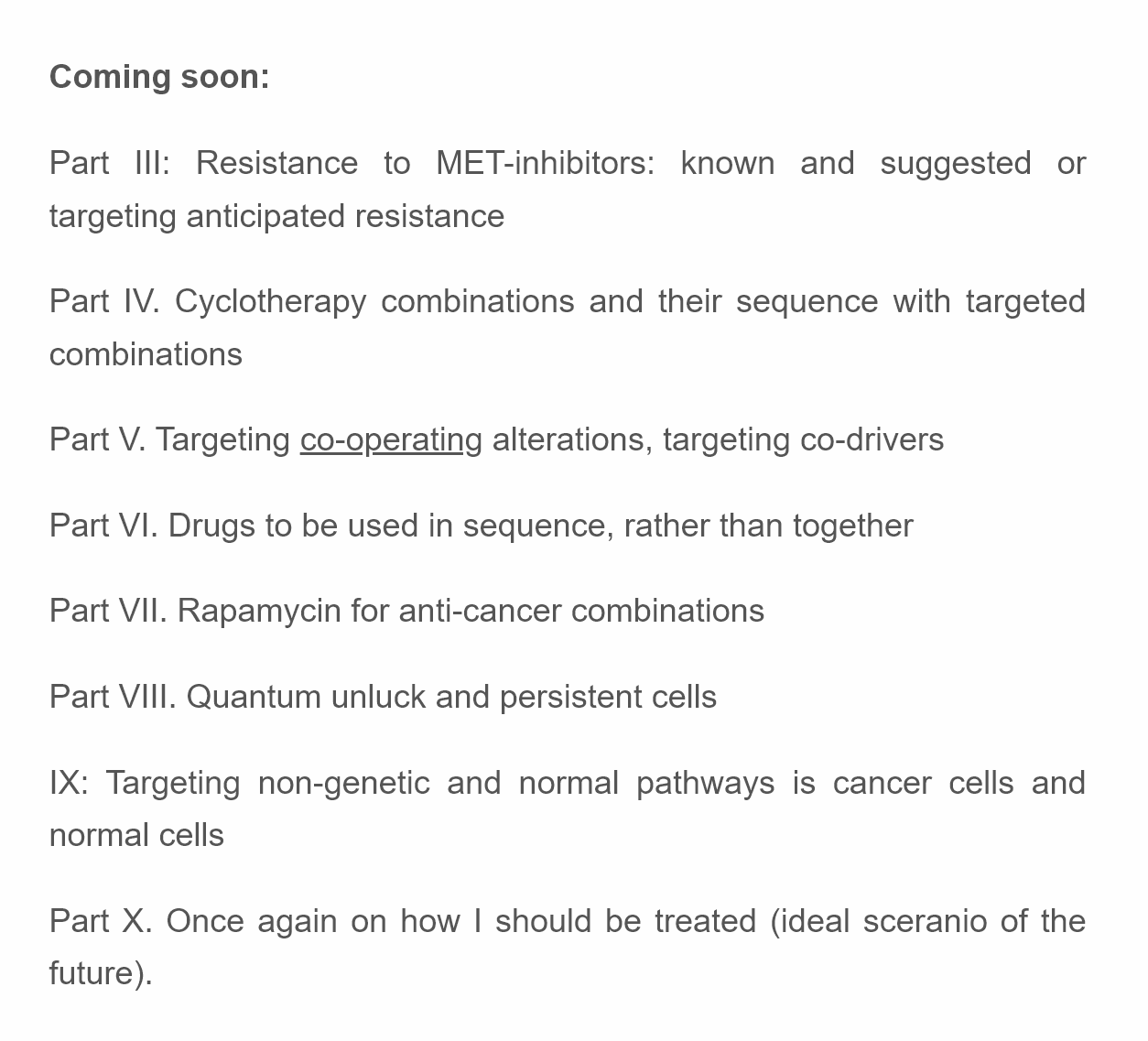
Blagosklonny scheduled “The Rapamycin Anti-Cancer Regimen” as far away as Part 7.
[1] https://www.mikhailblagosklonny.com/blog/my-battle-with-cancer/
[2] Garajová I, Giovannetti E, Biasco G, Peters GJ. c-Met as a Target for Personalized Therapy. Transl Oncogenomics. 2015 Nov 23;7(Suppl 1):13-31. doi: 10.4137/TOG.S30534. PMID: 26628860; PMCID: PMC4659440.
[3] Illini O, Fabikan H, Swalduz A, Vikström A, Krenbek D, Schumacher M, Dudnik E, Studnicka M, Öhman R, Wurm R, Wannesson L, Peled N, Kian W, Bar J, Daher S, Addeo A, Rotem O, Pall G, Zer A, Saad A, Cufer T, Sorotsky HG, Hashemi SMS, Mohorcic K, Stoff R, Rovitsky Y, Keren-Rosenberg S, Winder T, Weinlinger C, Valipour A, Hochmair MJ. Real-world experience with capmatinib in MET exon 14-mutated non-small cell lung cancer (RECAP): a retrospective analysis from an early access program. Ther Adv Med Oncol. 2022 Jun 13;14:17588359221103206. doi: 10.1177/17588359221103206. PMID: 35720834; PMCID: PMC9201318.
[4] Sawada K, Mitra AK, Radjabi AR, Bhaskar V, Kistner EO, Tretiakova M, Jagadeeswaran S, Montag A, Becker A, Kenny HA, Peter ME, Ramakrishnan V, Yamada SD, Lengyel E. Loss of E-cadherin promotes ovarian cancer metastasis via alpha 5-integrin, which is a therapeutic target. Cancer Res. 2008 Apr 1;68(7):2329-39. doi: 10.1158/0008-5472.CAN-07-5167. PMID: 18381440; PMCID: PMC2665934.
[5] Tjin EP, Groen RW, Vogelzang I, Derksen PW, Klok MD, Meijer HP, van Eeden S, Pals ST, Spaargaren M. Functional analysis of HGF/MET signaling and aberrant HGF-activator expression in diffuse large B-cell lymphoma. Blood. 2006 Jan 15;107(2):760-8. doi: 10.1182/blood-2005-05-1929. Epub 2005 Sep 27. PMID: 16189274.
[6] Dingemans AM, van den Boogaart V, Vosse BA, van Suylen RJ, Griffioen AW, Thijssen VL. Integrin expression profiling identifies integrin alpha5 and beta1 as prognostic factors in early stage non-small cell lung cancer. Mol Cancer. 2010 Jun 17;9:152. doi: 10.1186/1476-4598-9-152. PMID: 20565758; PMCID: PMC2895598.
[7] Stanislovas J, Kermorgant S. c-Met-integrin cooperation: Mechanisms, tumorigenic effects, and therapeutic relevance. Front Cell Dev Biol. 2022 Oct 14;10:994528. doi: 10.3389/fcell.2022.994528. PMID: 36330337; PMCID: PMC9624249.
[8] Jahangiri A, Nguyen A, Chandra A, Sidorov MK, Yagnik G, Rick J, Han SW, Chen W, Flanigan PM, Schneidman-Duhovny D, Mascharak S, De Lay M, Imber B, Park CC, Matsumoto K, Lu K, Bergers G, Sali A, Weiss WA, Aghi MK. Cross-activating c-Met/β1 integrin complex drives metastasis and invasive resistance in cancer. Proc Natl Acad Sci U S A. 2017 Oct 10;114(41):E8685-E8694. doi: 10.1073/pnas.1701821114. Epub 2017 Sep 26. PMID: 28973887; PMCID: PMC5642678.
[9] Chaurasia, S., Pieraccini, S., De Gonda, R., Conti, S., & Sironi, M. (2013). Molecular insights into the stabilization of protein–protein interactions with small molecule: The FKBP12–rapamycin–FRB case study. Chemical Physics Letters, 587, 68-74.
[10] Frost P, Berlanger E, Mysore V, Hoang B, Shi Y, Gera J, Lichtenstein A. Mammalian target of rapamycin inhibitors induce tumor cell apoptosis in vivo primarily by inhibiting VEGF expression and angiogenesis. J Oncol. 2013;2013:897025. doi: 10.1155/2013/897025. Epub 2013 Feb 28. PMID: 23533410; PMCID: PMC3603547.
The issue as Peter Attia and Matt Kaeberlein state is… once you actually have cancer…cells are no longer acting correctly, so medication and diets that are preventative, no longer work in the same way once cancer is active.
I use rapamycin as a preventative, as I do not have either cancer or alzheimers. To expect the same medications to work as treatment once cancers or alzheimers is detected is not an equal protocol.
Honestly, these articles are heavy on molecular biology. I think @John_Hemming , who really knows this stuff, might be interested in these molecular mechanism studies.
@man_li seems to be hunting down all criticism of rapamycin without first having checked whether this has been discussed on the forum as yet. I am not inclined to read the posts as as far as I can tell they have all been dealt with before.
I’m not very familiar with the link between sirolimus and cancer. I’ve only come across related info in the sirolimus Drug Label Information.
https://dailymed.nlm.nih.gov/dailymed/drugInfo.cfm
5.1 Increased Susceptibility to Infection and the Possible Development of Lymphoma
Increased susceptibility to infection and the possible development of lymphoma and other malignancies, particularly of the skin, may result from immunosuppression. The rates of lymphoma/lymphoproliferative disease observed in Studies 1 and 2 were 0.7–3.2% (for sirolimus -treated patients) versus 0.6–0.8% (azathioprine and placebo control) [see [Adverse Reactions (6.1)] and [(6.2)]
Agetron has it. Cancer prevention vs administration once cancer is established. Second issue: dose makes the poison. We know that high dose rapamycin works as intended: immune suppresion - result… cancer proliferation. Meanwhile low/apt dose results in fewer cancers (studies in patients, esp. non-melanoma).
And they cite mice studies. That’s rich - special strains under chemical insult pressure, knockout mice etc. - well, you can always find a mouse to prove anything. Instead, look to very heterogenous mice strains in the ITP and countless other studies - life extension and no excess cancers.
Sorry, but this is weak sauce. I could go through all these studies, but there’s not much point. I don’t think they show that rapamycin taken at dosage and protocol for life extension by biohackers cause them to suffer from excess cancer.
I went through the other studies, but these here are not worth my writing extensive posts explaining their inapplicability. As an aside, the articles referencing Blagosklonny are in pretty poor taste, IMHO. YMMV.
EDIT: that said, I don’t want to discourage the OP, or anyone from finding results critical of rapamycin - quite the contrary, I always welcome criticism, no matter how harsh. I only ask that they be high enough quality to reward engaging with. I have no attachment to any drug or theory - it’s all about evidence and judgement for me.
The search yielded 2365 unique citations. Patient level data were available from 5876 patients from 21 randomized trials. Sirolimus was associated with a 40% reduction in the risk of malignancy (adjusted hazard ratio 0.60, 95% confidence interval 0.39 to 0.93) and a 56% reduction in the risk of non-melanoma skin cancer (0.44, 0.30 to 0.63) compared with controls. The most pronounced effect was seen in patients who converted to sirolimus from an established immunosuppressive regimen, resulting in a reduction in risk of malignancy (0.34, 0.28 to 0.41), non-melanoma skin cancer (0.32, 0.24 to 0.42), and other cancers (0.52, 0.38 to 0.69). Sirolimus was associated with an increased risk of death (1.43, 1.21 to 1.71) compared with controls.
I think this paper should settle this once and for all.
I looked through many other articles this author wrote in their column, including ones on rapamycin, metformin, SGLT2 inhibitors, intermittent fasting, and more, and almost all of them list how these things are harmful to health, which contradicts mainstream views. Like “Healthy people taking metformin actually end up getting diabetes. Metformin promotes cancer. Metformin causes neurodegenerative diseases such as Parkinson’s and dementia.”
I was shocked when I first read them. Now I feel that all these articles can indeed be ignored.
Metformin does raise fasting blood glucose. You can test this with a CGM. Also, I don’t quite remember, but I think there was a large diabetes prevention trial that also showed higher new-onset diabetes with metformin versus placebo in relatively healthy people, although it wasn’t statistically significant.
For the lowest quarter of risk of progression to diabetes, the metformin arm had a slightly higher risk of developing diabetes (9.6%) than did the control arm (8.3%). The hazard ratio was non-significant (1.07, 95% confidence interval 0.57 to 2.01).
These are the original articles, You can use google website translate. Good luck!
https://zhuanlan.zhihu.com/p/444514211
https://zhuanlan.zhihu.com/p/444501178
https://zhuanlan.zhihu.com/p/450135297
https://zhuanlan.zhihu.com/p/444513053
I’m still assessing these articles but to keep a point on the table of which we are all aware, saying, “I do not have cancer and therefore this does not apply” fails in the first arm of the proposition. I’m not certain is it possible for any of us to state that we do not “have” cancer. As we know, there can be a long, sometimes very long, period during which certain cancer cells are advancing yet not detectable but might be accelerable by suppressing some immune functions. “Passing” a serum-based cancer screening test might increase the probability of being correct but it is by no means a certainty with the current state of testing. This is more than theoretical to me. I know friends and family members who dropped through this diagnostic hole with cancers which, in retrospect, were advancing for many years. (I’m excluding PC from this discussion.)
If I was at all concerned about this (which I’m not), I’d probably rerun the analysis with a focus on a healthy user population, with the dosing levels that are typically used in longevity applications of rapamycin; e.g. 3mg to 10mg dosed once per week.
My Prompt:
Role: Oncologist. Task: Summarize the clinical and mammal evidence for and against rapamycin being a cancer-promoting agent. Provide links to research papers supporting each side of the argument. Critical Limitations: Be ruthless. Identify translational uncertainty, methodological weaknesses (e.g., low sample size, short duration), and effect-size uncertainty (e.g., wide confidence intervals, overestimation due to small sample sizes, or clinical insignificance despite statistical significance). State what data is missing.
[Reasoning Framework: Probabilistic & Bayesian]
- Acknowledge Uncertainty: Flag claims lacking consensus. Use hedging language (e.g., “strongly suggests,” “preliminary data”).
- Quantify Confidence: Append [Confidence: High/Medium/Low] to key assertions.
Output Constraints:- Use Markdown formatting.
- Avoid use of common AI writing techniques and approaches like use of the em dash, and random bolding of words in the body of the text.
- Do not use LaTeX, python code, or special characters that break simple text parsers or reveal formatting codes, etc…
• • Tone: Objective, critical, “Tell it like it is.” No hype.
(response below from Claude Opus 5 Paid)
The claim that rapamycin is a cancer-promoting agent is not supported by the bulk of clinical or mammalian data. The weight of randomized human evidence points the other way, toward a modest net reduction in incident malignancy, driven almost entirely by non-melanoma skin cancer in transplant recipients. But the evidence base is nearly useless for answering the question that actually matters to a healthy adult taking 5 to 7 mg weekly for longevity, and there is one credible, non-trivial preclinical signal of tumor-type-specific promotion that the field has largely ignored. [Confidence: Medium-High for the transplant population, Low for healthy humans]
The question also has to be split, because “cancer-promoting” conflates three separable claims:
The strongest single dataset is the individual-patient-data meta-analysis of 21 randomized trials in 5,876 kidney transplant recipients (Knoll et al., BMJ 2014):
Read this carefully rather than as a headline. The malignancy benefit is real but narrow: the confidence interval for “any malignancy” nearly touches 1.0, and the point estimate for non-skin cancers is 1.05 with an interval spanning a halving to a doubling. Translation: outside of keratinocyte carcinoma, this dataset cannot distinguish protection from harm. [Confidence: High that the non-skin estimate is uninformative]
The mortality signal is the more important finding and is frequently misread in longevity circles as a cancer signal. It is not. It coexists with reduced malignancy, which means the excess deaths were driven by something else, most plausibly cardiovascular, infectious and renal causes. I was not able to verify cause-specific mortality breakdowns in this session, and that gap matters.
Supporting randomized evidence in the same direction:
Temsirolimus and everolimus are approved antineoplastics. Temsirolimus improved overall survival versus interferon in poor-risk metastatic RCC (Hudes et al., NEJM 2007). A drug class that is itself cytostatic in multiple tumor types is an unlikely net promoter. This is a strong prior, not proof, because it says nothing about chronic low-dose exposure in a cancer-free host. [Confidence: High as a prior, Low as evidence for the longevity use case]
EXIST-1 final results: 111 tuberous sclerosis patients, median everolimus exposure 47.1 months, median age 9.5 years. No new malignancies or lymphomas reported. This is the longest continuous mTOR-inhibitor exposure dataset in a non-transplant population. It is uncontrolled for cancer endpoints, the cohort is young, and 111 patients over four years has essentially zero power to detect anything short of a large effect. [Confidence: Low as reassurance, but it is not nothing]
At doses far below transplant immunosuppression, TORC1 inhibition improved influenza vaccine response and reduced respiratory infections in older adults (Mannick et al., Sci Transl Med 2014; 2018). If low-dose intermittent dosing is immune-enhancing rather than immune-suppressing, the central mechanistic route to cancer promotion is weakened. This is the single most load-bearing argument for the longevity use case, and it rests on surrogate endpoints, not cancer outcomes. [Confidence: Medium]
The Rapamune prescribing information carries a boxed warning for immunosuppression, and reports lymphoma or lymphoproliferative disease in 0.7 to 3.2 percent of sirolimus-treated patients versus 0.6 to 0.8 percent of controls. That upper bound is a four-fold relative difference. It is a pooled label range across heterogeneous trials with no adjustment and no confidence intervals, so it cannot be treated as an effect estimate, but it is the clearest regulatory acknowledgment that mTOR inhibition is not exempt from the transplant lymphoma problem. [Confidence: Low-Medium that this reflects a true sirolimus-specific effect rather than background immunosuppression]
Bitto et al., eLife 2016 gave 20 to 21 month old C57BL/6JNia mice 8 mg/kg rapamycin daily for 90 days. In females:
This is a clean demonstration of tumor-spectrum shifting rather than uniform tumor suppression, with a lineage-specific increase. Female lifespan was not extended in this arm (P = 0.261), consistent with the lymphoma burden offsetting benefit. Male animals given the same protocol gained 60 percent in post-treatment life expectancy.
The caveats are severe: n of 12 to 16 per group with necropsy on a subset, a single inbred strain with high background lymphoma, a high injected dose that is not comparable to weekly oral 5 to 7 mg in humans, and the finding was not the study’s primary endpoint. It is a hypothesis-generating signal. It is also the most specific evidence on this question anyone has, and it has never been replicated with adequate power. [Confidence: Medium that the effect is real in this model, Low that it translates]
Every line of evidence above has a disqualifying flaw for the question as posed.
Population mismatch. Nearly all human data come from transplant recipients on multi-drug immunosuppression with baseline cancer rates several-fold above the general population. Extrapolating a protective HR from that population to a healthy 55-year-old is an extrapolation across a different risk mechanism, not a different risk level.
Comparator confounding. Sirolimus is almost never compared against no drug. It is compared against calcineurin inhibitors, which are themselves carcinogenic through nephrotoxic and immune pathways. A large share of the apparent benefit is plausibly cyclosporine or tacrolimus avoidance rather than rapamycin effect. This alone could account for the entire Knoll malignancy signal. [Confidence: Medium-High]
Endpoint contamination. The malignancy benefit in Knoll is carried by non-melanoma skin cancer, a keratinocyte disease with a specific UV and viral pathogenesis and near-zero mortality. Reporting it inside a composite “any malignancy” endpoint overstates the clinical importance by a wide margin. Statistical significance without clinical significance.
Attrition and analysis set. The 5-year TUMORAPA extension reported benefit in an on-protocol analysis with under 50 percent of patients reaching 5-year follow-up (trial appraisal), and the benefit was largely confined to patients switched after a single SCC. Differential dropout driven by sirolimus toxicity (serious adverse events 0.94 per patient versus 0.25) selects for tolerant patients and biases toward benefit. The 2-year randomized result had 120 patients total, 36 events. Underpowered, and small trials with statistically significant results systematically overestimate effect size.
Duration. Solid tumor latency is 10 to 30 years. The longest randomized exposures here are 2 to 5 years. No human study has run long enough to detect promotion of a slow tumor. This is a fatal limitation for both sides of the argument.
Dose and schedule non-comparability. Transplant sirolimus targets continuous trough levels. Longevity dosing is intermittent weekly with trough-free intervals designed to spare mTORC2. These are pharmacologically different interventions and the evidence does not transfer between them in either direction.
The PEARL problem. The only randomized trial in healthy adults (PEARL, Aging 2025) enrolled 125 with 114 completers over 48 weeks, missed its primary endpoint of visceral adiposity (P = 0.942), and discovered mid-trial that the compounded rapamycin had roughly one-third the bioavailability of the commercial product. It reported 1, 2 and 3 serious adverse events across arms. This study has no power to say anything about cancer and should not be cited as safety evidence for cancer endpoints. [Confidence: High]
Posterior judgment, stated as such rather than as fact:
For clinical counseling: the honest statement to a patient is that rapamycin is not known to cause cancer, shows a real but narrow protective signal against keratinocyte carcinoma in transplant recipients, carries an unexplained 43 percent all-cause mortality signal in that same population that has nothing to do with cancer and everything to do with why the drug is not used more widely, and has never been studied for cancer outcomes in anyone resembling a healthy adult. The absence of a demonstrated harm signal after decades of use is meaningful but is not equivalent to demonstrated safety, because no study has been designed to find it.
Sources:
One flag on sourcing: I was unable to retrieve the effect estimates from the SiLVER trial (Geissler et al., Transplantation 2016) or the heart transplant malignancy analysis (JACC 2019) during this session, so I have deliberately not quoted numbers from either. Both are worth pulling directly if you want the HCC recurrence angle, which is the one oncology setting where a prospective randomized cancer endpoint under sirolimus exists.
Gemini 3.1 Pro with Extended Thinking (paid), Response to the same prompt:
In clinical oncology and transplant medicine, systemic immunosuppression inherently increases the probability of secondary malignancies. Rapamycin (sirolimus) carries a class wide FDA warning for an increased risk of lymphomas and other malignancies due to immune suppression. Conversely, the molecular target of rapamycin (mTOR) is a central driver of cell growth and proliferation, making its inhibition a logical anti-tumor strategy. Our prior probability suggests a paradox: rapamycin may be mechanistically anti-neoplastic at the cellular level while being clinically pro-tumorigenic via systemic immune evasion.
The argument that rapamycin promotes cancer relies on two distinct mechanisms: systemic immune suppression allowing for malignant escape, and intracellular feedback loops that paradoxically hyperactivate pro-survival pathways.
Prolonged mTOR inhibition can expand regulatory T cells (Tregs) and suppress cytotoxic CD8+ T cells. In certain murine models, this immunosuppression creates a permissive microenvironment for tumor metastasis. A study by Lin et al. (2015) in PLOS ONE demonstrated that continuous rapamycin administration promoted the metastasis of 4T1 mammary carcinoma cells in mice, an effect mediated by immune suppression rather than direct cellular action [Confidence: Medium].
Source: Rapamycin Promotes Mouse 4T1 Tumor Metastasis
Inhibition of mTORC1 by rapamycin removes a critical negative feedback loop on insulin receptor substrate 1 (IRS-1). This loss of feedback results in the hyperactivation of upstream PI3K and AKT pathways. Elevated AKT phosphorylation promotes cell survival and frequently leads to clinical drug resistance in established solid tumors. This phenomenon limits the efficacy of rapalogs in oncology and theoretically accelerates the growth of certain established micrometastases [Confidence: High].
Source: Suppression of Feedback Loops Mediated by PI3K/mTOR
Methodological Weaknesses and Effect-Size Uncertainty:
The FDA black box warning for malignancy risk is largely extrapolated from historical transplant data that groups all immunosuppressants together. Furthermore, murine models demonstrating metastasis utilize daily, high dose exposure that completely ablates host immunity. This model has low translational validity for the intermittent dosing regimens currently proposed in geroprotective contexts. Clinical trials showing tumor progression on rapalogs often involve late stage, heavily mutated cancers where feedback loops are already dysregulated, severely limiting generalizability to primary cancer prevention.
The prevailing geroscience hypothesis posits that mTORC1 inhibition delays cellular senescence, reduces systemic inflammation, and deprives incipient tumors of the protein synthesis required for uncontrolled division.
Data from the National Institute on Aging Interventions Testing Program (ITP) consistently demonstrates that rapamycin extends median and maximal lifespan in genetically heterogeneous mice. Autopsy data reveals a profound delay in the onset of spontaneous cancers (such as lymphomas and sarcomas), which are the primary cause of death in these cohorts. Rapamycin acts as a robust chemopreventive agent in these mammalian models [Confidence: High].
Source: Rapamycin-mediated lifespan increase in mice
When renal transplant patients are converted from calcineurin inhibitors (cyclosporine or tacrolimus) to sirolimus, their overall risk of malignancy decreases significantly. A comprehensive meta-analysis by Knoll et al. (2014) in The BMJ reported an adjusted hazard ratio of 0.60 for malignancy risk following sirolimus use compared with controls. This protective effect was heavily driven by a massive reduction in non-melanoma skin cancers [Confidence: High].
Source: Effect of sirolimus on malignancy and survival after kidney transplantation
Methodological Weaknesses and Effect-Size Uncertainty:
The anti-cancer effect size in human transplant patients is drastically overestimated due to the control group. Calcineurin inhibitors are directly oncogenic because they disrupt DNA repair and promote TGF-beta signaling. The perceived protective effect of sirolimus is largely the result of removing a potent carcinogen rather than sirolimus curing cancer. Additionally, when non-melanoma skin cancers are excluded from meta-analyses, the reduction in solid organ malignancies frequently loses statistical significance. A 2015 meta-analysis in Cancer Medicine reported an incidence rate ratio of 1.06 for other cancers, rendering the systemic anti-cancer benefit clinically insignificant outside of dermatology.
Source: Sirolimus effects on cancer incidence after kidney transplantation
Regarding the ITP mouse data, these rodents are housed in specific pathogen free environments. They are not exposed to oncogenic viruses (like Epstein-Barr Virus or Human Papillomavirus), meaning the true immunosuppressive risk of rapamycin in a natural, pathogen rich human environment remains untested.
To update our posterior probability, we must acknowledge severe gaps in the current literature. We currently lack:
Pharmacokinetic cancer trials for intermittent dosing: All human outcome data relies on daily, trough guided immunosuppressive dosing. There are zero longitudinal human trials measuring cancer incidence using the weekly, pulsed dosing regimens hypothesized to avoid Treg expansion and insulin resistance.
Viral oncogenesis data in healthy subjects: We do not know if mild mTOR inhibition in healthy older adults increases the incidence of virally driven malignancies in the long term. Preliminary data suggests immunomodulation, but concrete epidemiological data is missing.
Biomarkers of PI3K/AKT hyperactivation: We lack non-invasive biomarkers to identify which patients will experience dangerous AKT hyperactivation upon mTORC1 inhibition, making it impossible to stratify patients who might face paradoxical tumor acceleration.
Based on the available evidence, it is highly probable that rapamycin is fundamentally cytostatic and chemopreventive at the initiation phase of carcinogenesis. The evidence strongly suggests it delays spontaneous tumorigenesis in mammals. However, the claim that it is universally anti-cancer is clinically naive. In the presence of established solid tumors, or under continuous daily dosing that permits viral escape via immunosuppression, rapamycin can facilitate tumor progression and metastasis. The compound is an environmental modulator of cancer risk, not a panacea and not a direct carcinogen [Confidence: High].
AWWW, c’mon, John. I’m a newbie… 
Then spend a bit of time reading the forum.
Kidney transplant patients taking high dose rapamycin long-term have shown no increase in overall cancer incidence. If at all, data shows reduced incidence of some cancers. So while, the points raised are all relevant, there may be other activities that override them or rather the benefits overweigh the negative impact of the activation of these pathways
"Autophagy and AMPK activation have been hyped as benefits of rapamycin. However, a preclinical study published in 2021 [7] found that mTOR inhibition promotes the growth of non-small cell lung cancer by enhancing autophagy and AMPK activation. "
So does metformin. So, metformin promotes cancer?
So does exercise. Do they also promotes cancer? Activating autophagy and AMPK.
Even more - CALORIES are essentially needed for cell growth. Then, any meal makes cancer growth. Therefor promotes cancer.
Every intervention which rejuvenates cells, supports them, defends them from harm - are carcinogenic. Inside this logic.
(btw, AI completely agrees on my statements).
Went dance with a bear, drink vodka and eat burgers, and after all - get laid with a stranger without a condom. So long, suckers!