Rapamycin (sirolimus) is an immunosuppressant commonly used to prevent organ transplant rejection; however, in recent years, it has been hyped as an anti-aging supplement—merely based on results observed in some animal experiments and theoretical deductions of certain pathways.
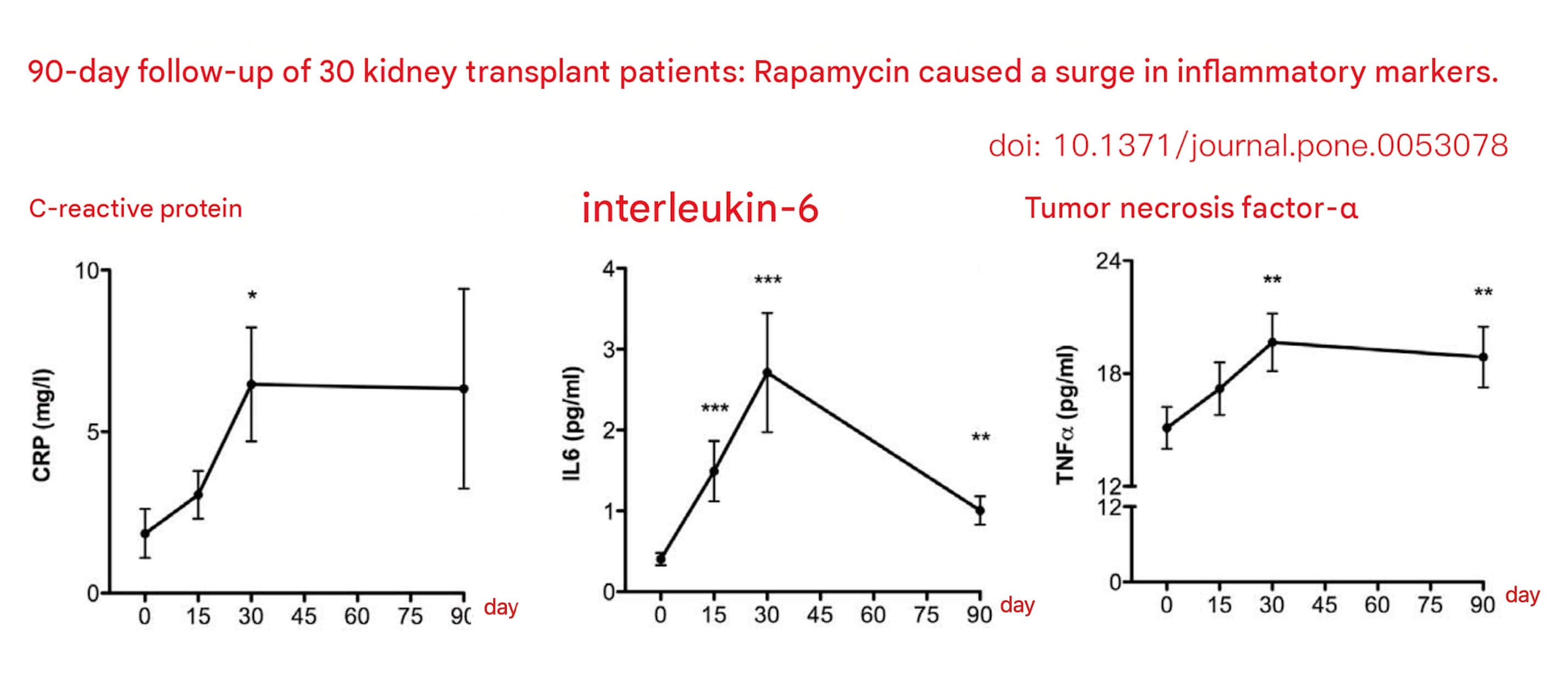
A 3-month follow-up of a multicenter clinical trial published in 2013 [1] (the SIRILYGRE study on sirolimus and inflammation), involving 30 kidney transplant recipients, revealed that when switching from calcineurin inhibitors (a class of immunosuppressants) to rapamycin (2 mg/day, targeting a trough concentration of 6–12 ng/mL), two-thirds of the patients developed at least one inflammatory symptom, most commonly mucosal and cutaneous lesions.
Furthermore, serum levels of IL-6 and TNF-α (two key inflammatory markers) peaked one month after starting rapamycin, with higher elevations correlating directly with more severe clinical inflammatory manifestations.
A significant safety concern associated with rapamycin is the frequent occurrence of inflammatory manifestations… The most characteristic inflammatory symptoms include stomatitis [2], inflammatory dermatoses [3], arthritis [3], colitis [4], and pneumonitis [5].
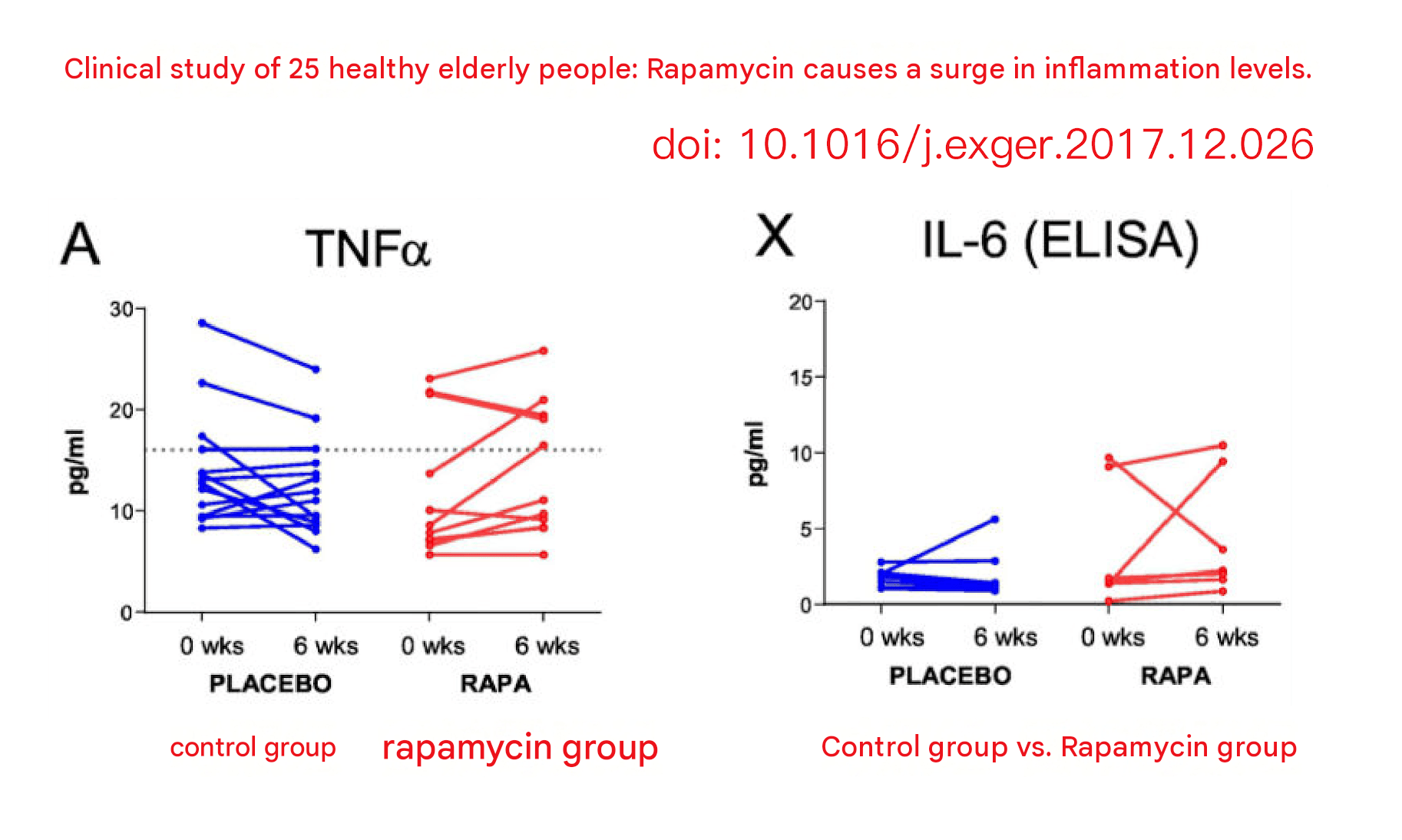
Some have suggested that it is unsurprising for these inflammatory reactions to occur in already frail or immunocompromised patients. However, a 2018 randomized clinical trial [6] involving 25 healthy older adults with no baseline chronic conditions found that after a 6-week intervention with rapamycin (1 mg/day, maintaining blood trough levels of 6.1–8.2 ng/mL), IL-6 and TNF-α levels surged (+264% for IL-6 and +16% for TNF-α), while IL-10 (an anti-inflammatory marker) decreased by 42%.
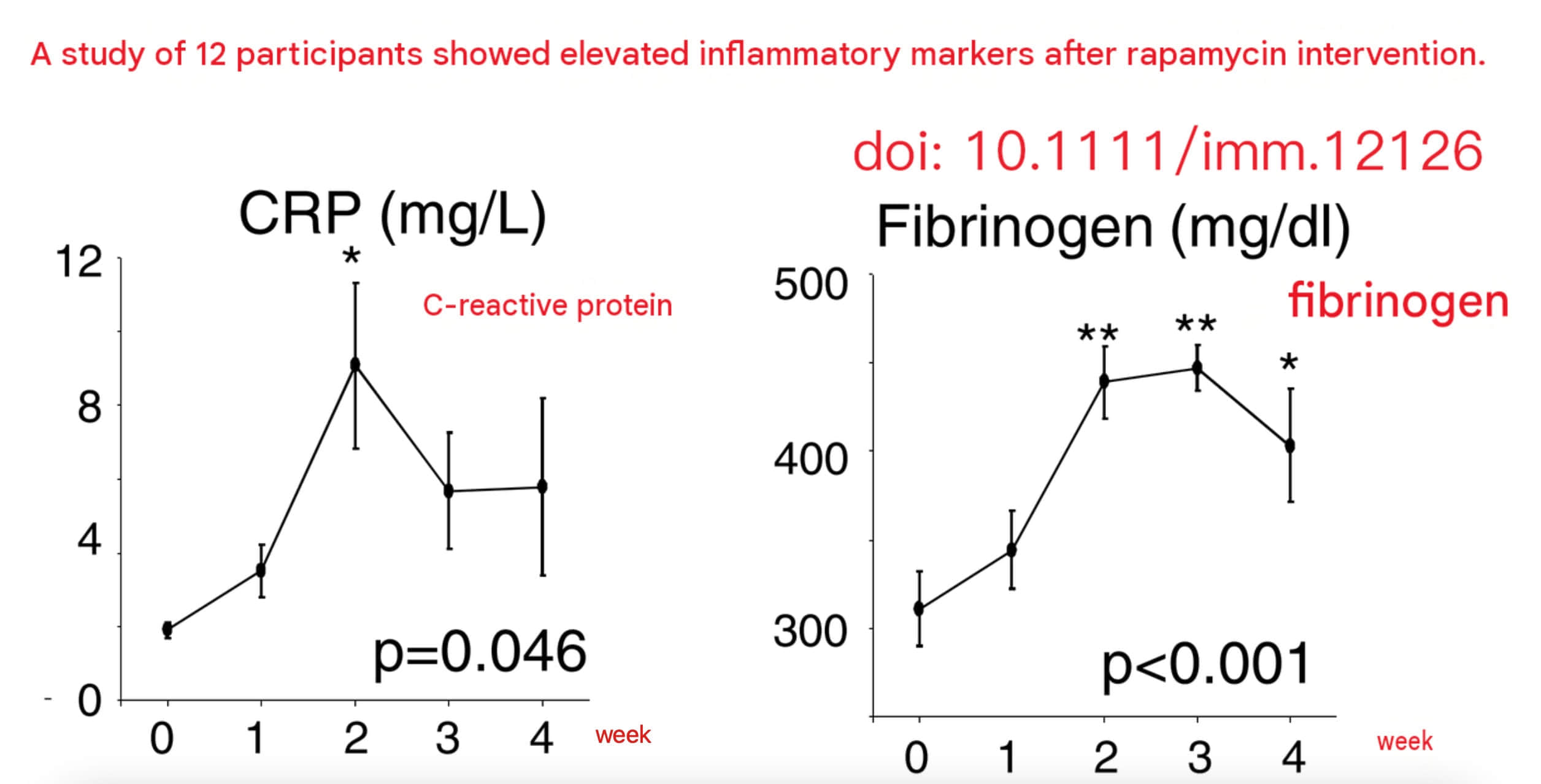
A 2013 study [7] involving 12 patients who received rapamycin prior to islet transplantation found that after 4 weeks of rapamycin intervention, these patients experienced significant increases in C-reactive protein (CRP) and fibrinogen levels.
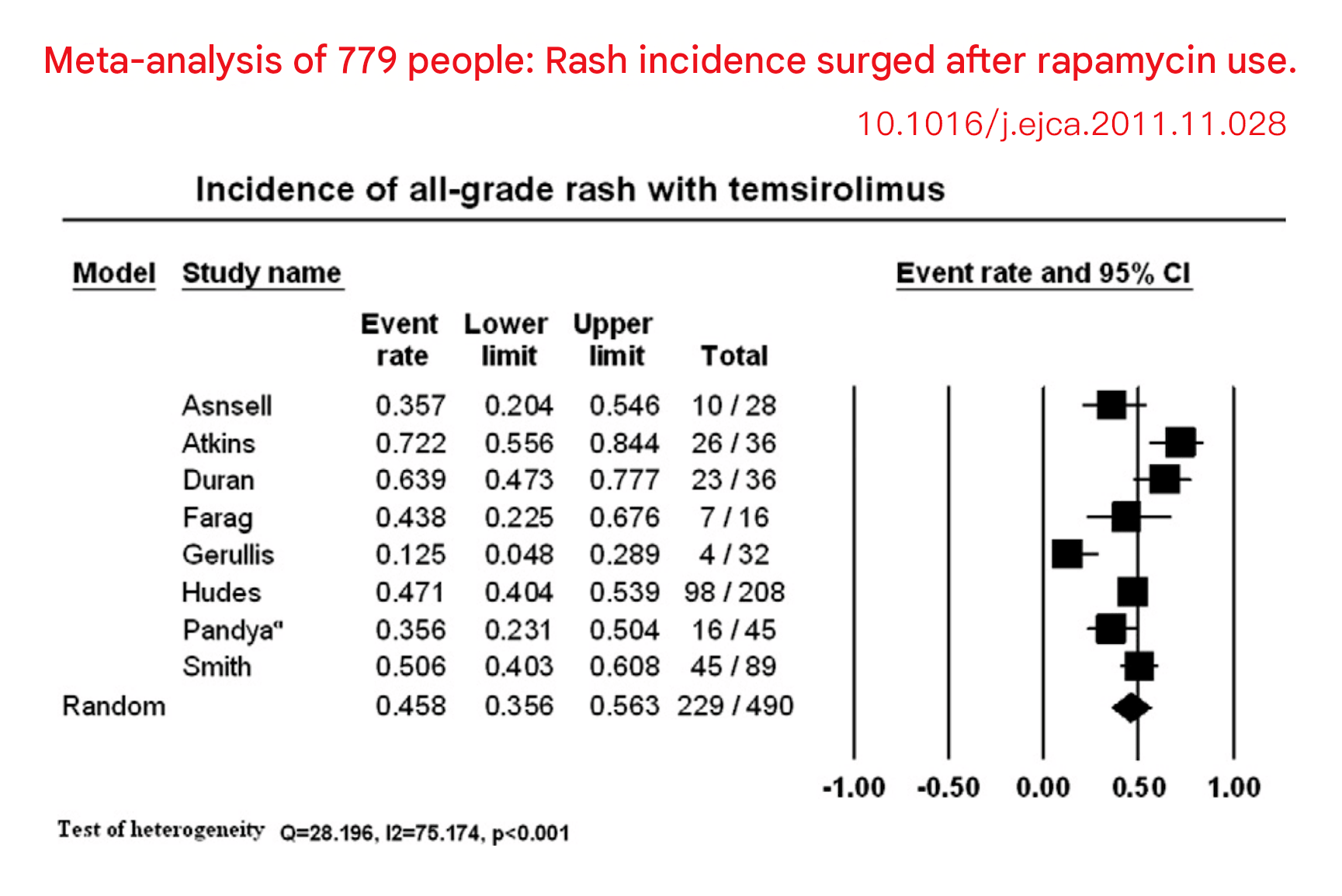
A meta-analysis [8] of 10 clinical trials involving 779 participants revealed that cancer patients receiving rapamycin treatment faced an increased risk of developing skin rashes and stomatitis, an effect that was independent of the cancer itself.
Pro-Inflammatory Mechanisms of Rapamycin
Rapamycin Promotes Inflammation via M1 Macrophage Polarization
Macrophage polarization is the process by which macrophages alter their function in response to different microenvironments. The two main functional phenotypes are M1 and M2: M1 macrophages primarily defend against pathogen infection, whereas M2 macrophages are chiefly responsible for tissue repair.
Study [7] revealed that rapamycin drives macrophage polarization toward the M1 phenotype, increasing the release of pro-inflammatory cytokines—IL-6, TNF-α, and IL-1β—while reducing the secretion of the anti-inflammatory cytokine IL-10. This suggests that rapamycin-induced systemic inflammation may be mediated by shifting macrophage polarization toward M1.
Rapamycin Promotes Inflammation via mTORC1 Inhibition
The direct primary mechanism of rapamycin is the inhibition of mTORC1. A study on C57BL/6 mice [9] showed that both rapamycin treatment and hepatocyte-specific mTORC1 inhibition led to elevated levels of IL-6 and STAT3 (a pro-oncogenic factor) along with a reduction in IL-10, exacerbating high-fat diet–induced liver injury. This indicates that rapamycin’s pro-inflammatory effects may be directly mediated by mTORC1 inhibition.
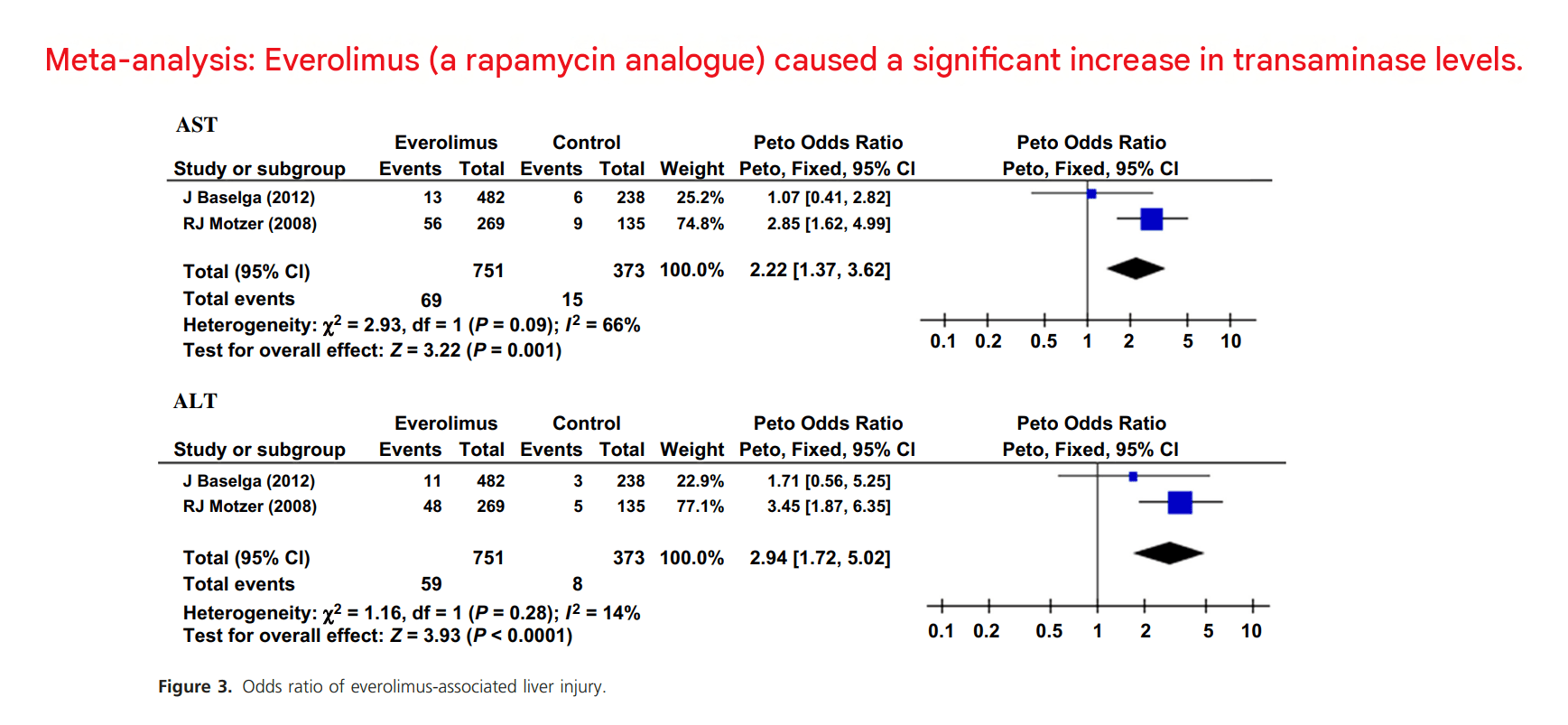
These findings align with a clinical study [10] on liver transplant recipients treated with everolimus (a rapamycin analog), where everolimus significantly increased patient mortality (5.3% in the everolimus group vs. 2.9% in the control group). Furthermore, a meta-analysis [11] of four clinical trials evaluating everolimus for hepatocellular carcinoma showed a substantial increase in transaminase levels during treatment, signaling a higher incidence of liver injury.
Appendix: Clinical Studies Related to Rapamycin and Inflammation
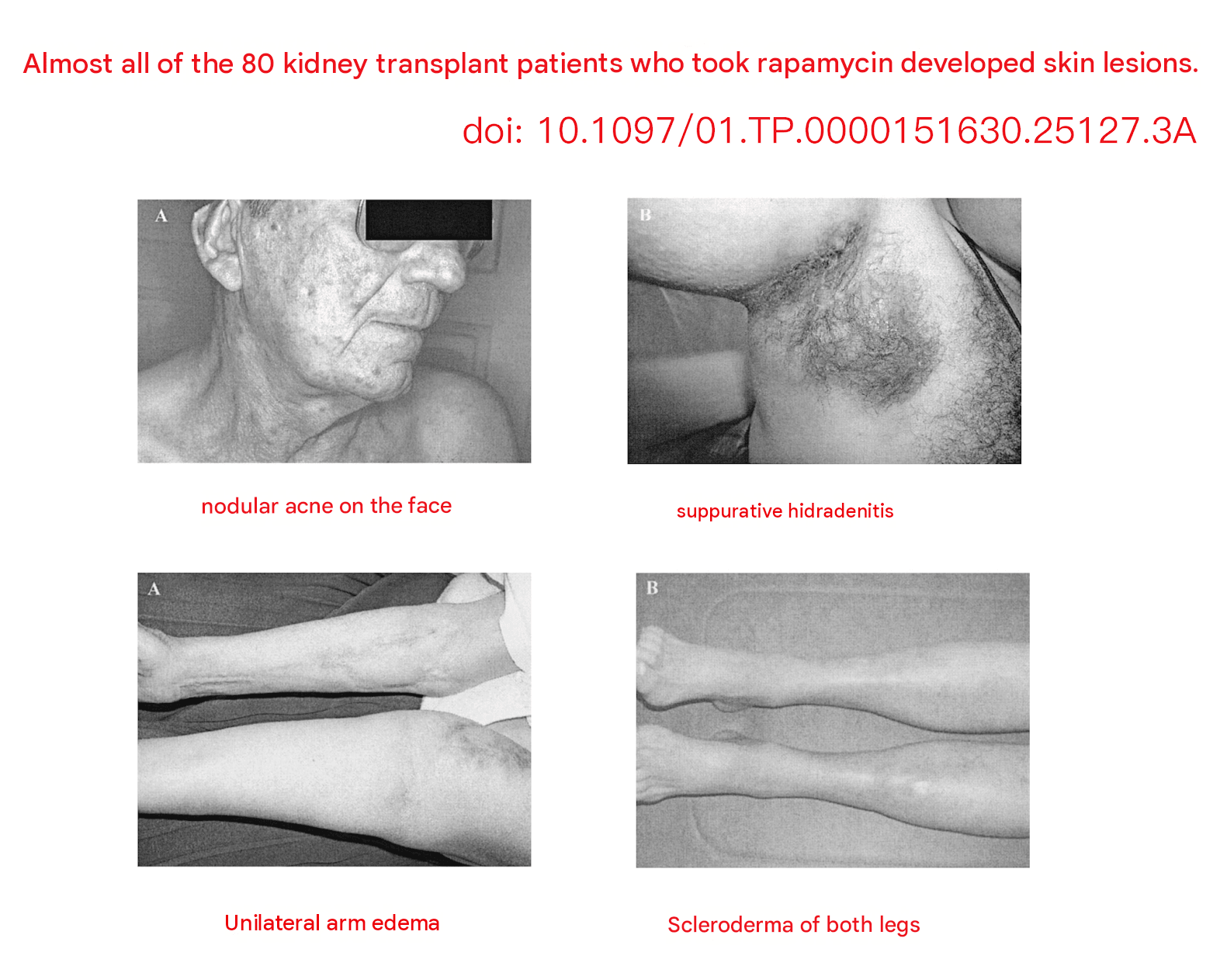
A 2005 study [2] involving 80 kidney transplant recipients treated with rapamycin for 18 months found that 79 patients (99%) developed dermatological adverse events after switching from other immunosuppressants to rapamycin. Severe adverse events occurred in 20 patients (25%), and 6 patients (7%) discontinued rapamycin within 3 months post-study due to skin-related events; all symptoms resolved upon discontinuation of rapamycin.
In this study, the most common skin lesions included:
Pilosebaceous Apparatus Inflammation: Including acneiform eruptions (46%), scalp folliculitis (26%), and hidradenitis suppurativa (12%).
Edema: Chronic edema (55%) and angioedema (15%).
Mucosal Disorders: Aphthous ulcers (60%), epistaxis (60%), chronic gingivitis (20%), and chronic cheilitis (11%).
Nail Disorders: Chronic nail disease (74%) and paronychia (16%).
A 2007 case report [3] documented that two patients with coronary heart disease developed urticarial skin rash, myalgia, and arthralgia 17–18 days after receiving rapamycin-eluting stents.
A 2005 case report [4] showed that 2 islet transplant recipients taking rapamycin developed symptomatic small bowel ulcers; these symptoms completely resolved following rapamycin discontinuation.
A 2006 study [5] involving 24 kidney transplant recipients found that after receiving rapamycin treatment, patients presented with clinical symptoms including cough (23 cases), fatigue (20 cases), fever (16 cases), and dyspnea (8 cases). Chest scans revealed reticular and ground-glass opacities (4 cases), bronchiolitis obliterans organizing pneumonia (19 cases), and lobar consolidation (1 case). Bronchoalveolar lavage fluid analysis demonstrated lymphocytic (19 cases) or eosinophilic alveolitis (3 cases), or pulmonary hemorrhage (2 cases). All symptoms completely disappeared 6 months after rapamycin was discontinued.
Reference:
[1] Buron F, Malvezzi P, Villar E, Chauvet C, Janbon B, Denis L, Brunet M, Daoud S, Cahen R, Pouteil-Noble C, Gagnieu MC, Bienvenu J, Bayle F, Morelon E, Thaunat O. Profiling sirolimus-induced inflammatory syndrome: a prospective tricentric observational study. PLoS One. 2013;8(1):e53078. doi: 10.1371/journal.pone.0053078. Epub 2013 Jan 7. PMID: 23308138; PMCID: PMC3538748.
[2] Mahé E, Morelon E, Lechaton S, Sang KH, Mansouri R, Ducasse MF, Mamzer-Bruneel MF, de Prost Y, Kreis H, Bodemer C. Cutaneous adverse events in renal transplant recipients receiving sirolimus-based therapy. Transplantation. 2005 Feb 27;79(4):476-82. doi: 10.1097/01.tp.0000151630.25127.3a. PMID: 15729175.
[3] Rana JS, Sheikh J. Serum sickness-like reactions after placement of sirolimus-eluting stents. Ann Allergy Asthma Immunol. 2007 Feb;98(2):201-2. doi: 10.1016/S1081-1206(10)60699-0. PMID: 17304893.
[4] Molinari M, Al-Saif F, Ryan EA, Lakey JR, Senior PA, Paty BW, Bigam DL, Kneteman NM, Shapiro AM. Sirolimus-induced ulceration of the small bowel in islet transplant recipients: report of two cases. Am J Transplant. 2005 Nov;5(11):2799-804. doi: 10.1111/j.1600-6143.2005.01082.x. PMID: 16212644.
[5] Champion L, Stern M, Israël-Biet D, Mamzer-Bruneel MF, Peraldi MN, Kreis H, Porcher R, Morelon E. Brief communication: sirolimus-associated pneumonitis: 24 cases in renal transplant recipients. Ann Intern Med. 2006 Apr 4;144(7):505-9. doi: 10.7326/0003-4819-144-7-200604040-00009. PMID: 16585664.
[6] Kraig E, Linehan LA, Liang H, Romo TQ, Liu Q, Wu Y, Benavides AD, Curiel TJ, Javors MA, Musi N, Chiodo L, Koek W, Gelfond JAL, Kellogg DL Jr. A randomized control trial to establish the feasibility and safety of rapamycin treatment in an older human cohort: Immunological, physical performance, and cognitive effects. Exp Gerontol. 2018 May;105:53-69. doi: 10.1016/j.exger.2017.12.026. Epub 2018 Feb 3. PMID: 29408453; PMCID: PMC5869166.
[7] Mercalli A, Calavita I, Dugnani E, Citro A, Cantarelli E, Nano R, Melzi R, Maffi P, Secchi A, Sordi V, Piemonti L. Rapamycin unbalances the polarization of human macrophages to M1. Immunology. 2013 Oct;140(2):179-90. doi: 10.1111/imm.12126. PMID: 23710834; PMCID: PMC3784164.
[8] Gomez-Fernandez C, Garden BC, Wu S, Feldman DR, Lacouture ME. The risk of skin rash and stomatitis with the mammalian target of rapamycin inhibitor temsirolimus: a systematic review of the literature and meta-analysis. Eur J Cancer. 2012 Feb;48(3):340-6. doi: 10.1016/j.ejca.2011.11.028. Epub 2011 Dec 27. PMID: 22206873.
[9] Umemura A, Park EJ, Taniguchi K, Lee JH, Shalapour S, Valasek MA, Aghajan M, Nakagawa H, Seki E, Hall MN, Karin M. Liver damage, inflammation, and enhanced tumorigenesis after persistent mTORC1 inhibition. Cell Metab. 2014 Jul 1;20(1):133-44. doi: 10.1016/j.cmet.2014.05.001. Epub 2014 Jun 5. PMID: 24910242; PMCID: PMC4079758.
[10] Novartis. Zortress (everolimus) tablets for oral use: US prescribing information. 2013. http://www.accessdata.fda.gov/drugsatfda_docs/label/2013/021560s006lbl.pdf
[11] Yamanaka K, Petrulionis M, Lin S, Gao C, Galli U, Richter S, Winkler S, Houben P, Schultze D, Hatano E, Schemmer P. Therapeutic potential and adverse events of everolimus for treatment of hepatocellular carcinoma - systematic review and meta-analysis. Cancer Med. 2013 Dec;2(6):862-71. doi: 10.1002/cam4.150. Epub 2013 Oct 22. PMID: 24403259; PMCID: PMC3892390.