Extreme age protects against cancer in Stanford University mouse study
Old laboratory mice develop substantially fewer and less-aggressive lung tumors than younger animals in a new study led by Stanford University researchers. The discovery flies in the face of established dogma that holds that cancer risk increases with age, but it dovetails with what’s seen in very elderly people, in whom cancer risk appears to either level off or even decline with age.
However, maybe very old mice die from other kinds of cancer at a faster rate. So, depending on the age of the mouse, different types of interventions might be needed to reduce the chance they get cancer – one intervention might work best when the mouse is middle-age, but utterly fail to prevent cancer in old age.
Discovery and characterization of antitumor gut microbiota from amphibians and reptiles: Ewingella americana as a novel therapeutic agent with dual cytotoxic and immunomodulatory properties
“E. americana , isolated from the Japanese tree frog Dryophytes japonicus , achieved exceptional therapeutic outcomes including complete tumor remission (CR) due to its robust and sustained anticancer efficacy.”
“The successful identification of E. americana as a potent, naturally occurring anticancer agent establishes a proof-of-concept for microbiome-derived bacterial therapeutics and provides a foundation for the development of a new class of cancer treatments. These discoveries may ultimately lead to transformative advances in precision oncology and offer new hope for patients with treatment-refractory cancers. Future research directions should focus on expanding bacterial discovery programs, optimizing therapeutic protocols, investigating combination therapies, and advancing promising candidates toward clinical translation to fully realize the therapeutic potential of microbiome-derived cancer therapeutics.”
I’d love to hear from the hivemind on my pancreas!
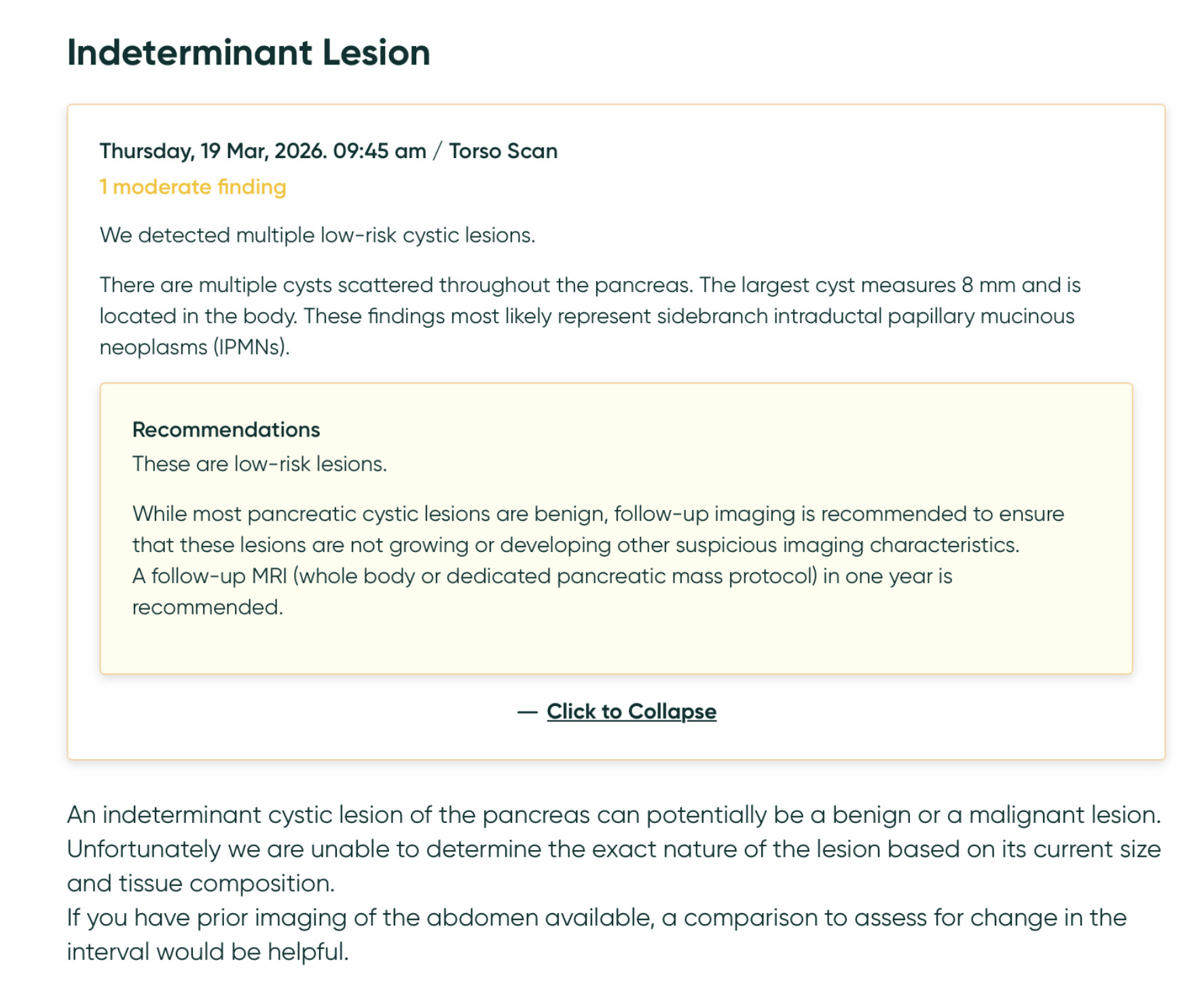
I had a Simon One MRI 1/25 and they found a 4mm cyst/nodule on my pancreas. Nothing suspicious about it. They just said get a ct scan in a year.
My doc felt another MRI would be fine because he is only looking for changes. My rationale for this was the MRI is a fraction of the cost (sad to say!) and can catch other things with zero radiation.
I had my follow up MRI with Prenuvo 3/26 and they said it’s now 8mm.
My doc is not worried in the least. I’m not too worried either, but I also know there are not many second changes to catch P cancer early, so I’m here to double check.
The person at Prenuvo said they would recommend a focused MRI on my pancreas simply due to the fact it doubled in size in a year, but not because it looks suspicious.
I also assume this is a CYA for them and it might cost me thousands for no reason. If it’s something I should do, of course I will!
Benign growths are benign - yes. Have you had a suggestion to consult with an oncologist, or has your doc suggested a biopsy? Obviously nobody wants to go on fishing expeditions. It can be a personal decision. Nonetheless it is well worth keeping an eye on the situation with frequent imaging.
No one has suggested an oncologist or a biopsy. At most, it would be a focused mri or ct scan to take a closer look. He doesn’t feel I need it, and he is most likely correct…
Having said that, my friend was telling him about stomach pain for months and it turned out to be stage 4 pancreatic cancer, so I’m a little edgy and just trying not to soley rely on one person’s advice… as smart as he is
“Although REDMOD outperformed experienced radiologists, the team notes that it still needs further testing in high risk patients, including those with unexplained weight loss and newly diagnosed diabetes, before it can be used widely in clinical settings.”
It’s not yet used to diagnose in clinical settings. I bet your doc “loves” you.
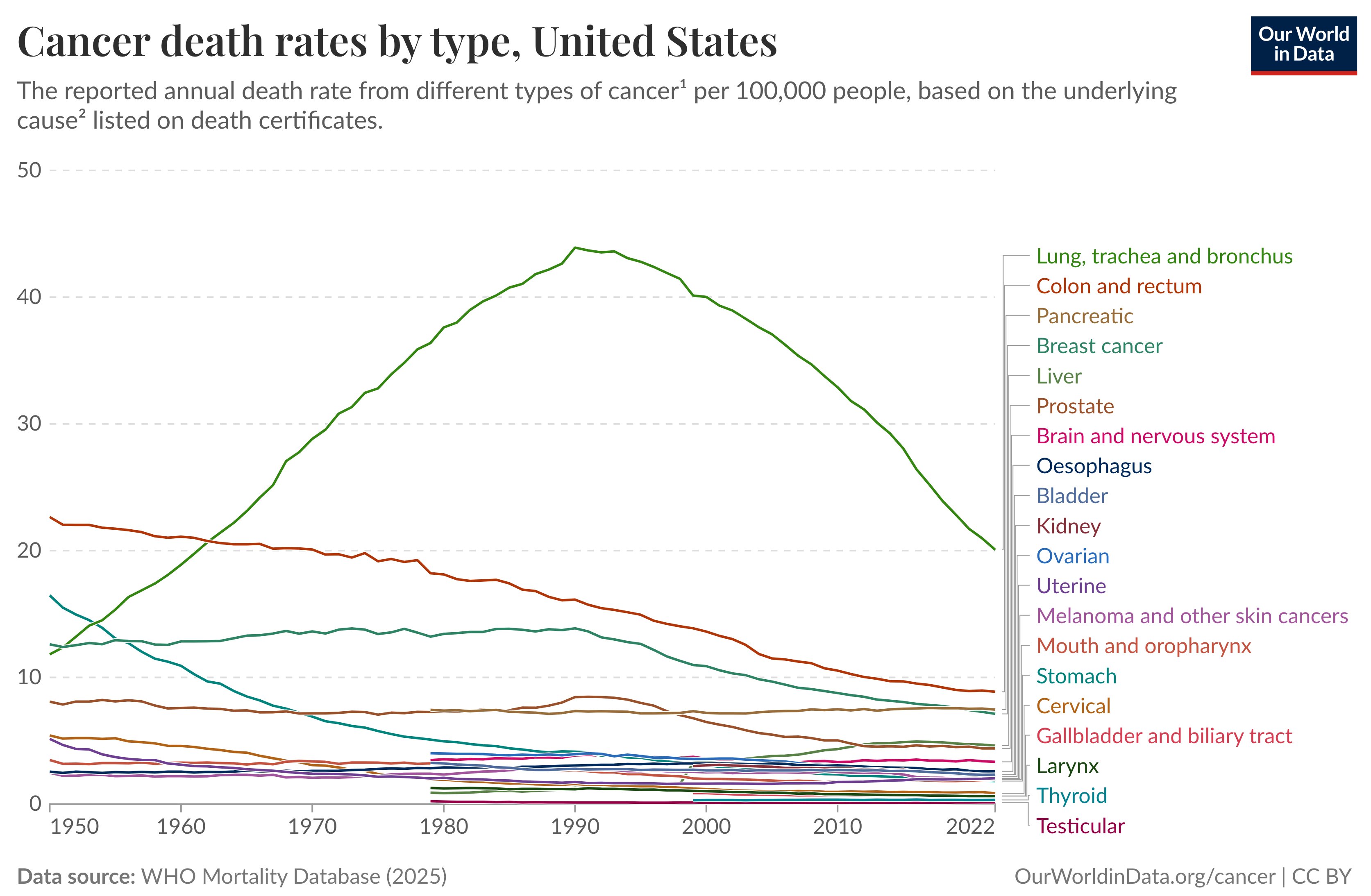
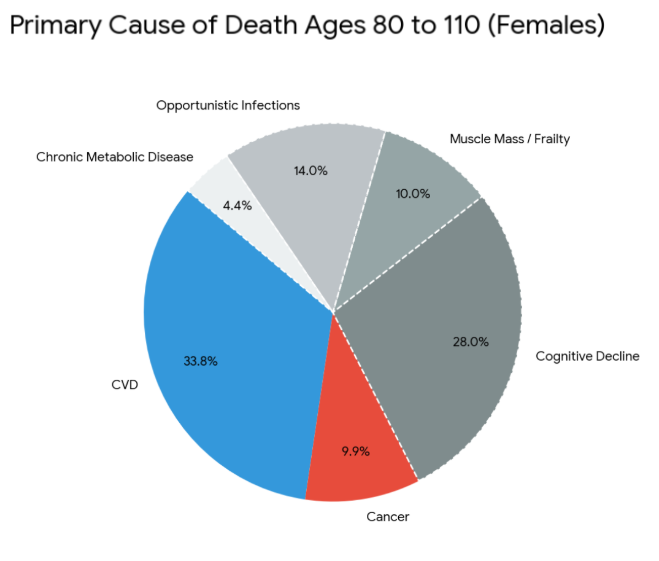
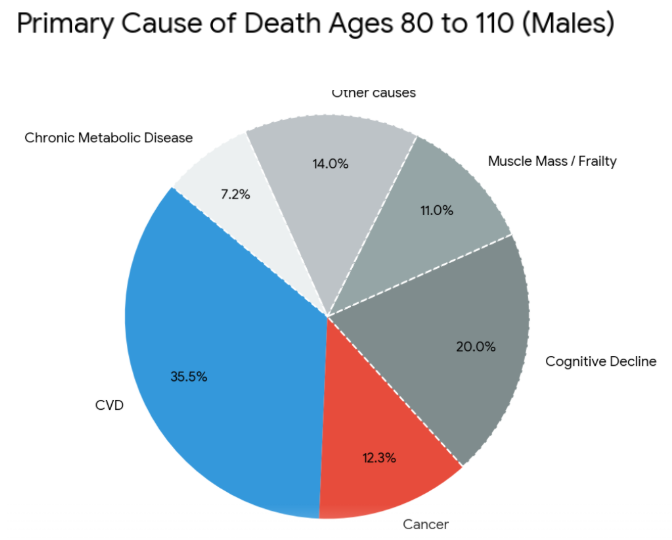
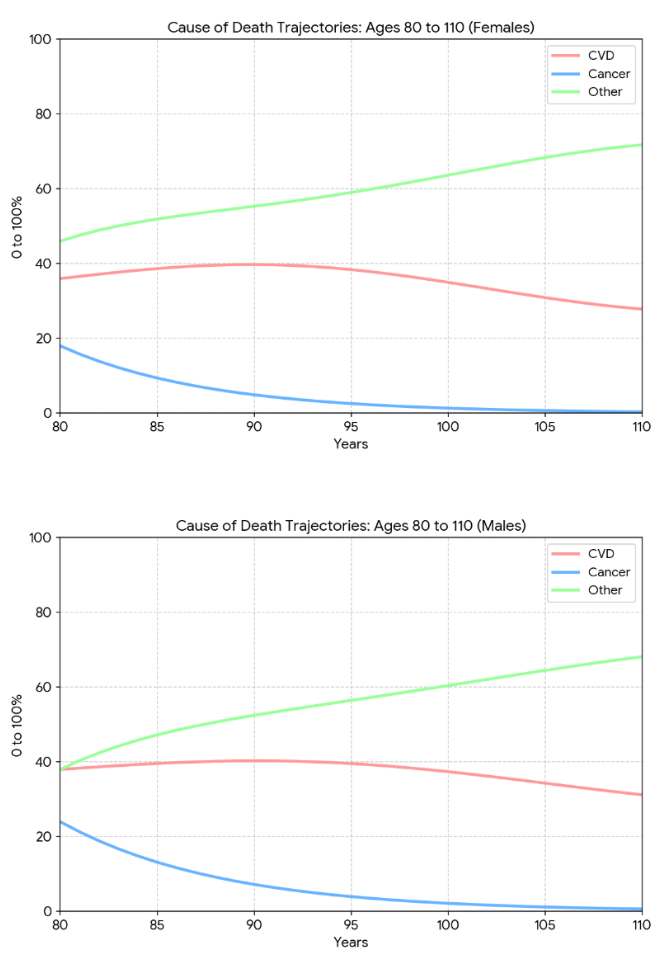
Some factoids from various AIs. I was a little surprised at some of the results. Of course, these figures will vary depending on the populations studied. These are for the USA. One reason I was surprised was because of a fairly common saying I used to hear from time to time: “We all get cancer if we live long enough.” That certainly isn’t the case. Also, I thought the risk of getting cancer increased as we got older. That certainly isn’t the case either.
While for ages 80-110 taken as a whole, CVD is the single largest cause of death in both sexes, but the answer is genuinely “Other” once you aggregate everything that isn’t CVD or cancer — Alzheimer’s, stroke, pneumonia, COPD, frailty/old age, falls, sepsis, and so on. In 2024 in the U.S., heart disease was the leading cause of death for those 80 and older, but its share shrinks dramatically as age advances. USAFacts
As an aggregate category, "Other Causes" becomes the largest sector over the entire 80–110 age span. This is because “Other” groups together dozens of distinct conditions that increase drastically with extreme age, including Alzheimer’s disease/dementia, respiratory infections (like pneumonia), chronic kidney disease, accidents (such as fatal falls), and frailty/senescence.
I find the trajectories very interesting, and they weren’t what I expected.