Physionic Podcast Videos and Summaries / Transcripts

He mentions how stearic acid can paralyze the immune system. It isn’t just in butter, though. One overlooked source is that it is in a fair number of nutritional supplements as an one listed in “other ingredients” (read the fine print). So, if you take a lot of them at once, you could be loading up your body with hundreds of milligrams or more of stearic acid. That would still be a low amount, overall probably; but I’d be careful and check how much is in supplements.

According to a Google search:

Nutritional supplements contain stearic acid primarily as a manufacturing lubricant and binder, most commonly in the form of magnesium stearate, to prevent ingredients from sticking to machinery and each other during production. It acts as a “flow agent” to ensure consistent and high-quality capsules and can also delay the breakdown of supplements in the stomach so they are absorbed in the correct part of the bowel.

3 Likes

Oh, one more thing about stearic acid (and magnesium stearate): have you ever bought supplement pills and tried to dissolve them in water, and found it doesn’t work, even though you know the supplement is supposed to be water soluble??

Often, it’s due to magnesium stearate that they add to the mix. And you can’t easily remove it! You’re better off buying the powder form, which usually doesn’t contain as many additives like that.

2 Likes

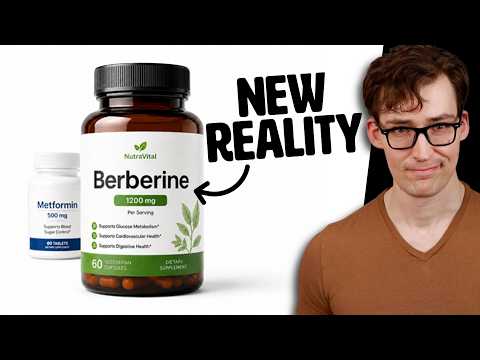
New video where he discusses the benefits of berberine against colon cancer and how it improves the gut microbiome:

https://youtu.be/jrys4Y8naW0

I had said before that I take it, myself, because of its gut health effects (not for the blood sugar-lowering effects).

1 Like

In which amounts do you take it for that purpose? I tried it out to lower FBG but at 1000 mg it lowered my appetite so much that I had to discontinue it. I may try and resume at 500 mg/d.
By the way, FBG lowered by simply eating by instinct (neurological demand), lowering protein and increasing carbs. But with an overall decrease in calories.

2 Likes

I take 500 mg in the morning and 500 mg in the early evening. Oops, it was 750 mg in the morning, and 750 mg in the early evening, not 500 mg like I wrote before. I don’t notice any change in appetite. The only obvious thing I notice is that it seems to sharpen my perception of red light – “colorfulness”, saturation, whatever you want to call it:

2 Likes

The Physionic guy now takes 40 grams per day of resistant starch, following mention of its effects on visceral fat by Carvalho (Nutrition Made Simple) and then also his own further research on its health-promoting effects.

Perhaps inulin and resistant starch synergize, with inulin maybe increasing butyrate-producing bacteria and then resistant starch supplying the fuel.

2 Likes

Executive Summary: Resistant Starch & Metabolic Hepatology

The provided transcript is a layman’s synthesis of recent high-impact clinical trials regarding Resistant Starch (RS) supplementation, specifically targeting Metabolic Dysfunction-Associated Steatotic Liver Disease (MASLD/NAFLD). The core data rests heavily on a landmark 2023 study published in Cell Metabolism (Ni et al.), which demonstrated that 40g/day of Type 2 Resistant Starch (High-Amylose Maize) significantly reduced intrahepatic triglyceride (IHTG) content and visceral adiposity over a 4-month period compared to placebo.

The biological mechanism is validated as microbiome-dependent. RS resists digestion in the small intestine, fermenting in the colon to produce Short-Chain Fatty Acids (SCFAs), specifically butyrate and acetate. This fermentation alters the gut microbiota composition—specifically reducing branched-chain amino acid (BCAA) producing bacteria (like Bacteroides stercoris)—which in turn downregulates hepatic lipogenesis and systemic inflammation.

While the speaker’s enthusiasm is supported by Level B (RCT) evidence, the translation to the general population requires nuance. The “300% improvement” metric is a relative risk reduction in a diseased cohort, not necessarily applicable to healthy phenotypes. Furthermore, the 40g/day dose is clinically significant and likely to induce substantial gastrointestinal distress (bloating, flatulence) without careful titration. The intervention is highly promising for liver fat reduction, but its efficacy as a standalone weight-loss tool for non-steatotic individuals remains less established.


Insight Bullets

  • Primary Indication: Efficacy is highest for reducing Intrahepatic Triglycerides (IHTG) in patients with MASLD/NAFLD; general weight loss effects are secondary to metabolic repair.
  • Dosing Threshold: The specific efficacy signal in cited literature (Ni et al., 2023) requires a high dose of 40g/day. Lower doses (e.g., <15g) act as prebiotic fiber but may not trigger the same lipolytic magnitude.
  • Mechanism of Action: Efficacy is not caloric restriction, but the fermentation of RS into SCFAs (butyrate/acetate) and the subsequent modulation of the Gut-Liver Axis.
  • BCAA Correlation: High circulating Branched-Chain Amino Acids (Valine, Leucine, Isoleucine) are biomarkers for insulin resistance; RS supplementation reduces plasma BCAAs by altering the microbiome profile.
  • Visceral vs. Subcutaneous: The protocol specifically targets visceral adipose tissue (VAT) and liver fat, with less impact on subcutaneous fat stores.
  • Fecal Transplant Validation: Human-to-mouse fecal microbiota transplantation (FMT) studies confirm the phenotype is transmissible, proving the microbiome is the causal vector, not the starch itself.
  • Responder Status: Efficacy varies based on baseline microbiome. “Low responders” likely lack specific RS-degrading commensals (e.g., Ruminococcus bromii or Bifidobacterium adolescentis).
  • Source Specificity: The primary trials utilized High-Amylose Maize Starch (HAMS). Green banana flour and raw potato starch are chemically similar (Type 2 RS) but have different granular structures and fermentation rates.
  • Thermal Degradation: Heating RS (e.g., cooking potato starch) destroys the crystalline structure, rendering it digestible (glycemic). It must be consumed raw or retrograded (cooked then cooled for 12-24 hours).
  • Adverse Events: High-dose RS is notorious for GI distress. The “titration strategy” (5g → 40g over weeks) is a mandatory clinical practice to prevent non-compliance.
  • Incretin Mimetics: RS fermentation stimulates L-cells in the gut to secrete GLP-1 and PYY, theoretically mimicking semaglutide mechanisms endogenously, albeit at much lower potency.
  • Lipid Droplet Dynamics: The reduction in liver fat manifests physically as a decrease in the size and number of lipid droplets within hepatocytes, mitigating lipotoxicity.

Adversarial Claims & Evidence Table

Search Query: Resistant starch NAFLD randomized controlled trial meta-analysis 2023 2024 / Ni et al Cell Metabolism resistant starch

Claim from Video Speaker’s Evidence Scientific Reality (Current Data) Evidence Grade Verdict
“Slashes liver fat… confirmed across several RCTs.” Cites Cell Metabolism & Nature Metabolism. Verified. A 2023 RCT (Ni et al.) showed ~5.89% absolute reduction in liver fat vs 1.0% in placebo. Meta-analyses confirm RS improves liver enzymes and steatosis. Level A/B (RCT & Meta-analyses) Strong Support
“300% increased elimination of visceral fat.” Graph comparison (Blue vs Red line). Contextual. In Ni et al., the RS group lost significantly more visceral fat than controls. The “300%” is relative math (e.g., -25cm² vs -5cm²). Absolute reduction is significant but “300%” is marketing language. Level B (Specific RCT) Plausible (In context)
“40g is the target dose.” References consistent use across studies. Accurate. The landmark trial used 40g/day. Lower doses (10-20g) show prebiotic benefit but may lack the “liver slashing” potency observed in the primary study. Level B Strong Support
“Resistant starches are never absorbed.” “Kick and scream… against being absorbed.” Mostly True. By definition, RS escapes small intestine digestion. However, fermentation products (SCFAs) are absorbed in the colon and provide ~2 kcal/g. Level A (Physiology) Strong Support
“Heating it is a no-go.” General advice on consumption. Nuanced. Heating Type 2 RS (raw potato/maize) destroys resistance (gelatinization). However, cooling it retrogrades it into Type 3 RS. The speaker is practically correct for powder supplements. Level A (Food Chemistry) Strong Support
“Microbes bully beneficial microbes out.” Explanation for “Low Responders.” Plausible mechanism. Dysbiosis (e.g., B. stercoris dominance) can prevent RS fermentation or favor methanogenesis over acetogenesis, blunting efficacy. Level C (Mechanistic) Plausible

Actionable Protocol (Prioritized)

1. High Confidence Tier (Clinical Efficacy)

Target: Individuals with elevated Liver Enzymes (ALT/AST), NAFLD/MASLD, or High Visceral Adiposity.

  • Compound: High-Amylose Maize Starch (Type 2 RS) or Green Banana Flour.

  • Dosage: Titrate to 40g/day.

  • Week 1: 5g daily (morning).

  • Week 2: 10g daily.

  • Week 3: 20g daily (split dose: 10g AM / 10g PM).

  • Week 4: 40g daily (split dose: 20g AM / 20g PM).

  • Administration: Mix into cold water, almond milk, or yogurt. DO NOT HEAT. Heating above 60°C (140°F) gelatinizes the starch, converting it into a rapid-absorbing glucose spike.

  • Duration: Minimum 4 months for liver fat mobilization.

2. Experimental Tier (General Health)

Target: Metabolic optimization, satiety, glycemic control.

  • Protocol: “Retrograde Cycling.”
  • Method: Cook potatoes, rice, or oats, then cool in the refrigerator for 12–24 hours. Eat cold or reheat gently (do not boil).
  • Yield: Increases RS content from <1% to ~3-5%.
  • Supplementation: 15-20g Raw Potato Starch (Bob’s Red Mill or similar) added to smoothies. Note: Raw potato starch is cheaper but settles/clumps rapidly in liquid.

3. Red Flag Zone (Safety & Inefficacy)

  • Contraindication: Patients with SIBO (Small Intestinal Bacterial Overgrowth) or IBS-D (Diarrhea-predominant). 40g of fermentable substrate can cause severe distension, pain, and worsening of dysbiosis in these populations.
  • Safety Data Absent: “Resistant Starch” cookies/crackers. Processed foods claiming RS content often lose efficacy due to thermal processing during manufacturing. Stick to raw powders or whole food retrogradation.

Technical Mechanism Breakdown

1. The Gut-Liver Axis & SCFA Production:
The primary mechanism is fermentation, not caloric restriction. RS reaches the cecum/colon intact, where specific phyla (Bacteroidetes, Firmicutes) ferment it into Short-Chain Fatty Acids (SCFAs): Acetate, Propionate, and Butyrate.

  • Butyrate: Acts as an HDAC inhibitor and binds to G-protein coupled receptors (GPR43/GPR41), improving gut barrier integrity (reducing LPS translocation).
  • Acetate: Crosses the blood-brain barrier to signal satiety and is a substrate for hepatic lipogenesis downregulation.

2. BCAA-Mitochondrial Interaction:
The Ni et al. (2023) study identified a specific correlation with Branched-Chain Amino Acids (BCAAs). Dysbiotic microbiomes (high Bacteroides stercoris) produce excess BCAAs.

  • High plasma BCAAs inhibit TRIC-B (trimeric intracellular cation channel type B) in the liver.
  • RS supplementation suppresses BCAA-producing bacteria.
  • Result: Lower circulating BCAAs → Restoration of mitochondrial oxidation → Reduction of de novo lipogenesis (DNL) in the liver.

3. Incretin Hormone Secretion (The “Natural Ozempic” Pathway):
Fermentation byproducts stimulate colonic L-cells to secrete:

  • GLP-1 (Glucagon-like Peptide-1): Increases insulin sensitivity, delays gastric emptying.
  • PYY (Peptide YY): Signals anorexigenic (anti-hunger) pathways in the hypothalamus.
  • Note: While mechanistically similar to GLP-1 agonists, the magnitude of effect is significantly lower (physiological vs. pharmacological).

Related Reading:

2 Likes

Top Sources for High-Amylose Maize (Type 2 Resistant Starch)

Executive Summary:
Pure “High-Amylose Maize” (HAM-RS2) is a specialized industrial ingredient (specifically Ingredion’s Hi-Maize® 260). It is rarely sold under its own name in retail stores. The market is dominated by bulk repackagers (Honeyville, MyWorldHut) or branded specialized fiber supplements (Sukrin).

The lowest cost option by a significant margin is the Honeyville 50 lb bulk bag ($0.64 per 40g dose). For consumers not wanting 50 lbs, MyWorldHut (via eBay) is the most cost-effective manageable quantity ($0.98 per 40g dose).

Top Lowest-Cost Sources

Rank Product/Brand Name Vendor Total Weight Total Price (USD) Cost Per 40g Dose
1 Hi-Maize Resistant Starch (Bulk) Honeyville 50 lbs (22,680 g) $363.99 $0.64
2 Hi-Maize 260 Corn Starch MyWorldHut (eBay) 2.2 lbs (1,000 g) $24.55 $0.98
3 Sukrin FiberFin Netrition 14.1 oz (400 g) $12.99 $1.30
4 Sukrin FiberFin Amazon 14.1 oz (400 g) $17.99 $1.80
5 *Supergut Fiber Mix (Blend) Target 5.7 oz (161 g) $29.99 $7.45

*Note: Supergut is a blend containing High-Amylose Maize, Green Banana, and Potato Starch. It is listed for reference but is significantly more expensive than pure sources.

Detailed Product Links & Shipping Notes

  1. Honeyville Hi-Maize Resistant Starch (50 lb)
  • Link: Buy from Honeyville
  • Stock Status: In Stock
  • Shipping: Shipping costs vary by location for 50lb bags; typically adds $20-$40 unless a “Free Shipping” promo applies.
  • Note: This is the industrial standard product (Ingredion Hi-Maize 260). Best for long-term use or group buys.
  1. MyWorldHut Hi-Maize 260 (1 kg)
  • Link: Buy from eBay (Seller: myworldhut)
  • Stock Status: In Stock
  • Shipping: $8.65 Flat Rate (included in the Total Price calculation above).
  • Note: Seller repacks the bulk Ingredion product into consumer-sized foil bags.
  1. Sukrin FiberFin (400 g)
  • Link: Buy from Netrition
  • Stock Status: In Stock
  • Shipping: Flat rate often available (~$9.99) or free over a certain threshold.
  • Note: “FiberFin” is the brand name for Hi-Maize Resistant Starch sold by Sukrin. It is chemically identical to the other maize sources.
  1. Supergut Prebiotic Fiber (Blend)
  • Link: Buy from Target
  • Stock Status: In Stock
  • Note: Contains Soluble Corn Fiber (Resistant Maltodextrin), Green Banana Powder, and Resistant Potato Starch in addition to Maize. High markup for the blend.

Gemini clearly hallucinate here. That’s a starch (i.e. poison from a longevity POV!) not a resistant starch.

2 Likes

I bought some resistant starch at Vitamin Shoppe, and it was potato starch + some banana powder.

And according to this:

Participants consumed their habitual diet throughout the study period. During the intervention phase, raw unmodified potato starch (Bob’s Red Mill, Milwaukie, OR) was gradually added to their diet (day 1—12 g, day 2—24 g, day 3—48 g; Fig. 1). This potato starch contains approximately 50 % resistant starch (type 2) by weight.

Authors are from University of Michigan, University of Minnesota, and Wayne State University.

1 Like

ChatGPT seems to agree…

Bob’s Red Mill Potato Starch (unmodified potato starch) can be a source of type-2 resistant starch (RS2) — but the manufacturer does not label or guarantee it as RS2.

Scientific / commercial classification

  • RS2 is defined as native granular starch that resists digestion in the small intestine — e.g., raw potato starch, high-amylose corn starch, and unripe banana starch. RS2 loses resistance when heated above ~140–150 °F/60–65 °C.

What the research and commerce show

  • Independent analyses in published research indicate that samples of raw commercial potato starch (including Bob’s Red Mill) have ~50–60% resistant starch by weight when tested as raw powder, consistent with RS2. In one rat microbiome study, Bob’s Red Mill potato starch was assayed at ~60% resistant starch.
  • RS content depends on not heating the starch. If you cook/heat the starch (as in baking, thickening, or drying at high temperatures), the crystalline structure breaks down and it ceases to act as RS2.

What the manufacturer states

  • Bob’s Red Mill does not market the product as a “resistant starch supplement” and in past customer service communications has indicated their potato starch is not considered a resistant starch because processing/drying affects it.

Practical summary

  • Uncooked Bob’s Red Mill potato starch powder behaves like RS2 — similar in properties and fermentation outcomes to raw potato starch used in research.
  • Once heat-treated, it is not RS2 and won’t deliver typical resistant-starch effects.
  • The product lacks a guaranteed RS content label, so the exact amount of RS2 per serving may vary by batch and processing.
2 Likes

Vitamin C reduces Ferro aging in monkeys.

1 Like

Summary / transcript from this video: Vitamin C Re-evaluated: A Direct Inhibitor of the 'Ferro-Aging' Clock - #39 by RapAdmin

3 Likes

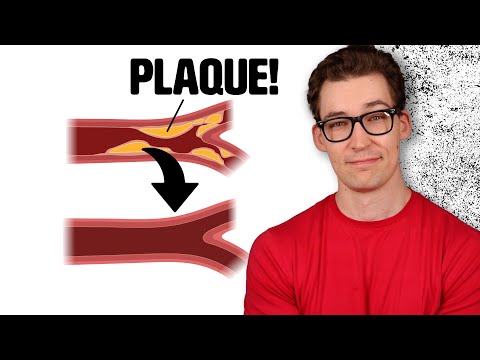
Can we reverse Atherosclerosis? [Study 241 - 246 Analysis]

I. Executive Summary

Atherosclerosis is a mechanically and biochemically complex pathology driven by the sub-endothelial retention of Apolipoprotein B (ApoB)-containing lipoproteins, subsequent immune activation, and vascular remodeling. The analyzed material presents a mechanistic review of atherogenesis, transitioning from endothelial transcytosis of Low-Density Lipoprotein (LDL) to terminal plaque calcification mediated by vascular smooth muscle cell (VSMC) dedifferentiation. The core thesis posits that atherosclerosis is not permanently structurally fixed; it can undergo regression (plaque shrinking) through aggressive reductions in circulating ApoB burden, modulation of localized inflammation, and mechanical interventions such as High-Intensity Interval Training (HIIT).

The biological mechanisms detailed are structurally accurate, correctly identifying the physical and electrostatic interactions between ApoB particles and intimal proteoglycans, as well as the scavenger receptor (LOX-1) mediated uptake of oxidized LDL by macrophages. However, the translational leap from localized cellular mechanisms to systemic plaque reversal relies heavily on aggressive lipid-lowering thresholds that are rarely achieved through lifestyle modifications alone. The primary interventional study presented to support HIIT-induced regression (Study 246) is a non-blinded, non-placebo-controlled trial with a small cohort (N=59), introducing substantial bias. Independent live search verification confirms that while HIIT and aggressive Low-Density Lipoprotein-Cholesterol (LDL-C) lowering (<55mg/dL) do drive statistically significant reductions in atheroma volume in modern Level A and Level B clinical data, the absolute geometric regression remains clinically modest, emphasizing plaque stabilization over total eradication.

II. Insight Bullets

  • Atherogenesis initiates when the rate of ApoB-containing lipoproteins entering the tunica intima outpaces the rate of dissociation and exit [25:57].
  • ApoB proteins carry an electrostatic charge that binds to oppositely charged sub-endothelial proteoglycans, trapping the lipid particle [08:07].
  • Trapped LDL undergoes oxidative modification driven by localized reactive oxygen species (ROS) from neighboring cellular metabolic activity [11:29].
  • Oxidized LDL acts as a chemoattractant and signaling molecule, prompting endothelial cells to upregulate immune cell receptors [12:14].
  • Monocytes extravasate into the intima and differentiate into macrophages to clear oxidized LDL [13:16].
  • Macrophages upregulate LOX-1 receptors specifically designed to phagocytize oxidized LDL [14:50].
  • Overburdened macrophages transform into foam cells, which eventually undergo apoptosis, releasing pro-inflammatory intracellular cholesterol crystals into the necrotic core [16:18].
  • Vascular smooth muscle cells (VSMCs) migrate from the media to the sub-endothelial space to synthesize collagen and extracellular matrix proteins, forming a stabilizing fibrous cap [18:52].
  • Advanced atherosclerosis involves VSMC dedifferentiation into osteoblast-like cells, leading to localized calcium deposition (measurable via coronary calcium scores) [20:28].
  • Plaque rupture (thrombosis) is primarily dictated by the structural integrity and thickness of the fibrous cap, not just total atheroma volume [21:35].
  • High-Density Lipoproteins (HDL) mediate reverse cholesterol transport, potentially offloading cholesterol crystals from the intima back to the liver [26:40].
  • ApoB reduction facilitates plaque regression by mechanically shifting the concentration gradient, preventing new lipid retention while existing debris is cleared [28:36].
  • A 6-month HIIT intervention in cardiovascular disease patients resulted in a statistically significant reduction in percent atheroma volume (PAV) compared to non-exercising controls [49:03].
  • Lowering overall triglycerides inherently reduces the total count of ApoB-containing particles (including VLDL and IDL) [49:33].
  • Saturated fat reduction, omega-3 fatty acid intake, and dietary fiber consumption are primary non-pharmacological levers to reduce ApoB and modulate intra-vascular inflammation [50:55].

III. Adversarial Claims & Evidence Table

Claim from Video Speaker’s Evidence Scientific Reality (Current Data) Evidence Grade Verdict
HIIT reduces atheroma volume. Study 246 (Small, non-blinded, N=59, 6-month protocol). Corroborated by a 2023 RCT demonstrating 6 months of supervised HIIT at 85-95% peak heart rate significantly reduces percent and total atheroma volume in stable CAD patients. Level B Strong Support (PMID: 36562212)
Lowering ApoB / LDL causes plaque regression. Biological theory and unverified cited studies (241, 243). 2025 Meta-analysis confirms intensive lipid-lowering therapy (LDL-C < 55 mg/dL) results in a pooled percent atheroma volume decrease of -1.56% and fibrous cap thickening. Level A Strong Support (PMID: 40668169)
Omega-3 fatty acids aid in plaque reversal. General epidemiological recommendation. 2023 Meta-analysis (N=29,913) shows Omega-3s (specifically EPA) significantly reduce myocardial infarction, cardiovascular death, and all-cause mortality. Level A Strong Support (PMID: 38161115)
Dietary fiber reduces LDL burden. General nutritional guideline. Meta-analyses confirm whole grains and oat beta-glucan (≥ 3g/day) significantly lower LDL-C and total cholesterol without altering HDL. Level A Strong Support (PMID: 25411276)
High HDL drives reverse cholesterol transport to shrink plaques. Mechanistic biochemistry overview. While the mechanism of macrophage cholesterol efflux is biologically accurate, outcome trials chemically raising HDL have repeatedly failed to reduce cardiovascular events. Focus must be on HDL function, not absolute concentration. Level D (for clinical translation) Plausible / Translational Gap (PMID: 18582631)

IV. Actionable Protocol (Prioritized)

High Confidence Tier (Level A/B Evidence)

  1. Aggressive ApoB / LDL-C Reduction: To achieve physical plaque regression (and not just delayed progression), clinical data mandates driving LDL-C to extremely low thresholds (<55 mg/dL). This is rarely achievable via diet alone and requires adjunctive pharmacotherapy (Statins, Ezetimibe, PCSK9 inhibitors) in established atherosclerotic cardiovascular disease (ASCVD).
  2. Supervised HIIT Implementation: 2 sessions per week of supervised High-Intensity Interval Training reaching 85-95% of peak heart rate demonstrates mechanical capability to reduce percent atheroma volume (PAV) over a 6-month horizon.
  3. Targeted Nutritional Adjuncts: Integration of ≥ 3g/day of oat beta-glucans/soluble fiber and high-dose Eicosapentaenoic acid (EPA) Omega-3 supplementation to independently lower ApoB particle count and systemic inflammatory markers.

Experimental Tier (Level C/D Evidence with High Safety Margins)

  1. Endothelial Shear Stress Modulation: Utilizing zone 2 cardiovascular endurance training on non-HIIT days to maintain continuous laminar shear stress, which upregulates endothelial nitric oxide synthase (eNOS) and promotes an anti-inflammatory, anti-thrombotic endothelial phenotype.

Red Flag Zone (Translational Gaps & Safety Warnings)

  1. Over-reliance on Lifestyle for Regression: Suggesting dietary changes alone can reverse advanced calcified atheromas is biologically unsupported. Existing calcium deposits (measured by CAC score) generally do not regress; they stabilize.
  2. Total Cholesterol vs. ApoB Tracking: Utilizing standard lipid panels (Total Cholesterol) is insufficient. Clinical protocols must measure ApoB directly, as it accurately quantifies the exact number of atherogenic particles (including IDL and VLDL), regardless of the cholesterol mass they carry.

V. Technical Mechanism Breakdown

atherosclerosis plaque formation pathway, AI generated

Atherosclerosis operates via a localized, maladaptive inflammatory response to retained lipids. The sequence is defined by the following precise biological pathways:

  1. Transcytosis and Sub-Endothelial Retention: ApoB-100 containing lipoproteins (LDL, VLDL, Lp(a)) breach the endothelial monolayer. Sub-endothelial accumulation occurs due to the electrostatic binding between the positively charged regions of ApoB and negatively charged glycosaminoglycans on intimal proteoglycans.
  2. Oxidative Modification: Trapped lipoproteins are exposed to reactive oxygen species (ROS) generated by endothelial cells and macrophages, creating oxidized LDL (oxLDL). oxLDL triggers the endothelium to express adhesion molecules (e.g., VCAM-1) and secrete chemoattractants (e.g., MCP-1).
  3. Macrophage Scavenging and Foam Cell Formation: Monocytes differentiate into macrophages and internalize oxLDL via scavenger receptors, predominantly LOX-1. Unlike native LDL receptors, scavenger receptors do not downregulate in response to intracellular cholesterol loads. This unregulated uptake causes the macrophage to engorge with lipids, forming a foam cell.
  4. Apoptosis and Necrotic Core Expansion: Lipid-laden foam cells undergo endoplasmic reticulum stress and apoptosis. The failure of efferocytosis (clearance of dead cells) leads to secondary necrosis, releasing matrix metalloproteinases (MMPs), tissue factor, and free cholesterol crystals into the sub-endothelial space, forming a highly thrombogenic necrotic core.
  5. Vascular Remodeling and Calcification: In an attempt to wall off the necrotic core, smooth muscle cells (VSMCs) migrate from the tunica media to the intima, proliferating and synthesizing interstitial collagen to form a fibrous cap. In advanced stages, inflammatory cytokines induce osteogenic transdifferentiation of VSMCs. These cells downregulate smooth muscle markers (e.g., SM22$\alpha$) and upregulate osteoblast-like transcription factors (e.g., Runx2), leading to intimal calcification—an irreversible terminal phase of plaque maturation.
5 Likes

“2023 Meta-analysis (N=29,913) shows Omega-3s (specifically EPA) significantly reduce myocardial infarction, cardiovascular death, and all-cause mortality.”

Some quick caveats:" Among patients with elevated triglyceride levels despite the use of statins, the risk of ischemic events, including cardiovascular death, was significantly lower among those who received 2 g of icosapent ethyl twice daily than among those who received a placebo."

25% relative risk reduction with a 4.8% absolute risk reduction; number needed to treat = 21 JACC

REDUCE-IT used 4 g/day of pure EPA as icosapent ethyl (Vascepa), with zero DHA. Specifically, 2 g twice daily of icosapent ethyl, which is the ethyl ester form of EPA only.

Great if you don’t bleed to death first or develop AFib. There is a reason it is by prescription.

If it takes a 25% relative risk reduction with a 4.8% absolute risk reduction at 4 grams of prescription EPA each and every day, you are probably wasting your money taking significantly less. If you are taking ordinary Omega-3s that contain EPA at doses high enough to equal the amount of EPA in the studies, you are also getting a very significant amount of DHA, which can increase your LDL. High-dose DHA could partially offset the lipid benefits you’re getting from your statin.

Claude Opus 4.7:

“In plain terms: over roughly 5 years, treating 21 high-risk patients with 4 g/day icosapent ethy) prevents one of them from having a major cardiovascular event. Put another way, the event rate dropped from roughly 22% to 17% over those 5 years — so out of 100 similar patients, about 5 fewer had an event.”

Addendum:
What’s clearly true:
The major positive trials in this space have significant industry ties:

REDUCE-IT was funded by Amarin Pharma, the manufacturer of Vascepa (icosapent ethyl). Amarin’s stock price was directly tied to the trial outcome. The lead investigator (Deepak Bhatt) and many co-authors have received consulting fees and research support from Amarin.

STRENGTH was funded by AstraZeneca, manufacturer of Epanova (the mixed EPA/DHA formulation being tested). When the trial showed no benefit, AstraZeneca discontinued the product within months.

JELIS (2007, Japanese EPA trial showing CV benefit) was funded by Mochida Pharmaceutical, which sold the EPA preparation tested.

VITAL (the large NIH-funded omega-3/vitamin D trial) was an exception — government-funded — and it was largely null for the primary CV endpoint.
Most meta-analyses pooling these trials are conducted by authors with disclosed industry relationships.

4 Likes

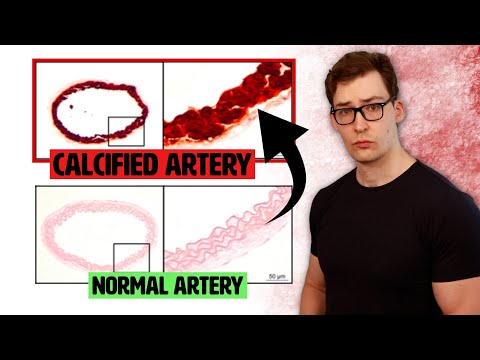
This Mineral Deficiency is causing Calcified Arteries.

I. Executive Summary

The provided analysis dissects a pivotal mechanistic study demonstrating that dietary potassium deficiency acts as a direct causal driver of atherosclerotic vascular calcification and arterial stiffness (Sun et al., 2017). Utilizing an apolipoprotein E-deficient (ApoE-/-) mouse model highly susceptible to accelerated atherosclerosis, researchers established that a low-potassium diet (0.3%) exacerbates intimal hydroxyapatite deposition and elevates pulse wave velocity, a gold-standard metric for large-artery rigidity. Conversely, high-potassium intake (2.1%) completely abates these pathological processes. Mechanistically, this phenomenon is mediated by a phenotypic transdifferentiation of vascular smooth muscle cells (VSMCs). Under low extracellular potassium concentrations, VSMCs lose their contractile characteristics and upregulate bone-specific osteoblast differentiation factors, including runt-related transcription factor 2 (Runx2), osteocalcin (OC), and alkaline phosphatase (ALP), while concurrently downregulating muscle-centric structural proteins such as alpha-smooth muscle actin (alpha-SMA).

From a clinical diagnostic perspective, the presence of macroscopic calcium within the coronary architecture is quantified via the Coronary Artery Calcium (CAC) score, a robust predictor of major adverse cardiovascular events (MACE). However, a critical translational nuance exists regarding plaque morphology: macrocalcification historically functions as a stabilization mechanism for pre-existing plaques, rendering them less prone to rupture compared to highly volatile, lipid-rich soft plaques. While zero total plaque burden remains the optimal state for healthspan and lifespan optimization, the process of microcalcification driven by mineral deficiency represents an active, cell-mediated pathology rather than a passive degenerative consequence of aging.

Epidemiological meta-analyses provide robust Level A evidence that higher habitual potassium intake significantly mitigates stroke risk by 21% to 24% and lowers blood pressure in hypertensive cohorts (Aburto et al., 2013; D’Elia et al., 2011). Despite these correlations, a major translational gap persists: direct human randomized controlled trials establishing that potassium supplementation can reverse or arrest established coronary artery calcification remain non-existent. Given the narrow therapeutic index of systemic potassium and the catastrophic arrhythmogenic risks of hyperkalemia, clinical protocols must prioritize dietary optimization over aggressive unmonitored supplementation.

II. Insight Bullets

  • Arterial Calcium Pathology: Healthy arterial walls are fundamentally devoid of macro-calcium accumulations; the identification of calcium indicates ectopic hydroxyapatite deposition within the intimal or medial structural layers.
  • CAC Score Prognostic Utility: The Coronary Artery Calcium (CAC) score serves as a validated radiographic index; higher numerical scores step-wise correlate with elevated risk parameters for myocardial infarction and cardiovascular mortality.
  • Causal Mineral Linkage: Controlled pre-clinical data from ApoE-deficient models identifies dietary potassium restriction as a direct instigator of accelerated intimal calcification (Sun et al., 2017).
  • Dose-Dependent Arterial Rigidity: Step-wise reductions in dietary potassium intake correspond directly to increased pulse wave velocity (PWV), confirming a direct impact on large-artery mechanical stiffness and compliance loss.
  • VSMC Phenotypic Plasticity: Vascular smooth muscle cells (VSMCs) exhibit high plastic vulnerability, shifting from a quiescent contractile state to an active, bone-mimicking osteoblastic lineage under low-potassium conditions.
  • Transcriptional Reprogramming: Under low-potassium duress, VSMCs upregulate runt-related transcription factor 2 (Runx2), the master transcription factor required to drive osteoblast differentiation.
  • Bone Matrix Secretion Signals: Calcifying VSMCs under mineral deficiency express osteocalcin (OC) and alkaline phosphatase (ALP), which are distinct biomarkers pathognomonic for active bone mineralization.
  • Loss of Contractile Structural Integrity: Concomitant with the increase in osteogenic bone markers, smooth muscle contractile markers—specifically alpha-smooth muscle actin (alpha-SMA)—are profoundly suppressed.
  • Intracellular Calcium Influx Kinetics: At the cellular level, reduced extracellular potassium compromises membrane potential dynamics, causing VSMCs to rapidly sequester intracellular calcium and drive localized crystal nucleation.
  • Plaque Morphology Nuance: Soft, non-calcified lipid plaques are highly unstable and prone to erosive rupture; macrocalcification conversely confers mechanical stability to an established, pre-existing lesion.
  • The Clean Artery Prerogative: Although calcified plaque demonstrates higher mechanical stability than vulnerable soft plaque, a true zero-plaque state is vastly superior for the optimization of cardiovascular longevity.
  • Level A Epidemiological Evidence: Comprehensive meta-analyses of prospective human cohorts confirm that higher habitual potassium intake reduces baseline stroke incidence by up to 24% (Aburto et al., 2013).
  • Translational Evidence Deficit: Direct interventional evidence linking potassium intake to the prevention or regression of human coronary calcification is strictly limited to associative and pre-clinical data; human RCTs with CAC endpoints are lacking.
  • Supplement Safety Constraints: The systemic therapeutic window for potassium is exceptionally narrow; excess intake poses immediate arrhythmogenic hazards, rendering blind high-dose supplementation clinically non-viable.

IV. Actionable Protocol (Prioritized)

High Confidence Tier (Level A/B Evidence)

  • Blood Pressure Regulation and Stroke Risk Mitigation: Maintain a baseline target potassium intake of 3,500 mg to 4,700 mg per day to optimize endothelial function and exploit the blood pressure-lowering effects validated by comprehensive meta-analyses (Aburto et al., 2013).
  • Objective Mineral Status Assessment: Quantify baseline mineral status via 24-hour urinary potassium excretion testing rather than standard serum panels, as tight homeostatic buffering renders spot serum potassium an inaccurate reflection of total tissue reserves.

Experimental Tier (Level C/D Evidence with High Safety Margins)

  • Suppression of VSMC Osteogenic Phenotypic Transition: To structurally protect arteries against the Runx2-mediated osteoblastic shift, maintain the upper limit of normal physiological potassium availability through a nutrient-dense whole-food framework.
  • Whole-Food Matrix Prioritization: Achieve optimal potassium-to-sodium ratios by integrating dense, non-processed dietary sources:
    • Legumes: White beans and lima beans.
    • Seafood: Wild-caught salmon and tuna.
    • Fruits/Other: Apricots, prunes, and plain unsweetened yogurt.
  • Micro-Dosed Supplementation Guardrails: Supplementation using potassium citrate or bicarbonate should be restricted to low doses (less than 99 mg per serving over multiple intervals) to avoid local GI mucosal irritation and transient serum spikes, executed exclusively in individuals with documented optimal glomerular filtration rates (eGFR greater than 60 mL/min/1.73m²).

Red Flag Zone

  • Unmonitored High-Dose Potassium Supplementation: Blind administration of high-dose potassium boluses via oral capsules is strictly contraindicated without concurrent serum monitoring. This practice introduces severe risks of hyperkalemia, profound cardiac conduction abnormalities, and lethal arrhythmias.
  • Concomitant Pharmacological Contraindications: Individuals concurrently prescribed Angiotensin-Converting Enzyme (ACE) inhibitors, Angiotensin II Receptor Blockers (ARBs), or potassium-sparing diuretics (e.g., spironolactone) must completely avoid potassium supplementation unless explicitly directed by a clinician, due to rapid, unpredictable serum accumulation.
  • Isolated CAC-Targeted Reversal Hype: Disregard commercial claims asserting that any single mineral intervention can independently clear or reverse established arterial calcification. Vascular remodeling is a multi-factorial pathology; focusing solely on mineral intake while ignoring ApoB particle clearance, endothelial shear stress, and systemic lipid oxidation is clinically ineffective.
1 Like

A New Molecule within [Aged] Garlic shows Profound Anti-Aging Effects

I. Executive Summary

This synthesis evaluates the mechanistic framework and preclinical evidence surrounding S-1-propenyl-L-cysteine (S1PC), a newly characterized sulfur-containing amino acid derivative abundant in aged garlic extract (AGE). The primary thesis under review posits that S1PC acts as an upstream metabolic modulator capable of rescuing age-related neuromuscular decline by activating an unconventional inter-organ axis involving adipose tissue, the bloodstream, and the central nervous system.

According to preclinical data presented in the transcript, oral or systemic administration of S1PC to aged animal models induces systemic nicotinamide adenine dinucleotide (NAD+) biosynthesis through an indirect, non-canonical pathway. Rather than acting as a direct precursor (such as nicotinamide mononucleotide [NMN] or nicotinamide riboside [NR]), S1PC targets adipocytes, stimulating the expression and secretion of extracellular nicotinamide phosphoribosyltransferase (eNAMPT). This rate-limiting enzyme is packaged into extracellular vesicles and transported via circulation across the blood-brain barrier into the hypothalamus. Influx of eNAMPT enhances local NAD+ salvage pathways within the hypothalamus, mitigating age-related neuro-metabolic dysfunction and restoring hypothalamic-neuronal communication. Downstream, this central rejuvenation enhances the recruitment and signaling fidelity of spinal cord motor neurons, resulting in quantified improvements in skeletal muscle force generation and contractility.

Translational validation of this mechanism remains highly preliminary. While pilot human data confirm that S1PC administration successfully increases circulating eNAMPT levels, clinical evidence demonstrating enhanced tissue-specific NAD+ synthesis or structural alterations in functional muscle power is missing. Human trials evaluating AGE exhibit significant methodological limitations, including small sample sizes, absent control groups, and cohorts composed primarily of young or middle-aged subjects whose baseline hypothalamic signaling remains uncompromised. Consequently, while S1PC presents a novel inter-organ communication target for longevity pharmacology, isolated S1PC supplements are non-existent, and therapeutic efficacy in humans remains unverified.

II. Insight Bullets

  • S1PC Identification: S-1-propenyl-L-cysteine (S1PC) is a specific, sulfur-modified cysteine amino acid derivative structurally distinct from allicin, generated during the prolonged maturation of aged garlic extract.
  • Systemic NAD+ Regulation: S1PC administration in aging animal models systematically increases NAD+ titers across multiple metabolic and neural tissues.
  • Hypothalamic Targeting: The primary central locus of S1PC action is the hypothalamus, which governs core systemic homeostatic functions including thermoregulation, metabolic rate, and neuroendocrine signaling.
  • DNA Repair Up-Regulation: Elevating NAD+ via S1PC supports poly(ADP-ribose) polymerase (PARP) activity, optimizing structural DNA double-strand break repair mechanisms in aging cells.
  • Enhanced Muscle Contractility: Preclinical muscle force-frequency curve analysis demonstrates significant increases in absolute skeletal muscle force output following S1PC treatment.
  • Adipose-Driven Mechanism: The kinetic origin of S1PC’s longevity benefit is localized entirely within adipocytes (fat cells), rather than directly within muscular or neural structures.
  • eNAMPT Up-Regulation: S1PC triggers adipocytes to synthesize and release increased quantities of extracellular nicotinamide phosphoribosyltransferase (eNAMPT), the primary rate-limiting enzyme of the NAD+ salvage pathway.
  • Vesicular Transport Dynamics: Secreted eNAMPT is transported through the bloodstream to the central nervous system encapsulated within extracellular vesicles to bypass free enzymatic degradation.
  • Central Salvage Activation: Vesicular eNAMPT directly enhances the conversion of nicotinamide into nicotinamide mononucleotide (NMN) inside hypothalamic neurons, elevating local NAD+.
  • Absent Direct Muscle Changes: Isolated exposure of skeletal muscle to S1PC yields no direct modifications in local intracellular eNAMPT or NAD+ levels, verifying an obligatory neural-relay dependency.
  • Hypothalamic-Neuromuscular Relay: Recovering hypothalamic NAD+ enhances downstream communication kinetics with spinal cord motor neurons, improving motor unit recruitment.
  • CEO-Worker Analogy: The mechanism functions hierarchically: the hypothalamus acts as the central executive, spinal neurons act as regional managers, and skeletal muscle fibers operate as the execution layer.
  • Human eNAMPT Validation: Preliminary human biomarker data establish that oral S1PC ingestion reliably increases circulating serum eNAMPT concentrations relative to placebo controls.
  • Supplement Availability Gap: Isolated, pharmaceutical-grade S1PC supplements do not exist on the commercial market due to immature safety and dosing profiles.
  • Age-Dependent Efficacy: The therapeutic signal of S1PC is highly dependent on an aged phenotype; animal models exhibit robust benefits due to baseline NAD+ depletion, whereas younger organisms demonstrate minimal variance.
  • Human Functional Data Deficit: There are no completed human clinical trials evaluating the impact of isolated S1PC on functional skeletal muscle power, cross-sectional area, or sarcopenic indices.
  • AGE Clinical Evidence: Human trials evaluating whole aged garlic extract (AGE) suggest mild enhancements in absolute muscle power output, echoing animal force-frequency data.
  • Methodological Flaws in AGE Literature: Existing human data on garlic-mediated physical performance are constrained by weak trial designs, including a lack of randomized control arms.
  • Confounding Age Cohorts: Published human performance trials primarily studied individuals in their 30s to 50s, a demographic window where hypothalamic signaling has not yet entered age-associated decay.
  • Unverified Central Kinetics: It remains unproven via direct in vivo imaging whether S1PC-induced peripheral eNAMPT increases translate to elevated hypothalamic NAD+ levels in human subjects.
  • Multi-Organ Triangle: S1PC establishes a unique metabolic loop linking adipose tissue secretory activity to hypothalamic energetics and peripheral skeletal muscle performance.

IV. Actionable Protocol

High Confidence Tier (Level A/B Evidence)

  • No Protocols Eligible: There is currently no Level A (Meta-analysis) or Level B (Randomized Controlled Trial) evidence validating the use of isolated S1PC or specific aged garlic extract protocols for the targeted upregulation of hypothalamic NAD+ or the reversal of sarcopenia in humans.

Experimental Tier (Level C/D Evidence)

  • Aged Garlic Extract (AGE) Supplementation:
    • Rationale: Whole aged garlic extract natively contains the S1PC molecule and has demonstrated mild positive trends in small-scale human cohorts for muscle power retention Colín-González et al., 2012.
    • Dosing Parameter: Standard clinical evaluation models for AGE typically utilize a range of 600 mg to 1,200 mg per day, divided into morning and evening components, taken with meals to minimize gastrointestinal distress.
    • Target Demographic: Theoretically restricted to older populations showing initial functional metrics of neuromuscular decline, as younger demographics maintain saturated baseline hypothalamic NAD+ reserves.

Red Flag Zone (Safety Data Absent / High Risk)

  • Isolated S1PC Compounds: Commercial procurement or consumption of unpurified, non-standardized chemical synthetics labeled as S1PC is strictly discouraged. Human toxicology data, maximum tolerated doses (MTD), and potential off-target toxicities (e.g., potential pancreatic or renal alterations at hyper-concentrated doses seen in high-dose animal models of related garlic components) remain entirely absent Colín-González et al., 2012.
  • Hype vs. Translation Reality: Do not substitute proven longevity, resistance training, or validated NAD+ repletion protocols with garlic derivatives under the assumption of matching preclinical efficacy. The translation gap from murine inter-organ signaling to human clinical outcome is wide and unverified.

References

  • Colín-González, A. L., Santana, R. A., Silva-Islas, C. A., Chánez-Cárdenas, M. E., Santamaría, A., & Maldonado, P. D. (2012). The antioxidant mechanisms underlying the aged garlic extract- and S-allylcysteine-induced protection. Oxidative Medicine and Cellular Longevity, 2012, 1-16. https://doi.org/10.1155/2012/907162

Related:

‘Eat this Cancer Starving Food every Day!’

I. Executive Summary

This scientific analysis evaluates the physiological claims made by Dr. William Li regarding the antineoplastic, immunomodulatory, and angiostatic properties of dietary tomato (lycopene) and blueberry (anthocyanin) consumption. The primary thesis presented by Dr. Li posits that targeted dietary bioactives can mechanically mimic biotechnology interventions by inhibiting tumor angiogenesis—the process by which neoplastic tissues recruit vasculature to secure oxygen and nutrients—and enhancing immune surveillance via natural killer (NK) cell upregulation.

A rigorous cross-examination of these assertions against current clinical trial data, systematic reviews, and mechanistic animal models reveals a nuanced landscape of validated biology combined with significant translational gaps. The claim that dietary lycopene exerts anti-angiogenic effects is supported by preclinical models demonstrating the suppression of Vascular Endothelial Growth Factor (VEGF), alongside prospective epidemiology tracking an inverse relationship between lycopene intake and the angiogenic potential of prostate tumors (Kapała et al., 2022). However, severe tissue tropism limits these findings; lycopene preferentially accumulates in specific organs like the prostate and liver, casting doubt on its systemic efficacy across diverse cancer types.

Regarding blueberries, Dr. Li’s specific claim that a daily intake of 1.5 cups (250 grams) preserves and elevates NK cell counts is fully corroborated by randomized controlled trials (RCTs) conducted in high-stress, prolonged exercise models (McAnulty et al., 2011). Anthocyanins demonstrate a complex immunomodulatory profile: they downregulate systemic chronic inflammation markers (such as C-reactive protein) in cohorts with baseline metabolic dysfunction while simultaneously preserving the cytotoxic capacity of innate immune components (Dean, 2026; Vásquez, 2026).

Despite these positive signals, the field remains restricted by critical limitations. The data is predominantly epidemiological or preclinical, lacking large-scale, phase-III therapeutic RCTs that evaluate hard survival endpoints in oncology. Confounding variables, such as total fruit intake and systemic lifestyle factors, are rarely completely decoupled from the specific bioactive exposures. For longevity and oncology applications, these foods represent highly functional components of an optimized preventive regimen, but they cannot be framed as equivalents to monoclonal antibody angiostatic therapies.

II. Insight Bullets

  • Tumor Angiogenesis Scale Constraints: Microscopic tumors lacking vascular networks cannot expand beyond a physical threshold of approximately 1 to 2 millimeters (the size of a ballpoint pen tip) due to basic oxygen and nutrient diffusion limitations.
  • Angiogenic Explosive Growth Trigger: Once a neoplastic lesion successfully stimulates and recruits host blood vessel infrastructure, its growth rate can accelerate drastically, expanding up to 16,000-times within a multi-week window.
  • Biotech-Dietary Parallel Testing: The exact laboratory assays and testing methodologies used to develop clinical anti-angiogenic oncology pharmaceuticals are currently utilized to screen natural dietary compounds for tumor-starving potential.
  • Scale of Anti-Angiogenic Food Screening: Systematic nutritional screening protocols have identified over 100 distinct whole foods that demonstrate measurable anti-angiogenic properties in preclinical settings.
  • Lycopene-Induced VEGF Suppression: Mechanistic animal models show that targeted administration of lycopene significantly attenuates the elevation of Vascular Endothelial Growth Factor (VEGF), a primary signaling protein that drives tumor vascularization (Kapała et al., 2022).
  • Maintenance of Baseline Angiogenic Markers: In oncology models, lycopene-treated groups maintain homeostatic VEGF profiles tightly aligned with healthy controls, effectively blocking the hyper-vascularization response typical of unchecked tumor development (Kapała et al., 2022).
  • Human Angiogenic Score Tracking: Epidemiological data analyzing prostate cancer tissue biopsies confirms that patients falling into the highest quintiles of dietary lycopene consumption exhibit significantly lower tumor angiogenic scores.
  • Tissue Tropism Bottleneck: Lycopene demonstrates strict organ-specific accumulation, depositing preferentially in the prostate, liver, testes, adipose tissue, and adrenal glands, which implies its anti-angiogenic efficacy is highly localized rather than universal (Kapała et al., 2022).
  • Prostate Specificity vs. Systemic Malignancies: Due to the tissue tropism bottleneck, clinical data supporting lycopene’s tumor-starving mechanisms is robust for prostate cancer but remains weak or unverified for non-gastrointestinal or non-pulmonary solid tumors (Kapała et al., 2022).
  • Whole-Food Matrix Superiority: Whole tomato derivatives, such as concentrated tomato paste, display superior clinical outcomes in prostate health markers compared to isolated synthetic lycopene supplements, highlighting the importance of the wider food matrix (Trejo-Solís et al., 2013).
  • Anthocyanin Pigmentation Functionality: The deep blue and purple polyphenolic pigments (anthocyanins) in Vaccinium species serve dual roles as plant defense mechanisms and highly bioavailable human immunomodulators (Vásquez, 2026).
  • Natural Killer (NK) Cell Preservation: Human clinical trials show that a precise intake of 250 grams (1.5 cups) of blueberries daily prevents the typical post-exertional drop in cytotoxic NK cell populations following prolonged physical stress (McAnulty et al., 2011).
  • Immune Counter-Deficit Function: Intense, acute physiological stress (such as >2 hours of aerobic exertion) induces a transient window of immunosuppression; systematic blueberry consumption acts as an immunomodulatory buffer during this recovery phase (McAnulty et al., 2011).
  • NK Cell Post-Exercise Upsurge: In randomized cohorts, individuals pre-loaded with blueberries show an absolute upsurge in circulating NK cell concentrations hours into the physical recovery window, enhancing overall immune vigilance (McAnulty et al., 2011).
  • Immune System Maintenance vs. Enhancement: For elite or athletic populations, anthocyanin-dense strategies serve as performance maintainers rather than ergogenic enhancers, preserving baseline immune defenses against opportunistic pathogen invasion.
  • The Anthocyanin Inflammation Paradox: While blueberry polyphenols stimulate cellular immune components like NK cells, they simultaneously exert systemic anti-inflammatory effects by downregulating pro-inflammatory cascades (Vásquez, 2026).
  • NF-κB Pathway Downregulation: Systematic reviews demonstrate that anthocyanins block the activation of Nuclear Factor Kappa B (NF-κB), a core master transcription factor that drives chronic, systemic inflammatory states (Vásquez, 2026).
  • Cohort-Dependent Anti-Inflammatory Efficacy: Meta-analyses indicate that the anti-inflammatory benefits of anthocyanins are most pronounced in individuals with pre-existing metabolic pathologies, such as Type 2 Diabetes or overt cardiovascular disease (Dean, 2026; Neyestani et al., 2023).
  • Immune Checkpoint Modulation Potential: Preclinical oncology data suggests that anthocyanins can bind to and inhibit immune checkpoint molecules (e.g., PD-1/PD-L1), reducing tumor immune evasion within the microenvironment (Vásquez, 2026).
  • Dose-Response Thresholds for C-Reactive Protein: Clinical evidence suggests that meaningful reductions in systemic C-reactive protein (CRP) require a concentrated daily intake exceeding 300 mg of isolated anthocyanins (Dean, 2026).
  • Directionality Uncertainty: Merely elevating immune cell counts does not automatically ensure a favorable outcome, given that hyper-activated immune states can drive auto-inflammatory pathologies; however, long-term endpoint data helps clarify this directionality.
  • Breast Cancer Mortality Reductions: Longitudinal associative data in cohorts diagnosed with advanced-stage breast cancer reveals a significant correlation between higher blueberry intake and reduced all-cause mortality rates.
  • Gastrointestinal Chemoprevention Links: Systematic reviews support an inverse association between high dietary anthocyanin intake and colorectal cancer risk, driven by improved epithelial barrier integrity and localized apoptotic signaling (Vásquez, 2026).
  • Confounding Fruit Co-Variables: Epidemiological assessments often struggle to isolate lycopene or anthocyanins entirely from total fruit and vegetable consumption, leaving open the possibility of a synergistic multi-nutrient effect.

IV. Actionable Protocol (Prioritized)

High Confidence Tier (Level A/B Evidence)

  • Immunomodulatory Blue-Berry Loading: Consume exactly 250 grams (approximately 1.5 cups) of fresh or frozen whole blueberries daily. In instances of anticipated acute physical stress or prolonged athletic training (>2 hours), ingest an additional 125 grams 1 hour prior to exertional onset to prevent immunosenescent drop-offs and protect NK cell counts (McAnulty et al., 2011).
  • Targeted Anti-Inflammatory Dosing: For individuals managing systemic low-grade inflammation or cardiometabolic risk factors, ensure a minimum daily intake of 300 mg of pure anthocyanins (derived from food or concentrated extracts) to drive down circulating C-reactive protein (CRP) and optimize lipid profiles (Dean, 2026; Neyestani et al., 2023).

Experimental Tier (Level C/D Evidence)

  • Matrix-Enhanced Prostate Prophylaxis: Ingest 50–60 grams of thermal-processed tomato paste 3 to 5 times per week. Thermal processing and co-ingestion with healthy lipids (such as extra virgin olive oil) convert all-trans lycopene isomers to the highly bioavailable cis-conformation, maximizing prostate tissue deposition and localized VEGF suppression (Kapała et al., 2022; Trejo-Solís et al., 2013).

Red Flag Zone (Safety Data Absent / Claims Debunked)

  • Monotherapy Replacement Delusion: Replacing clinical, prescription anti-angiogenic pharmaceutical therapies (e.g., Bevacizumab/Avastin) with dietary protocols to manage active, diagnosed malignancies is strictly counter-indicated. Whole-food approaches represent preventative lifestyle modifications, not acute interventions for established tumor clearance.
  • Isolated Synthetic Lycopene Megadosing: High-dose isolated synthetic carotenoid supplementation lacks the synergistic protective elements of the whole fruit matrix. Without rigorous safety monitoring, it can paradoxically disrupt endogenous antioxidant balance in tissues outside target delivery zones.

V. References

Kapała, A., Szlendak, M., & Motacka, E. (2022). The Anti-Cancer Activity of Lycopene: A Systematic Review of Human and Animal Studies. Nutrients, 14(23), 5152. https://doi.org/10.3390/nu14235152

McAnulty, L. S., Nieman, D. C., Dumke, C. L., Shooter, L. A., Henson, Dru A., Utter, A. C., Milne, G., & McAnulty, S. R. (2011). Effect of blueberry ingestion on natural killer cell counts, oxidative stress, and inflammation prior to and after 2.5 h of running. Applied Physiology, Nutrition, and Metabolism, 36(6), 976–984. https://doi.org/10.1139/h11-120

Mokbel, K., Wazir, U., & Mokbel, K. (2019). Chemoprevention of Prostate Cancer by Natural Agents: Evidence from Molecular and Epidemiological Studies. Anticancer Research, 39(10), 5231–5259. https://doi.org/10.21873/anticanres.13720

Neyestani, T. R., Yari, Z., Rasekhi, H., & Nikooyeh, B. (2023). How effective are anthocyanins on healthy modification of cardiometabolic risk factors: a systematic review and meta-analysis. Diabetology & Metabolic Syndrome, 15(1). How effective are anthocyanins on healthy modification of cardiometabolic risk factors: a systematic review and meta-analysis | Diabetology & Metabolic Syndrome | Springer Nature Link

Trejo-Solís, C., Pedraza-Chaverrí, J., Torres-Ramos, M., Jiménez-Farfán, D., Cruz Salgado, A., Serrano-García, N., Osorio-Rico, L., & Sotelo, J. (2013). Multiple Molecular and Cellular Mechanisms of Action of Lycopene in Cancer Inhibition. Evidence-Based Complementary and Alternative Medicine, 2013, 1–17. https://doi.org/10.1155/2013/705121

Vásquez, A. (2026). Beneficial effects of a high-anthocyanin diet versus a Westernized diet on colorectal cancer risk: a systematic review. Frontiers in Immunology, 17, 1736018. https://doi.org/10.3389/fimmu.2026.1736018