Peter Attia Podcasts - Transcripts / Analysis

Environmental pollution and longevity: air pollution, noise, light, EMFs, & more (AMA 87 sneak peek)

I. Executive Summary

Environmental pollution in longevity medicine encompasses the chronic introduction of exogenous chemical substances and physical energy forms that induce biological harm. In this clinical evaluation, analysis centers on physical environmental exposures—specifically ambient and indoor air pollution, nocturnal noise, artificial light at night (ALAN),and non-ionizing radiofrequency electromagnetic fields (RF-EMF)—differentiating them from persistent chemical toxins such as microplastics, per- and polyfluoroalkyl substances (PFAS), and phthalates. Rather than focusing on acute, overt catastrophes (e.g., industrial chemical disasters or severe wildfire events) where biological damage is self-evident,preventative medicine evaluates the subclinical “area under the curve”: the cumulative lifetime exposure to low-to-moderate pollutants that accelerate atherogenesis, systemic inflammation, neurodegeneration, metabolic dysregulation,and all-cause mortality.

Rigorous evaluation of environmental health claims reveals substantial epidemiological and translational hurdles. Unlike pharmaceutical trials, environmental exposures cannot be evaluated through long-term randomized controlled trials due to ethical and logistical constraints. Consequently, researchers rely on observational natural experiments. These studies demonstrate modest hazard ratios (typically 1.1 to 1.3), which contrast sharply with decisive signals like tobacco carcinogenesis (hazard ratios exceeding 10.0) and make it difficult to establish true causality without residual confounding. These modest risk ratios are further complicated by severe exposure misclassification, static zip-code approximations that ignore microenvironments, co-exposure collinearity (such as highway proximity confounding particulate matter with nitrogen dioxide, acoustic stress, and nocturnal light), and the heavily multifactorial pathogenesis of cardiometabolic diseases.

Critically, environmental mitigation must be situated accurately within the hierarchy of health. For the general population,physical environmental pollutants reside well below the foundational physiological pillars that determine healthspan:exercise capacity, sleep architecture, nutritional quality, and rigorous biomarker management (specifically blood pressure,atherogenic apolipoprotein B, and insulin sensitivity). Investing substantial financial and cognitive resources into expensive boutique mitigation tools—such as high-end whole-house filtration or cell phone radiation shields—while neglecting exercise and sleep constitutes an irrational inversion of medical priorities. A rational preventative framework employs an 80/20 strategy: execute foundational lifestyle and biomarker controls first, and then apply practical, low-burden physical barriers (such as HEPA filtration for high-exposure indoor zones and nocturnal sensory dampening) while filtering out unverified commercial alarmism.

II. Insight Bullets

  • Environmental pollution is clinically defined as the introduction of harmful substances or physical energy forms into the environment that negatively impair biological systems.
  • Biological relevance requires that an exposure demonstrate physiological harm rather than merely being unnatural,synthetic, or detectable at trace thresholds.
  • The physical environmental spectrum encompasses fine particulate air pollution, ambient acoustic noise, artificial light, and non-ionizing electromagnetic fields.
  • Physical environmental pollutants represent distinct exposure vectors compared to chemical toxins like microplastics, per- and polyfluoroalkyl substances (PFAS), and phthalates.
  • Chronic environmental exposures impact longevity primarily by accelerating the pathogenesis of cardiovascular disease, respiratory illness, metabolic dysfunction, and cognitive impairment.
  • Preventative longevity protocols focus on chronic, subclinical environmental exposures rather than catastrophic,self-evident environmental disasters.
  • The cumulative physiological toll of environmental pollutants follows an “area under the curve” model, where low-dose exposures compound across decades.
  • Subclinical everyday microenvironments, including living adjacent to major highways or cooking without ventilation, drive cumulative exposure risks.
  • Environmental physical exposures are substantially less amenable to direct personal control than primary lifestyle inputs like diet, exercise, and sleep.
  • Pursuing zero environmental exposure is an impossible objective that generates unwarranted anxiety rather than clinical benefit.
  • Effective clinical harm reduction relies on the 80/20 rule, utilizing low-burden, targeted interventions to capture the majority of risk reduction.
  • Public discourse regarding environmental toxins is heavily polarized between complete clinical apathy and irrational, unscientific alarmism.
  • Conflating genuinely toxic exposures like particulate matter with benign exposures like non-ionizing cell phone signals prevents patients from distinguishing signal from noise.
  • Predatory commercial marketing exploits environmental health anxieties by selling unproven, high-cost mitigation devices such as mobile phone radiation shields.
  • Because physical environmental exposures are mostly invisible and accumulate silently, their long-term health consequences require decades to manifest clinically.
  • The epidemiological evidentiary standards for environmental health are fundamentally weaker than those established for heavy carcinogens like tobacco smoke.
  • Randomized controlled trials assigning humans to high-pollutant versus pristine environments over decades are ethically and practically impossible.
  • Observational environmental studies typically yield modest hazard ratios around 1.1 to 1.3, making it difficult to distinguish true causation from residual confounding.
  • Unlike stable genetic markers such as Lipoprotein(a), environmental exposures fluctuate continuously based on daily commuting routes, occupational settings, and indoor airflow.
  • Relying on regional or zip-code-level ambient exposure models introduces profound measurement error and exposure misclassification into clinical literature.
  • Environmental pollutants exhibit high collinearity, as roadway proximity simultaneously increases particulate matter, nitrogen dioxide, acoustic disruption, and nocturnal light.
  • Epidemiological models struggle to disentangle which specific physical pollutant drives pathology when multiple collinear exposures occur concurrently.
  • The clinical endpoints associated with environmental toxins, such as hypertension and myocardial infarction, are heavily multifactorial and dominated by lifestyle and genetics.
  • Environmental exposure management sits far lower in the preventative hierarchy than fundamental levers: physical conditioning, sleep architecture, nutrition, and metabolic control.
  • Allocating financial and cognitive resources to boutique filtration while maintaining poor sleep and physical inactivity represents a severe inversion of medical priorities.
  • High-efficiency particulate filtration yields genuine clinical utility only when baseline health behaviors are established or localized ambient air quality is demonstrably degraded.
  • Practical clinical evaluation of any environmental intervention requires assessing evidentiary strength, absolute effect size, and implementation burden.

IV. Actionable Protocol (Prioritized)

High Confidence Tier (Level A/B Evidence)

Domain Clinical Action Dosing / Target Primary Endpoint
Indoor Particulate Clearance Deploy mechanical High-Efficiency Particulate Air (HEPA) filtration in high-occupancy indoor living and sleeping areas. Achieve indoor PM2.5 < 5–10 µg/m³; Continuous operation. Reduction in systolic blood pressure and systemic inflammation (Effectiveness of Indoor Air Purification RCT Meta-Analysis).
Combustion Hazard Mitigation Utilize mechanical range hoods ducted to the building exterior during all gas or high-heat indoor cooking. Complete capture of cooktop emissions; Minimum airflow ≥ 300–400 CFM. Suppression of indoor nitrogen dioxide (NO2​) and particulate spikes linked to airway hyperreactivity (State-of-the-Art Review on PM2.5 and Vascular Health).
Nocturnal Acoustic Attenuation Eliminate environmental noise disruptions during sleep via acoustic window treatments, high-density physical barriers, or rated earplugs. Ambient sleeping acoustic exposure < 40 dBA (WHO nocturnal threshold). Suppression of nocturnal sympathetic arousal, cortisol surges, and hypertension (WHO Environmental Noise Guidelines & CVD Meta-Analysis).
Circadian Photoperiod Control Eliminate artificial light at night (ALAN) in the sleeping environment using blackout window coverings and removal of ambient electronic light. Bedroom ambient illumination < 1–3 lux during biological night. Preservation of nocturnal melatonin secretion, nighttime blood pressure dipping, and metabolic insulin sensitivity (Circadian Rhythm Disruption by ALAN Review).

Experimental Tier (Level C/D Evidence - High Safety Margin)

  • Vehicle Cabin Air Recirculation & Upgraded Cabin Filters : Activating cabin recirculation mode equipped with high-efficiency particulate cabin filters (e.g., HEPA-grade or activated carbon) during highway driving and congested peak transit. Parameter: In-cabin transit duration. Mechanism: Physical mechanical exclusion of traffic-related air pollutants (black carbon, ultrafine diesel particulates, and NO2NO2​). Monitoring: In-vehicle particulate counts via portable optical sensors.
  • Low-Cost Laser Particle Monitoring : Deploying continuous indoor laser-based particulate sensors in residential living spaces. Parameter: Continuous optical PM2.5 detection threshold set at > 15 µg/m³. Mechanism: Real-time detection of ventilation failures, infiltration from outdoor inversion layers, or unventilated indoor cooking events to prompt manual mechanical airflow. Monitoring: Automated real-time air quality index alerts.
  • Narrow-Spectrum Nocturnal Blue-Light Attenuation : Wearing optical filters blocking wavelengths between 460–490 nm during the 2–3 hour pre-bedtime window. Parameter: > 90% attenuation of melanopic lux.Mechanism: Prevention of intrinsic photosensitive retinal ganglion cell (ipRGC) activation to preserve nocturnal melatonin synthesis. Monitoring: Polysomnography, actigraphy, or subjective sleep onset latency.

Produced by Gemini 2.5 Flash

Resistance training as we age: exercise selection, training intensity, and much more

I. Executive Summary

The central thesis presented by Dr. Peter Attia and physical therapist Jeff Cavaliere posits that resistance training protocols for master trainees (ages 40 to 60 and beyond) must transition from volume-driven accumulation to high-intensity, biomechanically refined stimulus. As physiological aging accelerates the selective atrophy of high-threshold Type II fast-twitch motor units and impairs hormonal and connective tissue recovery kinetics, traditional high-volume routines generate unproductive joint wear without commensurate hypertrophy. The proposed paradigm optimizes hypertrophic signaling by eliminating “junk volume”—sets terminated with more than three to four repetitions in reserve (RIR)—and focusing on 8 to 10 weekly sets per muscle group executed within 0 to 2 RIR of true mechanical failure.

Central to this methodology is the clinical distinction between absolute mechanical failure (the inability to complete a concentric repetition with stable form) and psychological failure (voluntary termination induced by sensory discomfort or lactic acidosis). For high-risk axial compound lifts (e.g., bilateral barbell squats, deadlifts), training must terminate strictly at 1 to 2 RIR to prevent catastrophic spinal or ligamentous injury, whereas isolated and cable- or machine-supported movements can safely target true mechanical failure.

Crucially, chronic joint degeneration (e.g., labral lesions, rotator cuff tears, osteoarthritis) does not justify passive rest or total joint immobilization. Because controlled mechanical loading drives connective tissue remodeling, proteoglycan synthesis, and synovial lubrication, pathology mandates movement “rerouting” rather than joint shutdown. Trainees must alter geometric force vectors into joint-sparing planes, specifically favoring the scapular plane over extreme abduction and utilizing neutral dumbbell or cable paths over rigid barbell trajectories.

Hypertrophy is ultimately dictated by internal mechanical tension across working sarcomeres rather than arbitrary external poundage. Maximizing localized tension requires precise biomechanical intent: manipulating elbow flare angles to isolate rear deltoids from the latissimus dorsi, implementing a 4-second bottom-end isometric stretch during calf training to negate passive Achilles elastic recoil, and integrating eccentric overload. High-risk, biomechanically compromised movements—such as loaded internal rotation during upright rows and extreme end-range flat dumbbell flies—must be excised and replaced with vector-optimized alternatives.

II. Insight Bullets

  • Physical therapy rehabilitation and athletic performance conditioning operate on an identical continuum of functional neuromuscular capacity, as developed through Jeff Cavaliere’s work with the New York Mets and ATHLEAN-X.
  • Musculoskeletal pain or structural tears require modifying exercise vectors and ranges of motion rather than prescribing complete joint immobilization.
  • Long-term joint resilience and athletic preservation depend on consistent execution of non-negotiable preparatory and corrective exercises regardless of personal preference.
  • Chronological aging past 40 diminishes systemic recovery capacity, presenting as persistent joint achiness that demands longer warm-ups and stricter volume regulation.
  • Pre-workout elastic band exercises optimize joint lubrication and proprioceptive readiness without imposing excessive joint strain.
  • Pruning “junk volume” performed further than three to four repetitions from failure limits degenerative cartilage wear while preserving hypertrophic signaling.
  • Trainees routinely misjudge proximity to failure by one to three repetitions due to premature surrender to psychological burning rather than contractile exhaustion.
  • True mechanical failure occurs strictly when target musculature cannot execute another concentric contraction without technical cheating or joint substitution.
  • High-load spinal compound exercises, such as back squats and conventional deadlifts, should terminate at 1 to 2 repetitions in reserve to avoid catastrophic axial breakdown.
  • Age-related sarcopenia preferentially drives the denervation and atrophy of fast-twitch Type II motor units,reducing maximal rate of force development.
  • Comprehensive deltoid hypertrophy requires an overhead compound pressing foundation supplemented by targeted isolation for all three anatomical heads.
  • Performing overhead presses in the scapular plane or using a landmine setup significantly reduces shear forces across the glenohumeral and acromioclavicular joints.
  • Cable lateral raises provide continuous muscular tension throughout the excursion, outperforming standard dumbbell raises that lack load at the bottom of the movement.
  • Executing seated cable rows with elbows abducted 45 to 60 degrees directly recruits the posterior deltoid and mid-trapezius while offloading the latissimus dorsi.
  • Lying triceps extensions with humeral flexion past 120 degrees maximize long-head recruitment by placing the muscle in a loaded stretch position.
  • Digitally controlled motorized resistance engines from Beyond Power enable targeted eccentric overload protocols that exceed the capabilities of conventional plate stacks found on legacy Freemotion Fitness units.
  • Controlled, heavy eccentric tempo provides the primary mechanical stimulus required for substantial biceps brachii remodeling.
  • Complete forearm development requires dedicated wrist flexion, extension, and brachioradialis loading via reverse curls rather than relying purely on passive gripping.
  • Symmetrical pectoral development requires combining compound horizontal or incline pressing with resisted horizontal adduction across the anatomical midline.
  • Low-incline bench pressing at approximately 30 degrees optimally activates the clavicular pectoral fibers while preventing excessive anterior deltoid dominance.
  • Flat dumbbell bench flies subject the anterior glenohumeral capsule to excessive mechanical strain and should be replaced with converging cable crossovers.
  • Vintage mechanical chest fly equipment, such as 90-degree bent-arm designs engineered by Nautilus, safely load horizontal adduction without joint overextension.
  • Parallel bar dips stimulate the lower sternal pectoralis safely only when the trainee actively depresses the scapulae and limits depth prior to anterior humeral glide.
  • Visible abdominal definition is governed primarily by systemic energy balance and body fat reduction, while abdominal function requires dedicated multi-planar resistance.
  • Isolating the latissimus dorsi during vertical and horizontal pulling requires maintaining strict elbow adduction tight to the lateral torso.
  • Cable face pulls utilizing a dual-rope attachment provide necessary external rotation and scapular retraction to balance dominant anterior pressing volume.
  • Unilateral Bulgarian split squats and band-resisted Spanish squats provide maximal quadriceps tension while sparing the lumbar spine from compressive axial loading.
  • Frontal-plane pelvic stability requires dedicated gluteus medius conditioning, such as standing wall hip drops,which are not stimulated by bilateral sagittal squats.
  • Overcoming genetic limitations in calf hypertrophy requires inserting a mandatory 4-second pause at the fully dorsiflexed position to eliminate Achilles elastic recoil.
  • The traditional barbell upright row should be retired to the “Iron Graveyard” and replaced by wide-grip cable high pulls to avoid loaded subacromial impingement.

IV. Actionable Protocol (Prioritized)

High Confidence Tier (Level A/B Evidence)

Domain Clinical Action Dosing / Target Primary Endpoint
Volume Allocation Prune low-intensity sets; allocate concentrated volume to working sets within 0–2 RIR (Schoenfeld et al., 2021). 8–10 working sets per muscle group weekly; split across 2 sessions. Maximize myofibrillar hypertrophy while minimizing cumulative articular wear.
Effort & Proximity to Failure Train isolation movements to true mechanical failure; terminate axial compound lifts at 1–2 RIR (Morton et al., 2018). 0–2 RIR on machines/cables; strict 1–2 RIR on squats/deadlifts/presses. Optimize Type II fiber recruitment while avoiding acute structural failure.
Joint-Sparing Vectors Transition pressing mechanics into the scapular plane (30° anterior to frontal plane) (Neer, 1983). 30° incline dumbbell press; landmine presses; neutral-grip overhead loads. Alleviate subacromial impingement and anterior capsule laxity.
Eccentric Overload Execute controlled 3–4 second eccentric lowering phases on compound pulls and curls (Douglas et al., 2017). 3–4 second eccentric tempo; optional slight concentric cheat on curls. Enhance mechanical tension and stretch-induced sarcomerogenesis.
Triceps Long-Head Loading Position the humerus in >120° shoulder flexion during triceps extension movements (Wolf et al., 2023). 3–4 sets of lying dumbbell/barbell extensions to upper ear line weekly. Target long-head hypertrophy via stretch-mediated muscular tension.
Elastic Recoil Negation Enforce a strict static isometric pause at full dorsiflexion during calf extensions (Lichtwark & Wilson, 2005). 4-second bottom dead-stop pause; 3–4 sets, 2–3 times weekly. Abolish passive Achilles recoil; isolate contractile gastrocnemius/soleus tissue.

Experimental Tier (Level C/D Evidence - High Safety Margin)

  • Variable Elastic Band Warm-Ups : Implement light-to-moderate looped elastic band movements (e.g., band pull-aparts, external rotations, terminal knee extensions) for 2 to 3 sets of 15 to 20 repetitions prior to compound loading. Mechanism : Progressive elastic accommodation matches the force curve of stabilizing tissues and elevates synovial fluid temperature without introducing peak eccentric articular damage. Monitoring : Track pre-session joint clicking, crepitus, and immediate ease of movement into working sets.
  • Spanish Squats for Patellar Tendinopathy : Position a heavy looped resistance band behind both popliteal fossae anchored anteriorly; execute parallel squats while pressing the knees posteriorly into extension against the band for 3 to 4 sets of 10 to 12 repetitions. Mechanism : Generates closed-chain terminal quadriceps loading and high quadriceps tension while significantly decreasing anterior cruciate and patellofemoral shear forces. Monitoring :Assess retro-patellar and patellar tendon tenderness during post-exercise stair descent.
  • Standing Wall Hip Drops (Gluteus Medius Isolation) : Stand unilaterally adjacent to a wall on the stance leg; allow the unsupported contralateral hemipelvis to drop into lateral tilt, then contract the stance-leg abductors to elevate the pelvis back to horizontal neutral for 3 sets of 12 to 15 slow repetitions per side. Mechanism : Directly isolates the gluteus medius in the frontal plane under closed-chain conditions to restore pelvic leveling. Monitoring :Evaluate Trendelenburg signs and contralateral hip drop during gait and single-leg balance.
  • Dual-Rope Face Pull with Overhead Press : Attach two standard triceps ropes to a cable set at eye level; pull horizontally leading with the knuckles into external rotation (90/90 shoulder-elbow alignment) and conclude by pressing the hands vertically overhead for 3 sets of 12 to 15 repetitions. Mechanism : Combines mid-trapezius and posterior deltoid retraction with lower-trapezius upward rotation. Monitoring : Screen for subacromial clicking or compensatory cervical hyperextension during the vertical press phase.

Red Flag Zone (Debunked, High-Risk, or Contraindicated)

Barbell Upright Rows: Pulling a narrow-grip barbell vertically toward the chin forces the glenohumeral joint into extreme internal rotation while concurrently elevating the humerus through the 60° to 120° impingement arc. Clinical Risk: Severe mechanical abrasion of the supraspinatus tendon against the acromion, subacromial bursitis, and accelerated degenerative tears of the superior labrum. Action: Permanently replace with cable high pulls or face pulls that maintain humeral neutral or external rotation.

End-Range Flat Bench Dumbbell Flies: Descending into deep horizontal abduction and external rotation with heavy free dumbbells exposes the anterior glenohumeral joint capsule to extreme tensile moment arms while muscular leverage decreases. Clinical Risk: Anterior labral tears, subluxation, pectoralis major tendon avulsion at the humeral insertion, and coracobrachialis strain. Action: Substitute with standing or seated cable crossovers that maintain resistance across the midline while eliminating unsupported eccentric bottom-end strain.

Behind-the-Neck Overhead Presses and Pulldowns: Forcing the barbell behind the cervical spine requires extreme horizontal abduction coupled with maximal external rotation and forward cervical flexion. Clinical Risk: Transient brachial plexus neurapraxia, severe rotator cuff impingement, and cervical spine facet joint compression. Action: Execute all overhead presses and vertical pulldowns anterior to the clavicles within the functional scapular plane.

Weighted Side Bends for Core Hypertrophy: Performing lateral spinal flexion while holding a single or dual heavy dumbbell applies unilateral asymmetric shear stress across lumbar intervertebral discs with minimal functional carryover to abdominal aesthetic or athletic performance. Clinical Risk: Lumbar disc herniation, facet joint arthrosis, and unilateral quadratus lumborum spasm. Action: Replace with multi-planar rotational and anti-rotational patterns (e.g., cable chops, isometric Pallof holds).

Produced by Gemini 2.5 Pro

1 Like

Really too bad that more than 50% of the time was spent on upper-body exercises. I think they mentioned glutes in passing, but don’t even recall them talking about hamstrings.

Funny, I am the opposite - 90% of my weightlifting effort is concentrated in the legs, both above and below the knee, include the ankle and foot exercises, a the rest about 10% is the core. I spend virtually zero effort on the arms and chest - not because I hate it, but I have a very strict limit on the time spent weightlifting, and there simply is none left over after the legs and core. So for arms, I’m counting on activities of daily living - farmer carry of grocery bags for a few blocks etc. And I think legs are way, way, more important for health, longevity, metabolism, mobility and ADL than upper body.

But I almost stoppied listening to PA, other than when he has an interesting guest going deep in on physiology, and medications. I know he’s a huge exercise advocate, but our ideas are very, very different in that realm and I don’t want to waste time on his, or his grifter adjacent guests like this fellow. YMMV.

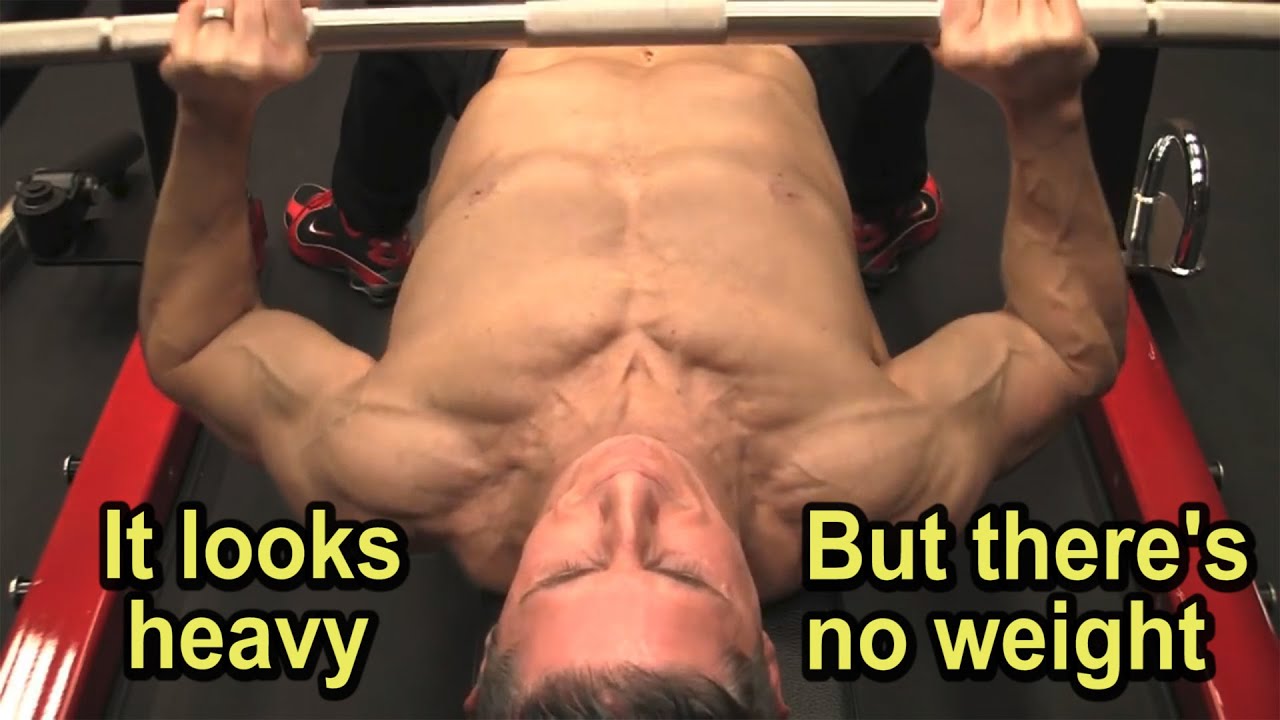
I think this guy were caught using fake weights in a deadlift video.

No, you’re thinking of the Janitor guy…Anatoly (Different guy than this Attia Inverview):

The Attia Inverview: Jeff Cavaliere attended the University of Connecticut , where he earned two degrees:

  • Bachelor of Science in Physioneurobiology / Pre-medicine (1997)
  • Master of Physical Therapy (MSPT) (2000)
    In addition to his academic degrees, he is also a Certified Strength and Conditioning Specialist (CSCS) through the National Strength and Conditioning Association (NSCA)

I don’t know about that, I have seen the Janitor’s guys videos though.

No, AthleanX / Jeff have used fake weights in his videos: