PISCES is interesting, I didn’t know about it, thanks for sharing: Fish-Oil Supplementation and Cardiovascular Events in Patients Receiving Hemodialysis 2025:
- “daily supplementation with fish oil (4 g of n−3 polyunsaturated fatty acids [1.6 g of EPA and 0.8 g of DHA])”
- “The rate of the extended primary end point that included noncardiac causes of death appeared to be lower in the fish-oil group than in the placebo group, with a hazard ratio of 0.77 (95% CI, 0.65 to 0.90).”
It’s among “adult patients receiving maintenance hemodialysis”, though. That’s a very specific population. Can we generalize to the overall healthy population?
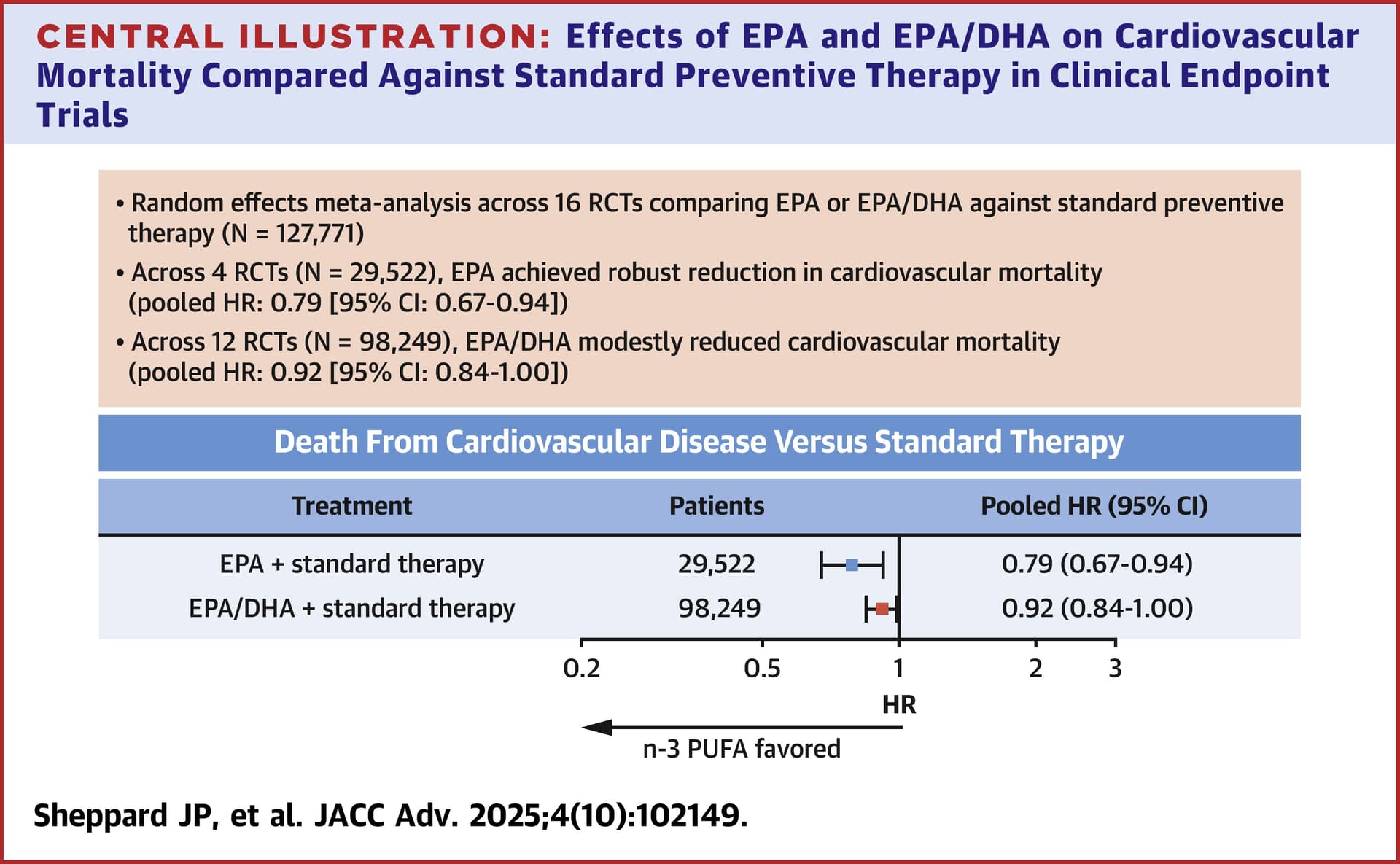
Also, see: Interpreting the PISCES trial on fish oil in hemodialysis patients: lessons on trial design, biological exposure, and outcome measurement 2026, which concludes: “If omega-3 therapy is contemplated in such contexts, several principles may help guide its use: Prefer formulations achieving substantial EPA exposure (≥1.6 g/day or EPA: DHA ≥ 2:1).”
1g per day of EPA? DHA? Mix?
What are your thoughts on the papers below?
- VITAL-DEP (18 353 participants, 5.3 years): Effect of Long-term Supplementation With Marine Omega-3 Fatty Acids vs Placebo on Risk of Depression or Clinically Relevant Depressive Symptoms and on Change in Mood Scores: A Randomized Clinical Trial: “Depression risk was significantly higher comparing omega-3 (651 events, 13.9 per 1000 person-years) with placebo (583 events, 12.3 per 1000 person-years; hazard ratio [HR], 1.13; 95% CI, 1.01-1.26; P = .03).”
- “fish oil had an insignificant and in some cases negative effect on mice in the ITP”: Omega 3 makes me depressed: why? - #32 by matthost
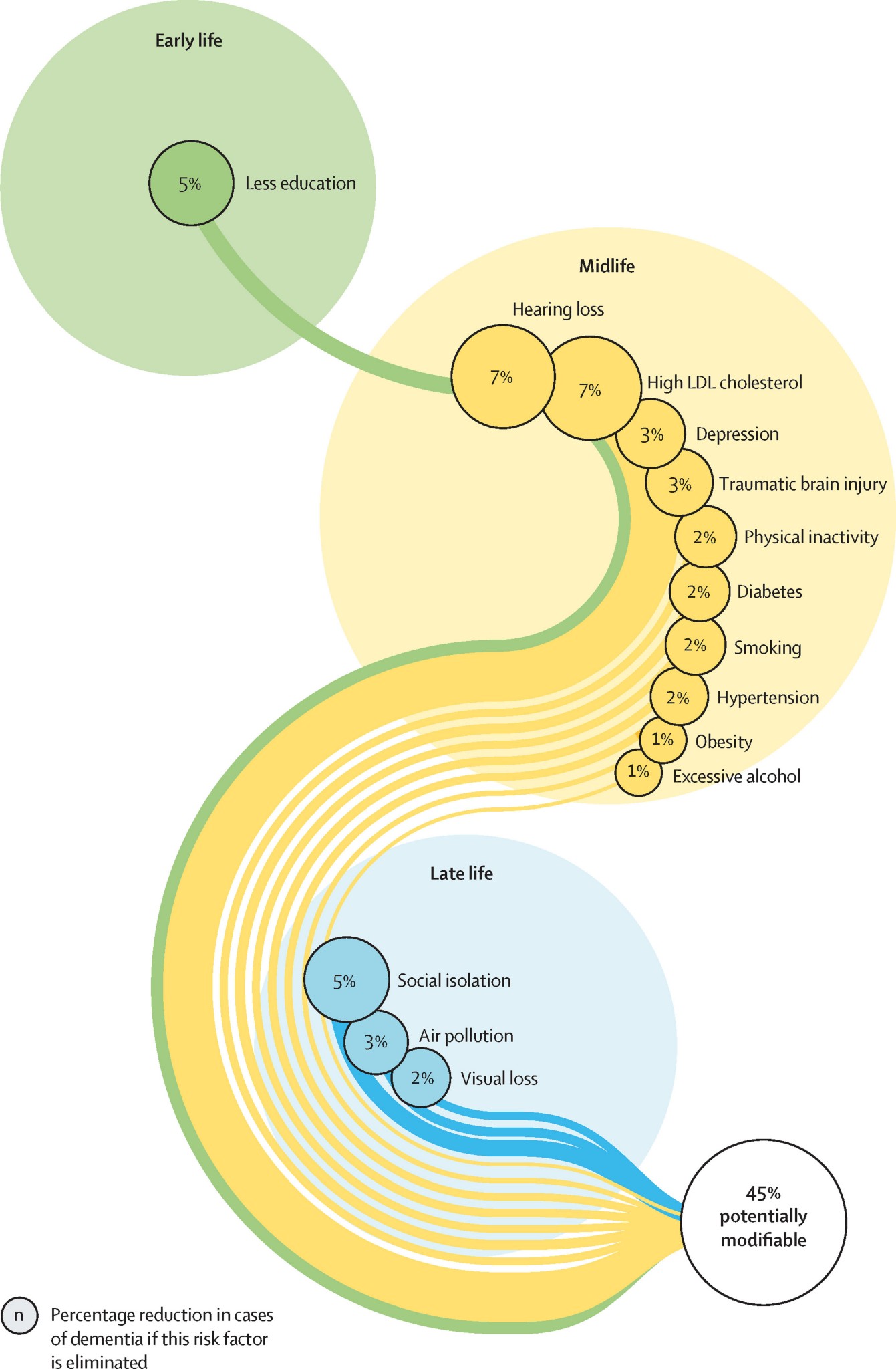
- The shift in the fatty acid composition of the circulating lipidome in Alzheimer’s disease 2024: “Higher levels of docosahexaenoic acid in plasma were associated with a greater rate of MCI-to-AD progression.” (of course, could only be due to disruption in the transport of DHA from plasma to CSF / deficiency in DHA transporters across the BBB but still a risk)
- Dietary docosahexaenoic acid (DHA) downregulates liver DHA synthesis by inhibiting eicosapentaenoic acid elongation 2024
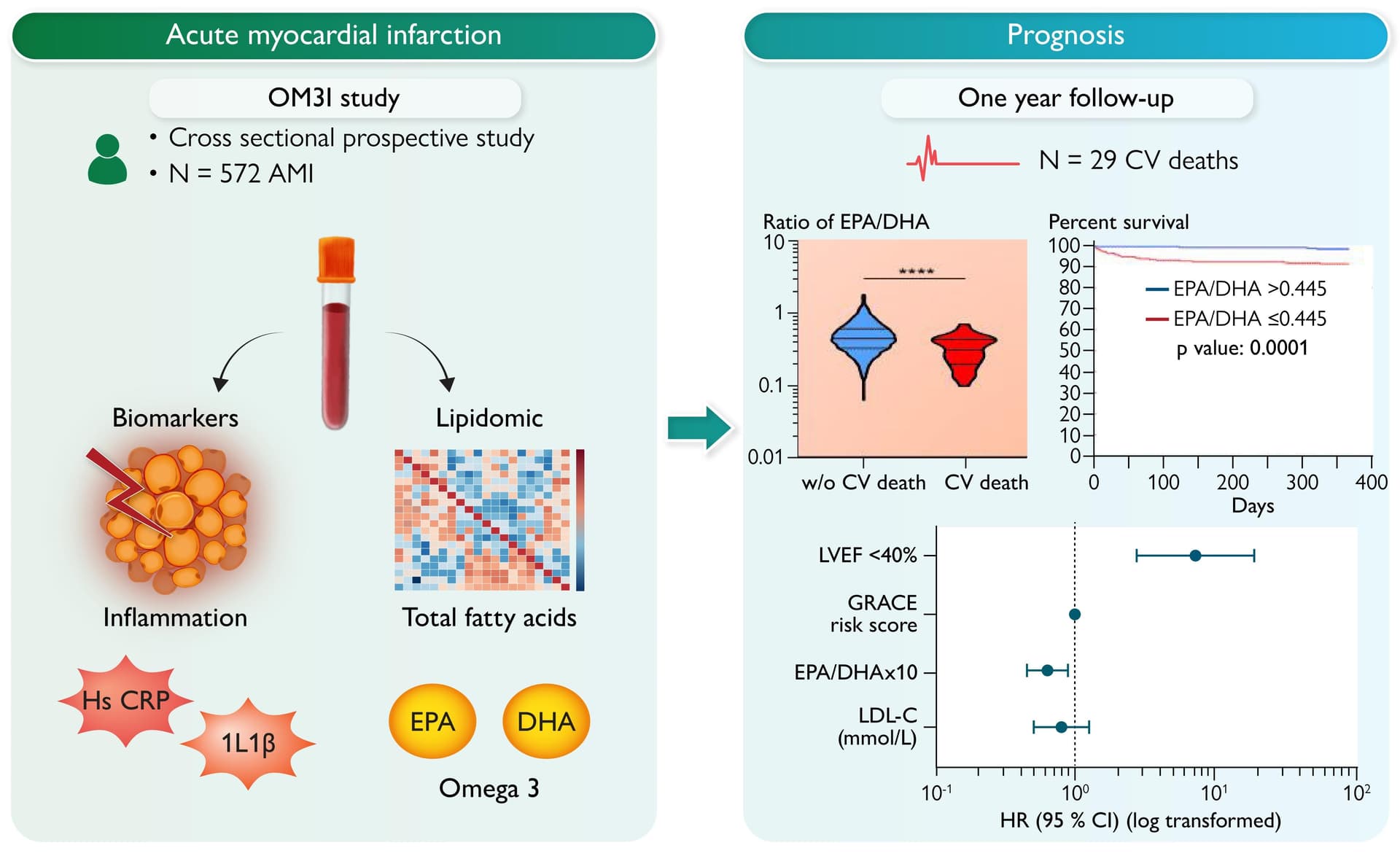
- Higher docosahexaenoic acid levels lower the protective impact of eicosapentaenoic acid on long-term major cardiovascular events 2023: “Higher levels of EPA, but not DHA, are associated with a lower risk of MACE. When combined with EPA, higher DHA blunts the benefit of EPA and is associated with a higher risk of MACE in the presence of low EPA.”
- Eicosapentaenoic acid reprograms cerebrovascular metabolism and impairs repair after brain injury, with relevance to chronic traumatic encephalopathy 2026: “EPA reprograms endothelial metabolism, impairing vascular repair and remodeling. EPA-driven neurovascular instability promotes tauopathy and cognitive decline.”