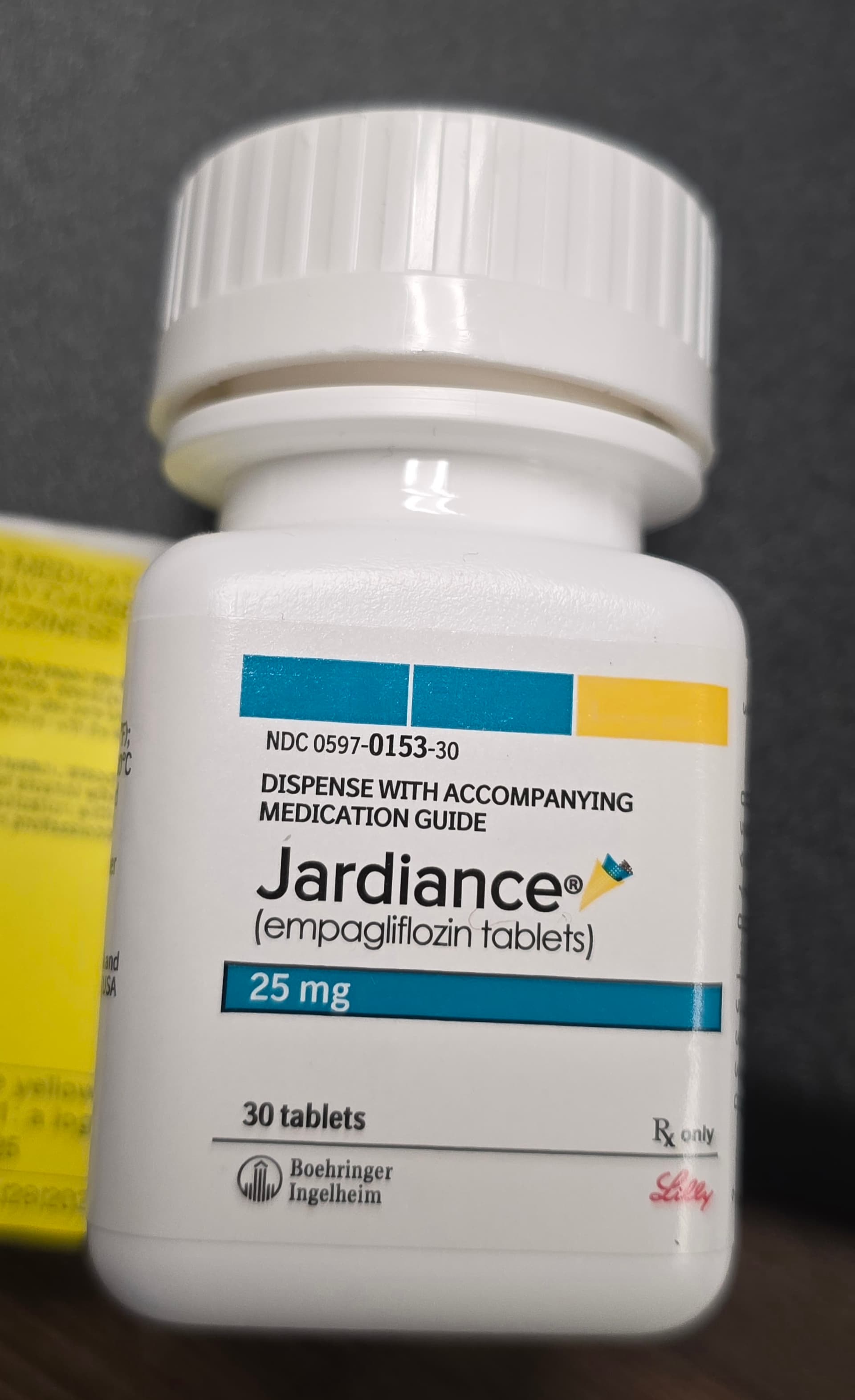
Non-diabetics taking SGLT2 inhibitors (Jardiance, Invokana, etc.)—what is your experience?

I am preparing to start an off-label protocol using the SGLT-2 inhibitor empagliflozin (Jardiance) for its metabolic optimization and downstream metabolic pathways. Given the compelling NIA Interventions Testing Program (ITP) data on SGLT-2 inhibitors and their systemic effects on nutrient sensing, I am eager to integrate this into my regimen.

However, I want to calibrate my approach using real-world data from like-minded non-diabetic peers who have already blazed this trail. As you understand, we want to avoid common pitfalls and optimize our baseline variables.

If you are a non-diabetic currently utilizing or experimenting with empagliflozin, I would highly appreciate your insights:

  • Did you begin directly at 10mg, or did you micro-dose/titrate upward? What is your current maintenance dose and timing (e.g., morning vs. pre-workout)?
  • Are you stacking empagliflozin with other interventions like OMAD, Metformin, Berberine, or GLP-1 agonists? If so, have you noticed any synergistic or antagonistic effects on your glycemic profile?
  • What objective changes did you track via blood work or continuous glucose monitoring (CGM) regarding fasting blood glucose, HbA1c, fasting insulin, or baseline ketone levels?
  • How do you manage the persistent renal glucose/fluid drain? Specifically, what is your electrolyte protocol to prevent dehydration, and how do you navigate exercise performance or fasting windows without risking DKA (Ketoacidosis)?
2 Likes

I had to drop SGLT2i altogether because they were driving my blood sugar too low. My HbA1C was nearing 4.0 even on 6.25mg empagliflozin.

Hi, Virilius, Thanks for sharing this! I agree that an HbA1c nearing 4.0% is incredibly low. I was afraid this might occur in non-diabetics.

Did you experience symptomatic hypoglycemia (dizziness, shakiness, cold sweats), or were you mostly tracking HbA1C numbers?

Also, what did your baseline diet look like at the time (e.g., low-carb vs. standard)? Trying to figure out if your liver’s gluconeogenesis just couldn’t keep up with the renal clearance. For over 10 years, I have been on OMAD, Metformin (ER), Acarbose (depending on how much carbs), and eating a relatively low carb diet.

1 Like

I requested (to my primary physician) to be put on empagliflozin. After just two months, it actually caused me to develop diabetes and put me in ketoacidosis, where I ended up in the hospital. I don’t regret having asked for this, because I thought it was a good move at the time and my doctor concurred. But I just like to let people know that there are potential downsides.

4 Likes

I started about 4 years ago. Started at lower dose, then after a month or two went to higher dose.

I pulse on and off every few weeks. I found that when combined with semaglutide oral that I was lacking in energy, so paused the sglt2 during semaglutide. I still use acarbose each meal.

Paused semaglutide recently because the Torrent pharma product was defective, and now taking sglt2, acarbose and immeglim. No issues working to get fasting blood glucose down to 5.3.

I track morning blood glucose via finger prick. Drink water throughout the day but not a ton: 2 or three 10 oz glasses of water.

2 Likes

Thank you for sharing your terrifying experience, Sir. I am really glad you made it through DKA!
In my research on SGLT-2, I read that Empagliflozin does not actually cause healthy people to suddenly develop diabetes. But experimenting with it requires massive caution indeed!

My skin turned pale and I felt like vomiting. Might have been a sign of ketoacidosis but I took that as a lesson to not use SGLT2i if ones blood sugar is already naturally low.

Also, what did your baseline diet look like at the time (e.g., low-carb vs. standard)?

50% carbs, 30% protein, 20% fat.

1 Like

Incredibly valuable experience.

I think we can all agree that layering too many metabolic interventions at once causes an energy crash.
It hasn’t happened to me, yet. But then again I am not experimenting with semaglutide.

1 Like

I started off label Jardiance 25 mg daily back in November 2025. Of course it helps kidneys so my physician was on board.

No issues. Blood panel is excellent. Feel great.

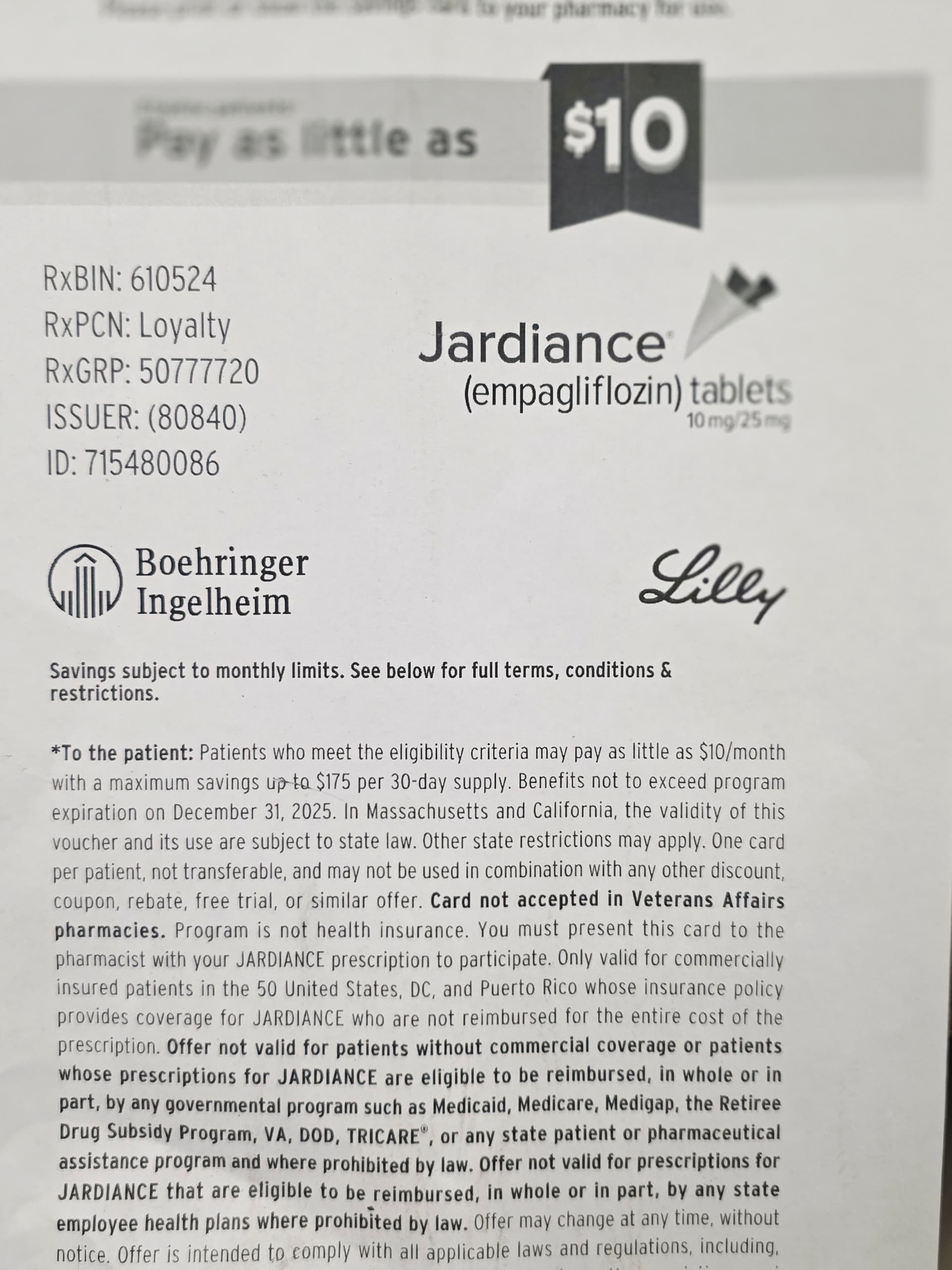
I get mine from a physician prescription to local pharmacy. The pharmacy gave me a code. It is $10 per month.

3 Likes

Was interested in starting an SGLT2 both for glucose control and some of the pleiotropic benefits: cardiovascular and also read that SGLT-2s can raise insulin by stimulating pancreatic beta cells. This also sounded grand, as my insulin is quite low. Currently taking metformin and imeglimin. Glucose is at or just slightly below prediabetic range.

But then I read that SGLT-2 drugs can cause problems with bone remodeling: a big concern as I have very severe osteoporosis. Will probably start teraparatide soon.

Also somewhat concerned about the risks of UTI’s, but this would not have stopped me from trying the SGLT2. However, the bone-related risks make it a no-go.

Anyone else read similar cautions re bone?

1 Like

Anyone want to report their egfr before and after sglt2i?

1 Like

Hey Agetron, I’m super curious about your ability to tolerate a 25 mg daily dose of Jardiance so well without any issues.
Do you attribute it to your massive glycogen buffer due to high muscle mass?

Having read the horror stories others have shared, I’m torn now between trying 5mg or 10mg.

FWIW, I’m prediabetic with A1c bouncing between 5.7-5.9. So not quite diabetic. I’ve been this way for 15+ years. My FBG crept up through the years, until about 5 years ago or so, it crossed 100mg/dL in the morning (dawn effect), eventually hitting 110-115. Interestingly, that’s only in the morning and immediately after exercise, otherwise I don’t have elevated BG, and postpriandally it’s rarely above 140.

Metformin 500mg/day for a year did absolutely nothing for me. I tolerated it just fine, but it was like taking a neutral pill.

In late 2004, I started on empagliflozin (Jardiance) 12.5mg/day (I split a 25mg pill in two). I took it for several months. It made zero difference in my A1c, still 5.8, but it dropped my morning FBG to just below 100. However after a few months, my FBG crept back up to 105-110. I then escalated the dose to 25mg/day and kept it there ever since. It has done zero for my A1c, but it did reliably drop my morning FBG to just below 100 - and I’m at that level to this day.

I bought the Jardiance from an Indian pharmacy, but I got the original manufacturer branded drug, not any generic. Cost: $1 per 25mg pill.

I take it with water on an empty stomach first thing in the morning a couple of hours before breakfast.

I never experienced any side effects whatsoever. If it wasn’t for urine tests I wouldn’t even know I took it. Some reported increased urination or increased thirst - not in my personal experience. It’s been entirely benign.

I had one three week break from it, because I had ACDF surgery at the end of 2025. No problem stopping it, and no problem starting it up again.

My personal choice: keep taking the 25mg/day empagliflozin, with the only possible alternative should circumstances or further research compel me to, would be dapagliflozin 10mg/day. My choice was based on many months of extensive research reading the literature, and I am persuaded (until contrary evidence emerges) that SGLT2i are practically miracle drugs, with very few side effects (which I don’t seem to suffer from up to this point - that I can tell). Empagliflozin is the drug I have the greatest confidence in of any in my personal stack of prescription drugs - LOVE IT!

So that’s the report of my n=1 experience. YMMV.

3 Likes

Your specific experience suggests that your insulin baseline is robust and is acting as a critical safety shield against deleterious side effects e.g., DKA. I am picking up the pattern from the discussions thus far that you and Agetron can tolerate and thrive on the 25mg dose because of your robust insulin reserves and muscle mass provide a protective buffer against energy crashes and KAD. In contrast, others with poor experiences suffer from low baseline insulin levels, causing their bodies to interpret the medication’s glucose flush as acute starvation and spiraling them into metabolic panic and KAD.

SGLT-2 does sound like a miracle on paper!

I had been taking it on off, but recently started taking it more regularly. I’m already on a GLP1, fasting glucose is in the 80s, A1c is 5.2, fasting insulin is 3. So I don’t really need blood sugar control. I’m mainly taking it for all the other benefits not covered by GLP1s, and the good news for me is that these other benefits don’t depend on being at max dose. I was taking 25mg for awhile, but switched to 10mg to save money.

Being on a GLP1, I’ve already had to deal with dehydration, and frequent urination, and adding a SGLT-2 inhibitor didn’t change anything. I’ve never had to deal with low blood sugar symptoms, or Dka. I also lift and do cardio fasted, and I haven’t had a performance issue there.

I’ve been taking taking 10 mg jardiance for about a year now. It has had no noticeable impact on Hg A1C, which has remained stable at 5.2-5.4 range throughout. No impact on cgm readings. I’ve done 4 day water only fasts while staying on it, with no issues. Baseline I’m almost never in ketosis on it. With fast, I go into deep ketosis, but no different than my older fasts I did prior to starting sglt2i. I use a keto mojo to track my fasts and the glucose ketone index falls below 2 by the end of day 2 whether on sglt2i or not. No change in GFR (>90). So in summary, I’ve noticed no change. I know it’s working bc of high glucose in urine when tested. Just hoping it’s worth it and cardio and renal protective in healthy patients. Leap of faith.

1 Like

Let me take a guess at your build. You are very muscular and have a high RMR over 2000 kcal.

It sounds like you too have a robust insulin baseline. But a prolonged 4-day water fast with an SGLT2 inhibitor sounds like a guaranteed ticket to ER.

I take 25mg since I started at least 3-4 years ago. The only change in lab I have is FBG at 70 usually and very low acid uric. I’m obviously non diabetic