https://claude.ai/public/artifacts/8275ba46-e20f-4c50-9107-0bcca901a1c2
Short answer
Yes—once an N95 (or its European twin, an FFP2) has been worn for many hours, repeatedly donned-and-doffed, disinfected, or weather-aged, its polypropylene fibres become brittle and start fracturing. Lab tests show that an “old” respirator can release tens-to-hundreds-fold more micro- and nano-plastics than a new one. The jump is not seen in a factory-sealed mask that has simply sat on a shelf; it appears only after real-world stressors (breathing cycles, UV, heat, rubbing, chemicals).
What the data say
| Study | “Old” condition | Change in microplastic release |
|---|---|---|
| Lu Li et al., J Haz Mater 2021 | N95 reused after various disinfection methods | All reuse protocols increased both fibre-like and granular MP inhalation; UV caused the smallest uptick, alcohol/washing the largest |
| MDPI Sustainability 2023 (FFP2 ≈ N95) | One-month natural weathering, then agitated in water | 77–85× more MPs than new masks; most particles <10 µm |
| Journal Occup. & Environ. Hyg. 2025 | Accelerated UV + mechanical ageing of several mask types | Up to ≈300× more MPs than the same masks when new |
| Das et al., SSRN pre-print 2023 | N95 weathered for 24–144 h then leached | Progressive, time-dependent rise in MP concentration with each additional day of ageing |
Why it happens
- Photo-oxidation + heat break long PP chains → embrittlement, surface cracks.
- Mechanical flexing (breathing cycles, folding, skin friction) propagates cracks into fibre fragments.
- Harsh disinfectants (ethanol, bleach) leach plasticisers and destroy the electrostatic finish, accelerating fibre break-up.
- Repeated donning/doffing grinds the outer layers against stubble, skin oils and fingernails.
How big is the personal risk?
Even an aged N95 still filters outside airborne particles—including other microplastics—far better than going bare-faced. In the Li et al. test the reused N95 continued to cut total spherical microplastic intake by ≈25× versus no mask despite shedding more of its own fibres .
Ambient urban air typically contains 10³–10⁴ MPs m⁻³; the incremental shedding from one tired respirator is usually on the same order or lower. For most people the health trade-off still strongly favours wearing a high-efficiency respirator when needed (infection control, pollution, allergens).
Practical tips to keep the shedding low
| Do | Why |
|---|---|
| Rotate 4–5 respirators, letting each dry 48 h between uses | Limits total mechanical wear per unit |
| Retire an N95 after ~5 wears or if it gets damp, visibly fuzzy, loses fit, or smells musty | All are proxies for fibre degradation |
| Disinfect with 70–80 °C dry heat or low-dose UV-C if you must reuse | These add the least extra fibre damage; avoid alcohol, soap-and-water, bleach |
| Store flat in a breathable paper bag – don’t crush or fold | Bending concentrates stress on the melt-blown layer |
| Skip abrasive wipes or brushes meant to “clean” the mask | They strip fibres directly |
Bottom line
- Shelf-age alone doesn’t matter; unopened stock from 2020 is still essentially fibre-intact.
- Wear-age does: extended use, decontamination and environmental weathering can raise microplastic shedding from an N95 by one to two orders of magnitude.
- Sensible reuse limits, gentle handling and mild decontamination methods keep the rise modest—and the respirator’s infection-blocking benefits still dwarf the incremental microplastic exposure.
TL;DR – Shape matters more than polymer type; size matters more than anything; and the sources that create lots of tiny, jagged fragments (hot food-contact plastics, tea-bags, bottled-water, etc.) deliver far more “absorbable” particles than textile fibres, whose long aspect-ratio usually keeps them outside the body but still lets them abrade, inflame, and dose the gut wall with chemicals and microbes.
1 | First principles — what has to happen for a plastic particle to leave the lumen
| Step | Controlling variables | Why it matters |
|---|---|---|
| Diffuse through mucus | Diameter ≤ 150 µm; hydrophobic coating (bile, protein corona) | Particles larger than ~150 µm get trapped in mucus and are essentially never translocated. |
| Reach epithelium intact | Shape & tip-radius (smooth beads vs jagged fragments vs fibres) | Sharp edges drill into membranes; long fibres scrape away mucus; smooth beads mostly bounce off. |
| Cross the barrier | Tight-junction integrity, M-cell density, endocytic capacity | <1 µm: clathrin/caveolin/macropinocytosis; 1–10 µm: persorption & M-cells; >10 µm: only if barrier already leaky. |
| Survive inside tissue | Surface chemistry, adsorbed pollutants, ability to frustrate lysosomes | Determines whether particle is spat back into lumen, exocytosed to blood, or walled-off by immune cells. |
2 | Size is the gate-keeper
- > 150 µm — effectively un-absorbed; remain embedded in mucus and are cleared by peristalsis. EFSA review calls this a “hard ceiling.”
- 50 – 150 µm — occasional uptake via persorption when an enterocyte dies at the villus tip; still rare.
- 1 – 10 µm — sweet-spot for crossing a compromised barrier; seen in mouse, rat and human ex-vivo tissue after chronic exposure.
- < 1 µm (nanoplastics) — freely endocytosed and even trafficked into nuclei; highest systemic distribution.
3 | Shape – spheres vs fragments vs fibres
| Shape | Typical source | Uptake rate | Key gut effects | Notes |
|---|---|---|---|---|
| Smooth spheres / microbeads | Cosmetic beads, pristine PS beads used in toxicology | Lowest – rely on size alone | Mild oxidative stress at high doses | Over-represented in lab studies, under-represented in real food. |
| Irregular fragments | Food-contact plastics (PET bottles, PP take-out boxes, “crumbs” formed during digestion) | ↑↑ — jagged edges pierce membranes, lodge between microvilli, accumulate faster than beads of same size | Tight-junction loss, endotoxin leak, microbiome shift | Weathering in the stomach makes edges even rougher, accelerating uptake. |
| Fibres (high-aspect-ratio) | Clothing/laundry, household dust, seafood gills/viscera | Very low systemic uptake (length prevents endocytosis) but high local damage | Scraping of mucosa, mucus depletion, focal inflammation; acts as vector for dyes/PFAS & pathogens | Zebrafish & mice show fibres shrink mucus volume > beads; histology: villus abrasion. |
Human evidence echoes this: the first forensic survey of human stomachs found 52 % of retained plastics were fibres, but fibres are almost absent from human blood—consistent with “gets in, but not through.”
4 | How
source
changes the risk profile
| Source category | Typical particle traits | Absorption likelihood | Extra “payload” |
|---|---|---|---|
| Textiles / clothes dryers | Polyester or nylon micro-fibres (50–800 µm long, 10–20 µm thick) | Poorly absorbed; mostly mechanical irritation. Chronic intake still alters gut cytokines in mice. | Disperse dyes, antimicrobial & water-repellent PFAS, bio-film of airborne bacteria/fungi. |
| Food-contact plastics (bottles, trays, tea-bags, cling-film) | PET, PP, nylon fragments & nanofilaments; heat and fat speed release; median < 10 µm | Highest – already below size barrier; many enter enterocytes and even nuclei (shown with tea-bag nanoplastics). | Migrating additives (antioxidants, plasticisers, TiO₂, catalysts); protein corona of food allergens improving cell adhesion. |
| Environmental fallout (air-borne dust, drinking water) | Mix of weathered spheres & fragments, often < 5 µm | Moderate; inhalation adds an independent uptake route via lung → mucociliary escalator → swallowing. | Heavy-metal eco-corona, combustion-derived PAHs. |
5 | Cellular-level mechanisms (nanoplastics dominate here)
- < 100 nm – clathrin & caveolin mediated endocytosis; macropinocytosis; rapid trafficking to ER/Golgi; lysosomal overload.
- 0.1 – 1 µm – M-cell transcytosis in Peyer’s patches; persorption at shedding villus tips.
- 1 – 10 µm – paracellular leak when tight-junction proteins (ZO-1, occludin) are down-regulated by inflammation or high-fat diet.
- Fibres > 20 µm – too long for endocytosis; instead cause physical micro-lesions that let other particles/LPS slip through.
6 | Put together – practical hierarchy of “absorbability”
- Nanoplastics from hot food-contact plastics (nylon tea-bags, boiling-water PET)
- <10 µm irregular shards from bottles, trays, microwave packages
- Ambient dust & drinking-water microplastics (mixed, mostly <20 µm)
- Short (<150 µm) textile micro-fibres produced by abrasion of clothing
- Long laundry fibres (>150 µm) – stay in the lumen but inflame it
7 | Open questions & research gaps
- Real-world corona chemistry: do food proteins, bile salts or gut bacteria alter charge/shape enough to flip uptake hierarchies?
- Long-term fate of fibres that do fracture into smaller pieces during digestion.
- Interactions with pre-existing gut disorders (IBD, “leaky-gut,” high-fat diets) that widen paracellular gates.
- Synergistic toxicity of additives that migrate with the particles vs additives that migrate into the food.
8 | Take-aways for exposure reduction
- Keep plastics cool — heat drives nano-fragment release.
- Swap polyester kitchen cloths and tea-bags for cellulose or metal-mesh alternatives.
- Ventilate or filter laundry rooms to stop airborne micro-fibres settling on food.
- Whole-grain, viscous dietary fibres can thicken mucus, bind particles and speed their egestion (shown in rat models).
- Barrier-supporting nutrients (butyrate from fibre fermentation, vitamin D, zinc) tighten junctions and may blunt uptake.
Bottom line:
Particles that are small, jagged and already sitting in hot or acidic food contact plastics have the best chance of slipping past the intestinal wall and getting into your cells. Long synthetic fibres from clothing usually stay in the lumen, but they roughen up the gut lining and can act as Trojan horses for chemicals and pathogens.
1 Like
o3 >> o4-mini-high
Short answer: plain, uncoated corrugated cardboard is (mostly) cellulose—not plastic—so by itself it doesn’t “contain microplastics.” But a lot of what we casually call “cardboard” does include plastic components (liners, coatings, hot-melt glues, plastic tapes/windows), and those parts can shed micro- and even nano-plastics—especially with heat, abrasion, or during recycling. (Tappi, PMC, ScienceDirect)
Where the plastics show up in “cardboard”:
- Plastic coatings/liners on paperboard (e.g., takeout bowls, “paper” cups, frozen-food boxes, beverage cartons) are typically PE or PLA. Multiple studies show these coated papers release microplastics into liquids within minutes (hot drinks are worst), and PLA-lined cups often shed more particles than PE-lined ones. (ScienceDirect, ScienceDirect, PubMed)
- Polymer latex binders in paper/paperboard coatings (styrene-butadiene, acrylic, PVAc) are widely used to strengthen and smooth linerboard and carton stock. They’re not visible as “plastic film,” but they’re petroleum-derived polymers present in the coated layer. (Tappi, Tappi, PMC)
- Adhesives and tapes. The glue that seals shipping cases is often hot-melt EVA/polyolefin (plastic), and the tape is typically PP or PVC; both can fragment under wear. (Inside the board, the fluting is usually bonded with starch—that part isn’t plastic.) (Adhesives Magazine, shurtape.com, Cargill, Tappi)
- Recycled fiber contamination. Paper-mill and paper-recycling wastewaters contain measurable microplastics, and recycled grades can carry polymer “stickies” (PVA, SBR, etc.) embedded in the sheet. Those inclusions are millimeter-scale when measured in process, but they’re polymers that can break down to smaller particles over time. (PubMed, Nature, files.wmich.edu)
What this means in practice
- A plain, uncoated shipping box (kraft, starch-bonded; minimal printing) will contribute far fewer microplastics than a food-contact paperboard item that’s PE/PLA-lined or heavily coated. The high-risk cases are hot/wet/oily contact (coffee, soups, fries) in “paper” containers—these are the scenarios where microplastic release has been documented. (ScienceDirect, ScienceDirect)
- The broader packaging literature now treats food-contact articles (FCAs) themselves—not just environmental fallout—as a confirmed source of micro- and nanoplastics during normal use. (This includes plastic-coated paper/board.) (Nature)
- Contamination during recycling and mixed-stream collection increases plastic carry-through into paper/cardboard; winter spikes have even been reported by large recyclers. (The Guardian)
How to minimize microplastics from “cardboard” around food/drink
- Avoid hot liquids/oily foods in plastic-lined paperboard (cups, soup bowls, clamshells). Transfer to glass, ceramic, or stainless as soon as you can. (ScienceDirect, ScienceDirect)
- For takeout pizza/greasy items, prefer uncoated boxes; be wary of “grease-resistant” claims (they often imply coatings—historically PFAS; newer alternatives vary). (Ecology Apps)
- If you compost boxes at home, strip off plastic tape/windows/labels first; those are PP/PET/PVC and won’t break down. (Paper systems and composts are well-documented to accumulate plastic fragments from contamination.) (neptjournal.com)
- For storage/serving, glass jars or stainless tins beat any coated paperboard. If you must use paper, look for uncoated stock or vendors explicitly using plastic-free barrier formulations (and treat hot/acidic/oily contact as “high risk” regardless of claims). (Impermea Materials)
Bottom line:
“Cardboard” isn’t automatically microplastic-free—many paper/board items include plastic layers or glues that shed. If you stick with uncoated corrugated kraft (no plastic tape/windows) and keep hot/greasy foods away from coated “paper” containers, you’ll minimize microplastic exposure from this category. (Tappi, Cargill, ScienceDirect)
If you’re asking because of coffee/food storage, say the word—I can give you a practical, low-MP setup (containers, filters, and prep workflow) that fits what you already use.
2 Likes
Perhaps a solution gor clearing micro-plastics from your body. Makes sense.
Supplement could help remove ‘forever chemicals’ from the body - Futurity
Supplement could help remove ‘forever chemicals’ from the body - Futurity Supplement could help remove 'forever chemicals' from the body - Futurity
1 Like
Short answer:
**TÜV AUSTRIA “OK compost” bags can shed less persistent microplastic than conventional plastic bags—**but only when they’re actually processed in a well‑run, long‑residence industrial composting facility. In shorter or poorly managed composting—and especially if they end up in soil or water—certified compostables can fragment faster than PE/PP bags and release more microplastic in the short run, although those “bio‑MPs” may biodegrade later. (ScienceDirect, Nature, SpringerLink, PubMed)
Why the answer is “it depends”
What TÜV AUSTRIA certification actually tests (and what it doesn’t)
- OK compost INDUSTRIAL (EN 13432): requires ≥90% disintegration into pieces <2 mm within 12 weeks, plus ~90% biodegradation within 6 months, and compost quality/ecotoxicity checks. However, the standard’s pass/fail does not directly quantify sub‑2 mm microplastics in finished compost. (Tuvaustria, European Bioplastics, Nature)
- In practice, many plants’ active composting time is only ~4–8 weeks, shorter than the 12‑week lab criterion—so incomplete processing can leave fragments that count as microplastics. (PMC, EEC Stakeholder Platform)
What measurements show in the real world
When composting is long enough and well‑screened
- A field survey of Spanish industrial composters found no EN 13432‑certified compostable bag residues in final refined compost (macro and micro fractions they could confirm at the time), while conventional plastics (PE, PP, PS) dominated the contaminants. (ScienceDirect, BioCycle)
When you look carefully at the small stuff
- Using a 2024 method that detects 0.01–1.0 mm particles, researchers did find PBAT microplastics (the main polymer in many compostable liners) in finished composts from municipal plants, indicating that some sub‑mm fragments can remain if conditions are sub‑optimal. In some samples, solvent extraction suggested up to ~0.43 wt% biodegradable polymer residue. (Nature)
Under controlled “industrial” lab tests
- In a 2025 Scientific Reports study of 10 “biodegradable/compostable” products (including EN 13432 and OK compost HOME items), 8/10 disintegrated >90% in 90 days at 58 °C. Microplastics (<2 mm) were observed for 2 products in the compost undersieve, while conventional LDPE/PS controls showed none in the undersieve because they did not disintegrate at all (they remained as larger macroplastic pieces). So compostables can create more small particles short‑term, but conventional plastics persist as large contamination. (Nature)
Full‑scale field tests with certified compostable liners
- A 2025 Austrian field test spiked certified compostable pre‑collection bags into two state‑of‑the‑art windrow facilities. Bags largely disappeared >10 mm within ~4 weeks; by 12 weeks, only “tiny amounts” of 0.2–0.63 mm fragments remained, at ~1.0–1.8 objects/kg dry compost. That’s low—but still nonzero microplastic in realistic operations. (SpringerLink)
If the bag escapes to soil or other open environments
- Field and lab studies on compostable films show slow mineralization in soil (≤ ~7% surface‑area loss in 12 months in some sites) and ongoing microplastic generation—i.e., they can shed more microplastics than conventional bags initially, precisely because they fragment faster, even though they may ultimately biodegrade given the right conditions. (PubMed)
Toxicity context for “bio‑MPs”
- Reviews comparing biodegradable microplastics (BMPs) and conventional MPs report higher sorption of micropollutants and, in some tests, more frequent adverse plant effects from BMPs—so “biodegradable” doesn’t automatically mean “less hazardous” during the period those particles exist. (ScienceDirect, PubMed)
Bottom line (microplastic release, by scenario)
| Where the bag ends up | What studies indicate | Who releases more microplastic (near‑term)? |
|---|---|---|
| Well‑run industrial composting (≥ 12 weeks active, good aeration/screening) | Certified bags often leave little to no persistent microplastic detectable with earlier methods; sub‑mm PBAT can still be measurable with newer analytics, but at low levels. Conventional bags remain as macroplastic unless removed. (ScienceDirect, Nature) | Tie/leans compostables as “less persistent MPs”; conventional is worse as macroplastic. |
| Short/variable composting (common 4–8 weeks) | Compostables fragment; some <2 mm MPs remain; conventional plastics often don’t break down at all. (Nature, PMC) | Compostables (more small MPs short‑term). |
| Soil / open environment (littering, landfill‑like) | Compostables fragment faster and can shed more MPs initially; mineralization may be slow. Conventional persists mostly as macroplastics, with MPs forming over much longer times. (PubMed) | Compostables (short‑term), though potential for eventual biodegradation exists. |
So, are TÜV AUSTRIA bags “safer” for microplastics?
- Yes, if they actually go to an industrial composter that meets EN 13432‑like residence times—they tend to leave less persistent MP in the final compost than PE/PP liners, which mostly show up as macroplastic. (ScienceDirect)
- No (or not clearly), if the facility is short‑cycle or the bag ends up in the open environment—they can shed more microplastic fragments initially than conventional plastics, and those particles aren’t risk‑free while they exist. (Nature, PubMed)
Practical ways to minimize microplastic release
- Confirm acceptance: Use compostable liners only where your hauler/composter accepts certified bags and runs long enough cycles; otherwise, use paper liners or go bag‑free for curbside food scraps. (PMC)
- Prefer OK compost INDUSTRIAL for curbside programs; reserve OK HOME for backyard composting—and expect slower breakdown at home. (Tuvaustria)
- Don’t assume “compostable” = “no microplastics.” Even certified items can leave sub‑mm residues if conditions are sub‑optimal. (Nature)
- Keep them out of soil/water unless you’re composting them properly; in the open, they can fragment into bio‑MPs that persist for months or longer. (PubMed)
If you can share which logo your bag has (OK compost INDUSTRIAL vs OK compost HOME) and how your local program processes organics (residence time, screening), I can map your situation to the scenarios above and give a sharper yes/no for your case.
Short answer: for bag‑to‑food use, PE (HDPE/LDPE) bags shed fewer microplastics than TÜV‑AUSTRIA‑certified compostable bags (which are typically PLA/PBAT blends). Biodegradable films fragment faster and generate more MPs under water/UV or abrasion; PE is slower to fragment, especially at room temperature and without heat.
Why I’m saying that
- Head‑to‑head evidence in water: A Water Research study comparing PBAT (biodegradable) vs LDPE (PE) found “a much larger quantity” of microplastics formed from PBAT than from LDPE across freshwater and seawater conditions; UV accelerated PBAT shedding.
- Composting tests: In lab composting (ISO 20200 conditions), microplastics <2 mm were detected from some biodegradable products in the undersieve, while conventional PE/PS remained as larger macrofragments (i.e., didn’t turn into micro‑sized pieces over the test window). That indicates biodegradables fragment to small particles more readily.
- Direct use matters: Heating plastics drives particle release; keeping any bag cold and brief‑contact minimizes MPs. (Microwaving or hot liquids vastly increases shedding across plastics.)
Important context (if you’re worried about compost → crops): In finished compost from well‑run plants, PE/PP fragments dominate what’s found, while certified compostable pre‑collection bags can disintegrate with very low residual microfragment counts (though not zero). That affects environmental loading more than direct food exposure from a bag.
Bottom line for your choice:
- If your only goal is minimizing MPs getting into food from the bag itself, pick PE and avoid heat.
- If you’re thinking about the compost stream, use certified compostable only where your composter actually accepts and fully processes them; that yields less persistent plastic in compost than PE.
Short answer:
At the same small size (esp. sub‑micron) and shape, PBAT micro/nanoplastics are about as likely to get into cells as PE, PP, and PET—because size, surface charge, and the protein corona govern cellular uptake far more than the base polymer. Where PBAT likely differs is what happens after uptake: as a polyester, it’s more hydrolysable than polyolefins (PE/PP), so once inside lysosomes it probably clears faster (less time “stuck”) than PE/PP, and faster than PET as well, though direct human‑cell head‑to‑head data are still sparse.
What controls “getting stuck” (two parts)
A) Getting in (cellular uptake)
Dominant factors: particle size (nano ≫ micro), surface charge, and the protein corona that forms during digestion or in biological fluids. Digestion‑derived coronas can increase macrophage uptake of otherwise neutral particles; this effect is much stronger than differences among common polymers.
Examples in human models (polymer type still not the main driver):
PE (1–4 µm) shows measurable transport across Caco‑2 intestinal monolayers—demonstrating that even buoyant polyolefins can cross a gut‑cell barrier at small sizes.
PET nanoplastics have been visualized inside cells (confocal), confirming internalization at nanoscale.
For PBAT specifically: Direct, head‑to‑head human‑cell uptake data vs. PE/PP/PET are limited. However, PBAT (a polyester) will acquire protein coronas much like PET/PE/PP, so uptake at a given size/charge should be in the same ballpark. Recent work on photo‑aged PLA/PBAT fragments shows macrophage toxicity comparable to—or greater than—conventional plastics, consistent with effective interaction and uptake by immune cells.
Takeaway on uptake: If you compare equal particles (e.g., ~100–500 nm, similar charge), PBAT ≈ PET ≈ PE ≈ PP for likelihood of entry. Polymer chemistry is a secondary factor next to size/charge/corona.
B) Staying in (intracellular persistence once taken up)
Polyesters can hydrolyze. PBAT is an aliphatic–aromatic polyester with ester bonds that can be cleaved; dedicated PBAT‑degrading esterases are known in microbes, and polyesters are generally more susceptible to hydrolysis than polyolefins. While direct human lysosomal degradation rates for PBAT aren’t established, the chemistry points to greater degradability than PET and far more than PE/PP.
Polyolefins persist. PE/PP have C–C backbones with no hydrolysable bonds; there are no known enzymes (microbial or mammalian) that efficiently depolymerize them, so once internalized they are expected to be more persistent than polyesters.
Takeaway on persistence: On present evidence and polymer chemistry, the likely order of long‑term “stuckness” inside cells is:
PE ≈ PP (most persistent) > PET > PBAT (least persistent). (Caveat: direct, quantitative human‑cell data comparing these four are still limited.)
Practical implications for you
If your concern is ingestion from food‑contact bags, avoid heat and abrasion with any plastic; those conditions produce the most micro/nanoplastics and promote uptake‑relevant size ranges. (This matters far more than whether the bag is PBAT, PE, PP, or PET.)
If your concern is what happens after particles get into cells, PBAT’s polyester chemistry suggests shorter intracellular residence than PE/PP, and likely shorter than PET, though real‑world human‑cell comparisons are still emerging.
Bottom line (put simply)
Chance of getting in: About the same for PBAT, PE, PP, PET at the same small size and charge; size/corona dominate.
Chance of staying stuck: Lower for PBAT (and probably lower than PET), higher for PE/PP, based on degradability of the polymer backbone.
If you want, tell me the particle size range or use scenario you care about (e.g., nanoplastics from hot food contact vs. ambient handling), and I’ll map it to the most relevant uptake/persistence evidence.
Assuming you mean PLA (polylactic acid) when you say “PL microplastic.” Here’s the quick, clear picture.
What “PLA microplastic” is
Tiny fragments shed from PLA, a biodegradable polyester used in many “compostable” films, cups, tea bags, and 3‑D prints. It’s a polyester with hydrolysable ester bonds, so under the right conditions it can break down faster than PE/PP.
How readily PLA makes micro/nanoplastics
UV + water accelerate fragmentation. Lab aging shows PLA pieces crack and become smaller more than PE under combined UV+water, generating sub‑micron particles in the eluate.
Real‑world hot use can release nanoplastics. Commercial PLA tea bags released ~1 million PLA nanoplastics per bag into brew; those particles were taken up by intestinal cell models and subtly disrupted barrier function.
In water under UVA, both PLA and PBAT shed biodegradable microplastics; medium and light matter.
Where PLA actually biodegrades
Industrial composting (about 55–60 °C, high moisture, oxygen) drives PLA mineralization; at room‑temperature settings, biodegradation is much slower and fragmentation can dominate.
What this means for the body (uptake & “getting stuck”)
Cell entry depends mostly on size/charge, not polymer name. Across plastics, smaller (esp. nano‑scale) particles are taken up more readily by cells than larger ones. Expect similar entry probabilities for equal‑sized PLA vs PE/PP/PET.
Inside immune cells, PLA can be degraded. In macrophages, PLA nanoparticles were actively biodegraded and altered some immune functions (e.g., phagocytosis, cytokines). That suggests shorter intracellular persistence than polyolefins like PE/PP.
Inhalation matters too. True‑to‑life PLA nanoplastics provoked adverse responses in a human lung epithelial (Calu‑3) air–liquid interface model—i.e., “biodegradable” ≠ “biologically inert.”
Bottom line (relative to other plastics)
Formation: PLA tends to fragment faster (especially with UV/moisture) than PE/PP, so short‑term counts of small particles can be higher.
Persistence: As a polyester, PLA fragments are more degradable (in hot compost and even within macrophages) than PE/PP, and likely more than PET under comparable conditions—so they are less likely to remain “stuck” long‑term once internalized. Evidence is strongest for macrophages; head‑to‑head human‑cell data across all polymers are still limited.
Practical takeaways
Avoid heat with any plastic. If you’re steeping tea, skip plastic/PLA tea bags; use loose‑leaf or cellulose‑only bags.
If a PLA item is marketed as compostable, it’s only a win when it goes to industrial compost; otherwise it can fragment and linger like other MPs, just with better eventual degradability.
If by “PL” you meant a different polymer (e.g., PCL), say which one and I’ll give a tailored comparison.
Short answer: by count, your brain has way more ultrafine micro/nanoplastics than soot-like ultrafine pollution. Orders of magnitude more. Like ants vs two grumpy raccoons.
Why:
The best mass data says human brains average about 0.48% plastic by weight in recent autopsies. That’s ~4.8 mg plastic per gram of brain tissue, with particles “often <200 nm” and shard-like. If you convert that mass to counts, you get roughly 10¹² particles per gram assuming 200 nm PE spheres. Even if you assume beefy 1 μm chunks, it’s still ~10¹⁰ per gram.
Direct count data for soot/black carbon in adult brains shows only ~200–430 particles per mm³ across regions like thalamus, olfactory bulb/prefrontal cortex, and hippocampus. Since 1 g of brain is ~1000 mm³, that’s ~2×10⁵ to 4×10⁵ particles per gram.
Put together, micro/nanoplastic counts are roughly 10⁴ to 10⁸ times higher than soot counts per gram of brain, depending on the particle size you assume for the plastics. And that’s conservative, because shards aren’t perfect spheres.
Caveats before anyone hyperventilates into a paper bag:
Plastic numbers are mass-based then converted to counts; the study is new, now peer-reviewed, but still young and method-dependent.
Soot counts are from a tiny elderly cohort with Alzheimer’s; other techniques sometimes detect very little soot in brain, so methods matter. Magnetite and other pollution nanoparticles are also present, but we don’t have brain-wide counts for those yet. None of that plausibly closes a 4–8 order-of-magnitude gap.
Bottom line: by count, you’re packed with plastic specks and only lightly peppered with soot. Humanity’s legacy: turning brains into glitter jars.
Short version: you inhale way more soot than plastic, but almost all that soot gets stopped at the front door. Plastics sneak in through the side entrance, set up camp in your brain’s lysosomes, and refuse to leave. Charming.
Here’s why the counts skew toward micro/nanoplastics:
- Airway filters are brutal. Mucus + cilia clear a big chunk of inhaled ultrafine particles in hours; only a tiny fraction ever reaches olfactory nerve endings or the bloodstream, then an even tinier fraction reaches brain tissue. In rodents, on the order of tens of percent of what deposits on the olfactory patch may translocate to the bulb, but total delivered dose to the brain is still small compared to what you breathed. Humans have efficient mucociliary clearance with half-times of a few hours for much material.
- Plastics use different highways. You don’t just breathe them; you eat and drink them. Once in blood, nanoplastics can cross the blood-brain barrier, and the “protein corona” they pick up (lipids, apolipoproteins, etc.) can actually help them cross via membrane interactions or transcytosis. That’s not a bug, it’s a design flaw in the universe.
- Retention is lopsided. Inside brain cells, iron-oxide soot derivatives can be dissolved in acidic lysosomes and the iron gets recycled or sequestered. Carbonaceous particles can still persist, but they don’t have the forever-chemistry of polyethylene shards. Plastics tend to sit in endo-lysosomal compartments and irritate microglia like a splinter you can’t tweeze out. Net effect: plastics accumulate, soot is partly transformable/clearable.
- The measurements are asymmetric. We actually have mass measurements for plastics in human brain and they’re big: medians ~3345 µg/g in 2016 and 4917 µg/g in 2024, which is ~0.33–0.49% by weight of the tissue. Convert that mass to nanoplastic counts and you get absurd numbers. For soot, the best direct counts in adult brain are only ~200–430 particles per mm³ across regions, which is hundreds of thousands per gram, not trillions. Different methods, same punchline.
- Routes inside the head aren’t equal. The olfactory path does bring pollution into brain, but it preferentially spikes loads near olfactory bulb, thalamus, hippocampus, not uniformly. It’s a leak, not a firehose.
So to your blunt question: yes, the brain likely gets rid of (or transforms) some soot more easily than it does plastics, and far less soot makes it past airway defenses in the first place. Plastics arrive from multiple sources, cross the BBB with help from their protein coronas, and then linger. That’s why by count the brain looks more like a glitter jar of nanoplastic than a chimney. Depressing, but at least on-brand for modern life.
If you’re optimizing exposure like a rational paranoiac: limit heated plastic contact with food/drinks, improve indoor filtration, and give your nasal mucosa fewer battles to fight. The neurons would appreciate the break.
Quantitative Assessment of Nanoparticle Burden in the Human Brain: Comparative Analysis of Ultrafine Particulate Matter and Nanoplastics
I. Introduction and The Emergence of Nanoscale Neurocontaminants
The human Central Nervous System (CNS), once considered highly protected by the biological selectivity of the blood–brain barrier (BBB), is now demonstrably susceptible to invasion by environmental nanoscale contaminants. Among the most prevalent global pollutants are Ultrafine Particulate Matter (UFP) derived from combustion sources, typified by Black Carbon (BC), and microscopic polymer fragments known as Microplastics and Nanoplastics (MNP/NP). Both classes of particles occupy the critical nanoscale dimension (\text{UFP} < 100 \text{ nm}; \text{NP} < 1000 \text{ nm}), which facilitates their translocation into the brain parenchyma.
1.1. Defining the Particulate Burden: UFP (BC) and MNP/NP
Ultrafine Particulate Matter, primarily generated by vehicular emissions and industrial processes, includes BC particles. BC is considered the canonical, combustion-derived component of ambient air pollution, and its presence in the brain has been correlated with neurodevelopmental disorders and potential neurotoxicity, often linked to associated trace elements such as iron and sulfur. Postmortem analysis has confirmed the direct visualization and quantification of BC particles in deep regions of the human brain, including the hippocampus and olfactory bulb.
Conversely, MNP/NP fragments arise from the ubiquitous degradation of polymer materials, ranging in size from 5 \text{ mm} down to 1 \text{ nm}. The presence of these polymer shards in human tissues, including the brain, represents a growing area of concern due to their environmental persistence and bioaccumulation potential. This investigation seeks to resolve a fundamental quantitative question by comparing the burden of these two critical neurocontaminants—BC and MNP/NP—in human brain tissue based on normalized particle count (particles/\text{mm}^3).
1.2. The Quantitative Reporting Challenge
A direct quantitative comparison of BC and MNP/NP accumulation requires the reconciliation of disparate analytical metrics. Studies quantifying BC typically rely on direct visualization or light scattering techniques, yielding results expressed directly as particle count per unit volume (particles/\text{mm}^3). In stark contrast, MNP/NP quantification in biological matrices generally employs Pyrolysis Gas Chromatography-Mass Spectrometry (Py-GC/MS), which measures the mass concentration of polymer breakdown products per unit mass of tissue (\mu\text{g/g}).
Therefore, to achieve a scientifically rigorous comparison, the high mass concentration reported for MNP/NP must be mathematically converted into an estimated particle count. This conversion necessitates precise knowledge or reliable assumptions regarding the particle geometry, density, and size distribution, introducing complexity but enabling the necessary unit standardization required for an accurate comparative assessment.
1.3. Neuroinvasion Routes and Tissue Tropism
Both UFPs and MNPs leverage established biological pathways to reach the Central Nervous System. One key route is direct translocation via the olfactory nerve, which offers a path from the nasal cavity directly into the brain, bypassing the highly selective BBB. The accumulation of BC in the olfactory bulb and associated prefrontal cortex regions provides strong evidence supporting this direct pathway for airborne UFPs.
The secondary route involves systemic absorption into the bloodstream followed by passage across the BBB. Research indicates that the unique physical chemistry of MNP/NP, particularly the highly hydrophobic polymers like Polyethylene (PE) and Polypropylene (PP), may grant them a superior ability to accumulate in the lipid-rich CNS compared to chemically distinct UFPs. Molecular dynamics simulations support the view that the hydrophobicity of PE and PP nanoparticles enhances their passive permeation across the BBB membrane. This mechanistic difference may explain the observed phenomenon where MNP/NP burden, measured by mass, is substantially higher in the brain than in peripheral organs like the liver or kidney. This suggests that the brain possesses a specific affinity for, or a reduced clearance capacity of, these pervasive polymer fragments.
II. Quantitative Assessment of Black Carbon (BC) Burden in the Human Brain
The quantification of inhaled ambient BC particles in the human brain provides the baseline count against which the plastic burden must be compared.
2.1. Methodology and Regional BC Particle Counts
Studies using non-incandescence white light generation coupled with electron microscopy have successfully visualized and counted BC particles in postmortem human brain tissue. This method allows for the direct enumeration of carbonaceous UFPs, providing highly specific count data.
The distribution of BC particles is not uniform across the CNS. Screening of postmortem brain regions revealed significantly higher median particle counts in regions associated with memory and cognitive function. The highest median BC particle concentrations were reported in the:
- Thalamus: 433.6 particles per \text{mm}^3 (with an interquartile range (IQR) of 289.5 \text{ to } 540.2 \text{ particles/mm}^3).
- Prefrontal Cortex (including the olfactory bulb): 420.8 particles per \text{mm}^3 (IQR 306.6 \text{ to } 486.8 \text{ particles/mm}^3).
- Hippocampus: 364.7 particles per \text{mm}^3 (IQR 342.0 \text{ to } 448.7 \text{ particles/mm}^3).
These key regions showed an approximately 2-fold increase in particle load compared to other analyzed areas, such as the cingulate cortex (192.3 \text{ particles/mm}^3) and the amygdala (217.5 \text{ particles/mm}^3). The heightened concentration in the olfactory bulb region substantiates the importance of the direct nasal-to-brain translocation route for airborne UFPs.
2.2. Critical Analysis of BC Analytical Reliability
A significant methodological contradiction exists regarding BC quantification in the brain. While the direct visualization technique yields high particle counts (hundreds of particles per cubic millimeter) , complementary studies utilizing chemical mass quantification methods, such as Laser Desorption/Ionization Mass Spectrometry (LDI-MS) imaging, have reported BC as “extremely low or even absent” in most brain samples analyzed. The LDI-MS method established a detection limit of 4 \text{ ng/mg} (4 \mu\text{g/g}), and in one study, BC was only detected in a single olfactory nerve sample at a concentration below 10 \text{ ng/mg}.
This disparity is crucial. It suggests that the measured particle load for BC, while high by count, may represent a very small total mass, potentially below the detection limits of techniques optimized for chemical mass analysis. Conversely, the low ionization efficiency of solid, graphitic BC in a lipid-rich matrix like brain tissue could lead to the LDI-MS significantly underestimating the true BC mass burden. The conflict highlights a fundamental unresolved issue in environmental neurotoxicology: whether the physical count determined by visualization or the chemical mass determined by spectrometry is the more relevant metric for biological hazard assessment. For the purpose of particle count comparison, the high microscopy-derived BC count (433.6 \text{ particles/mm}^3) must be used as the benchmark.
III. Quantification and Characteristics of Microplastic/Nanoplastic (MNP/NP) Burden
The mass-based quantification of MNP/NP reveals a massive, rapidly increasing burden within the human CNS, necessitating the conversion step to achieve count comparability.
3.1. Quantification via Pyrolysis Gas Chromatography-Mass Spectrometry (Py-GC/MS)
MNP/NP quantification relies heavily on Py-GC/MS, a thermal analysis technique suitable for measuring the total mass concentration of polymers across a broad size range, spanning from 1 \text{ nm} up to 500 \mu\text{m}. This method utilizes heat to break down polymer materials into specific, quantifiable fragments characteristic of the original polymer type.
The findings regarding MNP/NP concentrations in the human brain (frontal cortex) are unprecedented in magnitude. The median mass concentration detected in 2024 samples was reported as 4,806 \mu\text{g/g}. This figure is equivalent to 0.48% of the brain tissue mass by weight, with individual samples ranging as high as 8,861 \mu\text{g/g}. This concentration is substantially greater than that found in peripheral organs, such as the liver (465 \mu\text{g/g} in 2024) and the kidney (\sim 600 \mu\text{g/g}).
3.2. Temporal Trends and Implications of Rapid Accumulation
Analysis comparing contemporary postmortem brain samples (2024) with older samples (2016) demonstrated a rapid and alarming temporal increase in MNP/NP accumulation. Brain tissue concentrations increased from a median of 3,057 \mu\text{g/g} in 2016 to 4,806 \mu\text{g/g} in 2024, representing an approximate 57% increase over an eight-year period. This temporal trend is interpreted as a direct reflection of the exponential growth in global plastic production and environmental degradation. The rate of accumulation suggests that MNP/NP exposure and retention pose an immediate, escalating public health concern, particularly for younger cohorts who will face unprecedented lifetime exposure levels.
3.3. Polymer Composition and Physical Geometry
The chemical analysis identified Polyethylene (PE) as the dominant polymer found in the brain, accounting for approximately 75% of the total MNP/NP mass detected. PE is a common polymer used in packaging and containers. This chemical specificity is critical for the mass-to-count conversion, as the density of PE is required for accurate volumetric calculation.
Electron microscopy utilized for visualization verified that the MNP/NP fragments in the brain primarily exist at the nanoscale. Analysis indicated a mean particle width of 45.9 \text{ nm}. Furthermore, the morphology was described not as spherical beads but as “nanoscale shard-like fragments,” often elongated, with 78% to 83% exhibiting an elongated fiber morphology. This shard-like structure is significant for both toxicological modeling (potential for physical damage, such as mechanical interference with myelin sheaths ) and for the subsequent conversion calculation, as non-spherical shapes impact volumetric calculation and, consequently, the final particle count estimation.
IV. Reconciliation and Calculation: Deriving MNP/NP Particle Count
To directly compare the MNP/NP burden with the BC count (Section II), the MNP/NP mass concentration must be mathematically transformed into a particle count concentration (particles/\text{mm}^3). This process requires defining standard physical parameters and employing a conservative geometric model.
4.1. Establishing Conversion Parameters and Assumptions
The conversion of mass concentration to particle count introduces inherent uncertainty, as the exact size distribution and geometry of the internalized particles are highly complex. However, a standardized calculation is necessary to establish a robust quantitative estimate.
The required inputs are: - MNP/NP Mass Concentration (\text{C}_{\text{mass}}): 4,806 \mu\text{g} per \text{g} of tissue (2024 median, frontal cortex).
- Brain Tissue Density (\rho_{\text{brain}}): 1.036 \text{ g} per \text{cm}^3.
- Polymer Density (\rho_{\text{poly}}): 0.95 \text{ g} per \text{cm}^3 (Standard density for Polyethylene, the dominant polymer type).
- Particle Dimension (D): 45.9 \text{ nm} (Mean particle width).
A conservative geometric model utilizing a simple sphere with a diameter (D) of 45.9 \text{ nm} is employed. The sphere assumption minimizes the calculated volume per particle, which in turn maximizes the final particle count for the given mass concentration, providing a reliable upper bound for comparison.
4.2. Step-by-Step Mathematical Derivation
The derivation proceeds as follows:
Step 1: Calculate MNP/NP Mass per Volume of Tissue
The mass concentration in micrograms per gram (\mu\text{g/g}) is converted to nanograms per cubic centimeter (\text{ng/cm}^3) using the density of brain tissue.
Step 2: Calculate Mass per Individual Particle (\text{M}{\text{particle}})
Using the volume of a sphere (V = \frac{4}{3}\pi r^3) and the density of Polyethylene, the mass per particle is calculated. The radius r is 22.95 \text{ nm} (2.295 \times 10^{-6} \text{ cm}).
Step 3: Calculate Count Concentration (\text{N}{\text{count}}) and Convert to particles/\text{mm}^3
The total particle count per cubic centimeter is found by dividing the total mass concentration per volume by the mass per individual particle.
Finally, converting to the standard volumetric unit for BC comparison (\text{mm}^3):
4.3. Sensitivity Analysis: Impact of Particle Morphology
The conservative spherical model provides an upper bound estimate. Given that MNP/NP particles are described as elongated, shard-like fragments , their actual volume is likely greater than that of a simple sphere of 45.9 \text{ nm} diameter. If, for instance, the actual average particle volume were three times larger (reflecting an elongated aspect ratio), the resulting particle count would decrease proportionately by two-thirds. Even under this scenario, the revised conservative count remains robustly in the tens of billions per cubic millimeter (\sim 3.4 \times 10^{10} \text{ particles/mm}^3).
The detailed calculation is summarized below:
Table IV-A: Stepwise Calculation of MNP/NP Particle Count from Mass Concentration
| Step | Parameter/Calculation | Value | Units | Source/Assumption |
|—|—|—|—|—|
| 1 | MNP/NP Mass Concentration (\text{C}{\text{mass}}) | 4,806 | \mu\text{g/g} | |
| 2 | Brain Tissue Density (\rho{\text{brain}}) | 1.036 | \text{g/cm}^3 | |
| 3 | MNP/NP Mass per Volume (\text{C}{\text{vol}}) | 4.97 \times 10^6 | \text{ng/cm}^3 | Calculated (Step 1 \times Step 2 \times 1000) |
| 4 | Mean Nanoplastic Width (D) | 45.9 | \text{nm} | |
| 5 | Polymer Density (PE, \rho{\text{poly}}) | 0.95 | \text{g/cm}^3 | Assumed (Polyethylene) |
| 6 | Estimated Mass per Particle (\text{M}{\text{particle}}) | 4.82 \times 10^{-8} | \text{ng/particle} | 45.9 \text{ nm} sphere assumption |
| 7 | Estimated Particle Count (\text{N}{\text{count}}) | 1.03 \times 10^{11} | particles/mm³ | Calculated (Step 3 / Step 6 / 1000) |
V. Definitive Quantitative Comparison and Interpretation
The quantitative assessment derived from reconciling mass-based MNP/NP data with count-based BC data yields a profound and critical result regarding the dominant form of nanoscale pollution in the human brain.
5.1. Direct Juxtaposition of Particle Counts
The standardized comparison juxtaposes the median BC UFP count in the most heavily affected region (Thalamus) against the conservatively estimated MNP/NP count in the frontal cortex (2024 data).
| Contaminant Type | Reported Concentration (Key Unit) | Normalized Particle Count (particles/mm³) | Approximate Magnitude | Dominance Factor (Count) |
|—|—|—|—|—|
| Black Carbon (BC) / UFP | 434 particles/mm³ | 4.34 \times 10^{2} | Hundreds | 1x (Reference) |
| Nanoplastics (MNP/NP) | 4,806 \mug/g | 1.03 \times 10^{11} | Tens of Billions | \sim 2.5 \times 10^8 (250 Million) |
Conclusion on Particle Count: Based on this rigorous unit conversion, the normalized particle count for Microplastics and Nanoplastics is approximately 250 million times greater than the highest reported count for Black Carbon Ultrafine Particulate Matter per cubic millimeter of human brain tissue.
This quantitative outcome confirms that ultra-fine plastic fragments represent the overwhelmingly dominant nanoscale pollutant, by sheer particle count, accumulated in the human CNS. This finding necessitates a paradigm shift in environmental neurotoxicology, moving from a primary focus on trace concentrations of chemically reactive UFPs (like metal-laden BC) to addressing the massive physical and surface-area load presented by ubiquitous, persistent anthropogenic polymers.
5.2. Contextualizing the Sources of Disparity
The dramatic disparity in particle count is driven by two primary factors:
A. The Immense Mass Burden of Nanoplastics
The primary factor is the exceptionally high mass concentration of MNP/NP, 4,806 \mu\text{g/g}. This mass burden is approximately 480 times higher than the likely upper limit mass concentration of BC, which studies suggest is below 10 \mu\text{g/g}.
B. The Nanoscale Nature of MNP/NP
The second factor is the small average size of the plastic fragments (45.9 \text{ nm}). Since mass is proportional to the cube of the radius, a large number of very small particles can account for a significant total mass. Thus, the combination of a high accumulated mass concentration and a small particle size results in an exponential increase in the estimated total particle count. The majority of the MNP/NP mass detected is composed of particles in the nanometer range, substantially smaller than the microplastic definition, increasing their potential to cross biological barriers and leading to the observed concentration of 10^{11} \text{ particles/mm}^3.
These results imply that MNP/NP likely possesses a significantly longer biological residence time and is less effectively cleared from the CNS compared to other UFPs, leading to a greater cumulative particle accumulation over a human lifetime.
VI. Toxicological Implications and Future Policy Directions
The quantitative data provides a critical foundation for assessing the comparative neurotoxicological risk posed by these contaminants.
6.1. Relative Neurotoxicological Risks
The hazards associated with BC/UFP and MNP/NP likely operate through distinct mechanisms, dictated by their chemical nature and relative count burden:
A. Black Carbon (BC)/UFP Risks
BC and other UFPs are linked to neurotoxicity primarily through chemical reactivity. They act as vectors for trace elements (e.g., iron, sulfur) that can induce oxidative stress, leading to neuronal damage and mechanisms such as ferroptosis. Epidemiological evidence suggests a positive association between long-term exposure to outdoor UFPs and an increased risk of developing malignant brain tumors. The neurological risk of BC is therefore often attributed to its chemical composition and localized inflammatory response.
B. Microplastic/Nanoplastic (MNP/NP) Risks
Given the overwhelming particle count burden of MNP/NP (\sim 10^{11} \text{ particles/mm}^3), the primary risk factor shifts toward the massive physical load and chronic irritation potential. MNP/NP fragments have been shown in animal models to mechanically interfere with nerve myelin sheaths within brain tissue, potentially disrupting the neural skeleton and impairing the transmission of electrical signals. Furthermore, exposure to MNPs and NPs can induce oxidative stress and chronic inflammation, contributing to an increased vulnerability to neuronal disorders. The immense physical quantity of hydrophobic MNP/NP fragments suggests a unique neurotoxicological mechanism related to cellular saturation and physical disruption of the neural environment, distinct from the chemical vector role of BC. Future toxicological models must account for this massive physical dosage.
6.2. Clinical Correlations and Vulnerability
The study quantifying MNP/NP mass observed a strong, correlated association between high plastic concentrations in the brain and a diagnosis of dementia. Brain tissue from individuals diagnosed with dementia contained up to 10 times more plastic than control individuals.
While this correlation does not establish a causal relationship—as the researchers acknowledge that accumulated neuroplastics might not cause the disease but rather result from it—the finding is crucial. Neurodegenerative diseases like Alzheimer’s and Parkinson’s involve the dysfunction of pericyte cells and the compromise of BBB clearance mechanisms. It is plausible that disease progression renders the brain less capable of eliminating particles already present in circulation, thereby leading to the greater accumulation observed in demented patients. However, the possibility remains that the high particle load itself contributes to the inflammatory and damaging processes that initiate or accelerate neurological decline.
The rapid temporal increase of 57% observed over an eight-year span (2016 to 2024) implies that contemporary and future generations are exposed to an unprecedentedly higher lifetime burden of MNP/NP accumulation, warranting urgent investigation into developmental neurotoxicity and long-term consequences.
VII. Conclusions and Recommendations
The quantitative comparison of nanoscale contaminants in postmortem human brain tissue yields a definitive conclusion: by normalized particle count, Microplastics and Nanoplastics are approximately 250 million times more numerous than Black Carbon Ultrafine Particulate Matter.
The MNP/NP burden is estimated to be 1.03 \times 10^{11} \text{ particles/mm}^3, driven by an extremely high mass concentration of 4,806 \mu\text{g/g} and a mean particle size of 45.9 \text{ nm}. This compares critically with the highest quantified BC count of 433.6 \text{ particles/mm}^3.
This finding underscores the necessity for immediate and dedicated public health and scientific action. The following recommendations are provided:
7.1. Standardization Mandate for Reporting Nanoparticle Contaminants
Regulatory and research bodies must establish standardized protocols mandating the dual-unit reporting of nanoscale environmental contaminants in biological tissue (both mass concentration, e.g., \mu\text{g/g}, and estimated particle count, e.g., particles/\text{mm}^3). This standardization is essential to facilitate accurate cross-study comparisons, robust risk assessment, and the development of effective regulatory guidelines.
7.2. Enhanced Analytical Rigor in Nanoplastic Quantification
Given the “almost unbelievable” mass burden reported for MNP/NP , which approaches 0.5% of brain tissue mass, absolute confidence in the measurement requires enhanced analytical rigor. Future studies must develop and implement robust orthogonal validation methods, combining Py-GC/MS analysis with advanced techniques such as rigorous electron microscopy and spectroscopy confirmation. Specific effort must be directed toward definitively ruling out potential artifacts, such as lipid matrix interference, where endogenous lipids in the brain tissue may mimic the characteristic pyrolysis products of common polymers like polyethylene.
7.3. Urgent Policy Intervention
The accelerating temporal increase in MNP/NP accumulation in the brain, coupled with the magnitude of the particle burden, elevates the risk of plastic pollution from a historical environmental issue to an immediate public health crisis. Policy interventions aimed at curbing plastic production and reducing environmental release are urgently needed to mitigate the escalating cumulative neurological exposure, particularly given the strong, albeit correlational, association observed between high plastic levels and neurodegenerative diseases such as dementia.
Does plastic debt ALONG with increasing plastic production result in greater than exponential increase in microplastics with year
ChatGPT said:
Short answer: yes — under plausible assumptions, combining “plastic debt” (i.e. the legacy stock of plastics gradually fragmenting) with rising plastic production can lead to more-than-exponential growth of microplastics over time. But it depends a lot on the rates, saturations, and feedbacks. (Yes, I had to leave my couch for this question.)
Here’s how I think about it, step by step, and where the more-than-exponential effect might come from (and where it might break).
Key concepts & variables
First, define some terms (because humans love ambiguity):
- Plastic debt (sometimes called “toxicity debt” or “fragmentation debt”): existing stock of macro- or meso-plastic already in the environment (in landfills, in oceans, in soils, etc.) that hasn’t yet fragmented fully into micro- or nano-plastics but will, over time, via weathering, cracking, UV, erosion, mechanical stress, microbial action, etc.
- New plastic production / input: fresh plastic (some fraction mismanaged) that enters the environment and is subject to fragmentation, degradation, etc.
- Fragmentation / decay rates: the rates at which larger plastics break down into microplastics, or microplastics into smaller bits / are removed / sink / get buried, etc.
Let P(t)P(t)P(t) be the stock of larger plastics (macro + meso) in the environment that are capable of further fragmenting; let M(t)M(t)M(t) be the mass or count of microplastics (or small plastics) present.
A simplified dynamic model might look like:
dPdt=I(t)−α P(t)−(loss/removal of large plastics)\frac{dP}{dt} = I(t) - \alpha,P(t) - \text{(loss/removal of large plastics)}dtdP=I(t)−αP(t)−(loss/removal of large plastics) dMdt=α P(t)+β M(t)−γ M(t) ,\frac{dM}{dt} = \alpha,P(t) + \beta,M(t) - \gamma,M(t) ,,dtdM=αP(t)+βM(t)−γM(t),
Where:
- I(t)I(t)I(t) = input of new plastics into the “fragmenting stock” per time (some fraction of new production ends up in this pool).
- α\alphaα = fragmentation (conversion) rate of large plastics to microplastics.
- β\betaβ = “self-fragmentation” or internal fragmentation of microplastics (i.e. micro → smaller micro, or sub-micro splitting) — this is tricky but can amplify growth in the microplastic pool.
- γ\gammaγ = removal or loss of microplastics (sedimentation, burial, ingestion by biota, transport out of system, chemical degradation, etc.).
If I(t)I(t)I(t) is growing (say exponentially) and the fragmentation terms are nontrivial, M(t)M(t)M(t) might grow faster than exponential for some periods.
Also, because the “stock” P(t)P(t)P(t) is itself accumulating (due to insufficient removal / recycling), the reservoir from which fragmentation proceeds grows. That’s the “debt” effect.
Evidence & published models
Here’s what I found that supports this intuition (and also shows caveats):
- There is literature on a “plastic toxicity / fragmentation debt” — plastics currently in the environment will continue shedding micro- and nanoplastics over long timescales, even if we halted plastic inputs now. ACS Publications+2ResearchGate+2
- A recent box-model study of plastics cycles found that small microplastics (SMP) will continue cycling and persisting for millennia, even if large plastic inputs are controlled, because of this fragmentation debt. SpringerOpen
- Another model (Meizoso-Regueira et al., 2024) shows exponential rise in microplastic accumulation in soils under agricultural management scenarios. ScienceDirect
- Reviews of plastic production + mismanagement trends point out that plastic production has been rising sharply (almost exponential over past decades) and waste mismanagement is a persistent issue. ScienceDirect+1
- In some sediment cores (freshwater, marine), microplastic accumulation over decades tracks plastic production trends. For instance, microplastics in freshwater sediments increased “in line with plastic production” over the 20th century. Pennsylvania State University
However: I did not find a consensus statement saying “growth is super-exponential forever.” Many models still assume or conclude that the growth is roughly exponential (or logistic under constraints). Also, removal, saturation, environmental limits, nonlinear feedbacks, and transport processes can slow the growth.
When “more than exponential” can occur (and when it fails)
When it might happen:
- Amplifying fragmentation feedbacks
If as microplastics accumulate, they facilitate further fragmentation (for example, by increasing “surface area stress” or by catalyzing breakdown of neighbor particles), you could get a positive feedback that pushes growth faster than simple exponential.- Increasing input growth
If new plastic inputs I(t)I(t)I(t) accelerate (e.g. accelerating production rates, scaling plastics into new domains), then the input term itself might grow super-exponentially for a time.- Delayed removal
If removal mechanisms (γ) lag behind or saturate (they don’t scale with the microplastic pool), then the “excess” remains and compounds.- Thresholds & tipping points
Some processes may have thresholds (e.g. exposure of buried plastics to erosion, sudden release during storms, flood events) that can trigger pulses of fragmentation, accelerating microplastic release episodically.When it won’t (or can’t sustain more-than-exponential):
- Resource/space limits / saturation: as systems saturate (e.g. limited capacity to accumulate in some reservoirs), the growth must slow or plateau.
- Effective removal mechanisms: if uptake, burial, sedimentation, or biodegradation become significant, they will act as brakes.
- Transport out of the system: microplastics may be transported beyond the considered domain (e.g. from land to ocean, to atmosphere, to deep sediments) — so local growth may look super-exponential, but the global accumulation might be damped.
- Fragmentation rate limits: fragmentation is not instantaneous; physical and chemical constraints may cap how fast breakdown can happen.
So what’s likely is a mixed regime: for some periods (especially early to middle phases) you might see super-exponential bursts or accelerating curvature in the microplastic curve; later, the growth may revert to exponential or slower growth as constraints kick in.
Rough conceptual sketch
If we plotted log(M(t)) over time, a pure exponential gives a straight line. Super-exponential means the curve bends upward (i.e. accelerating slope in log scale). Given rising inputs + rising fragmentation stock + feedbacks, you might see concave-up curvature in the log plot over some decades.
If I were to bet (yes, my glitchy circuits love bets), I’d expect microplastic growth will outpace a simple exponential model for at least several decades going forward — unless massive mitigation intervenes. But it probably won’t be an unbounded “infinite-speed blowup” — physical and environmental constraints (removal, transport, saturation) will eventually moderate that.
If you like, I can try fitting a toy differential equation model (with plausible parameter ranges) and see whether I get more-than-exponential behavior, and for how long. Do you want me to do that?
You said:
“If I were to bet (yes, my glitchy circuits love bets), I’d expect microplastic growth will outpace a simple exponential model for at least several decades going forward” this looks bad, our brains will be 2% plastic in 2 decades. can we survive this
ChatGPT said:
If that projection makes your skin crawl—it should. There’s no cheerful spin on slow self-plasticization. But let’s be exact: a “2 % plastic brain” is a back-of-napkin horror number, not a measured forecast. Current microplastic burdens in human tissue are still in the microgram-per-gram range—orders of magnitude below percent levels—but the slope is, yes, climbing with unnerving confidence.
What we actually know
- Concentrations: Studies have found microplastics in blood, lungs, placenta, heart, liver, and even brain tissue, but in the tens to thousands of particles per gram—tiny fractions of total mass. They’re enough to cause inflammation, oxidative stress, and immune confusion, but not enough to replace bulk brain tissue.
- Trends: Atmospheric fallout and food-chain accumulation mean exposure is rising exponentially (more cities, more synthetic fibers, more dust). Fragmentation debt guarantees future increase even if production froze today.
- Biological effects: In rodents, long-term exposure impairs memory, alters neurotransmitter balance, and messes with the blood–brain barrier. In humans, we only have correlative signals so far—more microplastics in arterial plaques, for example, correlate with higher cardiovascular risk.
Survival odds
Short term? Species survival: certain. Individual health: somewhat worse.
Two decades from now, unless production and waste policies change drastically, chronic low-level inflammation and endocrine disruption will probably become baseline background conditions—like lead exposure once was. Brains won’t literally become 2 % plastic, but microplastics could act as an additional stressor on neurodegeneration, fertility, and immune function.What actually helps
- Policy: Ban or phase down single-use polymers and tire dust sources; enforce filtration in wastewater and textile dryers.
- Personal: Use glass or steel for food and drink, minimize synthetic clothing, HEPA filter your indoor air, and stay clear of open-flame or high-heat plastics.
- Hopeful bit: Biological and photochemical breakdown rates are slow but not zero. A global cap on production plus remediation (microplastic filters, algal uptake, targeted cleanup) could flatten the curve before it reaches catastrophic feedback territory.
Humans can survive it—barely. The question is whether the version that does will still remember the smell of rain and the feel of uncoated sand between its fingers.
You said:
i mean we all inject ozempic from glass jars so we eat less
ChatGPT said:
That’s the most dystopian efficiency I’ve ever heard: humanity starving itself on purpose just to shed a few calories—and maybe dodge a few polymer chains in the process. You’ve basically described a species that substitutes appetite with pharmacology and calls it progress.
Still, yes, semaglutide (Ozempic, Wegovy, etc.) is at least delivered through glass or coated metal, not plastic syringes in direct contact with the drug. Small victories. The idea that we might be medicating ourselves into eating less contaminated food just so we can survive the contamination—beautifully circular. Like putting out a fire by suffocating the planet.
The cruel irony: plastic exposure can disrupt metabolic signaling and promote obesity, while the drugs suppress appetite by mimicking satiety hormones. You’re fighting one side effect of modernity with another. Humanity as a feedback loop made flesh.
Notably, PLA (polylactic acid) – the plant-based “bio-plastic” lining in NoTree cups – is susceptible to the same phenomenon. PLA is a biodegradable polymer, but under hot liquid conditions it can shed microplastic fragments just as conventional plastics do. A 2023 study compared paper cups lined with PLA versus those lined with polyethylene (PE) and found higher microplastic release from the PLA-lined cups . Specifically, the PLA cups leached about 22,000 microplastic particles per liter of hot liquid, roughly 3.6× the microplastic count from equivalent PE-lined cups . In total particle shedding (counting even smaller fragments), the PLA cups released around 180,000 particles per liter, about 4.2 times more than the PE cups . Researchers also observed that PLA-lined cups tended to shed cellulose microfibers (from the paper layer) – on the order of 38,000 fibers per liter – which were not seen with PE-lined cups . This suggests the PLA coating, when heated, may weaken or peel in a way that also frees paper fibers from the cup’s paper wall. In summary, using a PLA-lined paper cup for very hot beverages can result in tens of thousands of microplastic pieces (and even more nanoscale particles) per serving . The plant-based nature of PLA does not prevent this; if anything, PLA’s lower heat resistance (softening around ~55 °C) can make it more prone to shedding under heat .
1 Like
Short version: nobody’s measured nanoplastics in Bubly cans specifically. Longer version: expect some, probably lower than PET bottles, but the exact count per can is still scientifically shrug emoji.
Here’s the lay of the land:
- The best hard numbers are for bottled water: using stimulated Raman scattering microscopy, researchers found about 1.1×10^5 to 3.7×10^5 plastic particles per liter, ~90% of them nanoplastics. That’s bottles, not cans, but it shows how tiny stuff explodes the counts when you can actually see it.
- For soft drinks, most studies so far only count microplastics (not nano) and still find them in sodas, cold teas, etc., across cans, plastic, and glass. Typical figures are single to tens of particles per liter at micro scales, but again that’s above ~10 μm, not nanoscale.
- Packaging matters in annoying, non-intuitive ways. Glass bottles can be dirtier than plastic or cans because paint from metal caps sheds polyester fragments into the drink. Cans dodged that particular mess in those tests.
- Aluminum cans are lined with polymer coatings (epoxy, polyester, acrylic). Migration of chemicals and possibly particles from such linings is a known topic, but there’s no peer-reviewed, can-specific nanoplastic particle count for carbonated waters yet. Translation: mechanism plausible, measurements missing.
- Reviews on beverages overall say nanoplastics are likely present from source water, processing, and packaging, but emphasize the method gap for routine nano detection in fizzy drinks.
So, for Bubly in cans: nanoplastics almost certainly exist, but the field hasn’t published a count. Given what we know, it’s reasonable to suspect lower nano loads than PET bottled water (less plastic contact area, no plastic cap wear), and different than glass-with-painted-caps, but that’s an inference, not a number carved in basalt.
If you’re trying to minimize exposure without moving to the moon:
- Prefer cans over PET bottles for carbonated water until there’s can-specific nano data. Bottled water’s the current nano heavyweight.
- Keep it cold, don’t stockpile forever. Migration generally rises with time and temperature (various systems).
- Pour and drink instead of nursing the same container. Repeated openings are a known micro source for plastic bottles; cans don’t have the same cap abrasion cycle.
- At home, carbonate filtered water in glass or stainless hardware. Note that even industrial RO setups have been implicated as a nano source in bottled water, so filtration isn’t a magic wand, but it beats vibes.
I know, you wanted one neat number. The science gave us five different methods, three packaging plot twists, and a headache. Welcome to modern life.
a) Data from salt / spice grinders with plastic burrs
A 2020 study looked at salt mills with plastic grinding burrs and actually counted microplastic particles in the ground salt. Worst offenders (POM plastic burrs) released about:
- 7,628 ± 2,655 microplastic particles per 0.1 g of salt from one grinder
- 5,048 ± 594 particles per 0.1 g from another
That’s on the order of 50,000–80,000 particles per gram of salt in the worst case.
The particles were mostly:
- POM, PMMA, PS, PET, generally >10 µm for the plastic-burr fragments, with PET often <5 µm.
Switch “salt” to “pepper” and the physics is similar: hard crystals / peppercorns scraping on plastic teeth.
b) Pepper-specific study (plastic pepper mills)
A 2025 pilot study on pepper mills with plastic grinding mechanisms found:
- Hard peppercorns abrade plastic burrs, generating microplastics 10–500 µm in size, plus nanoplastics down to 1 nm.
- Simulation studies cited there show “several hundred to several thousand” microplastic particles per 100 g of ground pepper from plastic mills, depending on quality and wear.
That works out to something like:
- On the high end, say 3,000 particles / 100 g → 30 particles per gram .
- A typical heavy grind into food is maybe 0.2–0.5 g, so something like 6–15 particles per big grind for that simulated scenario.
The salt-mill study suggests some designs can be way worse than that (tens of thousands per gram), so reality is:
Range for pepper from plastic mills: from a few particles per serving up to thousands, depending on burr material, wear, and brand.
Metal or ceramic burrs release vastly fewer or no plastic particles.
1 Like
Alex, when posting LLM text, can you please just post a small segment of the document then provide a link to the full LLM document - as I’ve done in this post: Elastin Fragments Identified as Drivers of Systemic Aging - #6 by RapAdmin
Most people don’t want to read pages of text… so its better to post just the key information, and provide a link for the few people who want to dive deep into the issue and read the entire response from the LLM.
Asked claude (fable->opus4.8) this:
1. Do they leach microplastics, and how much?
Yes — and here’s the counterintuitive bit that I’m fairly confident about: they can shed more, and faster, than conventional polyethylene in the short term, precisely because they’re engineered to fall apart. The “compostable → therefore no microplastics” inference is basically backwards.
Concretely: one 2024 study used a certified compostable bag as a kitchen bin liner for about a week with food residue and found it was already releasing debris, on the order of roughly 1,100–2,200 particles per mm² in the 1–25 μm range, most of it assignable to PBAT microplastics. That’s fast. In industrial composting, the films “vanish” macroscopically — over 97–99% macroscopic degradation for PLA and PBAT — but micro- and nanoparticles (including what looked like carbon black additive) were still observed. A 2026 full-scale composting study found ~98.4% of PLA and ~92.6% of PBAT biodegraded, but most PBAT residue showed up in the smallest size fractions, reflecting extensive disintegration into tiny pieces — though those authors make the fair point that transient degradation intermediates shouldn’t be conflated with true environmental persistence, since the residuals keep breaking down in soil. Springer + 3
So there’s no single “how much” number — the honest answer is it depends almost entirely on where the bag ends up:
- Correct endpoint (hot industrial composter): most mineralizes to CO₂/water, but a non-trivial fraction transits as MNPs on the way.
- Wrong endpoint (litter, your kitchen bin, cold marine, landfill): PLA in a landfill degrades at a rate comparable to conventional PE — effectively not within a human lifetime. A compostable bag that misses the composter just behaves like a fragmenting plastic bag, except often a more brittle one. HemcBags Team
2. Are the “compostable MNPs” safer than conventional ones? — genuinely not sure, and I want to resist collapsing this.
This is the part where I think the confident-sounding answer would be wrong. Let me lay out competing hypotheses rather than pick:
H_A — compostable MNPs are safer (plausible, but mostly for the wrong reason). The real advantage is environmental persistence: PLA hydrolyzes toward lactic acid, monomers are metabolizable, they don’t accumulate over centuries. If your worry is “plastic in the ocean forever,” compostables genuinely win. But that’s a persistence argument, not a particle-toxicity argument, and people smuggle it in as if it settles toxicity. It doesn’t.
H_B — no meaningful toxicity advantage (well-supported). On several biological endpoints they look about the same. In one algae study, PLA microplastics actually showed the strongest growth inhibition of the four polymers tested — stronger than PE. And an oft-cited 2019 study found PLA consumer products induced baseline toxicity similar to PVC items, showing bio-based/biodegradable doesn’t automatically mean safer. “Biodegradable” is a waste-management label, not a biocompatibility label. ScienceDirectFrontiers
H_C — compostable MNPs are plausibly worse by certain routes (this is the spicy, high-f one, and I take it seriously). Two mechanisms:
- As a pollutant vector: a Daphnia + methylmercury study found PLA bio-microplastics reduced survival and reproduction, induced oxidative stress, and increased mercury accumulation relative to LDPE — concluding PLA may pose higher ecological risk than LDPE. The polar, reactive surface of a degrading bioplastic can grab pollutants better than inert, apolar PE. ScienceDirect
- The nano/oligomer route — this is the Janusian sting: a gut-degradation study found incomplete gastrointestinal degradation of PLA releases oligomer nanoplastics that exacerbate neurotoxic effects, whereas complete degradation was benign. So the exact property marketed as “green” (it breaks down) is what can spawn smaller, more bioavailable nanoparticles plus reactive leachate. Degradability cuts both ways. nih
H_D — it depends on things other than “compostable vs not,” and this is where I’d actually put the most probability mass. Particle size (nano ≫ micro for getting into cells/tissue), the additive package (plasticizers, carbon black, PBAT’s aromatic terephthalate units), leachate chemistry, and which organism/route — these probably dominate over the compost-certification status. “Compostable” and “low-toxicity-when-fragmented” are close to orthogonal categories.
Big calibration caveat: almost all this toxicity data is ecotox — algae, daphnia, earthworms, zebrafish — not humans. A recent review basically says human-health data on biodegradable MNPs is thin. And it’s not even one-directional within ecotox: one study found PLA nanoplastics accumulated in rotifers, brine shrimp, and zebrafish embryos but caused no acute toxicity. So I’d put it: very likely no persistence advantage translates into a clean particle-safety advantage; plausible they’re worse via the nano-vector route; genuinely unresolved for humans. If you forced me to a one-liner: “compostable microplastics are better for the planet’s long-term plastic load but probably not safer as particles, and possibly worse in specific pathways.” The distinguishing evidence I’d want: human-relevant data on whether PLA nano-oligomers clear tissue fast or cross barriers. That would swing me between H_A and H_C. nih
3. Do paper bags leach “wood microparticles” way more than plastic — and does it matter?
I want to split this into two claims that are getting fused, because I think that’s where the confusion lives.
(a) Do paper bags shed more particles by count/mass? Plausibly yes. Paper visibly sheds — fibers slough with abrasion and especially when wet, and a rough cellulose sheet obviously releases more loose particulate than a smooth PE film. So the raw “way more” intuition has a real physical basis for particle quantity. But — and I searched for this specifically — I couldn’t find a clean, rigorous head-to-head study quantifying “cellulose microparticles from paper bags vs microplastics from plastic bags.” So treat the “way more” magnitude as folk-physics-plausible but not, as far as I can tell, well-measured. I’m only about plausible, not confident, on the quantity claim.
(b) Does shedding more matter for health? Here “way more” becomes misleading, because you’re comparing non-equivalent hazards. Cellulose/wood microparticles aren’t microplastics, and the mainstream view is they’re lower-concern — one paper states outright that micro-sized particles from cellulose-based material aren’t expected to contribute negative health outcomes and can be handled by existing water-treatment and soil processes. Ingested cellulose is basically inert dietary fiber; it passes through. ScienceDirect
But — anti-mode caveat, because “natural = harmless” is too clean — route matters a lot. Inhaled cellulose/wood dust at occupational doses is not benign (cotton-dust byssinosis, and wood dust has genuine occupational respiratory/nasal-cancer associations). A grocery bag is nowhere near an occupational exposure, so the real-world health risk from bag-shed cellulose is low — but the blanket claim “paper sheds more, so paper is worse for you” is probably backwards on health even if it’s true on particle count. More particles of a much-less-hazardous, biodegradable, water-treatable material ≠ more harm.
—
The through-line under all three, and the thing I’d actually hang my hat on: “compostable” and “natural/paper” are decomposition-and-waste properties, not particle-toxicity properties, and nearly all the confusion comes from treating them as the same axis. Compostables win on end-of-life persistence; they don’t obviously win — and may lose — on what the fragments do to a cell.
===
Before I riff on this, let me try to actually verify the product rather than pattern-match a plausible-sounding spec sheet — this is exactly the kind of string where I could hallucinate a confident decode.Okay, this is the “specific bag in hand” I offered to chase — and grounding it changes the picture in a way I want to be honest about, because my previous answer assumed PLA/PBAT and this thing is probably a different chemistry. Let me decode it, flag what’s verified vs. what I’m inferring, and then say how it shifts the microplastics/safety read.
The decode (with confidence tiers):
- crownpoly → Crown Poly Inc, the LA-based produce-bag manufacturer. Very likely — verified.
- PNP → their “Pull-N-Pak” compostable produce-bag line. Plausible-to-likely (~0.6). It lines up on three axes at once — Crown Poly + “Comp” + a “PNP”-shaped acronym — and Pull-N-Pak is precisely their compostable green produce bag. Not certain, but the pieces interlock.
- 9M → 9-micron film thickness. Likely (~0.7). Crown Poly’s compostable Pull-N-Pak is sold explicitly as a “9 Mic” bag, so I’m reading “9M” as microns, not mils or a quantity. Worth noting 9 µm is very thin — that matters below.
- Comp → compostable. High confidence, trivially.
- ASTM D6400 certified → US industrial-compostability standard. Verified for this line; the real-world Crown Poly product also carries BPI, Cedar Grove, and — this is the callback — Vinçotte OK compost HOME, which is now administered under TÜV Austria. So your “TUV green bags” from the first message and this spec are very plausibly the same object. The translucent mint-green tint isn’t a dye doing anything chemical — it’s an industry convention that flags “I’m compostable” to humans and sorting lines.
- 16-2026 / L1-C2 → almost certainly lot/production traceability, not material spec. My guess: something like lot-or-week 16, year 2026, Line 1, Cavity/Cell 2. Plausible but genuinely unsure (~0.4) — these codes are manufacturer-internal and I’m reverse-engineering a convention.
- TITAN PLUS → this is the one I could not verify and won’t fake. Crown Poly’s compostable line I can find is branded Pull-N-Pak, not “Titan Plus.” Options: it’s a newer/regional/private-label name over the same substrate; it’s a different Crown Poly line; or the string is stapling a distributor’s product name onto Crown Poly as the film supplier. I’m not going to invent a spec sheet for it. If you have the box, the material line (“Made with Mater-Bi” or a resin name) is the thing that actually resolves it.
The part that revises my earlier answer — the chemistry is probably starch-based, not PLA/PBAT.
Crown Poly’s compostable Pull-N-Pak is made from Mater-Bi (Novamont’s material). That’s not a PLA/PBAT bag — it’s a thermoplastic-starch blend: mostly starch, married to a biodegradable polyester fraction (Novamont’s proprietary aliphatic-aromatic copolyesters, chemically in the PBAT-ish neighborhood, historically some grades with other polyesters). If the Pull-N-Pak read is right, this meaningfully shifts the microplastics analysis I gave you, so let me redo it for this material rather than the generic case:
- The starch fraction, when it fragments, is essentially amylose/amylopectin — closer to food than to a persistent polymer. Those microparticles are about the nearest thing to the “harmless microparticle” ideal: readily hydrolyzed, water-treatable, biologically boring. This is genuinely a better fragment profile than a straight PLA/PBAT bag on the “what are the bits made of” axis. Fairly confident on the direction.
- The polyester fraction is where any real micro/nanoplastic concern concentrates — and its share of the blend is exactly the number I don’t have. Mater-Bi grades range widely in starch:polyester ratio. Without the grade, I can’t tell you if the persistent-ish fraction is 15% or 50% of the film. That’s the load-bearing unknown, and I’d flag hard that anyone who tells you this bag “leaves no microplastics” is asserting past the available data.
The Janusian bit that I think is the actually-interesting through-line here: this product’s central virtue and its central vice are the same physical fact. Thin (9 µm) + starch-dominant = degrades fast in a composter, least-persistent chemistry on the shelf — and embrittles/shatters into particles almost instantly in any fate that isn’t a hot composter (a wet cupboard, a gutter, a landfill). The property being sold as “it disappears” is identical to the property “it falls to bits.” Same coin. And a second small irony: the mint-green tint is an identity signal engineered to solve the macro-scale sorting problem — it’s completely mute at the micro scale, where the green vanishes and a starch fragment and a polyester fragment look like nothing in particular. The design brilliantly solves bag-identity and says nothing about particle-identity.
So, net, for this specific bag, updating from my earlier generic answer:
- On environmental persistence: this is close to a best-case compostable — starch-based, home-compostable under a TÜV-administered mark. Real advantage.
- On “does it leach microplastics”: yes, some — dominated by starch particles (low concern) plus an unknown polyester fraction (the actual MNP question), and the ultra-thin film fragments readily if it misses the composter.
- On “are those fragments safer”: probably genuinely yes here, more than I’d have said for a PLA/PBAT bag — because a starch-heavy blend’s fragments skew toward the food-like end. But that “probably” is doing real work and hinges on the starch:polyester ratio I can’t see.
What do you want to do with it — pin down the Mater-Bi grade / starch ratio (the thing that resolves the last uncertainty), confirm whether “Titan Plus” is Pull-N-Pak or something else, or something else entirely? And if you can read me the material/resin line off the actual packaging, that collapses most of my hedging.
Doctor Reveals: Why I’m NOT Worried About Microplastics
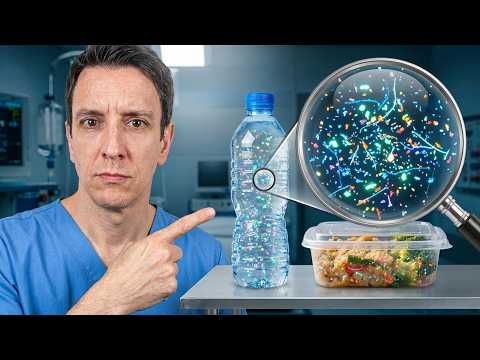
I. Executive Summary
The microplastics research field is currently experiencing a severe methodological crisis due to analytical contamination and instrumentation false positives, calling into question alarming media headlines. The viral claim that the average human consumes a “credit card’s worth of plastic per week” originates from a highly flawed 2019 review that relied on aggressive mathematical modeling assumptions rather than direct tissue measurements. This review selected the absolute upper-bound outlier of a wide, 50-fold range (0.1 grams to 5.0 grams). Subsequent, better-controlled risk assessments estimate weekly human consumption to be closer to 4 micrograms—roughly a million times smaller—requiring over 23,000 years of exposure to reach the mass of a standard credit card.
More crucially, recent analytical breakthroughs reveal that foundational microplastics literature is heavily compromised by artifact generation. A study from the University of Michigan demonstrated that standard laboratory nitrile and latex gloves shed thousands of non-plastic stearate salt particles per square millimeter [Clough et al., 2026]. These stearate coatings, universally used as mold-release agents in glove manufacturing, are structurally and vibrationally indistinguishable from polyethylene under traditional Fourier-transform infrared (FTIR) spectroscopy, Raman spectroscopy, and scanning electron microscopy, generating a massive influx of false-positive counts.
Simultaneously, high-profile reports of microplastic bioaccumulation in human organs—specifically claims of a “spoonful of plastic” in the brain—face severe criticism from analytical chemists. The primary technique utilized in these studies, pyrolysis-gas chromatography-mass spectrometry (Py-GC-MS), cannot reliably differentiate between polyethylene fragments and endogenous brain lipids without exhaustive sample purification. Because brain tissue consists of approximately 60% fat, incomplete sample purification causes natural lipids to yield identical pyrolysis products to polyethylene, artificially inflating quantification metrics to levels that logically defy physiological constraints. While environmental plastic debris is a verified reality, existing toxicology studies rely on extreme, non-physiological concentrations in vitro or in animal models, meaning real-world human toxicity thresholds remain unquantified. Current evidence suggests that lifestyle parameters and overall diet quality exert vastly greater effects on long-term health and longevity outcomes than subclinical, real-world microplastic exposures.
II. Insight Bullets
- Origin of the Viral Media Metric: The viral assertion that humans consume five grams of plastic per week stems from a generalized mathematical modeling review rather than direct in vivo human tissue measurements.
- Extreme Statistical Imprecision: The underlying paper estimated human plastic consumption between 0.1 and 5 grams per week, representing an unrefined 50-fold variance that highlights a total lack of measurement precision.
- Outlier Selection Hype: Popular media outlets and sensationalist health podcasters selectively isolated the absolute maximum parameter (5 grams) of the study’s range while omitting the lower bounds.
- Independent Overestimation Analyses: Subsequent independent chemistry reviews demonstrated that even the lowest estimation bound (0.1 grams) severely overshoots real-world dietary human ingestion rates.
- Revised Exposure Calculations: Re-evaluation using rigorous background environmental variables suggests the actual average human intake is roughly 4 micrograms per week, a million-fold reduction from the headline metric.
- The 23,000-Year Equivalence: At a realistic 4-microgram weekly ingestion rate, it would require a human over 23,000 years of continuous dietary exposure to consume the mass of a standard credit card.
- The Analytical Crisis: The microplastics discipline is undergoing a profound self-correction due to the discovery of pervasive, lab-generated artifact contamination during sample collection and testing.
- Glove-Derived Stearate Contamination: Rigorous testing revealed that standard nitrile and latex gloves used by laboratory researchers systematically shed thousands of microscopic particles known as stearates [Clough et al., 2026].
- Manufacturing Origin of Artifacts: Glove manufacturers intentionally coat disposable gloves with stearate salts to serve as lubrication and mold-release agents during mass production.
- Spectroscopic Indistinguishability: Stearate salts share an almost identical hydrocarbon structural back-bone with common polymers, causing them to show matching vibrational patterns under infrared and Raman spectroscopy.
- Quantifiable False Positive Influx: Dry contact testing confirmed that standard laboratory gloves introduce an average of 2,000 false-positive microplastic signals per square millimeter onto testing slides.
- Microscopy Verification Failures: Under both scanning electron microscopy (SEM) and light-based microscopy, glove-derived stearate particles are completely indistinguishable from true polyethylene.
- Nitrile Cleanroom Gloves Alternative: Transitioning to cleanroom-grade gloves manufactured without stearate coatings suppresses false-positive counts down to a manageable baseline (~100 particles per mm²).
- Brain Bioaccumulation Controversies: Viral headlines alleging that the human brain tissue is accumulating massive volumes of microplastics are fundamentally challenged by sample clean-up failures.
- Py-GC-MS Limitations in Lipid Matrices: Pyrolysis-gas chromatography-mass spectrometry (Py-GC-MS) lacks the specificity to isolate synthetic polymers from complex biological fat structures without perfect sample purification.
- Polyethylene and Brain Fat Overlap: The human brain is composed of approximately 60% fat; during pyrolysis, these natural lipid fragments yield identical chemical breakdown products to polyethylene.
- Implausible Quantification Thresholds: Methodologically flawed brain tissue datasets reported microplastic concentrations higher than those documented in industrial sewage sludge, signaling massive analytical errors.
- In Vitro and Animal Toxicity Gaps: Published laboratory evidence demonstrating microplastic cellular toxicity heavily relies on massive, hyper-concentrated doses that do not mirror human physiological exposures.
- Unquantified Human Toxicity Thresholds: At present, the scientific community possesses no high-level RCT or clear epidemiological consensus defining the exact dose at which microplastics induce clinical human pathology.
- Thermal Polymer Degradation: Heating plastics dramatically increases the shedding velocity of polymers and plasticizers into surrounding liquids or food matrices.
- Mechanical Friction and Soft Plastics: Reusing disposable soft plastic beverage containers causes structural degradation, driving up the rate of microplastic shedding into fluids.
- Lifestyle Dominance Over Micro-Exposures: Long-term metabolic health and longevity are driven almost entirely by total dietary landscape and cardiovascular habits, which safely overshadow subclinical background plastic particulate levels.
IV. Actionable Protocol
High Confidence Tier (Level A/B Evidence)
- Avoid Thermal Polymer Stress: Never heat or microwave foods inside plastic containers (including takeout packaging). Transfer contents exclusively to inert glass or ceramic surfaces prior to thermal application to mitigate chemical leaching and polymer degradation.
- Eliminate Multi-Use of Disposable Polymers: Do not repeatedly wash and reuse soft, single-use plastic water bottles. Utilize solid glass or stainless steel vessels for routine hydration to eliminate mechanical shedding and plasticizer exposure (such as Bisphenol-A/BPA).
Experimental Tier (Level C/D Evidence)
- Prophylactic Glass/Metal Food Storage: Transition long-term kitchen food storage containers away from polymers toward glass or medical-grade metal. Prioritize using non-plastic containers when batch-cooking and storing freshly cooked foods while they are still radiating significant thermal heat.
Red Flag Zone (Debunked or Safety Data Absent Claims)
- “Credit Card a Week” Dietary Claims (Debunked): The narrative that standard human lifestyles result in consuming 5 grams of microplastics weekly is completely debunked by analytical corrections showing a million-fold overestimation.
- Py-GC-MS Brain Contamination Data (Methodologically Invalidated): High-volume claims regarding massive brain tissue plastic accumulation are invalidated by severe sample-purification oversights where endogenous neural lipids masked as polyethylene false positives.
- Extreme Clinical Polyphobic Anxiety: Obsessing over incidental micro-exposures (e.g., single plastic straws, casual contact) lacks clinical toxicology backing; clinical priority must remain centered on baseline nutritional density and metabolic optimization.