Interesting, but a long way to actionable human dosage. Japanese studies of osteoporotic women and epi natto consumption surveys are all over the place.
At times studies of K2 use other than 7 isoprene residues. The most frequent alternative is 4. (ie MK4)
I agree, based on studies alone, the evidence is weak. Based on my own lived experience, though, unless proven otherwise, I’ll keep using K2 MK-7 forever 
4 Likes
French-Chinese-German-Italian paper: Vitamin K-Trolox Synergism Realized in Hybrid Neuroprotectant with Potent Anti-Ferroptosi/Oxytosis Activity, Reduced Toxicity, and In Vivo Efficacy in Alzheimer’s Disease Mouse Model 2025
Of course, it’s a mouse model, but the methodology is interesting:
The Chou group systematically explored the structure-activity relationships (SAR) of vitamin K derivatives, identifying menaquinone-based analogs 9 and 10 with enhanced neuroprotective profiles against oxytosis (Figure 1).
Of note, vitamin K analogs confer ferroptosis resistance through a non-canonical pathway involving ferroptosis suppressor protein 1 (FSP1), operating independently of the glutathione peroxidase-4 (GPX4) axis.[17]
They used those derivatives:
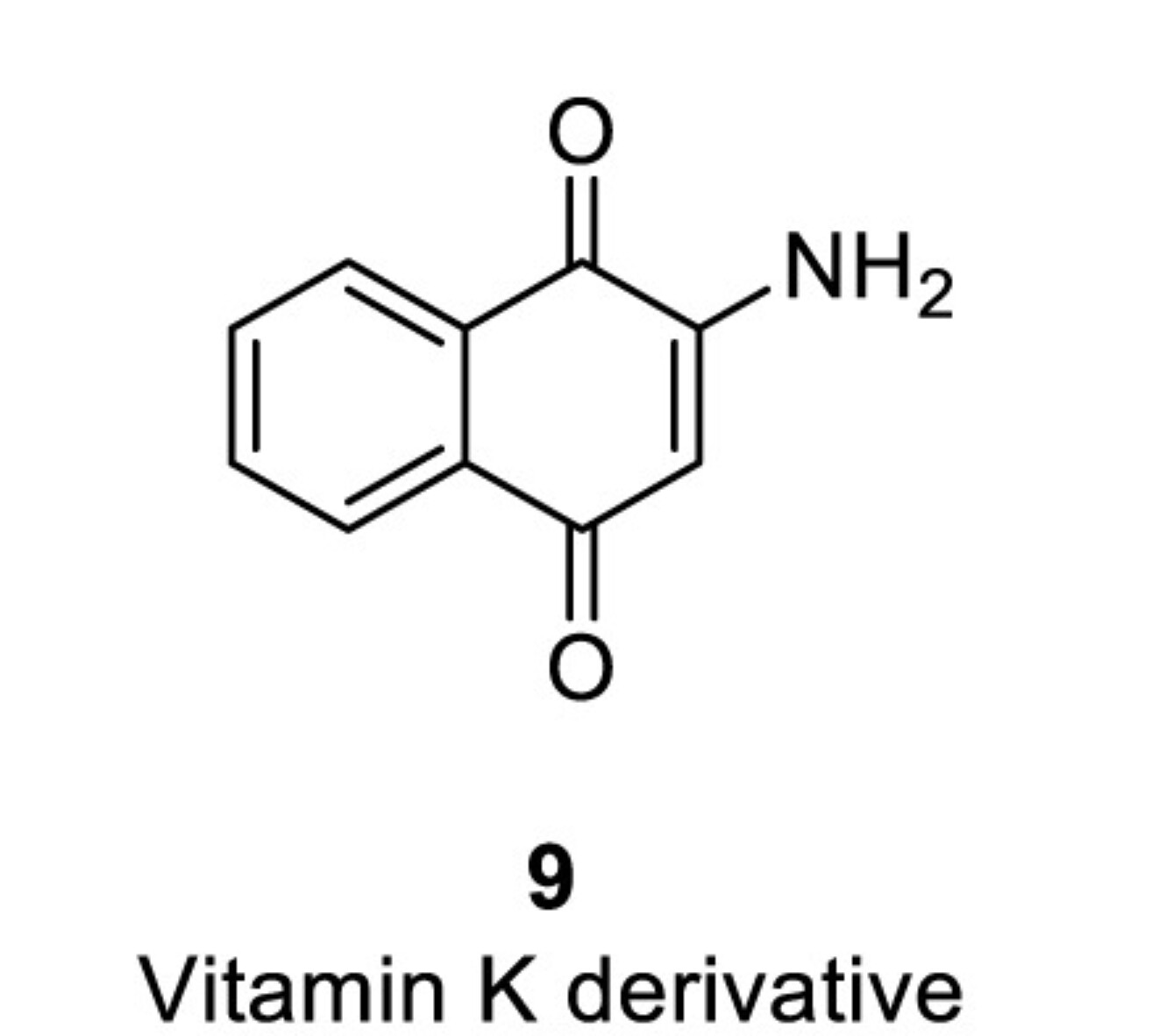
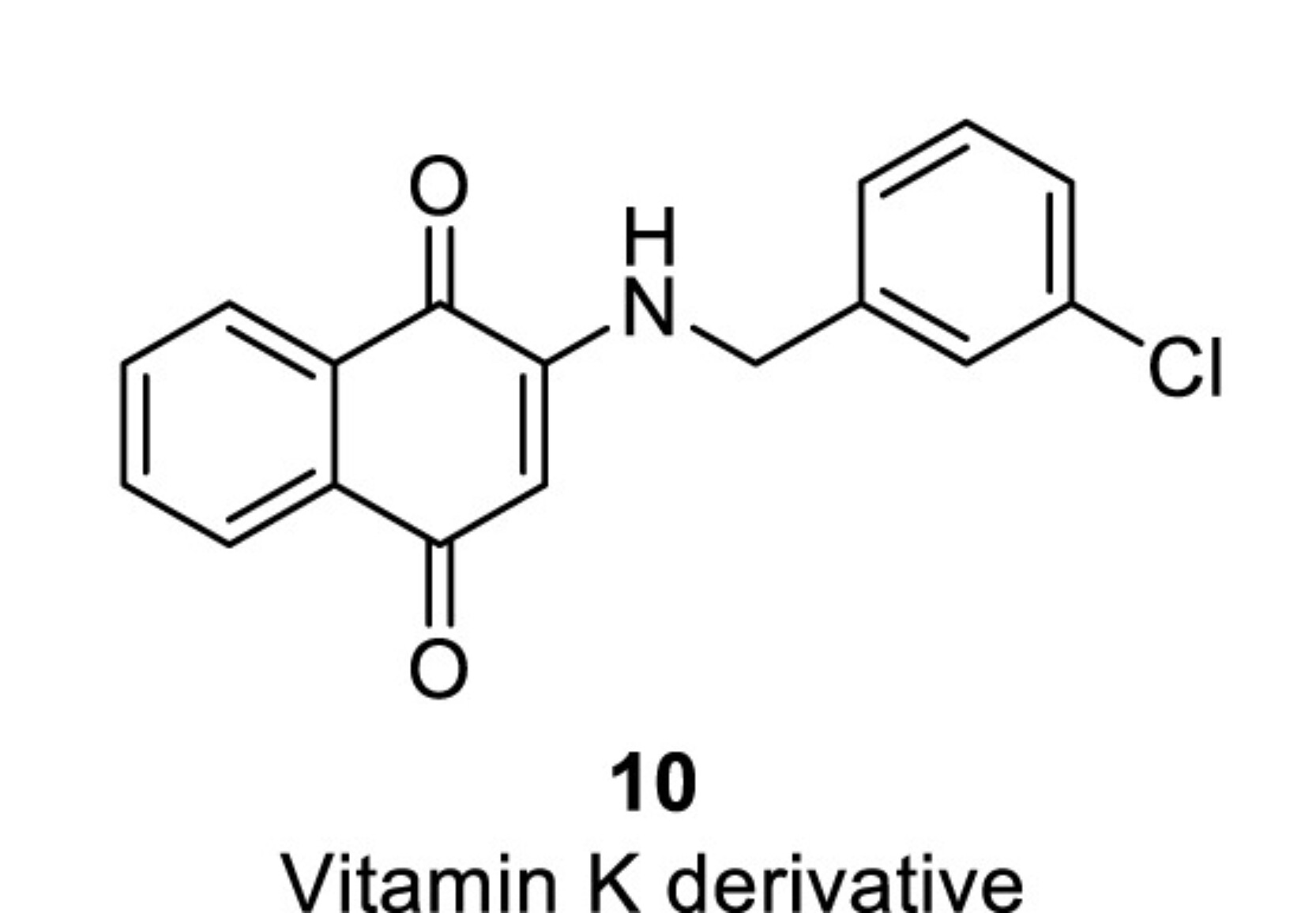
According to ChatGPT: " Menaquinones are 2-methyl-3-polyisoprenyl-1,4-naphthoquinones (MK-4, MK-7, etc.). The 9 and 10 compounds have an amino at C-2 and no polyisoprenyl chain at C-3, so they’re best classified as amino-naphthoquinones / menadione (vitamin K3) analogs, not MK-type vitamers."
Good posters on CKD and Vit K2: Poster Issues for: 74th Annual Scientific Meeting of the BSRA (2025): The Biology of Ageing - BSRA - #24 by John_Hemming
Related:
1 Like
Is this available publicly yet?
1 Like
2 Likes
Sadly no, amd it’s likely a long way from Clinical testing completion. I asked Gemini how to best benefit from the insight from this research and interestingly…
While you can’t access the specific, supercharged “Novel VK” hybrid molecule from the Shibaura Institute of Technology study, you can absolutely use the core mechanisms highlighted in the research to optimize your biology today.
The breakthrough in the paper centers on a powerful synergy: combining Vitamin K (specifically the MK-4 form) and Vitamin A (which the body metabolizes into retinoic acid) to activate receptors that tell stem cells to become functional brain cells.
The actionable insight is that these two pathways are already built into your body. Here is how you can naturally lean into this science right now.
- Focus on the Right Form of Vitamin K (MK-4)
The study explicitly notes that Menaquinone-4 (MK-4) is the naturally active form of Vitamin K in the brain that induces neuronal differentiation and protects nerves from oxidative stress.
Most people consume Vitamin K1 (from leafy greens), which primarily goes to the liver for blood clotting. To get it to your brain, you want Vitamin K2, specifically the MK-4 subtype. Unlike other forms, MK-4 is highly concentrated in brain tissue where it supports sphingolipid metabolism—a crucial process for maintaining the myelin sheath that insulates your neurons.
Whole Food Sources: MK-4 is an animal-sourced nutrient. Rich sources include pastured egg yolks, dark chicken meat, goose liver, and high-fat grass-fed dairy (like butter or ghee).
Supplement Consideration: If supplementing, look closely at the label. Most Vitamin K2 supplements use MK-7 (derived from fermented natto) because it stays in the blood longer. However, the brain specifically utilizes MK-4. - Support the Vitamin A (Retinoic Acid) Pathway
The “secret sauce” the researchers added to the hybrid molecule was the side chain of retinoic acid. In your body, retinoic acid binds to Retinoic Acid Receptors (RAR) to stimulate neurogenesis.
To ensure your brain has the baseline raw materials to mimic this effect, you need adequate preformed Vitamin A (retinol), which your body then converts internally into retinoic acid.
Whole Food Sources: True preformed Vitamin A (retinol) is found in cod liver oil, beef liver, wild-caught fish, and grass-fed butter.
Note on Plant Carotenoids: Beta-carotene (from carrots and sweet potatoes) is a precursor, but the human conversion rate of beta-carotene into active retinol can be highly inefficient depending on your genetics. Relying on animal-based retinol ensures your body has direct access to the nutrient. - Protect Your Glutamate Receptors (mGluR1)
A massive, unexpected discovery in this study was how Vitamin K triggers neuron growth: it binds directly to metabotropic glutamate receptors (mGluR1). These receptors handle synaptic communication and brain plasticity.
You can support healthy mGluR1 receptor function and overall glutamate balance through basic lifestyle habits:
Exercise: Physical movement naturally modulates glutamate receptor expression and increases Brain-Derived Neurotrophic Factor (BDNF), a growth factor that works hand-in-hand with the pathways discovered in the study.
Quality Sleep: Glial cells in the brain clear out excess, toxic extracellular glutamate while you sleep. Chronic sleep deprivation over-activates glutamate pathways, causing excitotoxicity (cell damage), which completely halts the neurogenesis you are trying to promote.
The Synergistic Blueprint: The ultimate takeaway from the 2025/2026 Japanese research is that Vitamin K and Vitamin A are not just separate nutrients for bones and eyes—they are a joint biochemical team for your brain. Ensuring your diet includes fat-soluble foods rich in both MK-4 and Retinol is the closest legal, safe, and natural way to leverage this insight today.
2 Likes
Dr. Greger is scathing about K2, sees no reason to supplement, claims bone health studies are all fraudulent, and in general outcome studies as opposed to mechanistc show either no efect or bad effect of supplementation, centenarian levels also deprecate K2 etc.
Should You Supplement with Vitamin K2? (via NutritionFacts.org)
1 Like
Dr. Carvalho dismantles the latest atherosclerosis and K2 study and the general hype around K2.
The Vitamin K2 Myth (Finally Explained) (via Nutrition Made Simple!)
5 Likes
He makes an interesting point with the calcified vs smooth plaque part of the video.
I still think it’s wise to hit 90-120mcg K2 per day though. I don’t believe in under-consuming any vitamins.
1 Like
The fact that we certainly haven’t seen any increased CVD events to date in the vitamin K trials is also reassuring that it isn’t causing previously stable calcified plaques to suddenly rupture, but it would be good to see longer, more detailed studies using CTA to evaluate plaque features to verify that K2 isn’t causing an increase in the % of unstable vs stable plaques.
5 Likes
Mmmm…Cronos, I don’t think Dr. Carvalho “dismantled” K2 for atherosclerosis.
VitaK-CAC actually found a positive signal. MK-7 modestly but significantly slowed CAC progression. Ok, the effect is modest and we still lack hard evidence, but calling it a dismantling overstates the case.
Also, in healthy longevity we have to treat the body as a system. Nothing is isolated. Example: the same 50+ people who take K2 usually also need bone and muscle support, and K2 helps on that front too via osteocalcin and calcium metabolism. This doesn’t mean Dr. Carvalho is wrong for being cautious, ok, but longevity forum members generally don’t operate with that level of isolation and drug-like evidence threshold…
4 Likes
The point Gil made was that it actually can be a negative signal, not positive. Soft plaque and total plaque is important on a CCTA, and MACE outcome even more so.
I heard it. And again, even if the most respectful influencer remains skeptical about whether slower CAC progression is clinically beneficial, that single uncertainty does not dismantle vitamin K2.
There is such a big forest to consider before such a (click bait) claim… Take active (carboxylated) MGP: it is one of the body’s main inhibitors of soft-tissue calcification. By reducing the accumulation of the inactive form, MK-7 maybe increased the amount of functional MGP available to inhibit calcification in the vessel wall. This mechanistic finding lines up with the primary result of the VitaK-CAC study (slower progression of coronary artery calcification, particularly the conversion of non-calcified plaques into partially calcified ones).
Plus, again, vitamin K is a nutrient, not a drug. The YouTube professional IMO analyzed K based on a medicine that used to study the body in isolation, not conscious of the system, like the old days…
3 Likes
I take a hefty dose of MK-7 because I take calcium for my osteoporosis. Because I also have CVD, keeping calcium out of my arteries sounded like a great selling point.
I was ready to toss my K2 when I first listened to the video, because I’d naturally prefer my plaque to be hard than soft. But then I realized he was talking about people taking it only for heart health, and presumably not people like me. Agree?
(PS: I limit my calcium to 300 mg because of the fear of calcium ending up in my arteries.)
I commented on the K2 study in another thread that got locked:
I would suppose you’d want a cardiac safety trial before taking it absent outcomes relevant to osteoporosis. There’s been vitamin trials that increased CVD events, and there are drugs that improve osteoporosis outcomes like hip fracture.
I would at least without serial CCTA study instead of CAC, based on what we hear about plaque stabilization.
1 Like
FWIW, I would be very, very cautious about vitamin K2 and osteoporosis studies. The K2 osteoporosis connection was first claimed in Japan, but key studies from Japan were shown to be fraudulent and retracted. There are even hints that K2 might be slightly negative (preclinical and unplublished data revealed in oral presentations).
Tide of lies
https://www.science.org/doi/10.1126/science.361.6403.636
Retracted: Effects of Vitamin K2 on Osteoporosis
2 Likes