I’m on tirz, up tp 7.5mg, guzzle coffee like a madman lmao. Stomach is generally ok, sometimes a little upset. I don’t think I’m going to go higher than 7.5, I’m already quite lean and I imagine sustaining this amount for a while will get the results I want. I’m considering lowering to a maintenance dose in the future and bringing in maybe an SGLT2i to make up for the decrease in glucose control from lowering the dose.
I will keep taurine in mind if I ever get an upset. I was taking taurine with my breakfast but I’ve heard others say similar things to you in regards to not combining it with other aminos.
I have done (still do some occasionally) every single supplement known to man LOL and add to that every single peptide known to man also.
tried RAPA for about 1 year and had some of the sides (skin infection, mouth sores etc) and decided to stop it about 3 months ago. Still have a big stash of about 700mg’s and undecided if I will start it again or puty it up for sale.
at moment I have eliminated almost all, but still doing:
Multivitamin 5 times a week
4mg cialis 4-5 times a week
Taurine daily
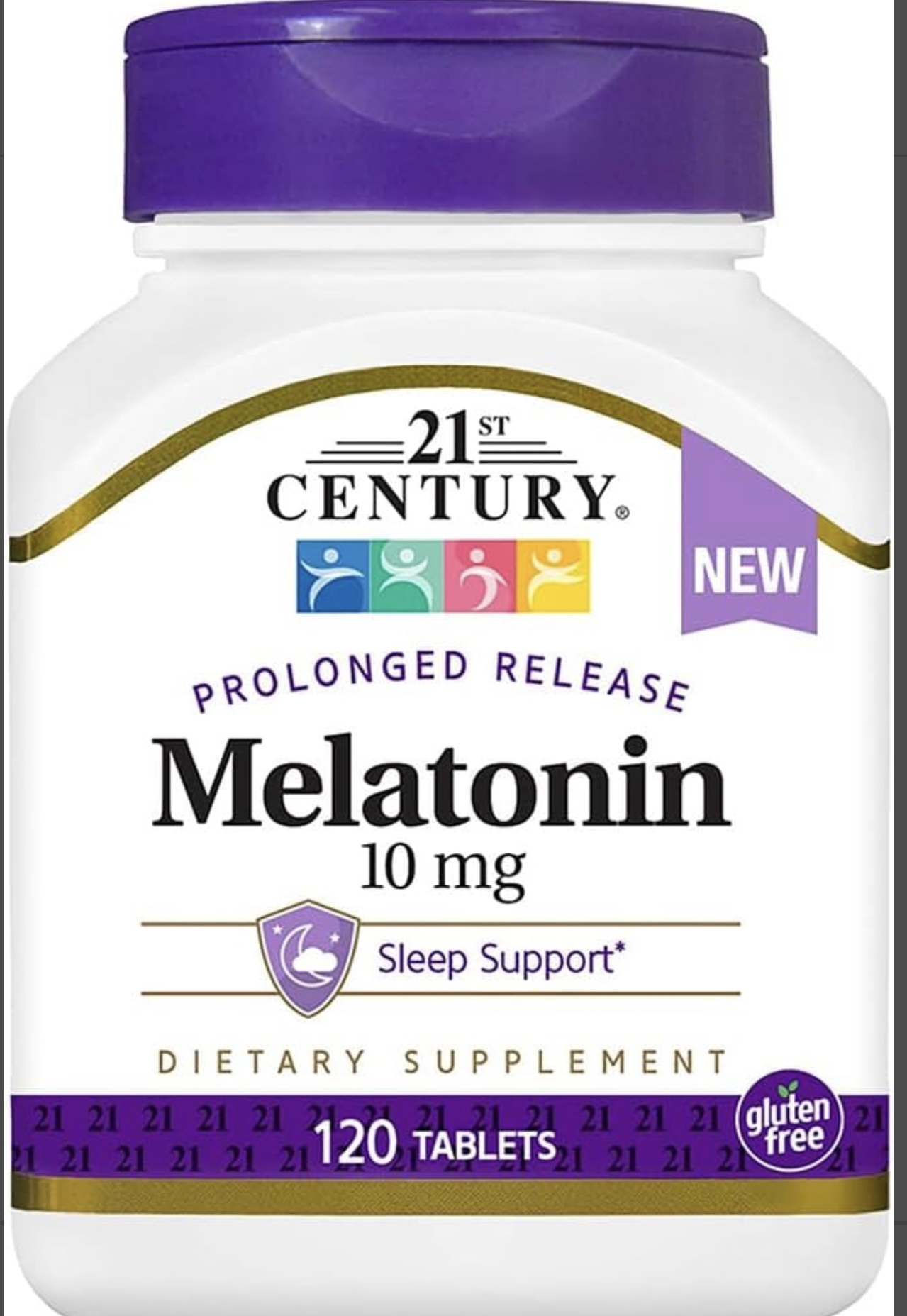
Mega dose melatonin daily
Magnesium complex, and potassium chloride most days
Methylated B complex 5 times a week
Vitamin D 10000 plus k2 about 4-5 days
Serrapeptaise and NATTO 3-4 days per week.
9 vitamin C 3000 daily, add also 3000 lysine in flu season
occasionally 1-3 times weekly metformin
Acarbose if I consume a high carb meal, maybe couple days a week
This is my usual, but I still have a lot of other supplements and drugs and at times I do binge on most of them for like 3-5 days a month or so but nut every week, or every day.
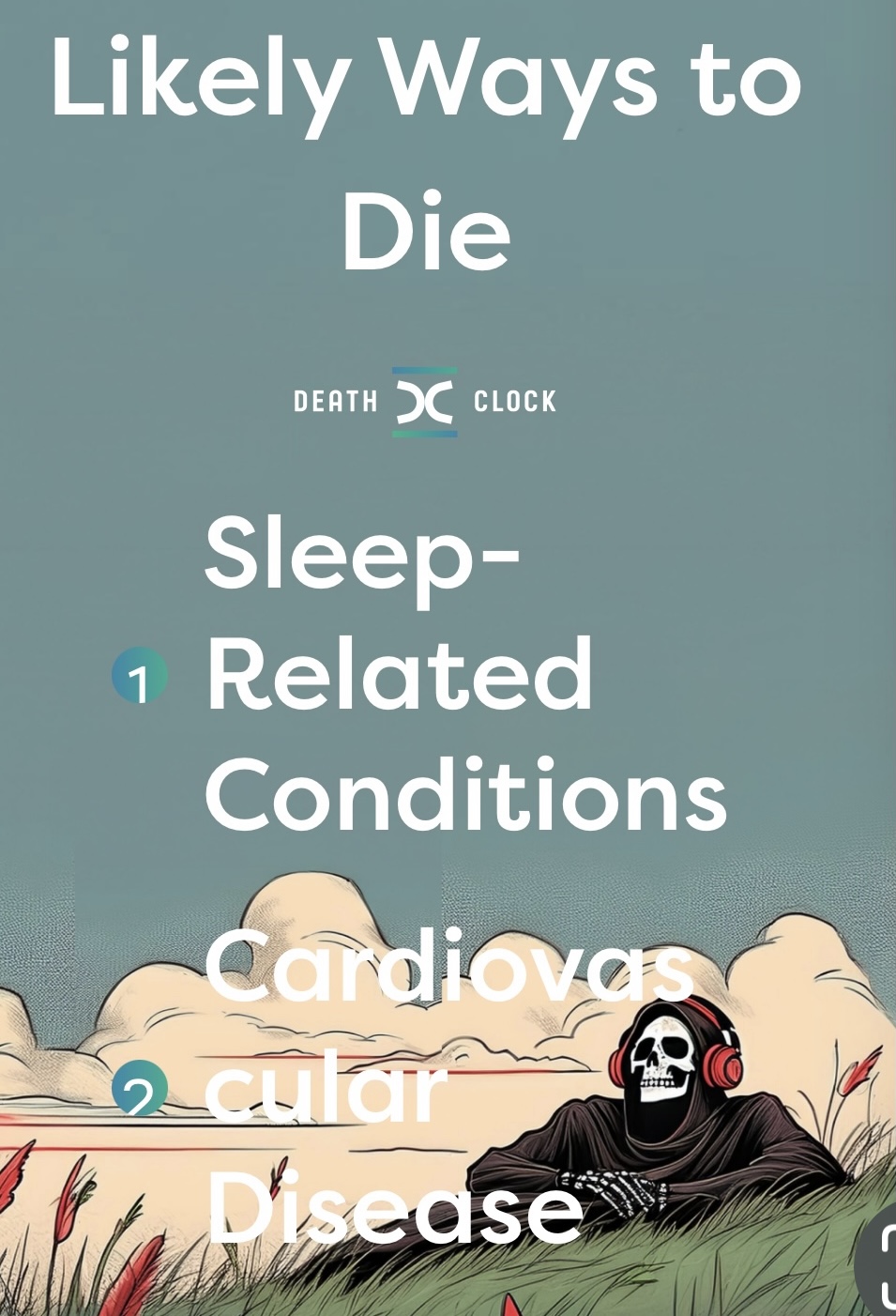
Additionally, I started Doxepin 6mg about 6 months ago because my sleep has been trashed for decades from shift work. Melatonin helps but not enough. I got really serious about sleep after I got this report from the Death Clock app!
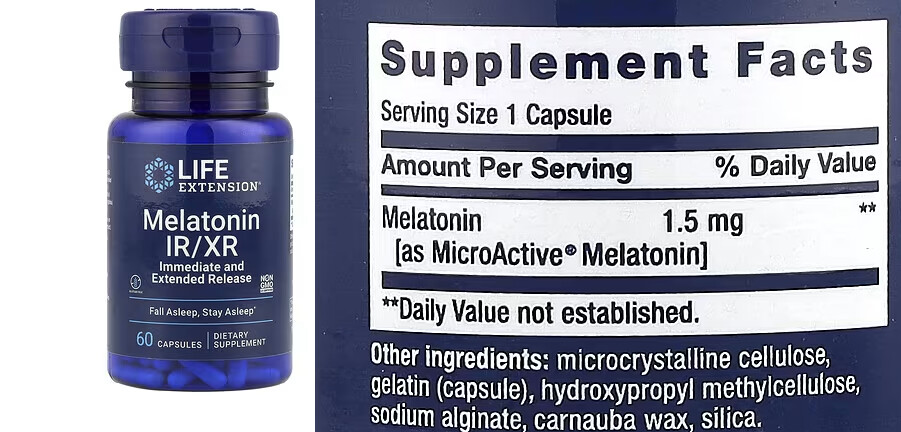
Yes, Thank you for reminding me of that product. I liked it fine but just decided to try a higher dose extended release product last year. Maybe now that I’m on Doxepin I can switch back to that one once I’m done with my current bottle.
As an aside I find that putting powdered melatonin in an empty extended release capsule doesn’t work as well as commercially formulated pills. I would inevitably wake up in the middle of the night or too early (3-4am) when dosing that way.
Is your sleep great now on doxepin or just better? I only ask because LDN, which you might not be able to take with doxepin, has dramatically improved my sleep. I have no idea how many people it helps, but it is a known effect.
I also have that same melatonin as you, but I’m going to switch to something with no flavor. I no longer take any prior to bed, but I do take that or my 100mg capsule if I wake in the middle of the night. I should consider something before bed because I usually sleep through the night these days and don’t want to give up the other benefits of melatonin. I don’t ’need’ it, so I wonder if that should be immediate or extended release
Yes, I noticed a dose-response relationship between melatonin and “morning woods”. I don’t know the mechanism either but several articles I posted above mentioned improved male fertility metrics (e.g. sperm quality) in some animals with high melatonin doses.
Thanks for mentioning LDN. I tried it years ago but I was still on night shift at the time so I might revisit it.
My melatonin actually doesn’t have any flavor. I do thankfully sleep better on Doxepin right now and while I’m hoping it continues I’m always interested in a back up plan just in case.
Since I have reported a number of very positive responses to mid-high doses of melatonin nightly (in the 30-100 mg range), I feel it also necessary to report a negative that I have been experiencing. I hadn’t quite figured out the association, but I have experienced frequent low grade morning headaches which I attribute to melatonin. I am someone who rarely to never gets headaches, but I seem prone to awaken with a headache when I push my dose beyond my usual. This is a known reported side effect, although I could not find a proposed etiology, and AI only suggests that it could be extraneous additives used in certain pills. It should also be noted that melatonin can be used to prevent headaches and migraines, so one may have the opposite effect to what I am experiencing.
My headaches are mild and melatonin is still a net positive in my book, but I will be looking at how to dose so headaches can be avoided. If anyone has any thoughts or knows why melatonin can cause headaches, I am all ears.
I had mild headaches the first week or so when I ramped up, but it went away after that. Now, I might even feel a calming effect after using mega doses of melatonin…
Results: The HYP group exhibited higher normal morphology (p < 0.001), viability (p < 0.001), and higher acrosome integrity (p < 0.001) and lower DNA fragmentation index (DFI) (p < 0.001) than the C and MEL groups. No significant difference was observed in the total and progressive motility percentage among the antioxidant and frozen control groups. The MEL group had a significantly higher level of HspA2 mRNA compared with F and C groups (p < 0.05). The expression of Caspase9 was unaffected by including MEL and HYP in all experimental groups.
Elevated HspA2 = improved sperm maturation, acrosome function and fertilization potential?
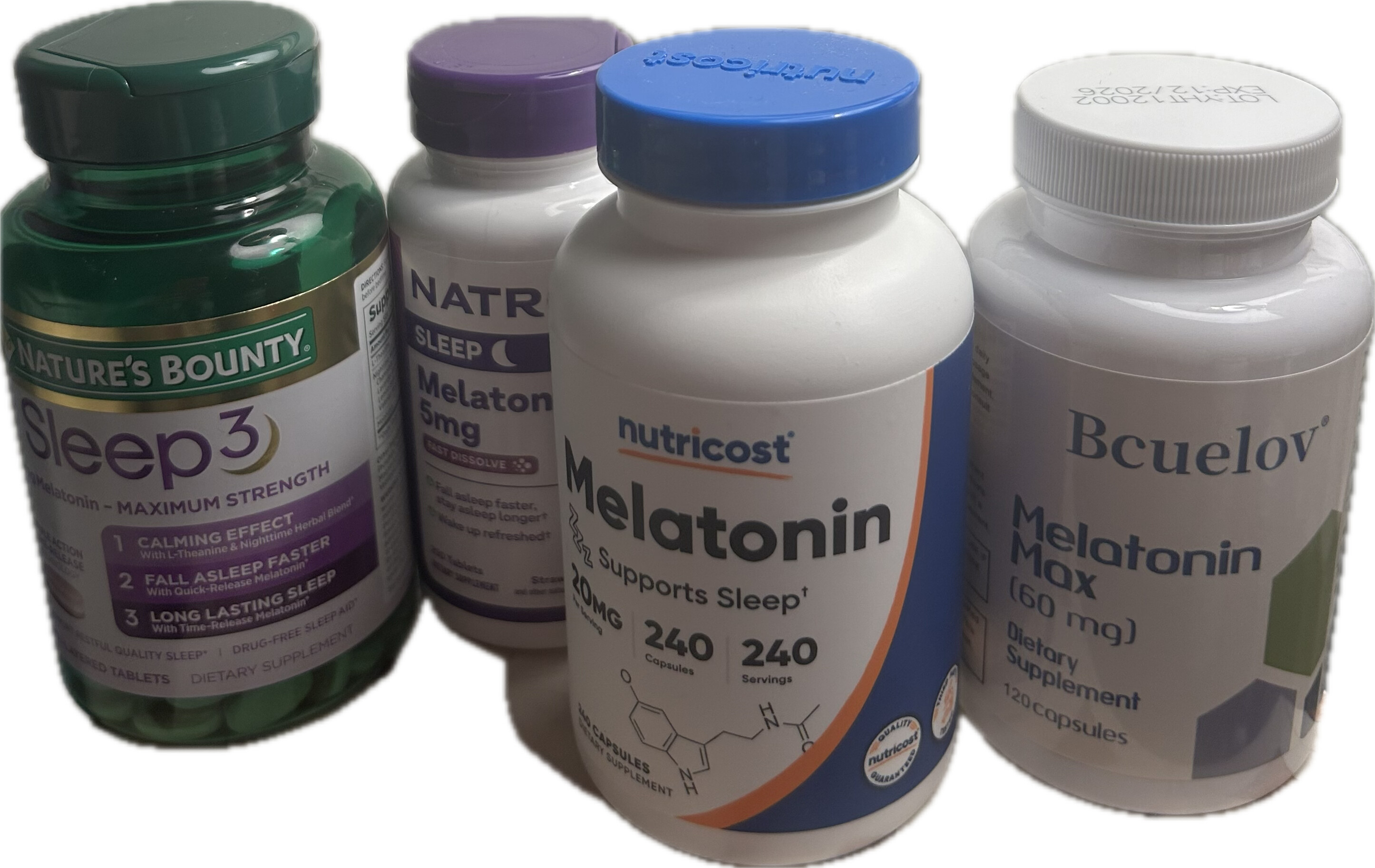
Here are the four types that I currently use. The most recent time I awoke with a headache I used the 5 mg dissolving tabs and a 60 mg pill. I have had headaches with several combinations, I suspect from taking a higher dose than I am used to.
Yes, that sounds like a good option for next time I have to buy. While there probably are some unwanted impurities or added colors/flavors, etc in my supplements, I figure that there is some mechanism that drives both the propensity to get headaches and prevent headaches with melatonin itself. Can’t wait to learn what it is.
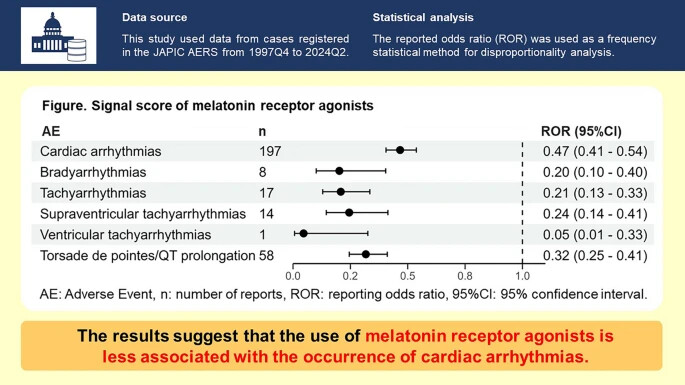
Among the drugs used for insomnia, the use of benzodiazepine and non-benzodiazepine hypnotics is correlated to the occurrence of cardiac arrhythmia. Conversely, melatonin receptor agonists may exert cardioprotective effects. Therefore, in the present study, we investigated the association between the use of melatonin receptor agonists and the occurrence of cardiac arrhythmia using the Food and Drug Administration Adverse Event Reporting System (FAERS). Eligible patients are registered in FAERS. The targeted drugs were melatonin receptor agonists and benzodiazepine receptor agonists (BZRAs). The target disease was cardiac arrhythmia, and data for the disease were extracted from the Medical Dictionary for Regulatory Activities (MedDRA) 27.1; Standardized MedDRA Query (SMQ). The reporting odds ratio (ROR) was calculated in the study. The results showed that melatonin receptor agonists were negatively correlated with all cardiac arrhythmia-related SMQs. The RORs for each SMQ were as follows: “cardiac arrhythmias” (ROR: 0.47, 95%CI: 0.41–0.54), “bradyarrhythmias” (ROR: 0.20, 95%CI: 0.10–0.40), “tachyarrhythmias” (ROR: 0.21, 95%CI: 0.13–0.33), “supraventricular tachyarrhythmias” (ROR: 0.24, 95%CI: 0.14–0.41), “ventricular tachyarrhythmias” (ROR: 0.05, 95%CI: 0.01–0.33), and “TdP” (ROR: 0.32, 95%CI: 0.25–0.41). Conversely, BZRAs were positively correlated with cardiac arrhythmia-related SMQs. Overall, the present results suggest that compared with BZRAs, melatonin receptor agonist usage is weakly associated with cardiac arrhythmia.
Melatonin and melatonin-receptor agonists both activate MT1 and MT2, so could melatonin as well be cardioprotective?
New to me: Myeloperoxidase (MPO) as a Biomarker. I learnt this from watching a new YouTube video from Nick Norwitz, MD, Phd.
“Myeloperoxidase (MPO) as a Biomarker:
Elevated MPO levels in the blood are increasingly recognized as a biomarker of inflammation and oxidative stress, particularly in cardiovascular risk assessment.”
"In summary, MPO is a double-edged sword of the immune system, crucial for defense but capable of causing significant damage. Melatonin, through its potent antioxidant and anti-inflammatory properties, appears to be a natural guardian against the harmful aspects of MPO activity, highlighting its broader protective roles in health and disease beyond just sleep"