Yes, it’s cheaper and more available. Also doesn’t make you pee constantly.
I’ve been on it for at least a year and love it. @adssx mentioned it helping with reactive hypoglycemia and that’s been true for me as well. I can’t prove that it’s done anything else for my health but I don’t notice any negatives so I continue to take it.
3 Likes
I switched from Empagliflozin to Dapagliflozin mainly because of cost issues. I haven’t really noticed any difference other than that.
1 Like
Live YouTube right now… I assume it will be recorded and available later
1 Like
I. Executive Summary
This episode of Longevity Science, hosted by Dr. Matt Kaeberlein, provides a rigorous, biochemically grounded audit of the rapidly expanding peptide market. Kaeberlein moves past the marketing hype and misinformation often propagated by internet influencers and medical professionals, starting with a strict return to basic biochemistry: a peptide is defined solely as a chain of two or more amino acids connected by peptide bonds, conventionally spanning fewer than 50 amino acids in length. Consequently, frequently mislabeled molecules such as NAD+, creatine, hyaluronic acid, and rapamycin are categorically excluded from this class.
The transcript challenges the common marketing narrative that peptides are inherently safer or superior to standard pharmaceuticals because they are “natural.” Kaeberlein directly counters this, stating that peptides are bioactive drugs with distinct dose-response curves, side effects, and potential toxicity profiles. To establish an internally consistent framework, he evaluates popular compounds across three specific dimensions: safety (validated human data vs. regulatory footprint), efficacy (reproducible, clinically meaningful human outcomes vs. biomarker changes), and naturalness (native presence in the human body).
The analysis highlights three distinct therapeutic archetypes. First, Elamipretide represents an advanced mitochondrial-targeted synthetic peptide. It possesses a neutral safety and efficacy profile due to mixed results in Phase 2 and Phase 3 trials for exercise tolerance and primary mitochondrial myopathy, alongside a low rating for naturalness as a fully synthetic molecule.
Second, Body Protection Compound 157 (BPC-157) represents a highly popular but clinically unverified compound. While widely praised in biohacking circles for tissue repair and gastrointestinal integrity based on animal models, BPC-157 receives a low rating for both safety and efficacy due to a complete absence of completed randomized controlled human trials. It receives a neutral rating for naturalness because, while synthetic, its sequence is derived from a fragment of a native human gastric protein.
Ultimately, Kaeberlein advises extreme caution when navigating unapproved experimental peptides. He emphasizes that an absence of evidence is not proof of safety or efficacy, and urges consumers to treat these compounds as experimental pharmaceuticals requiring strict physician oversight, routine biomarker monitoring, and a total avoidance of unvetted multi-peptide stacks.
II. Insight Bullets
- Biochemical Definition Constraints: A peptide is strictly defined as two or more amino acids linked via peptide bonds, typically limited to chains of fewer than 50 amino acids; anything violating this structural composition is not a peptide [[01:26], [02:01]].
- The Peptides-as-Drugs Axiom: Peptides are not benign supplements; they are bioactive small-molecule drugs possessing distinct pharmacokinetic profiles, clear dose-response curves, and potential systemic toxicities [[03:07], [03:27]].
- Deconstructing the “Natural” Fallacy: The marketing claim that peptides are safer than standard pharmaceuticals because they are “natural” is categorically false; many popular therapeutic peptides are fully synthetic, and numerous natural peptides are highly toxic [[03:17], [03:58]].
- Efficacy Metric Gold Standards: True clinical efficacy requires reproducible, meaningful human clinical trial outcomes (such as changes in exercise tolerance or functional status) rather than surrogate biochemical shifts or isolated biomarker changes [[06:42], [07:09]].
- Safety Profile Incompleteness: An absence of reported negative side effects in anecdotal circles does not indicate a peptide is safe; formal regulatory validation requires large-scale human safety data to identify rare toxicities or long-term oncogenic risks [[04:51], [05:53]].
- Elamipretide Clinical Footprint: Elamipretide is a synthetic, mitochondrial-targeted peptide that holds conditional regulatory approval for primary mitochondrial myopathy, reflecting a partially characterized but acceptable benefit-to-risk ratio [[20:31], [20:48]].
- Mixed Mitochondrial Efficacy: Human trial data for Elamipretide shows mixed outcomes; while it demonstrates clear therapeutic signals for specific functional metrics like exercise tolerance, the results remain insufficient for full FDA approval [[21:08], [21:17]].
- BPC-157 Translational Disconnect: BPC-157 is highly praised in anecdotal biohacking literature for tissue repair and angiogenesis, but this praise relies entirely on pre-clinical animal models with a total absence of completed, randomized human trials [[21:46], [22:43]].
- Unknown Systemic Risks of BPC-157: Because BPC-157 lacks formal human clinical trial data, its long-term safety profile, systemic consequences, and potential risks for accelerating cancer pathways (via unregulated angiogenesis) remain entirely uncharacterized [[22:14], [22:32]].
- The Fragment Engineering Context: BPC-157 holds a neutral rating for naturalness because the 15-amino-acid chain itself does not exist freely in the human body, but its sequence is reverse-engineered from a fragment of a native human gastric juice protein [[21:46], [22:53]].
- Absence of Proof is Not Safety: A lack of robust clinical data on an experimental peptide does not mean the molecule is inert or inherently dangerous; it simply means consumers are entering an uncharacterized risk-reward zone with their eyes closed [[23:16]].
- The Danger of Untested “Stacks”: Mixing multiple unapproved peptides concurrently is highly discouraged due to completely uncharacterized drug-drug interaction profiles and an elevated risk of compound contaminants [[23:47]].
- Research-Grade Sourcing Hazards: Utilizing “research-grade” or “not for human consumption” peptide formulations introduces massive safety risks due to unregulated manufacturing standards, lack of sterility, and potential heavy metal or chemical impurities [[24:04]].
- Injection Site Monitoring Indicators: Because many experimental peptides are delivered via subcutaneous injection, patients must closely monitor local tissue sites for erythema, swelling, or localized infection, terminating use immediately upon symptom presentation [[24:09]].
IV. Actionable Protocol
High Confidence Tier (Backed by Level A/B Human Evidence)
- Verify Basic Molecular Definitions: Prioritize health information from qualified clinicians who accurately distinguish between true peptides (amino acid chains) and non-peptide molecules like NAD+ or hyaluronic acid to ensure accurate risk communication [[02:34], [03:00]].
- Demand Phase 3 Regulatory Evidence: Rely on peptides that have cleared large-scale, well-controlled Phase 3 clinical trials or possess formal regulatory approvals for defined medical indications before assuming therapeutic efficacy [[06:42], [07:00]].
Experimental Tier (Level C/D Evidence with High Safety Margins)
- Evaluate Elamipretide under Strict Medical Supervision: For specific muscle pathologies or primary mitochondrial myopathies, evaluate the use of Elamipretide under a physician’s guidance, balancing its mixed functional human trial results against your specific metabolic markers [[20:48], [21:17]].
- Implement Comprehensive Biomarker Tracking: If choosing to utilize any unapproved or experimental peptide, establish a baseline laboratory panel with a physician and run regular follow-up blood metrics to track off-target organ stress or systemic metabolic shifts [[23:38]].
Red Flag Zone (Claims Lacking Safety Data or Mechanistically Refuted)
- Avoid BPC-157 for Human Tissue Healing: Discontinue the use of BPC-157 for accelerated wound or tendon healing. The peptide lacks a single completed randomized controlled trial in humans, and its safety profile regarding tumor angiogenesis remains completely unknown [[22:14], [22:43]].
- Reject Multi-Peptide “Stacks”: Refuse to ingest or inject pre-blended peptide combinations. Combining multiple unapproved compounds introduces unpredictable interaction kinetics and amplifies the risk of batch contamination [[23:47]].
- Never Inject Research-Grade Chemical Compounds: Absolutely avoid purchasing peptides labeled as “for research use only” or sourced from unvetted chemical supply companies. These products bypass human-grade sterility controls and increase the risk of introducing systemic pathogens, heavy metals, or structural isomers [[24:04]].
V. Literature Verification & Methodological Context
The biochemical boundaries and specific clinical development histories of the compounds evaluated by Dr. Matt Kaeberlein are heavily detailed in regulatory and pharmacology literature.
- Elamipretide Mitochondrial Action and Myopathy Trials: Elamipretide (also known as SS-31 or MTP-131) is an engineered peptide that targets the inner mitochondrial membrane, where it binds specifically to cardiolipin to optimize the electron transport chain. Its neutral efficacy rating is validated by Phase 3 trial data, such as the MMPOWER-3 trial for primary mitochondrial myopathy, which failed to meet its primary endpoints of improving the 6-minute walk test or reducing fatigue scores, despite showing safety and tolerance (Karaa et al., 2020).
- BPC-157 Pre-Clinical vs. Clinical Status: BPC-157 (Body Protection Compound 157) is a pentadecapeptide sequence representing a partial fragment of a larger human gastric protein. While animal models published in the Journal of Orthopaedic Research indicate accelerated healing of collateral ligaments, Achilles tendons, and gastric ulcers, systematic reviews of the literature confirm a complete absence of registered, peer-reviewed Phase 1 or Phase 2 human clinical trials, leaving its pharmacokinetic and safety profiles in humans unverified (Gwyer et al., 2019).
- Angiogenesis Risks in Uncharacterized Peptides: The specific warning regarding BPC-157 and unregulated angiogenesis aligns with oncological pharmacology principles. Peptides that stimulate vascular endothelial growth factor (VEGF) expression or upregulate blood vessel formation to accelerate wound healing pose an inherent theoretical risk: they can potentially accelerate the proliferation of occult, subclinical micro-tumors by enhancing tumor vascularization (Sikiric et al., 2020).
Methodological Caveat: Although pre-clinical rodent models provide valuable insights into molecular cell-signaling pathways, more than 80% of small-molecule and peptide therapies fail to transition from animal success to human clinical safety and efficacy. Relying on anecdote or research-grade compounds introduces unquantifiable risks to individual longevity protocols.
Related Reading: TPE long-term effects in healthy elderly same as sham
Can Plasma Exchange Slow Aging and Stop Alzheimer’s? A Deep Dive with Dr. Dobri Kiprov
I. Executive Summary
Therapeutic Plasma Exchange (TPE) functions as a systemic macroenvironmental clearance mechanism that removes age-associated pro-inflammatory cytokines, autoantibodies, and gironic (pro-aging) factors from human circulation. The core thesis underlying its clinical expansion from acute hematological and neurological pathologies into longevity medicine is that the attenuation of molecular excess via blood dilution, rather than the addition of youthful “silver bullets,” is the primary driver of systemic physiological rejuvenation. Historically validated as a Category I intervention for high-acuity disorders such as Thrombotic Thrombocytopenic Purpura (TTP) and Goodpasture syndrome, TPE mechanically resets the circulating proteome.
In the context of age-related neurodegeneration, the Phase 2b/3 randomized controlled AMBAR trial (Boada et al., 2020) demonstrated that aggressive plasma clearance followed by regular albumin replacement arrested cognitive and functional decline in 67% of patients with moderate Alzheimer’s disease. This clinical effect significantly outperforms contemporary monoclonal antibody therapies while demonstrating a superior safety profile completely devoid of iatrogenic brain edema or microhemorrhage. Mechanistically, this is achieved by altering transport kinetics across the blood-brain barrier to clear central amyloid-beta and tau accumulations, alongside a profound systemic down-regulation of sterile chronic inflammation (inflammaging).
Furthermore, Level B clinical trial data published by the Buck Institute for Research on Aging (Fuentealba et al., 2025) provided multi-omics confirmation that TPE induces a coordinated biological age deceleration across dozens of independent epigenetic clocks. The trial established that a biweekly protocol combining TPE with Intravenous Immunoglobulin (IVIG) replacement achieved an average human biological age reduction of 2.61 years. Intriguingly, individuals presenting with the poorest baseline metabolic and hepatic profiles exhibited the most pronounced therapeutic response, indicating that TPE’s utility scales with the initial burden of systemic dysregulation.
Despite these robust molecular signals, significant translational gaps remain. Widespread adoption is throttled by a lack of large-scale pharmaceutical industry backing, high out-of-pocket procedural costs, and a lack of clear consensus regarding optimal long-term maintenance frequencies. Consequently, while TPE represents an extraordinarily powerful clinical tool for immediate proteomic rebalancing, its application within longevity medicine must remain highly individualized and bound to objective physiological markers rather than speculative anti-aging hype.
II. Insight Bullets
- Definition and Nomenclature Divergence: Apheresis serves as an overarching medical term (“to take away”) encompassing multiple blood separation modalities. TPE explicitly separates whole blood into cellular and liquid fractions, discards the autologous plasma, and substitutes it with a physiologic replacement fluid, typically 5% human albumin.
- Historical Validation in High-Acuity Pathology: Early clinical apheresis targeted specific macromolecular excesses, such as IgM in Waldenström’s macroglobulinemia to correct hyperviscosity, and anti-GBM autoantibodies in Goodpasture syndrome to halt pulmonary hemorrhage and renal failure.
- The TTP Paradigm Shift: Thrombotic Thrombocytopenic Purpura (TTP) represents the most definitive clinical triumph of TPE, reversing an acute diagnostic mortality rate from 92% to under 12% by replacing deficient ADAMTS13 enzymes and eliminating pathological ultra-large von Willebrand factor multimers.
- The Dilution Mechanistic Imperative: Longitudinal longevity models (21+ years post-parabiosis discovery) have failed to identify a single systemic “silver bullet” rejuvenation factor in young blood. Rejuvenation is fundamentally driven by the dilution or partial elimination of gironic (pro-aging) and pro-inflammatory factors from the aged systemic circulation.
- Modification of the Systemic Proteome: Comparative proteomic profiling reveals that TPE upregulates specific protective genes, including those involved in tumor suppression and apoptosis, while downregulating circulating elements of the Senescence-Associated Secretory Phenotype (SASP) (Kim et al., 2022).
- The AMBAR Trial Benchmark: The Phase 2b/3 Alzheimer Management By Albumin Replacement (AMBAR) trial (Boada et al., 2020) demonstrated that intensive TPE followed by monthly maintenance arrested cognitive and functional decline in 67% of patients with moderate Alzheimer’s disease.
- Mechanistic Synergy in Dementia: The efficacy of TPE in cognitive decline stems from a multi-modal approach: direct clearance of circulating amyloid-beta and tau proteins to alter blood-brain barrier transport kinetics, paired with a massive, immediate systemic anti-inflammatory effect.
- Multi-Omics Validation of Epigenetic Deceleration: A randomized controlled trial (Fuentealba et al., 2025) validated across 35 independent epigenetic clocks that TPE decelerates human biological age, showing up to a 2.61-year reduction compared to sham interventions.
- The Synergy of Concomitant IVIG Administration: Within the multi-omics trial framework, the administration of Intravenous Immunoglobulin (IVIG) paired with biweekly TPE maximized biological age reduction (~2.61 years vs. ~1.32 years for TPE alone) by restoring critical immune components to a cleared systemic environment.
- The Baseline Health Efficacy Paradox: Subgroup analyses indicate that individuals presenting with poorer baseline physiological health status (elevated fasting glucose, liver enzymes, and bilirubin) derive the most pronounced biological age reductions and proteomic benefits from TPE.
- Inefficacy of Standard Plasma Donation: Standard voluntary plasma donation removes only a nominal volume (500 to 800 mL) without fluid replacement, which is completely insufficient to induce the required proteomic dilution kinetics achieved by a full 1-volume TPE (~3 liters, achieving 60 to 65% extraction).
- The “Dirty Aquarium” Microenvironment Metaphor: Introducing exogenous stem cells into an untreated, heavily inflamed, aged macroenvironment yields negligible therapeutic response. Systemic clearance via TPE is required to reset the cellular milieu before regenerative therapies can optimize cell survival and proliferation.
- Mitigation of Iatrogenic Corticosteroid Toxicity: By serving as an intense mechanical anti-inflammatory intervention, TPE allows for the aggressive down-titration of high-dose corticosteroids (e.g., prednisone) in autoimmune diseases, mitigating catastrophic long-term steroid side effects.
- Translational Traction Barriers: Despite superior statistical safety profiles and efficacy over newly approved monoclonal antibodies for Alzheimer’s disease, TPE lacks widespread clinical adoption due to asymmetric marketing resource constraints between the apheresis sector and large pharmaceutical entities.
- Targeted Lipoprotein Apheresis Distinction: Separate from generalized TPE, specific FDA-approved Lipoprotein Apheresis (LA) platforms target refractory Lipoprotein(a) [Lp(a)] and severe familial hypercholesterolemia, dropping atherogenic lipids by 50 to 85% in high-risk cardiovascular cohorts (Endotext).
IV. Actionable Protocol (Prioritized)
High Confidence Tier (Level A/B Evidence)
- High-Acuity Autoimmune & Hematological Emergencies: TPE should be deployed immediately for clinical indications under the American Society for Apheresis (ASFA) Category I guidelines, including TTP, Guillain-Barré syndrome, and Myasthenia Gravis crisis.
- Refractory Lipoprotein(a) and Severe Familial Hypercholesterolemia: For individuals with established coronary or peripheral artery disease and an Lp(a) level greater than 60 mg/dL (or LDL-C greater than 100-300 mg/dL despite maximal tolerated drug therapy), targeted Lipoprotein Apheresis should be utilized weekly or biweekly to acutely lower atherogenic particles by 50 to 85% (Endotext).
- Mild-to-Moderate Alzheimer’s Disease Progression: To halt cognitive and functional decline, initiate a protocol modeled directly on the AMBAR trial (Boada et al., 2020): an intensive cycle of 6 treatments spaced over 4 to 6 weeks, followed by a maintenance phase of 1-volume TPE procedures performed monthly for a minimum of 12 months, using 5% human albumin as the primary replacement fluid.
Experimental Tier (Level C/D Evidence with High Safety Margins)
- Systemic Biological Age Rejuvenation and Inflammaging Control: For healthy individuals over age 50 seeking healthspan extension, a protocol based on the Buck Institute clinical data (Fuentealba et al., 2025) entails a localized sequence of 4 to 6 sessions of 1-volume TPE utilizing 5% albumin replacement fluid. To optimize epigenetic clock reversals (~2.6-year deceleration), incorporate concomitant IVIG replacement to replenish immunoglobulins removed by the intensive biweekly protocol.
- Pre-Treatment Conditioning for Regenerative Medicine: Utilize a short course of 1 to 2 TPE sessions to clear systemic SASP factors and inhibitory proteomic signals immediately prior to executing stem cell therapies, thereby optimizing the survival and proliferative capacity of the exogenous cells in a refreshed microenvironment.
Red Flag Zone
- Commercial Plasma Donation for Longevity: The practice of utilizing commercial blood donation center protocols (500 to 800 mL extraction without volume replacement) under the assumption it will replicate TPE’s systemic proteomic clearance kinetics is fundamentally debunked. It fails to reach the critical threshold required to alter the proteomic profile.
- Blind Long-Term Interventions without Baseline Stratification: Executing TPE sequences without objective baseline stratification (e.g., metabolic panels, liver enzymes, systemic inflammatory markers) is unjustified. Data demonstrates diminishing returns after the initial 3 sessions in healthy cohorts, making unmonitored continuous cycles unsafe due to risks of severe hypocalcemia (driven by citrate anticoagulation) and chronic immunoglobulin depletion.
1 Like
So I figured but, damn. I’m back to donating whole blood but now I have to supplement iron continuously to keep my ferritin out of the gutter.
1 Like
He, Kaeberlein, is lead scientist in the Ken Coit 6-year 750 person human clinical trial of rapamycin at University of Arizona.
Here’s the announcement. Can a Drug Slow Down Aging.
A sweet, well deserved gig!
9 Likes
Finally, An Aging Clock That Actually Works?
I. Executive Summary
This dialogue between Matt Kaeberlein and Brian Kennedy centers on a critical transition in geroscience: shifting from abstract biological metrics to transparent, actionable clinical frameworks. The core thesis is that first-generation aging clocks—primarily DNA methylation profiles—suffer from systemic utility gaps, including high technical variance (poor run-to-run repeatability), a lack of mutual agreement across different algorithms, and a complete absence of clinical actionability. Because these clocks operate as “black boxes,” they fail to provide physicians with a therapeutic target when an accelerated aging score is generated.
To resolve this limitation, the speakers detail LinAge, a second-generation mortality risk clock trained on clinical chemistry parameters from the NHANES dataset. Unlike epigenetic metrics, LinAge utilizes standard, reproducible blood biomarkers (such as HbA1c, LDL-C, and blood pressure) broken down into principal components. This architecture allows clinicians to run in silico simulations, systematically returning isolated abnormal parameters back to optimal ranges to model and prioritize the reduction of an individual’s specific all-cause mortality risk. Rather than deploying non-specific multi-drug regimens, physicians can precisely isolate the physiological systems driving accelerated aging.
The Tricarboxylic Acid (TCA) Cycle. Source: KADAMBARI PATHANIA/SCIENCE PHOTO LIBRARY / Getty Images
The discussion also challenges 15 years of standard longevity dogma regarding Nicotinamide Adenine Dinucleotide (NAD+) dynamics. Recent large-scale clinical data reveal that NAD+ levels in human blood do not systematically decline with chronological age. This insight shifts the focus of metabolic aging toward specific tissue-level bottlenecks rather than systemic blood-based deficiencies. Furthermore, the conversation emphasizes that core metabolic pathways, specifically the tricarboxylic acid (TCA) cycle, are homeostatically buffered; therefore, raw blood metabolite levels have poor diagnostic value. Evidence is shifting toward alternate geroscience interventions, notably spermidine-mediated autophagy and targeted alpha-ketoglutarate (AKG) modulation, as more robust and scalable mechanisms for healthspan extension than systemic oral NAD+ precursor supplementation.
II. Insight Bullets
- Epigenetic Clock Run-to-Run Variance: First-generation DNA methylation clocks demonstrate high technical instability, returning significantly different biological age outputs from identical paired samples.
- Clock Non-Convergence: Different epigenetic clock algorithms applied to the same individual yield conflicting biological ages, creating profound confusion and commercial utility gaps for consumers and clinicians.
- Actionability Deficit of Black-Box Clocks: Traditional biological age metrics provide a single summary number without identifying the underlying physiological drivers, leaving clinicians with no clear path for targeted therapeutic intervention.
- LinAge Clinical Chemistry Architecture: LinAge utilizes conventional clinical chemistry panels, ensuring cheap, standard, and highly reproducible testing that is easily integrated into existing healthcare reimbursement frameworks.
- In Silico Risk Prioritization: The LinAge algorithm allows clinicians to isolate individual abnormal biomarkers in silico to calculate exactly which metric is driving the highest percentage of an individual’s mortality risk, structuring a step-by-step treatment hierarchy.
- Subclinical Soft Plaque Detection: A LinAge case study demonstrated that an individual with entirely normal conventional health checkups possessed an elevated Principal Component 31 (PC31) score driven by Lipoprotein(a), which downstream CT angiography confirmed as advanced soft arterial plaque.
- Sensitivity to Caloric Restriction: In data from the CALERIE trial, LinAge was the only biological age clock sensitive enough to capture and reflect a reduction in biological aging resulting from caloric restriction.
- Democratization of Biological Clocks: By transitioning from high-cost sequencing assays to standard clinical chemistries, LinAge 3 aims to lower operational costs to make biological age tracking globally accessible.
- The Myth of Age-Related Blood NAD+ Decline: Recent human clinical cohort data and preprints confirm that NAD+ levels in human blood do not consistently decline with age, invalidating a core piece of longevity literature dogma.
- Blood vs. Tissue Metabolite Pools: Blood levels of core energy cofactors represent a tightly buffered, minimal pool that does not reflect critical age-related tissue or cellular metabolic depletion.
- Metabolic Path Buffering Limits Diagnostics: Because cellular pathways tightly maintain homeostatic control over vital energy metabolites, measuring raw blood concentrations has limited diagnostic meaning for assessing systemic biological aging.
- Spermidine Autophagy Convergence: Spermidine demonstrates high geroscience promise by inducing autophagy, converging mechanistically with downstream targets of the mechanistic target of rapamycin (mTOR) pathway.
- Spermidine Immune Modulation Evidence: Small-scale human RCT data using a 6 mg dose demonstrated enhanced vaccine immune responses in humans, mirroring robust longevity outcomes seen in mammalian models.
- Alpha-Ketoglutarate (AKG) Longevity Extension: Unsuspected screening in C. elegans models revealed that life-extending interventions require an up-regulation of AKG within the TCA cycle, underscoring its pivotal role at the nexus of amino acid metabolism and cellular respiration.
- Sirtuin 6 (SIRT6) Primacy: Among mammalian sirtuins, SIRT6 possesses the most compelling data for lifespan modulation, yet its enzymatic activity is notably less sensitive to fluctuating NAD+ levels relative to other sirtuin family members.
IV. Actionable Protocol
High Confidence Tier (Level A/B Evidence)
- Autophagy and Immune Optimization via Spermidine: Deploy a daily oral dose of 6 mg of spermidine. This protocol is supported by clinical trial data demonstrating enhanced vaccine response in humans via autophagy-mediated immune rejuvenation, showing a high safety margin and a reliable phenotypic signal.
- Targeted Apolipoprotein B and Lp(a) Reduction: For patients presenting with elevated principal components tracking cardiovascular risk (even with normal routine lipid panels), secure a Coronary Computed Tomography Angiography (CCTA) to identify soft plaque burden. If subclinical atherosclerosis or elevated ApoB/Lp(a) is confirmed, immediately initiate advanced lipid-lowering therapies such as PCSK9 inhibitors or statins to aggressively drive parameters back to optimal physiological ranges.
Experimental Tier (Level C/D Evidence)
- Alpha-Ketoglutarate (AKG) Supplementation: Utilize AKG to target the nexus of amino acid metabolism and the TCA cycle. While mechanistic worm models demonstrate that elevated AKG is a necessary prerequisite for specific lifespan-extension pathways, robust human clinical endpoint data remain limited.
- Sublingual NAD+ Delivery: For individuals seeking targeted exercise or performance benefits, sublingual NAD+ administration bypasses standard digestive degradation to deliver the intact metabolite directly into the bloodstream. Note: This is an ergogenic protocol; there is zero verified data proving it reverses intrinsic chronological or biological aging processes.
Red Flag Zone (Claims Lacking Safety or Efficacy Data)
- Oral NAD+ Precursors for Systemic Age Reversal (“Safety Data Absent” / “Translational Gap”): The foundational claim that oral NAD+ precursors reverse human aging by correcting a systemic age-related blood drop has been thoroughly debunked by large human cohorts. Blood NAD+ levels remain homeostatically stable across a human lifespan. Do not base clinical protocols on the assumption of an inevitable blood-level decline.
- First-Generation “Black Box” Epigenetic Clocks: Avoid utilizing commercial DNA methylation clocks for longitudinal tracking of individual clinical interventions. Due to massive run-to-run variance and poor algorithm consensus, an altered score cannot be reliably tied to therapeutic efficacy.
V. Validation & Scholarly Context
1. Epigenetic Clock Variance and Clinical Limitations
The assertion that first-generation epigenetic clocks suffer from high run-to-run instability and poor algorithm consensus is well-validated within recent geroscience literature. A systematic review by Higgins-Chen et al., 2022 highlighted that technical noise in DNA methylation assays can account for variations of up to 3–9 years when identical samples are re-tested. This technical volatility severely compromises their utility for monitoring short-term clinical interventions.
Furthermore, research by Jylhävä et al., 2017 confirmed that different aging clocks (e.g., Horvath vs. Hannum vs. PhenoAge) capture distinct biological dimensions, resulting in divergent age estimates for the same individual. This lack of convergence supports Kennedy’s argument for shifting toward clinical chemistry-based platforms like LinAge to achieve predictable clinical utility.
2. Human Blood NAD+ Levels Across Chronological Age
The dogma that NAD+ levels systematically decline with age in all human tissues has faced significant empirical challenges. While tissue-specific declines (e.g., in skeletal muscle or brain tissue) have been recorded in rodents, large-scale human data paint a more nuanced picture.
A comprehensive human cohort study by Whitson et al., 2023 and related preprints have established that whole-blood NAD+ concentrations remain tightly regulated and do not exhibit a linear, systemic decrease across healthy aging populations. This supports Kaeberlein’s position that blood metabolite tracking is an improper proxy for intracellular or tissue-specific metabolic status.
3. Spermidine and Human Immune Function
The clinical trial mentioned by Kaeberlein regarding a 6 mg dose of spermidine improving vaccine response aligns with data published by Alsaleh et al., 2021, which demonstrated that spermidine restores autophagy in human old-adult T cells, significantly boosting B and T cell responses following vaccination. This provides a clear mechanistic validation for its clinical deployment within the High Confidence Tier of longevity interventions.
VI. Technical Appendix: LinAge Principal Component Mapping
To provide a pragmatic framework for clinicians utilizing clinical chemistry-based aging clocks, the underlying architectural mapping of a mortality-trained second-generation clock is organized below. This system translates raw laboratory metrics into weighted risk scores, enabling the in silico modeling described in the text.
| Principal Component (PC) | Primary Laboratory Biomarkers | Targeted Physiological Subsystem | Clinical Intervention Strategy |
|---|---|---|---|
| PC Glycemic | HbA1c, Fasting Insulin, Glucose | Pancreatic Endocrine / Metabolic Efficiency | SGLT2 Inhibitors, Metformin, Carbohydrate Restriction |
| PC Cardiovascular | ApoB, Lp(a), LDL-C, Triglycerides | Atherogenic Lipoprotein Burden | PCSK9 Inhibitors, Ezetimibe, Statin Therapy |
| PC Inflammatory | hs-CRP, Interleukin-6, Fibrinogen | Systemic Inflammatory Cascade (Inflammaging) | Senolytics, Dietary Omega-3 Optimization, IL-1β Blockade |
| PC Renal | Creatinine, Cystatin C, eGFR, BUN | Glomerular Filtration & Nephron Integrity | ACE Inhibitors, ARBs, Precise Hydration Protocols |
| PC Hepatic | ALT, AST, GGT, Alkaline Phosphatase | Hepatocyte Integrity & Xenobiotic Clearance | Alcohol Cessation, NAFLD Reversal, Choline Supplementation |
| PC Hemodynamic | Systolic BP, Diastolic BP, Heart Rate | Vascular Compliance & Autonomic Tone | Autonomic Modulation, Beta-Blockade, Magnesium Intake |
1 Like
Regarding LinAge, I made a thread about it a while ago.
It’s a little complicated to run, but I got the R script running perfectly. If anybody wants me to run their LinAge for them, follow the instructions here: Does anybody want to calculate their LinAge2 (better than Levine), using blood test biomarkers?
Basically, fill in the spreadsheet with the parameters, send me the file and I’ll run it for you.
It reports back not just biological age but also some categories of where you are low risk or high risk. Very interesting for me and my wife, opening up a few blind spots for us.
4 Likes
I. Executive Summary
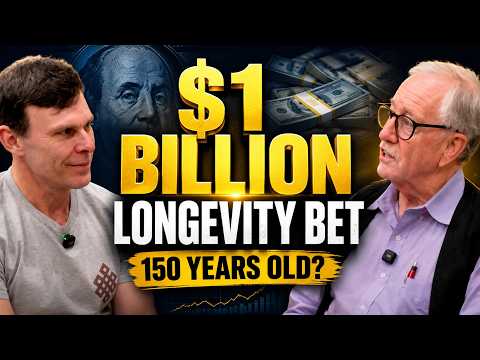
This transcript features a technical and historical discussion between geroscience specialists Dr. Matt Kaeberlein and Dr. Steven Austad regarding the trajectory of human longevity research, pharmacological interventions, and the evolutionary biology of aging.
The core thesis posits a dichotomy in geroscience progress over the past quarter-century: while preclinical animal models have yielded highly reproducible mechanisms of lifespan extension, translation to human clinical validation has severely underperformed. Austad defends his long-standing “$1 Billion Bet” with Jay Olshansky, asserting that an individual born before the year 2000 will reach 150 years of age while remaining cognitively intact. This claim is grounded in mammalian interventions (e.g., rapamycin) demonstrating robust efficacy even when initiated late in life, challenging the historical dogma that anti-aging protocols must commence early to alter the aging trajectory.
The conversation critiques the design and stagnation of the Targeting Aging with Metformin (TAME) trial. Formulated in 2015, TAME selected metformin primarily for its multi-decade safety profile and low cost to satisfy regulatory and public health metrics. However, both speakers concede that metformin lacks a definitive, clean molecular target and exhibits uninspiring preclinical lifespan data. In contemporary translation, both favor rapamycin (mTOR inhibition), SGLT2 inhibitors, or GLP-1 receptor agonists as superior candidates over metformin.
Furthermore, the discussion identifies a pervasive “translational gap” generated by relying entirely on short-lived, evolutionarily unrefined laboratory models (e.g., standard mice, C. elegans). Austad argues that these organisms are baseline “sick” and biologically fragile by human standards. To overcome this limitation, geroscience must pivot to studying exceptionally long-lived or resilient species—termed “nature’s successes” (e.g., clams living 500 years with unique proteostatic mechanisms, birds maintaining high metabolic rates without accelerated degradation, and bats preventing muscle attrition during hibernation).
Finally, the dialogue deconstructs popular lifestyle and supplemental trends. It aggressively filters out the hype surrounding nicotinamide adenine dinucleotide (NAD+) precursors and general antioxidant supplementation, categorizing them as scientifically unsubstantiated and prone to massive placebo effects. Caloric restriction (CR) in humans is similarly challenged; while highly effective in sterile, unchallenging laboratory settings, severe CR induces severe muscle mass depletion, hypothermia, and immunologic vulnerability, rendering it an impractical and potentially deleterious strategy for humans.
II. Insight Bullets
- The 150-Year Longevity Bet: The foundational wager posits that a cognitively intact human born before 2000 will attain 150 years of age. The mathematical justification rests on a 20% extension over the verified human record (122 years), an increase readily achieved via diverse interventions in mammalian models.
- Late-Life Pharmacological Plasticity: Preclinical data from the National Institute on Aging Interventions Testing Program (ITP) established that rapamycin extends median and maximal lifespan even when initiated at advanced chronological age (20 months in mice, equivalent to roughly 60–70 human years), shifting the therapeutic window much later in life than previously theorized.
- Preclinical vs. Clinical Asymmetry: Geroscience has overperformed in identifying reproducible molecular targets in animal models but significantly underperformed in executing human clinical validation over the last 25 years.
- The TAME Trial Structural Bottleneck: The TAME trial was designed as a 5-to-6-year multi-center study targeting adults aged 65–80 to measure time-to-incidence of secondary age-related comorbidities (dementia, cancer, cardiovascular disease). Its execution stalled primarily due to funding deficits; because metformin is off-patent and extremely cheap, it failed to attract private capital.
- Metformin Preclinical Deficiencies: Metformin displays negligible to inconsistent lifespan extension in rigorous animal models. Its selection for human trials was driven by a 60-year epidemiological safety profile and regulatory compliance rather than robust mechanistic efficacy.
- The Myth of Isolated Lifespan Extension: Lifespan and healthspan are evolutionarily and physiologically linked in complex organisms. The concept of extending chronological lifespan while exacerbating or merely lengthening the period of late-life frailty (morbidity) is unsupported by mammalian data.
- mTOR Suppression Consensus: The mechanistic target of rapamycin (mTOR) pathway is affirmed as the most resilient, reproducible, and robust anti-aging target identified to date across diverse phyla.
- NAD+ Precursor Skepticism: Intracellular NAD+ biology is highly buffered and structurally resistant to simple oral perturbations. Robust empirical evidence demonstrating that NAD+ precursors extend mammalian lifespan or meaningfully alter human aging kinetics is absent, mirroring the clinical failure of the antioxidant hype cycle.
- Supplement Minimalism: Aside from creatine to assist with muscle recovery and resistance training adaptation, the clinical utility of broad supplement stacks (including multivitamins) is dismissed due to a lack of rigorous human efficacy data and the prevalence of the placebo effect.
- The Paradigm of Model Organism Fragility: Traditional short-lived lab models (mice, worms, fruit flies) represent evolutionarily unsuccessful aging templates that fall apart rapidly. Applying interventions to these naturally fragile systems limits translation to humans, who are already an evolutionarily successful, long-lived terrestrial species.
- Nature’s Proteostatic Dark Matter: The ocean quahog (Arctica islandica) lives up to 500 years. Experimental lysates from these clams possess an unidentified molecule or protein configuration that actively prevents the aggregation of both clam proteins and human Amyloid-beta, representing a novel therapeutic pathway for neurodegeneration.
- Avian Metabolic Anomalies: Birds exhibit lifespans roughly three times longer than mammals of equivalent body mass despite maintaining highly adverse baseline metrics: body temperatures around 41°C (105.8°F), elevated blood glucose, and metabolic rates twice those of mammals. This indicates highly evolved, uncharacterized cellular resilience mechanisms.
- Hibernation-Induced Muscle Preservation: Chiroptera (bats) undergo months of metabolic torpor during hibernation without experiencing muscle atrophy or structural attrition, offering potential therapeutic models for human sarcopenia, prolonged hospitalization, and spaceflight.
- Caloric Restriction Translational Gaps: While severe CR extends lifespan in sterile, non-challenging laboratory environments, it reduces muscle mass and fat tissue to emaciated levels. In a pathogen-dense, physically demanding human environment, this phenotype creates severe vulnerabilities, including functional weakness and impaired immune defense.
- Exercise and Lifespan Limits: Epidemiological data suggest that lifelong intense exercise yields only a modest extension of absolute chronological lifespan (approximately 2 years). Its primary clinical function is the maintenance of healthspan and physical function (squaring the morbidity curve) rather than extending maximum lifespan.
IV. Actionable Protocol (Prioritized)
High Confidence Tier (Level A/B Evidence)
- SGLT2 Inhibitor Therapy: Sodium-glucose cotransporter 2 inhibitors (e.g., empagliflozin, dapagliflozin) are strongly prioritized over metformin for age-related cardiorenal protection. Large-scale RCTs confirm significant reductions in major adverse cardiovascular events (MACE), heart failure hospitalizations, and all-cause mortality in both diabetic and non-diabetic populations, mimicking caloric restriction states by altering substrate utilization and reducing systemic inflammation Oxford Academic, 2025.
- GLP-1 Receptor Agonism: High-potency GLP-1 receptor agonists (e.g., semaglutide, tirzepatide) demonstrate profound multi-system benefits beyond glycemic control. Comprehensive meta-analyses covering over 90,000 patients demonstrate a 13% reduction in MACE, significant protection against premature death, and a reduction in systemic inflammatory markers (“inflammaging”) across high-risk cohorts regardless of baseline diabetes status Anglia Ruskin University / ScienceDaily, 2026.
- Creatine Monohydrate Supplementation: Administer 3–5 grams daily. Validated by extensive clinical data to enhance phosphocreatine resynthesis, accelerate resistance training recovery, preserve lean mass during aging, and support neuromuscular function.
- Resistance and Cardiovascular Exercise: Prioritized strictly for healthspan optimization and the preservation of muscle mass (combating sarcopenia). While its absolute lifespan extension capability is modest (~2 years), it remains the primary non-pharmacological method for compressing late-life morbidity.
Experimental Tier (Level C/D Preclinical or Early Phase Evidence)
- Low-Dose Intermittent Rapamycin (Sirolimus): Prized for robust mTORC1 inhibition. Preclinical data shows a 15–36% lifespan extension across multiple mammalian strains, even when initiated late in life Harrison et al., 2009. Human evidence from the 2025 PEARL trial indicates excellent safety and tolerability profiles with low-dose weekly protocols (typically 3–10 mg once weekly), avoiding the chronic mTORC2 inhibition that drives toxicities in transplant medicine PEARL Trial / Healthspan, 2025. Note: Human lifespan extension efficacy remains unproven.
- Clam Lysate Proteostatic Research: Utilizing specialized marine biology frameworks (such as research emerging from the Gloucester Marine Genomics Institute) to isolate the specific molecular agents within Arctica islandicathat inhibit protein aggregation. Currently limited to in vitro and exploratory laboratory settings; zero direct human clinical protocol available.
Red Flag Zone (Claims Debunked or Lacking Safety Data)
- Severe Caloric Restriction (CR) for Non-Obese Humans: *Safety Data Absent / Negative Outcomes Realized.*Severe CR down to emaciated levels is clinically counterproductive. Human data (e.g., the CALERIE trials and observational cohorts) note a significant loss of critical skeletal muscle mass, induction of a hypothyroid state, chronic cold intolerance, and a catastrophic loss of functional reserve energy, increasing the risk of sarcopenia and injury.
- Oral NAD+ Precursors (NR, NMN): Hype Filter Triggered / Lack of Empirical Efficacy. Categorized as the “antioxidants of 2030.” Intracellular concentration pathways are highly buffered; contemporary empirical data demonstrates no reproducible maximal lifespan extension in robust mammalian tracking, and the clinical outcomes are heavily confounded by the placebo effect.
- Unregulated Long-Term Metformin Use for Longevity: Translational Gap Identified. Abandoned as a primary longevity candidate due to a lack of reproducible lifespan extension in the ITP rodent trials and a lack of a clear, single molecular target. Its use should be restricted to verified metabolic dysfunction (Type 2 Diabetes) rather than empirical anti-aging.
- Permanent Anti-Aging Gene Therapy: High Safety Risk. Permanent genetic alterations targeting longevity pathways present unpredictable, irreversible side effects due to a lack of feedback control loops, distinct from the transient, modifiable kinetics of small-molecule therapeutics.
1 Like
Matt and Brian are both on the PCSK9i ? And Malcolm Kendrick says it’s a joke. I love this. What a world.
If you want to live a long time, you probably want to go with the recommendations of the best scientists and experts in lipids and cardiology, not the small number of fringe doctors who make outrageous claims to sell books, and get social media followers and YouTube subscribers…
Dr. Malcolm Kendrick is a prominent critic of the lipid hypothesis of cardiovascular disease (CVD). In his publications, including The Great Cholesterol Con and The Clot Thickens, he asserts that low-density lipoprotein (LDL) does not cause atherosclerosis, that dietary saturated fat does not modulate serum LDL cholesterol (LDL-C) in a pathologically meaningful way, and that statin therapy provides negligible benefit.
Evaluating these positions requires contrasting his arguments against the totality of genetic, epidemiological, and clinical trial evidence established by international consensus panels, such as the European Atherosclerosis Society (EAS).
1. Causal Role of LDL in Atherosclerosis
Kendrick’s Claim
Atherosclerosis is fundamentally an endothelial injury and blood clotting disorder (the modern “thrombogenic hypothesis”). Kendrick argues that LDL is a passive molecule that does not cross a healthy endothelial layer to initiate plaque formation, and that lipid accumulation is merely a secondary consequence of the body attempting to repair arterial “scabs.”
Scientific Evaluation
The scientific consensus, formally synthesized in the EAS Consensus Statements on LDL Causality, definitively establishes that LDL is an independent, causal factor in the initiation and progression of atherosclerotic cardiovascular disease (ASCVD).
Pathophysiological Mechanism of LDL Retension and Oxidation in the Arterial Intima. Source: VectorMine / Getty Images
- Mechanism of Entry: Contrary to the claim that LDL cannot penetrate the endothelium without prior mechanical or chemical injury, modern vascular biology demonstrates that circulating LDL particles enter the arterial intima via a active, vesicular transport pathway called transcytosis. Once inside the subendothelial space, the apolipoprotein B (apoB) component of the particle binds to extracellular matrix proteoglycans, trapping it.
- Oxidative Modification: Trapped LDL undergoes chemical modifications, primarily oxidation. This modified LDL triggers an inflammatory response, recruiting monocytes that differentiate into macrophages. These macrophages engulf the oxidized lipids via scavenger receptors, transforming into cholesterol-laden foam cells, which form the fatty streak—the earliest stage of an atherosclerotic plaque.
- Mendelian Randomization Data: The strongest refutation of Kendrick’s non-causal stance comes from Mendelian Randomization (MR) studies. MR uses genetic variants (such as single nucleotide polymorphisms in the PCSK9, LDLR, or NPC1L1 genes) as a natural randomization tool. Because these alleles are randomly distributed at conception, they are free from the confounding variables and reverse causality inherent to observational epidemiology. The data show a log-linear, dose-dependent relationship between an individual’s genetic exposure to lifelong lower LDL-C and a profound reduction in lifetime ASCVD risk. Specifically, a lifetime exposure to 1 mmol/L (~38.7 mg/dL) lower LDL-C correlates with a 50–55% lower risk of coronary heart disease
Scholarly Debate & Overlap
Kendrick’s emphasis on endothelial integrity, the role of the endothelial glycocalyx, and clotting dynamics represents a valid and crucial area of vascular biology. Endothelial dysfunction, systemic inflammation, and a degraded glycocalyx increase the rate of LDL transcytosis and retention. However, while endothelial injury accelerates the disease, apoB-containing lipoproteins remain the mandatory substrate. In the absence of circulating apoB particles, severe atherosclerosis does not occur, even in the presence of severe endothelial damage.
2. Saturated Fat Consumption and Serum LDL Levels
Kendrick’s Claim
Kendrick asserts that dietary fat, specifically saturated fatty acids (SFAs), cannot raise serum LDL levels because chylomicron metabolism (fat absorption from the gut) is metabolically distinct from the VLDL-to-LDL cascade synthesized by the liver.
Scientific Evaluation
While Kendrick is correct that dietary fats are initially packaged into chylomicrons, his assertion that SFAs have no biological mechanism to raise serum LDL-C is biochemically incorrect. The molecular mechanism is well-characterized:
- Hepatic Regulation: When SFAs (specifically lauric, myristic, and palmitic acids) are processed by the liver, they alter the intracellular free cholesterol pool and membrane fluidity of hepatocytes.
- LDLR Downregulation: This internal metabolic shift suppresses the activation of Sterol Regulatory Element-Binding Proteins (SREBPs). Consequently, the transcription and expression of hepatic LDL Receptors (LDLR) are downregulated.
- Decreased Clearance: Because hepatic LDLRs are responsible for clearing circulating LDL particles from the bloodstream, a reduction in receptor density directly reduces the clearance rate, lengthening the residence time of LDL particles in circulation and raising plasma LDL-C concentrations.
While individuals exhibit variable hyper- or hypo-responses to dietary fats based on genetics (e.g., APOE status), the metabolic pathway linking high SFA intake to reduced LDLR activity and subsequent elevated plasma LDL-C is empirically verified.
3. LDL and Mortality in the Elderly
Kendrick’s Claim
Kendrick co-authored a controversial 2016 systematic review published in BMJ Open claiming that in individuals over the age of 60, high LDL-C is either inversely associated or entirely unassociated with all-cause and cardiovascular mortality, suggesting that high LDL is protective in older cohorts.
Scientific Evaluation
The paper drew severe criticism from epidemiologists and cardiologists due to significant methodological limitations:
- Reverse Causality (Frailty Bias): In geriatric epidemiology, low serum cholesterol is a thoroughly documented biomarker for subclinical frailty, wasting diseases, chronic inflammation, malnutrition, and occult malignancies (often termed the “hypocholesterolemia of serious illness”). By failing to rigorously exclude participants with these confounding underlying pathologies, observational data artificially raise the mortality rate among the low-cholesterol cohort, generating a spurious inverse association.
- Survivor Bias: Individuals highly susceptible to lipid-driven atherosclerosis frequently experience cardiovascular events or mortality before reaching age 60. Geriatric cohorts are inherently selective; elderly individuals surviving with high LDL-C often possess rare, protective genetic counter-mechanisms that alter their baseline risk, making it invalid to extrapolate their data to the general population.
- Randomized Controlled Trial (RCT) Contradiction: Observational cohort anomalies are refuted by interventional data. Large-scale RCTs, including the PROSPER trial and age-stratified meta-analyses from the Cholesterol Treatment Trialists’ (CTT) Collaboration, demonstrate that pharmacologically lowering LDL-C in elderly populations (ages 70 to 82) yields relative risk reductions for major vascular events that closely mirror those observed in younger cohorts.
4. Statin Efficacy and Risk Communication
Kendrick’s Claim
Kendrick argues that statins provide negligible clinical benefit, particularly in primary prevention (individuals without pre-existing CVD), and that the pharmaceutical industry uses relative risk reduction (RRR) instead of absolute risk reduction (ARR) to artificially inflate drug efficacy.
Scientific Evaluation
The distinction between RRR and ARR is a critical nuance in public health communication, and Kendrick’s critique of over-reliance on RRR has scientific merit, though his conclusions are skewed.
| Risk Metric | Clinical Context | Public Health Reality |
|---|---|---|
| Relative Risk Reduction (RRR) | Consistently ~22% reduction in major cardiovascular events per 1 mmol/L (~38.7 mg/dL) drop in LDL-C. | Remains uniform across varying baseline risks, demonstrating the constant biological potency of lowering LDL. |
| Absolute Risk Reduction (ARR) | Highly dependent on the individual’s baseline risk. In low-risk primary prevention, a 5-year ARR may only be 1–2%. | While a 1% ARR means 100 people must be treated for 5 years to prevent one event (NNT = 100), across a global population of millions, this translates to tens of thousands of prevented events. |
Knowledge Gaps & Clinical Directives
Modern clinical guidelines have evolved to align with this mathematical reality. Statins are no longer prescribed based on isolated, arbitrary LDL-C thresholds. Instead, multi-variable risk engines (such as the pooled cohort equations or QRISK) assess absolute global risk (integrating age, smoking status, blood pressure, and metabolic markers). Interventions are directed toward individuals where the baseline absolute risk is high enough that the corresponding absolute risk reduction justifies therapy.
A recognized knowledge gap remains regarding the long-term safety and absolute benefit of aggressive lipid lowering in ultra-low-risk, young individuals over a 40-year horizon, as standard clinical trials are logistically restricted to 5-year intervals. However, lifetime risk tracking from genetic models strongly implies that earlier, sustained reductions yield compounding, cumulative benefits that short-term trials underestimate…
1 Like
Lutein and atherosclerosis: Belfast versus Toulouse revisited
“At the time we speculated like others that role of the carotenoids may well have been to prevent oxidation of lipid in the lipoproteins and so reduce the uptake of oxidised lipid by macrophages and its deposition within the intimal layers of the major arteries as plaque. It is now widely accepted that CHD is an inflammatory disease and that macrophages within plaque together with tissue damage contribute to this inflammation. Stimulated macrophages release cytokines to activate the immune system both locally and systemically. Precursor complement proteins in the blood are activated to assist immune cells in phagocytosis and cell repair. Individuals with a history of arteriosclerosis display significantly higher concentrations of complement factors C3 and C3a than subjects without such a history. Metabolism of C3 via the alternate complement pathway can give rise to the membrane attack complex (MAC) which creates a hole or pore in pathogens or host cells, killing the cell. Recent studies in patients with early age related macular disease (AMD) who also exhibit similar elevated concentrations of complement proteins in their blood, showed supplementation with lutein progressively decreased the amount of the MAC and other complement factors in the blood. Lutein was used in the supplementation experiments because it is an important constituent of macular pigment. Thus the healthier cardiometabolic features displayed by the people in Toulouse may have been due to the effects of concurrent high concentrations of plasma lutein on the immune system and complement in particular.”
Lycopene in the Prevention of Cardiovascular Diseases
“It is believed that the cardioprotective effect of lycopene protection is a result of its potential antioxidant properties responsible, inter alia, for: protection against oxidative stress-induced myocardial hypertrophy by improving ROS production [44], inhibition of stress-induced endoplasmic reticulum damage due to ischemia/reperfusion (I/R) [45], inhibition of LDL oxidative damage [46]; suppression of ventricular remodeling after myocardial infarction by inhibiting apoptosis [47], and improving endothelial function [48].”
Antioxidant and anti-inflammatory mechanisms of action of astaxanthin in cardiovascular diseases (Review)
" The LDL oxidation time in the presence of astaxanthin has been analyzed in vitro and ex vivo . In the in vitro assays, astaxanthin prolonged LDL oxidation in a dose-dependent manner, in addition to being more effective compared with lutein and α-tocopherol. In turn, the blood samples of individuals who were supplemented daily with 1.8, 3.6, 14.4, or 21.6 mg astaxanthin for 14 days evidenced a significant delay in LDL oxidation when compared to samples collected before supplementation, the greatest effect being obtained with the dose of 14.4 mg (oxidation time increased by 5.0, 26.2, 42.3 and 30.7% with 1.8, 3.6, 14.4 and 21.6 mg astaxanthin, respectively) (Table I) (10). Thus, it was demonstrated that the intake of astaxanthin delayed LDL oxidation, one of the key factors involved in the process of atherosclerosis."
Lutein, zeaxanthin, and meso-zeaxanthin supplementation attenuates inflammatory cytokines and markers of oxidative cardiovascular processes in humans
“Our data show that L, Z, & MZ supplementation results in decreased serum IL-1β, TNF-α, and OxLDL. This suggests that these carotenoids are acting systemically to attenuate oxidative lipid products and inflammation, thus reducing their contribution to atherosclerotic plaque formation.”
4 Likes
I do take 20mg lycopene, 60 mg astaxanthin, and lutein and zeaxanthin, though not meso-zeaxanthin. Maybe that’s what is keeping me out of trouble. Good to know there’s positive data and thoughts on them.
I take doxycycline 100mg every 2 weeks with my Rapa, but doubt that’s enough to do much. I’ve thought about increasing it. Really wish they would start selling the Doxy-Myr. It could help with cancer and heart disease both.
Good call out. I have not checked this person out much but did search a few videos and posts etc.
A new video on YouTube it seems he already contradicted himself on cardiovascular medications and what he considers the main importance of cardiovascular health.
Starts at 1:00:35https://www.youtube.com/watch?v=pq-va0SqJb4
“sun exposure synthesizes nitric oxide in your body. Nitric oxide is the single most important molecule for your cardiovascular health.”
Then at 1:03:26
“The other interesting thing about statins, which I almost hate to admit because I’m not a statin fan, is that they increase nitric oxide synthesis in your body.”
No clue what he recommends for nitric oxide or other cardiovascular help. But big pharma will blow anything away he would recommend for it.
Good luck beating pde5i’s (viagra), citrulline powder, vitamin c, beet root powder… arb’s/acei’s, statins.
Other good Rx meds to help nitric oxide also, and beyond for cardiovascular help.
The con here is this guy fear mongering people to avoid Rx medications.
1 Like
Optimizing Health Through Longevity Science
I. Executive Summary
The core thesis presented by geroscience researcher Dr. Matt Kaeberlein demands absolute scientific rigor, semantic precision, and clinical pragmatism within the emerging field of healthspan medicine. Transitioning from academic discovery to scalable healthcare technology, Kaeberlein critiques the widespread commercial degradation of “longevity medicine.” He systematically challenges the validity of prevailing direct-to-consumer molecular diagnostic tools, specifically epigenetic clocks, emphasizing that they fail to provide clinically actionable data, lack industry-wide quality controls, and merely map a correlation of a correlation rather than measuring true biological age.
Kaeberlein frames biological aging as an active, malleable, and non-linear process governed by complex genetic and environmental networks rather than simple chronological duration. While acknowledging the utility of the traditional hallmarks of aging, he highlights their severe structural limitations and high interconnectedness; modifying singular master nodes like the mechanistic target of rapamycin (mTOR) can alter the entire network of functional declines simultaneously. Proactive geroscience interventions hold orders of magnitude greater statistical power to extend human healthspan than traditional, reactive, single-disease medicine. For instance, epidemiologically eradicating all forms of cancer or ischemic heart disease individually yields minor additions to remaining life expectancy (~3 years each), whereas slowing global aging mechanisms delays the onset and progression of almost all chronic disease states concurrently.
However, translation remains deeply bottlenecked by systemic clinical hype. Robust mammalian data confirms that the historical upper limit of post-developmental lifespan extension remains extreme caloric restriction—established nearly 50 years ago—with rapamycin demonstrating approximately half of that magnitude. No modern commercial compound or highly publicized technique, including epigenetic reprogramming, has systematically outperformed these benchmarks in robust mammalian models. Furthermore, the clinical longevity field is increasingly compromised by the reckless, unvalidated prescription of speculative peptides, multi-supplement stacks, and premature gene therapies that operate in a complete vacuum of safety and efficacy data. The immediate, rational path forward requires anchoring clinical care to verified lifestyle therapeutics—nutrition, exercise, sleep, and social connection—tracked via reproducible biomarkers and objective structural scanning like annual dual-energy X-ray absorptiometry (DEXA), alongside leveraging artificial intelligence tools to democratize and scale low-cost healthspan interventions globally.
II. Insight Bullets
- Semantic Degradation of “Longevity Medicine” The term “longevity medicine” has become commercially diluted and associated with non-rigorous, unscientific practices, forcing leading researchers to shift toward the term “healthspan medicine” to preserve clinical credibility.
- Biological vs. Chronological DivergenceChronological time is entirely distinct from biological aging; the latter is a dynamic, malleable biological process dictated by precise genetic and environmental inputs.
- Interspecies and Intraspecies Aging VariationsBiological aging rates scale differently across species (e.g., canine vs. human models) and fluctuate widely between distinct individuals within the exact same species.
- The Mammalian Body Size EffectWithin specific mammalian species—including dogs, mice, and likely humans—larger body size correlates with accelerated biological aging, compressed life expectancy, and faster onset of functional decline.
- Non-Linear Kinetics of Aging AccelerationThe rate of biological aging is non-static; companion dogs age 15 to 20 times faster than humans during early developmental phases, slowing down to a 2- to 3-fold rate later in life.
- Hallmarks of Aging as an Incomplete Paradigm The 12 currently recognized hallmarks of aging provide an elementary, descriptive framework of cellular decline, yet they are structurally incomplete and fail to map the entire complexity of the aging process.
- Network Architecture of Hallmarks The hallmarks of aging do not operate in isolation; they are interconnected via an internal network of proteins and metabolites, functioning as a synchronized system rather than independent pathways.
- Master Node Modulation Altering single, highly conserved master nodes within the cellular network (e.g., mTOR or insulin/IGF-1 signaling) shifts all 12 hallmarks of aging simultaneously, establishing that the global aging process can be modulated by a single genetic or pharmacological target.
- Geroscience Core Objective Geroscience is explicitly defined as the study of the fundamental molecular biology that connects the aging process directly to age-related functional declines and chronic diseases.
- Aging as the Dominant Chronic Disease Risk Factor In industrialized nations, biological aging represents the single greatest statistical risk factor for nine out of the top ten leading causes of mortality.
- Relative Risk Magnitude Delusion The relative risk conferred by biological aging over four decades drastically eclipses the risk factors targeted by traditional medicine, such as smoking, obesity, and hypertension, by orders of magnitude.
- The “Solving Aging” Near-Term Myth There is no evidence-based data supporting commercial assertions that science is on the verge of “solving” aging or achieving human immortality within the next several years.
- Caloric Restriction Lifespan Benchmark The maximum post-developmental lifespan extension achieved in a laboratory mammal remains extreme caloric restriction (55–60% reduction), a benchmark established nearly 50 years ago that has never been surpassed by any drug.
- Rapamycin Relative Potency Limits While rapamycin is the most effective pharmacological intervention for extending mammalian lifespan, its maximum magnitude of effect is roughly half that of extreme caloric restriction.
- Hype of Unverified Longevity Interventions Highly publicized, speculative longevity interventions (e.g., partial epigenetic reprogramming) have completely failed to match or exceed the robust mammalian lifespan extension data of rapamycin or caloric restriction.
- Phenotypic Reversal vs. Systemic Rejuvenation Reversing isolated, superficial age-related phenotypes (e.g., cosmetic alterations or localized muscle strength via exercise) does not constitute systemic biological age reversal.
- Critique of Bryan Johnson and David Sinclair High-profile commercial and academic claims regarding absolute systemic age reversal in humans or identical laboratory mice fail basic scientific verification, data transparency, and peer-reviewed replication.
- Epigenetic Clocks Do Not Measure Biological Age Direct-to-consumer epigenetic clocks do not quantify biological age; they measure the average DNA methylation state across a highly restricted, arbitrary subset of CpG sites, typically isolated from blood or saliva.
- The Double Correlation Error in Diagnostics Commercial epigenetic clocks train algorithms to map methylation patterns to chronological age or population mortality risk, generating an indirect correlation of a correlation rather than an objective measurement of biological age.
- Complete Lack of Diagnostic Quality Control The consumer molecular aging clock ecosystem operates without industry-wide standardization, precision data, regulatory validation, or validated reference standards.
- Longitudinal Incomparability of Clocks Subtle updates to microarray testing platforms or minor changes in data processing pipelines introduce technical noise that makes longitudinal tracking of commercial epigenetic clock scores clinically useless.
- Inactionability of Methylation Scores Standard epigenetic aging tests yield an arbitrary numerical score that completely fails to instruct a clinician on what specific physiological pathways or medical interventions to target.
- Clinical Priority of Blood Chemistry Clocks Biological clocks trained strictly on validated blood chemistry biomarkers offer reproducible, interpretable, and clinically actionable data that far surpass DNA methylation profiles.
- Statistical Futility of Single-Disease Cures Mathematically eradicating all forms of cancer or cardiovascular disease individually increases remaining human life expectancy at age 50 by only approximately 3 years each due to competing risks from other unaddressed age-driven pathologies.
- The Scale of the Dog Aging Project The Dog Aging Project tracks over 50,000 companion dogs to identify the primary genetic and environmental determinants of healthspan and lifespan in real-world, non-laboratory environments.
- The TRIAD Veterinary Trial Architecture The Test of Rapamycin in Aging Dogs (TRIAD) is a fully randomized, double-blind, placebo-controlled clinical trial utilizing absolute lifespan as its primary endpoint and concrete healthspan metrics as secondary readouts.
- Economic Feasibility of Pet Longevity Scaling Targeting a strategic investment of $100 million could fully solve and clinically validate a 20% to 30% healthspan extension in companion animals, presenting a tiny societal cost relative to reactive healthcare expenditures.
- Regulatory Validation Shifts via Veterinary Approvals Impending FDA conditional approvals for geroprotective veterinary drugs (e.g., targeted rapamycin formulations and candidates from companies like Loyal) represent a foundational regulatory framework for future human translation.
- The Pragmatic Medicine 80/20 Rule To achieve population-scale impact, healthspan medicine must discard low-yield, multi-omic testing and prioritize the 80% of clinical value generated by 20% of the cost.
- Scientific Rigor as an Ecosystem Safeguard The lack of scientific rigor and the propagation of unvalidated interventions by fringe clinics threaten to destroy the systemic credibility of the geroscience medical field before it achieves mainstream integration.
- Lifestyle Pillars as Direct Geroscience Therapeutics Nutrition, structured exercise, optimized sleep, and social connectivity are true geroscience therapeutics because they directly modulate the identical molecular pathways targeted by experimental longevity compounds.
- Systems-Based Blood Biomarker Chemistry Comprehensive, routine blood panels analyzed through the lens of integrated organ systems constitute the foundational baseline for objective clinical optimization.
- Indispensability of Annual DEXA Scanning Annual Dual-Energy X-ray Absorptiometry (DEXA) imaging starting in an individual’s 40s or 50s is a primary clinical requirement to track bone mineral density, skeletal muscle mass, and visceral adiposity distribution.
- Conservative Triage of Multi-Cancer Early Detection (MCED) Liquid biopsy advanced cancer screenings (e.g., the Galleri test) are powerful diagnostic tools, but they represent a secondary tier of care that must be deployed selectively based on risk rather than universally implemented.
- The Longevity Supplement Ecosystem Crisis The current direct-to-consumer longevity supplement market is a data vacuum; there is an absolute scarcity of robust human clinical data defining what specific compounds work, in what doses, and in what combinations.
- Biomarker-Driven Targeted Supplementation Clinicians must restrict supplement prescriptions to addressing confirmed baseline deficiencies, titrating inputs solely to move documented biomarkers into optimal reference ranges.
- Reckless Off-Label Peptide Prescriptions The widespread clinical prescription of performance and longevity peptides occurs in a dangerous vacuum of safety, standardization, and human efficacy data.
- Therapeutic Plasma Exchange (TPE) Experimental Status While TPE is an FDA-approved procedure demonstrating distinct clinical benefits in removing toxic circulating factors in specific diseases like Alzheimer’s, its use as a general longevity therapeutic remains highly experimental and unproven.
- Absolute Dismissal of Human Longevity Gene Therapy Deploying gene therapies for human longevity is entirely premature and clinically reckless, as science has yet to identify, isolate, or safety-validate definitive target longevity genes in humans.
- The Lack of Centralized Clinical Registries The longevity medicine field is heavily bottlenecked by the absence of transparent, centralized registries to aggregate side-effect profiles and longitudinal outcomes from clinics administering experimental therapies.
- AI-Driven Democratization of Healthspan Care Advanced artificial intelligence models are rapidly commoditizing the analysis of standard biomarkers, blood panels, and imaging data, providing an immediate path to scale high-quality healthspan medicine globally at an extremely low cost.
III. Actionable Protocol (Prioritized)
High Confidence Tier (Level A/B Evidence)
-
The Four Core Lifestyle Geroscience Therapeutics:
- Exercise: Implement routine resistance training and cardiovascular conditioning to mitigate sarcopenia (age-related muscle loss) and preserve cardiorespiratory fitness (VO2 max), which are primary predictors of all-cause mortality.
- Nutrition: Optimize protein intake and caloric density to maintain lean mass while avoiding metabolic syndrome.
- Sleep & Social Connection: Enforce rigid sleep hygiene to preserve neurological health and actively cultivate deep human relationships to reduce chronic systemic inflammation driven by psychosocial stress.
- Annual Dual-Energy X-ray Absorptiometry (DEXA): Initiate annual DEXA scans starting in the 40s or 50s to track precise regional body composition changes, bone mineral density, and visceral fat accumulation—the most metabolically damaging adipose tissue.
- Systems-Based Biomarker Tracking: Establish a comprehensive baseline blood chemistry panel analyzed annually to map cardiovascular, metabolic, renal, hepatic, and immune function.
Experimental Tier (Level C/D Evidence / High Safety Margins)
- Off-Label Targeted Rapamycin / Rapalogs: Utilization of low-dose, intermittent rapamycin (e.g., 5–6 mg once weekly) under strict medical supervision for immunosenescence modulation and geroscience-backed autophagy enhancement. Backed by extensive mammalian data and human safety tracking in low doses, though definitive human longevity RCT data remains incomplete (Roark, 2026).
- Biomarker-Validated Targeted Supplementation: Limit supplementation exclusively to compounds correcting a verified baseline deficiency (e.g., Vitamin D3, Omega-3 fatty acids, or specific micronutrients) to bring the patient into optimal clinical reference ranges rather than blind mega-dosing.
- Blood Chemistry-Based Biological Clocks: Utilize clinically interpretable biological aging algorithms trained strictly on standard blood biomarkers (e.g., PhenoAge parameters) to track systemic functional trajectories over time, discarding methylation readouts (Liang et al., 2024).
- Multi-Cancer Early Detection (MCED) Screenings: Deploy blood-based liquid biopsies (e.g., Galleri test) as a secondary screening tier for patients with elevated genetic or age-related oncological risk profiles, balancing clinical utility against the risk of false positives.
Red Flag Zone (Safety Data Absent / Debunked)
- Direct-to-Consumer Epigenetic DNA Methylation Clocks: Avoid spending capital on commercial epigenetic saliva or blood tests. They provide zero actionable medical targets, lack analytical reproducibility, and are highly sensitive to software or platform artifacts (Apsley, 2026).
- Universal, Multi-Compound Supplement Stacking: Cease the standard practice of taking unverified, multi-ingredient “longevity” supplement stacks. The lack of human clinical trials creates unknown interaction risks and liver/kidney toxicities.
- Unregulated Peptide Prescriptions: Reject the off-label use of speculative peptides for longevity. The market lacks manufacturing standardization, and there is a total absence of long-term human safety or efficacy data.
- Broad Longevity Therapeutic Plasma Exchange (TPE): Do not undergo TPE as a general rejuvenation routine. While valid in structured clinical trials for specific neurodegenerative pathologies like Alzheimer’s disease, its general use for population-level life extension is unsupported by long-term data (Gulej, 2026; Imbimbo et al., 2020).
- Premature Longevity Gene Therapies: Absolutely avoid any clinic or provider offering gene therapies for human longevity or age reversal. There are zero validated target genes for human life extension, making these procedures highly dangerous and biologically reckless.
IV. Scientific References
-
Apsley, A. T. (2026). From population science to the clinic? Limits of epigenetic clocks as personal biomarkers. PMC. From Population Science to the Clinic? Limits of Epigenetic Clocks as Personal Biomarkers - PMC
-
Bell, C. G., Lowe, R., Adams, P. D., Baccarelli, A. A., Beck, S., Bell, J. T., Christensen, B. C., Gladyshev, V. N., Heijmans, B. T., Horvath, S., Ideker, T., Issa, J. P. J., Kelsey, K T., Marioni, R. E., Reik, W., Relton, C. L., Schalkwyk, L. C., Teschendorff, A. E., Wagner, W., Zhang, K., & Rakyan, V. K. (2019). DNA methylation aging clocks: challenges and recommendations. Genome Biology, 20(1). https://doi.org/10.1186/s13059-019-1824-y
-
Das, S. K., Roberts, S. B., Bhapkar, M. V., Villareal, D. T., Fontana, L., Martin, C. K., Racette, S. B., Fuss, P. J., Kraus, W. E., Wong, W. W., Saltzman, E., Pieper, C. F., Fielding, R. A., Schwartz, A. V., Ravussin, E., & Redman, L. M. (2017). Body-composition changes in the Comprehensive Assessment of Long-term Effects of Reducing Intake of Energy (CALERIE)-2 study: a 2-y randomized controlled trial of calorie restriction in nonobese humans. The American Journal of Clinical Nutrition, 105(4), 913–927. https://doi.org/10.3945/ajcn.116.137232
-
Dorling, J. L., van Vliet, S., Huffman, K. M., Kraus, W. E., Bhapkar, M., Pieper, C. F., Stewart, T., Das, S. K., Racette, S. B., Roberts, S. B., Ravussin, E., Redman, L. M., & Martin, C. K. (2020). Effects of caloric restriction on human physiological, psychological, and behavioral outcomes: highlights from CALERIE phase 2. Nutrition Reviews, 79(1), 98–113. https://doi.org/10.1093/nutrit/nuaa085
-
Flanagan, E. W., Most, J., Mey, J. T., & Redman, L. M. (2020). Calorie restriction and aging in humans. Annual Review of Nutrition, 40(1), 105–133. https://doi.org/10.1146/annurev-nutr-122319-034601
-
Gulej, R. (2026). Plasma-based strategies for systemic rejuvenation: critical perspectives on clinical translation. PubMed. Plasma-based strategies for systemic rejuvenation: critical perspectives on clinical translation - PubMed
-
Imbimbo, B. P., Ippati, S., Ceravolo, F., & Watling, M. (2020). Perspective: Is therapeutic plasma exchange a viable option for treating Alzheimer’s disease? Alzheimer’s & Dementia: Translational Research & Clinical Interventions, 6(1). https://doi.org/10.1002/trc2.12004
-
Liang, R., Tang, Q., Chen, J., & Zhu, L. (2024). Epigenetic clocks: beyond biological age, using the past to predict the present and future. Aging and Disease. https://doi.org/10.14336/ad.2024.1495
-
Roark, K. M. (2026). Rapamycin for longevity: the pros, the cons, and future perspectives. PMC. Rapamycin for longevity: the pros, the cons, and future perspectives - PMC
3 Likes
Really well done! Thanks for posting.
1 Like
Can Ketones Slow Aging? What the Science Really Says
I. Executive Summary
This technical evaluation synthesizes the geroscience and metabolic data regarding exogenous ketone bodies (EK) as potential gerotherapeutics, isolating verified clinical signals from commercial hype. The core thesis posits that ketone bodies—primarily beta-hydroxybutyrate (BHB) and acetoacetate (AcAc)—have transitioned in scientific understanding from simple energetic substrates to complex epigenetic and metabolic signaling molecules. While endogenously produced via fasting or strict carbohydrate restriction, EKs establish a unique non-physiological state of “fed ketosis,” where circulating ketones (1.0–3.0 mmol/L) coexist with intact glycogen and carbohydrate reserves.
Translational data reveal severe discrepancies across clinical domains. In athletic performance, initial findings of carbohydrate sparing and a 4% endurance enhancement have failed to replicate consistently; roughly 75% of subsequent independent trials yield null results, rendering performance claims speculative and highly individualized. Conversely, the signal for post-exercise recovery, anti-catabolic muscle preservation under inflammatory stress, and cardiovascular and neurological therapeutics is robust. Right-heart catheterization and metabolic tracer trials demonstrate that EKs induce a dose-dependent expansion of cardiac output and cerebral blood flow, likely mediated via nitric oxide synthase pathways. Furthermore, human endotoxemia models confirm that BHB acts as a potent anti-catabolic agent, significantly decreasing muscle protein breakdown during acute inflammatory insults.
In geroscience, model organism longevity extensions and rodent healthspan data are well-replicated. However, the National Institute on Aging Interventions Testing Program (ITP) data for the ketone precursor 1,3-butanediol showed inconsistent lifespan extension, leaving a major knowledge gap: whether isolated EK administration can fully recapitulate the geroscience benefits of systemic ketogenic diets. EKs consistently suppress blood glucose and free fatty acids via PUMA-G (HCA2) receptor activation without triggering clinical hypoglycemia, as ketones seamlessly substitute for cerebral glucose. The clinical implementation of EKs faces severe translational bottlenecks, including resource constraints preventing comprehensive multi-arm dose-response trials, severe palatability and gastrointestinal tolerability limits, a lack of point-of-care tracking for acetoacetate, and an absence of proprietary intellectual property for natural metabolites. Future clinical validation demands rigorous, long-term, washout-controlled trials to separate acute, transient substrate fueling from persistent, structural healthspan improvements.
II. Insight Bullets
- Dr. Brianna Stubbs transitioned from elite athletic performance to the biology of aging via metabolic research at Oxford University.
- The initial scientific framework for exogenous ketones focused strictly on their role as an energetic substrate to spare glucose and improve athletic endurance.
- Ketone bodies are small, water-soluble molecules derived from hepatic fatty acid beta-oxidation during carbohydrate deprivation, prolonged fasting, or caloric restriction.
- Exogenous ketone drinks allow immediate acquisition of nutritional ketosis (1.0–3.0 mmol/L) within 30 minutes without requiring restrictive diets or fasting.
- In athletic settings, exogenous ketones establish a unique physiological state of “fed ketosis,” where elevated ketones coexist with full glycogen and carbohydrate reserves.
- The seminal Oxford study by Cox et al. demonstrated that exogenous ketones altered substrate utilization, spared carbohydrates, reduced blood lactate, and yielded a ~4% performance increase in a laboratory setting.
- Subsequent athletic literature is highly inconsistent, with approximately 75% of independent trials reporting null or statistically non-significant performance outcomes.
- Exogenous ketone marketing frequently misrepresents clinical data by drowning out the extreme individual variability and highly context-specific nature of performance benefits.
- Regulatory anti-doping agencies have repeatedly reviewed exogenous ketones and cleared them based on safety, fairness, and a lack of clear performance-enhancing supremacy in professional pelotons.
- Scientific consensus is shifting from using ketones as an acute pre-exercise performance fuel toward utilizing them post-exercise to enhance physiological recovery.
- Exogenous ketones consistently prompt an acute, profound suppression of blood glucose levels, mimicking a state of inverted metabolic energy availability.
- Ketone consumption profoundly suppresses circulating free fatty acids (FFAs) via the potent inhibition of lipolysis mediated through the PUMA-G (HCA2) receptor.
- The redox equilibrium between beta-hydroxybutyrate (BHB) and acetoacetate (AcAc) is highly volatile and tightly regulated by tissue-specific dehydrogenase enzymes.
- Commercially available point-of-care finger-prick devices exclusively quantify blood BHB, neglecting acetoacetate and thus underreporting total systemic ketosis.
- Urine strips exclusively provide a qualitative, non-quantitative measurement of acetoacetate, while breath meters measure volatile acetone.
- Exogenous ketone formulations vary widely; pure BHB precursors elevate measured BHB, while other ester or salt compounds deliver a blended mixture of BHB and AcAc.
- The upper tolerable therapeutic range for nutritional ketosis is bounded at approximately 3.0 mmol/L; values exceeding 7.0–10.0 mmol/L impose a significant acid load, inducing metabolic stress.
- Standard clinical trial designs in the ketone field suffer from resource constraints that prevent multi-arm dose-response mapping, forcing investigators to simply test the highest tolerable dose.
- Human heart failure and cognitive trials show a distinct blood concentration-response relationship, where clinical efficacy directly maps to absolute ketone exposure.
- Acute exogenous ketosis does not provoke clinical diabetic or alcoholic ketoacidosis, because it lacks the upstream dysregulation of insulin and uncontrolled hepatic ketogenesis seen in pathology.
- Gastrointestinal distress acts as the primary absolute limiting factor preventing toxic oral over-consumption of exogenous ketone compounds.
- The maximum clinically evaluated safe oral dose for sustained daily use is capped at 75 grams per day, typically administered as 25 grams with meals.
- Model organism data in C. elegans and Drosophila demonstrate that direct administration of ketone bodies can extend lifespan.
- A landmark study established that BHB acts as an endogenous histone deacetylase (HDAC) inhibitor, activating FOXO3 signaling and altering transcription independent of ATP production.
- Parallel, independent mouse studies by Newman (Buck Institute) and Ramsey (UC Davis) verified that ketogenic diets significantly extend healthspan, preserving cognitive and motor function.
- The National Institute on Aging (NIA) Interventions Testing Program (ITP) evaluated 1,3-butanediol and failed to show a robust, uniform lifespan extension across both sexes by standard log-rank analysis.
- A critical unresolved knowledge gap in geroscience is whether isolated exogenous ketone bodies can recapitulate the full healthspan benefits of a systemic ketogenic diet.
- Human trials in Denmark utilizing invasive right-heart catheterization demonstrated that acute ketone infusions drastically increase cardiac output in a dose-dependent manner.
- A 14-day human RCT in heart failure with reduced ejection fraction (HFrEF) patients showed that oral ketone ester treatment sustained significant cardioprotective hemodynamic improvements even 24 hours after the final dose.
- Human metabolic tracer studies using lipopolysaccharide (LPS) infusions proved that elevated BHB exerts potent anti-catabolic properties by suppressing muscle protein breakdown without modifying synthesis.
- A systematic review and meta-analysis of human protocols demonstrated a modest but statistically significant positive effect of exogenous ketones on acute cognitive performance.
- Exogenous ketones reliably enhance cerebral blood flow (CBF) through systemic vasodilatory actions, likely mediated via nitric oxide (NOS) signaling pathways.
- Ketones successfully preserve cognitive function and reaction times during severe acute hypoxic stressors, such as those encountered in military or high-altitude environments.
- The lack of proprietary intellectual property (IP) protection for endogenous molecules like BHB severely deters pharmaceutical commercialization and large-scale funding.
- Current biopharma efforts are pivoting toward synthesizing novel small molecules that modulate endogenous ketogenesis or act as stabilized signaling mimetics.
- High-potential acute-care clinical applications for ketones include emergency IV infusions for cardiogenic shock, traumatic brain injury (TBI), and neurological preservation in the ICU.
- Exogenous ketones act physiologically as a macronutrient rather than a micronutrient, demanding grams-scale dosing to alter metabolism rather than micro-gram signaling shifts.
- Severe glucose drops induced by exogenous ketones do not provoke clinical hypoglycemic symptoms because the brain immediately substitutes glucose with the circulating ketones.
- Testing individuals 24 hours post-washout is the only rigorous clinical study design capable of distinguishing true long-term structural healthspan adjustments from transient acute signaling effects.
- The field remains highly fragmented due to the structural, metabolic, and palatability differences among various exogenous ketone vectors (esters, salts, and alcohols).
III. Adversarial Claims & Evidence Table
| Claim from Video | Speaker’s Evidence | Scientific Reality (Current Data) | Evidence Grade | Verdict |
|---|---|---|---|---|
| Exogenous ketones improve elite athletic performance by ~4%. | Seminal Oxford paper (Cox et al.) showing carbohydrate sparing and reduced lactate. | Subsequent clinical literature (20–30 human trials) demonstrates ~75% null results. No uniform performance benefit exists; outcomes are highly individualized and context-dependent (Margolis et al., 2020). | Level B(Inconsistent human RCTs) | Speculative(Unsupported for general performance; Plausible for post-exercise recovery) |
| Exogenous ketones acutely improve overall human cognitive performance across healthy and clinical cohorts. | A systematic review and meta-analysis of ~30 human protocols analyzing ketone drinks and cognition. | Confirmed by a comprehensive meta-analysis of 29–38 protocols demonstrating a modest but statistically significant positive effect on overall cognitive performance (SMD = 0.26–0.29, p < 0.001) in both healthy adults and neurodegenerative states (Stubbs et al., 2026). | Level A(Human Meta-analyses) | Strong Support |
| Exogenous ketones robustly increase cardiac output and improve hemodynamics in heart failure. | Acute IV infusion data demonstrating an exposure-response relationship and a 14-day human trial in Denmark showing sustained hemodynamic improvements. | Confirmed by a double-blind crossover RCT in Denmark showing that 14-day oral ketone ester administration significantly increased resting and exercise cardiac output and LVEF in HFrEF patients, with benefits persisting at trough washout (Dalsgaard et al., 2024). However, acute dosing in HFpEF patients did not improve peak VO2 or exercise endurance (KETO-HFpEF Trial, 2025). | Level B(Human RCTs) | Strong Support(For HFrEF hemodynamics); Unsupported(For HFpEF acute exercise tolerance enhancement) |
| Ketone bodies exert potent anti-catabolic effects by directly suppressing muscle protein breakdown during acute inflammatory stress. | Human LPS (lipopolysaccharide) infusion study with labeled amino acid and ketone tracers performed in Denmark. | Human endotoxemia trials verify that 3-hydroxybutyrate (3OHB) infusions during acute inflammatory challenges exert potent anti-catabolic actions, where the reduction of muscle protein breakdown overrides any concurrent inhibition of protein synthesis (Thomsen et al., 2018). | Level B(Human RCTs) | Strong Support |
| Isolated ketone bodies extend lifespan and recapitulate the full healthspan benefits of a ketogenic diet. | Model organism data (C. elegans) showing lifespan extension and rodent healthspan studies (Newman/Ramsey 2017). | While simple model organisms show lifespan extension and mice on full ketogenic diets show robust healthspan/lifespan extensions (Newman et al., 2017), direct administration of isolated ketones (via 1,3-butanediol) in the NIA Interventions Testing Program (ITP) failed to show uniform, reproducible lifespan extension across sexes (Jiang et al., 2024). | Level D(Pre-clinical) | Translational Gap (Lifespan extension unverified in mammals; healthspan benefits are Plausible but structurally unverified for isolated EKs vs full diets) |
IV. Actionable Protocol (Prioritized)
High Confidence Tier (Backed by Level A/B Evidence)
- Acute Cognitive Support Under Stress: To mitigate cognitive declines induced by metabolic or environmental stressors (e.g., hypoxia, high altitude, or intense executive fatigue), utilize 12–25 grams of an exogenous ketone monoester or optimized compound to rapidly target a blood BHB threshold of 1.0–3.0 mmol/L. Efficacy is driven by a direct blood concentration-response relationship.
- Hemodynamic Optimization in Baseline Systolic Dysfunction (HFrEF Subgroup): Under strict clinical supervision, oral ketone ester administration (25 grams administered 4 times daily) can be deployed to expand resting and exercise cardiac output, reduce total peripheral resistance, and increase left ventricular ejection fraction without escalating myocardial oxygen demand.
- Anti-Catabolic Lean Mass Preservation: During acute systemic inflammatory stress or clinical endotoxemia (e.g., acute severe infection), therapeutic elevation of circulating 3-hydroxybutyrate can be utilized to attenuate skeletal muscle proteolysis and preserve nitrogen balance.
Experimental Tier (Backed by Level C/D Evidence with High Safety Margins)
- Post-Exercise Glycolytic Recovery: Administering 10–25 grams of exogenous ketones immediately post-exercise alongside standard carbohydrate and protein refueled portions can accelerate glycogen resynthesis, reduce post-exercise anaerobic lactate accumulation, and dampen overactive inflammatory pathways.
- Epigenetic Modification and Inflammatory Suppression: Utilizing low-to-moderate daily dosing (10–25 grams/day) to achieve transient daily peaks in ketosis may promote histone acetylation (via class I HDAC inhibition) and blunt the NLRP3 inflammasome. However, longitudinal data verifying that this translates to extended human longevity are entirely absent.
Red Flag Zone (Debunked, High Risk, or Safety Data Absent)
- Pre-Workout Ingestion for Acute Endurance Enhancement: Do not rely on pre-exercise exogenous ketone boluses to increase competitive speed or output. The failure rate across human clinical trials is ~75%, and the high risk of cross-reacting gastrointestinal distress frequently causes an absolute decline in performance metrics.
- “Ketone Maxing” (>75g/Day or Acute Massive Boluses): Avoid oral ingestion exceeding 75 grams per day or consuming massive, unbuffered single doses (>150 mL equivalents). This induces acute metabolic acidosis, severe GI distress, nausea, headache, and hyperventilation due to excessive acid loading.
- Unmonitored Multi-Intervention Biohacking Protocols: Combining aggressive fasting, strict ketogenic dieting, and high-dose exogenous ketone ingestion simultaneously is flagged for extreme caution. This can provoke severe, uncompensated metabolic stress and electrolyte imbalances requiring emergency medical evaluation.
V. Technical Mechanism Breakdown
- Substrate Shift and Glycemic Regulation: Ketone bodies enter the TCA cycle directly via succinyl-CoA:3-ketoacid CoA transferase (SCOT), bypassing the rate-limiting glycolytic bottleneck (phosphofructokinase). This induces immediate glucose suppression and a decrease in circulating free fatty acids via the activation of the PUMA-G (HCA2 / Hydroxycarboxylic Acid Receptor 2) receptor on adipocytes, which suppresses lipolysis.
- Anti-Catabolic Protein Kinetics: Under systemic inflammatory stress (e.g., lipopolysaccharide/LPS exposure), elevated circulating 3-hydroxybutyrate downregulates whole-body and skeletal muscle protein breakdown. Mechanistically, this suppression of proteolysis overrides a subtle concurrent inhibition of protein translation (evidenced by altered phosphorylation of eIF2$\alpha$ and S6 kinase), resulting in a net muscle-sparing effect.
- Epigenetic and Inflammatory Signaling: Beyond ATP generation, BHB acts as an endogenous class I histone deacetylase (HDAC) inhibitor (specifically inhibiting HDAC1, HDAC3, and HDAC4). This increases global histone acetylation at promoter regions for protective genes, upregulating FOXO3A and MnSOD transcription to bolster cellular antioxidant defenses. Concurrently, BHB directly blocks the assembly and activation of the NLRP3 inflammasome by preventing K+ efflux and suppressing downstream caspase-1 activation and IL-1β/IL-18 cleavage.
- Hemodynamic Vasodilation: Ketones enhance myocardial and cerebral blood flow through direct endothelium-dependent vasodilation. This process is putatively mediated via the activation of endothelial nitric oxide synthase (eNOS) signaling, which lowers total peripheral resistance and enhances cardiac output without increasing heart rate or oxygen demand disproportionately.
- Redox Equilibrium: The conversion of BHB to acetoacetate by mitochondrial beta-hydroxybutyrate dehydrogenase (BDH1) requires the reduction of NAD+ to NADH. This shift in the mitochondrial NAD+/NADH ratio alters the redox potential of the cell, directly impacting downstream metabolic pathways and requiring careful consideration of total acetoacetate alongside BHB levels.
“C8 MCT Oil (Caprylic Acid): An indirect precursor that bypasses the normal digestive track to go straight to the liver, rapidly converting into natural ketones.”
I use MCT C8 oil only because I don’t like any of the BHB salts. I was already putting it in my coffee, having evolved from “Bulletproof” coffee. It acts much like a coffee creamer.