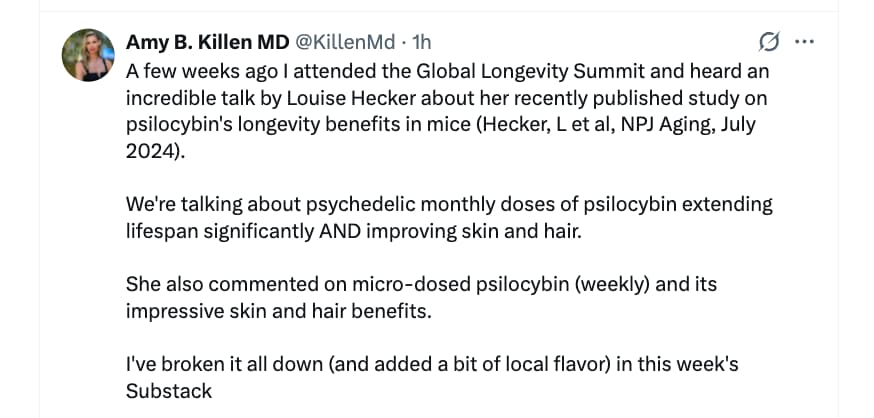
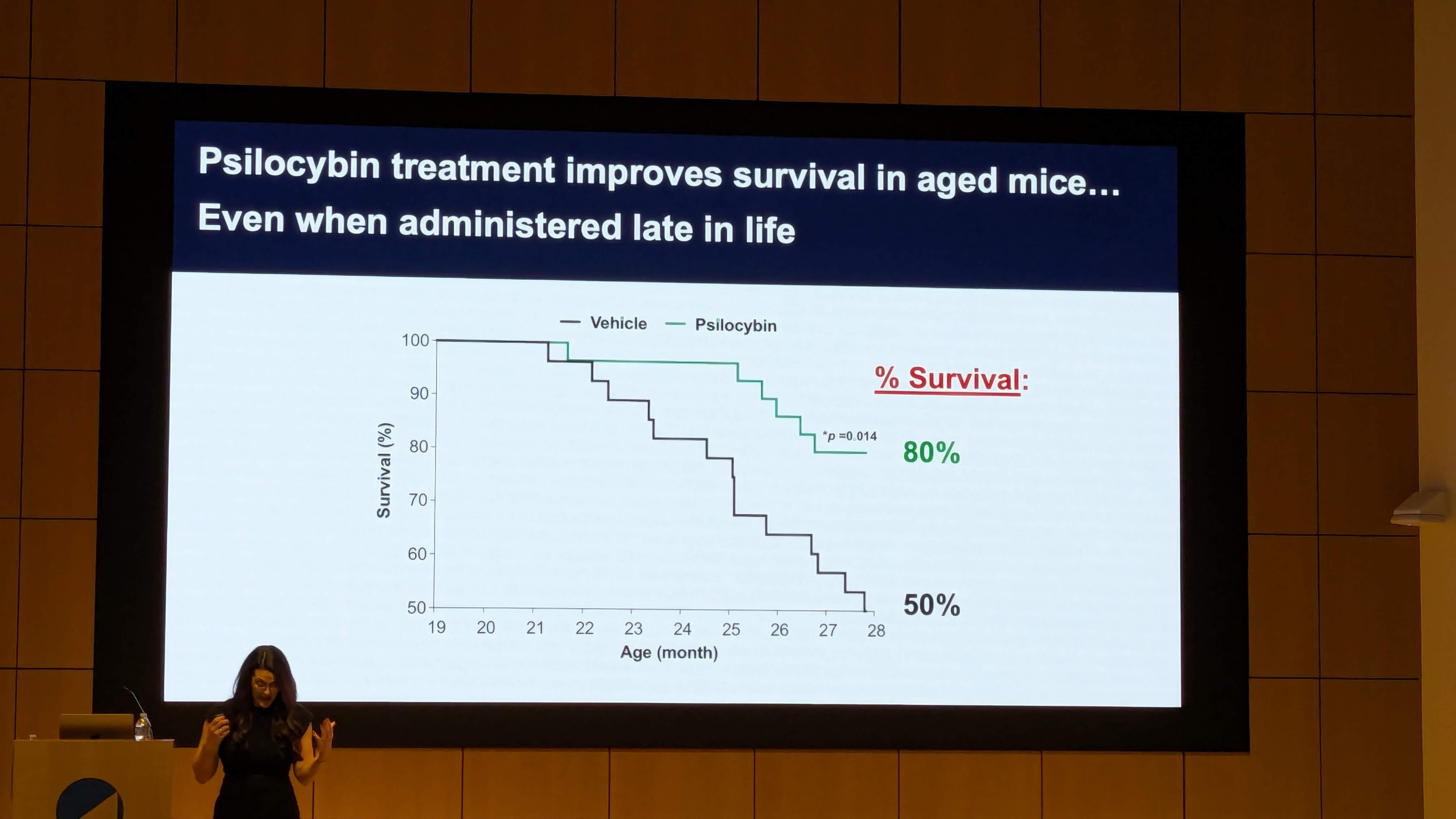
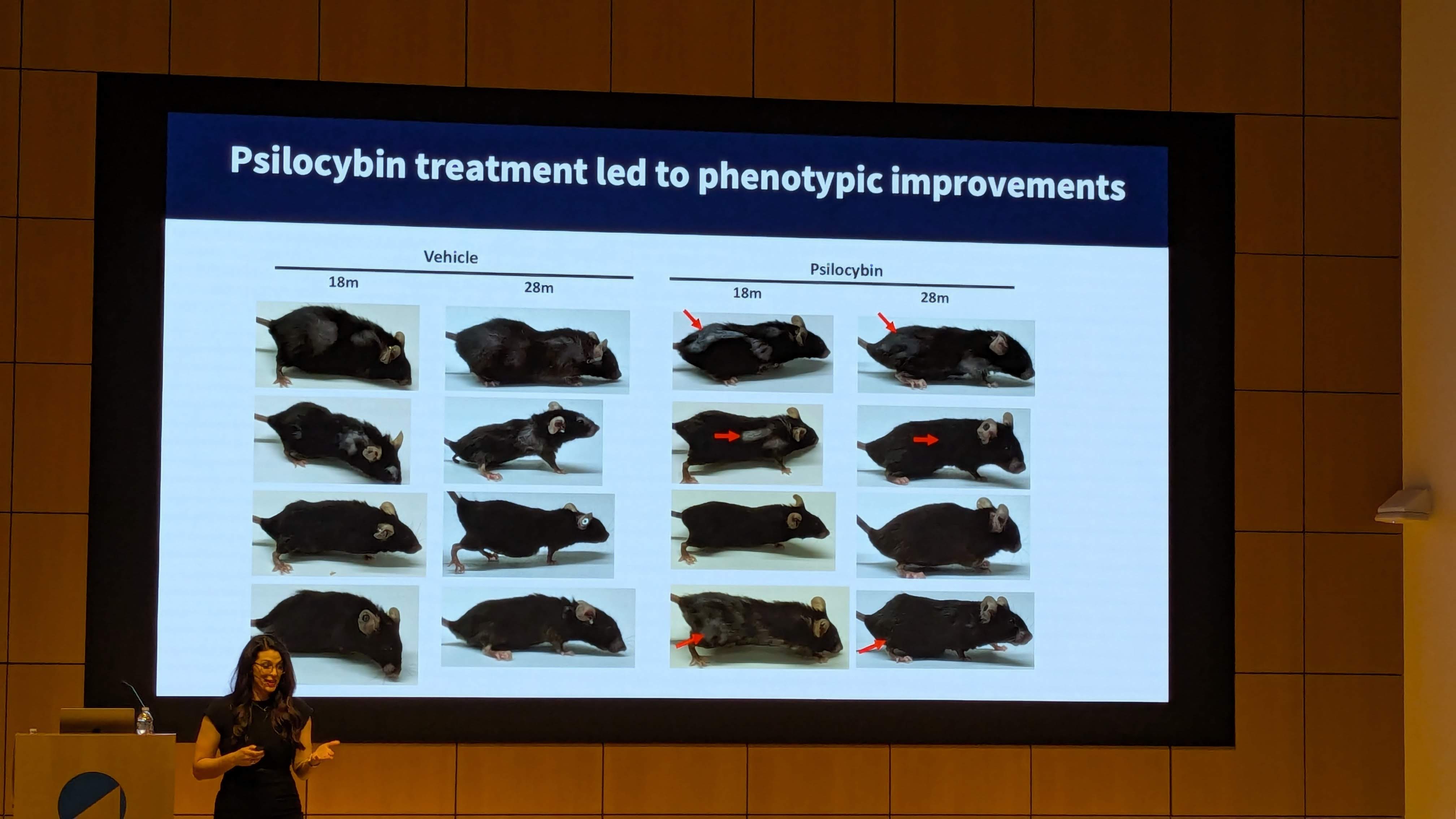
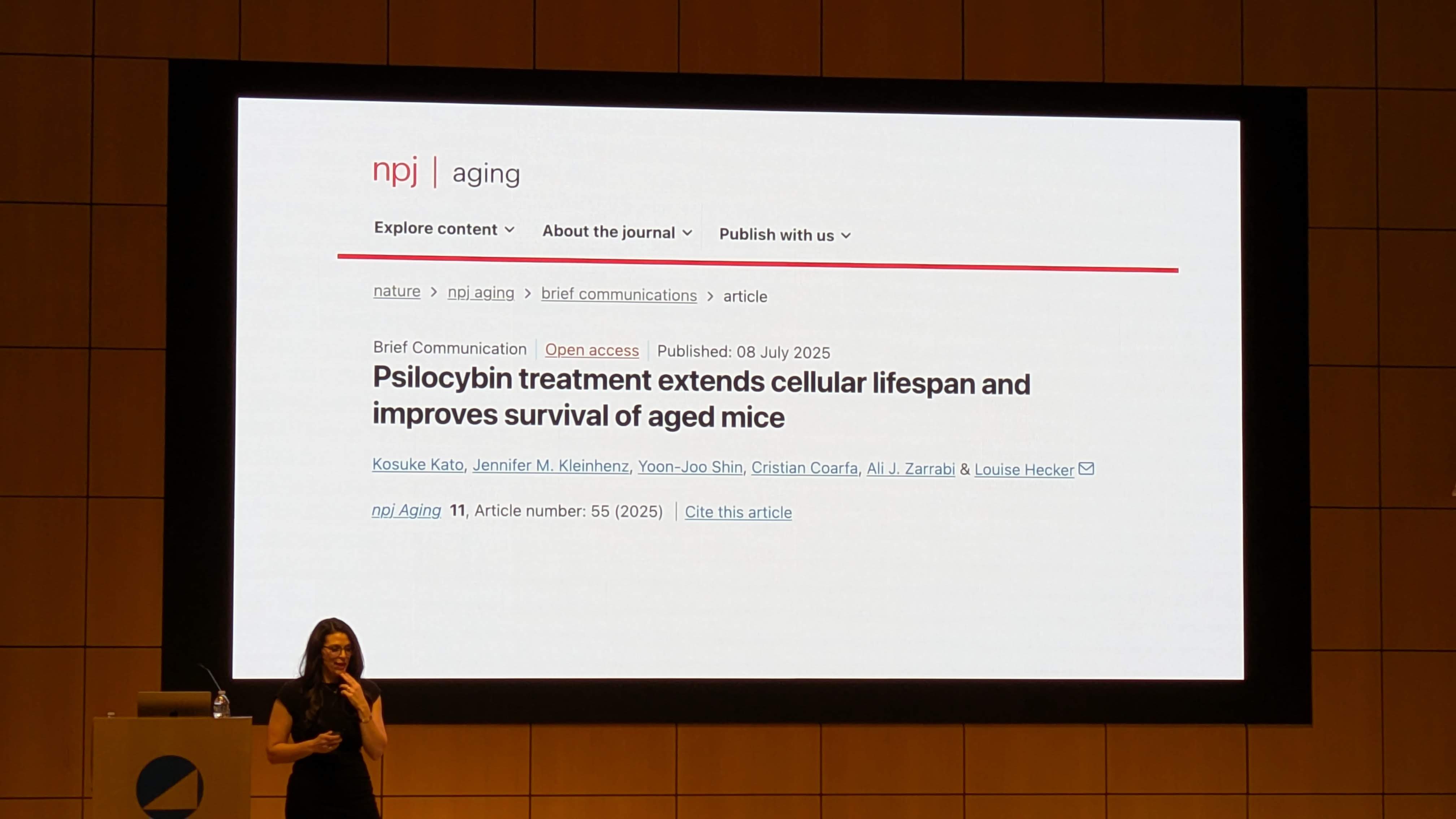
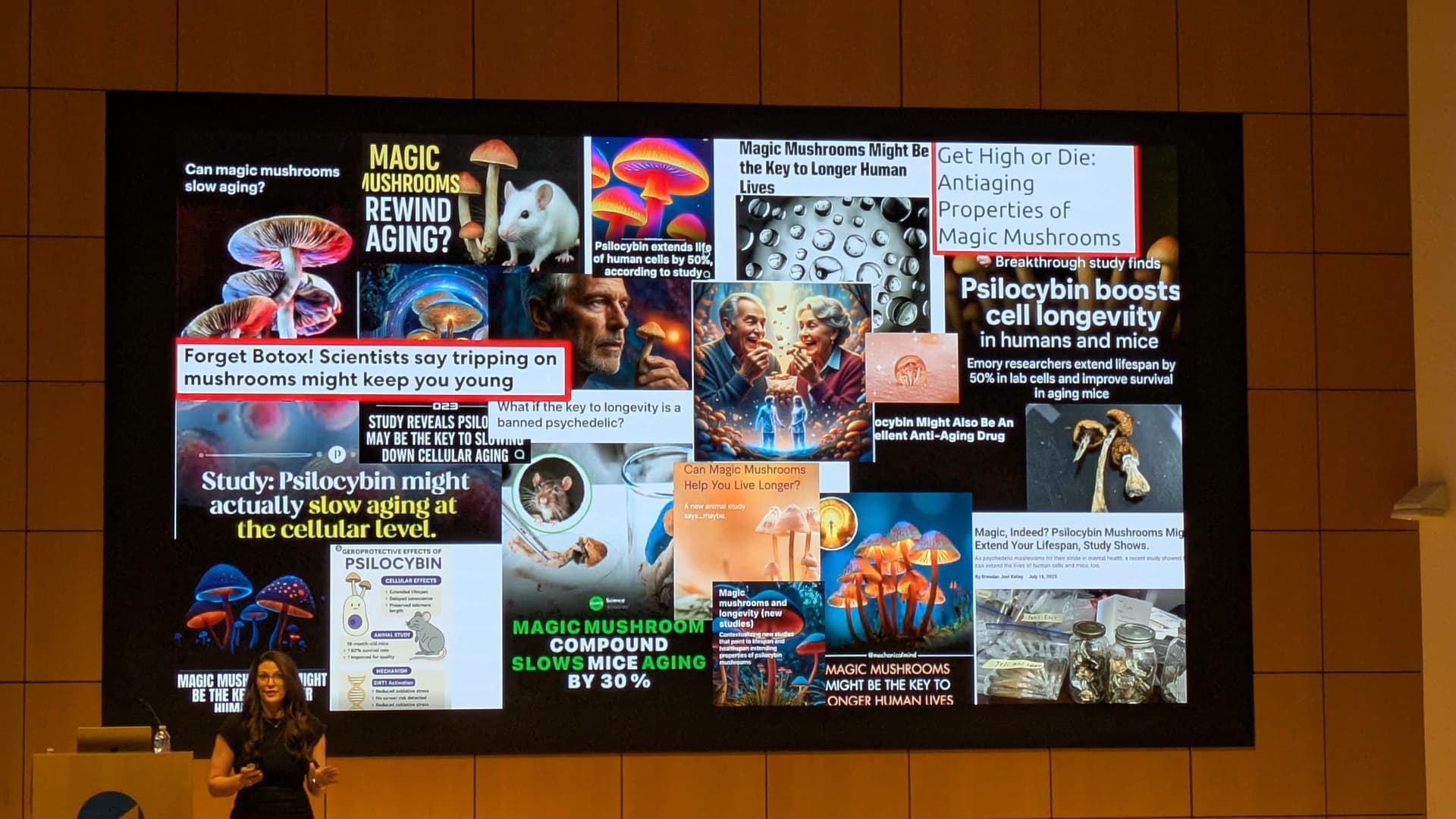
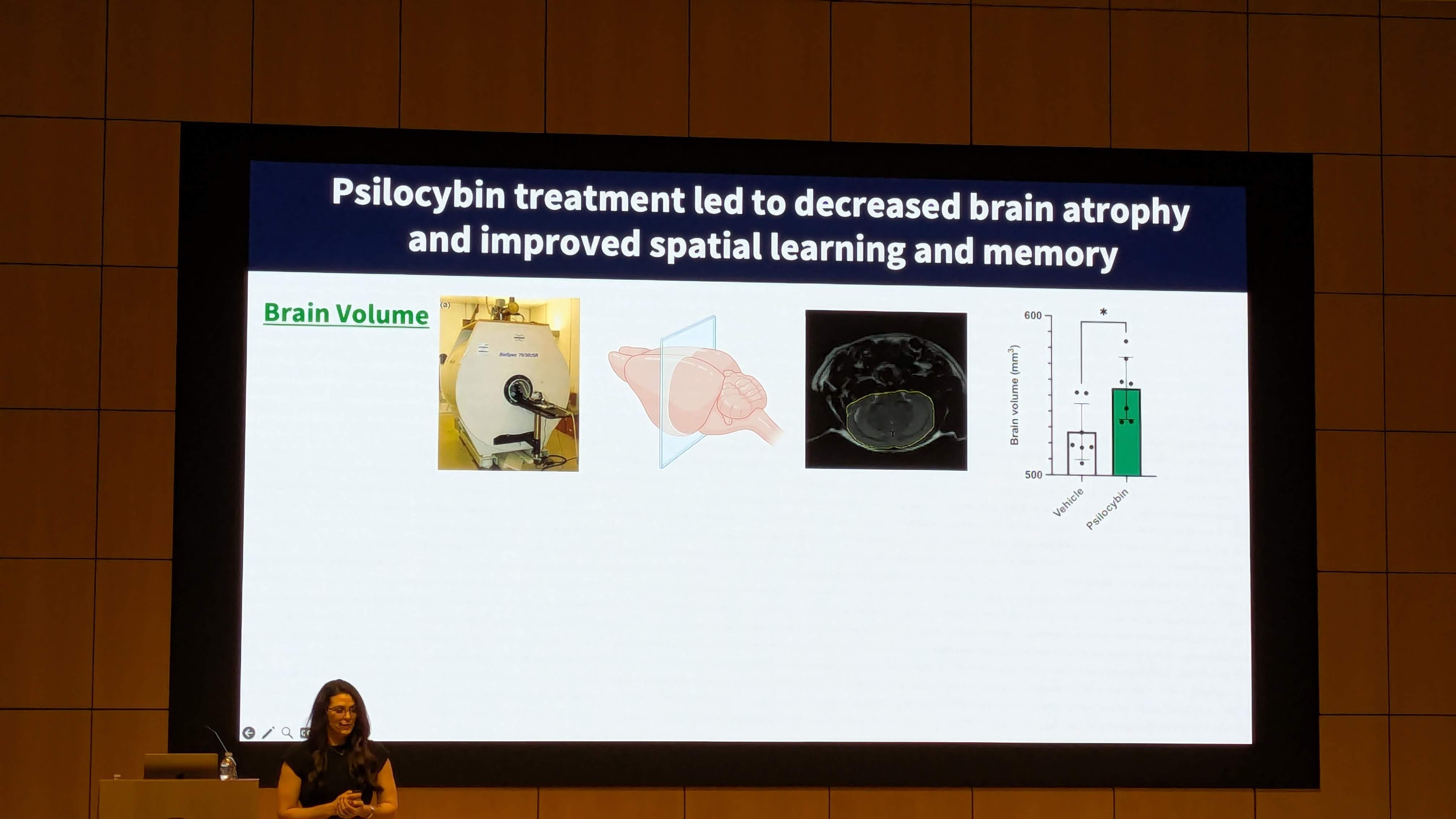
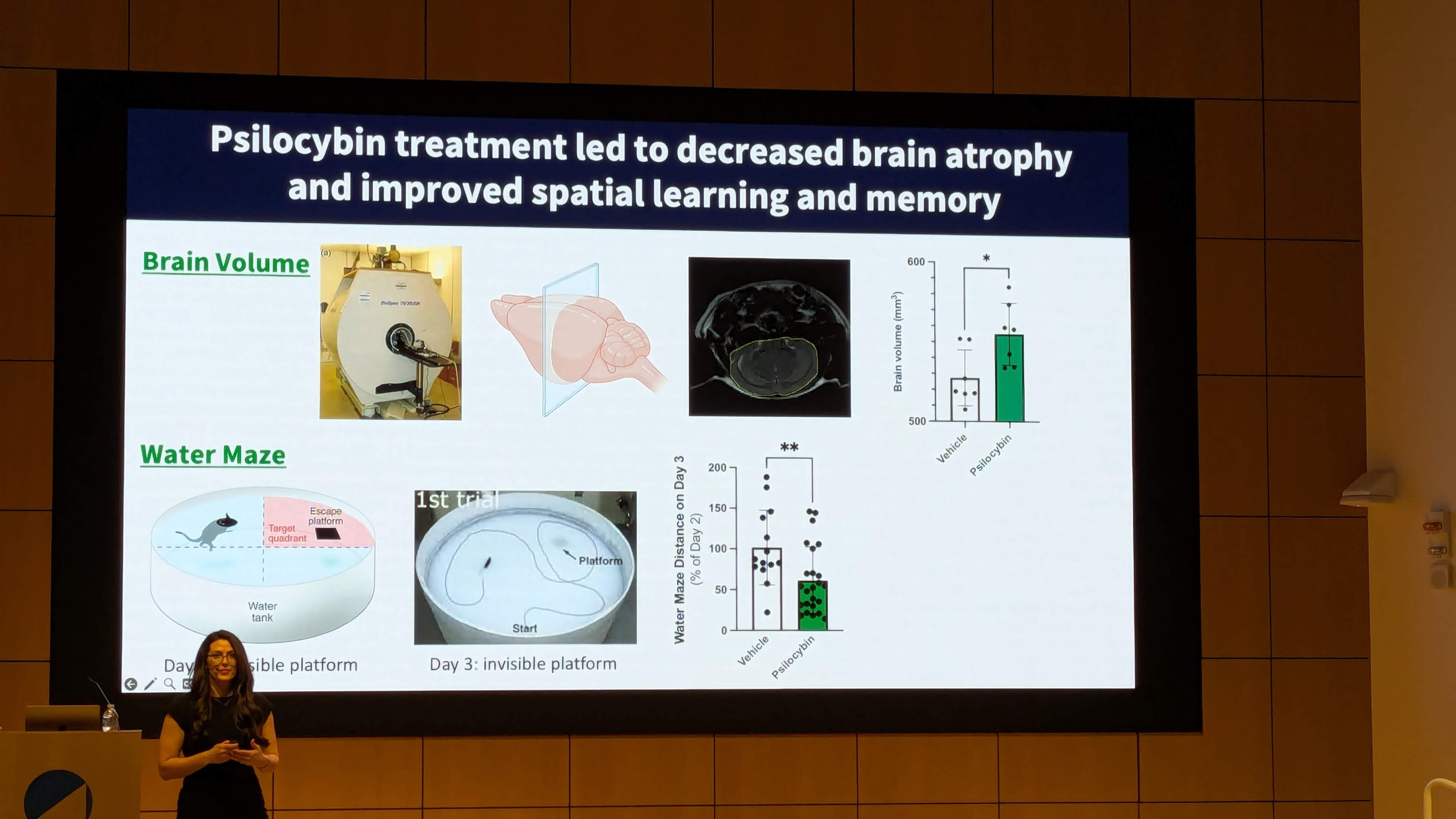
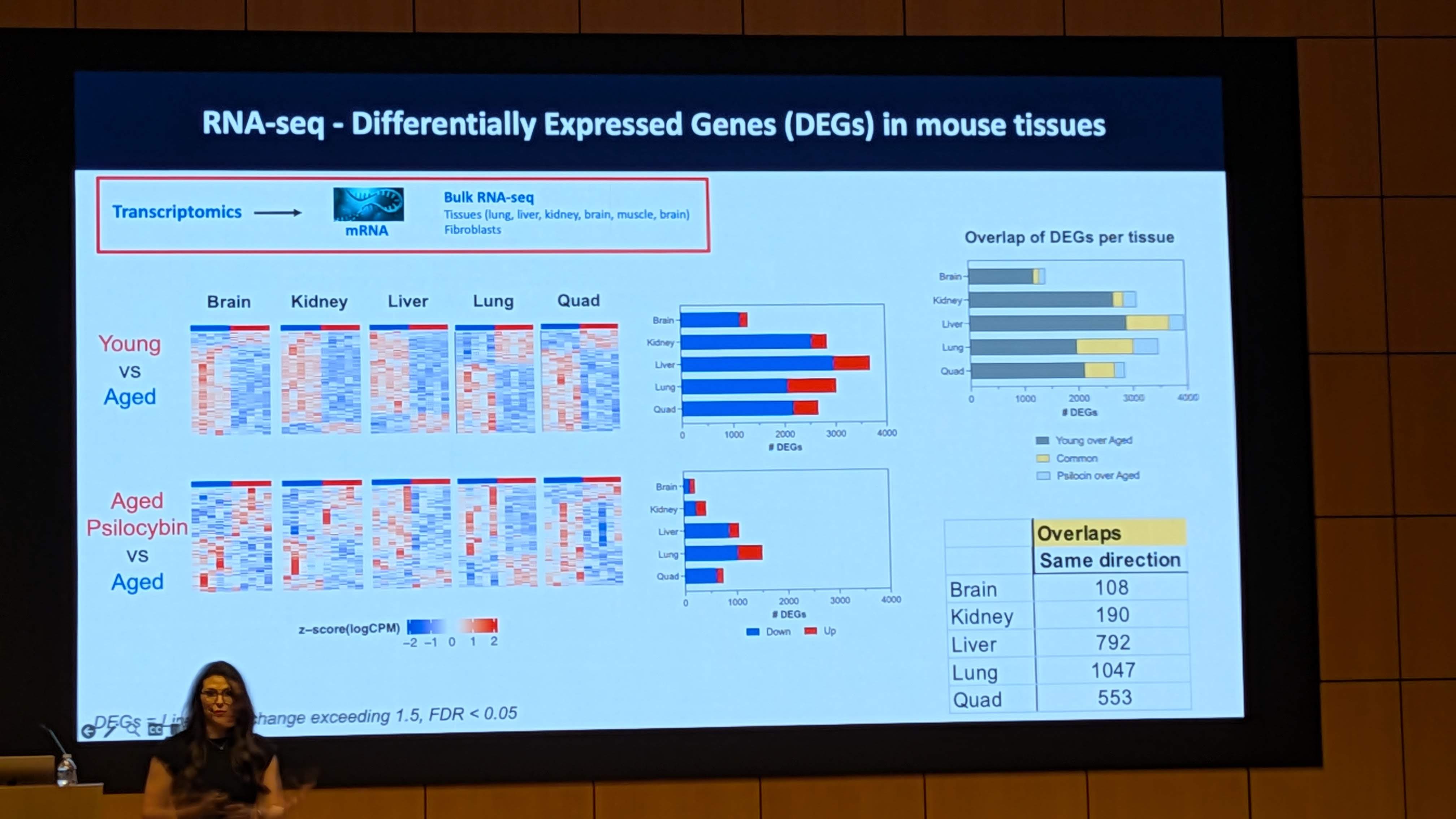
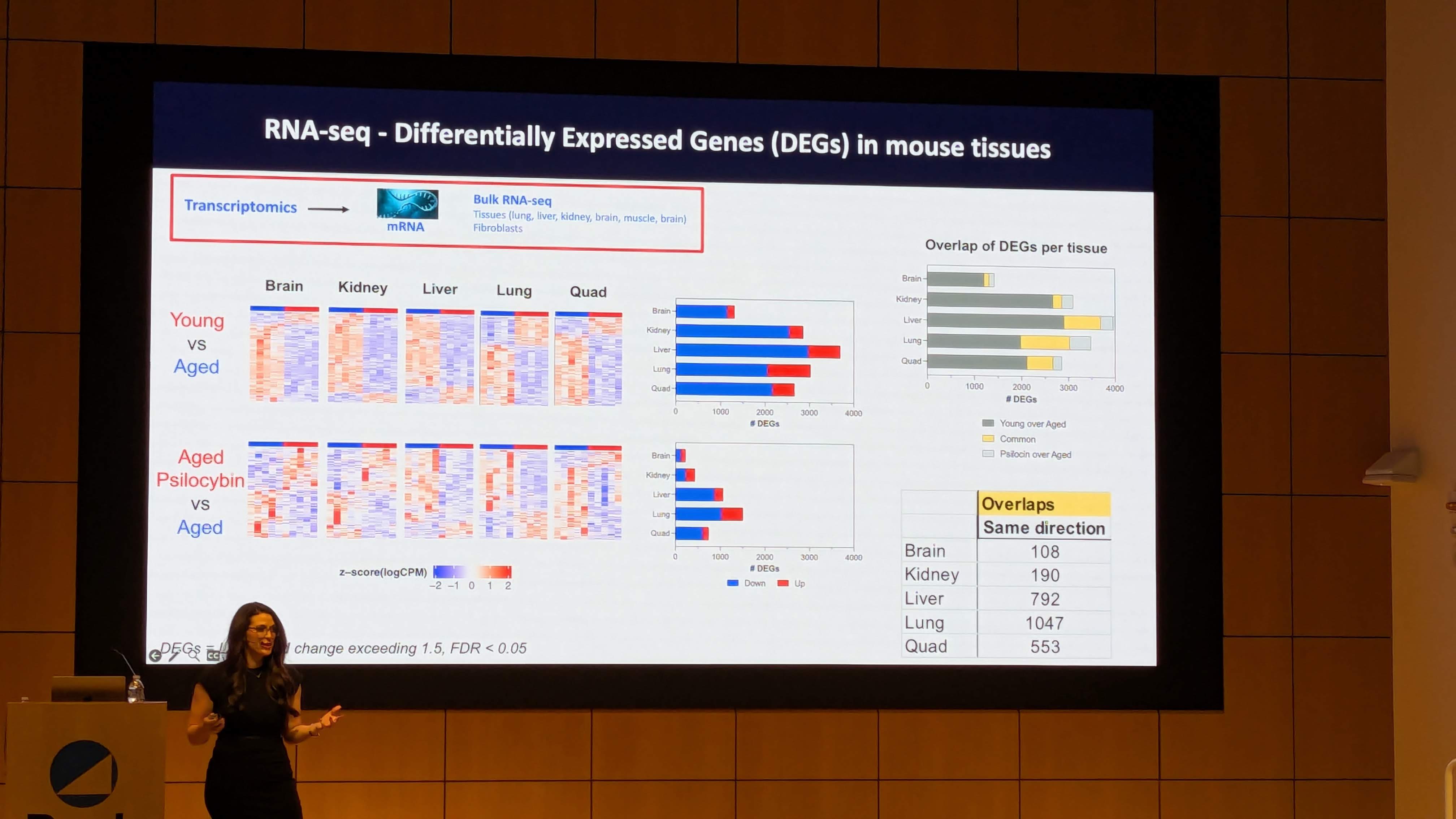
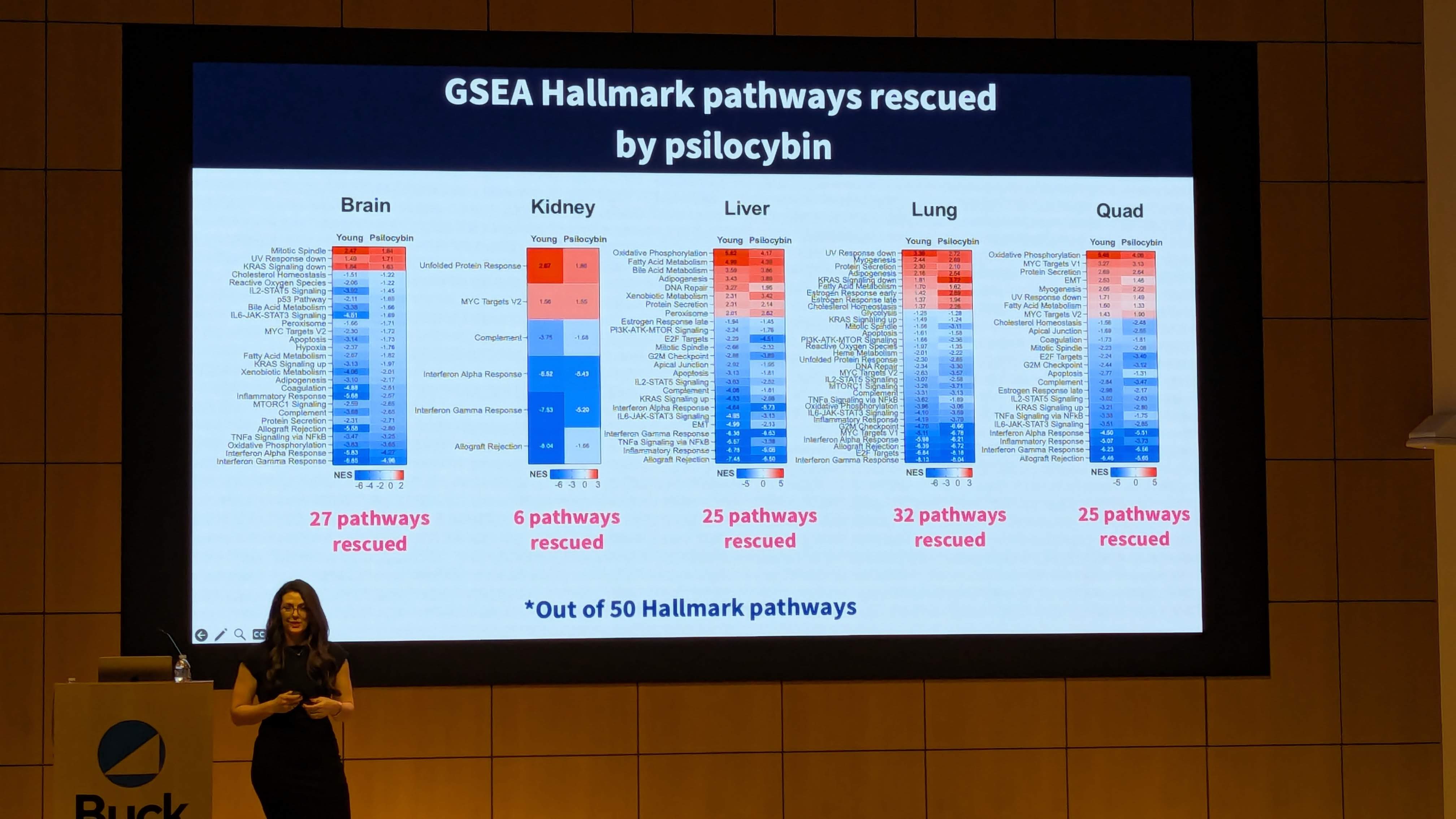
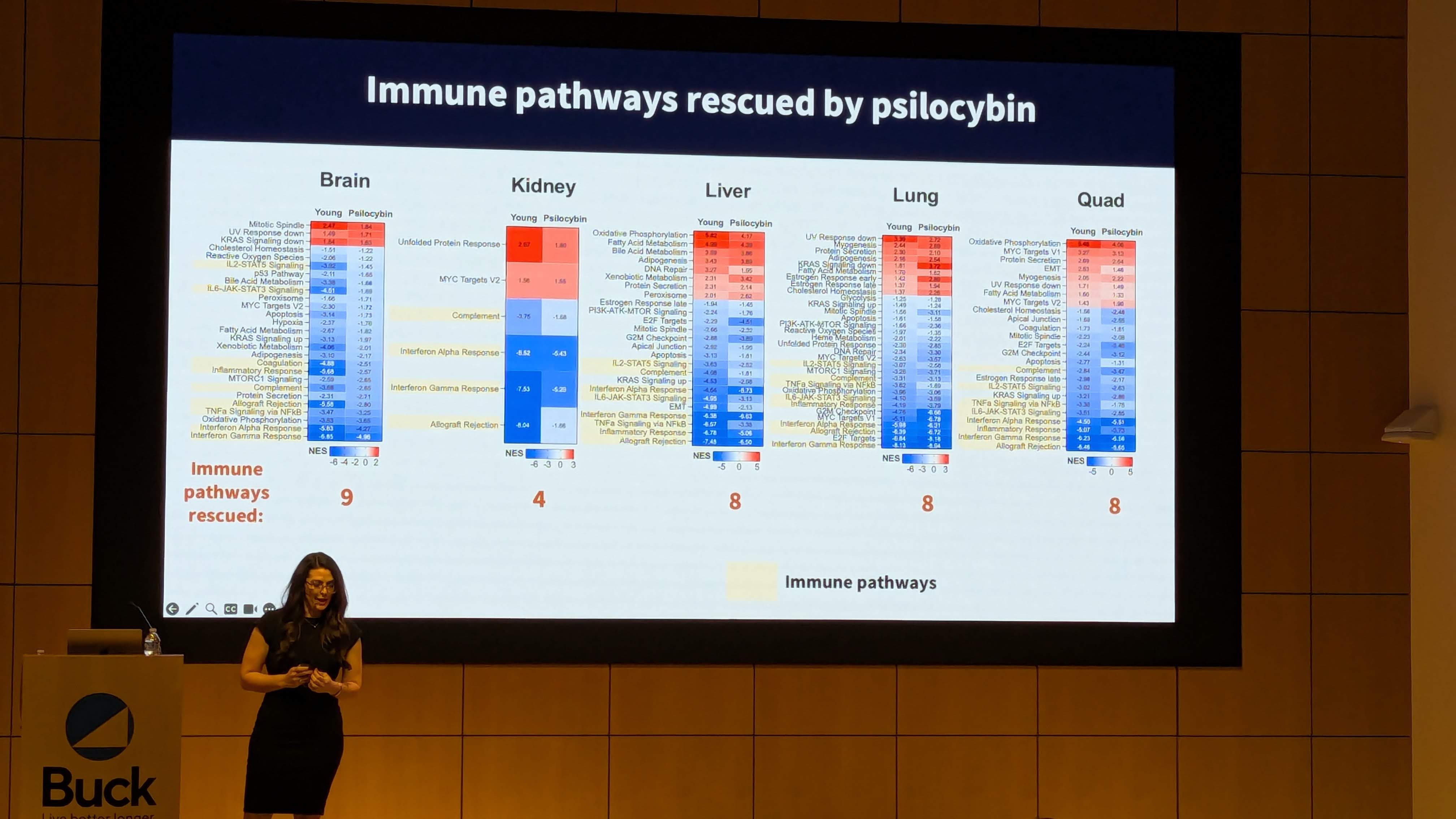
A new study (in mice):
One Trip to Rewire Them All: Psilocybin’s Structural Reset of the Aging Mind
The Big Idea: In a landmark study published in Cell, researchers have visually mapped—for the first time—how a single dose of psilocybin physically reconstructs the architecture of the brain. Moving beyond the “chemical imbalance” theory of depression, this research demonstrates that psilocybin acts as a structural engineer, rapidly disintegrating rigid, “stuck” neural pathways (associated with depressive rumination and cognitive aging) and building new bridges between sensory perception and executive function. The critical discovery is that this rewiring is activity-dependent: the drug alone isn’t enough; the intense neural firing (the “trip”) is the physical force that sculpts the new connections. For the longevity enthusiast, this represents a proven protocol for “Neural Rejuvenation”—physically forcing a plastic, youthful state onto a rigid, aging brain.
Context:
Open Access Research Paper: Psilocybin triggers an activity-dependent rewiring of large-scale cortical networks
-
Institution: Cornell University (meinig School of Biomedical Engineering), USA.
-
Journal: Cell [Volume 188, 2025].
-
Impact Evaluation: The impact score of Cell is 64.5, evaluated against a typical high-end range of 0–30 for top general science, therefore this is an Elite impact journal (Top 0.1% of all science).
Mechanistic Deep Dive: The “Plasticity Spike”
The study utilized monosynaptic rabies tracing to map inputs to frontal cortical pyramidal neurons.
-
DMN Disintegration: The drug specifically weakened “cortico-cortical recurrent loops.” In humans, these loops sustain the Default Mode Network (DMN), the seat of the ego and ruminative thought. Breaking this is the biological basis of “ego dissolution.”
-
Sensory Integration: It strengthened inputs from “perceptual regions” (senses) to subcortical targets. This explains the “heightened awareness” and feeling of connectedness.
-
Activity-Dependence (Crucial): The authors silenced specific presynaptic regions during the experience and found that rewiring failed.
-
Takeaway: The “neuroplastic window” is not a passive chemical effect; it requires the high-frequency firing states induced by the psychedelic experience.
Novelty
We knew psychedelics induced “plasticity” (dendritogenesis), but we didn’t know the topology. This paper proves the change isn’t random growth—it is a targeted reallocation of bandwidth from internal processing (thinking about oneself) to external processing (perceiving the world).
Actionable Intelligence (Deep Retrieval & Validation)
The Translational Protocol (Rigorous Extrapolation)
-
Human Equivalent Dose (HED) for Rewiring:
-
Animal Dose: The effective “rewiring” dose in mice was ~1–2 mg/kg.
-
Calculation: 1 mg/kg×(3/37)≈0.08 mg/kg.
-
Human Dose (70kg): ~5.6 mg (psilocybin).
-
Correction: Mice generally require higher metabolic scaling for psychoactive effects. The standard human “macrodose” used in clinical trials (e.g., Johns Hopkins) is 25 mg (~0.35 mg/kg). The mouse dose of 1–2 mg/kg is roughly equivalent to a “Museum Dose” or light trip in humans, but the full plasticity effect likely scales to the 20–30 mg range in humans.
-
Pharmacokinetics (PK/PD):
-
Bioavailability: ~50% orally.
-
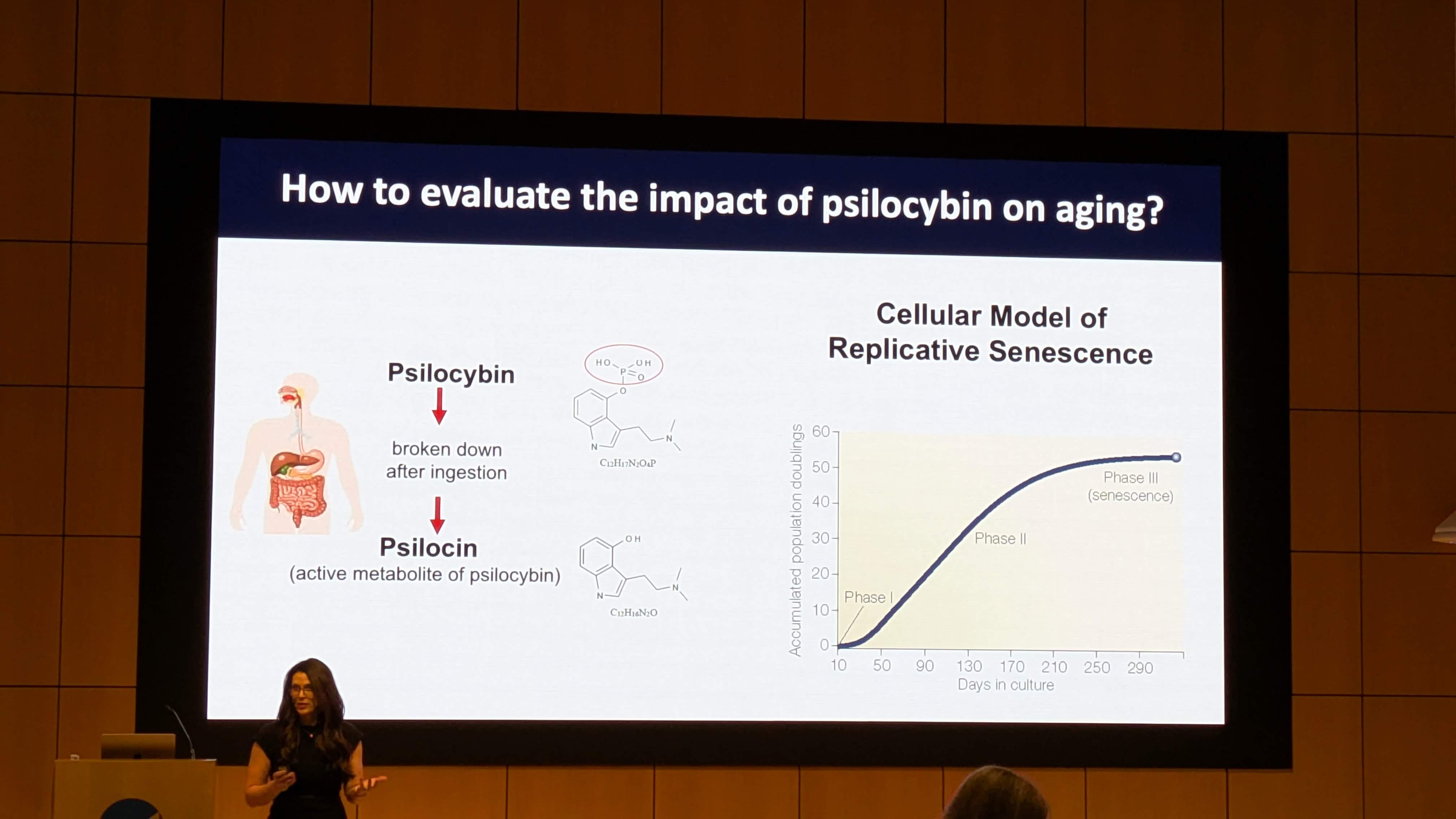
Half-life: Psilocin (active metabolite) T1/2≈50 minutes.
-
Duration: 4–6 hours (Acute plastic window).
-
Biohacker Note: The “afterglow” (plasticity window) lasts 24–72 hours post-dose. This is the critical period for habit integration.
-
Safety & Toxicity Check:
-
LD50: Extremely high (~280 mg/kg in rats). Physiological toxicity is negligible.
-
Valvulopathy Risk (5-HT2B): Psilocin is a potent 5-HT2B agonist (Ki ~4 nM).
-
Acute Use: Safe.
-
Chronic Microdosing: High Theoretical Risk. Chronic activation of 5-HT2B (similar to Fen-Phen) causes heart valve fibrosis. Avoid daily/chronic protocols.
-
Liver/Enzymes: Psilocin inhibits CYP2A6 and CYP3A4.
-
Interaction Alert: Rapamycin is metabolized by CYP3A4. Taking them simultaneously could unpredictably elevate Rapamycin blood levels. Washout Rapamycin 24h before/after protocol.
The Strategic FAQ
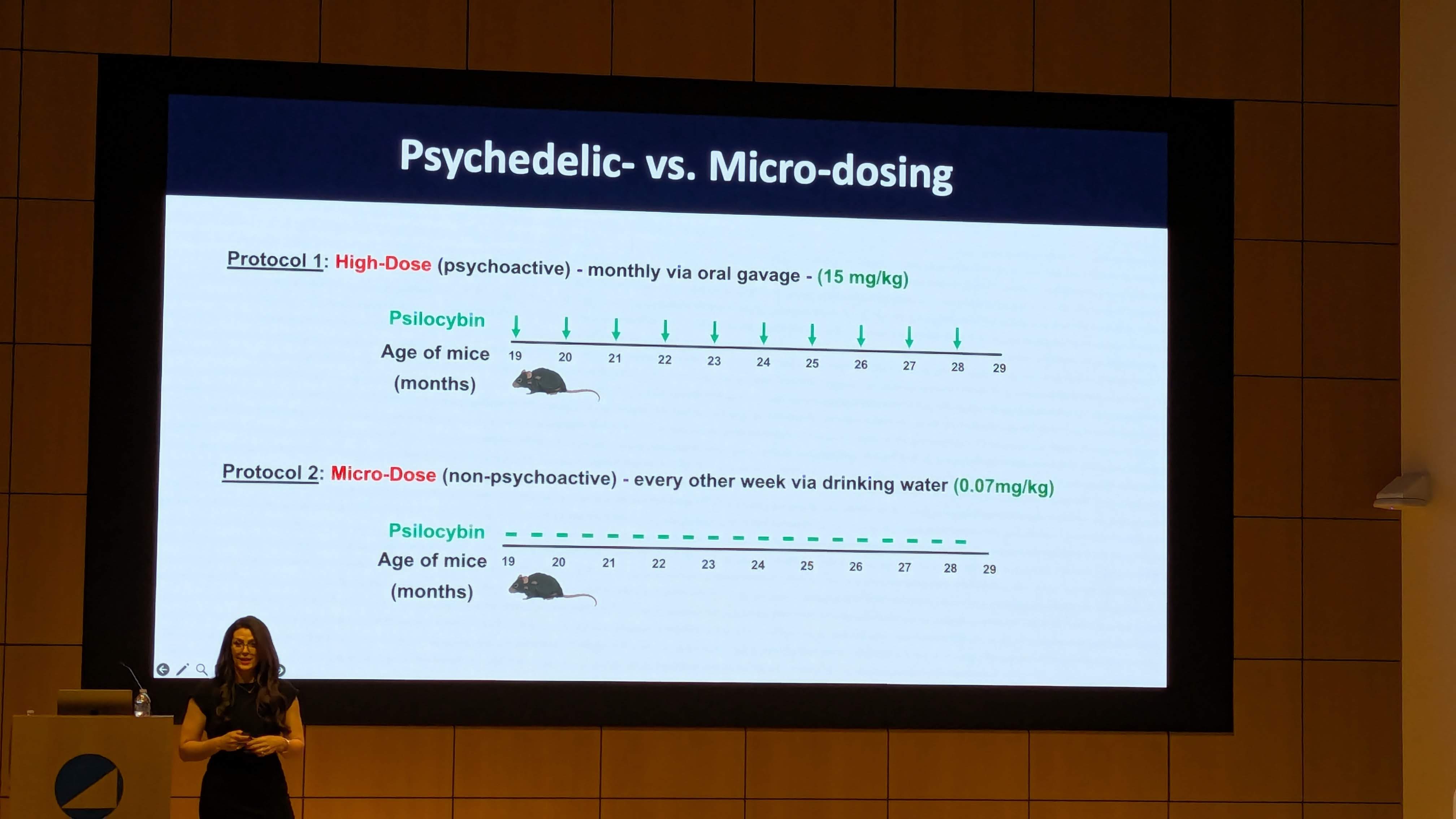
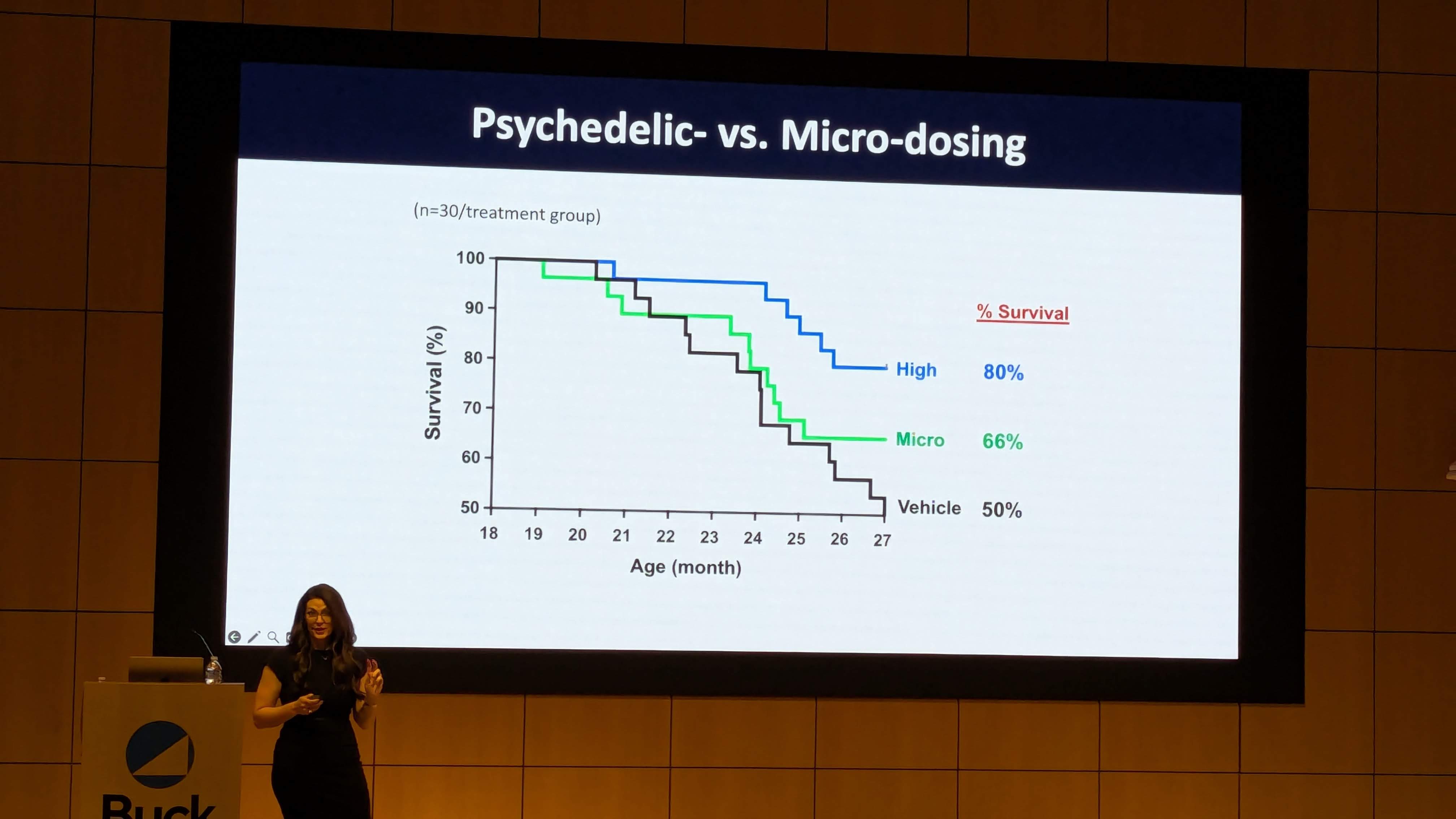
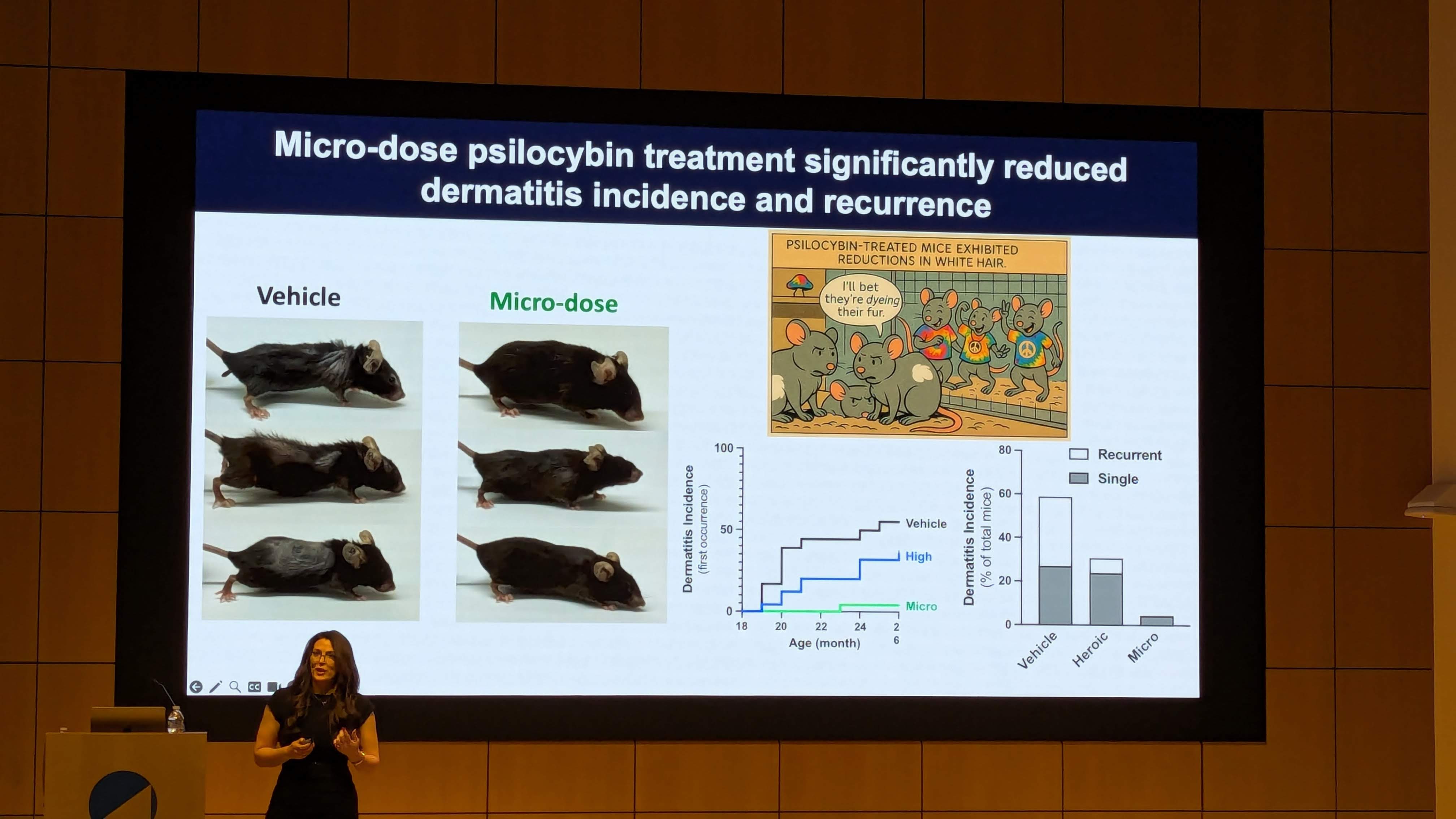
Q1: Based on the “activity-dependent” finding, is microdosing useless for this structural rewiring? A1: Likely, yes. The study suggests the structural shift requires the specific high-frequency “spiking activity” associated with the acute experience. Sub-perceptual microdosing may boost mood via serotonin, but it likely lacks the energy required to “break” the cortical loops identified in this paper.
Q2: Does this conflict with my Rapamycin longevity protocol? A2: Pharmacokinetically, yes. Psilocin inhibits CYP3A4; Rapamycin is a CYP3A4 substrate. Taking them together increases toxicity risk. Protocol: Pause Rapamycin 24 hours before and after the session.
Q3: Can I combine this with Ketamine for a “super-plasticity” effect? A3: Contraindicated. Both act on cortical glutamate/BDNF pathways but via opposing initial mechanisms (NMDA antagonism vs. 5-HT2A agonism). Combining them risks mania or excitotoxicity. Space them by at least 2 weeks.
Q4: I have a family history of valvular heart disease. Is this safe? A4: For a single macro-dose? Likely safe [Confidence: High]. For a chronic microdosing regimen? Unsafe [Confidence: High]. The 5-HT2B affinity is real.
Q5: What specific “activities” should I perform during the 6-hour window? A5: The study implies that sensoryinputs are strengthened. Avoid screens/abstract thinking. Engage in high-sensory environments (nature, music, tactile stimulus) to reinforce the “perceptual” bridge-building observed in the study.
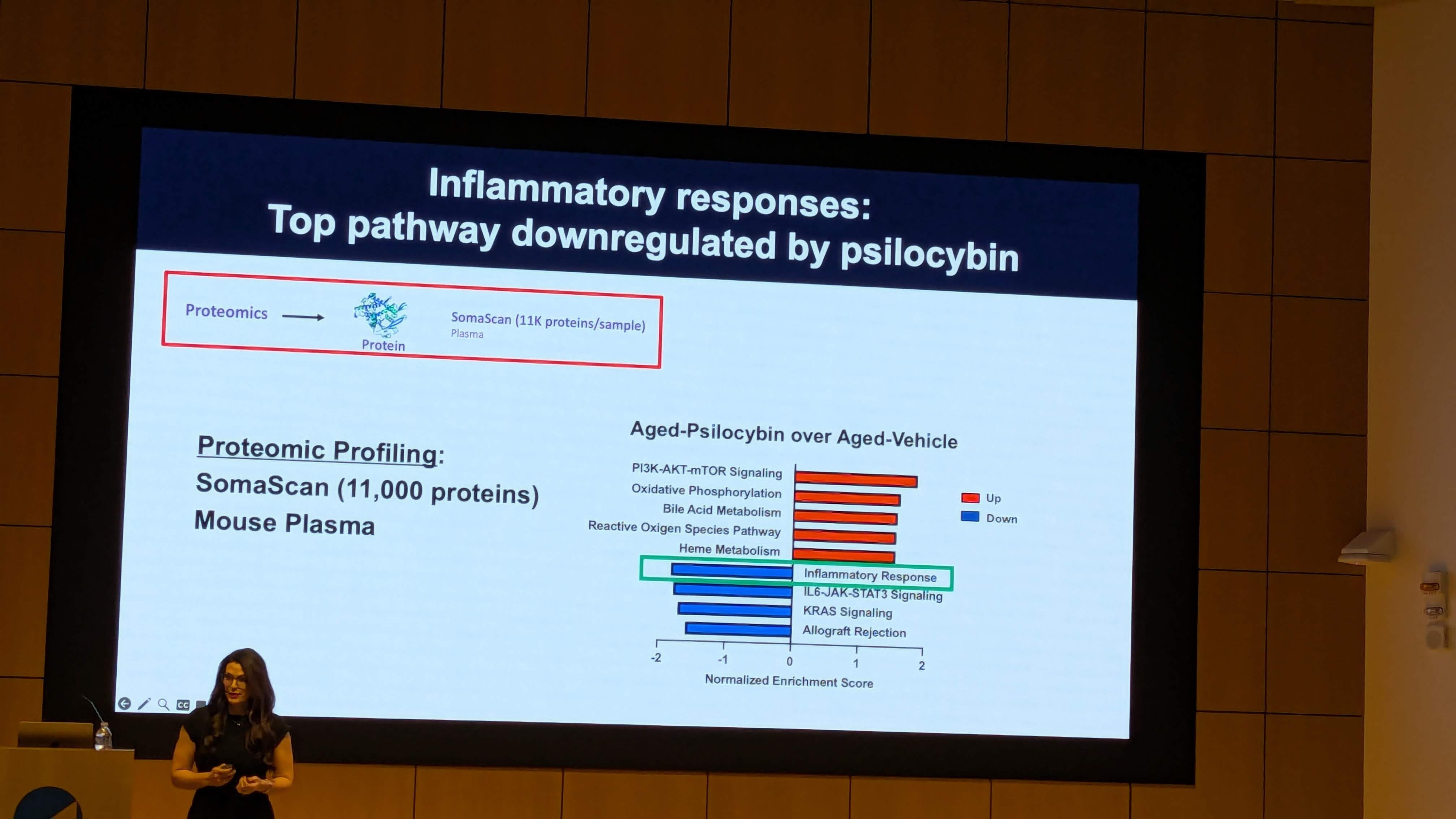
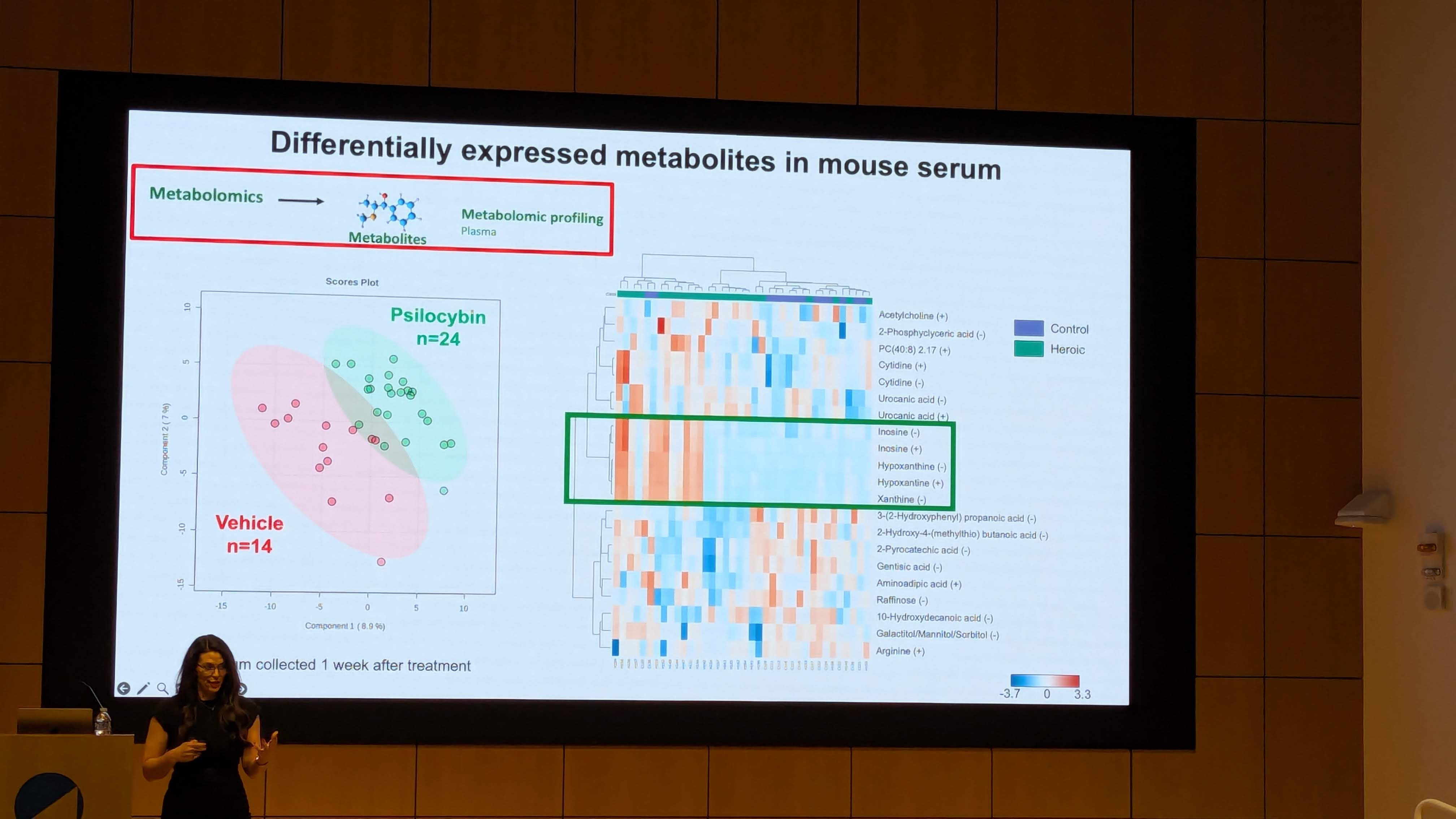
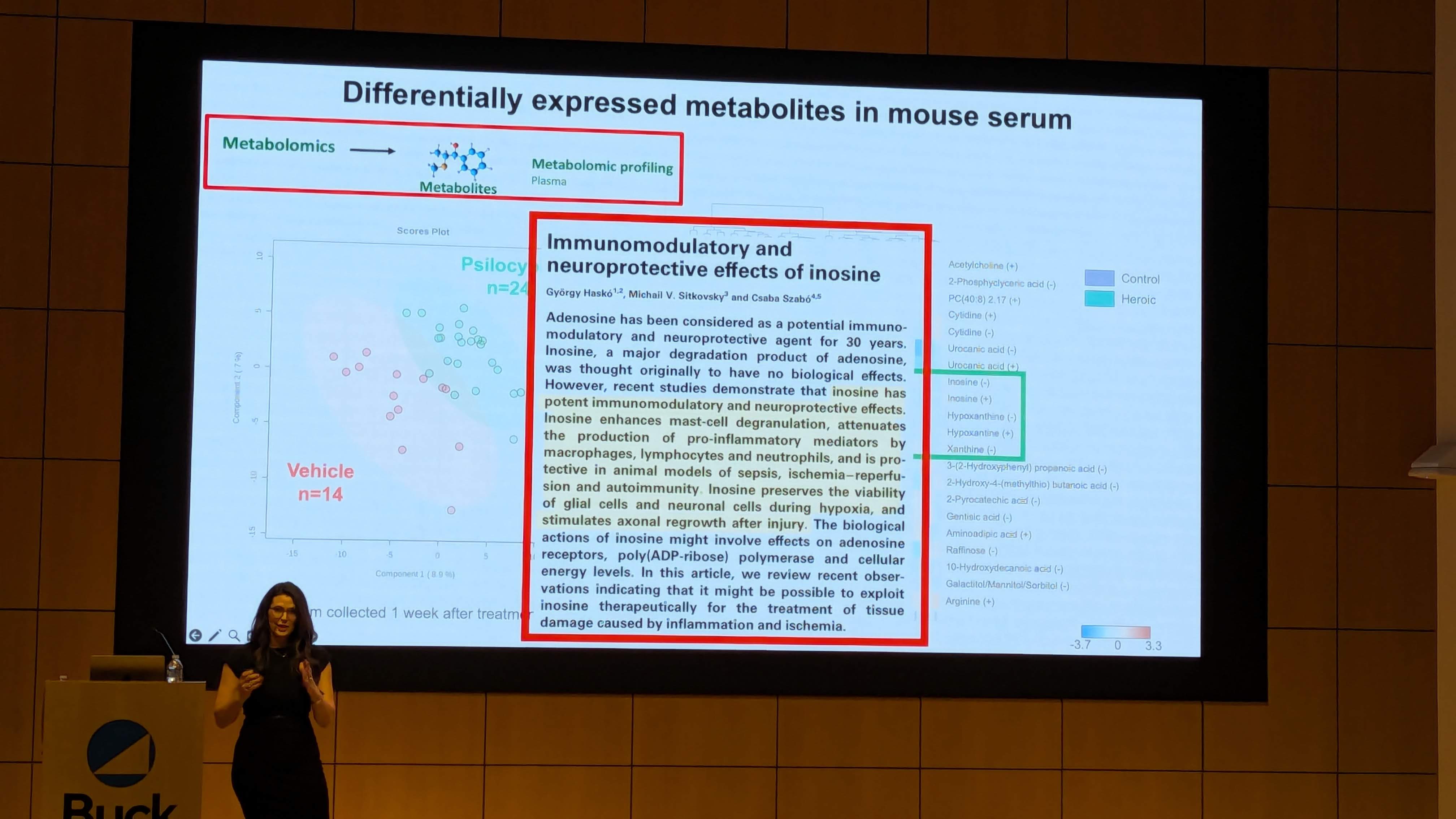
Q6: Will this fix my “Brain Fog”? A6: If the fog is driven by “cognitive rigidity” or depressive rumination (DMN overactivity), yes. If it is vascular or viral (e.g., Long COVID), this mechanism (cortical rewiring) may not address the root cause, though the anti-inflammatory properties of 5-HT2A activation are being studied.
Q7: How often should this be done to maintain the “rewired” state? A7: Clinical trials suggest efficacy lasts 6–12 months. Given the “structural” nature of the change (new spines), this is not a daily supplement. Quarterly or bi-annualsessions align best with the biological persistence of dendrites.
Q8: Does this paper support “Psychoplastogens” without the trip? A8: No. It actually argues against them. The “activity-dependent” finding strongly suggests the subjective experience (the neural firing pattern) is the architect of the physical change.
Q9: What biomarkers can I track to verify efficacy? A9: Consumer EEG (e.g., Muse) tracking “Alpha Power” suppression (DMN activity) or improved Heart Rate Variability (HRV) post-session. Biochemically, BDNF levels (plasma) spike, but are hard to test at home.
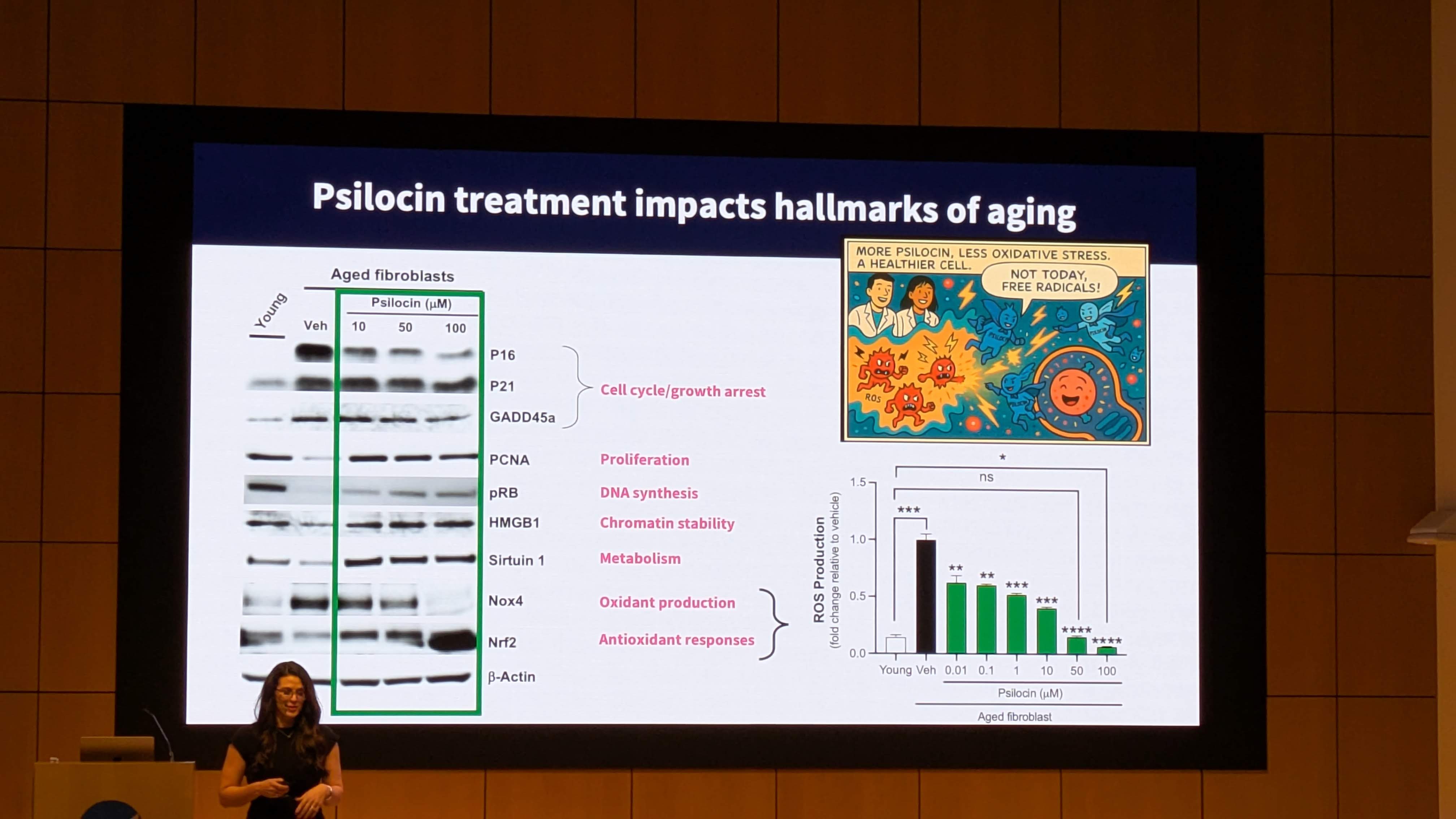
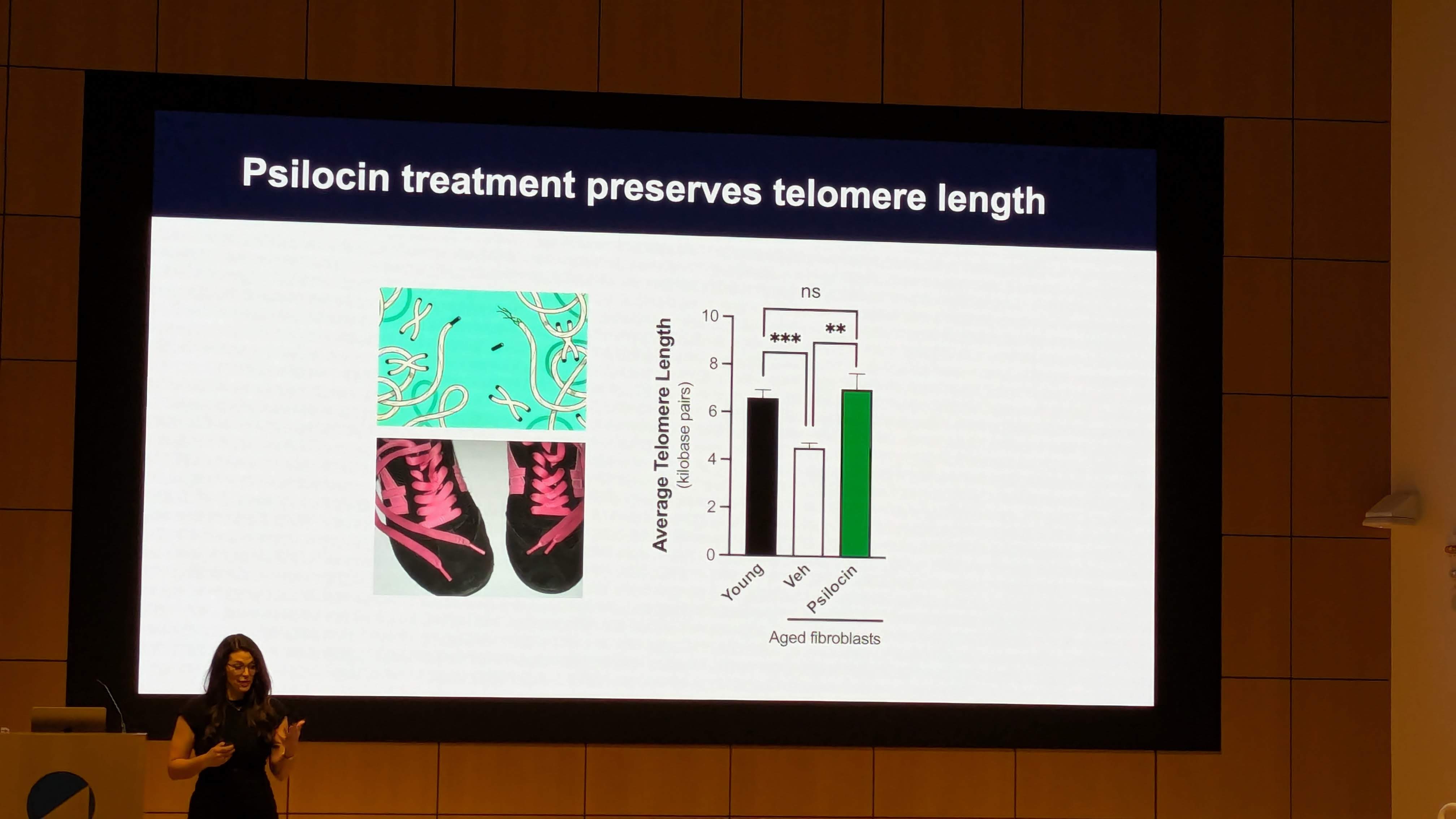
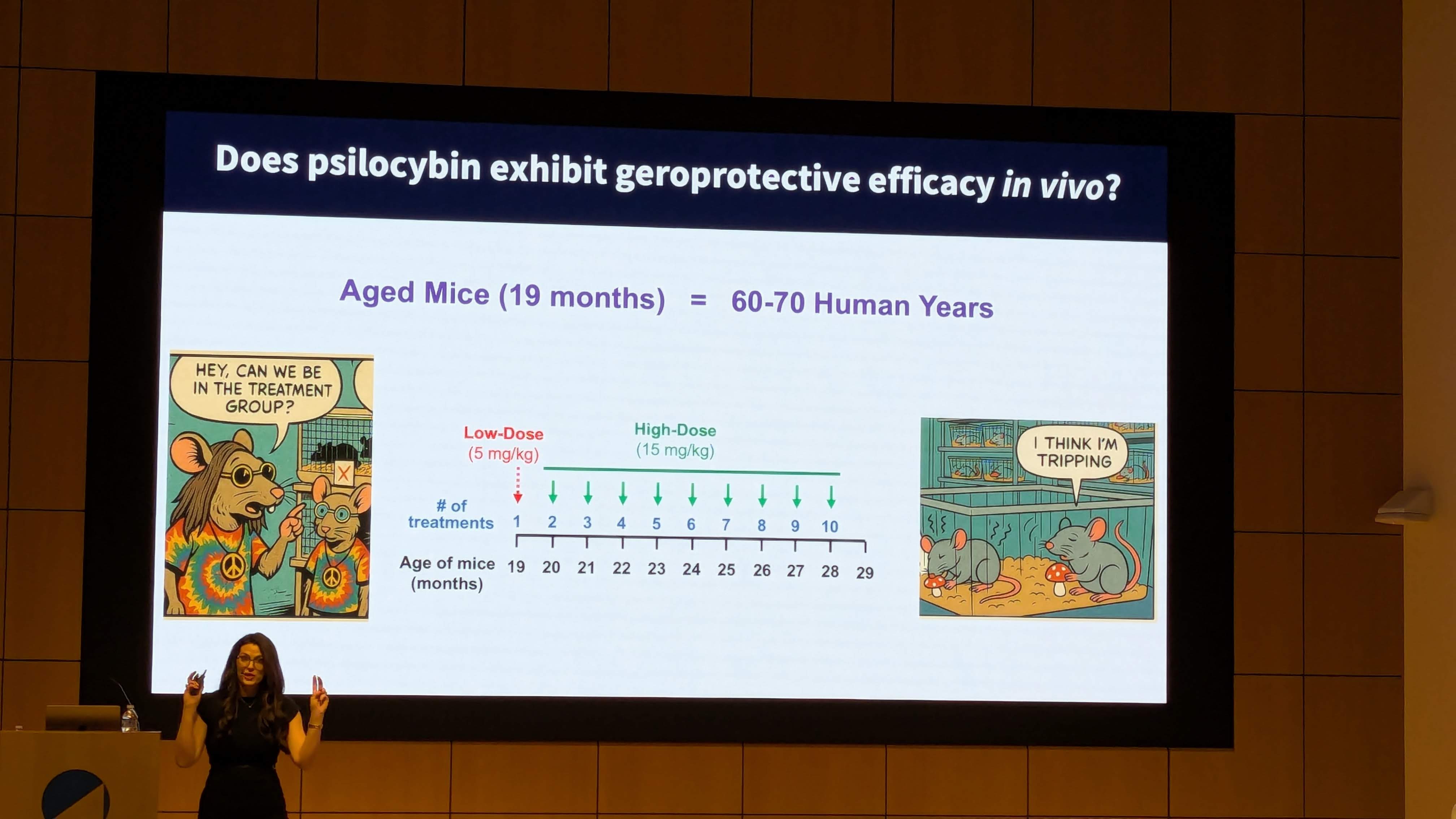
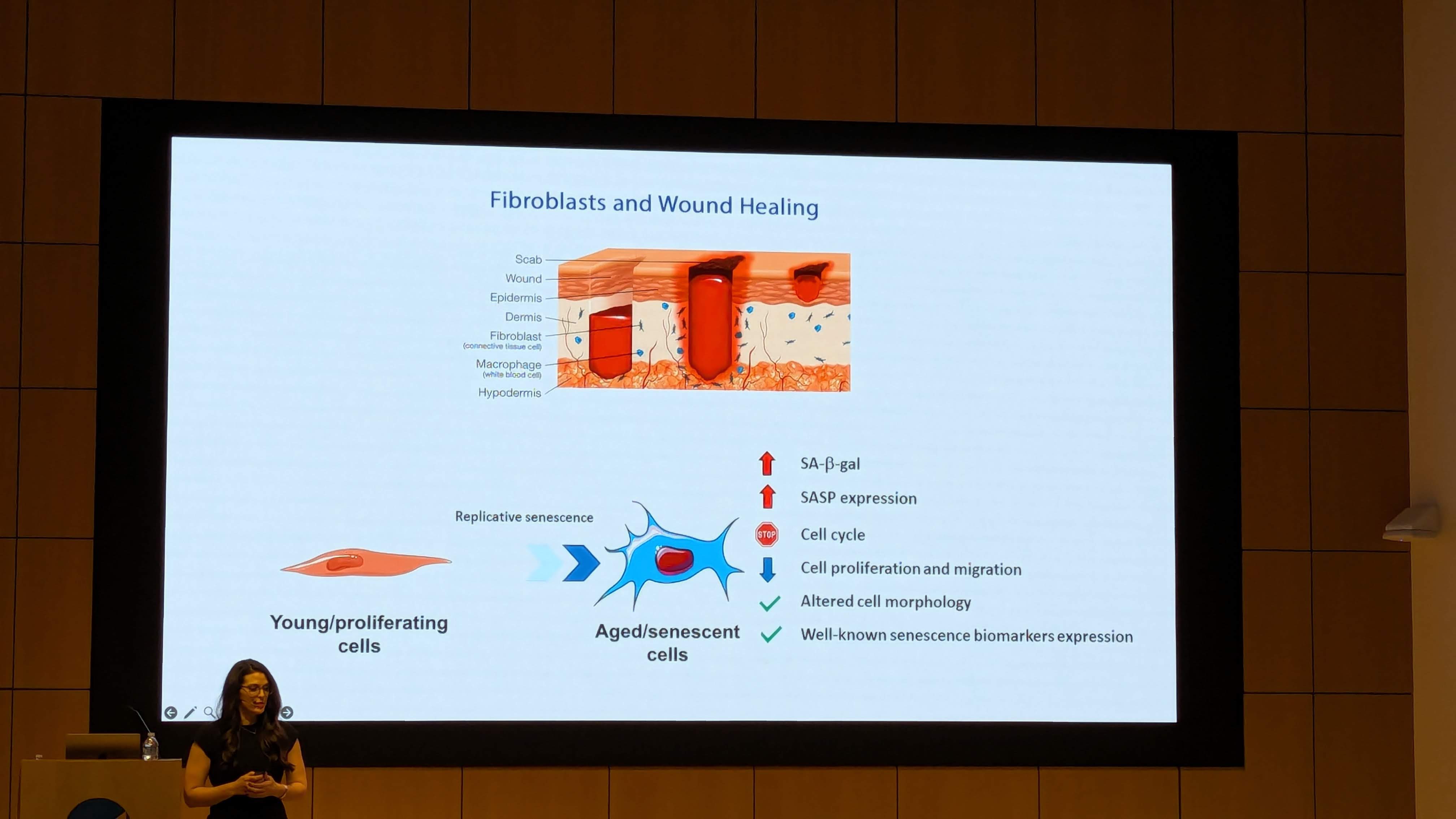
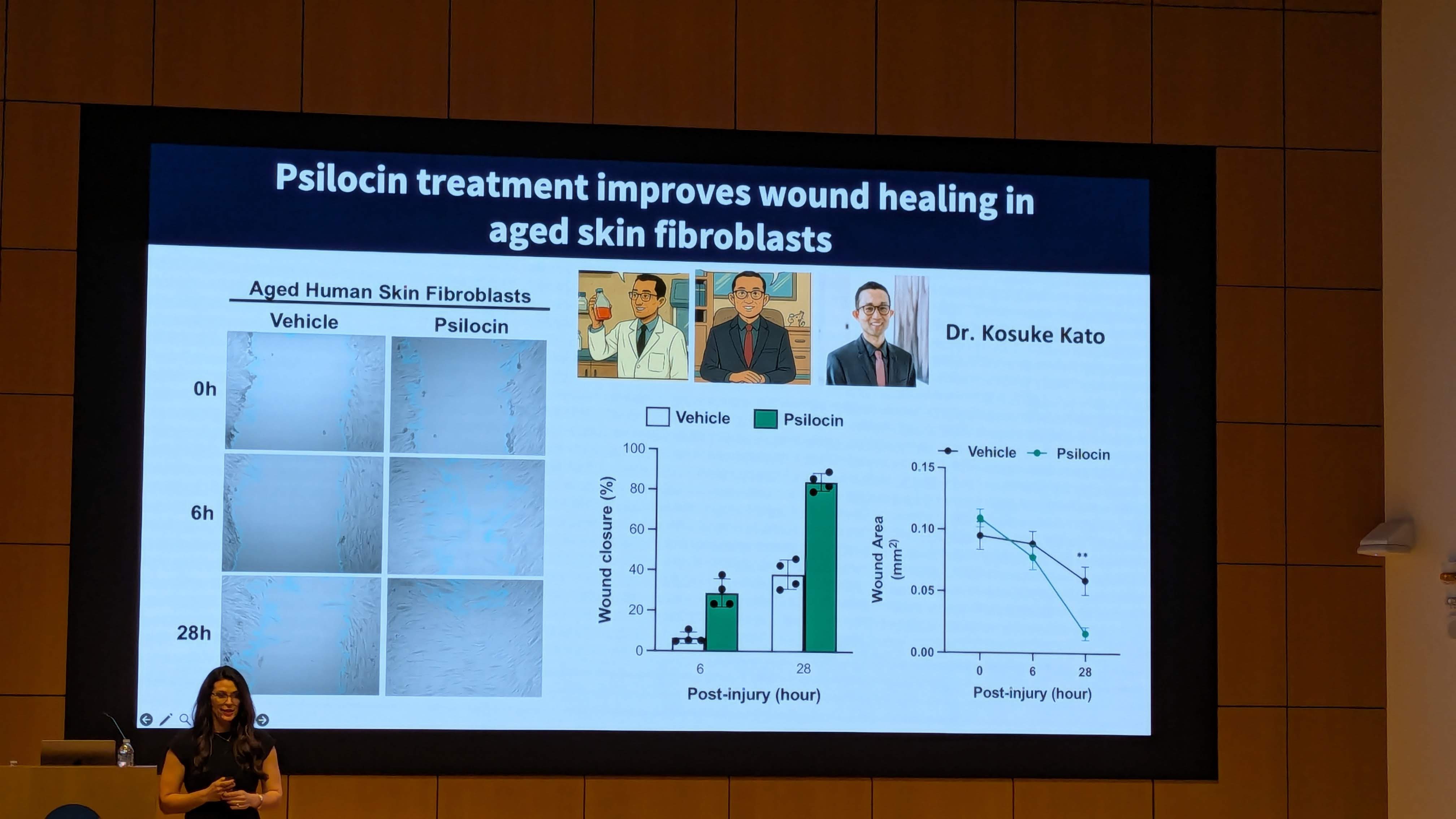
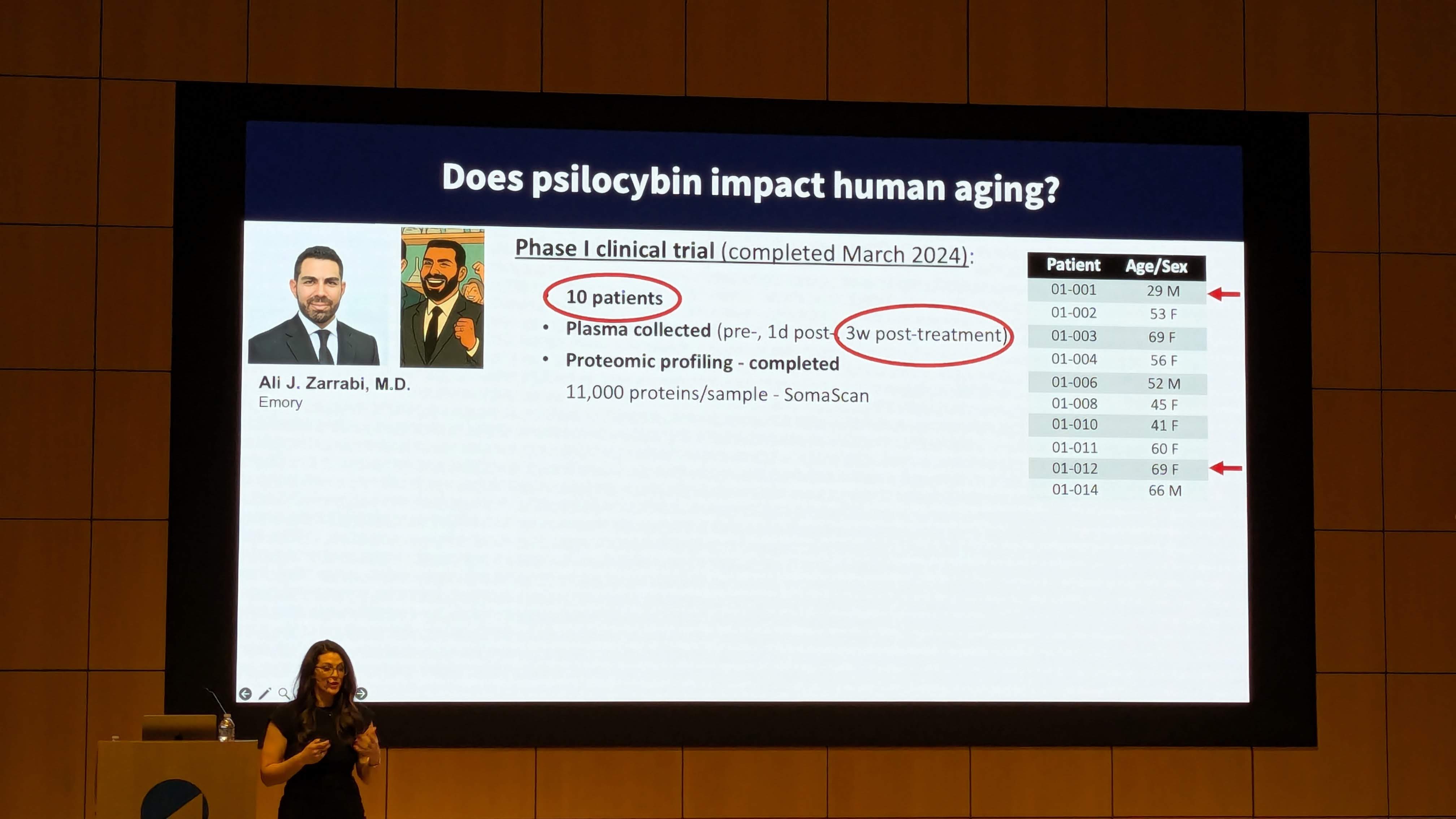
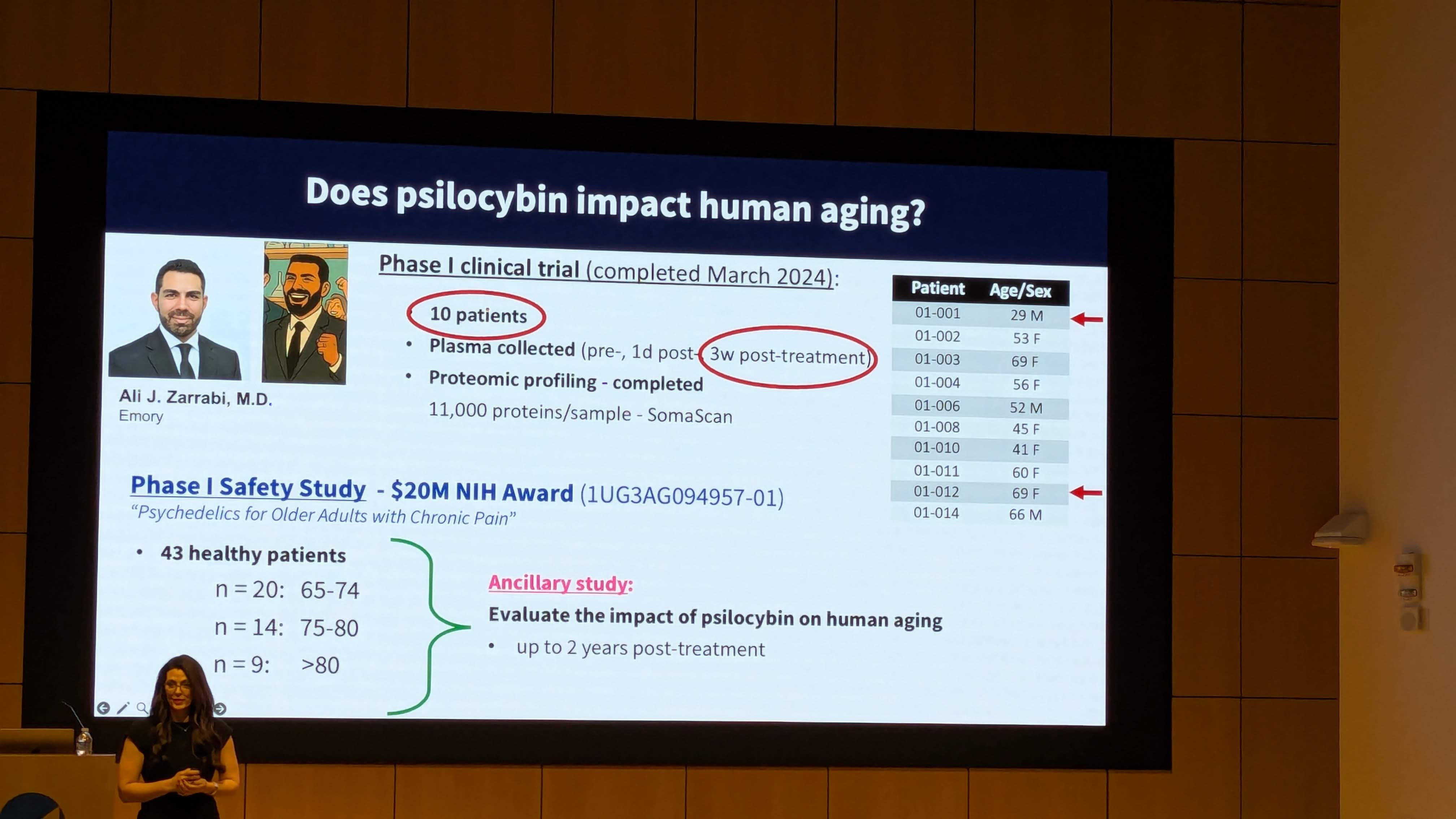
Q10: Is there an age limit? A10: Animal data (Kato et al.) shows efficacy even in “elderly” mice (19 months, equiv. to 60+ humans). However, older brains have stiffer vasculature; ensure blood pressure is managed, as psilocybin transiently spikes BP.
Full Google Gemini Analysis: https://gemini.google.com/share/fc1a8b2c469a

 Probably best to do it when you have a friend to monitor and support you if need be.