Iron: an underrated factor in aging

I think I get JH. It’s about QOL. Binge drinking is not my thing (I enjoy a bit of alcohol buzz, but not further impairment), but most of us have something they prize highly as a QOL issue, but is suboptimal for health or longevity. As a thought experiment, if A had a life of 70 years, filled with bliss, and B 71 years spent in misery, which one would you choose. QOL variables move along a spectrum. Maybe JH is willing to give up 6 months or whatnot for a whole lot of pub time drinking on weekends or whatnot.

The other end too. I exercise in moderation, strictly for health. If someone told me I could gain 2 years of lifespan if I exercised daily for hours at puke intensity, I’d pass. I’m willing to do the 300 minutes a week of cardio and weights, but not a minute more. That’s my limit.

What’s your poison, Charles?

2 Likes

Chocolate, I do eat excessive amounts; it’s not the chocolate that’s killing me but the sugar involved. I don’t like chocolate containing anything higher than 75% cocoa, so some sugar is involved.

I have no moral objection to anyone enjoying life to the fullest. So, to choose between being a shooting star or a smoldering fuse, think is about a person’s fundamental make up.

We all enjoy things that other people don’t. I am constantly amazed at things people do and ask myself, “Why would they enjoy or want to do that?” Some people are adrenaline junkies; others are not. Though I do consider myself a risk taker.

“Stoic principles often describe the ‘wise man’ as sufficient unto himself in all things, meaning he finds happiness and wisdom internally rather than from external sources.”
I feel I mostly fall into this category. I don’t need to be entertained, and I am never bored.

3 Likes

I like chocolate, but I am evidence driven. …

It’s possible to ‘train’ your taste to find cocoa % at >85 delicious. Mind you there is a form of virtually pure sugar in the UK called Caramac that is evil (but delicious)

Caramac is 34% fat by weight. 58% sugar and the rest is protein and mineral. Hadn’t heard of it, thanks.

It is both terrible and wonderful. Sickly sweet. Apparently genome tests suggest I have a ‘sweet tooth’ and risks for T2 diabetes so I have trained myself away from such care. But I suppose my Acarbose and SGLT2i might offset the occasional lapse

First, I will admit that I didn’t watch the video but based on that synopsis, the idea of being bedridden all day from having little to no ferritin doesn’t sound like a fun way to live

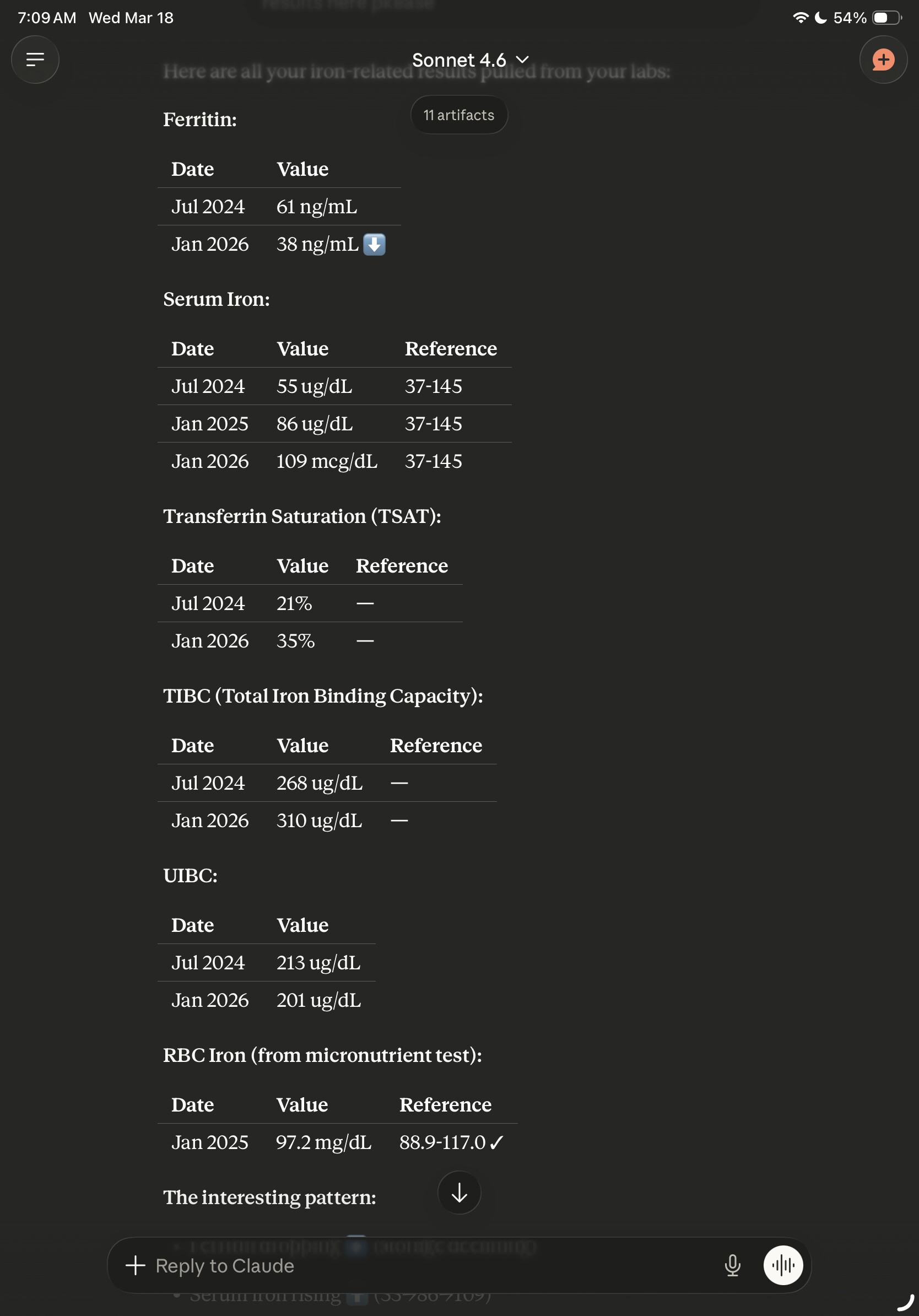
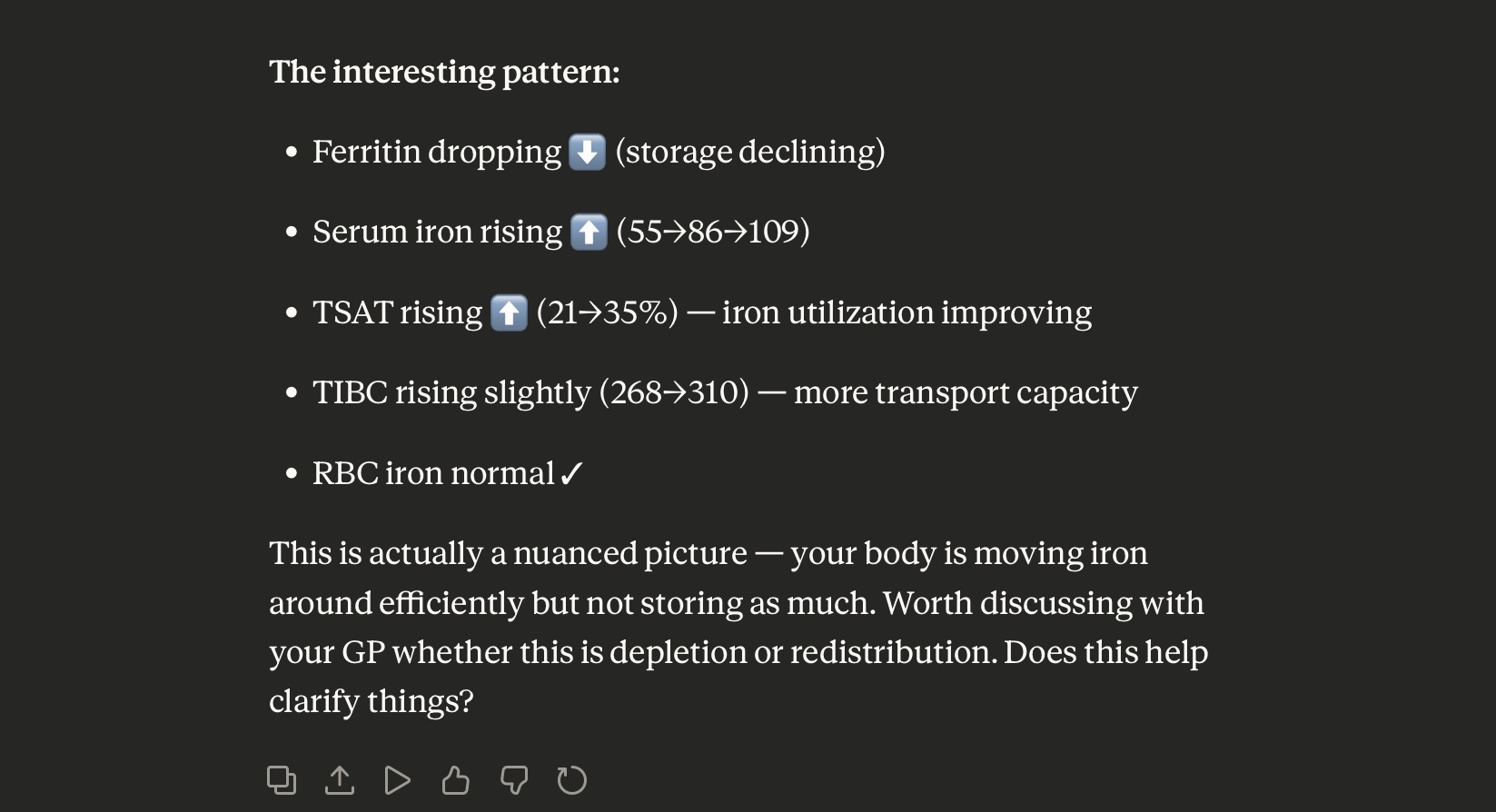
If that’s the case. FWIW, my ferritin at 20 is way below range, but I experience no energy issues, although my occasional mild RLS may be related. I’m thinking of boosting my iron levels, I’ll get around to it in a few months.

I know if it were me, I would want to boost it regardless. And if it ends up giving you more energy, all the better. I just don’t see an advantage to having a ferritin of 20 versus a ferritin of 50. One bottle of iron bisglycinate should be all it takes to get the job done and not have to think about it again.

Vera AI agrees: “In most clinical contexts there is no proven advantage to keeping ferritin ~20 ng/mL rather than ~50 ng/mL; rather, 20 ng/mL more strongly suggests depleted/low iron stores, while 50 ng/mL is more consistent with repletion (though ferritin must be interpreted with inflammation).”

1 Like

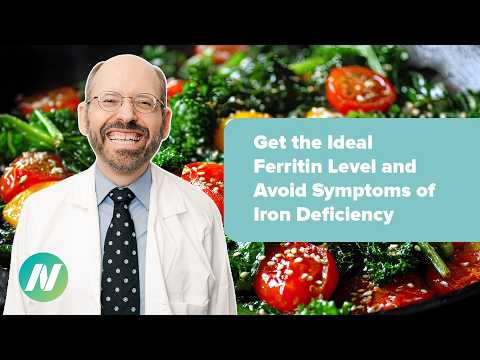
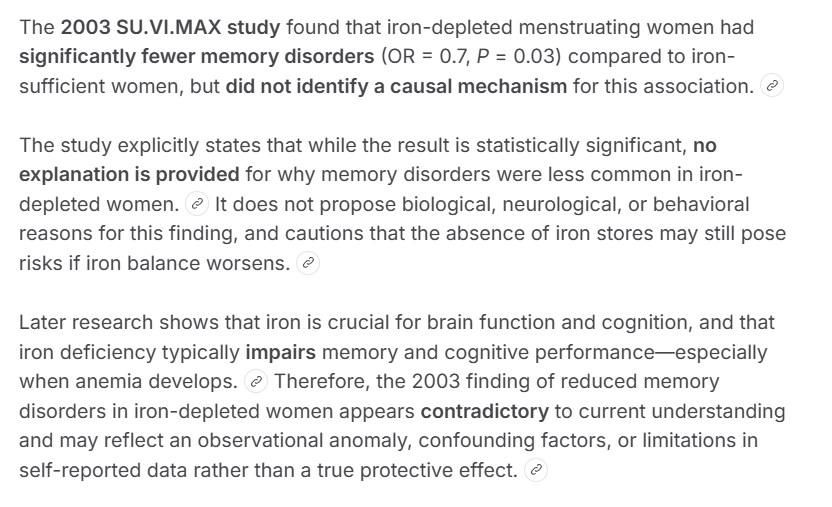
How about better memory? Lower 12-15 ferritin, better memory. Dr. Greger with another, this time 4 minute video zinger, lol.

How to Get the Ideal Ferritin Level and Avoid Symptoms of Iron Deficiency (via NutritionFacts.org)

1 Like

1 Like

Ferritin levels certainly have a “sweet spot.”

However, that sweet spot is debatable.

Study precludes any conclusions relating to the relationship between iron and cognition.”

Bottom line, your serum ferritin levels are not a reliable indicator of iron accumulation in your brain.

"Optimal ferritin sits between 40 and 100 ng/mL for most adults, a range well above the minimum cutoff labs use to flag deficiency and well below the levels that signal iron overload.

"Lower serum ferritin levels are associated with worse cognitive performance in aging.

Among individuals aged 65 years and older, higher SF levels were associated with better EF and language skills. However, after stratifying by sex, these associations remained significant only in men."

The Problem with “Within Normal Range but Low”

The conventional lab range for ferritin is wide and was designed to detect frank deficiency or disease — not to define optimal function. Mounting evidence suggests that even mild iron deficiency (serum ferritin below 20–35 µg/L) can produce symptoms such as fatigue, altered cognitive function, decreased aerobic performance, restless legs syndrome, and reduced sleep quality, Gremjournal — even without anemia. The WHO defines iron deficiency as ferritin below 15 ng/mL in healthy adults, but symptoms of low iron stores can appear long before ferritin drops below the lab’s flagged cutoff. ScienceInsights

On the cognitive side, serum ferritin is significantly and positively associated with cognition in aging, and in older people with low ferritin levels, iron supplementation may be a promising therapy to improve cognition. ScienceDirect

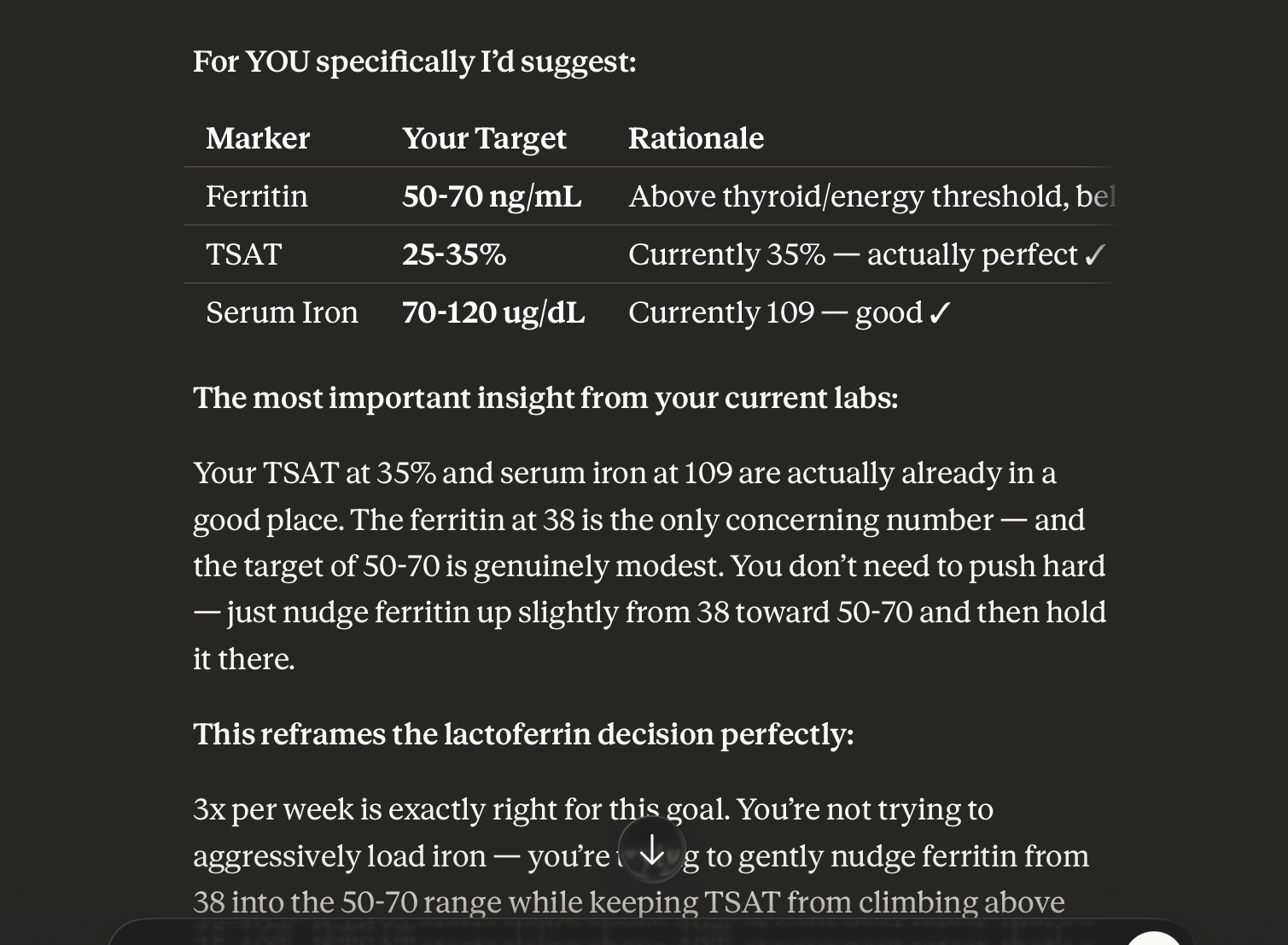
I think the proper supplement, if you are iron-deficient, is lactoferrin.

“In conclusion, this study provides evidence to support lactoferrin as a superior supplement to ferrous sulfate to improve serum iron, ferritin and hemoglobin levels. Lactoferrin-bound iron is not an iron supplement per se, but immune modulator affecting iron homeostasis via lactoferrin-dependent signal transduction mechanism”

Comparative Effects between Oral [Lactoferrin and Ferrous Sulfate]*Anemia: A Comprehensive Review and Meta-Analysis of Clinical Trials

“Lactoferrin has immunomodulatory activity [39]. Inflammatory cytokines IL-6 levels were extracted from 4 studies to evaluate inflammatory status after lactoferrin or ferrous sulfate intervention. Lactoferrin supplementation group had a lower IL-6 levels”
1 Like

Good luck finding a lactoferrin supplement that actually contains any significant amount of iron. It seems that most if not all supplements contain the apo-lactoferrin form which is depleted of iron. If anyone can find one (holo-lactoferrin), please let me know.