That looks to be elemental
1 Like
The problem with these tests is if they are less common (e.g. ferritin vs LDL-C) you don’t have good longitudinal data. My platelet count has bobbed above and below the reference level lower bound for the past 15 years. Same with WBC. So those are probably just benign genetic things. I have never had a clotting issue or unexpected frequency or severity of infections.
Is it the same with the ferritin? Who knows, because I have only ever observed the number twice, both in 2025, and both times low.
When I mentioned rare, i meant rarely ordered for general population. It has been validated with robust data vis a vis target population to differentiate responders vs non responders of iron supplementation. However, the target population is anemic. Since you are not, it needs to be taken with a grain of salt or iron in this case.
3 Likes
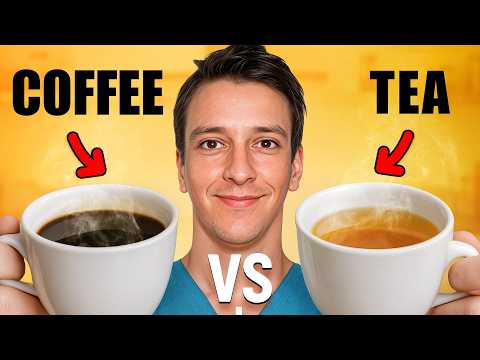
New Carvalho video compares tea and coffee. I found out,.searching with Google, that both can deplete iron absorption quite a lot. A few cups of tea, for example, can deplete non-heme iron bioavailability in certain situations by a very large amount. (Which can lead to anemia and health problems. I’m going to cut back my tea consumption quite a lot with meals! Almost every meal I had eaten until recently included iced tea as the main drink.)
Here is the Carvalho.video:
1 Like
Has anyone looked at lactoferrin? (I previously posted about it here: Iron: an underrated factor in aging - #99 by adssx )
It’s being tested in the ITP.
Interesting recent papers:
- Pilot: Salivary lactoferrin as a potential preclinical Alzheimer’s disease biomarker 2025: “these results suggest a possible protective effect of Lf toward cognitive areas typically affected by AD”
- Association between serum lactoferrin concentrations and the prevalence of mild cognitive impairment among Chinese adults: a cross-sectional study 2025: “Serum Lf was inversely associated with the prevalence of MCI. This association was not observed in participants with obesity, and was more pronounced in those with diabetes.”
- Differences in Plasma Lactoferrin Concentrations Between Subjects with Normal Cognitive Function and Mild Cognitive Impairment: An Observational Study 2025: “MCI subjects are characterised by lower plasma LF concentrations than NCF individuals”
- Lactoferrin levels in Cerebrospinal fluid exhibits isoform-specific associations with Alzheimer’s disease 2025: “Isoform-specific lactoferrin expression changes in cerebrospinal fluid (CSF), but not plasma, appears to have biological relevance and diagnostic biomarker potential for AD. […] While exogenous LTF has shown therapeutic effects in preclinical models, such interventions may only benefit individuals with active LTF-related pathways. Identifying LTF-high subgroups in CSF or plasma could help stratify patients and tailor future treatments. However, it requires improved testing systems that could differentiate between LTF isoforms, their fragments, and their iron-binding states for disentangling the systemic and brain-specific roles of LTF in the pathophysiology of AD and related dementias. Ultimately, a deeper understanding of LTF’s systemic and brain-specific roles is crucial for developing effective, personalized strategies for AD diagnosis and therapy.”
- Lactoferrin ameliorates cognitive impairment in D-galactose-induced aging mice by regulating the PI3K/Akt/mTOR signaling pathway and the microbiome-gut-brain axis 2025
- Lactoferrin ameliorates social isolation-induced cognitive decline by modulating mitochondrial function and ferroptosis 2026
- Lactoferrin Attenuates Pro-Inflammatory Response and Promotes the Conversion into Neuronal Lineages in the Astrocytes 2025
- Lactoferrin Alleviates LPS-Induced Oxidative Stress and Necroptosis in Liver by Promoting Mitophagy 2025
- Lactoferrin promotes autophagy via AMP-activated protein kinase activation through low-density lipoprotein receptor-related protein 1 2017
- Lactoferrin as a Candidate Multifunctional Therapeutic in Synucleinopathies 2025
- Exploring the Multifaceted Neuroprotective Mechanisms of Bovine Lactoferrin in a Cell Culture Model of Parkinson’s Disease 2025: “Conversely, Holo-bLf exhibited pro-oxidant effects and increased α-synuclein accumulation even in absence of rotenone. Overall, these results highlight the differential neuroprotective effects of both Nat- and Holo-form, resulting from their distinct iron saturation level and their ability to modulate protein expression, with the native form emerging as a promising candidate for therapeutic strategies to counteract PD-associated neurodegeneration.” [Holo-lactoferrin = iron-saturated vs native = “as found in nature” = partly iron-saturated]
Ongoing RCTs for periodontal diseases, iron deficiency, heart failure, exercise performance, rhabdomyolysis, gut permeability, pneumonia, sleep, and diabetes.
Poke @John_Hemming.
5 Likes
Many years ago, back on the CRSociety list there was a lot of enthusiasm about lactoferrin with many members supplementing. It was also an argument for taking whey concentrate protein powder - which was my point (lactoferrin) in the ACDF thread I started, as I wrote, after the surgery I switched from my soy and pea protein powders to whey concentrate precisely because of lactoferrin among other reasons.
CAUTION: Chinese paper, but it’s a review, so I post it mostly because it brings together a bunch of citations so I don’t have to post everything separately.
Role of lactoferrin in osteopenia and osteoporosis
2 Likes
I wonder what convinced the ITP to try lactoferrin in 2023. There might be unpublished data?
Well, the CRSociety discussions centered around claims that it was good for mitochondrial longevity. Unfortunately the website is no more (a big loss), but as I recall there were some in vitro studies, which of course means just speculation.
I suppose there’s a more recent overview, again I post it because I don’t have the time atm to go hunting for old studies, so this has a bunch of citations pulled together.
The Lactoferrin Phenomenon—A Miracle Molecule
1 Like
There is a complex issue relating to Iron. On one side it inhibits mitophagy, but on the other side (beyond oxygen transfer) it is needed for dopamine production.
1 Like
I wonder if they’re using the right form, I did post this before:
3 Likes
Thanks. The interesting bit:
Thus, the natural, partially iron-saturated form of lactoferrin is what should be used to try to resolve sticky inflammation.
Until recently, the only lactoferrin supplement on the market was an Italian product, Lattoglobina.
However, two brands have recently started selling such a product in the US:
Double Wood sells a natural partially iron-saturated lactoferrin that appears to be purified from dairy products using a patented process with high purity.
The Lactoferrin Co sells 95% pure partially iron-saturated lactoferrin isolated from grass-fed milk, as a powder or as enterically coated capsules.
4 Likes
I bought the doublewood product right away, but couldn’t start it until I had swallowed my supply of the other kind. I have a drawer of supps that I bought on a whim then didn’t finish. I was going through the other day and deciding which I could use up, which to throw. First world problem, but still a problem. I do believe in lactoferrin.
What’s the current lactoferrin you’re using? Any effects noticed?
I think Iron levels are important. To what extent lactoferrin helps in dealing with this is unclear. I have bought some and may try it.
I used liposomal pepeior before. I think absorption is an issue with this. It can absorb or donate iron. Reduces inflammation. Helps NK cells against disease and cancer I suppose. Helps my gut mostly.
It naturally occurs in milk but is destroyed by pasteurization.
1 Like
I’m trying to find native lactoferrin supplements in the UK.
This one seems to do the job: https://osavi.com/en/lactoferrin-200-mg.html
They use a branded form of lactoferrin called Proferrin which according to another website has 9% iron saturation.
@Davin8r you mentioned a product called ProFerrin before. But yours is heme iron and not lactoferrin, right?
Yes that’s correct – it’s synthetic heme iron.
1 Like
- Serum Iron & TSAT: Interestingly, a 2025 study in Nutrients found that higher circulating serum iron and TSAT were actually associated with slower epigenetic aging, contradicting their negative impact on telomere length and genetically predicted lifespan.
1 Like
However, looking at the abstract, but not reading the paper:
Results: In adjusted models, a one standard deviation increase in serum ferritin was positively associated with higher standardized levels of DunedinPACE, GrimAgeAccel, and PhenoAgeAccel (DunedinPACE: 0.05, (0.00, 0.10); PhenoAgeAccel: 0.06 (0.00, 0.11); GrimAgeAccel: 0.06 (0.01, 0.11)). In contrast, higher serum iron and transferrin saturation were inversely associated with the biological aging metrics (serum iron, DunedinPACE: −0.02, (−0.07, 0.03); PhenoAgeAccel: −0.04 (−0.10, 0.01); GrimAgeAccel: −0.05 (−0.10, −0.01); transferrin saturation (DunedinPACE: −0.01, (−0.06, 0.05); PhenoAgeAccel: −0.01 (−0.06, 0.05); GrimAgeAccel: −0.05 (−0.10, −0.01))). Conclusions: The positive association with ferritin is consistent with the proposed role of oxidative stress in accelerated aging associated with high iron exposure. However, the observed inverse associations with serum iron and transferrin saturation are not consistent with this common explanation, and future studies are needed to examine potential explanations.
I have been a bit more focussed on ferritin as a guide to intracellular iron. I may read up on this a bit more, but until you get quite low on iron stores I don’t think that there is a lot that can be read into particularly serum iron.