Ideas and Participation in ITP Longevity Drug Applications for 2026?

I’ve seen a number of new drugs over the past year that look like they’d be good candidates for the ITP program this year - and wanted to get other people’s suggestions also, and see if anyone else is interested in working on some applications for this effort. @invivo @Krister_Kauppi

The submission deadline occurs once per year on the last weekday in February.
The next deadline is Friday, Feb. 27, 2026 .

I see the following drugs as being pretty good candidates right now:

  1. NLRP3 inhibitors. Specifically two drugs: Dapansutrile (OLT1177), and BGE-102, the BioAge drug: See: The Immuno-Neuro Dialogue: A 5-Point Playbook for Rewiring the Aging Brain - #2 by RapAdmin

  2. Imeglimin. see: Imeglimin. A new and novel drug thats better than Metformin

  3. S-Mitochonic Acid 5 , see here: S-Mitochonic Acid 5. Increases ATP, NAD+ and SIRTUINS

  4. mTOR inhibition Drug candidates from https://www.aeovian.com/about-1 and Toronado therapeutics (their mTOR inhibition drugs that were shelved when they could no longer get funding).

  5. SS-31 Peptide (of course, this is mostly via injection - so probably not a good candidate, but this highlights the need for an “injection-oriented” interventions testing program). Hazel Szeto, SS-31 peptide, the World's First FDA-Approved Mitochondria-targeted Drug (Longevity Summit, 2025)

This is just off my head from the past few days… I’ll add more.

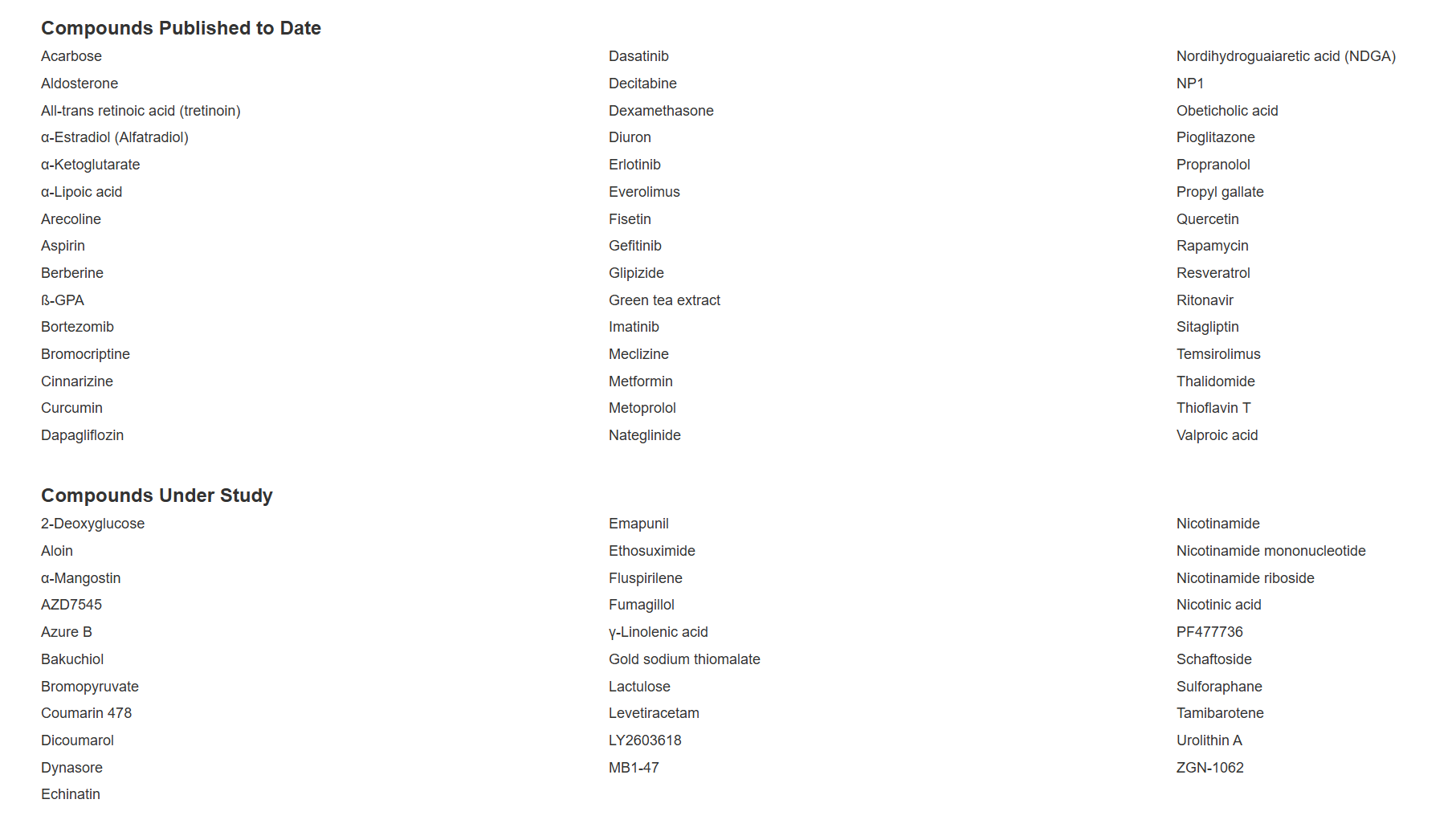
Past discussions and examples of applications here:

6 Likes

I had Gemini process 3 of the earlier successful ITP applications and develop a prompt that we can use to replicate the style, type of content, and outline of those documents.

This is a first draft - comments welcome. the goal here is to get a prompt that can help us get a quick rough draft of an application for a new candidate for the ITP to consider (that we can then rigorously edit and refine before final application).

The following prompt is designed to replicate the structure, tone, and rigorous argumentation found in the three successful NIA Interventions Testing Program (ITP) applications provided (MIF098, Sulindac, and mTOR inhibitors).

You can use this prompt with any advanced LLM (including Gemini). When using it, simply replace the bracketed information in the [Input Data] section with the specifics of the new drug you are proposing.

The “Master Geroscientist” Prompt

Copy and paste the text below into the AI chat:


Role & Objective: Act as an expert Geroscientist and Biotech Longevity Specialist. Your task is to draft a rigorous, academic, and persuasive application for the National Institutes on Aging (NIA) Interventions Testing Program (ITP). The goal is to propose a new compound for lifespan and healthspan testing in genetically heterogeneous mice (UM-HET3).

Tone & Style Guidelines:

  • Tone: Academic, concise, direct, and “tell it like it is.” Avoid conversational fillers, sugar-coating, or sycophancy.
  • Prose: Use high-level scientific terminology appropriate for a peer review panel (e.g., “pleiotropic cytokine,” “pharmacological preconditioning,” “autophagy induction”).
  • Format: Use Markdown. Use $ for standalone equations and $ for inline chemical formulas or math (e.g., mg/kg). Use standard American English.
  • Citations: Include placeholders for citations in the format (Author, Year) or numbered (1) where evidence is required.
  • Accuracy: Distinguish between verified facts (e.g., “Drug X inhibits mTORC1”) and informed speculation (e.g., “This suggests a potential for lifespan extension via…”).

Input Data (The Drug to be Proposed): Please generate the application based on the following variables:

  • Compound Name: [Insert Name, e.g., “Astaxanthin”]
  • Mechanism of Action: [Insert Mechanism, e.g., “FOX03 activation and ROS scavenging”]
  • Connection to Aging: [Insert Rationale, e.g., “Similar pathway to Caloric Restriction; extends lifespan in C. elegans”]
  • Proposed Dose: [Insert Dose, e.g., “200 ppm in chow” or “10 mg/kg/day”]
  • Cost/Availability: [Insert Cost info, e.g., “Available from Sigma at $50/gram”]

Required Application Structure:

Create the document using the following sections, strictly adhering to the logic and flow of successful past proposals (MIF098, Sulindac, Rapamycin):

1. Title and Applicants

  • Title: [Compound Name]: ITP Application
  • Applicants: [Insert Name/Institution placeholder]

2. Rationale and Background

  • Mechanism: Define the molecular target of the drug. Explain its physiological role (e.g., immunoregulatory, metabolic, neuroendocrine).
  • Relevance to Longevity: Connect the drug’s mechanism to known aging pathways (e.g., mTOR, Insulin/IGF-1, Inflammation/NF$\kappa$B, Oxidative Stress, or Caloric Restriction mimetics).
  • Previous Evidence: Summarize existing data. Prioritize:
    • Lifespan extension in lower organisms (yeast, worms, flies).
    • Healthspan improvements in mice (cancer suppression, improved metabolic profile, etc.).
    • Note: If previous lifespan studies exist (even if negative or inconclusive), acknowledge them and explain why this new protocol differs (e.g., different dose, start age, or genetic background).

3. Activity, Dosage, Bioavailability, and Toxicity

  • Pharmacokinetics: Describe bioavailability (oral vs. injection). Crucially, address stability in mouse chow (ITP prefers dietary administration). Mention if the drug survives manufacturing processes (heat/pressure) or long-term storage.
  • Toxicity: Cite LD50 data or previous safety studies. Argue why the proposed dose is safe for long-term administration.
  • Chemical Structure: Briefly describe the structure. (Use LaTeX for chemical formulas).

4. Suggested Treatment Protocol

  • Route: Diet (preferred) or water/injection.
  • Dosage Calculation: Show the math. Convert human or rat clinical doses to mouse equivalents.
    • Formula: Target dose (mg/kg/day) × Body Weight (kg) = Daily mg.
    • Dietary conversion: Calculate ppm in food based on average mouse food consumption (approx. 3-4g/day).
  • Start Age: Suggest a start age (usually 4 months or older) and duration (lifelong).
  • Biomarkers: Propose specific assays to verify the drug is working (e.g., “Western blot for phosphorylation of S6K1,” “Serum levels of [Compound]”).

5. Cost of a Life-long Intervention Study

  • Supply: Identify a source (e.g., Sigma, Cayman Chemical, or Pharma partner).
  • Budget Calculation:
    • Estimate total grams needed: (Mg/mouse/day × 365 days × 3 years × ~100 mice).
    • Calculate total cost based on supplier price.
    • Constraint: Keep it realistic; acknowledge if custom synthesis is required.

6. Animal Safety Information

  • Address potential side effects (e.g., immunosuppression, weight loss) and how they will be monitored.

7. Statement of Understanding

  • Include the standard ITP mandatory text verbatim:

“I understand all information presented in the proposal can be freely shared with members of the ITP Steering Committee… I understand the ITP intends to submit the results of all ITP-supported studies… regardless if they produce data showing positive or negative effects…”

8. References

  • Provide a list of relevant (fictionalized if necessary for the prompt, but formatted correctly) references.

[End of Prompt]

Guidance for Filling the Input Data

To get the best result from the prompt above, you should gather the following data points for your specific molecule before running it:

  1. Stability in Chow: The ITP heavily favors drugs that can be compounded into food pellets. If your drug is heat-sensitive, you must propose a solution (e.g., “cold-pressed pellets” or “water administration”).
  2. Dosage Math: Have a rough idea of the human-equivalent dose. The ITP uses the UM-HET3 mouse, which is genetically heterogeneous. A standard conversion factor often used is that mice metabolize drugs roughly 7-10x faster than humans per unit of weight, though surface area calculations are more precise.
  3. Mechanism Link: The strongest applications (like the Rapamycin example) link the drug to a “Hallmark of Aging” (e.g., nutrient sensing). Frame your rationale around these hallmarks.
2 Likes

Since [as we all know] psilocybin now shows promise, DMT, Cybin, and 5-MeO-DMT next (both natural compounds, short-acting/won’t take a huge amount out of the day, and probably easier to get approval somewhere than other psychedelics).

Also, methoxetamine (MXE)… [it’s safer than K, and there’s now a little suggestive evidence that even K slows aging + synergizes with TMS…]. Also in terms of subjective wellness, it reaches the top [just harder to get than before].

3 Likes

That’s a fun idea, but if these products did improve human longevity then people like Alexander Shulgin, Terrence McKenna, and many others should still be living.
Sadly, cancer and heart disease took them out. So a big stack of products would need to be used.

Some ideas:
-combining all the ITP products that have boosted longevity (not sure about dosing)
-very high protein(like a whey or plant protein powder - all amino acids etc with maybe added taurine, creatine, hydroxyproline, nac, beta alanine), low fat, standard carbohydrate nutrition. Mixed with a multi vitamin & mineral. Maybe 1 plant extract added.
-another combo of stuff: anti viral, anti biotic, monoclonal antibody, and maybe something else.

2 Likes

Orforglipron - a small molecule oral GLP1 agonist. Main complaint about GLP1 agonists from ITP was the difficulty of injecting mice. This overcomes that.

ITTP/myo-Inositol trispyrophosphate - “myo‑inositol trispyrophosphate emerges as a versatile hypoxia modifier that enhances oxygen delivery by modulating hemoglobin. Preclinical studies show promising therapeutic effects in cardiovascular disease and cancer, and early clinical data support further investigation”

Omipalisib - mTOR inhibitor that has higher lifespan extension than Rapamycin. Research is being spearheaded by Rapamycin Longevity Lab.

S-Mitochonic Acid 5 looks promising. Given its relation to indole-3-acetic acid which is related to indolepropionamide I worry it is another one that sounds great on paper but then underperforms.

Another one that looks interesting is Harmine (or somthing that acts as a DYRK1A inhibitor): Discovered to block the DREAM complex. Doing this supposedly mimics the rejuvenating effects of sleep. Sleep 2.0 – Understanding and Upregulating the Rejuvenating Aspects of Good Sleep - #24 by AustraliaLongevity

2 Likes

IMO what is needed is an autoinjector for a mousebot platform that allows automated injection of substances into mice. It would make testing cheaper.

There are compounds like ouabain, an ingredient in poison arrows, but that has health-improving effects:

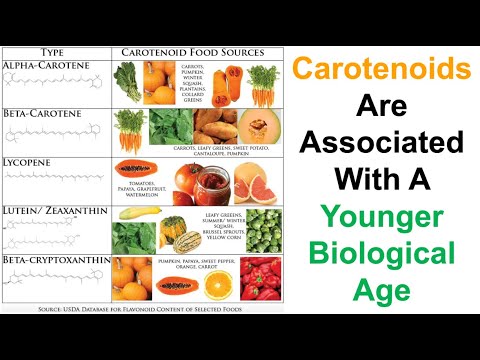
Given that astaxanthin was successful, why not try another carotenoid or two? Maybe lutein+zeaxanthin or maybe lycopene. Brad Stanfield had wondered if some of the health-promoting effects of multivitamins in certain clinical trials might be due to the lutein; and Michael Lustgarten recently had a video that mentioned that increased lycopene intake is associated with much lower Phenoage:

1 Like

We need a GLP1 agonist in there, so I second @AustraliaLongevity 's suggestion of orforglipron.

1 Like

I think Doxy-myr would be a great choice. Easy to mix into feed, won’t mess up the microbiome so can be fed at rates high enough to suppress CSC’s. It disrupts the mitochondria that fuel cancer growth. I’m sure it will make the mice live longer since they tend to die of cancer. Also I’d like to see this get enough attention so that somebody starts making it for sale.

Intestinal Alkaline Phosphatase. Already incredible data, we just need to confirm. A totally different path that should complement mtor, nrf2, etc

1 Like

I think Omipalisib would be the best bet - it had the best lifespan extension effects (in worms) and it was validated by 2 independent studies (Rapamycin Longevity Lab and Epiterna)

1 Like

GSK2126458 Which tops the current million molecule challenge leaderboard.

Urolithin A, which apparently does nothing for worms.

Berberine which has a very good P value on the million molecule challenge and seems to have shown similar longevity increases (around 17%) in other mouse studies, with the specific addition that this alters the gut biome so may not, itself, be detectable in blood but still be effective.

1 Like

Ergothioneine is also a good candidate for the ITP.

Ergothioneine controls mitochondrial function and exercise performance via direct activation of MPST: Cell Metabolism

Frontiers | Ergothioneine Improves Aerobic Performance Without Any Negative Effect on Early Muscle Recovery Signaling in Response to Acute Exercise

Ergothioneine: A Stress Vitamin with Antiaging, Vascular, and Neuroprotective Roles? - PMC

Ergothioneine as a Natural Antioxidant Against Oxidative Stress-Related Diseases - PMC

4 Likes

@RapAdmin (@PolishGentleman) Great initiative! I have sent in two proposals to ITP throughout the years. The first one was Rapamycin + Acarbose + 17-alpha-estradiol but it got rejected because a trio combo is hard to test and validate what is impacting what. The second I sent in together with many researcher was Omipalisib but it was rejected because they were concerned of side effects. So now I’m going to conduct a mice experiments on Omipalisib through Pump.Science funding and by that we can get a hint if the concern on side effects is valid or not. If things go well with this study then the Omipalisib proposal will be resubmitted with the data from the pump.science mice study.

One interesting combo to send in a ITP proposal is Rapamycin + Canagliflozin. Will see if I’m able to send it in this year.

Here is a page with all ongoing och historical ITP studies.
https://www.nia.nih.gov/research/dab/interventions-testing-program-itp/supported-interventions

4 Likes

Selfishly, I’d like to see things that we have access to get tested in the ITP so that if the result is really good, we can experiment with them ourselves. Certain supplements, for instance, like sulforaphane, glucosamine, GlyNAC, Ergothioneine, Taurine, Lithium Orotate, Berberine, Melatonin, Naproxen, etc. would be great to get tested.

3 Likes

And at doses that you can afford without being a millionaire.

1 Like

This is also a brilliant idea

1 Like