Will Mair, who studies aging, lost almost all his research funds when the White House cracked down on Harvard. He was wholly unprepared for the upheaval that followed.
Will Mair, a Harvard University professor who studies aging, was preparing to lead a panel discussion one afternoon last May when he picked up his phone to review the questions he planned to ask.
He was standing in a room at Harvard Business School, near a row of stools set up for the panelists. Peering at the screen, he saw a flurry of text messages, and then an email bearing staggering news:
“You are receiving this email because one (or more) of your projects have been terminated per notice from the federal funding agency.”
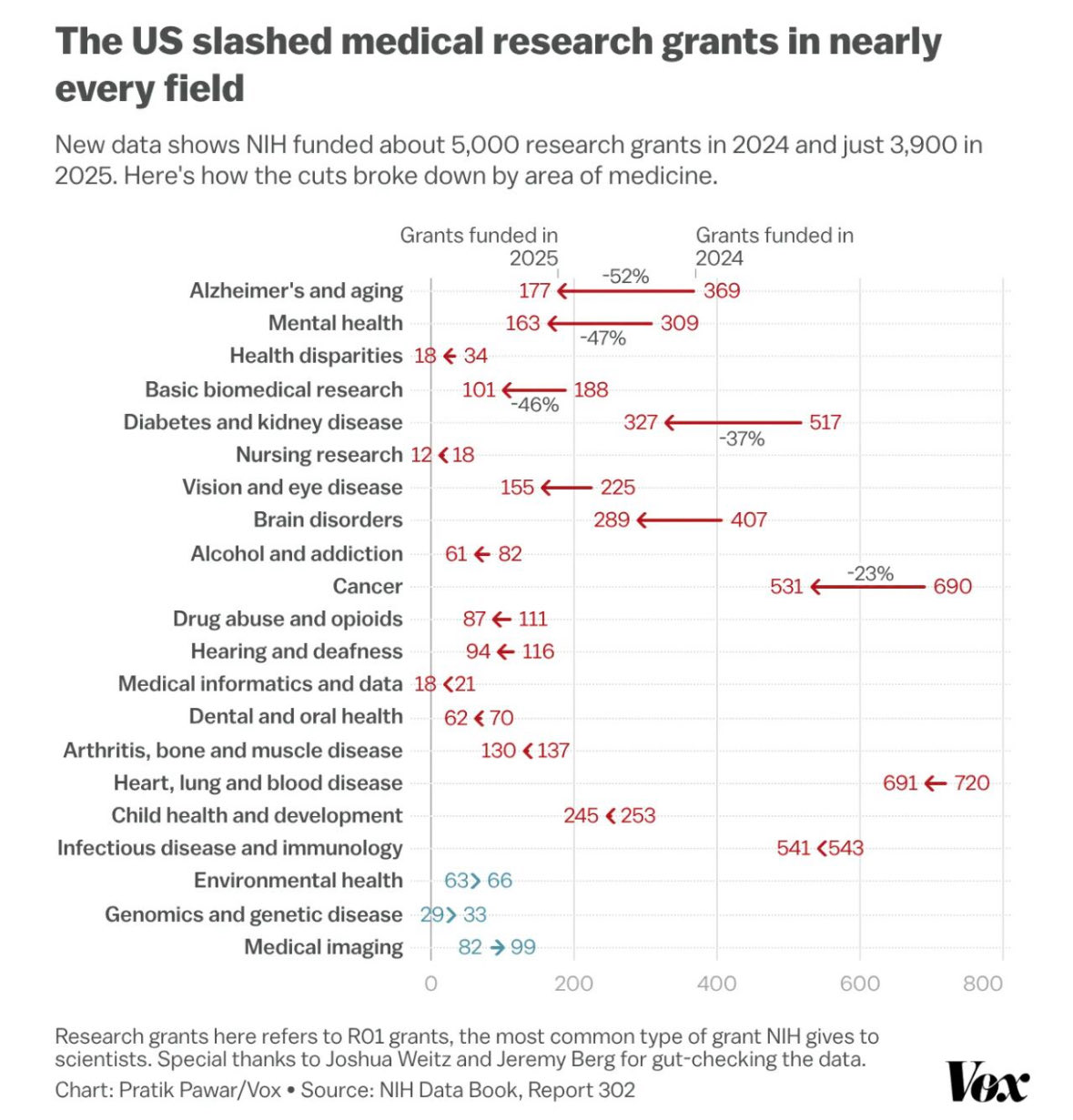
Weeks earlier, Harvard had refused to comply with the Trump administration’s demands for sweeping changes to its operations. Now the White House had retaliated, cutting off billions of dollars in research grants and contracts.
Dr. Mair felt a surge of adrenaline. He and his colleagues had feared this would happen; still, seeing it in writing was jarring. “Check your email,” he murmured to the panelists. Yes, they nodded; they, too, had lost their funding.
There was no time to collect himself. Dr. Mair perched on a stool, lifted a microphone with trembling hands, and turned to the unsuspecting audience.
“I was going to talk about aging,” he later recalled telling the group of business leaders, participants in a training program at the business school. “But our federal funding is gone. And I don’t think we can talk about the science without talking about that.”
One by one, the panelists did so. One scientist had lost funding to analyze old baby teeth for clues about how early environmental exposures affect aging. Another faced the shutdown of her research on dementia in poor countries.
An audience member asked why Harvard researchers need federal funding. Couldn’t their work be paid for by private donors, and by corporations that could benefit from their findings?
It was true that sometimes, products emerged from decades of biomedical research and made billions of dollars. Weight loss drugs like Ozempic and Wegovy were recent examples. But the path to such discoveries was long, Dr. Mair explained to the audience, requiring years of costly unplanned detours.
“No for-profit company could possibly withstand all the false leads required by that process,” he recalled telling them, “all the weird, random science that never panned out.”
For Dr. Mair, 47, a native of Britain and a professor of molecular metabolism at the T.H. Chan School of Public Health, chasing breakthroughs felt critical and urgent. A century of scientific progress had added decades to average life spans, yet human bodies were still ravaged by time. He envisioned a new, interdisciplinary research center at Harvard where leading scientists would team up to help people age better, cutting global health care costs and easing suffering.
His dream project had a name — the Center for Healthy Aging — and he had begun raising money for it. He sometimes described it as an “aging moonshot,” a reference to President John F. Kennedy’s push to send a man to the moon in the 1960s.
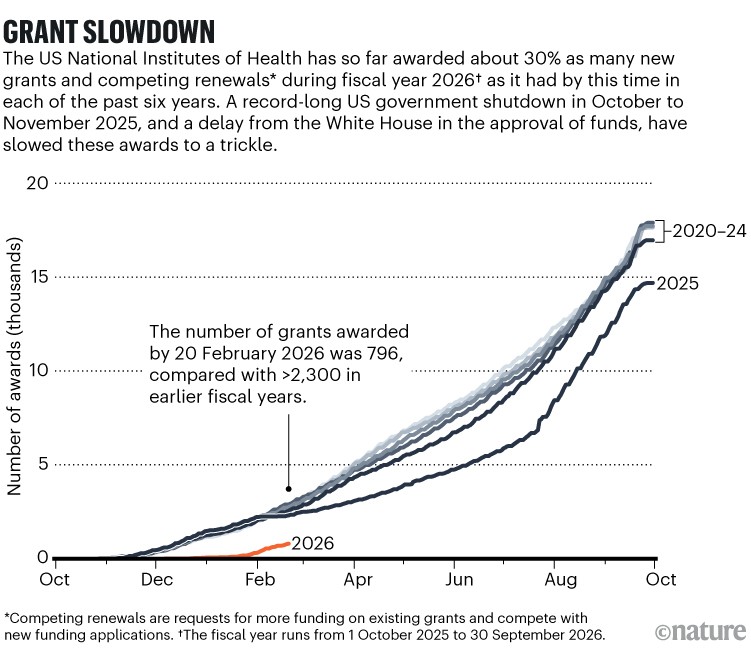
Given what had just happened to Harvard’s federal funding, including more than $1 million promised to him and others on his research team, such ambitions now seemed fanciful.
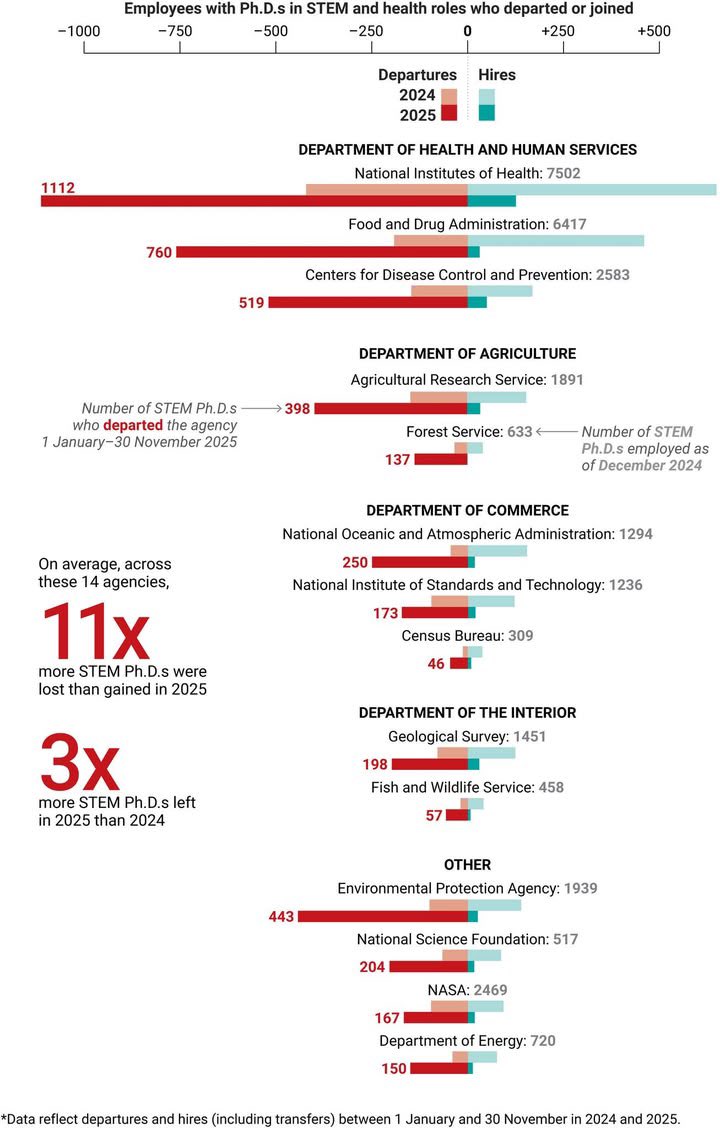
To keep his lab afloat, at a cost of $1,000 to $2,000 per day, Dr. Mair would have to find new ways to pay for it. It was tempting to consider fleeing to a university that was not squarely in the Trump administration’s cross hairs. But he had taken great pride in Harvard’s refusal to capitulate. And who could say how safe he would be elsewhere?
“I desperately want to stay here,” he said, “to try and defend this university.”
Everything he had once taken for granted — the assumptions on which he had built his life’s work — seemed to be unraveling. To find a way forward, he suspected, would demand a total transformation.
Dr. Mair had been obsessed with the mysteries of aging since he was in college and spent a summer working in the lab of David Gems, a British biogerontologist who manipulated the genes of worms to extend their life spans. The variability in people’s aging fascinated him. What were the critical differences in their lifestyles, habits, diets, ZIP codes?
He was drawn to pursue his work in the United States, where the patient, open-ended system of funding scientific research was unlike any other in the world. He had qualms about his adopted country: its gun culture, its inefficient health care system. But nothing could diminish the global impact of its National Institutes of Health.
“I came because America was the place to do science,” he said.
Read the full story: His Harvard Lab (focused on Biology of Aging) Was Thriving. Then Came the Cuts.