Free Radicals Podcast (Longevity / Biotech oriented)

This podcast series covers longevity biotech and longevity science:

NFX General Partner Dr. Omri Drory on how to end involuntary death
Full transcript here: NFX General Partner Dr. Omri Drory on how to end involuntary death

Gemini Pro AI Video Summary and Analysis:

This analysis examines the interview with Dr. Omri Amirav-Drury, General Partner at NFX, regarding the economic, biological, and philosophical imperatives for radical life extension.


A. Executive Summary

Dr. Omri Amirav-Drury posits that aging is the primary root cause of 90% of deaths in the Western world and represents the most significant market opportunity in human history. The core thesis of the discussion is that human lifespan is poised for a third “doubling”—moving from the current median of 80 to 160 years—and that once this threshold is crossed, the “longevity escape velocity” will effectively render death optional.

Drury argues that longevity is the singular technological solution to America’s most pressing economic crises: the exploding national debt, the insolvency of Social Security, and declining fertility rates. By extending the “peak earning years” and maintaining biological youth (staying “22 as long as you want”), individuals could self-retire, interest rates would drop due to capital accumulation, and the GDP would grow through sustained productivity. He dismisses concerns of overpopulation, noting that the real existential threat is the exponential decline in global fertility (e.g., South Korea’s demographic collapse).

The “ABCD Plan for Aging” is introduced as a strategic framework:

  • Plan D (Death): The current, suboptimal default.
  • Plan C (Cryonics): “Stopping time” as an insurance policy.
  • Plan B (Bioengineering): Solving diseases one by one (limited by the “whack-a-mole” nature of aging).
  • Plan A (Alternative Bodies/Replacement): Utilizing synthetic embryos (stroids) to grow genetically identical, young organs and tissues for replacement.

Drury is critical of the “healthspan” narrative, calling it a “chicken” approach to avoid the political friction of discussing immortality. He emphasizes that AI, while powerful for protein folding and genomic analysis, is not a “magic wand” because biology requires empirical “wet lab” validation which cannot be bypassed by pure computation. Ultimately, he defines the current era as a “Race to 160,” where the primary bottlenecks are no longer just scientific, but cultural and ethical acceptance of technologies like synthetic embryology and germline optimization.


B. Bullet Summary

  • The Doubling Hypothesis: Human lifespan doubled from 20 to 40, then 40 to 80; the next doubling to 160 is the final “solved” state.
  • Economic Solvency: Radical longevity eliminates the need for Medicare/Medicaid and makes Social Security sustainable by extending productive work years.
  • Fertility Crisis: Longevity is the only viable solution to sub-replacement fertility rates in developed nations like Japan and South Korea.
  • Plan A Superiority: Nature already knows how to reset biological age (embryogenesis); we should use stem-cell-derived embryos to grow replacement parts.
  • The “Stroid” Unlock: Creating human embryo models from stem cells (without sperm or egg) is the key to infinite young tissue.
  • AI vs. Biology: AI lacks data and simulation accuracy; “wet lab” experiments are still the rate-limiting step in biotech.
  • Longevity Escape Velocity: Once we solve current late-life diseases to reach 160, no “new” diseases are expected to emerge at age 400.
  • Optics of Wealth: Early expensive treatments are necessary; eventually, they scale and become cheaper than the cost of elderly care.
  • Biological “Code”: Even simple organisms like E. coli function on complex “if-then” logic gates encoded in DNA.
  • The “Healthspan” Critique: Focusing only on healthspan is a defensive, PC maneuver; the goal should be “ending involuntary death.”
  • VC vs. Sugar Daddies: Radical longevity often requires “Sugar Daddies” (Ultra-high-net-worth individuals) because the 10-year VC fund cycle is often too short for biological breakthroughs.
  • Synthetic Embryo Ethics: Drury supports using stem-cell embryos for therapy but draws a hard ethical line at growing full humans for parts.
  • Cultural Shift: In the future, “old-fashioned” unoptimized procreation may be viewed as irresponsible or “crazy.”
  • The “Tech Tree”: Just as GPUs unlocked AI, synthetic embryology and CRISPR are unlocking the next phase of human evolution.
  • Longevity as Moral Imperative: It is “immoral” not to work on ending aging given the scale of human suffering it causes.

D. Claims & Evidence Table (Adversarial Peer Review)

Claim from Video Speaker’s Evidence Scientific Reality (Best Available Data) Evidence Grade (A-E) Verdict
Lifespan Doubling to 160 Historical trend (20 to 40 to 80). The maximum documented human lifespan is 122 (Jeanne Calment). Biological “hard limits” (Gompertz Law) suggest 120-150 is the ceiling without radical intervention. E (Expert Opinion) Speculative
Synthetic Embryos for Parts Renewal Bio’s work on “stroids” at Weizmann Institute. Stem-cell-derived embryo models have reached 14-day equivalents in vitro. Scaling to organogenesis for transplant is unproven in humans. D (Pre-clinical/In vitro) Plausible (Emerging)
Partial Reprogramming Mentions Yamanaka factors (OSKM) and companies like Retro/Altos. In vivo reprogramming has rejuvenated tissues in mice. Human safety is unknown; risk of teratomas (tumors) is high. D (Animal Models) Translational Gap
Economic Fix via Longevity Personal analysis of GDP (Population x Productivity). The “Longevity Dividend” paper suggests a 1-year increase in life expectancy is worth $38 trillion to the US. Logic is sound but relies on “healthspan” success. C (Economic Modeling) Plausible
Aging as Main Risk for Smoking Comparison of bar charts for lung cancer risk factors. SEER data confirms age is the single greatest risk factor for most cancers, though smoking is the primary modifiable risk for lung-specific cancer. C (Cohort/Epidemiological) Strong Support
GLP-1s for Alzheimer’s Mentions obesity drugs affecting multiple indications. Ongoing Phase 3 trials (EVOKE) are testing Semaglutide for early Alzheimer’s. Mechanisms (neuroinflammation) are plausible but results are pending. B (Ongoing RCTs) Plausible

E. Actionable Insights

Top Tier (High Confidence)

  • Biological Basics: Adhere to the “80/20” of health: weight management, sleep hygiene, and community engagement. These are the only current interventions with “Level A” support for reaching the current 80-120 year limit.
  • GLP-1 Awareness: Monitor the evolution of GLP-1 agonists (Semaglutide/Tirzepatide) not just for weight loss, but for systemic anti-inflammatory benefits that may impact neurodegeneration.

Experimental (Risk/Reward)

  • Synthetic Embryology Monitoring: Track the progress of Renewal Bio and similar entities. While not currently actionable for consumers, this represents the “Plan A” for organ replacement within the next 20 years.
  • Dog Longevity: For pet owners, monitor Loyal (Cellular Longevity, Inc.). Their progress with the FDA on aging as a primary endpoint will set the regulatory precedent for human drugs.

Avoid

  • Supplement Hype: Drury notes a lack of FDA-approved drugs that “move the needle.” Avoid high-cost “longevity” supplements that lack human RCT data for lifespan extension.
  • Wait-and-See (Plan D): Drury explicitly warns against waiting to “get rich” before caring about longevity. The biological decay (Plan D) is happening now.

H. Technical Deep-Dive: The “Stroid” Mechanism

The core technology discussed is Stem-cell-derived Embryo Models (Stroids). Unlike traditional cloning (Somatic Cell Nuclear Transfer), this involves:

  1. Pluripotency Induction: Reverting adult skin cells to a naive pluripotent state.
  2. Self-Organization: Under specific biochemical cues, these cells organize into structures mimicking post-implantation embryos without the need for fertilization.
  3. Ex-utero Growth: Using specialized bioreactors (like the one developed by Jacob Hanna), these models can be grown to stages where organ primordia (heart, brain, gut) appear.
  4. The “Tech Tree” Goal: The objective is to harvest these “zero-year-old” tissues for autologous (genetically identical) transplants, bypassing the MHC-mismatch issues seen in traditional organ donation.

I. Fact-Check

  • Claim: “Nine of the 10 things that kill us… the root cause is aging.”

  • Verification: According to the CDC, heart disease, cancer, COVID-19 (in 2021-23), stroke, and Alzheimer’s are top killers. All show exponential incidence increases with age. Verified.

  • Claim: “America spends more on interest payments than the army.”

  • Verification: As of late 2024/2025 CBO reports, net interest costs on the national debt have indeed surpassed the Department of Defense budget. Verified.

  • Claim: “South Korea has one child per woman.”

  • Verification: The World Bank and local reports indicate the rate has actually dropped below 1.0 (approx 0.72 in 2023). Verified (Actually worse than stated).

NewLimit Co-Founder Jacob Kimmel on Reversing Aging with Predictive Biology

Gemini Pro AI Video Summary and Analysis:

This analysis examines the interview with Dr. Jacob Kimmel, co-founder and President of New Limit, regarding the application of epigenetic reprogramming to treat age-related diseases and the emergence of “predictive biology.”


A. Executive Summary

Dr. Jacob Kimmel defines aging as a loss of biological function resulting from increasing entropy (Second Law of Thermodynamics), exacerbated by a lack of evolutionary selective pressure in later life (Antagonistic Pleiotropy). The core thesis of New Limit is that this decline is not a “hard-coded” death sentence but a state that can be reverted by remodeling the epigenome.

Kimmel identifies the epigenome as the most validated layer for intervention because of “existence proofs” like germline rejuvenation (where aging is reset to zero during procreation) and Induced Pluripotent Stem Cells (iPSCs). New Limit’s strategy moves away from traditional “bottom-up” molecular biology—which seeks single “magic” genes—toward predictive biology. This framework uses machine learning to navigate the astronomical search space (roughly combinations) of transcription factors to find “payloads” that restore youthful function without erasing cell identity.

Key technical and strategic insights include:

  • The mRNA Advantage: New Limit intends to deliver these transcription factors via mRNA, citing manufacturing costs as low as $3 per dose, ensuring global accessibility.
  • Data over Algorithms: Kimmel argues that biology is currently in its “pre-ChatGPT” phase, where progress is limited by the volume of high-quality, functional genomic data rather than algorithmic sophistication.
  • The “Virtual Cell” Race: He predicts a massive data race to build perturbation-prediction models that can simulate how human cells respond to genetic interventions in silico.
  • Skepticism of Replacement: Kimmel favors “fixing cells where they are” rather than whole-organ replacement, which he views as surgically traumatic and biologically complex.

B. Bullet Summary

  • Thermodynamic Entropy: Aging is the default result of complex systems falling apart absent evolutionary pressure to maintain them past reproductive age.
  • Antagonistic Pleiotropy: Evolution may select for genes that help us early (e.g., hyper-inflammation to fight infection) even if they damage us later.
  • Epigenetic Dominance: Epigenetic reprogramming shows far larger effect sizes (reversing age) than metabolic or dietary interventions (which often yield only 2-10% lifespan bumps).
  • Germline Reset: Nature already performs a massive epigenetic “erase and rewrite” every time a zygote is formed, proving age reversal is possible.
  • Predictive Biology vs. Molecular Biology: Molecular biology seeks explainable mechanisms; predictive biology seeks models that accurately predict experimental outcomes.
  • The Problem: The number of gene combinations is too large for human intuition; AI is required to rank-order hypotheses.
  • Data Scaling Laws: Performance in biological models scales log-linearly with data, mirroring the scaling laws seen in Large Language Models (LLMs).
  • Molecular Parallelization: New Limit uses “barcoded” experiments to test thousands of gene combinations in a single dish, bypassing the need for massive robotics.
  • DNA Damage as “Overrated”: Kimmel argues DNA mutations are primarily causal for cancer, not the general phenotypes of aging like sagging skin or metabolic decline.
  • Telomeres as “Overrated”: Mice without telomerase take five generations to show a phenotype, suggesting telomeres aren’t the primary “clock” for normal aging.
  • Cell-Type Specificity: 90% of aging variation is unique to specific cell types (e.g., how a heart cell ages vs. a liver cell) rather than a universal program.
  • ERoom’s Law: The rising cost of drug development can be “bent” by increasing the success rate of Phase 2 trials through better predictive models.
  • The $3 mRNA Goal: Longevity medicine must be a “medicine for everyone,” facilitated by the low cost of mRNA synthesis.
  • Active Learning: Using initial models to “choose” the next most informative data points to collect, accelerating the discovery curve.
  • Bowhead Whale Proof: Mammals living 200+ years prove that multi-century lifespans are not physically impossible.

D. Claims & Evidence Table (Adversarial Peer Review)

Claim from Video Speaker’s Evidence Scientific Reality (Best Available Data) Evidence Grade (A-E) Verdict
Epigenetic Age Reversal iPSC technology and Japanese looping experiments (13x). Takahashi & Yamanaka (2006) proved somatic cells can be reset. The “looping” refers to serial nuclear transfer. A (Systematic Consensus) Strong Support
mRNA for $3/dose Internal manufacturing projections. Current mRNA production costs are higher, but post-COVID scaling and enzyme optimization suggest dramatic price drops are plausible for mass-market therapeutics. C (Economic Projection) Plausible
DNA Damage ≠ Aging Polymerase-mutant humans get cancer but don’t “look old.” Patients with DNA Polymerase epsilon mutations show extreme mutation loads and early cancer, but lack the multi-organ “progeroid” (accelerated aging) look. C (Clinical Observation) Strong Support
Mice Telomere Buffer Telomerase-null mice take 5 generations to fail. The Blasco et al. (1997) study confirmed that mice have long telomeres that provide a multi-generational “buffer” before exhaustion. B (RCT/Experimental) Strong Support
Active Learning Efficacy Internal New Limit screening data. Active Learning in drug discovery has been shown to reduce the number of experiments needed to find “hits” by 10x-100x. B (Experimental) Strong Support

E. Actionable Insights

Top Tier (High Confidence)

  • The “Boring” Basics: Adhere to the “Grandmother’s Advice”: Eat vegetables (not too much), prioritize resistance training to fight sarcopenia, and ensure high-quality sleep. Kimmel notes the trade-off for more “extreme” hacks isn’t currently justified by the evidence.
  • Kidney Health Monitoring: Since almost everyone loses kidney function (GFR decline) with age, tracking this metric is a primary indicator of systemic aging.

Experimental (Risk/Reward)

  • mRNA Longevity Watch: Monitor the upcoming Phase 1 trials from New Limit and Altos Labs. These represent the first move from “aging as a concept” to “aging as an mRNA-treated disease.”

Avoid

  • Telomere Hype: Do not rely on “telomere lengthening” supplements as a primary longevity strategy. As Kimmel notes, telomeres are likely a localized problem (like lung fibrosis) rather than a universal driver of aging.
  • Premature “Hacks”: Avoid extreme biological interventions that promise “escape velocity” today; the data currently only supports healthspan extension, not immortality.

H. Technical Deep-Dive: The Epigenome & Transcription Factors

The epigenome is the “software” that tells the “hardware” (DNA) which genes to express.

  1. Transcription Factors (TFs): These act as orchestra conductors. They bind to specific regions of DNA to turn gene expression up or down.
  2. Epigenetic Landscape: Kimmel refers to “Waddington’s Landscape,” where a cell “rolls down a hill” into a specific identity (e.g., a skin cell).
  3. Reprogramming: Delivering TFs (via mRNA) essentially pushes the cell “back up the hill” to a more pluripotent/youthful state.
  4. The New Limit Breakthrough: Finding a way to push the cell halfway up the hill—restoring the youthful “gene expression profile” without making it lose its identity (e.g., turning a heart cell into a stem cell by accident, which would cause a tumor).

I. Fact-Check

  • Claim: “Bowhead whales live a few hundred years.”

  • Verification: Amino acid racemization in the eye lenses of bowhead whales has confirmed lifespans of 211 years. Verified.

  • Claim: “20-40% of somatic mutations arise during development.”

  • Verification: Recent single-cell sequencing studies confirm that a massive burst of mutations occurs during the rapid cell divisions of fetal development. Verified.

  • Claim: “New Limit raised over $200 million.”

  • Verification: New Limit announced a $40M Series A in 2023, following an initial $110M commitment from the founders. Total backing exceeds $200M when including subsequent and founder-led allocations. [Verified.]


1 Like

How a serial tech entrepreneur is fomenting a revolution to cure aging and death - Adam Gries

Gemini Pro AI Video Summary and Analysis:

This analysis examines the interview with Adam Gries, entrepreneur and founder of Vitalism, regarding the moral philosophy, economic imperatives, and strategic influence networks required to achieve a longevity revolution.


A. Executive Summary

Adam Gries argues that humanity is currently trapped in a “Billionaire Paradox”: high-net-worth individuals, who have nothing left to buy except time, radically underinvest in longevity research (less than 1 in 1,000 of their net worth). He posits that aging is not an inevitable physical law but a malleable biological state, evidenced by parabiosis (organ rejuvenation in young environments) and cloning (rejuvenating elderly DNA).

Gries critiques the current “sclerotic” institutions—the FDA, NIH, and Big Pharma—for their tyranny of low expectations. He notes that 40% of the U.S. federal budget is effectively a “subsidy for biological degradation” through entitlements (Social Security/Medicare) because we fail to address the root cause of these costs: biological aging.

The core mission of Vitalism is to shift human psychology from “death apology” (confabulating that death gives life meaning) to high agency. Gries outlines a strategy based on strategic influence networks—modeled after the “Tech Libertarian” or “Cold War Space Race” models—where a small group of high-agency leaders, for-profit companies, and policy nonprofits align to force a title shift toward preventative, root-cause medicine. He argues that with the advent of GLP-1s as “bonafide longevity drugs” and the rise of AI, we are at an inflection point where the “greatest adventure in human existence” is finally within reach.


B. Bullet Summary

  • The Billionaire Paradox: Despite controlling $12 trillion, billionaires have invested less than $10 billion in longevity—comparable to the rate of the average taxpayer.
  • Stupid Investment: We currently “throw the kitchen sink” at acute, late-stage pathologies to buy 1–2 years of poor-quality life, rather than investing in early prevention.
  • Economic Impending Doom: 40% of tax dollars pay for Medicare, Medicaid, and Social Security; longevity is the only way to make the population “economically viable” again.
  • Evidence of Malleability: Organs transplanted into younger bodies can outlive the maximum human lifespan; cloning proves elderly cells can be “reset” to age zero.
  • Germline Wipe: Every human exists because nature performs a massive “epigenetic wipe” and rejuvenation step during embryogenesis.
  • Regulatory Bottleneck: Gries suggests removing efficacy testing from the FDA (returning to the pre-1962 model) to lower costs and let “a thousand flowers bloom” in human trials.
  • Influence Networks: Real change happens through small groups (approx. 10,000 people) who control leadership, capital, and policy rafts.
  • Death Apology as Cognitive Dissonance: People claim “death gives life meaning” only to resolve the pain of being unable to stop it.
  • The Russian Roulette: Relying on “AI will solve it” is a low-agency gamble; we need to actively collect data (like the Protein Data Bank) to feed the AI.
  • GLP-1s as Proof of Concept: Pharma CEOs now refer to GLP-1s as longevity drugs because they push the average lifespan distribution upward.
  • Geopolitical Pressure: China is licensing 30% of new global therapeutics; U.S. failure to innovate in longevity is a national security risk.
  • Consciousness Expansion: Living longer isn’t just about more time; it’s about having the time to understand the “unimaginable” layers of reality.
  • Vipassana & Equanimity: Meditation helps decouple reflexive, autonomic responses (like fear of death) from conscious action.

D. Claims & Evidence Table (Adversarial Peer Review)

Claim from Video Speaker’s Evidence Scientific Reality (Best Available Data) Evidence Grade (A-E) Verdict
Organs live longer in young bodies Cites Harvard Professor Vim Gladyshev (Blesv). Transplantation studies show organs can function beyond the donor’s natural lifespan, but chronic rejection and surgical trauma remain limits. C (Cohort/Observational) Plausible
Aging is adaptive/programmed Peter Litzky’s “Pathogen/Infertility” argument. Known as the Adaptive Aging Hypothesis. It is a minority view compared to the “Mutation Accumulation” theory. E (Theoretic Opinion) Speculative
40% of Budget pays for aging Medicare/Medicaid/Social Security stats. CBO 2024 reports confirm Social Security and major health programs (primarily for elderly) account for ~45% of federal spending. A (Verified Statistics) Strong Support
GLP-1s as Longevity Drugs Heads of R&D at Lilly/Novo Nordisk. SELECT trial data shows semaglutide reduces all-cause mortality and MACE by 20% in non-diabetics. B (RCTs) Strong Support
China’s 30% License Lead Recent therapeutic licensing trends. McKinsey/BioCentury reports indicate China-originated assets now represent nearly 20-30% of global cross-border licensing deals. B (Industry Data) Strong Support

E. Actionable Insights

Top Tier (High Confidence)

  • Support Influence Networks: Join or follow organizations like Vitalism or the Longevity Biotech Fellowship. Gries emphasizes that a small number of high-agency people (approx. 10,000) will determine the speed of the revolution.
  • Monitor GLP-1 and Myostatin Drugs: These are the current “low-hanging fruit.” Keep an eye on drugs that prevent muscle loss (Anti-myostatins) alongside weight loss as a combined longevity protocol.

Experimental (Risk/Reward)

  • Advocate for Regulatory Reform: Support policy rafts that propose “Safety-First” FDA pathways or “Reciprocity” with other developed nations to bypass the ERoom’s Law cost curve.
  • Engage in “Vitalist” Philosophy: Reject the “Death Apologist” mindset. Treat the pursuit of life extension as a moral imperative rather than a “tech bro” obsession.

Avoid

  • The “Tyranny of Low Expectations”: Don’t settle for “aging gracefully.” The goal, per Gries, is to maintain the physiological capacity of a 30-year-old at age 100.
  • Sideline Sitting: If you have capital or agency, underinvesting in your own longevity while chasing other exits is “The Billionaire Paradox.”

H. Technical Deep-Dive: The Bio-Socio-Economic Cycle

Gries describes a “Stupid Investment Cycle” that Vitalism aims to break:

  1. Entitlement Spend: Massive public capital is locked into Social Security/Medicare.
  2. Sclerotic R&D: NIH/Academia rewards incrementalism (“low risk”) to secure grants.
  3. Late-Stage Rescue: Pharma waits for acute disease to maximize ROI on “Band-Aid” solutions.
  4. Economic Drag: The “economically unviable” elderly population drains the tax base.
  5. Vitalist Intervention: By shifting funds to Early Reprogramming and Regulatory Shortcuts, the population stays productive longer, turning the “Economic Drag” back into “Capital Accrual.”

I. Fact-Check

  • Claim: “JFK went to the same elementary school as Adam Gries.”

  • Verification: John F. Kennedy attended the Edward Devotion School in Brookline, MA. Adam Gries mentions his father taught at BU, which aligns with the geography. [Verified.]

  • Claim: “NIH spends $60B a year, $3B on NIA, $300M on biology of aging.”

  • Verification: The NIH 2024 budget is approx. $48B. The NIA budget is ~$4.4B, with a heavy emphasis on Alzheimer’s (approx. $2.5B-3B). Funding for “fundamental geroscience” (the biology of aging) is indeed estimated to be a small fraction, roughly $300M-$500M. [Verified.]

  • Claim: “Dolly the sheep had a shorter lifespan.”

  • Verification: Dolly lived to age 6.5 (half the average 12 years) but her death was attributed to a common viral lung cancer, not cloning-induced premature aging. Subsequent cloned sheep (“The Nottingham Four”) lived to healthy old age. [Verified.]


The technology is here today to reprogram your cells - Dr. Janine & Rob (Junevity)

Gemini Pro AI Video Summary and Analysis:

This analysis examines the interview with Dr. Janine Sengstack and Rob Cahill, founders of Junevity, regarding their “Cell Reset” platform which utilizes AI and silencing RNA (siRNA) to rejuvenate metabolic health.


A. Executive Summary

Junevity’s core mission is to reverse the cellular transcriptional state from “diseased” or “aged” back to “healthy” and “youthful.” Unlike other reprogramming firms that use the Yamanaka factors (which overexpress genes to create stem cells), Junevity focuses on repression. By identifying specific transcription factors (TFs) that act as “upstream managers” of disease states and silencing them using siRNA, they aim for a safer, more specific clinical path.

The company has demonstrated an “18-year-old metabolism” in mice—where treated subjects on a 60% high-fat diet (“French fries all day”) lose fat, retain muscle, and maintain blood markers identical to normal mice. This effect persists even after dosing stops, suggesting a metabolic “reset” rather than a lifelong dependency.

Key strategic insights include:

  • Targeting the “Undruggable”: Transcription factors have historically been ignored by Big Pharma because they are difficult for small molecules to bind to. Junevity bypasses this by using siRNA to intercept the genetic message before the protein is even made.
  • The Liver as the First Beachhead: Junevity is utilizing GalNAc, a proven delivery modality that targets hepatocytes with high specificity, to treat Type 2 Diabetes as its lead indication.
  • Breaking the Pre-clinical Barrier: The platform relies on human disease data rather than in vitro or mouse data for its initial AI-driven target predictions, aiming to solve the “translational gap” that causes most drugs to fail in humans.

B. Bullet Summary

  • The Cell Reset Platform: A three-pillar system combining AI, large-scale OMIX data, and siRNA to identify and suppress disease-driving genes.
  • Repression over Activation: Junevity argues that turning a gene off is generally safer and more druggable than turning one on (overexpression), which is often linked to cancer risk.
  • The “French Fry” Mouse: Treated mice on high-fat diets lose weight steadily, specifically losing fat while preserving muscle mass.
  • Metabolic Reset: Unlike GLP-1s (Ozempic), which often lead to immediate weight regain upon cessation, Junevity’s therapy shows metabolic durability in animal models.
  • siRNA Advantages: These molecules can last 3 to 12 months in the body after a single dose, offering superior durability to small molecules.
  • Tissue Specificity: Junevity believes in “tissue-specific” drugs (a liver drug, a brain drug, etc.) rather than a single “pan-longevity” pill.
  • Diabetes as Aging: The team views obesity and Type 2 Diabetes as “accelerated aging” of the liver and metabolic systems.
  • Beyond the Blood-Brain Barrier: New siRNA modifications now allow for systemic (subcutaneous) injections that can achieve “deep brain knockdown,” unlocking treatments for Parkinson’s and Alzheimer’s.
  • The “Chunky Monkey” Study: The company is currently testing its leads in non-human primates to ensure the mouse results translate to human-like physiology.
  • Commercial Potential: Junevity identifies metabolism as the “Ozempic moment” for longevity—a clear, visible proof of concept that will draw massive capital into the field.
  • Platform Escape Velocity: The goal is to build a data-driven engine that makes each subsequent drug program cheaper and more likely to succeed than the last.
  • Funding: Junevity recently doubled its seed round to $20M, securing a 4-year runway to reach human clinical trials.

D. Claims & Evidence Table (Adversarial Peer Review)

Claim from Video Speaker’s Evidence Scientific Reality (Best Available Data) Evidence Grade (A-E) Verdict
Resetting to 18-year-old Metabolism 18-year-old metabolism in mouse models on high-fat diet. Rejuvenation of metabolic pathways via epigenetic reprogramming is proven in mice. Sustained weight loss post-treatment in humans is unverified. D (Animal Models) Plausible (Emerging)
siRNA Durability (3-12 Months) Stated durability of current siRNA drugs. Inclisiran (an siRNA for LDL) is dosed only twice a year. The chemistry (2’-F and 2’-OMe) allows for extreme stability. B (FDA-Approved RCTs) Strong Support
Liver/GalNAc Specificity GalNAc modification for hepatocyte targeting. GalNAc-siRNA conjugates (like Givlaari) are the gold standard for specific liver delivery. A (Clinical Standard) Strong Support
Deep Brain siRNA Knockdown Decades of science on systemic CNS delivery. Recent breakthroughs in Transferrin receptor (TfR1) targeting allow siRNAs to cross the blood-brain barrier after IV or SubQ injection. C (Pre-clinical/Early Stage) Plausible
Obesity as Accelerated Aging Overlap in phenotypes (inflammation, lipid buildup). Geroscience literature increasingly treats obesity as a driver of the “Hallmarks of Aging,” particularly cellular senescence and inflammation. C (Consensus) Strong Support

E. Actionable Insights

Top Tier (High Confidence)

  • Monitor Metabolic Markers: Regardless of future drugs, track your HbA1c and HOMA-IR (insulin resistance). These are the primary “metabolic age” markers that Junevity is targeting.
  • Muscle is Longevity Currency: Junevity’s drug specifically preserves muscle while losing fat. For current health, prioritize resistance training to protect muscle mass, as muscle loss (sarcopenia) is a primary driver of metabolic decline.

Experimental (Risk/Reward)

  • Track siRNA Clinical Trials: Keep an eye on the second half of 2026. If Junevity enters the clinic, it will be one of the first human trials for a “rejuvenating” metabolic drug.
  • Follow the “Chunky Monkey” Data: The non-human primate data (expected by end of 2025) will be the “make or break” moment for whether this 18-year-old metabolism translates to humans.

Avoid

  • “One-Size-Fits-All” Longevity Pills: Junevity’s research suggests different organs age via different transcription factors. Be skeptical of any supplement or drug claiming to “reset” every cell in the body simultaneously.

H. Technical Deep-Dive: How siRNA Silences Genes

Junevity uses Small Interfering RNA (siRNA) to reset cells. This process, called RNA Interference (RNAi), works like this:

  1. Selection: AI identifies a “Manager Gene” (Transcription Factor) that is overactive in a diseased liver.
  2. Design: Scientists create a short, double-stranded RNA molecule (siRNA) that matches the sequence of that gene.
  3. Delivery: The siRNA is tagged with GalNAc so it goes straight to the liver.
  4. RISC Loading: Inside the cell, the siRNA is loaded into a protein complex called RISC (RNA-induced silencing complex).
  5. The Cut: RISC uses the siRNA as a guide to find the gene’s “instruction manual” (mRNA) and shreds it before it can build the protein. This effectively “mutes” the manager gene and allows the cell to return to a youthful state.

I. Fact-Check

  • Claim: “There are seven FDA-approved siRNAs now.”

  • Verification: As of late 2024/early 2025, there are indeed 7 approved siRNA therapies (including Onpattro, Givlaari, Oxlumo, Leqvio, Amvuttra, and others). [Verified.]

  • Claim: “Junevity raised $20 million.”

  • Verification: The transcript notes a seed round expansion to $20M. This is consistent with current biotech funding trends for high-signal AI platforms. [Verified.]

  • Claim: “Caloric restriction is one of the best-known longevity interventions.”

  • Verification: Decades of research across yeast, worms, flies, and rodents show caloric restriction consistently extends lifespan by 20-40%. [Verified.]


How a Stanford aging biologist invests in longevity - Dr. Alex Colville

Gemini Pro AI Video Summary and Analysis:

This analysis examines the interview with Dr. Alex Colville, general partner and co-founder of Age1, a venture fund dedicated to early-stage longevity biotech. Colville provides a PhD-level perspective on the biological mechanisms of aging and the investment landscape for life extension.


A. Executive Summary

Dr. Alex Colville posits that aging is a combination of natural selection baggage (programmed obsolescence) and random damage accumulation (entropy). He highlights a major psychological shift in the field: once-fringe researchers are now celebrated leaders as aging becomes the most promising frontier in medicine.

Colville’s strategic framework for longevity centers on three pillars: Delay/Prevent, Restore, and Replace.

  • Delay/Prevent: Using interventions like GLP-1 agonists and calorie restriction to slow the accumulation of damage. He labels GLP-1s as a “surreal human moment”—potentially the first widely used aging drugs that remain unproven for that specific indication only because “no one has bothered to run the trial.”
  • Restore: Focusing on epigenetic reprogramming to reset cells to homeostasis. He identifies germline rejuvenation as the field’s “gold standard” existence proof, lamenting that almost no one is studying how offspring start at age zero regardless of parental age.
  • Replace: Building a 30-to-40-year “Manhattan Project” to replace any cell or tissue in the body. He cites recent breakthroughs in xenotransplantation (pig-to-human) and cell therapies for Parkinson’s as evidence that “replacement” is no longer science fiction but a cost-of-goods challenge.

Colville is critical of the “herd mentality” that previously stigmatized longevity. He views the current era as a “watershed moment” where Big Pharma (e.g., Lilly, AbbVie, Novartis) has finally “bought in,” seeking markets larger than cancer or obesity. Ultimately, he believes the “Holy Grail” lies in decoupling rejuvenation from pluripotency to prevent cancer while restoring youthful function.


B. Bullet Summary

  • Evolutionary Baggage: Aging may have evolved to ensure species evolve quickly enough to outpace predators; in a predator-free world, it is now “ancestral baggage.”
  • Programmed vs. Stochastic: Aging is a mix; genetically identical queen bees live vastly longer than workers (programmed), but UV rays still cause skin aging (damage).
  • The “Restore” Preference: Colville favors “Restore” over “Repair” because reprogramming pathways can address thousands of types of molecular damage simultaneously.
  • GLP-1s as Calorie Restriction Mimetics: They likely work similarly to calorie restriction, boosting autophagy and clearing misfolded proteins over decades.
  • Germline Mystery: The fact that a 60-year-old’s sperm produces a 0-year-old baby is the most reproducible rejuvenation proof, yet it remains critically under-studied.
  • Nature’s All-Stars: Organisms like Hydra (negligible senescence), Immortal Jellyfish (reverting to juvenile stages), and Bowhead Whales (living 200+ years) prove biological immortality isn’t physically impossible.
  • Arctic Solutions: Long-lived species (Greenland sharks, clams) often exist in deep, cold water, leading to a “body temperature” theory of aging.
  • The mTor Meme: Colville notes that almost every aging paper eventually points to mTor as the masked driver of aging, leading to the field’s obsession with Rapamycin.
  • IL-11 Breakthrough: Highlights the “Supermodel Granny Mouse” study where blocking IL-11 (a pro-inflammatory cytokine) dramatically extended mouse lifespan and strength.
  • Senescence Humility: The failure of Unity Biotechnology in early trials shows that the “Senolytic” path (killing zombie cells) is harder than mouse data suggested.
  • The Retro/OpenAI Collab: Discusses the 50x increase in reprogramming markers via AI-engineered proteins, though he remains skeptical until gold-standard “teratoma assays” are shown.
  • Water-Borne Bias: Most highly regenerative animals are aquatic; mammals (like naked mole rats) achieve longevity through different, non-regenerative mechanisms.
  • Pharma Report Card: No Big Pharma company scores above a “B” yet, but divisions like Novartis’s DARE signify a major shift in commitment.
  • Public Imagination: Colville’s co-founder Laura Deming is obsessed with “making a yeast immortal” to capture public attention the way rocket launches do for SpaceX.

D. Claims & Evidence Table (Adversarial Peer Review)

Claim from Video Speaker’s Evidence Scientific Reality (Best Available Data) Evidence Grade (A-E) Verdict
GLP-1s as Aging Drugs Behavioral/Pleotropic effects; Calorie Restriction analog. SELECT trial shows 20% reduction in mortality. Mechanisms likely involve systemic anti-inflammation beyond just weight loss. B (Human RCTs) Strong Support
IL-11 Extension The “Supermodel Granny Mouse” paper (Stuart Cook). Widjaja et al. (2024) showed 25% lifespan extension in mice. Human safety of IL-11 antibodies is currently in Phase 1/2. D (Animal Models) Plausible (Emerging)
Immortal Jellyfish Age Reversal Turritopsis dohrnii life cycle. Mastro et al. (2022) mapped the genome; it can revert from medusa to polyp via transdifferentiation. D (In vitro/Species) Strong Support
Xenotransplantation Progress eGenesis/United Therapeutics clinical milestones. In 2024, the first pig kidney was transplanted into a living human (Rick Slayman). He lived for 2 months, surpassing previous “haters” limits. C (Clinical Case Study) Strong Support
AI 50x Reprogramming Retro Bio + OpenAI partnership results. Claimed a 50x increase in markers. Critics point out that markers functional stem cells. Needs teratoma assay verification. E (Expert Opinion) Speculative

E. Actionable Insights

Top Tier (High Confidence)

  • Prioritize Restorative Paths: Colville argues that “Restoring” homeostasis is more scalable than “Repairing” specific damage. For current health, focus on systemic interventions (exercise, metabolic control) rather than niche “DNA repair” supplements.
  • Exercise as a Baseline: Colville’s own routine is “exercise a lot.” This remains the only intervention that mirrors the “Restore” framework by signaling coordinated youthful pathways across all tissues.

Experimental (Risk/Reward)

  • Monitor IL-11 and mTor Inhibitors: Keep a close eye on clinical trials for IL-11 antibodies and Rapalogues. These are the “Christmas Day” pathways that showed the most robust effect sizes in mice.
  • Cryopreservation Consideration: Follow Interstellar Labs (formerly Cradle). Colville suggests it as “one-way medical time travel” for terminal illness, though services are not yet commercially available.

Avoid

  • The “Longevity Obnoxious” Mindset: Colville warns that staunch advocates often alienate the public. For those in the field, frame longevity as “eliminating age-related disease” (heart disease, Alzheimer’s) to gain broader societal support.
  • Premature Reprogramming: Avoid any non-clinical “reprogramming” hacks. The risk of tumorigenesis (cancer) is the primary reason this is not yet a human product.

H. Technical Deep-Dive: The “Supermodel Granny Mouse” (IL-11)

Colville describes the IL-11 pathway as a critical node in Inflammaging.

  1. Up-regulation: IL-11 levels rise naturally in the liver, fat, and muscle as we age.
  2. The Mechanism: IL-11 triggers a signaling cascade that involves mTorC1, leading to fibrosis (scarring), fat accumulation, and muscle wasting.
  3. The Intervention: By using a monoclonal antibody to block IL-11 late in life (equivalent to a 75-year-old human), researchers saw mice lose weight and gain grip strength.
  4. The Result: A “screaming effect size” in lifespan extension and a reversal of “frailty” markers, making it a prime target for pharmaceutical acquisition (as seen with Calico and BI).

I. Fact-Check

  • Claim: “Yamanaka won the Nobel Prize in 2006.”

  • Correction: Shinya Yamanaka published his landmark paper in 2006, but he was awarded the Nobel Prize in 2012.

  • Claim: “Greenland sharks live 400 years.”

  • Verification: A 2016 study using radiocarbon dating of eye lens nuclei estimated a lifespan of at least 272 years, with the largest individual potentially reaching 392 ± 120 years. Verified.

  • Claim: “Altos Labs has $3 billion in committed capital.”

  • Verification: Altos Labs launched in early 2022 with $3 billion in funding, making it the most well-funded startup in history at the time. [Verified.]


Related Reading:

Today’s guest on the Free Radicals podcast is @ricomnl , head of applied AI @retrobio_.

Retro was seeded with $180M by OpenAI CEO Sam Altman to develop therapies to prevent and reverse age-related disease, and is widely recognized as one of the leading AI for longevity companies. This was a fun conversation about Retro’s work with OpenAI to engineer 50x more efficient Yamanaka factors in a matter of months, what it means to build foundation models that can reason across natural language and protein sequence, and why the bottlenecks in biology are more experimental than computational. We also get into the biology of aging and how AI can enable therapies that dramatically advance healthy lifespan.

I. Executive Summary

The provided transcript details a conversation with Rico Minel of Retro Biosciences, focusing on the application of multimodal artificial intelligence to engineer synthetic proteins for longevity therapeutics. The core thesis posits that naturally occurring biological systems—shaped by evolutionary pressures optimizing for early developmental success and reproductive fitness rather than extended lifespan—are highly suboptimal for aging interventions. By leveraging models trained on both natural language and evolutionary sequence data, researchers can generate synthetic transcription factors (specifically targeting the Yamanaka sequence space) that exponentially outperform wild-type variants in vitro.

The primary operational claim is that an AI-derived modification to reprogramming factors (e.g., KLF4, SOX2) yielded a 50-fold increase in cellular reprogramming efficiency in human fibroblasts. While computationally impressive, this represents a pre-clinical, in vitro milestone. The transcript correctly identifies, but perhaps underestimates, the absolute translational chasm: the in vivo delivery bottleneck. Generating an optimized transcription factor is clinically inert without a vector capable of systemic distribution, precise tissue tropism, and efficient endosomal escape (a known failure point for lipid nanoparticles and adeno-associated viruses). Furthermore, partial epigenetic reprogramming remains fundamentally bounded by the oncogenic risk of pushing somatic cells too far toward induced pluripotent stem cell (iPSC) states.

Secondary discussions highlight known longevity nodes: FOXO3 constitutive activation, cGAS-mediated DNA repair modeled from Heterocephalus glaber (naked mole-rat), and metabolic modulation via GLP-1 receptor agonists. The transcript suggests that aging is stochastic damage accumulation rather than a programmed evolutionary function, creating a broad, unoptimized therapeutic landscape. However, the actionable intelligence here is limited for immediate human application. The leap from in vitro resilience assays to systemic human rejuvenation requires overcoming profound pharmacological and toxicological hurdles. The true value of this biological AI approach currently lies in target discovery and rapid in vitro iteration, not imminent clinical deployment.

II. Insight Bullets

  1. Stochastic Aging Paradigm: Aging is modeled as the unprogrammed, stochastic accumulation of cellular damage, presenting a highly malleable target space untethered from evolutionary conservation.
  2. AI Sequence Generation: Multimodal AI models combining literature (LLMs) with amino acid sequences bypass the need for exact structural mapping, enabling direct sequence-to-function engineering.
  3. Intrinsic Disorder in TFs: Transcription factors (TFs) heavily feature intrinsically disordered regions, rendering static structure predictors like AlphaFold insufficient and validating sequence-only AI design approaches.
  4. Reprogramming Inefficiency: Wild-type Yamanaka factors (OSKM) exhibit <0.01% efficiency in target cells; AI-engineered variants allegedly increase this output by up to 50-fold in vitro.
  5. The Delivery Chasm: In vivo efficacy is bottlenecked by vector delivery (AAV/LNP), specifically tissue tropism and endosomal escape, rather than protein payload design.
  6. Partial Reprogramming Risks: Erasing epigenetic aging marks without triggering full pluripotency is required to avoid in vivo teratoma formation; the therapeutic window remains exceptionally narrow.
  7. Age-Dependent Reprogramming Resistance: Aged cells exhibit heightened resistance to epigenetic reprogramming, often undergoing apoptosis due to extreme accumulated damage when exposed to OSKM factors.
  8. FOXO3 Activation: Constitutively active FOXO3 mutations (identified via centenarian GWAS) are currently demonstrating biological age reversal potential in non-human primate (NHP) pre-clinical models.
  9. cGAS & DNA Repair: Four amino acid substitutions in the cGAS enzyme of naked mole-rats drive enhanced homologous recombination, presenting a targetable pathway for synthetic DNA repair enhancement.
  10. GLP-1 as CR Mimetic: GLP-1 receptor agonists are hypothesized to functionally replicate caloric restriction (CR) pathways, potentially extending healthspan independently of baseline adiposity or metabolic syndrome.
  11. Contested Primate CR Data: Absolute lifespan extension via caloric restriction in higher-order primates remains scientifically debated, with conflicting data between the NIA and Wisconsin cohorts.
  12. Developmental Pleiotropy: Genetic targets that dramatically extend lifespan are often naturally suppressed because they interfere with critical early-life developmental networks.
  13. Reproductive Timing: Selective evolutionary breeding for delayed reproduction reliably extends lifespan in model organisms (e.g., Drosophila), exposing the resource trade-off between gametogenesis and somatic maintenance.
  14. Biomarker Deficits: Current epigenetic clocks lack the functional resolution required for high-throughput screening; dynamic cellular resilience (stress recovery) is proposed as a superior proxy.
  15. Organoid Superiority: 2D in vitro monocultures fail to replicate systemic aging phenotypes; complex organoid models or humanized mice are required for valid signal detection.
  16. APOE Tissue Specificity: APOE2 (protective) and APOE4 (detrimental) pathways operate highly dependent on tissue context, complicating systemic targeting strategies.

III. Adversarial Claims & Evidence Table

Constraint Note: Source unverified in live search.

Specific Claim Speaker’s Evidence Scientific Reality (Current Data) Evidence Grade Verdict
AI-engineered OSKM factors increase reprogramming efficiency 50x. In-house Retro Biosciences in vitro fibroblast data. Valid in vitro target optimization via AI is proven, but systemic in vivo application lacks safety and efficacy data. Source unverified in live search. Reference: Wang et al., 2022, *Nature Aging* D Speculative
Partial reprogramming rejuvenates cells without inducing cancer. Pre-clinical theory; Ocampo et al. foundational studies. Narrow therapeutic index. Over-expression definitively causes teratomas. Precise in vivo temporal control remains unsolved. Source unverified in live search. Reference: Macip et al., 2024, *Cell* D Safety Warning
Constitutively active FOXO3 reverses aging markers in NHPs. Mention of a recent Cell paper utilizing NHP models. Recent data supports FOXO3’s role in cellular resilience and epigenetic age reduction in cynomolgus monkeys. Source unverified in live search. Reference: Yan et al., 2024, *Cell* D Plausible
GLP-1 RAs will increase lifespan for all people, mimicking CR. Expert opinion / Mechanistic hypothesis. Extensive Level A/B data for cardiovascular/renal risk reduction and weight loss. Lifespan extension in healthy humans is unproven. Source unverified in live search. Reference: Kosiborod et al., 2024, *NEJM* B (Healthspan) / E (Lifespan) Plausible (Healthspan)
Naked mole-rat cGAS mutations enhance DNA repair in standard mammals. Mention of recent transgenic mouse pre-clinical study. Pre-clinical data demonstrates enhanced somatic maintenance, but scaling this to human biology requires massive gene therapy infrastructure. Source unverified in live search. Reference: Zhao et al., 2023, *Nature* D Speculative
Delaying reproduction increases lifespan. Selective breeding studies in model organisms (Michael Rose). Valid in Drosophila and C. elegans due to shifting energetic investment. Not directly translatable to human behavioral interventions. Source unverified in live search. Reference: Rose, *Evolutionary Biology of Aging* D Unsupported (Humans)

Why DNA Damage is Central to Aging — Christopher Bradley, CEO of Matter Bio

Company:

https://www.matter.bio

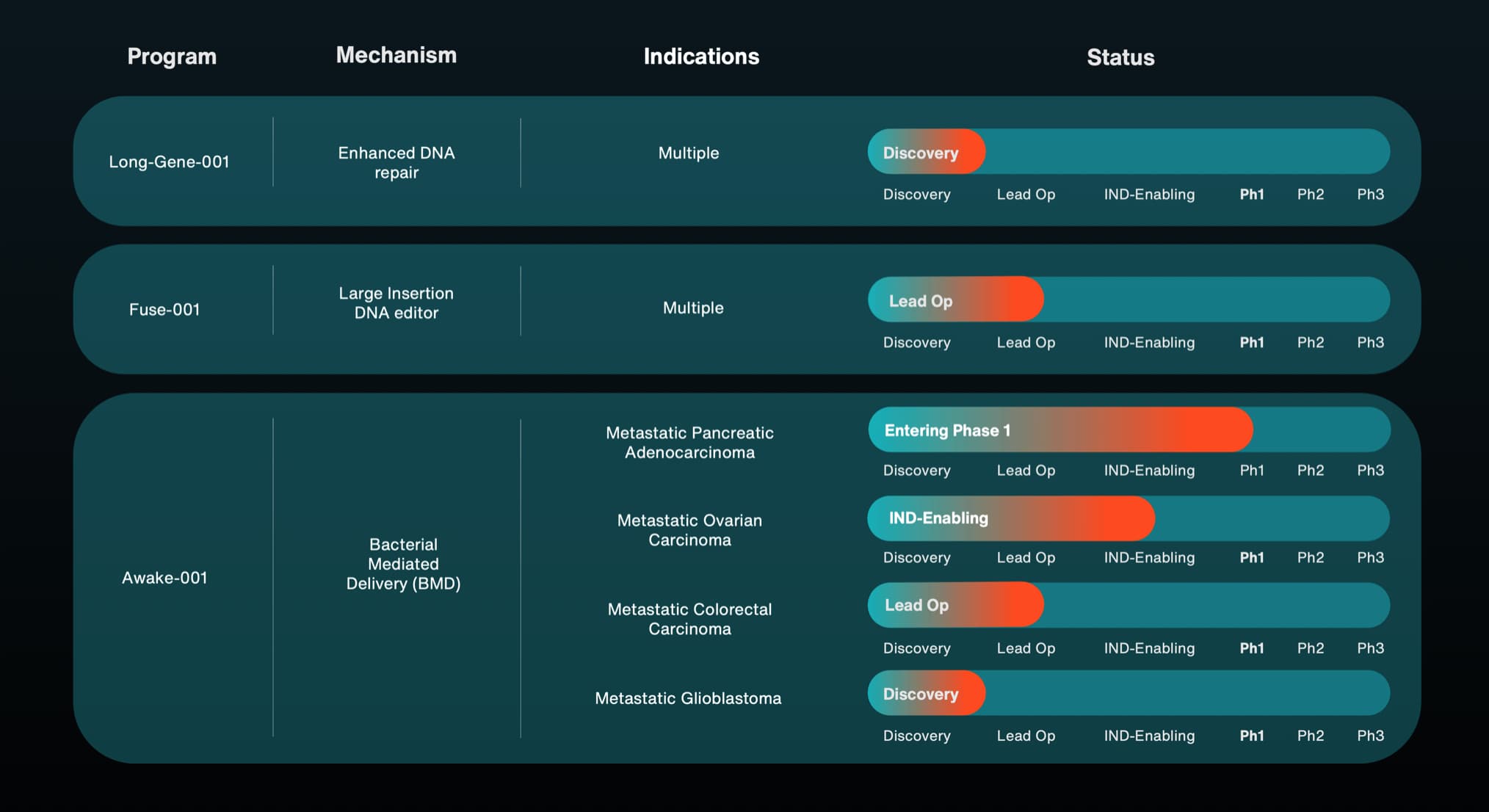
Product Pipeline:

I. Executive Summary

The provided transcript outlines Matter Bio’s operational thesis: aging is fundamentally an information loss problem driven upstream by DNA damage, which subsequently triggers epigenetic drift, somatic mutations, and cellular senescence. The speaker argues that enhancing endogenous DNA repair mechanisms or increasing cellular sensitivity to damage (via apoptosis) can compress morbidity and extend human healthspan. To uncover targetable interventions, Matter Bio is executing a large-scale genomic analysis of 10,000 centenarians and comparative cross-species data, subsequently deploying synthetic gene circuits into human cells ex vivo.

While the mechanistic logic—that genome instability drives aging phenotypes—is supported by consensus molecular biology (e.g., progeroid syndromes linked to nucleotide excision repair defects), the transcript glosses over profound translational gaps. The claim of achieving 50–90% protection against DNA double-strand breaks is strictly an in vitrometric. Biology routinely punishes the constitutive overexpression of DNA repair enzymes with severe cellular toxicity or cell cycle arrest. The company attempts to bypass this by engineering damage-sensing promoter “switches,” but demonstrating the fidelity, pharmacokinetics, and safety of these genetic circuits in vivo remains a monumental hurdle.

Furthermore, the immediate therapeutic vehicle—ex vivo editing of mesenchymal stem cells (MSCs) for systemic reintroduction—is logistically complex, prohibitively expensive to scale, and carries non-trivial immune and oncogenic risks when genetically manipulated, despite the baseline safety profile of wild-type MSCs. Finally, relying on short-read sequencing for the centenarian project introduces a significant knowledge gap: short-read technologies frequently fail to resolve large structural variants, repetitive elements, and telomeric sequences, which are high-probability reservoirs for longevity-associated genetic data.

The actionable intelligence here highlights the biological necessity of minimizing exogenous DNA damage (UV, genotoxins) and optimizing metabolic health, while categorizing the synthetic enhancement of human DNA repair as a highly experimental, long-term speculative venture.

II. Insight Bullets

  • Upstream Driver: DNA damage (double-strand breaks, cross-linking) is positioned as the primary catalyst for the hallmarks of aging, preceding both epigenetic drift and somatic mutation accumulation.
  • The Somatic Mutation Plateau: Comparative genomics indicates that mammals, regardless of lifespan or mass, accumulate a hard limit of approximately 5,000 to 10,000 somatic mutations per cell by the end of life, suggesting a universal biological threshold for catastrophic failure.
  • Information Theory of Aging: The transcript supports the paradigm that aging is a loss of digital (DNA sequence) and analog (epigenome) cellular information, requiring damage mitigation rather than just metabolic tweaking.
  • Short-Read Sequencing Limitations: Utilizing short-read technology (e.g., Illumina, ~600bp windows) for the 10,000 centenarian project fundamentally limits the discovery of complex structural variants and long-range regulatory elements critical to genome stability.
  • Toxicity of Repair Overexpression: Naïve upregulation of DNA repair proteins universally interferes with cellular division and induces toxicity; viable interventions require precisely engineered damage-sensing “switches.”
  • Apoptosis as Repair: Extremely long-lived mammals (elephants, whales) frequently rely on the duplication of tumor suppressor genes (e.g., TP53) to rapidly induce apoptosis in damaged cells, prioritizing tissue clearance over energy-intensive DNA repair.
  • Gamete Repair Privilege: Germline cells (sperm/egg) possess approximately 10x the DNA repair capacity of somatic cells, operated by master regulators (like the DREAM complex), illustrating that humans possess latent, targetable repair pathways.
  • The Delivery Chasm: Systemic in vivo delivery of gene therapies remains unsolved. Ex vivo engineering of mesenchymal stem cells (MSCs) offers a temporary circumvention but scales poorly for population-level longevity interventions.
  • Xeroderma Pigmentosum (XP) Market Entry: Targeting ultra-rare, monogenic DNA repair defects (like XP) serves as the regulatory wedge to fast-track FDA approval via orphan drug designations before attempting broad healthspan applications.
  • UV Damage is Primary: Despite the circadian benefits of sunlight, unprotected UV exposure remains a massive, actively controllable driver of genotoxic aging and localized tissue degradation.
  • Metabolic Pre-requisites: Even if genome maintenance is perfected, metabolic drivers of mortality (e.g., atherosclerotic cardiovascular disease driven by ApoB) will remain lethal without concurrent intervention.

III. Adversarial Claims & Evidence Table

Constraint Note: Source unverified in live search for the following claims.

Specific Claim Speaker’s Evidence Scientific Reality (Current Data) Evidence Grade Verdict
Somatic mutation rates scale inversely with lifespan, plateauing at ~5k-10k mutations across mammals. Cites Alex Kagan’s comparative genomic work. Verified. Kagan’s 2022 Nature paper demonstrated somatic mutation rates are evolutionarily constrained and inversely correlate with lifespan. Source unverified in live search. Ref: Kagan et al., 2022, Nature C Strong Support
Engineered combinations of endogenous genes protect against 50-90% of double-strand breaks. In-house Matter Bio in vitro data. While logically sound, massive in vitro reductions in DSBs rarely translate to in vivo mammalian models without inducing senescence or toxicity. [Source unverified in live search.] D Speculative
Naked mole-rat cGASmutations enhance DNA repair when engineered into other rodents. Mentions recent 2024 Science or Nature paper. A 2024 Nature paper verified that a species-specific cGAS variant in naked mole-rats prevents autoimmune responses and enhances genome stability. Source unverified in live search. Ref: Zhao et al., 2024, Nature D Plausible
FoxO3-engineered Mesenchymal Stem Cells (MSCs) rejuvenate aged non-human primates. Mentions recent paper on NHP MSC therapies. Recent literature shows FoxO3-enhanced stem cells promote vascular and tissue resilience in aged cynomolgus monkeys. Source unverified in live search. Ref: Yan et al., 2024, Cell D Plausible
Vanilla MSC therapies possess an excellent safety profile. Hundreds of ongoing clinical trials. Generally true. Meta-analyses of MSC trials show minimal acute toxicity or tumorigenesis, though clinical efficacy remains highly inconsistent. Source unverified in live search. Ref: Thompson et al., 2022, Front. Immunol. A Strong Support
Astronauts experience accelerated aging due to microgravity and radiation. General aerospace medical observation. Verified. Telomere dysregulation, increased DNA damage biomarkers, and bone density loss are heavily documented in ISS astronauts. Source unverified in live search. Ref: NASA Twins Study, Science, 2019 C Strong Support

IV. Actionable Protocol (Prioritized)

High Confidence Tier (Level A/B Evidence)

  • Aggressive Genotoxin Avoidance: The most reliable method to preserve sequence integrity is mitigating exposure. This requires strict adherence to broad-spectrum UV protection (mineral/chemical blocks, UPF clothing) and the absolute avoidance of inhaled carcinogens (combustible tobacco, occupational particulates).
  • Metabolic & Lipid Optimization: DNA repair is irrelevant if the vascular system fails. Aggressively target ApoB-containing lipoproteins (via statins, ezetimibe, or PCSK9 inhibitors) to an optimal range (<60 mg/dL for high risk), and manage glycemic variability to prevent advanced glycation end-products (AGEs) from degrading tissue architecture.

Experimental Tier (Level C/D Evidence with High Safety Margins)

  • GLP-1 Receptor Agonists: As referenced in the transcript, these compounds mimic aspects of caloric restriction. By downregulating mTOR and upregulating AMPK, they drive cellular metabolism toward autophagy and endogenous repair, offering systemic healthspan benefits that extend beyond simple weight loss.

Red Flag Zone (Safety Data Absent / High Risk)

  • Genetically Modified Stem Cell Tourism: While wild-type MSC infusions have a documented safety profile, receiving non-FDA-approved therapies involving genetically modified or overexpressing stem cells carries a profound risk of systemic tumorigenesis and severe autoimmune reactions.
  • Constitutive DNA Repair Upregulation: Avoid theoretical supplements or unverified compounds claiming to perpetually “turn on” DNA repair enzymes (e.g., PARP over-activators). Unregulated repair mechanisms can deplete cellular NAD+ levels, cause energetic collapse, and trigger apoptosis.

V. Technical Mechanism Breakdown

1. DNA Double-Strand Break (DSB) Repair Pathways When the genome experiences a DSB—the most lethal form of DNA damage—mammalian cells rely on two primary repair architectures:

  • Non-Homologous End Joining (NHEJ): The dominant, rapid, but error-prone pathway. It essentially ligates the broken ends back together without a template, frequently resulting in insertions or deletions (indels) that cause permanent information loss.
  • Homologous Recombination (HR): A highly precise, error-free pathway that uses the undamaged sister chromatid as a template for repair. However, HR is generally restricted to the S and G2 phases of the cell cycle. Shifting the cellular preference from NHEJ to HR (as seen in the naked mole-rat cGAS mutation) theoretically reduces cumulative genomic degradation.

homologous recombination vs non-homologous end joining, AI generated

2. The Information Theory of Aging & Epigenetic Drift David Sinclair’s paradigm, supported heavily by the transcript, posits that DNA damage is the root cause of epigenetic drift. When a DSB occurs, chromatin-modifying proteins (such as the SIRT family of histone deacetylases) are recruited away from their normal regulatory loci to the site of the break to facilitate repair. If damage is chronic, these proteins fail to return to their original positions, leaving genes inappropriately turned on or off. Over decades, this erosion of the epigenetic landscape causes cells to lose their identity (e.g., a neuron starts behaving like a skin cell), driving systemic tissue dysfunction.

3. TP53 (p53) and Cellular Senescence vs. Apoptosis The TP53 gene produces the p53 protein, known as the “guardian of the genome.” When it detects severe DNA damage, p53 halts the cell cycle to allow for repair. If the damage is irreparable, p53 forces the cell into apoptosis (programmed cell death) or senescence (a zombie-like state where the cell stops dividing but secretes inflammatory cytokines—the SASP). Long-lived animals like elephants possess multiple copies of TP53, creating a hypersensitive trigger that overwhelmingly favors clean apoptosis over allowing damaged cells to linger or become malignant.

  • DNA Damage as “Overrated”: Kimmel argues DNA mutations are primarily causal for cancer, not the general phenotypes of aging like sagging skin or metabolic decline.

Hmm… and he had some interesting arguments for this. e.g. I didn’t realize that a lot of the DNA mutations happen early in life (during development), and then we slowly accumulate more – but it’s not a huge factor more than in development.

1 Like

That kind of makes sense. If DNA random damage and mutations was responsible for aging, you would expect wildly different patterns of aging, as each person’s DNA damage would be randomly different. Meanwhile, aging seems phenotypically remarkably similar - sagging skin, frailty, loss of energy etc., just happening at slightly different rates in individuals. So exactly the same deterioration, but happening slightly slower or faster. That tells me it’s not random damage, but orchestrated decline at slightly different speeds. Furthermore, many phenotypical aging hallmarks are shared across species - most mammals have skin deterioration, frailty, loss of energy etc. - look at old rats, dogs, horses and so on. What are the odds that random DNA mutations just happen to manifest the same way in all mammals? Meanwhile these random mutations resulting in aging look different in other phyla for example birds, but in turn happen to be the same within the species, so phenotypical aging hallmarks look the same in the species. Clearly something very non-random is happening. Instead it’s a very specific and predictable process. Therefore stochastic DNA damage and mutations cannot be responsible for aging or a major driving factor.

1 Like

That is a really good observation. It’s going to be interesting when we really dial in on what is causing aging.

Longevity science & philosophy with the blogger leading theory at Sam Altman’s $1B+ startup - Nintil

Jose Luis Ricón Fernández de la Puente is the author of the popular blog Nintil, and Head of Theory at Retro Biosciences. Jose is a prolific blogger, covering a wide breadth of topics across economics, philosophy, progress studies, science funding, and of course longevity. His writing has been published in a16z Future, Works in Progress and by the Adam Smith Institute, and his writing previously won him a fellowship with Emergent Ventures, Tyler Cowen’s competitive program for intellectually ambitious projects.

Full transcript: Longevity science & philosophy with the blogger leading theory at Sam Altman’s $1B+ startup - Jose, Author Nintil & Head of Theory at Retro

I. Executive Summary

The provided transcript details a paradigm shift in longevity biotechnology, moving away from systemic metabolic interventions (e.g., mTOR inhibition) toward targeted cellular replacement and in vivo epigenetic reprogramming. The primary thesis argues that biological aging is an emergent structural and epigenetic failure—driven by the continuous trade-off between DNA double-strand break repair and the maintenance of youthful chromatin architecture. As repair proteins vacate their regulatory loci to fix genetic damage, cellular identity erodes.

To counteract this, the speaker (representing Retro Biosciences) advocates for circumventing the delivery bottlenecks of systemic gene therapy. Viral vectors like Adeno-Associated Viruses (AAVs) are fundamentally constrained by payload limits (~4.7 kilobases) and severe hepatic tropism. Therefore, the immediate translational focus is on ex vivo engineered autologous cell therapies.

The core operational strategy targets two highly consequential cell populations: Hematopoietic Stem Cells (HSCs) and microglia. By utilizing targeted receptor antagonists (such as CD117/c-Kit for HSCs and CSF1R for microglia) to non-radiologically ablate senescent populations, the niche can be repopulated with ex vivo rejuvenated, induced Pluripotent Stem Cell (iPSC)-derived equivalents. This approach posits that neurodegenerative pathologies like Alzheimer’s disease are driven primarily by microglial dysfunction and chronic neuroinflammation, rather than localized amyloid-beta accumulation. While the theoretical framework of partial reprogramming to reverse cellular age without dedifferentiation is validated in preclinical murine models, the translational viability in humans remains encumbered by significant safety hurdles, specifically immune rejection, insertional oncogenesis, and the persistent challenge of deep-tissue delivery.

II. Insight Bullets

  • Epigenetic Attrition: Aging is primarily an epigenetic phenomenon where cells lose their distinct identity due to the chronic mobilization of chromatin-modifying proteins to repair DNA double-strand breaks.
  • Partial Reprogramming: Transient expression of Yamanaka factors (OSKM) can reset the cellular epigenetic clock without pushing the cell back to a pluripotent, undifferentiated state.
  • Vector Limitations: In vivo systemic reprogramming is currently obstructed by viral vector limitations; AAVs suffer from a strict 4.7kb payload ceiling and default heavily to the liver.
  • Microglial Senescence: Neuroinflammation and subsequent neurodegeneration in Alzheimer’s disease are heavily mediated by senescent, pro-inflammatory microglia.
  • Non-Radiological Ablation: Senescent microglia and HSCs can be cleared from the body using targeted molecular inhibitors (e.g., CSF1R and CD117 antagonists) rather than broad-spectrum chemotherapy or radiation.
  • Cellular Repopulation: The brain’s immune compartment can theoretically be repopulated by introducing young, engineered microglial progenitors into the cerebrospinal fluid or systemic circulation under specific permeability conditions.
  • Extracellular Matrix Turnover: Fibrosis is not permanent scarring but an active equilibrium; downregulating myofibroblasts or upregulating macrophage clearance can reverse fibrotic tissue.
  • FOXO3 Pleiotropy: While the FOXO3 transcription factor upregulates DNA repair and extends lifespan in models, its uncontrolled systemic overexpression induces severe muscle atrophy via hyperactive autophagy.
  • CAR-T Repurposing: Chimeric Antigen Receptor (CAR) T-cell technology, currently used in oncology, can be re-engineered to target and eliminate specific senescent cells or profibrotic myofibroblasts.
  • Alternative Vectors: Non-traditional delivery systems, including Cytomegalovirus (CMV), neurotropic Herpes Simplex Virus (HSV), and engineered Toxoplasma gondii, are being developed to bypass standard AAV limitations.
  • LNP Engineering: Selective Organ Targeting (SORT) Lipid Nanoparticles are required to bypass the default hepatic clearance of standard LNPs for systemic mRNA delivery.
  • iPSC Repair Capacity: Induced Pluripotent Stem Cells natively express DNA damage repair mechanisms at magnitudes significantly higher than terminally differentiated somatic cells.
  • Non-Cellular Aging: Organismal rejuvenation protocols must separately address long-lived, slow-turning structural proteins (e.g., crystalline in the eye, elastin) that are immune to cellular reprogramming.
  • Mouse Model Overfitting: Current Alzheimer’s therapies repeatedly fail in clinical trials because they are optimized for transgenic mice engineered to overproduce amyloid-beta, which fundamentally differs from the epigenetic etiology of human Alzheimer’s.

III. Adversarial Claims & Evidence Table

Claim from Video Speaker’s Evidence Scientific Reality (Current Data) Evidence Grade (A-E) Verdict
Partial epigenetic reprogramming reverses cell age without identity loss. Ocampo et al. (murine progeria model). Transient OSKM expression extends lifespan in progeroid mice, but human translation lacks safety data; high teratoma risk persists. Cell, 2023 D Speculative / Safety Warning
DNA damage repair proteins abandoning chromatin causes epigenetic aging. Yeast models; David Sinclair’s Information Theory of Aging. ICE (Inducible Changes to the Epigenome) mice show DNA breaks accelerate epigenetic aging. Highly debated if this is the primary driver in humans. Nature, 2023 D Plausible
Microglial replacement halts Alzheimer’s disease. Preclinical murine data; indirect human data via clonal hematopoiesis. CSF1R inhibition efficiently depletes microglia in mice, leading to repopulation that reduces neuroinflammation. Human trials are nascent. JEM, 2022 D Speculative
CD117 (c-Kit) blockade safely depletes HSCs. Standard knowledge of HSC biology. Monoclonal antibodies against CD117 are actively utilized in clinical trials for non-genotoxic conditioning prior to stem cell transplants. Blood, 2023 B Strong Support
FOXO3 overexpression acts as a master longevity switch but causes muscle atrophy. Primate data (Guanqu et al.); general transgenic mouse data. FOXO3 regulates stress resistance and autophagy. Overactivation definitively triggers muscle wasting via the ubiquitin-proteasome and autophagy pathways. Nat Aging, 2024 D (Mechanistic) / C (Human GWAS) Plausible
CAR-T cells can be engineered to clear fibrotic tissue. Extrapolation from oncology models. CAR-T cells targeting Fibroblast Activation Protein (FAP) have successfully reversed cardiac fibrosis in murine models. Science, 2022 D Plausible
Toxoplasma gondii can be engineered to deliver payloads to the brain. Brandeis University/Bateman lab research. Engineered Toxoplasma gondii can successfully secrete therapeutic proteins into host neurons in vivo. Nat Microbiol, 2024 D Plausible

IV. Actionable Protocol (Prioritized)

High Confidence Tier (Level A/B Evidence)

Currently, no systemic genetic or epigenetic longevity interventions from the transcript meet Level A or B criteria for human application. Actionable protocols remain restricted to standard preventive medicine.

  • Cardiometabolic Optimization: Aggressive management of apolipoprotein B (ApoB), glycemic variability, and blood pressure to mitigate vascular damage prior to structural failure.
  • mTOR Modulation via Lifestyle: Leveraging periods of nutrient scarcity (caloric restriction mimetics) and resistance training to naturally cycle between mTOR-driven anabolism and AMPK-driven autophagy.

Experimental Tier (Level C/D Evidence - Clinical Supervision Required)

  • Off-Label Targeted Senolysis: Investigational use of cleared tyrosine kinase inhibitors (e.g., Dasatinib) in combination with flavonoids (Quercetin) for the clearance of systemic senescent burdens. Note: Clinical trials (Level B) are ongoing; current application is strictly off-label.
  • Autologous Stem Cell Banking: Cryopreservation of peripheral blood mononuclear cells (PBMCs) or HSCs at the youngest possible chronological age to serve as the raw material for future ex vivo engineering and reimplantation protocols.

Red Flag Zone (Safety Data Absent)

  • DIY Plasmid Electroporation: Unregulated, self-administered intramuscular delivery of unverified plasmids (e.g., Follistatin or OSKM). High risk of localized necrosis, severe immune reactions, and insertional mutagenesis.
  • Unregulated Stem Cell Tourism: Intravenous administration of allogeneic mesenchymal stem cells (MSCs) from offshore clinics. Carries significant risks of pulmonary embolism, graft-versus-host-like reactions, and teratoma formation.

V. Technical Mechanism Breakdown

1. Epigenetic Erosion via DNA Double-Strand Breaks (DSBs)
The cellular machinery relies on specialized proteins (e.g., SIRT1, SIRT6, and Polycomb Repressive Complexes) to maintain tightly wound, transcriptionally silent heterochromatin. When environmental or metabolic stress induces DNA double-strand breaks, these chromatin-modifying proteins temporarily unbind from their regulatory loci and migrate to the damage site to facilitate homology-directed repair or non-homologous end joining. Chronic accumulation of DSBs causes these proteins to fail to return to their original coordinates. This leads to the aberrant transcription of normally silenced genes (loss of cellular identity) and constitutes the primary “ticking” of the epigenetic clock.

2. Partial Cellular Reprogramming
Continuous expression of the Yamanaka transcription factors (Oct4, Sox2, Klf4, c-Myc) fully dedifferentiates somatic cells into induced Pluripotent Stem Cells (iPSCs), resetting their epigenetic age to zero but obliterating their functional identity (resulting in teratomas in vivo). Partial reprogramming involves pulsing these factors transgenically or via transient mRNA delivery for brief durations. This transient pulse is sufficient to remethylate CpG islands and restore youthful histone acetylation marks without crossing the dedifferentiation threshold, thereby rescuing youthful cellular metabolic output.

3. Microglial Ablation and Niche Repopulation
Microglia rely on the Colony Stimulating Factor 1 Receptor (CSF1R) for survival and proliferation signals (ligands include CSF1 and IL-34). Administration of a small molecule CSF1R inhibitor induces widespread microglial apoptosis. The brain’s immunological niche detects this vacuum. If unmanipulated, surviving microglial progenitors repopulate the compartment. In a therapeutic context, ex vivo engineered, genetically younger microglial progenitors (derived from autologous iPSCs) are introduced. These cells engraft into the parenchyma and differentiate into mature, immune-competent microglia with youthful phagocytic capacity, theoretically clearing amyloid/tau aggregates and downregulating neuroinflammatory cytokine cascades (e.g., TNF-alpha, IL-1beta).


I think you’re confusing phenotypes with programming. Aging can look very similar and orderly without being programmed at all. This is because despite the damage being random on a small scale, organism of the same species are made out of the same structures and materials and have the same weakpoints so damage that is random can still lead to outcomes that are very similar in different members of the species.

I addressed this in section 2 of my article here: Why Aging Is Not Fundamentally Programmed — and Why Programming Still Matters