Fool-proof Real; Hair Growth in 6 months... Done with the fads and hair hype that doesn't work

Rapamycin for Hair Growth and Hair Pigmentation. A topic started by RapAdmin – December 2021

Here we are 4 ½ years later and 605 posts/replies. Heck, I contributed 121 posts to the topic alone – nobody could be more invested in hair regrowth than me, wanting to figure out an answer to regrowth of lost hair and improve the thickness. My youthful passion – long before longevity became my new hobby. So, if thanks to Rapamycin, TRT, HGH and Descovy – I am going to live an additional 20-25 years; then, I want those extra years with a nice thick, crop of hair. Right?!?

Look good and feel good. As mentioned, I started my hair loss prevention decades ago with Proscar/finasteride at the age of 33 years. It helped stabilize my hair, but at 68 years old – hair loss is finally catching up with me. Yep, the comb over works pretty well – until the wind blows. Then it sucks.

Guys, it’s been way too long trying stuff… chasing new fads, spending cash only to be disappointed. It is time to face the facts. Everything on this topic is not working to get that head of hair back. Simply… stated it’s just not working!

Sure, I have seen brief successes followed by equally profound setbacks – all the way to the starting point or sometimes even less. It’s disappointing as hell to say the least. DAMN!! So desperate, even watched the hair pieces videos on YouTube … those rugs are a lot of work – all that taping, glue-ing… cleaning… can look amazing… but in the end it’s a lie. And you can tell they aren’t real if you look very close. Hair by its nature changes daily… wigs do not change. I think maybe great if you have alopecia or hair loss from cancer treatments maybe… but it’s just not for me.

But hold on… it isn’t hopeless. That’s right, the hair game is not game over at 60, just needed to review all the facts at hand. If what you are doing isn’t working, then it is time to go in a completely new direction. And finally, yes finally… I have hit permanent success! It’s really growing… it’s mine and its thick.

The problem was partially not seeing the reality of the only 3 Steps to keeping and having a full head hair. Doing some things did help me – definitely slowed my hair loss progression, but never got a real payoff for all the effort. Hair Loss Treatment restoration uses a three- step/pillar strategy: prevention to stop loss, stimulation to awaken dormant follicles, and augmentation (transplants) for permanent filling. Combining these 3 methods is the standard for long-term density and coverage.

Here is an informative video that discusses this 3-Pillar/Step strategy.

How To Reverse YOUR Hair Loss - Doctor Gary Linkov Link: https://www.youtube.com/watch?v=JwL1yS5Su5U&t=434s

I have watched lots of Dr. Linkov’s hair transplant vids/podcasts online before doing my own research and finding the perfect hair transplant surgeon. I saw all the mistakes, disappointments from the cheap costs clinics. You cover flight and treatment in Turkey, Asia and UK travel hair transplant and get a variety of results. Saw dozens of “start-to-finish” videos.

I didn’t want to travel to Turkey. Where I don’t speak the language for a procedure done like a factory, in a sketchy – iffy clinic, and then travel home.

Due diligence pays off… I found that indeed you can do a hair transplant here in the USA, with the best hair surgeon and transplant team at basically the same costs. Only here you have USA medical standards protection. Interested? More of that at the end of this post.

The 3 Steps are:

Prevention – Stopping the hair loss. Maintaining what you had in the 20’s and stopping the slow creep of hair loss.

There are only two things that actually work in prevention. I was fortunate to be an early adopter 35 years ago of using oral Proscar (finasteride) when I hit 33 years and first began seeing obvious hair loss. No doubt finasteride is the main reason I have maintained a pretty thick supply of hair to date. Kept me at my 33-year-old hair look. Today we know for a fact that finasteride blocks DHT and helps keep the hair you have. Dutasteride is maybe even a bit better for some, but same principle – block DHT and keep your existing hair – preventing or slowing additional loss. I am considering switching to dutasteride at my next physician visit in August. You can use a topical, but tbh oral 2-5 mg daily is more efficient.

The other prevention medication that I actually learned about on rapamycin.news is oral minoxidil. I started taking oral minoxidil about 2 years ago. Minoxidil opens up the blood flow that the hair needs to stay thick and healthy. Again, you can use a topical, but oral 5 mg daily is more efficient. You may get some regrowth (nothing too crazy), but healthier hair. That’s it… keep what you have, maybe… maybe get a bit back – but don’t expect a return of your thick youthful hair. Stopping the loss progression is a foundation to getting your youthful hair back – stop the thinning.

Stimulation is the next step. Once you have stalled the loss and what you have is healthy and thriving. You move to stimulation. Stimulation treatments work by improving scalp blood flow, extending the hair’s growth phase (anagen), and increasing the thickness of existing hair strands.

Regenerative Procedures: Treatments like Platelet-Rich Plasma (PRP) utilize growth factors from your own blood to revitalize dormant follicles. Scalp Microneedling: Creates controlled micro-injuries in the scalp that activate healing responses and boost growth factor pathways. Light & Energy Therapies: Low-level laser therapy (LLLT) uses red light wavelengths (650-655 nm) to stimulate cellular metabolism and encourage hair regrowth. Devices like the NOOĀNCE Hair Helmet offer targeted, at-home light stimulation. FoLix laser by Lumenis.

Topical Treatments: Over-the-counter Minoxidil (available as foam or 5% solution) is a potassium channel opener that delivers vital oxygen and nutrients to follicles.

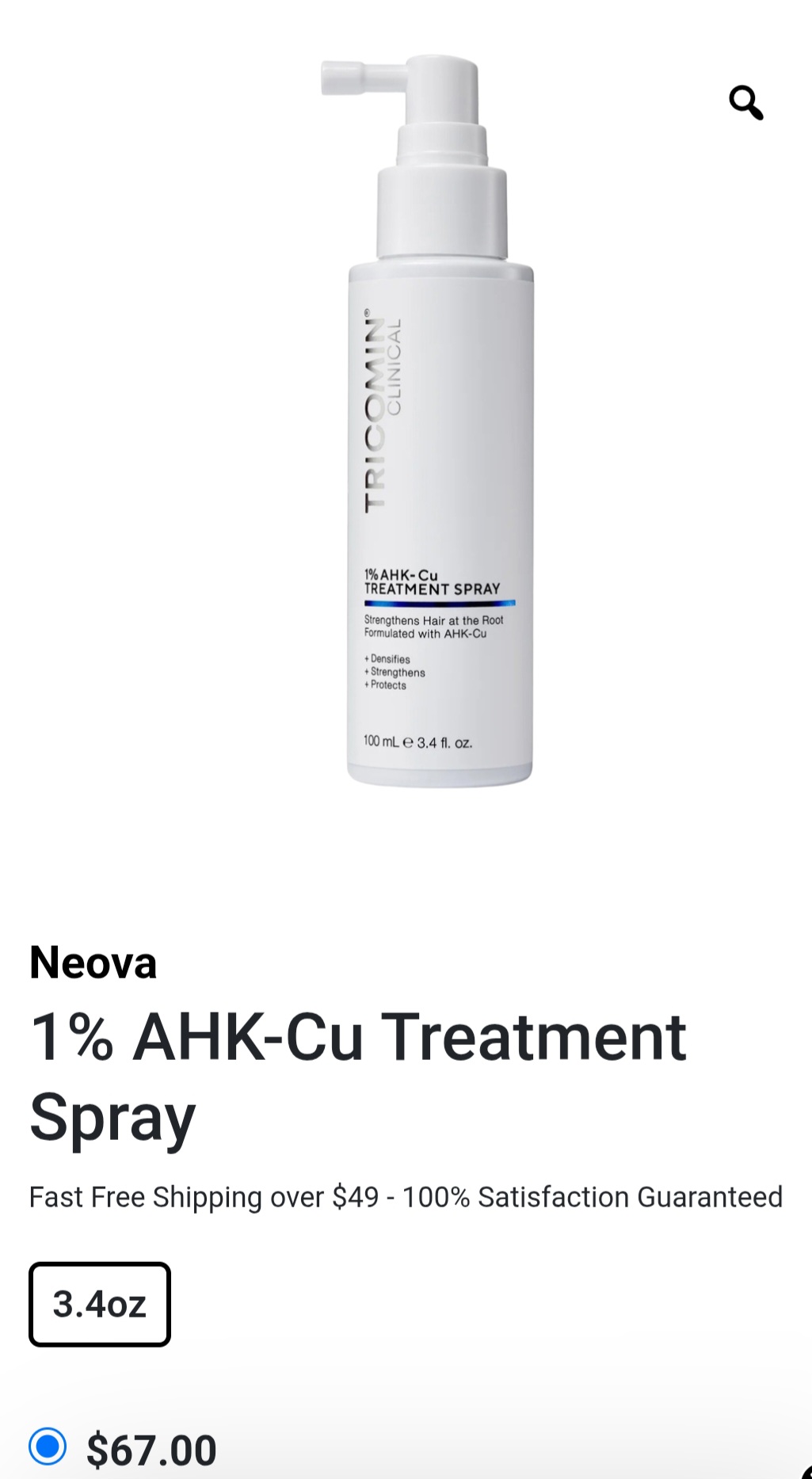
1% AHK-Cu Treatment Spray Tricomin topical. 1% Copper Tripeptide Complex delivers essential micronutrients to promote scalp wellness and address visible thinning. Stimulation treatments work by improving scalp blood flow, extending the hair’s growth phase (anagen), and increasing the thickness of existing hair strands.

However, stimulation will not grow new hair despite all the products and hype. You can pretty much skip Stimulation – as it doesn’t work… and just do do Prevention and Augmentation.

Augmentation – hair transplants (Restoring Density) When follicles have miniaturized completely and bald spots have formed; non-surgical treatments (stimulation) cannot create new follicles. You are not getting more or thicker. Augmentation i.e. transplanted hair restores actual hair counts. You are getting thick, healthy hair back where it has vanished.

Hair Transplants: Procedures like Follicular Unit Extraction (FUE) transplanting individual hairs, or Follicular Unit Transplantation (FUT) – taking a strip off the back (more invasive) – move healthy, DHT-resistant hair follicles from the back of the scalp to thinning or bald areas.

For me, due to a shorter recovery time 2-days and within a week being back to normal at work no evidence of the procedure at all… I choose FUE - Follicular Unit Extraction taking individual hairs from the back of head. These back head hairs are DHT resistant hairs and can be moved to the areas that DHT has compromised hair or already had permanent hair loss.

I am so done with all the red (hairings) herrings… or hunting the holy grail of hair restoration snake oil – stimulation stuff.

If you want to get the FUE procedure done here in the USA for $6,000 – $7,000 – cost depends on the hair count you need. I had 1,200 graphs at $6,500. That is a comparable cost to a round-trip flight and treatment in Turkey – where you take more time and more risks.

Personally, I want as my hair surgeon – an experienced, proven American physician with 20 years of hair transplant surgeries and the same 15-year team helping. Skilled, fast and excellent results. Interested in checking it out? Private Message me and I will share my surgeon’s contact clinic – just like I have done with HGH sources and other tips over the years.

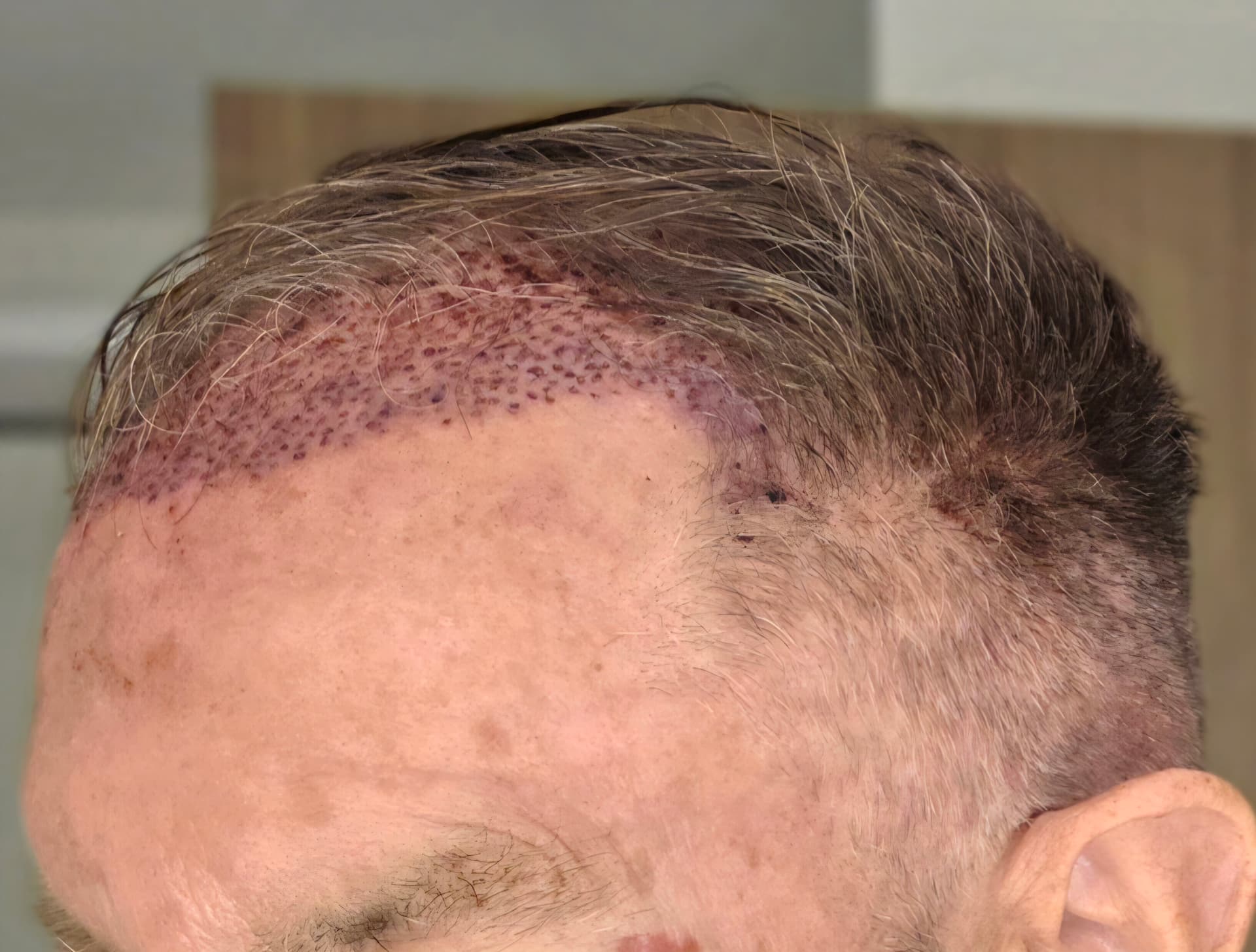
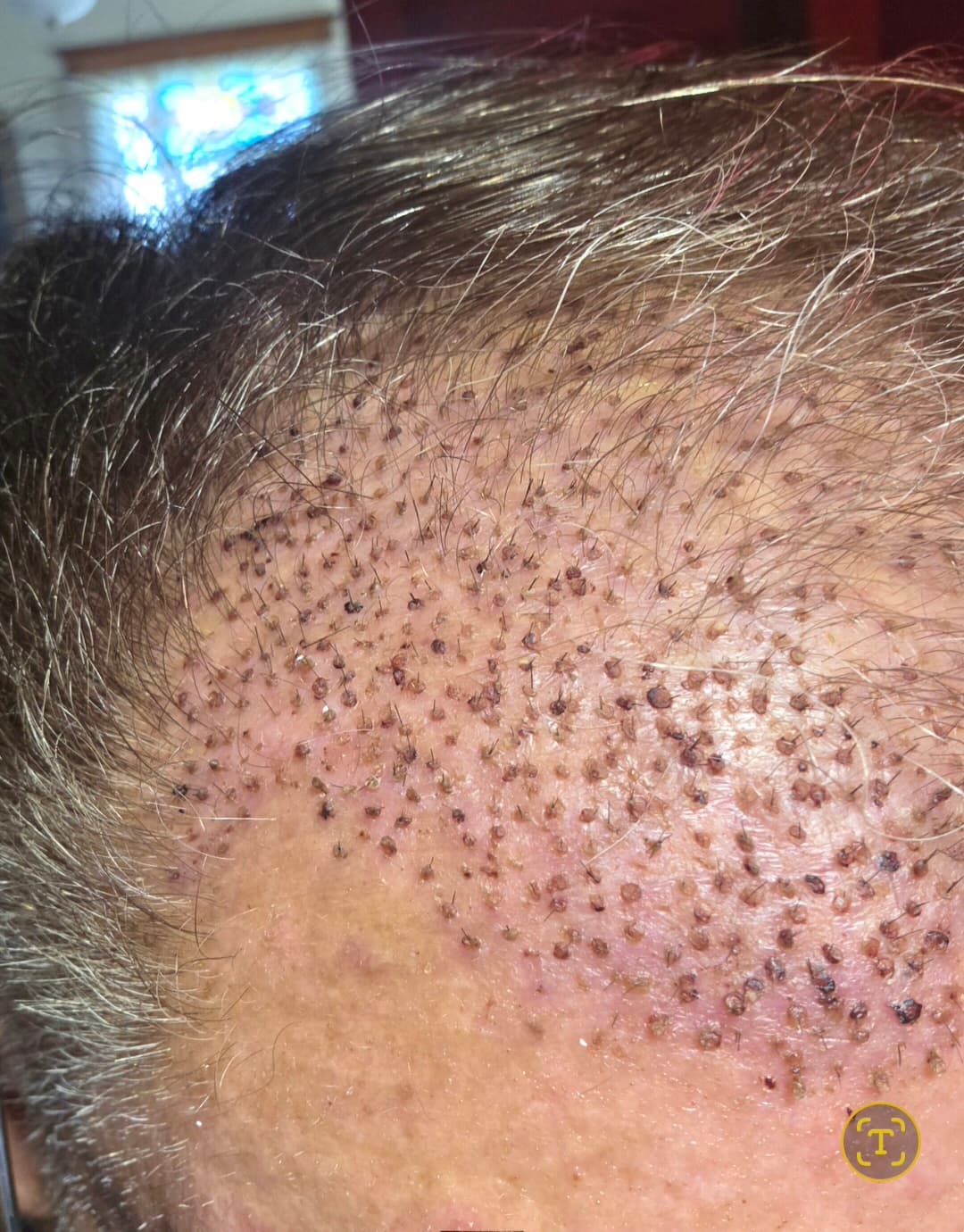
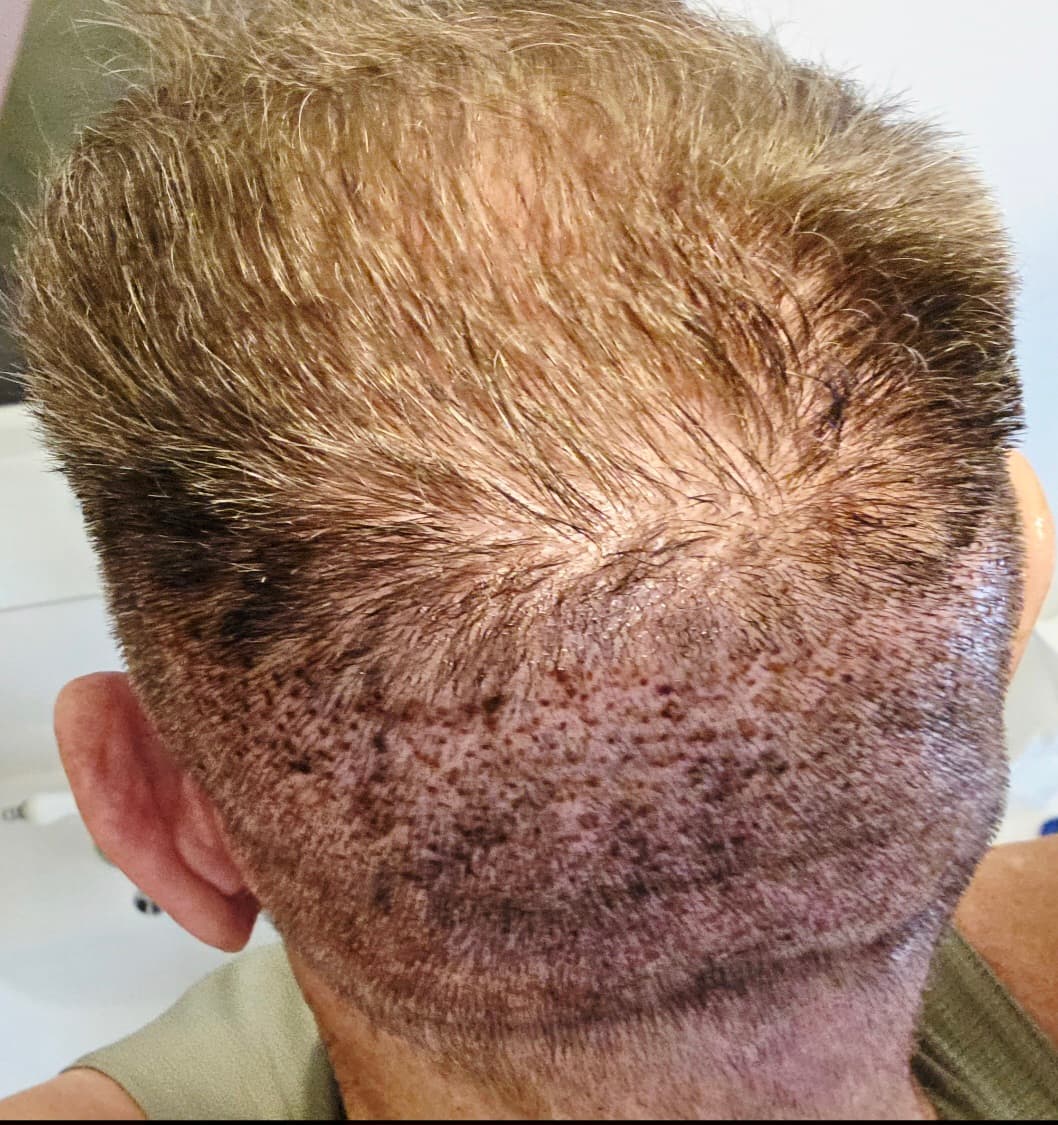
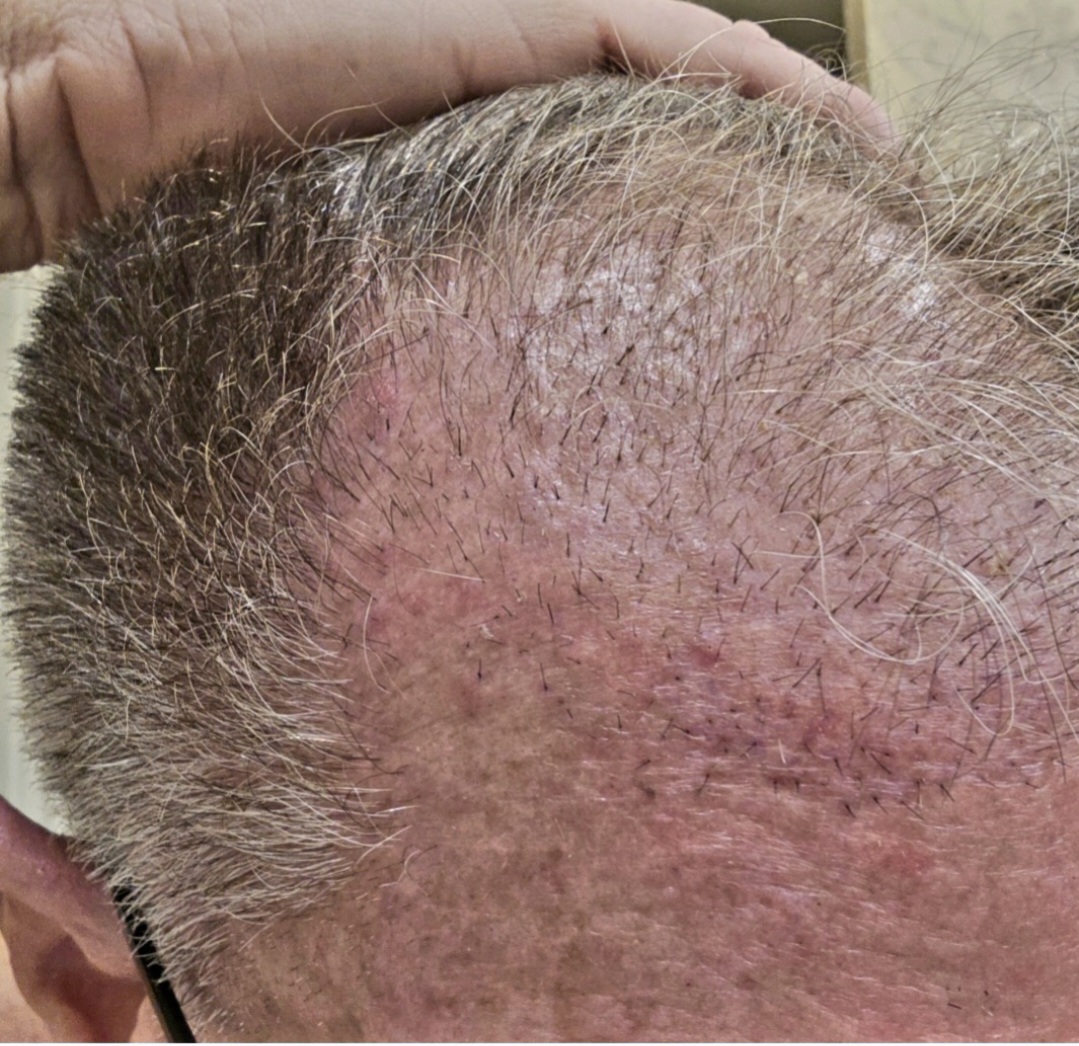
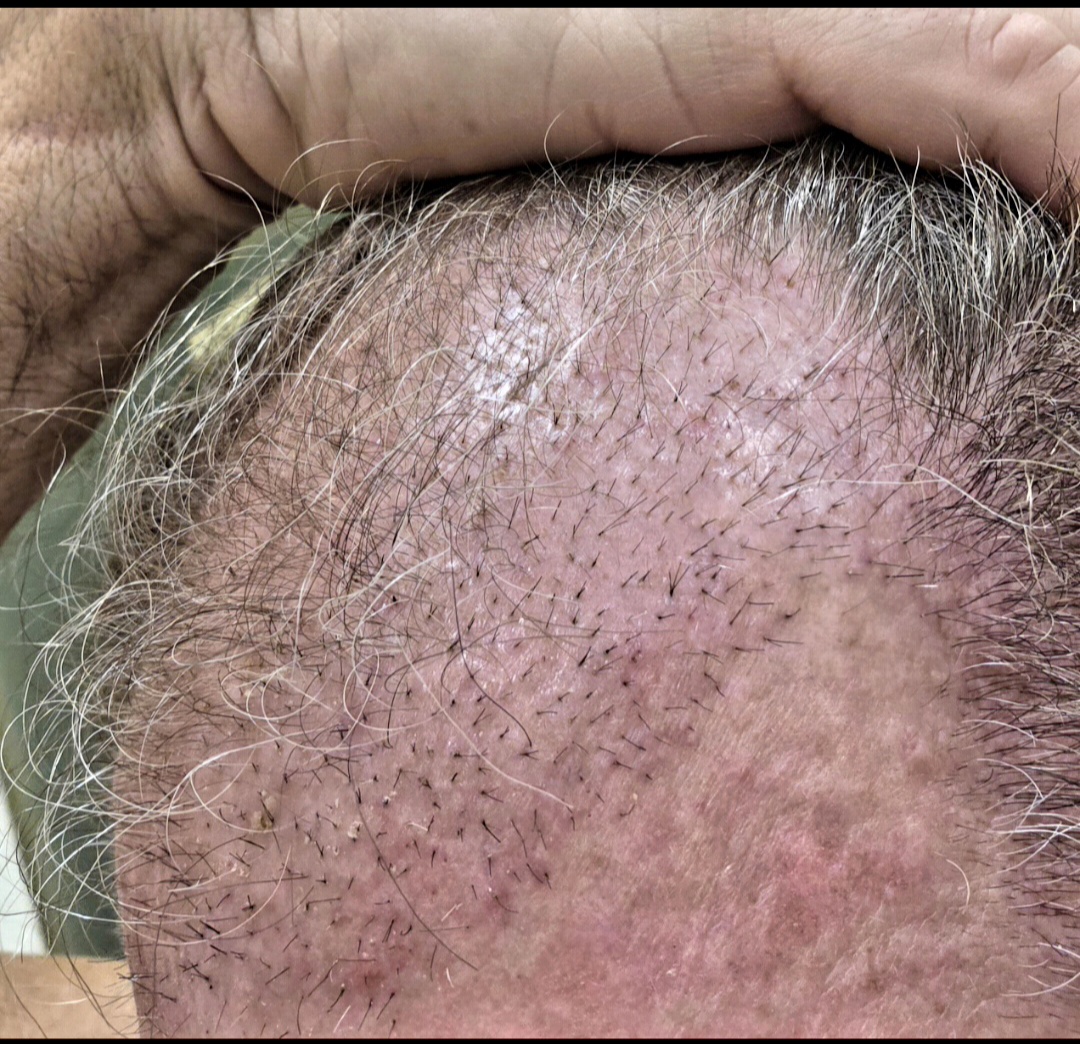
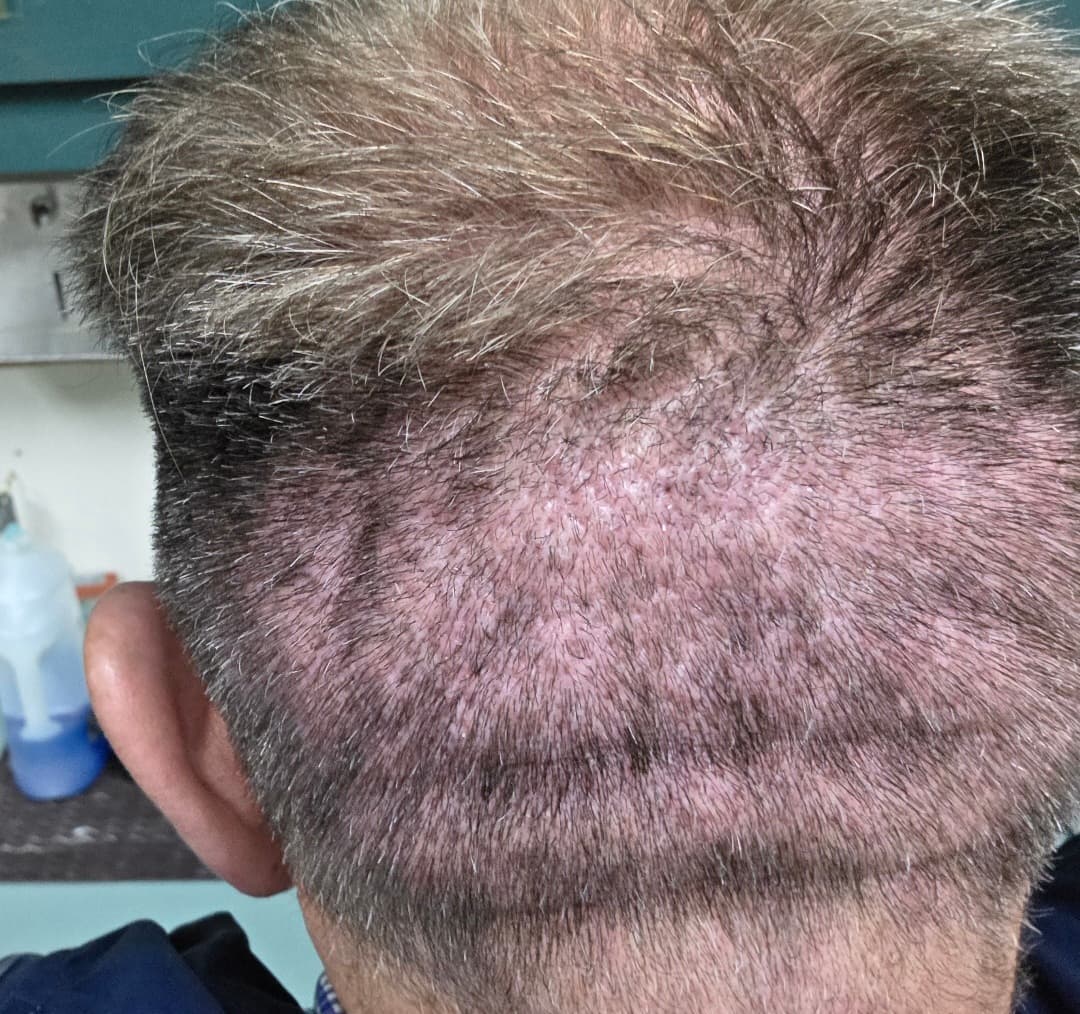
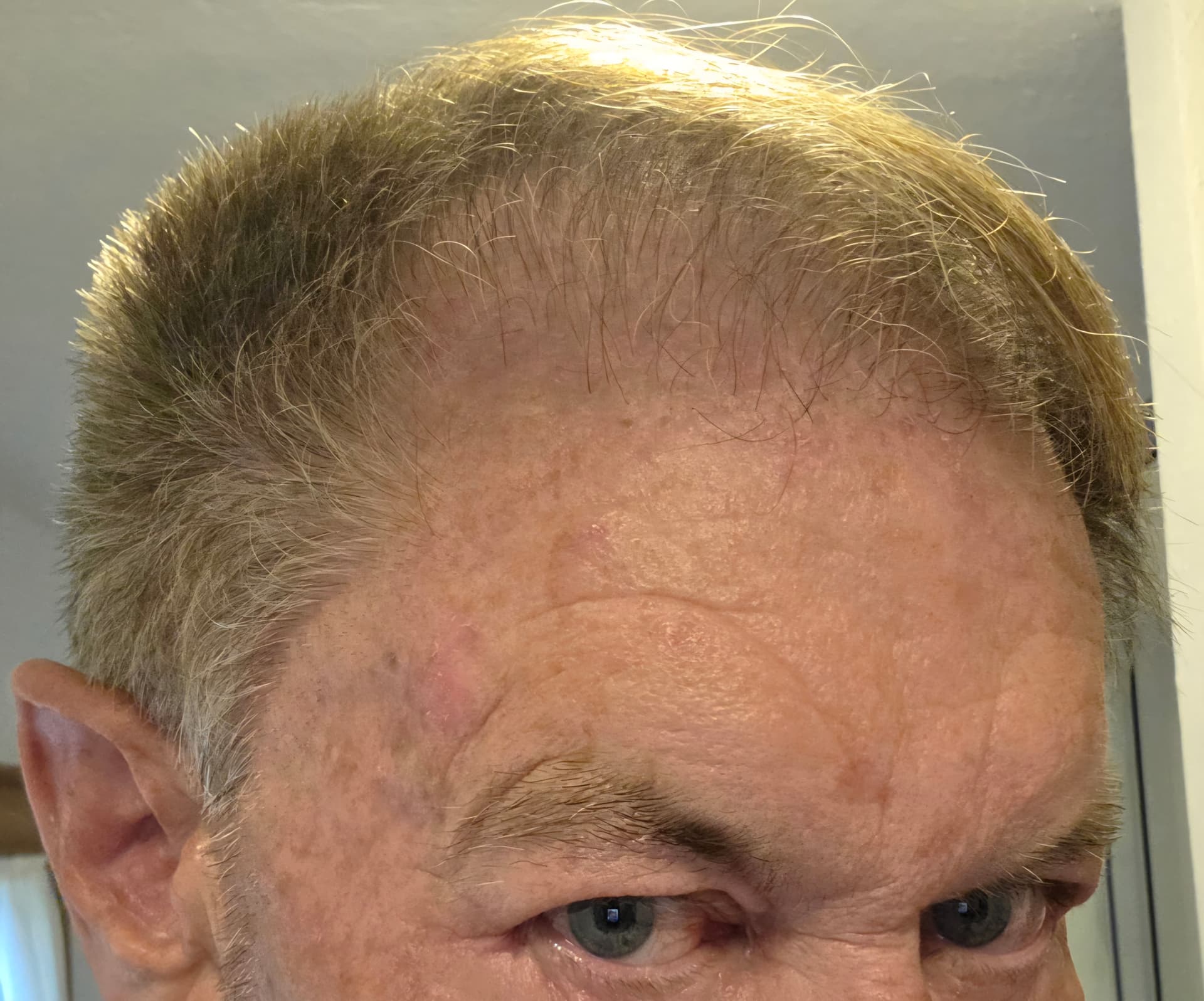
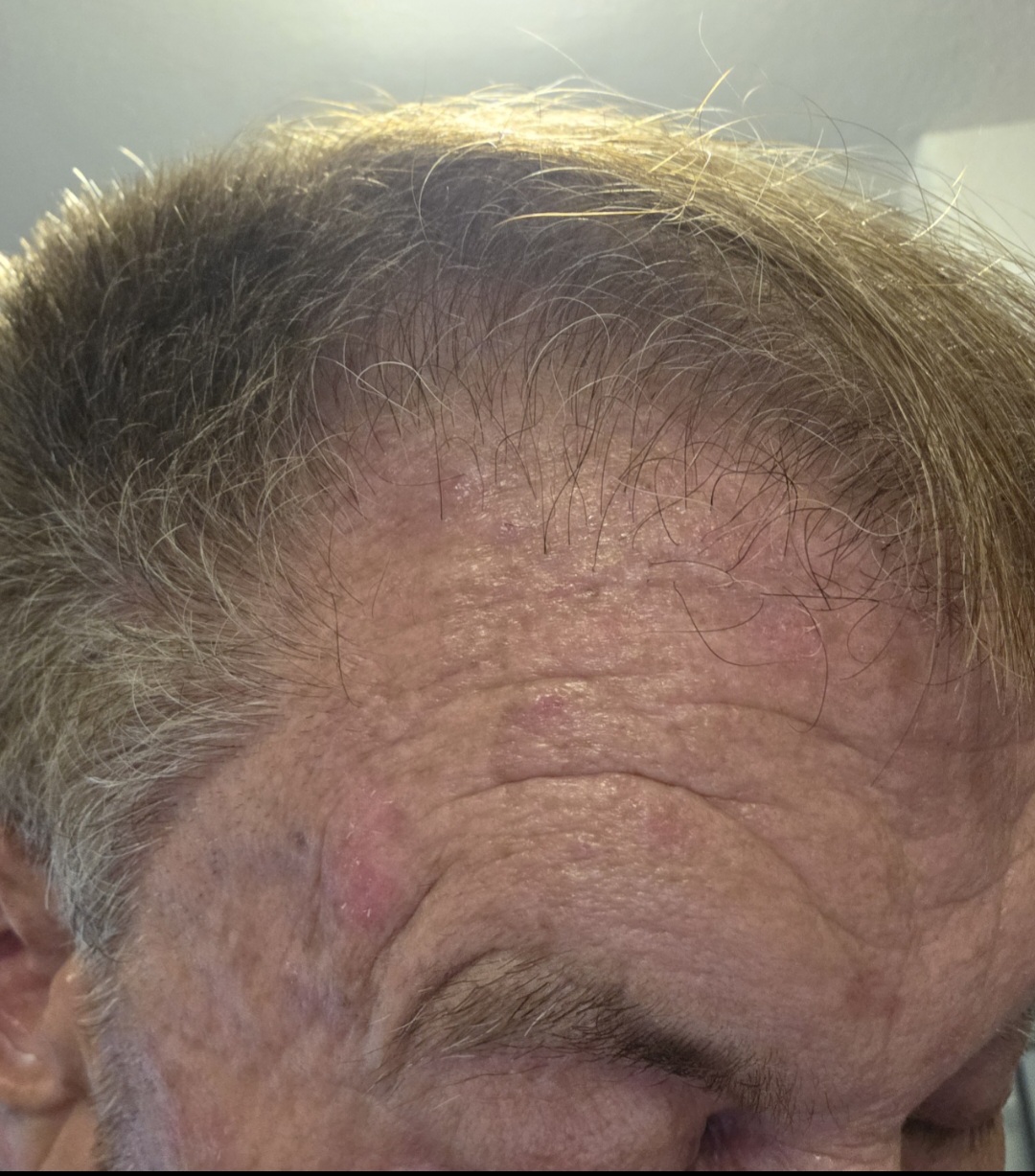
Now, on to my FUE procedure pics!


Me the day before my FUE hair surgery. Hair is a hot mess!
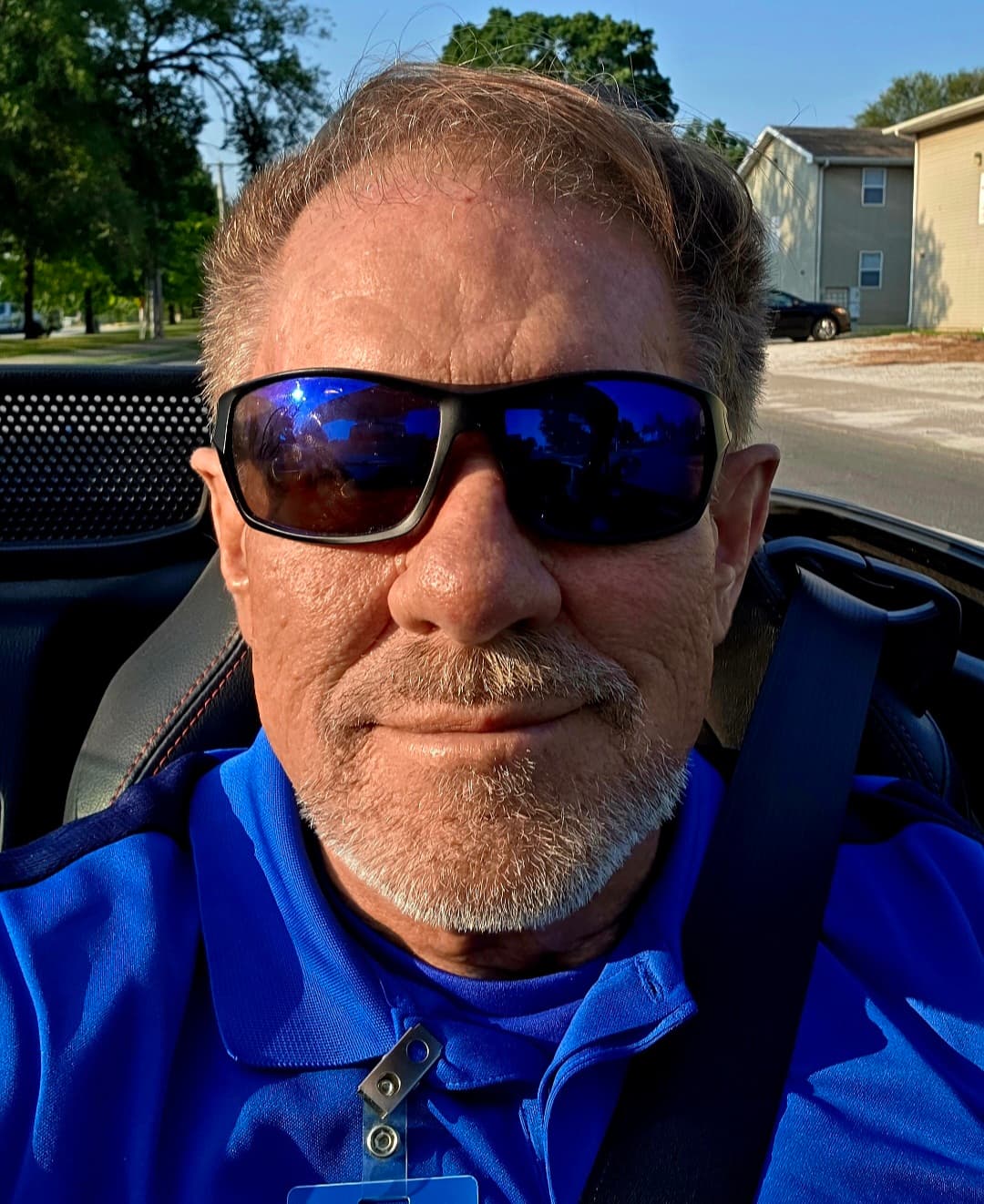
Me today at 4 months & 10 days.
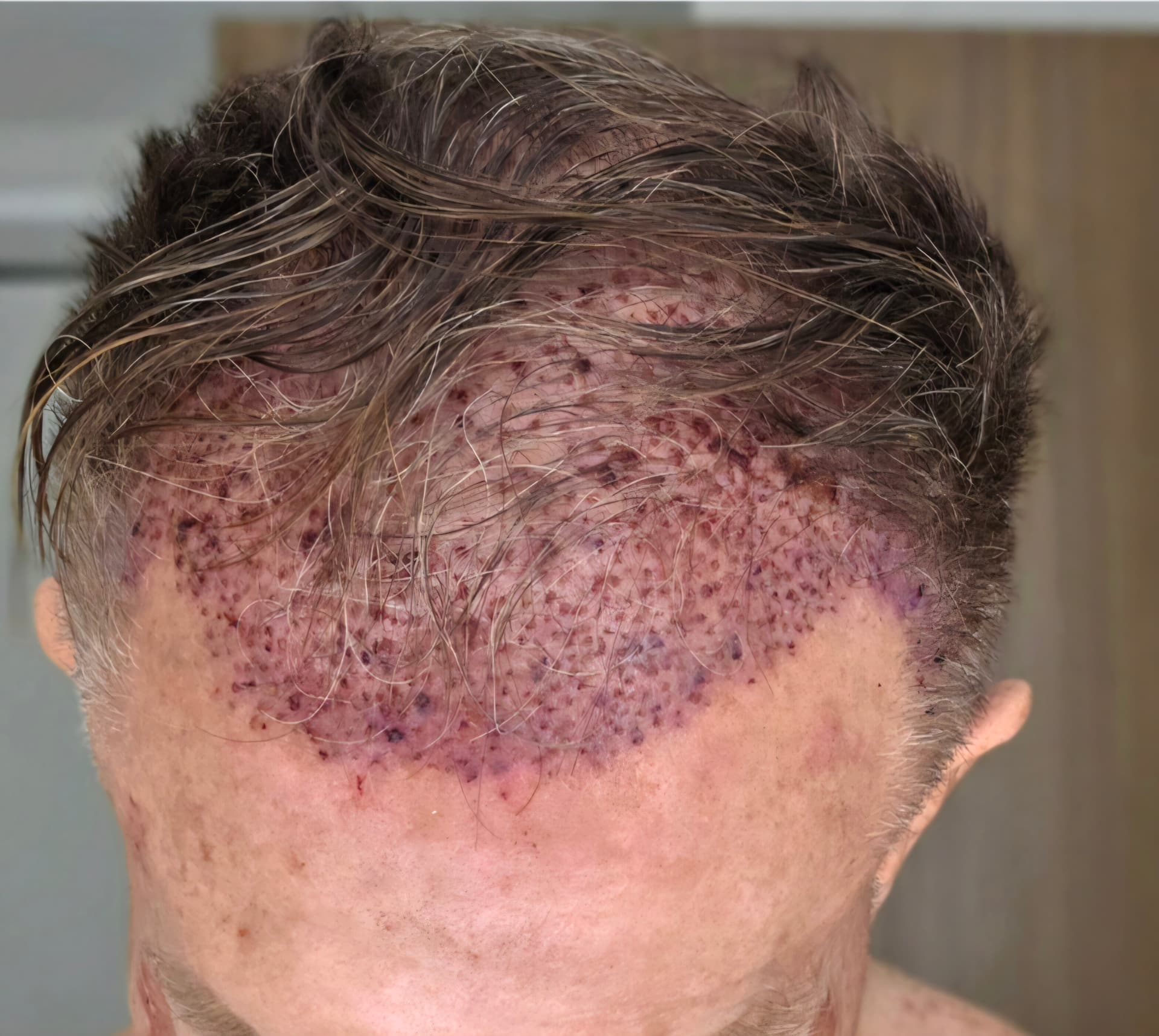


The day after FUE surgery.
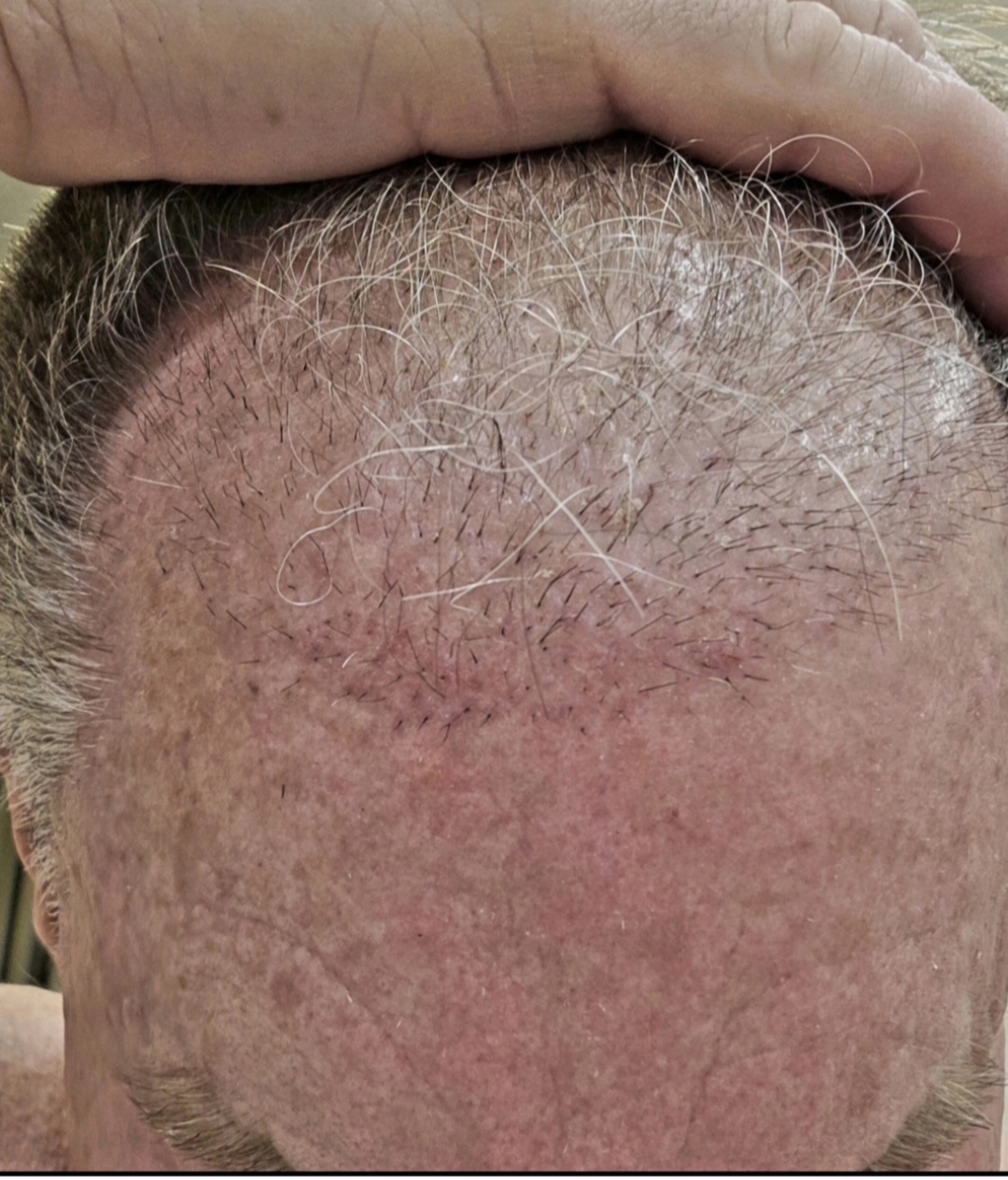


10 days post FUE surgery.

All that hair falls out… the follicles go into dormancy from shock… then magically start growing out at 3 months.

Very happy with it all. Fantastic. I will update with pics every month… next pics at 5 months.
19 Likes

Good decision and the doctor gave you a fairly conservative hairline.

2 Likes

Yes, she’s very skilled, and a perfectionist with 20 years of expertise at this surgery.

In hindsight, so fortunate to have someone of her skills and expertise at a very low cost.

There is an art to not just moving the hair follicles, but having them grow in the correct direction and match your natural pattern.

She worked to recreate my cowlick… actually there are 2 cowlicks… front right and left. “By God” the transplanted hairs are all going in a natural curve. Can’t wait for the full benefit in about 6 more months.

My natural cowlick.

The transplanted hairs following my natural hairline and design.

Best things in my health journey: Rapamycin, TRT, HGH and FUE transplant for self-esteem and mental health.

5 Likes

I hope I can maintain my hair game as well as you have in 20 years.

I too have gone down this rabbit hole, just a few notes / observations on the items you talked about:

Dutasteride is typically rx’d at 0.5mg. I think maybe goes up to 2.5mg. But for folks that are taking it for hair gains (and not prostate), 0.5mg blocks about 90% of serum DHT (2.5mg gets you closer to 99%). It has a similar side effect profile to finasteride and is more effective, though its half-life is much longer. It is a little more expensive and if you’re using it off label (eg hair), insurance won’t cover it. Finasteride is basically free (cost wise). Both can increase your estrogen levels—not because DHT converts to estrogen, but because blocking DHT leaves extra testosterone floating around, which then converts into estrogen. This is a larger issue if you are on TRT.

Oral Minoxidil comes with a bunch of sides. It will lower your BP - which can be an issue if you’re taking BP medicine. It will also raise your heart rate—sometimes pretty materially. And unlike topical — it will cause hair growth anywhere. Some people start getting unibrows and stuff.

The combination of oral minoxidil + topical minoxidil + finasteride seems to be the trifecta if you’re under a certain age and have lucky genetics.

I personally only do finasteride. I don’t want sides from oral minoxidil and I have cats and dogs—the topical variety is extremely toxic to cats at least.

Lastly - TRT, especially at medium - higher doses, will not help with hair at all. If you have Male Pattern Baldness, it will certainly accelerate the progression. Although if you have the genetics for it, it’s going to happen eventually unless you actively block the DHT.

There is a new extended-release variant of oral minoxidil coming out that flattens out the concentration spikes to avoid the cardio side effect profile of regular minoxidil. It is marketed specifically for hair, and I am sure it will be very expensive.

Peptides / HGH / etc - probably all speculative. Although that hasn’t stopped me from experimenting. They all could have theoretical health consequences as well (eg cancer) + in addition to the fact that the actual source is most likely a grey vendor.

1 Like

This looks quite interesting.

1 Like

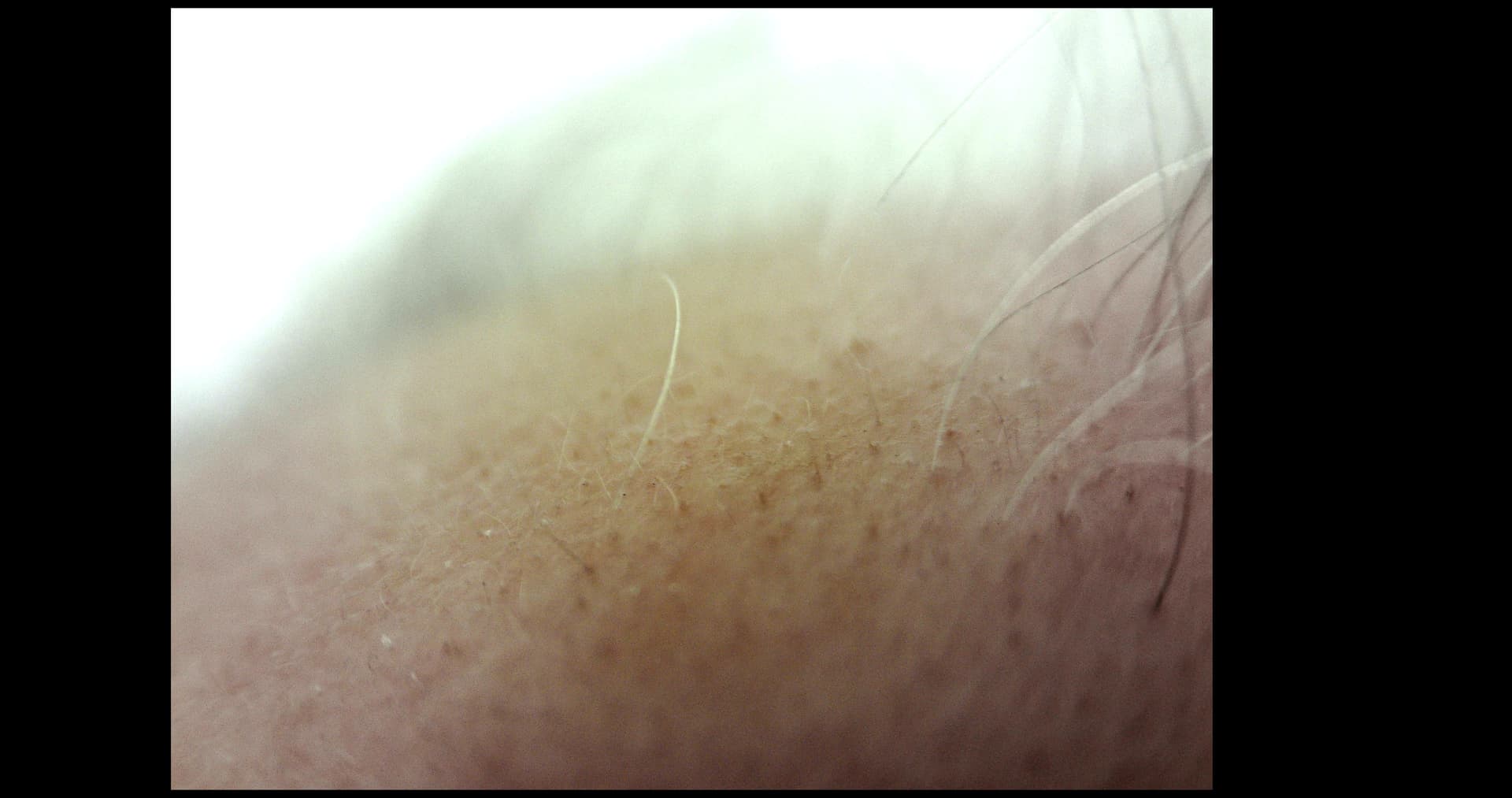
I have been trying a different approach without transplant merely working on the cells to see what can be done. That, however, is really slow and hard. Topical fin is interesting as to its effects also on PSA. What I like about working on hair follicles is that it is easy to see (with a macro camera) the changes on phenotype as hairs start up, change from vellus to terminal, change colour and get stronger. This is the reverse of miniaturisation that occurs during hair loss.

1 Like

My main concern is whether you continued taking rapamycin during your hair transplant, as we know it can delay wound healing.

2 Likes

Hey Man… I certainly can see your point, but nah, I have been taking rapamycin 5-years straight… only paused three months this past year (Nov. to the end of January) to let my thymus grow, and finish and release T-cells.

Never had healing issues at all… cuts to solid skin no scabbing… 7 days.

Would pause for major surgery, but so far never had anything serious to stop for… . Yeah.

1 Like

So you mean you’re still taking a dose of 6 mg of rapamycin weekly during your hair transplant, right?

thanks~

1 Like

Yes, never felt it was that big of a deal.

My whole surgery (transplanted follicles) healed in a week. Never took a break off rapamycin… until June to do my daily HGH 3.5 iu for month.

I do 3 months of rapamycin and break one month and do HGH. Then back on rapamycin for 3 months. My current protocol.

1 Like

Thank you, very helpful info.

1 Like

FWIW …

If you are not aware, review adding ATP solution to the area, some surgical centers add this/provide this tothe the patient.

Quick AI search

AI-generated answer.

Please verify critical facts

ATP (Adenosine Triphosphate) solutions for hair loss are currently available in two primary forms: topical consumer products and specialized medical-grade formulations.

  • Consumer Topical Treatments: Products like Rene Furterer Triphasic ATP Intensif contain Disodium Adenosine Triphosphate and are available for direct consumer purchase to stimulate hair growth and reduce thinning.

  • Medical-Grade Liposomal ATP: Concentrated liposomal ATP solutions, such as ATPv® from Energy Delivery Solutions, are available for physician use. These are typically added to graft holding solutions (e.g., HypoThermosol) during hair transplants or diluted into saline for post-operative patient sprays to protect ischemic cells and enhance graft survival.

  • Emerging Stem Cell Therapies: A 2025 study from Madrid’s San Carlos Hospital demonstrated that combining adipose-derived stem cells with ATP induced significant hair regrowth in mice. Researchers are actively working on human clinical trials, with an optimistic timeline for potential availability in approximately five years .

AI-generated answer.

Please verify critical facts.

1 Like

Hahaha… not waiting 5 years.

I have been using this per my surgeon. Pre-surgery… and post after 1st week.

1% AHK-Cu Treatment Spray Tricomin topical. 1% Copper Tripeptide Complex delivers essential micronutrients to promote scalp wellness and address visible thinning.

Seems to be good… spray it on after showering. Will use it for life… hahaha :rofl:.

1 Like

Hahaha… I guess I am not the first member on the rapamycin.news forum to use FUE… but, I am the first to share with the community. Lol

Got this PM last evening:

“Hey my friend congratulations to FUE.
Did that too.
Right on… you named it.
FUE…Only thing that helps.”

There you have it!

1 Like

ATP products has been on the market for some time.

FWIW…

ATPv

Energy Delivery Solutions
https://energy-delivery-solutions.com › pages › atpv
](ATPv® – Energy Delivery Solutions)

ATPv is encapsulated liposomal ATP that can permeate the cell membrane and deliver ATP to cells. Used by physicians around the world for hair restoration …

AI Overview

ATPv® by Energy Delivery Solutions is the world’s first patented liposomal adenosine triphosphate (ATP) technology designed to deliver cellular energy directly into cells. It is primarily used as a clinical additive in hair restoration holding solutions (FUE and FUT) to improve graft survival and healing.

Key Product Details

  • ATPv® 25 mL: Priced at $168, recommended for FUE (Follicular Unit Extraction) cases to dilute into working solutions.

  • ATPv® 50 mL: Priced at $288, recommended as a flagship additive for larger FUT (Follicular Unit Transplantation) cases.

  • Shelf Life & Storage: 120 days from the date of manufacture; must be kept refrigerated (2–8ºC).

  • Availability: Concentrated liquid formulas are restricted for single use and sold exclusively to verified clinical physicians. Post-procedure recovery options like the Vitalise Wound Care Spray ($350) are available for patient use.

“If you are a practitioner looking to place an order or require specific dilution guidelines for your upcoming procedure, let me know how I can help you navigate the Energy Delivery Solutions platform.”

1 Like

Panahi Y, et al. (2015)
“Rosemary oil vs minoxidil 2% for the treatment of androgenetic alopecia: a randomized comparative trial.”

Small trial, low dose minoxidil as a confounder, but cheap as chips and if it doesn’t make your head itch , might be worth a try?

1 Like

Nice find… it might stimulate existing hair some… but it won’t regrow new.

Curious why not compared to 5% minoxidil topical… as that is standard potency today. Maybe not 11 years ago I guess.

1 Like

Save your money on BS hair growth products like minoxidil. Take the money you would have saved on the BS hair restoration vitamins, lotions, etc., and save it until you are older, then get hair transplants as Agetron has done.

The proof is undeniable; my eyes aren’t lying to me. If any of these BS products worked, you wouldn’t see many bald-headed guys walking around. Including me.

I have male pattern baldness, and there is no escape except for gene modifications or hair transplants. Believe me, I have tried and wasted money on these hair restoration products.

So, keep pouring your money down the toilet if it makes you feel good.

I will say this: rapamycin has made what hair I have much thicker and has reduced a visible amount of greyness. Also, I believe that rapamycin will help keep Agetron’s transplants growing more than if he weren’t taking rapamycin.

7 Likes

Exactly Charles…
It requires solid healthy hair in the horseshoe pattern growth area … the natural DHT resistant hair region of the head for transplanting healthy follicles.

My early adopter use of oral proscar/finasteride decades ago… and then minoxidil gives me robust hair in the prime hair region for a transplant. Rapamycin has been fantastic as a stabilizer… and keeping away grey… particularly in the pubic areas… no grey.

So, if you are over 30 and want to keep as much of your hair in tact and have a healthy pool for transplants… you can’t start finasteride/dutasteride and minoxidil soon enough in my opinion.

Reaping that benefit now at 68 years… daily I am amazed at my hair recovery and growth at just 4 months into my transplant.

Its going to be crazy at my 1 year anniversary. I wake up shower…shampoo… and I like what’s happening on top… when I look in the mirror.

Truly was easy in hindsight. Contemplating what hair style I will settle on… once comb over not needed. A great problem to have… hahaha :rofl:.

2 Likes

I think this is really hard and slow because it involves improving the mitochondria in individual cells in the scalp. However,

a) I think it is a useful tool to measure systemic approaches.

b) I was not that bothered about male pattern baldness anyway.

This is a good photo from this morning. You can see on my bald patch (which looks still quite bald macroscopically) some fine vellus hairs and some very short pigmented hairs that are also very fine.

I know it is possible to get vellus hairs to turn terminal and also turn from white to pigmented, but it is an extremely slow process.

1 Like