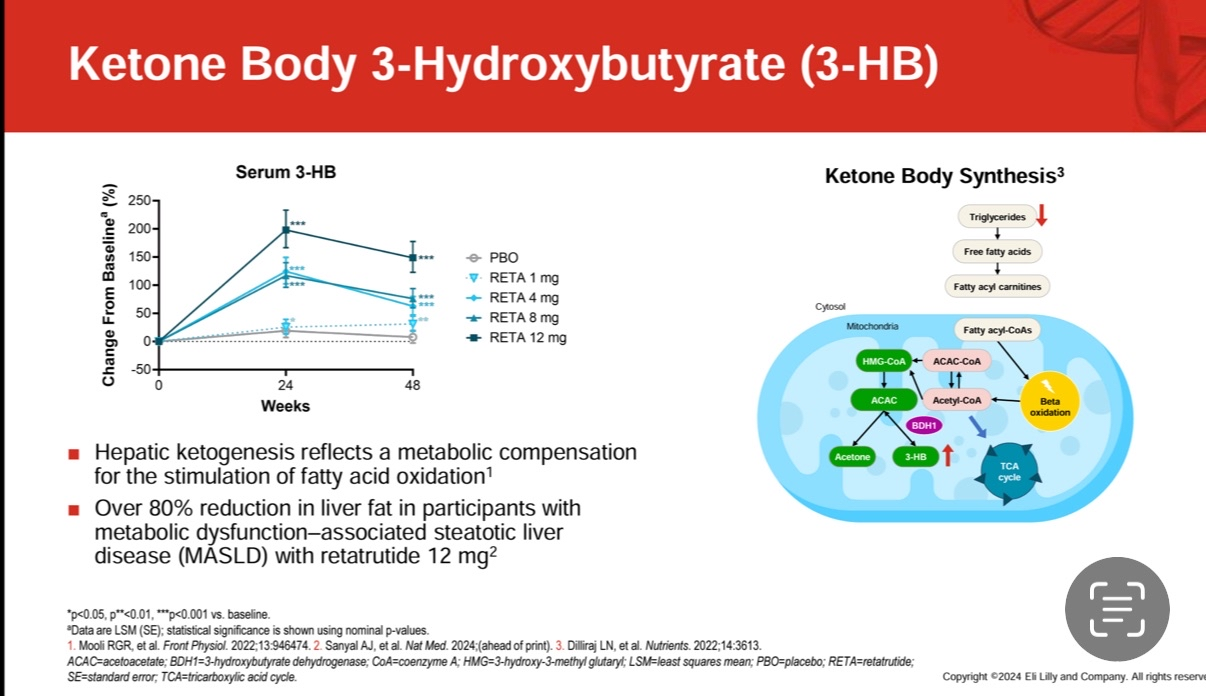
In a compelling new study from the Shanghai University of Sport (China), researchers have potentially cracked the code on how aerobic exercise protects the liver from aging—and how a simple metabolite might mimic this effect without a single step on the treadmill. Published in Aging Cell, the study identifies β-Hydroxybutyrate (BHB)—the body’s primary ketone produced during fasting or intense exercise—as a potent “exercise mimetic.”
The “Big Idea” here moves beyond the traditional view of ketones as merely alternative fuel. The researchers discovered that aging livers suffer from mitochondrial dysfunction, which causes them to leak mitochondrial DNA (mtDNA) into the cytosol. This leakage triggers the cGAS-STING pathway, an innate immune alarm system that mistakes the stray DNA for a virus, driving chronic inflammation (inflammaging) and liver degeneration.
Crucially, the study demonstrates that BHB directly inhibits this cGAS-STING activation. By administering exogenous BHB to naturally aged mice, the researchers were able to “de-age” the liver, restoring mitochondrial homeostasis, shifting macrophages from a pro-inflammatory (M1) to a restorative (M2) state, and reducing cell death (PANoptosis). The implication is profound: BHB supplements could theoretically offer a “biochemical bypass” to obtain specific anti-inflammatory benefits of exercise, particularly for populations unable to perform rigorous physical activity.
Open Access Research Paper: β-Hydroxybutyrate Acts as an Exercise Mimetic to Protect the Aging Liver
- Institution: Shanghai University of Sport, China.
- Journal: Aging Cell (Wiley).
- Impact Evaluation: The impact score of this journal is ~8.0 (2023 JIF), evaluated against a typical high-end range of 0–60+ for top general science (e.g., Nature is ~64). Therefore, this is a High impact journal, ranking in Q1 for Cell Biology and Geriatrics.
Study Design Specifications
- Type: In vivo (Murine) and In vitro (Cellular Senescence models).
-
Subjects:
- Species: Mice (Mus musculus).
- Strain: C57BL/6 (Standard model for aging).
- Group: Naturally aged mice (likely 18-24 months) vs. Young controls.
- Intervention: Intraperitoneal (IP) injection of β-Hydroxybutyrate (200 mg/kg) vs. Saline control.
-
Lifespan Data:
- Global Lifespan: Not Measured in this specific study (endpoint was liver pathology).
- Context: Previous studies (e.g., Roberts et al., 2017) have shown BHB/Ketogenic diets can extend median lifespan in mice by ~13%, but this paper focuses strictly on liver healthspan and organ-specific pathology.
Mechanistic Deep Dive
The authors map a precise longevity pathway that validates the “Mitochondrial-Inflammation” theory of aging:
- The Trigger: Aging leads to mitochondrial membrane permeability.
- The Signal: Mitochondrial DNA (mtDNA) leaks into the cytosol.
- The Alarm: cGAS-STING (Cyclic GMP-AMP Synthase - Stimulator of Interferon Genes) detects this DNA.
- The Damage: This activates NF-κB and IRF3, polarizing Macrophages to the M1 (inflammatory) phenotype, causing liver steatosis (fatty liver) and fibrosis.
- The Fix (BHB): BHB blocks this cascade upstream by stabilizing mitochondrial quality control and directly inhibiting STING activation.
- Organ Priority: Liver (Hepatic aging is a central driver of systemic metabolic dysfunction).
Novelty
We knew BHB was anti-inflammatory (via NLRP3 inflammasome inhibition), but this paper links it specifically to the cGAS-STING pathway in the context of mitochondrial DNA leakage. This provides a new, specific molecular target for why ketones reduce “sterile inflammation” in aging tissues.
Critical Limitations
- Route of Administration: The study used Intraperitoneal (IP) injections, which bypass digestion. Oral bioavailability of ketone salts/esters is good but not identical to IP.
- No Survival Curve: We do not know if this liver rescue translates to longer overall life for these specific mice.
- Mitochondrial Specificity: It is unclear if BHB repaired the mitochondria or just masked the signal of their failure (blocking the smoke alarm rather than putting out the fire), though data suggests some restoration of homeostasis.
- Sex Bias: Many murine longevity studies show sex-dimorphic effects (e.g., 17α-estradiol works only in males). The summary does not explicitly confirm if both sexes were equally responsive.
Part 3: Actionable Intelligence
The Translational Protocol (Rigorous Extrapolation)
1. Human Equivalent Dose (HED)
The study used 200 mg/kg via IP injection in mice.
- Calculation: Mouse Dose (200 mg/kg) × (Mouse Km [3] / Human Km [37]) = 16.2 mg/kg.
- For a 75 kg Human: 16.2×75=1,215 mg (approx. 1.2 grams/day).
- Correction Factor: Since the study used IP (100% absorption) and oral bioavailability of BHB salts is high but slower, a safety buffer of 2x is reasonable for oral supplementation.
-
Target Oral Dose: 2.5 – 3.0 grams of BHB per day.
- Note: This is significantly lower than the 10–30g doses often used for “nutritional ketosis” or weight loss, suggesting a signaling effect rather than a metabolic fuel effect.
2. Pharmacokinetics (PK/PD)
- Half-Life: Endogenous BHB has a short half-life (min to hours). Exogenous ketone salts/esters peak in blood within 30–60 minutes and return to baseline within 3–4 hours.
- Dosing Strategy: To mimic the “exercise” pulse seen in the study, a single bolus dose before a fasted period or prior to light activity may be optimal, rather than trickling it in throughout the day.
3. Safety & Toxicity Check
- NOAEL: BHB is a breakdown product of fat; the body handles it naturally. NOAEL for ketone esters is high (>5g/kg in rats).
-
Safety Signals:
- Kidney Load: High doses of ketone salts (e.g., Na-BHB, Ca-BHB) deliver massive mineral loads. Avoid sodium-based salts if hypertensive. Use Magnesium/Potassium salts or Ketone Esters.
- Ketoacidosis: Virtually impossible in non-diabetics with supplements alone (levels reach ~1-3 mM; ketoacidosis is >15-20 mM).
- Data Absent: Long-term impact of constant mTOR suppression via cGAS-STING modulation is unknown.
Biomarker Verification Panel
-
Efficacy:
- hs-CRP: Should decrease if systemic inflammation is blunted.
- ALT/AST & GGT: Liver enzymes should improve (lower) if the “aging liver” protection is working.
- Circulating mtDNA: (Advanced) Specialized labs can measure cell-free mitochondrial DNA; this should decrease.
-
Safety Monitoring:
- Electrolytes: If using salts, monitor Sodium and Potassium.
- eGFR: Monitor kidney function due to salt load.
Feasibility & ROI
-
Sourcing: Commercially available as Ketone Salts (cheaper, salty) or Ketone Esters (expensive, bad taste, potent).
- Recommendation: Ketone Esters (e.g., R-1,3-butanediol monoester) are chemically closer to the bioactive form without the salt load.
-
Cost: ~$3–$5 per serving.
- Monthly Cost: ~$100–$150.
- ROI: High for those with NAFLD (fatty liver) or high inflammatory markers. Medium for healthy optimizers (exercise is free and does more).
Population Applicability
-
Contraindications:
- SGLT2 Inhibitors (Jardiance, etc.): HIGH RISK. Combining SGLT2i + Ketones increases risk of euglycemic diabetic ketoacidosis.
- Severe Renal Impairment: Avoid salt-based ketones.
- Target Audience: Aging individuals with elevated liver enzymes, metabolic syndrome, or inability to exercise (sarcopenia/injury).
Part 4: The Strategic FAQ
Q1: Can I just eat a Ketogenic Diet (Keto) instead of taking supplements? Answer: Yes, but with caveats. A strict keto diet elevates endogenous BHB to 0.5–3.0 mM, matching the study’s effective range. However, the study used a pulseof BHB (mimicking exercise). Constant ketosis has different long-term effects (e.g., potential lipid issues) than the pulsatile signaling provided by supplements or exercise.
Q2: Does this replace the need for Zone 2 cardio? Answer: No. [Confidence: High]. While BHB mimics one pathway (cGAS-STING inhibition) of exercise, it does not replicate hemodynamic flow, VO2 max improvement, muscle mechanotransduction, or neurotrophic factor release (BDNF) driven by physical movement.
Q3: Is there a conflict with Rapamycin? Answer: Likely Synergistic. Rapamycin inhibits mTORC1; BHB inhibits cGAS-STING and NLRP3. These are complementary anti-aging pathways. No direct negative interaction is known.
Q4: I take Metformin. Is this safe? Answer: Generally Yes. Metformin shifts fuel use toward glycolysis/fat oxidation. Adding ketones provides an alternative fuel source. However, monitor for GI distress, as both can upset the stomach.
Q5: What is the best time of day to take this? Answer: Morning Fasted State. To mimic the “exercise” effect and maximize mitochondrial biogenesis signaling, take it when insulin is low. Insulin spikes inhibit endogenous ketone production.
Q6: Why did they use injections (IP) instead of oral dosing? Answer: Precision. In mouse studies, IP injection ensures 100% of the dose enters circulation immediately, bypassing variations in absorption or gut microbiome degradation. Oral dosing in humans requires higher doses to achieve similar blood peaks.
Q7: Will this work for alcohol-induced liver damage? Answer: Speculative but Plausible. [Confidence: Medium]. The mechanism (blocking inflammation from damaged mitochondria) overlaps with alcohol pathology. However, BHB does not remove the toxic acetaldehyde produced by alcohol.
Q8: Does BHB affect sleep? Answer: Variable. Some users report increased alertness (norepinephrine release), while others find the GABAergic effects (BHB can convert to GABA precursors) sedating. Avoid taking it immediately before bed initially.
Q9: Can I use “Raspberry Ketones”? Answer: NO. [Confidence: High]. “Raspberry Ketones” are a marketing scam; they are structurally unrelated to physiological BHB and have no effect on cGAS-STING or ketosis. You must use Beta-Hydroxybutyrate salts or esters.
Q10: What is the “Panoptosis” mentioned in the study? Answer: Cell Death Trifecta. PANoptosis is a newly defined, regulated cell death pathway that integrates components of Pyroptosis (inflammatory), Apoptosis (suicide), and Necroptosis (uncontrolled). BHB stopping this suggests it preserves liver mass profoundly, not just by stopping one type of death, but by stabilizing the master switch.