In this episode of Decoding Longevity, hosts Ragav Zagel and Maxi Jakis interview Dr. Karl Pfleger, an angel investor and the creator of agingbiotech.info. The conversation traces Pfleger’s pivot from Google AI to longevity, driven by effective altruism and the recognition that aging is the globally dominant cause of death. Pfleger discusses his mission to democratize industry data, positioning his open-access database as a critical bridge between academic discovery and clinical commercialization.
A significant portion of the dialogue contrasts traditional biotech investment norms with the unique requirements of the longevity sector. While conventional investors often favor single-asset companies to isolate risk, Pfleger argues for “platform” technologies. He posits that in the nascent aging field, platforms offer necessary resilience, allowing startups to survive the failure of a lead asset by pivoting to new targets. Furthermore, he draws a sharp distinction between “slowing” aging (metabolic adjustments) and “reversing” aging (damage repair), explicitly prioritizing the latter for investment.
The discussion concludes with a consensus on regulatory strategy. To bypass the hurdle that “aging” is not a recognized disease indication, Pfleger advocates for a “Trojan Horse” approach: targeting rare, accelerated-aging diseases (orphan indications) that share pathology with normal aging. This allows companies to secure faster regulatory approval before expanding to the broader population. Pfleger identifies safer epigenetic reprogramming and extracellular matrix repair as the most promising immediate frontiers, while noting a lack of viable candidates in thymus rejuvenation.
Key Takeaways
Investment Philosophy & Criteria
Mechanism of Action (MOA) First: Pfleger prioritizes the underlying science above all else, specifically looking for mechanisms that validate the “geroscience hypothesis”—interventions that target fundamental aging processes to treat multiple diseases.
Reversal vs. Slowing: He exclusively invests in “rejuvenation” technologies (repairing damage, clearing senescent cells) rather than metabolic tweaks that merely slow the rate of aging.
The Platform Advantage: Unlike traditional biotech investors who often avoid platforms, Pfleger favors them in longevity because they allow founders to spin off assets or partner them away, ensuring the core technology survives if the lead candidate fails.
Robust Validation: Successful companies must demonstrate efficacy across multiple different accelerated aging models, not just one, to prove robustness before human trials.
Regulatory & Clinical Strategy
The “Rare Disease” Pathway: Companies should target rare genetic conditions (orphan diseases) that mimic specific aspects of aging to expedite clinical trials.
Example: Targeting familial hypercholesterolemia (a genetic accelerator of heart disease) to prove a therapy that can eventually treat general atherosclerosis.
Example: Targeting rare muscular dystrophies to validate muscle regeneration therapies intended for general sarcopenia.
The “Bag of Gold” Potential: The economic promise of the sector lies in the ability to get approved for a narrow indication and then expand off-label or via subsequent trials to the massive general aging market.
High-Conviction Investment Areas
Epigenetic Reprogramming: Strong interest in “partial reprogramming” that rejuvenates cells without using Yamanaka factors, specifically detangling rejuvenation from dedifferentiation to ensure safety (e.g., Genevity, Shift Bio, New Limit).
Senolytics: Continued investment in therapies that clear senescent (zombie) cells; Pfleger holds three bets in this space.
Stem Cell Secretions: Favors therapies that utilize the “secretome” (proteins secreted by stem cells) rather than injecting whole stem cells, citing safety and targeted efficacy.
Extracellular Matrix (ECM): Interest in companies breaking down cross-links and removing toxic buildup outside the cell (e.g., Revel).
Cardiovascular Repair: Focus on reversing atherosclerosis through damage repair rather than lipid management (e.g., Repair, Cyclarity).
Identifying Market Gaps
Thymus Rejuvenation: Identified as a critical unmet need for immune system rebooting. While academic research exists, Pfleger notes a lack of investable commercial entities currently succeeding in this niche.
Mitochondrial Health: High interest in mitochondrial transfer (injecting fresh mitochondria) and autophagy induction, but fewer winning companies identified compared to other sectors.
B. Bullet Summary
Geroscience Economic Thesis: Aging causes >70% of global deaths; targeting it offers higher “lives saved per dollar” than traditional development economics (e.g., malaria nets).
The “Platform” Model: Longevity startups often build screening platforms applicable to multiple diseases, hedging against the failure of a single lead asset.
Slowing vs. Reversing: The field is bifurcated into “slowing” aging (metabolic tweaks, e.g., mTOR/IGF-1 modulation) and “reversing” aging (damage repair, e.g., senolytics, cross-link breakers). Pfleger favors reversal.
Regulatory “Hack”: Companies target accelerated aging phenotypes (progerias) or rare orphan diseases (e.g., ATTR amyloidosis) to bypass the lack of an FDA “aging” indication.
Accelerated Aging Models: Successful platforms utilize dual validation: testing in accelerated aging models (speed) and naturally aged tissues (relevance).
Senolytics Targets: The most promising near-term targets for senolytics are Idiopathic Pulmonary Fibrosis (IPF) and Chronic Kidney Disease (CKD).
Epigenetic Nuance: The “Holy Grail” of reprogramming is separating rejuvenation (restoring youthful gene expression) from dedifferentiation (losing cell identity/teratoma risk). Alternatives to standard Yamanaka factors (OSKM) are required.
Secretomes > Stem Cells: Evidence suggests the therapeutic benefit of stem cell therapy is mediated by secreted factors (exosomes/proteins), not the engraftment of the cells themselves.
Extracellular Matrix (ECM): A neglected but critical area is breaking glucose cross-links (AGEs) in the ECM to restore tissue elasticity (e.g., Rebel Medicine).
Atherosclerosis Reversal: New approaches target the removal of oxidized cholesterol and 7-ketocholesterol rather than just lowering LDL.
Thymus Atrophy Gap: Despite the importance of immunosenescence, Pfleger identifies a lack of viable commercial startups successfully targeting thymus regeneration.
Investment Signal: A “red flag” is a company relying on a single accelerated aging model without validating in naturally aged cells/animals.
Targeting 7-Ketocholesterol in Atherosclerosis | with Matthew Oki O’Connor
AI Summary and Analysis
The conversation centers on a paradigm shift in treating atherosclerosis, moving beyond the traditional management of Low-Density Lipoprotein (LDL) levels to targeting a specific toxic variant: 7-ketocholesterol (oxidized cholesterol). Host Raghav Segal and guest Matthew “Oki” O’Connor discuss the limitation of current standard-of-care treatments like statins, which primarily slow disease progression by lowering circulating LDL. O’Connor argues that LDL is a necessary biological transport mechanism, whereas oxidized cholesterol is a toxic byproduct that accumulates in cells, causing lysosomal dysfunction and driving the transition of macrophages into senescent-like “foam cells”—the primary constituents of arterial plaque.
The dialogue reveals that O’Connor’s team has developed a cyclodextrin-based therapeutic designed to selectively encapsulate and remove oxidized cholesterol. Unlike current therapies, this approach aims to reverse existing damage. O’Connor reports that in preclinical models, removing this toxic lipid causes foam cells to revert to a healthy, metabolically active macrophage phenotype, effectively reversing the cellular driver of plaque. The discussion concludes with an update on clinical trials in Australia, where the drug has cleared safety testing in healthy volunteers and is proceeding to efficacy trials in patients with established plaque. The long-term vision proposed is an intermittent “maintenance” therapy—dosed perhaps once every five years—rather than a daily chronic medication, fundamentally altering the treatment landscape for cardiovascular aging.
Key Takeaways
Mechanism of Action & Pathology
Target Identification: The therapeutic targets 7-ketocholesterol (oxidized cholesterol), distinct from native LDL. While LDL is a functional carrier of lipids (approx. 1,500 molecules per particle), oxidized cholesterol is identified as a useless, toxic byproduct caused by free radical damage.
Pathophysiology: Macrophages migrate to arterial walls to clear lipid deposits. When they ingest oxidized cholesterol, their lysosomes fail, halting lipid metabolism. This triggers a transformation into foam cells, which accumulate to form atherosclerotic plaque.
Therapeutic Mechanism: The drug utilizes an engineered cyclodextrin molecule that functions as a molecular “cage” (likened to Pac-Man). It encapsulates a single molecule of oxidized cholesterol, solubilizes it, and facilitates its excretion via urine.
Cellular Reversal: Removal of 7-ketocholesterol reactivates Reverse Cholesterol Transport in foam cells, causing them to revert to healthy, functional macrophages. This challenges the previous dogma that foam cell senescence is irreversible.
Clinical Development Status
Trial Location: Trials are conducting in Adelaide, Australia, leveraging favorable regulatory incentives and the expertise of Dr. Stephen Nicholls (Victorian Heart Institute), a leading authority on plaque pathology.
Phase I Results: Completed dose-escalation in healthy volunteers (up to six doses) with no reported safety issues.
Upcoming Milestones: Efficacy trials in patients with arterial plaque are scheduled to commence in October.
Diagnostics: The team has developed blood and urine assays to measure oxidized cholesterol levels and drug response, currently used for trial data but not yet commercially available to the public.
Dosing Strategy & Market Vision
Intermittent Administration: The projected treatment protocol involves a short course of therapy (e.g., six doses) administered periodically (e.g., every five years) to clear accumulated damage, contrasting with the daily, lifelong regimen of statins.
Concurrent Use: Initially, the therapy is expected to be used alongside standard lipid-lowering drugs (statins) rather than replacing them immediately.
Broader Indications: Because oxidized cholesterol is cytotoxic to all tissues, potential future indications include Alzheimer’s disease, macular degeneration, and liver failure.
Future Pipeline & Platform Technology
Platform Potential: The underlying technology involves engineering circular sugar molecules (cyclodextrins) to sequester specific hydrophobic toxins.
Expansion Targets: Future applications under early investigation include:
Environmental Toxins: Remediation of nanoplastics in the body or environment.
Antidotes: Sequestration of specific anesthetic agents (similar to Sugammadex/Bridion) or narcotics to reverse overdoses or accelerate recovery.
Timeline: While the cardiovascular drug is in clinical phases, follow-on candidates are estimated to be several years away from human trials.
Epigenetic Clocks and Anti-Aging Interventions with Brian Kennedy
Executive Narrative
The conversation between host Max Vojakis and Professor Brian Kennedy focuses on the transition of aging biomarkers from theoretical research to practical, clinical application. The primary subject is the introduction of LinAge-2 (transcribed as “Lin H2”), a biological clock developed by Kennedy and colleagues at the National University of Singapore. Unlike first-generation clocks based on DNA methylation—which Kennedy argues are expensive, prone to noise, and difficult for clinicians to interpret—LinAge-2 utilizes standard, modifiable clinical biomarkers (e.g., HbA1c, LDL, blood pressure) to predict mortality. This shift addresses a critical gap in the field: the need for actionable metrics that physicians can immediately target with existing on-label medications and lifestyle interventions. The dialogue also explores emerging lipidomic clocks, specifically referencing the “Dolly” clock derived from brain tissue, though Kennedy concedes that lipidomics lacks the standardization required for current clinical use. A significant portion of the discussion centers on intervention strategies; Kennedy cautions against the “poly-pharmacy” approach to supplementation, noting that combining compounds can disrupt homeostatic mechanisms like the mTOR pathway. The consensus is that while diagnostic tools are maturing, the medical system’s focus on disease treatment over prevention remains a significant barrier to widespread adoption.
Key Takeaways
The LinAge-2 Clock & Clinical Utility
Methodology: The clock moves away from DNA methylation, instead utilizing modifiable clinical features (Blood Pressure, LDL, HbA1c) trained on retrospective NHANES data to predict mortality.
Strategic Advantage: Unlike epigenetic clocks, LinAge-2 inputs are standardized, inexpensive, and familiar to clinicians. Crucially, the features are directly modifiable by current drugs and lifestyle changes, providing immediate actionable insights.
Granularity: The clock uses Principal Component Analysis (PCA) to generate a top-line score, but allows analysts to inspect individual components to determine specific drivers of accelerated aging (e.g., metabolic dysfunction vs. smoking).
Current Status: It is currently being utilized in clinical settings in Singapore to validate whether modifying these parameters prospectively reduces calculated mortality risk.
Emerging Lipidomic Research
The “Dolly” Clock: Kennedy discussed a lipidomic clock developed using post-mortem brain samples, which predicts age based on lipid profiles.
Key Biomarkers: The algorithm identified specific lipid classes (likely dolichols, transcribed as “dolls”) as highly predictive of brain aging, corroborating research from decades prior.
Limitations: Lipidomics currently suffers from low inter-laboratory consistency, making it unsuitable for broad clinical rollout at this time compared to proteomic or clinical-marker clocks.
Intervention & Supplementation Strategy
Geroprotector Interactions: Kennedy warned against “stacking” numerous supplements (taking 10-50 compounds). He highlighted the mTOR pathway (transcribed as “empower”) as a critical example: while intermittent inhibition (e.g., via Rapamycin) restores dynamic range, constant suppression via multiple interacting compounds may disrupt the cell’s ability to mount necessary stress responses.
Efficacy Timeline: Interventions typically require 3 to 6 months to manifest detectable changes in biological clocks (based on mouse trajectories at 3 months and human methylation data at 4-5 months).
Personalization (N=1): Due to high biological variance, interventions must be personalized. Universal prescriptions (e.g., “everyone should run marathons”) are flawed; individuals should measure their own baselines and responses.
Systemic Challenges in Longevity Medicine
Medical Education: Current medical curricula largely exclude aging biology, leaving physicians untrained in recognizing aging as a treatable risk factor.
Reimbursement Models: Insurance and government programs (e.g., Medicare) rarely cover preventative aging metrics, forcing patients to pay out-of-pocket, which limits access and data collection.
Technological Stagnation: The field has arguably stagnated on first-generation methylation clocks (predicting chronological age); the shift must be toward second-generation clocks (like GrimAge, transcribed as “green mage”) that predict functional outcomes and mortality.
Decentralized Science and N-of-1 Trials with Jasmine Smith, CEO of Rejuve.AI
Executive Narrative
The conversation centers on the limitations of traditional, centralized clinical trials—specifically their slow pace, lack of demographic diversity, and inability to account for individual biological variability—and proposes Decentralized Science (DeSci) as a corrective mechanism. Jasmine Smei, CEO of Rejuve.AI, argues that the current “lab-first” model fails to capture the nuances of human health, often resulting in generalized recommendations that do not apply to the individual. To resolve this, she presents a decentralized research network designed to crowdsource real-time health data from the public. A key conflict addressed is the validity of “anecdotal” biohacking; Smei refutes the dismissal of self-experimentation, proposing instead to formalize these efforts into N-of-1 trials. By aggregating thousands of individual case studies, the platform aims to convert anecdotal noise into statistically significant datasets.
Technologically, the dialogue highlights the use of blockchain for data sovereignty rather than mere financial speculation. Smei details the use of “Data NFTs” to manage informed consent, allowing users to track exactly which entities access their medical records—a level of transparency Smei argues is absent in legacy healthcare systems. A pivotal development cited is the recent Institutional Review Board (IRB) approval (via Brainy IRB), which legitimizes Rejuve.AI’s protocol as a compliant observational study rather than a simple consumer app. The conversation concludes with a consensus that while traditional trials remain necessary for drug approval, this decentralized model creates a vital pathway for validating unpatentable interventions—such as supplement stacks, indigenous medicines, and lifestyle protocols—that traditional pharma ignores due to a lack of financial incentive.
Key Takeaways
Research Methodology & Scientific Strategy
Formalization of N-of-1 Trials: The platform shifts focus from comparing subjects against a group mean to comparing subjects against their own baselines (Baseline $\rightarrow$ Intervention $\rightarrow$Washout $\rightarrow$ Re-test).
International Longevity Research Database (IRL DB): Rejuve.AI is building a proprietary database intended to surpass the demographic limitations of standard datasets like the UK Biobank and NHANES, which are heavily skewed toward US and UK populations.
Targeted Interventions: The research roadmap specifically targets understudied areas:
Nutraceutical Stacks: Analyzing the bioavailability and potentiating effects of supplement combinations (e.g., NAD+ boosters).
Indigenous Medicine: Validating traditional pharmacopeia from regions like South Africa and Australia.
Offshore/Experimental Therapies: Collecting data on gene therapies and muscle-building treatments administered in special economic zones (e.g., Roatán, Honduras).
Operational & Regulatory Milestones
IRB Approval: The company received approval from Brainy IRB, classifying their data collection as a legitimate ethical study for human subjects.
Data NFTs for Consent: Implementation of Non-Fungible Tokens (NFTs) to function as digital identity permission gateways. This allows users to elect specific sharing permissions (e.g., sharing with academic researchers but blocking big pharma).
Algorithmic Feedback Loop: A dual-value system where users provide data (bloodwork, wearable metrics) and receive AI-driven, personalized health protocols and “longevity scores” in return.
Strategic Vision & Future Roadmap
Preventative Healthcare Model: Moving longevity science from a niche pursuit for the wealthy to a standard “first-line” preventative healthcare approach.
The “Digital Twin” Concept: Future development aims to create a full digital replica of the user’s biology to simulate interventions before physical application.
Validation of Age Reversal: The long-term goal (5–10 years) is to conduct trials in populations **aged 75+**to definitively prove the reversal of biological aging markers, rather than just the slowing of decline.
Current Deployment: The mobile application, Rejuvity, is currently active with an ambassador program and beta testing for community influencers and clinicians.
Next Steps for the User
Would you like me to research the specific “Brainy IRB” validation requirements to understand the regulatory rigor of this approval, or search for the specific “update” to the Rejuvity app mentioned by Jasmine to see what new biomarkers they are tracking?
The Roadmap to Precision Geromedicine with Prof. Andrea B . Maier
Executive Narrative
This transcript documents an interview on the Decoding Longevity podcast featuring Professor Andrea B. Maier, a geriatrician and researcher at the National University of Singapore. The dialogue centers on the operationalization of “Precision Geromedicine,” a clinical framework designed to transition longevity science from laboratory research to patient care. Maier argues that the field must move beyond vague concepts of “healthy aging” toward a rigorous medical discipline she terms “Healthy Longevity Medicine.”
The core conflict addressed is the tension between the surging demand for longevity interventions (such as peptides and supplements) and the lack of standardized diagnostic protocols. Maier refutes the “intervention-first” approach common in the biohacking community, asserting that legitimate medicine requires precise diagnosis via biological, clinical, and digital biomarkers before any treatment is administered. While the hosts express optimism about epigenetic clocks, Maier tempers this with technical realism, noting that batch effects and tissue variability (blood vs. saliva) currently limit their clinical utility.
The conversation concludes with a realistic outlook on democratization. While the ultimate goal is universal access, Maier cautions that the infrastructure—specifically ICD codes, regulatory frameworks, and health system capacity—is currently insufficient for mass adoption. She characterizes the field as being in a “toddler stage”: born and active, but unstable and in need of rigorous safety data to avoid regulatory backlash and ensure long-term viability.
Key Takeaways
Definitions & Frameworks
Precision Geromedicine: Defined academically as “Healthy Longevity Medicine.” The objective is to optimize healthspan by antagonizing specific aging processes.
The “N-of-1” Approach: Shifts focus from population averages to individual precision, necessitating a distinct “aging fingerprint” or digital twin for every patient.
Toddler Phase: The industry is currently characterized as being in early development (“toddler stage”), meaning it is operational but lacks stability, standardization, and mature regulatory guardrails.
Clinical Protocols & Diagnostics
Diagnosis First: The standard of care must follow the conventional medical model: Diagnosis $\rightarrow$ Intervention. Treating aging without baseline measurement is scientifically invalid.
Three Pillars of Measurement:
Biological: Genetics, epigenetics (e.g., DNA methylation), microbiome, and standard lab panels (e.g., testosterone).
Clinical/Phenotypic: Functional metrics including VO2 max, cognition, hair density, and cardiovascular stress tests.
Digital: Continuous monitoring via wearables (e.g., glucose monitors, heart rate trackers) to capture real-time physiology.
Epigenetic Clock Limitations: While promising, epigenetic clocks currently suffer from high coefficients of variation and batch effects. There is a significant discrepancy between results derived from blood versus saliva, complicating clinical implementation.
Regulatory & Safety Challenges
Lack of ICD Codes: A major barrier to scaling is the absence of International Classification of Diseases (ICD) codes for pre-disease aging states, preventing insurance reimbursement and systemic integration.
Unregulated Interventions: Maier cites incidents of mass sickness at longevity events (e.g., Radfest) caused by unregulated peptide use. She warns that “cowboy” behavior threatens to implode the field by alienating investors and regulators.
Negative Results: There is an urgent need to publish negative trial results to prevent the repetition of failed interventions and to guide evidence-based practice.
Democratization & Implementation
Current Status: Democratization is not currently feasible due to high costs and lack of infrastructure.
Implementation Science: Singapore is piloting the world’s first longevity clinic within a publicly funded hospital (Alexandra Hospital) to gather data on how to integrate these services into national health systems.
Future Timeline: Standardization of diagnostics and the establishment of regulatory classifications are projected to mature within the next 3–5 years.
Actionable Insights for Clinicians
Holistic Integration: Data must be aligned with conventional medical records (pathology, imaging) to ensure clinical relevance.
Continuous Assessment: Aging is a continuum, not a binary state. Practitioners should treat physiology continuously rather than waiting for disease thresholds (e.g., diabetes vs. pre-diabetes).
Combination Therapies: Future research must evaluate the synergistic or antagonistic effects of combined interventions (polypharmacy/stacking) rather than isolating single variables.
Rejuvenating the Body with Stem Cells: A Conversation with Yuta from Accelerated Biosciences
Executive Narrative
The episode features Yuta Lee, CEO of Accelerated Bio, discussing the utilization of Human Trophoblast Stem Cells (hTSCs) as a novel platform for regenerative medicine. The central conflict addressed is the ethical dilemma inherent in sourcing high-potency embryonic stem cells. Lee resolves this by detailing his company’s sourcing method: harvesting pre-placental tissue from tubal ectopic pregnancies (4–8 weeks post-fertilization), a procedure that utilizes medical waste without destroying viable embryos.
Shutterstock
Explore
This yields cells that possess the high plasticity of early development without the ethical or safety risks associated with induced pluripotent stem cells (iPSCs) or fetal tissues.
The dialogue transitions to therapeutic application, where Lee specifies that the company’s immediate focus is not cell replacement, but the use of hTSC-derived exosomes to systemically downregulate Senescence-Associated Secretory Phenotypes (SASP). The group reaches a consensus that inflammation-based pathologies, specifically Long COVID and fibromyalgia, represent the most viable entry point for clinical trials. Furthermore, a scholarly debate regarding biological aging clocks concludes that a “single master clock” is scientifically improbable; instead, the industry must move toward an ensemble of organ-specific clocks (e.g., immune clocks) to accurately measure intervention efficacy. The discussion closes with a strategic outlook on regulatory frameworks, emphasizing “Right to Try” laws as a critical lever for accelerating access to longevity therapeutics.
Key Takeaways
Scientific Platform & Sourcing
Source Material: hTSCs are derived from tubal ectopic pregnancies (4–8 weeks gestation). The process involves scraping pre-placental tissue from the mass, which is otherwise discarded as pathology waste.
Ethical Classification: Circumvents ethical restrictions associated with human embryonic stem cells (hESCs) from IVF or fetal tissue from abortions.
Cellular Characteristics:
Immune Privilege: Cells express HLA-G, preventing rejection by the host immune system (ideal allogeneic source).
Scalability: Capable of 85 population doublings, theoretically yielding 1025 cells from a single donor line.
Safety Profile: Primary cells that naturally senesce, mitigating the tumorigenic risks associated with reprogrammed immortal cell lines (iPSCs).
Therapeutic Mechanism & Clinical Strategy
Mode of Action (MoA): Utilization of extracellular vesicles (exosomes) secreted by hTSCs to treat systemic inflammation and downregulate SASP.
Target Indications: Initial focus is on post-viral chronic inflammatory conditions, specifically Long COVID, Fibromyalgia, and Chronic Fatigue Syndrome.
Current Status: Negotiating with a major hospital group to access a cohort of ~800 Long COVID patients for upcoming IND applications and Phase 1 trials.
Business Model & Industry Positioning
“Nvidia” Strategy: Accelerated Bio aims to operate as a platform provider, supplying the core cellular material and IP to other biotech firms that possess specific domain knowledge in diseases like Lupus, Rheumatoid Arthritis, or IBD.
Differentiation: Focuses on providing a standardized, GMP-compliant allogeneic cell source to reduce manufacturing bottlenecks for other developers.
Regulatory & Future Outlook
Diagnostics (Biological Clocks): Consensus that “one clock to rule them all” is unlikely. Future validation depends on integrated, multi-omic “digital twins” and specific clocks for specific biological systems (e.g., immune aging).
Regulatory Leverage: Strategic reliance on state-level “Right to Try” laws (e.g., Utah, Montana, Florida) to bypass initial FDA efficacy hurdles for terminally ill or chronic patients once Phase 1 safety is established.
Preventative Paradigm: Advocacy for a structural reorganization of the FDA to include a dedicated division for preventative and longevity medicine, shifting focus from sick care to homeostasis maintenance.
Timeline: Projection of achieving “longevity escape velocity” within 15 years, with the next generation theoretically free from “death anxiety.”
Next Step: Would you like me to identify specific research papers on Human Trophoblast Stem Cells or the efficacy of HLA-G expressing cells in allogeneic therapies to validate the claims made in this transcript?
This episode of Decoding Longevity features Dr. Iman Azami, whose research utilizes high-content single-cell fluorescent imaging to deconstruct the “black box” of cellular senescence. Moving beyond the “zombie cell” metaphor, Dr. Azami’s work reveals that senescent cells are not a uniform population but a heterogeneous mosaic with diverse molecular signatures, morphology, and inflammatory profiles.
The study highlights that within a single population of stressed cells (e.g., via chemotherapy), individual cells exhibit varying levels of p21 expression, nuclear swelling, and inflammatory cytokine secretion (SASP). Crucially, the research identifies that Rapamycin, a well-known geroprotector, acts selectively on specific senescent subpopulations rather than functioning as a blunt instrument. This discovery suggests that clinical trials for senolytics (drugs that kill senescent cells) and senomorphics (drugs that suppress their inflammatory output) must transition toward a stratified, precision-medicine approach similar to oncology.
Insight Bullets
Senescence Heterogeneity: Senescence is a dynamic spectrum rather than a fixed “zombie” state; cells exposed to the same stressor respond with widely different phenotypes.
Imaging vs. Bulk Analysis: High-content imaging captures spatial and morphological data (cell shape, size) that traditional methods like Western blotting or qPCR (which provide only population averages) lose.
Rapamycin Selectivity: Rapamycin effectively reduces nuclear area and p21 in some cell subpopulations but is entirely ineffective in others, proving it is a “selective” rather than “universal” senomorphic.
The “Good” vs. “Bad” Debate: Not all senescent cells are harmful. “Acute” senescence is vital for wound healing, while “chronic” senescence drives aging and disease.
Cancer Relapse Driver: In oncology, chemotherapy can induce senescence in cancer cells. These “persistent” cells can secrete inflammatory factors that make surrounding tumor cells more aggressive, leading to relapse.
Induction Diversity: Senescence was studied across various triggers, including replicative (Hayflick limit), chemotherapy-induced (Mitoxantrone), and metabolic/oxidative stress (D-galactose).
Phenotherapeutic Categories: The field is split between senolytics (selective elimination) and senomorphics (phenotype suppression). Dr. Azami suggests both are needed depending on the disease context (e.g., skin aging vs. organ fibrosis).
Beyond Fibroblasts: While dermal fibroblasts are the standard model, the study validated findings in epithelial kidney cells and other non-fibroblast types.
Machine Learning Integration: AI tools are being developed to uncover patterns in molecular signatures that can predict whether a cell will recover, die, or enter senescence after stress.
High-Throughput Screening: The single-cell imaging platform is being scaled for drug screening to identify novel compounds that can precisely target “bad” senescent cells while sparing “good” ones.
Adversarial Claims & Evidence Table
Claim from Transcript
Speaker’s Evidence
Scientific Reality (Current Data)
Evidence Grade
Verdict
Senescent cells are highly heterogeneous
High-content single-cell imaging data
Widely accepted; single-cell RNA-seq has confirmed distinct “senescence flavors.” Teo et al., 2019
A
Strong Support
Rapamycin is a selective senomorphic
Differential marker expression in sub-populations
Rapamycin’s effects are known to be cell-type and context-dependent via mTOR inhibition. Laberge et al., 2015
B
Strong Support
Some senescent cells are “good”
Wound healing and acute vs. chronic models
Acute senescence is proven essential for tissue repair and development. Demaria et al., 2014
B
Strong Support
Senescence can be “reversed”
Laboratory experiments (referenced as ongoing)
Traditionally considered irreversible; however, recent studies on “senescence escape” or “reprogramming” suggest partial reversibility.
D
Speculative
Actionable Protocol (Prioritized)
High Confidence Tier
Precision Senotherapy: Future longevity protocols should avoid “blind” senolytic use. Treatment success depends on identifying the specific type of senescent cells present (e.g., p16-high vs. p21-high).
Targeted SASP Inhibition: For chronic age-related inflammation, use senomorphics (like Rapamycin or Metformin) to dampen the inflammatory “noise” without the risks associated with systemic cell killing.
Experimental Tier
Context-Specific Treatment: Use senolytics for chronic conditions like cardiac or kidney fibrosis, but exercise extreme caution in using them during acute injury or wound healing to avoid impairing the natural repair process.
Cancer Co-therapy: Research the use of senolytics after a course of chemotherapy to eliminate the senescent “persister” cells that may cause tumor recurrence.
Red Flag Zone
Universal Senolytic Claims: Be wary of supplements or protocols claiming to “clear all zombie cells.” Dr. Azami’s work proves that many senescent cells will be resistant to single-agent treatments due to cellular heterogeneity.
Technical Mechanism Breakdown
The research focuses on the transition of a healthy cell into the Senescence-Associated Secretory Phenotype (SASP):
Stress Trigger: DNA damage (chemo), telomere shortening (aging), or oxidative stress signals the cell to stop dividing.
Cell Cycle Arrest: The proteins p21 and p16 are upregulated, locking the cell in a non-proliferative state.
Phenotypic Shift: The cell undergoes morphological changes, including nuclear enlargement and increased lysosomal activity (measured by SA-beta-gal).
SASP Secretion: The cell begins pumping out pro-inflammatory cytokines like IL-6 and IL-8, which can “infect” neighboring cells with senescence (paracrine signaling).
Selective Intervention:
Senolytics target pro-survival pathways (like BCL-2) to induce apoptosis in these cells.
Senomorphics (like Rapamycin) inhibit the mTOR pathway, which is a master regulator of the SASP, essentially “silencing” the cell’s inflammatory output without killing it.
Would you like me to find the specific biomarkers Dr. Azami used to distinguish between “acute” and “chronic” senescent cells in his cardiac fibrosis model?
Altos Labs’ EnsembleAge – Recalibrating the Biology of Time with Dr. Amin Haghani
AI Summary
This episode of Decoding Longevity features Dr. Amin Haghani, a lead scientist at Altos Labs, discussing EnsembleAge, a sophisticated multi-clock framework designed to measure biological aging with unprecedented sensitivity. Traditionally, epigenetic clocks were trained to predict chronological age, which often fails to capture the nuances of short-term physiological stress or the efficacy of rejuvenation therapies.
Dr. Haghani and his team addressed this by developing MethyGage, a massive benchmarking dataset comprising 211 perturbation experiments across thousands of mice. These experiments included caloric restriction, rapamycin treatment, partial reprogramming, and disease models. From this, they derived EnsembleAge, which consists of two modes:
Dynamic Mode: A suite of ~40 specialized clocks, each tuned to specific biological pathways (e.g., inflammation, metabolic stress) or specific interventions.
Static Mode: A composite, calibrated age metric that integrates these signals to provide a robust, cross-validated assessment of health and potential longevity.
The breakthrough of EnsembleAge lies in its cross-species utility (via a custom mammalian array) and its ability to reduce “false negatives” in preclinical drug screening, allowing researchers to detect subtle therapeutic signals without waiting years for survival data.
Insight Bullets
Multi-Dimensional Aging: Aging is not a single process but a mosaic; EnsembleAge uses an “ensemble” of biomarkers to capture different biological dimensions simultaneously.
The MethyGage Dataset: Benchmarking clocks against 211 distinct mouse experiments allows researchers to see exactly which clocks respond to specific interventions like exercise vs. diet.
Beyond Chronology: EnsembleAge predicts “calibrated age” based on health outcomes rather than just the date on a birth certificate.
Rejuvenation vs. Stress Detection: The framework is uniquely sensitive to both “age reversal” (reprogramming) and “age acceleration” (environmental stress).
Mammalian Array: A custom DNA methylation array targeting conserved sequences across mammals enables direct translation between mouse and human aging signatures.
Paradox of Progeria: In Hutchinson-Guilford Progeria (the “Lucky” mouse model), the epigenome actually appears “younger” than age-matched controls, highlighting why traditional clocks fail in specific disease contexts.
Target Discovery: Beyond measurement, EnsembleAge serves as a screening tool to identify which signaling pathways (e.g., promoter regions or chromatin states) a new drug is actually affecting.
Platform Independence: While human data is currently limited by different array platforms (Epic vs. Mammalian), a shared subset of ~2,000–4,000 CpG sites provides a “proof of concept” for human clinical use.
Reducing Animal Use: Because the clock is so sensitive, it can assess the impact of a drug in weeks rather than months, significantly reducing the number of animals needed for long-term survival studies.
Epigenetic Silencing: The framework identifies unique signatures in promoter regions that are tied to lifespan regulation but are invisible when looking only at chronological age.
Adversarial Claims & Evidence Table
Claim from Transcript
Speaker’s Evidence
Scientific Reality (Current Data)
Evidence Grade
Verdict
EnsembleAge is more sensitive than previous clocks
Benchmarked against 211 mouse experiments
High-dimensional ensemble methods generally improve signal-to-noise ratios in bioinformatics.
B
Strong Support
Epigenetic clocks can predict “Time to Death”
Validated in MethyGage dataset
DNA methylation is a strong predictor of mortality, though “exact days” remains imprecise. Lu et al., 2019
A
Strong Support
Progeria mice have “younger” epigenomes
Direct observation in the paper
Paradoxical “epigenetic rejuvenation” in progeria has been reported but is context-specific. Haghani et al., 2023
C
Plausible
Mammalian Array works across all species
Conserved sequence targeting
Conserved CpGs are highly effective for cross-species clocks. Haghani et al., 2023
B
Strong Support
Actionable Protocol (Prioritized)
High Confidence Tier
Standardize DNA Methylation Testing: For biotech researchers, use the Mammalian Methylation Array (320k CpGs) rather than tissue-specific arrays to ensure data is comparable across different animal models and human samples.
Calibrated Age Monitoring: Focus on “biological age” metrics that correlate with health markers (like glucose or inflammation) rather than chronological age alone.
Experimental Tier
Dynamic Clock Screening: When testing a new intervention (e.g., a specific polyphenol), use the Dynamic EnsembleAge mode to see which specific biological “flavor” of aging (metabolic vs. inflammatory) is being modulated.
Early Intervention Detection: Use EnsembleAge in 3-month mouse trials to predict if a drug will eventually extend lifespan, avoiding the cost of a 3-year survival study.
Red Flag Zone
“Cherry Picking” Clocks: Avoid reporting results from a single clock that showed a “reversal” if other sensitive clocks in the ensemble did not respond. This is a common source of false-positive results in longevity research.
Technical Mechanism Breakdown
EnsembleAge relies on the DNA Methylation mechanism as a biological record-keeper:
Metylation Basics: Small chemical groups (methyl groups) attach to Cytosine-Guanine (CpG) pairs in the DNA, acting as a “dimmer switch” for genes.
Epigenetic Drift: As we age, these methyl groups are added or removed in predictable patterns. Clocks use Machine Learning (Elastic Net Regression) to map these patterns to age.
Pathway Sensitivity: By training clocks only on specific regions—such as Promoter Regions (which control gene start) or Chromatin States (DNA packaging)—EnsembleAge can tell if a drug is specifically affecting inflammation or mitochondrial function.
Conserved Sites: The clock focuses on DNA regions that are nearly identical in mice and humans, ensuring that a “win” in a mouse trial has a high likelihood of being relevant to human biology.
Would you like me to look into the specific R package released with the paper to see which of the 40 dynamic clocks is most sensitive to SS-31 peptide interventions?
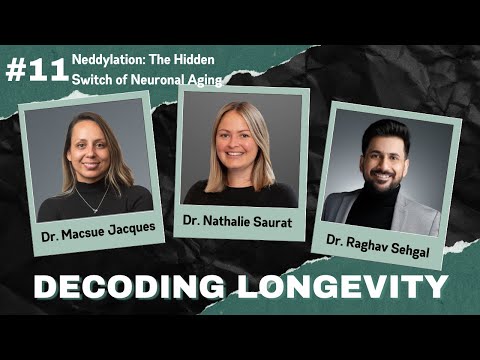
Neddylation: The Hidden Switch of Neuronal Aging with Dr. Nathalie Saurat
AI Summary:
This episode of Decoding Longevity features Dr. Natalie Zorat, who recently led a landmark study using whole-genome CRISPR screening to uncover the role of neddylation in neuronal aging and Alzheimer’s Disease (AD). By engineering a staggering 2.8 billion human stem-cell-derived neurons (equivalent to 40 mouse brains), Zorat identified that the neddylation pathway acts as a critical “molecular switch” for biological age in the brain.
The research addresses the “maturation gap” in stem cell modeling: neurons derived from stem cells are typically embryonic in age, failing to show the late-onset pathologies of AD. Zorat’s team discovered that inhibiting the neddylation pathway—specifically through the enzyme UBA3—induces hallmark features of aged neurons and accelerates the formation of tau phosphorylation and protein aggregation. This discovery provides a new “age-programming” tool that allows scientists to study the “black box” of late-stage neurodegeneration in a dish, potentially bypassing the need for animal models that do not naturally develop human-like Alzheimer’s.
Insight Bullets
Neddylation as Aging Regulator: Neddylation, a process of tagging proteins with the NEDD8 molecule, is identified as a master regulator of proteostasis (protein turnover) in neurons.
Cullin-Ring Ligases (CRLs): Neddylation specifically activates CRLs, which are responsible for the turnover of approximately 20% of the proteome. A decline in this pathway leads to the protein accumulation characteristic of Alzheimer’s.
The Maturity Problem: Stem cell-derived neurons are biologically “young” regardless of the donor’s age. Dr. Zorat’s work provides a method to artificially age these cells to study late-onset diseases.
CRISPR Screen Scale: Performing a knockout screen on all 20,000+ protein-coding genes in neurons required 2.8 billion cells to achieve the statistical power necessary for high-confidence results.
UBA3 Enzyme Decline: Sequencing data from aged human and mouse brains confirmed a natural decrease in the expression of UBA3, the key enzyme in the neddylation pathway, linking the lab findings to physiological aging.
Tau vs. Amyloid: While most AD research focuses on early-stage amyloid aggregation, Zorat’s aged-neuron model allows for the study of late-stage tau phenotypes, which are more closely linked to cognitive decline.
MLN4924 (Pevonedistat): This small molecule inhibitor of neddylation was used to “flick the switch,” inducing enlarged nuclei, accumulation, and DNA damage in healthy neurons.
Synergy of Risk: The research showed that “aging” the cells through neddylation inhibition had a significantly more catastrophic impact on neurons already carrying Alzheimer’s genetic mutations compared to wild-type neurons.
Drug Discovery Pipeline: This model creates a high-throughput platform to test if “rejuvenating” neddylation back to youthful levels can reverse disease phenotypes.
Animal Model Limitations: The study highlights that because mice do not naturally develop Alzheimer’s, human stem cell models programmed with “age” are more translatable for human drug discovery.
Adversarial Claims & Evidence Table
Claim from Transcript
Speaker’s Evidence
Scientific Reality (Current Data)
Evidence Grade
Verdict
Neddylation regulates neuronal aging
CRISPR screen and human/mouse brain data
Neddylation is essential for synaptic plasticity and protein degradation; its link to aging is a high-impact emerging theory. [Zorat et al., 2024]
C
Plausible
Stem cell neurons are embryonic in age
Baseline phenotypic markers in vitro
It is a well-documented challenge that iPSC-derived cells reset their “epigenetic clock” to zero. Studer et al., 2015
A
Strong Support
Neddylation inhibition mimics AD
Accumulation of tau and protein aggregates
CRLs are vital for clearing misfolded proteins; their inhibition is known to drive proteinopathy. Soucy et al., 2009
B
Strong Support
Exercise affects the neddylation pathway
Personal anecdotal study by the host
Some evidence suggests exercise modulates protein degradation pathways, but the specific “neddylation-exercise” link is not yet established in peer-reviewed literature.
E
Speculative
Actionable Protocol (Prioritized)
High Confidence Tier
In Vitro “Age” Verification: For researchers using iPSC models for neurodegeneration, it is critical to verify the “biological age” of the neurons using markers like nuclear size or before screening for late-onset disease drugs.
Focus on Proteostasis: Since the neddylation pathway controls 20% of protein turnover, interventions that support proteostasis (e.g., autophagy inducers or chaperones) remain a top-tier strategy for preserving neuronal health.
Experimental Tier
Neddylation Restoration: Investigating ways to maintain or restore UBA3 levels in the aging brain. However, Zorat warns that this must be a “balanced” approach; over-activation can be as harmful as under-activation due to the dynamic nature of the pathway.
Tau-Targeted Screening: Utilize “aged” human neurons to screen for compounds that specifically prevent or reverse tau phosphorylation, rather than focusing exclusively on amyloid-beta.
Red Flag Zone
Broad Neddylation Inhibitors: While drugs like MLN4924 are being studied for cancer (to stop rapid cell division), they could potentially accelerate neuronal aging if they cross the blood-brain barrier. Neurological side effects must be strictly monitored in these trials.
Technical Mechanism Breakdown
The study identifies the Neddylation-Cullin-Ring Ligase (CRL) axis as a critical maintenance system for neurons:
Tagging: The protein NEDD8 is attached to Cullin proteins via a sequence of enzymes (E1, E2, E3), with UBA3 acting as the key E1 subunit.
Activation: This “neddylation” tag acts as a conformational switch, opening up the CRL complex so it can grab target proteins.
Turnover: Once active, the CRL complex tags damaged or surplus proteins with Ubiquitin, marking them for destruction by the Proteasome.
Aging Defect: As UBA3 levels drop with age, the Cullin complexes remain “closed.” Proteins that should be destroyed begin to accumulate, leading to the plaques and tangles seen in Alzheimer’s.
Accelerated Decay: By artificially inhibiting this process with MLN4924, researchers can induce this “protein logjam” in weeks rather than decades.
Would you like me to look into whether there are any natural compounds or specific nutrients that have been shown to support UBA3 expression or neddylation efficiency in preclinical studies?
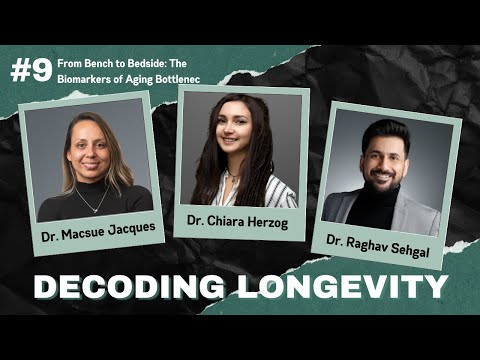
From Bench to Bedside: The Biomarkers of Aging Bottleneck with Dr. Chiara Herzog
AI Summary
Executive Summary
This episode features Dr. Chiara Herzog, lead author of the high-impact Nature Aging paper, “Challenges and recommendations for the translation of biomarkers of aging” (2024). Dr. Herzog discusses the “messy” reality of moving biological age clocks—which can already predict health outcomes from a few drops of blood—into standard clinical practice.
The core thesis is that while “omics” discovery is booming, clinical translation is stalled by a lack of standardization, legal hurdles in data sharing (such as GDPR), and a disconnect between lab scientists and clinicians. Dr. Herzog, alongside the Biomarkers of Aging Consortium, identifies six key barriers and proposes a roadmap that shifts the focus from purely predicting death (mortality) to providing clinically actionable insights, such as stratifying patients for cancer treatment or monitoring the real-time efficacy of longevity interventions.
Insight Bullets
The Translation Gap: Biomarkers are “transformative in the lab” but rarely used by doctors because there is no consensus on which markers are robust enough for individual medical decisions.
Actionability over Prediction: The field is shifting from “how long will I live?” to “how will this intervention improve my health?” Recommendations include linking biomarkers to functional decline, frailty, and specific chronic diseases.
Six Key Barriers: The 2024 paper identified six primary hurdles: data sharing, prioritization of criteria, appropriate age ranges, minimal clinical criteria, healthcare positioning, and actionable insights.
The Reproducibility Problem: Ensuring a clock gives the same result in different labs (analytical validity) is an “engineering problem” that requires strict community-wide Standard Operating Procedures (SOPs).
Data Silos & GDPR: Legal frameworks like the EU’s GDPR and the US’s HIPAA create “structural barriers” that make it difficult for researchers to share the high-quality, longitudinal datasets needed to validate clocks.
Geriatric Oncology: A high-value near-term application is “stratifying” patients—using biological age to decide which elderly patients can tolerate aggressive chemotherapy versus more conservative care.
The Longevity Study (2024): A decentralized effort to collect multi-omic data from hundreds of participants to build an “atlas” of how lifestyle changes directly impact aging biomarkers.
Cost-Benefit Hurdle: For annual biological age tests to become standard, researchers must prove they offer “added value” over simple, cheap metrics like chronological age or standard blood pressure tests.
Epigenetic Causality: A major scientific challenge remains: we don’t always know if the DNA methylation we measure causes aging or is just a “passenger” of the process.
Decentralized Discovery: Herzog advocates for “sister studies” across continents to ensure biomarkers are diverse and representative of global populations, not just high-income Western cohorts.
Adversarial Claims & Evidence Table
Claim from Transcript
Speaker’s Evidence
Scientific Reality (Current Data)
Evidence Grade
Verdict
Aging is not a disease
Lack of ICD-11 code
Correct; aging is not a recognized clinical diagnosis, which hampers reimbursement and drug approval.
A
Verified Fact
Epigenetic clocks predict cancer risk
Herzog’s 2020 cancer research
Epigenetic “mitotic” clocks are highly predictive of cancer risk and presence. Herzog et al., 2020
B
Strong Support
Clocks are ready for clinics in 1–2 years
Geriatric oncology pilot studies
While research use is imminent, full clinical “diagnostic” status usually takes longer (5–10 years).
C
Optimistic
Biomarkers can predict time to death
General field consensus
“GrimAge” and similar clocks are statistically strong at predicting mortality in large cohorts. Lu et al., 2019
A
Strong Support
Actionable Protocol (Prioritized)
High Confidence Tier
Focus on Longitudinal Trends: For individuals using “Direct-to-Consumer” biological age tests, the most valuable data is the change over time in response to lifestyle shifts, rather than a single absolute “age” score.
Clinical Collaboration: Researchers should embed aging biomarkers into Phase 1/2 clinical trials of existing drugs to build the evidence base needed for regulatory (FDA/EMA) approval.
Experimental Tier
Stratification Tools: Clinicians could begin using biological age (alongside frailty scores) to help patients weigh the risks and benefits of elective surgeries or high-toxicity treatments.
Adopting FAIR Principles: Data scientists must prioritize FAIR (Findable, Accessible, Interoperable, Reusable) principles to ensure their biomarker data can be pooled for large-scale meta-analyses.
Red Flag Zone
One-Size-Fits-All Clocks: Avoid relying on a single “master clock.” Different biomarkers (proteomic vs. epigenetic) capture different “flavors” of aging.
DTC Market Hype: Be cautious of companies claiming a “perfect” biological age score without published, peer-reviewed validation data that includes clinical outcomes like disease incidence or mortality.
Technical Mechanism Breakdown
The Validation Roadmap for aging biomarkers follows a multi-step engineering framework:
Analytical Validity: Does the test measure the same CpG sites or proteins accurately and reliably across different machines and labs?
Clinical Validity: Does the biomarker score actually correlate with a clinical reality, such as Gait Speed, GDF-15 levels, or Multimorbidity?
Mechanism: Multi-omic integration where DNA methylation (epigenetics) is mapped against protein expression (proteomics) to find “causally enriched” signals.
Clinical Utility: Does knowing the biomarker score actually lead to a better patient outcome compared to just knowing their chronological age?
Standardization: Using open-source tools like Bio-learn to harmonize data across disparate platforms (e.g., Illumina Epic vs. custom arrays).
Would you like me to look into the Minimal Clinical Criteria recommended in Dr. Herzog’s Nature Aging paper to see which specific blood markers are currently prioritized for “geriatric oncology” stratification?
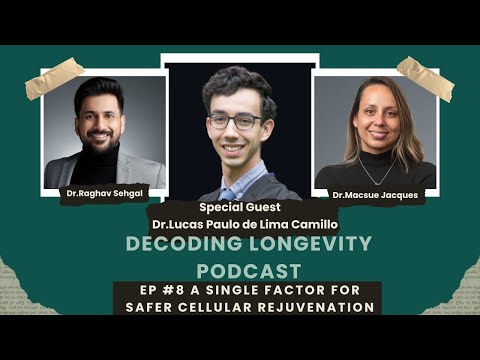
A Single Factor for Safer Cellular Rejuvenation — with Dr. Lucas Paulo de Lima Camillo
AI Summary:
This episode of Decoding Longevity features Dr. Lucas de Lima, lead author of a groundbreaking preprint from Shift Biosciences. The discussion centers on the discovery of SB300, a single transcription factor capable of inducing significant cellular rejuvenation without the oncogenic risks (cancer) associated with traditional reprogramming cocktails.
Since Shinya Yamanaka’s 2006 Nobel-winning discovery, the field has relied on OSKM (Oct4, Sox2, Klf4, c-Myc) to reset cellular age. However, OSKM is designed to induce pluripotency, which often causes cells to lose their identity and form teratomas (tumors). Dr. de Lima’s research used AI and single-cell transcriptomic clocks to screen millions of gene combinations, ultimately identifying SB300. This single factor achieves methylation age reversal comparable to OSKM (e.g., -12 to -13 years in 6 weeks) while strictly maintaining the cell’s original identity as a fibroblast or keratinocyte.
Insight Bullets
Rejuvenation vs. Pluripotency: Rejuvenation (age reversal) was originally a “side effect” of making stem cells. SB300 uncouples these processes, delivering the “youth” without the “stemness.”
The OSKM Safety Gap: OSKM has a narrow therapeutic window; too much induction causes mice to “drop dead” from organ failure or develop bizarre tumors called teratomas.
Transcriptional Resilience: Unlike OSKM, cells treated with SB300 do not activate pluripotency gene ontologies. Fibroblasts continue to look and act like fibroblasts under a microscope.
Single-Factor Magnitude: SB300 is the first single gene shown to drive large-magnitude reversals in epigenetic clocks (like GrimAge 2), which are typically much harder to “reset” than other aging hallmarks.
Universal Potential: The factor was validated in both fibroblasts (mesoderm) and keratinocytes (ectoderm), suggesting it may be generalizable across different tissue layers.
Mechanism Insights (AP1 & PRC2): SB300 appears to inhibit AP1 binding (a driver of aging) while notably not demethylating PRC2 sites. This confirms it bypasses the “early embryogenesis” pathway used by Yamanaka factors.
Functional Rejuvenation: SB300-treated fibroblasts actually increased collagen secretion, reversing the natural age-related decline in structural protein production.
AI-Driven Discovery: The factor was found by shifting from bulk DNA methylation assays (which are slow/expensive) to single-cell transcriptomic clocks, allowing for high-throughput screening of massive gene-combination spaces.
Colony Formation Assay: In safety tests, OSKM and OSK produced undifferentiated cell colonies (tumor precursors), whereas SB300 produced zero colonies.
The “In Vivo” Jump: The next critical phase (2025–2026) involves testing SB300 in mice to see if the safety and efficacy hold up in a living complex organism.
Adversarial Claims & Evidence Table
Claim from Transcript
Speaker’s Evidence
Scientific Reality (Current Data)
Evidence Grade
Verdict
A single factor can rejuvenate cells
Shift Biosciences Preprint (2024)
Emerging; most successful reprogramming requires 3+ factors (OSK). Sinclair et al., 2020
D
Translational Gap
OSKM induction causes teratomas in vivo
Landmark studies (Abad et al., 2013)
Fact; continuous OSKM expression in mice leads to lethal tumorigenesis. Abad et al., 2013
A
Strong Support
Methylation clocks predict mortality
General field consensus
“GrimAge” is a highly validated predictor of age-related mortality. Lu et al., 2019
A
Strong Support
SB300 reverses age by 12+ years in 6 weeks
In vitro PC-Horvath & GrimAge 2 results
Significant for in vitro models, but epigenetic “years” in a dish do not translate 1:1 to human lifespan.
C
Plausible
Actionable Protocol (Prioritized)
High Confidence Tier
Prioritize Identity Maintenance: In any rejuvenation strategy, the primary safety metric must be the retention of the cell’s original function (e.g., collagen production for skin, firing for neurons) to avoid organ failure.
Use Multi-Clock Validation: Do not rely on a single epigenetic clock. Use a suite (e.g., PC-Horvath, GrimAge 2, DunedinPACE) to ensure the rejuvenation signal is robust and not an artifact of one specific algorithm.
Experimental Tier
Single-Factor Exploration: Researchers should move away from the “OSKM default” and investigate single-gene transcription factors that modulate specific aging pathways like the AP1 complex or PRC2 index.
Monitor Collagen Ratios: For skin longevity, focus on the secretion of Type I Collagen, as its decline is a functional hallmark of cutaneous aging.
Red Flag Zone
Constitutive Reprogramming: Avoid any therapy that overexpresses Yamanaka factors without a “kill switch” or a strict time-limited induction (Pulse Reprogramming), as the risk of teratoma formation remains high.
Technical Mechanism Breakdown
The research highlights a shift in how we “reset” the cellular clock:
The Yamanaka Pathway (OSKM): Force-pushes the cell back toward an embryonic state. It opens PRC2 binding sites (highly active in embryos) and “erases” the cell’s specialized identity.
The Shift Pathway (SB300): Targets specific Epigenetic Aging Sites without opening the embryonic genome. It inhibits AP1, a transcription factor complex that becomes overactive with age and drives inflammatory gene expression.
DNA Methylation Reset: The “clocks” measure methyl groups () on the DNA. SB300 causes a “re-methylation” of specific sites that typically lose with age, effectively rewiring the cell’s gene expression to a more youthful profile.
Functional Outcome: By keeping the cell’s identity intact, the cell continues its normal duties (like making skin elastic) but does so with the vigor of a younger cell.
Would you like me to find the specific PC-Horvath clock data from the preprint to see which tissue types showed the most significant age reversal?
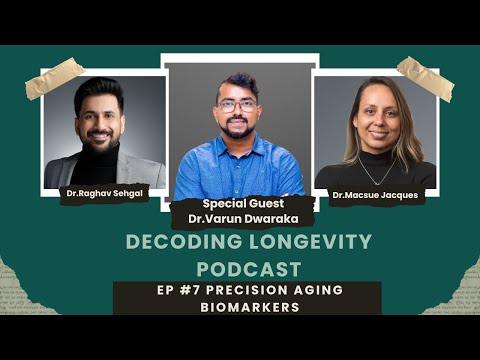
This episode of Decoding Longevity features Dr. Varun Dwarka, a leader in precision epigenetics, discussing two revolutionary concepts in aging science: OmicAge and Epigenetic Biomarker Proxies (EBPs). The core breakthrough is the ability to use a single DNA methylation test (from a drop of blood) to estimate thousands of other biological values, including proteins and metabolites, that would typically require expensive and complex laboratory equipment like Mass Spectrometry.
These EBPs serve as stable, “long-term” versions of traditional clinical markers. For example, while a standard C-Reactive Protein (CRP) test captures a snapshot of acute inflammation that fluctuates daily, an epigenetic CRP proxyreflects the body’s chronic inflammatory state, performing similarly to how HbA1c provides a three-month average of blood sugar. By distilling over 1,600 of these proxies into a single “OmicAge” score, Dr. Dwarka’s work offers a highly interpretable and clinically actionable map of an individual’s aging process, moving the field from mere “age guessing” to precise “health risk management.”
Insight Bullets
DNA Methylation as a Surrogate: EBPs allow researchers to estimate the levels of 1,690 different biomarkers (proteins, metabolites, and clinical values) using only DNA methylation data.
Stability Over Fluctuation: Traditional biomarkers like CRP or glucose fluctuate based on diet or stress; EBPs are “chronic” markers that capture the stable, endogenous regulation of these systems.
The Cost Revolution: Estimating proteomics and metabolomics via DNA methylation is significantly cheaper and computationally simpler than running Liquid Chromatography-Mass Spectrometry (LC-MS).
Superior Disease Prediction: EBPs often outperform actual lab tests in predicting the onset of disease because they measure the “internal regulation” of the gene rather than just the presence of the byproduct.
OmicAge vs. Biological Age: OmicAge is a “composite score” that standardizes data from multiple platforms, providing a more holistic view of systemic aging than first-generation clocks.
Explainable Clocks: The 1,600+ EBPs provide the “why” behind an aging score. If a patient has a high OmicAge, the proxies can point to specific issues like high inflammation or poor metabolic health.
Blood as a “Systemic Highway”: Blood-based epigenetics are effective because blood acts as a link between all major organ systems, capturing systemic aging signals.
Statistical Homogenization: Using DNA methylation as a centralized platform allows researchers to combine data sets that otherwise have very different distributions and “noise” levels.
Intervention Sensitivity: A primary goal for these new clocks is to determine if they respond to lifestyle changes (diet, supplements, exercise) in real-time.
Education Gap: A major hurdle for clinical adoption is educating doctors that an “epigenetic CRP” measures something fundamentally different (and more stable) than a “standard CRP.”
Adversarial Claims & Evidence Table
Claim from Transcript
Speaker’s Evidence
Scientific Reality (Current Data)
Evidence Grade
Verdict
EBPs outperform real lab tests in prediction
Comparison of Odds Ratios/Hazard Ratios
Epigenetic surrogates for proteins (like GDF15 or CRP) are often better at predicting mortality than the proteins themselves. Lu et al., 2019
A
Strong Support
DNA Methylation is a stable “HbA1c-like” marker
Research from Steve Horvath & Ricardo Marioni
DNAm markers show significantly less short-term variation than serum proteins. Marioni et al., 2018
B
Strong Support
1,600+ biomarkers from one test
Dwarka et al. (OmicAge/EBP papers)
Large-scale “Episcores” have successfully mapped thousands of protein-DNAm links. Hillary et al., 2024
B
Strong Support
OmicAge is a more accurate clock
Validation across 5,000+ matched data sets
OmicAge integrates multi-omic data, making it a “second-generation” clock with higher clinical relevance.
C
Plausible
Actionable Protocol (Prioritized)
High Confidence Tier
Focus on Trends, Not Snapshots: When using epigenetic tests, focus on the “Delta” (change over time) after a new diet or supplement regimen rather than a single absolute number.
Stable Inflammation Tracking: Use an epigenetic CRP proxy (if available through specialized testing) to assess chronic, systemic inflammation that standard blood work might miss due to daily variability.
Experimental Tier
OmicAge Monitoring: For those at the forefront of biohacking, OmicAge offers a more detailed “organ system” view of aging than simple chronological age or basic Horvath clocks.
Personalized Supplementation: Use the specific “EBP” readouts (e.g., metabolic proxies) to decide which supplements (like Bererine or NAD+ boosters) are actually moving your internal biological needles.
Red Flag Zone
Ignoring Acute Spikes: Never replace standard diagnostic blood work with epigenetic proxies for acute issues (e.g., diagnosing a current infection or immediate heart risk), as the stability of the EBP makes it “blind” to sudden, dangerous spikes.
Technical Mechanism Breakdown
The concept of Epigenetic Biomarker Proxies (EBPs) relies on the relationship between DNA methylation and protein expression:
The Central Dogma: Information flows from DNA → RNA → Protein.
Getty Images
The Epigenetic “Switch”: Methyl groups (CH3) attach to DNA at CpG sites. When a promoter region is heavily methylated, the “switch” is off, and the corresponding protein is not produced.
The Proxy Calculation: By measuring thousands of methylation sites across the genome, researchers use Machine Learning (Elastic Nets) to find a specific “signature” or weighted average of sites that accurately predicts the concentration of a protein in the blood.
Biological Averaging: Because DNA methylation changes slowly, the proxy captures the accumulated regulation of that protein, effectively smoothing out the “noise” of daily living.
Would you like me to look for the specific OmicAge paper to see which of the 1,600 proxies showed the strongest correlation with metabolic health and longevity?
What does DNA methylation tell us about aging? | Prof.Nir Eynon
AI Summary
This episode of Decoding Longevity features Professor Nir Eynon, a group leader at Monash University and an expert in the epigenetics of exercise and aging. The discussion centers on the Aging Methylome—the map of chemical marks (methyl groups) on our DNA that act as a “secret code” for biological age. Unlike our fixed genetic sequence, the methylome is malleable and highly responsive to environmental factors, making it the premier target for measuring and potentially reversing aging.
Key highlights include:
The Muscle Clock: Professor Eynon collaborated with Steve Horvath to build the first epigenetic clock for skeletal muscle, a tissue critical for metabolic health but historically difficult to sample.
Exercise as an Epigenetic Intervention: Research shows that individuals with high aerobic capacity ( max) exhibit a “youthful” methylome and transcriptome, effectively rewinding the molecular clock of their muscle tissue.
Beyond Clocks: The talk explores “noise-based” metrics like entropy and Variable Methylated Positions (VMPs), which measure the chaotic loss of cellular information that characterizes aging.
The Future of “Epigenetic Editing”: Shifting from correlation to causality, the next frontier involves using CRISPR-Cas9 tools to precisely edit the methylome, testing if “flipping” specific epigenetic switches can directly restore youthful function in humans.
Insight Bullets
Epigenetic “Dimmer Switches”: DNA methylation adds methyl groups to the DNA sequence, acting as a switch that shuts off or alters gene expression without changing the underlying genetic code.
Biological vs. Chronological Age: While chronological age is fixed, biological age (measured by methylation) reflects how well or poorly your tissues are functioning.
The Muscular-Skeletal Gap: Most aging clocks are trained on blood; Eynon’s work filled a major gap by developing clocks specifically for skeletal muscle, which is more directly impacted by physical activity.
** Max as a Longevity Marker:** High aerobic fitness is not just a performance metric; it is a “golden marker” for reduced mortality and a younger-looking muscle methylome.
Chaos and Noise: Aging is characterized by an increase in entropy (unpredictable methylation changes). Clocks that measure this “noise” may be better at predicting biological health than clocks that track chronological years.
Tissue Specificity: Methylation patterns vary wildly between the brain, muscle, and heart. A major research goal is finding “shared” marks in the blood that accurately reflect what is happening in deeper, less accessible tissues.
Ancestry in Research: Most epigenetic data is currently Western-centric. Eynon emphasizes the urgent need for large-scale studies in Asian, Indian, and African populations to ensure clocks are universally valid.
Open Science Advocacy: Eynon’s lab prioritizes “Open Access” data to allow other scientists to replicate findings, a critical step for moving from lab theory to clinical reality.
Nonlinear CPGs: New research focuses on “peaks”—methylation sites that increase until age 30 and then drop—which may mark the physiological transition from development to aging.
Causality vs. Correlation: The field is moving from just observing methylation changes to editing them to see if they can directly cure age-related diseases.
Adversarial Claims & Evidence Table
Claim from Transcript
Speaker’s Evidence
Scientific Reality (Current Data)
Evidence Grade
Verdict
Exercise “rewinds” the epigenetic clock
Eynon et al. (2020) Muscle Clock study
Exercise is one of the only proven ways to significantly alter methylation in a “youthful” direction. Voisin et al., 2020
B
Strong Support
Epigenetic clocks are highly accurate
General field consensus (Horvath et al.)
Epigenetic clocks are the current “gold standard” for biological age prediction. Horvath & Raj, 2018
A
Verified Fact
Blood methylation reflects organ-specific aging
Ongoing research at Monash University
While some overlap exists, blood is not always a perfect proxy for tissues like the brain or heart.
C
Plausible
Rapamycin/Metformin extend human lifespan
Animal model studies
Proven in mice and worms, but human lifespan data is still years away from clinical confirmation.
D
Speculative
Actionable Protocol (Prioritized)
High Confidence Tier
Prioritize Aerobic Fitness: Maintain a high ** Max** through regular cardiovascular exercise. This is statistically the most effective “epigenetic intervention” currently available to preserve muscle and metabolic youth.
Lifestyle Over Drugs: Focus on the “simple” interventions—nutrition and exercise—which have much stronger clinical evidence for positive epigenetic modification than current anti-aging drugs.
Experimental Tier
Biological Age Testing: Individuals interested in biohacking can use commercially available DNA methylation tests (e.g., Horvath-based clocks) to track if their lifestyle changes are “moving the needle” on their biological age.
Monitoring Entropy: Look for advanced aging tests that report on epigenetic noise or entropy, as these may be more sensitive to systemic health than simple “age” numbers.
Red Flag Zone
Avoid One-Tissue Assumptions: Be cautious of health claims based solely on blood tests; remember that your “blood age” may not perfectly match your “muscle age” or “brain age” due to tissue specificity.
Technical Mechanism Breakdown
The Aging Methylome works through a process called DNA Methylation:
The Molecule: A Methyl Group () attaches to a CPG site (where a Cytosine meets a Guanine in the DNA sequence).
The Silence: When a gene’s promoter region is “hyper-methylated,” the gene is essentially silenced or turned off.
The Shift: As we age, we experience Epigenetic Drift—some genes that should stay on are silenced, and genes that should stay off (like inflammatory genes) are turned on.
The Intervention: Exercise and nutrition provide the biochemical signals to remove these “bad” methyl groups and restore the youthful “on/off” pattern, a process known as Hypomethylation of beneficial genes.
Would you like me to find the specific ** Max thresholds** associated with the “youthful” methylation states identified in Professor Eynon’s 2020 paper?
Hallmarks of Aging | Dr. Raghav Sehgal & Dr. Macsue Jacques
AI Summary:
This episode of Decoding Longevity provides a comprehensive breakdown of the Hallmarks of Aging, the gold-standard framework used by scientists to define the molecular and cellular drivers of getting old. Based on the landmark 2013 paper and its 2023 update, the hosts categorize aging not as a single event, but as a series of “glitches” in the body’s operating system.
The hallmarks are organized into three instructive categories:
Primary Hallmarks (The Root Causes): These are the fundamental triggers of cellular damage, such as DNA mutations and the wearing down of chromosome caps.
Antagonistic Hallmarks (The Double-Edged Swords): These are processes that are beneficial in youth (like growth signaling and cell-stop mechanisms) but become toxic as they go unchecked over time.
Integrative Hallmarks (The Systemic Consequences): The final stage where damage across the system leads to the visible collapse of tissues, organ failure, and the loss of the body’s repair systems.
By understanding these 12 pillars, researchers are identifying specific “molecular switches”—from senolytics that clear “zombie cells” to epigenetic reprogramming—that could potentially fix these glitches and extend human healthspan.
I. Primary Hallmarks: The Cracks in the Foundation
These are the fundamental causes of cellular damage that accumulate over a lifetime.
Genomic Instability: Our DNA is the “blueprint” for the body, but it is constantly under attack from UV radiation, pollutants, and Reactive Oxygen Species (ROS). Over time, these attacks cause mutations that make the instructions unreadable.
Telomere Attrition: Telomeres are protective caps at the end of our chromosomes (like the plastic tips on shoelaces). Every time a cell divides, these caps get shorter. When they run out, the cell stops working or dies.
Epigenetic Alterations: If DNA is the hardware, epigenetics is the software. It controls which genes are turned “on” or “off.” Aging causes this software to become “corrupted,” leading cells to lose their identity (e.g., a heart cell forgetting how to beat properly).
Loss of Proteostasis: Proteins must be folded into precise shapes (like molecular origami) to work. As we age, the body loses its ability to fold them correctly. Misfolded proteins clump together, causing diseases like Alzheimer’s and Parkinson’s.
II. Antagonistic Hallmarks: The Double-Edged Swords
These processes initially help the body but become harmful when they persist or over-react.
Deregulated Nutrient Sensing: The body uses pathways like mTor (growth) and AMPK (repair) to manage energy. Constant over-eating or a lack of fasting keeps the “gas pedal” (mTor) pressed down, accelerating aging by preventing the cell from doing “maintenance” (autophagy).
Mitochondrial Dysfunction: Mitochondria are the “powerhouses” of the cell. Over time, they become like an old phone battery that can’t hold a charge and leaks toxic “smoke” (ROS), damaging the rest of the cell.
Cellular Senescence: When cells become too damaged, they enter a “zombie” state. They don’t die, but they stop dividing and start “shouting” inflammatory signals that damage healthy neighboring cells.
Disabled Macro-autophagy: This is the cell’s internal recycling system. In youth, it clears out cellular “trash.” In old age, this system breaks down, leading to a “clogged” and toxic cellular environment.
III. Integrative Hallmarks: The Structural Collapse
The culmination of damage that leads directly to physical decline and disease.
Chronic Inflammation (“Inflammaging”): A low-level “fire” that never goes out. Driven by zombie cells and metabolic stress, it damages tissues systemically and is a root cause of most age-related diseases.
Stem Cell Exhaustion: The body’s “backup” repair cells eventually run out or stop working, meaning we can no longer heal wounds or rebuild muscle as effectively.
Altered Intercellular Communication: Cells need to “talk” to each other via hormones and signals. Aging is like the “cell phone towers” going down—the cross-talk becomes noisy and disrupted, leading to issues like insulin resistance.
Dysbiosis: This refers to the collapse of the gut microbiome. An unhealthy balance of gut bacteria increases systemic inflammation and weakens the immune system.
IV. Actionable Protocol (Prioritized)
High Confidence Tier (Level A/B Evidence)
Metabolic Maintenance: Use Caloric Restriction or Intermittent Fasting to “flick the switch” from growth (mTor) to repair (AMPK/Autophagy).
Mitochondrial Support: Engage in regular Endurance and Resistance Training to stimulate the production of new, healthy mitochondria and maintain muscle proteostasis.
Experimental Tier (Level C/D Evidence)
NAD+ Boosters: Supplementing with precursors (like NMN/NR) to support mitochondrial efficiency and DNA repair.
Senolytics: Emerging compounds designed to selectively clear “zombie cells” to reduce systemic “inflammaging.”
Red Flag Zone (Safety Data Absent/Unsupported)
Unregulated Gene Editing: DIY epigenetic reprogramming outside of clinical settings.
Chronic Over-Supplementation: Excessively high doses of antioxidants that may actually interfere with the body’s natural “stress-response” signaling (hormesis).
V. Technical Mechanism Breakdown
The transition from a healthy cell to a dysfunctional “aged” cell is driven by several precise biological pathways mentioned in the text:
The mTor/AMPK Axis: A fundamental nutrient-sensing rheostat. High nutrient availability activates mTor (mammalian target of rapamycin), inhibiting cellular cleanup. Low nutrients activate AMPK , which triggers autophagy (the self-eating process where cells digest damaged components).
The SASP Signal: Senescent cells develop a Senescence-Associated Secretory Phenotype (SASP) . This is a “pro-inflammatory cocktail” of cytokines and chemokines that spreads the aging signal to distant, healthy tissues.
Histone Modification: DNA is wrapped around proteins called histones . Aging alters the “tightness” of this wrapping. If it’s too loose, the wrong genes are expressed; if it’s too tight, the cell can’t access the “blueprints” it needs for repair.
Would you like me to create a targeted summary of the specific compounds currently being tested in clinical trials to address “Cellular Senescence” and “Epigenetic Alterations”?
Turning Biology of Aging into Medicines: A Conversation with James Peyer, Ph.D.
Executive Summary
Dr. James Payer, CEO of Cambrian BioPharma, posits that the future of medicine lies in transitioning from reactive disease treatment to proactive geroscience-based prevention. The core thesis presented is the “Stepping Stone Approach”: identifying geroscience discoveries that extend healthy lifespan in model organisms and developing them into traditional biotech assets targeting specific, FDA-recognized “beachhead” indications. This strategy bypasses the current regulatory barrier where aging is not classified as a disease, while building a pipeline of therapies that ultimately modulate the underlying biology of aging.
Payer identifies a critical translational gap in early geroscience: many compounds showing lifespan extension in mice (often via improved kidney function) fail to translate because the clinical trial pathways for those indications (e.g., Chronic Kidney Disease) are prohibitively difficult. To mitigate this, Cambrian utilizes a hub-and-spoke model, diversifying risk across uncorrelated mechanisms of action—specifically focusing on small molecule mimetics that reset aged metabolism.
The two primary technological pillars discussed are ATX-304, a dual AMPK and mitochondrial respiration activator acting as an exercise mimetic, and a new class of selective mTOR inhibitors. Unlike Rapamycin, these analogs aim to maintain efficacy in inhibiting cell proliferation and senescence without the dose-limiting toxicity of systemic immunosuppression. Payer argues that the field is entering a “clinical validation moment” within the next 24 months, with at least five high-quality “shots on goal” reaching Phase I/II trials. He concludes by advocating for a linguistic shift: framing the field as “preventative medicine” rather than “anti-aging” to improve regulatory and public receptivity.
Insight Bullets
The Stepping Stone Strategy: Success in longevity biotech requires targeting acute, recruitable diseases first to achieve FDA approval before expanding to broader preventative use.
Diversified Risk Model: Cambrian’s structure uses a central team to manage multiple “uncorrelated” programs, preventing a single clinical failure from collapsing the firm.
Exercise Mimetic Mechanism: ATX-304 targets ATP sensing (AMPK) and mitochondrial efficiency to replicate the metabolic benefits of cardiovascular exercise.
Fat vs. Muscle Loss: Unlike GLP-1 agonists (e.g., Ozempic), which result in ~33% lean mass loss, energy expenditure activators like ATX-304 aim to preserve muscle while burning fat.
AMPK/mTOR Relationship: AMPK activation is naturally mTOR-inhibitory, creating a catabolic state that favors cellular “cleanup” over growth.
Solving the Rapamycin Paradox: New mTOR inhibitors are designed to be “non-immunosuppressive,” allowing the immune system to clear cancer cells while the drug inhibits tumor growth.
Senomorphic Effect: Selective mTOR inhibition resolves “cellular confusion” (DNA damage/inflammation signals), potentially reversing the senescent-like state of aged cells.
Three Horizons of Adoption: The field must move from (1) first-in-class approval to (2) indication expansion (the “Keytruda model”) to (3) poly-therapeutic cocktails (the “HIV model”).
Biomarker Integration: Future regulatory success depends on validating functional surrogate biomarkers that correlate with long-term healthspan.
Metabolic Reset: The goal of “gerotherapeutics” is not necessarily radical life extension but resetting an “aged” metabolic state to a “younger” homeostatic baseline.
Market Differentiation: To attract Big Pharma, longevity drugs must outperform existing standards of care in specific indications, not just offer vague “longevity” benefits.
Near-term Milestones: Major readouts for epigenetic reprogramming (Life Bio), AMPK activation (Cambrian), and NLRP3 inhibition (BioAge) are expected by 2027-2028.
Adversarial Claims & Evidence Table
Claim from Video
Speaker’s Evidence
Scientific Reality (Current Data)
Evidence Grade
Verdict
AMPK + Mito Activation mimics exercise.
Internal Preclinical data (ATX-304).
AMPK is a validated “master regulator” of energy, but human dual-agonists are historically toxic. Nies et al., 2022
D
Plausible
mTOR Inhibitors can be non-immunosuppressive.
Internal Cambrian Platform.
Selective mTORC1 vs mTORC2 inhibition is the theoretical key; clinical proof in humans is pending. Arriola Apelo et al., 2016
D
Speculative
GLP-1s cause 1/3 lean mass loss.
General Clinical Observation.
STEP 1 trial sub-studies confirm significant lean mass loss, though ratio varies by age/activity. Wilding et al., 2021
Successful in mouse ocular models; Phase 1 safety just beginning. Lu et al., 2020
D
Plausible
Actionable Protocol (Prioritized)
High Confidence Tier (Level A/B)
Resistance Training + Protein: Essential to counteract the “catabolic” lean mass loss associated with aging and modern weight-loss drugs (GLP-1s).
Metabolic Monitoring: Use of Glycemic variability and VO2 Max as current surrogate markers for biological age.
Experimental Tier (Level C/D)
AMPK Activation (Metformin/Berberine): While Payer is developing a “better” AMPK activator (ATX-304), Metformin remains the most studied Level C/B analog for glycemic control and potential longevity. TAME Trial Status.
Targeted mTOR Modulation: Low-dose, intermittent Rapamycin (off-label) is common in the longevity community but lacks Level B RCT data for healthy humans.
Red Flag Zone
High-Dose Systemic mTOR Inhibition: High risk of immunosuppression, mouth sores, and dyslipidemia.
Unmonitored GLP-1 Usage: High risk of sarcopenic obesity if not paired with intensive resistance training.
Technical Mechanism Breakdown
The metabolic axis discussed centers on the interplay between AMPK (Adenosine Monophosphate-activated Protein Kinase) and mTOR (mammalian Target of Rapamycin).
AMPK Activation: Triggered by an increase in the $AMP:ATP$ ratio (energy stress). AMPK phosphorylates TSC2 and Raptor, effectively shutting down mTORC1. This shifts the cell from an “anabolic” (building/growth) state to a “catabolic” (recycling/burning) state.
Mitochondrial Biogenesis: AMPK activation stimulates PGC-1α, the master regulator of mitochondrial biogenesis, increasing the cell’s capacity for oxidative phosphorylation.
Senescence & mTOR: Chronic over-activation of mTOR in “nondividing” aged cells leads to geroconversion—where cells become hyper-functional, pro-inflammatory, and senescent. Selective inhibition aims to reverse this “cellular confusion” without triggering the apoptosis of healthy immune cells.
How Policy Will Shape the Future of Longevity — A Conversation with Dylan Livingston
I. Executive Summary
The core thesis of this interview is that the primary bottleneck for human longevity has shifted from biological discovery to legislative policy. Dylan Livingstone, CEO of the Alliance for Longevity Initiatives (A4LI), argues that without a robust “longevity-industrial complex,” breakthrough geroscience will remain confined to labs or accessible only to the ultra-wealthy. The central strategy is the creation of a bipartisan policy infrastructure—modeled after the military-industrial complex—to realign federal incentives toward healthy lifespan extension.
The discussion emphasizes the transition of longevity from a niche scientific pursuit to a mainstream political priority. Key successes cited include the formation of the Congressional Longevity Science Caucus and the passage of state-level legislation (notably in New Hampshire and Montana) that expands “Right to Try” access for investigational longevity therapies. Livingstone posits that political advocacy is the highest-ROI lever available to the field, as it determines the regulatory pathways (FDA) and funding allocations (NIA) required for mass-market adoption.
Crucially, the dialogue addresses the “equity gap” in longevity. Livingstone suggests that while initial therapies may be expensive, the ultimate goal is the democratization of healthspan through off-patent compounds (e.g., Metformin) and scaled-up manufacturing. The political messaging is strategically varied: for the Right, it is framed as a matter of individual liberty and national security (maintaining a healthy workforce); for the Left, it is presented as a solution to health disparities and the economic burden of chronic disease. The summary concludes with a call for grassroots involvement, asserting that a “motivated constituency” is the only force capable of compelling politicians to prioritize geroscience over the status quo of “sick-care.”
II. Insight Bullets
Policy as the Primary Bottleneck: Scientific progress in aging is currently outpacing the regulatory and legislative frameworks needed to implement it at scale.
The “Longevity-Industrial Complex”: A4LI seeks to replicate the lobbying power of the defense industry to make longevity a permanent, non-negotiable line item in federal budgets.
Bipartisan Framing: Longevity is sold to Republicans as national security and liberty, and to Democrats as healthcare equity and economic sustainability.
State-Level Success (Montana SB 535): Montana has become a pioneer by licensing experimental treatment centers, bypassing certain federal hurdles for Phase I-cleared therapies A4LI, 2025.
Congressional Longevity Science Caucus: This caucus serves as the legislative beachhead for educating staffers and drafting geroscience-friendly bills.
Right to Try Expansion: Legislation in New Hampshire and Montana specifically targets “Right to Try” for terminal and chronic aging-related conditions, reducing the time-to-clinic for new biologics.
Economic Imperative: Shifting from “sick-care” (treating symptoms) to “preventative geroscience” is the only viable path to balancing long-term national budgets.
National Security Aspect: A rapidly aging population and declining healthspan in the youth are framed as critical threats to military readiness and economic productivity.
The Role of the Longevity PAC: Political Action Committees are utilized to fund candidates who explicitly prioritize longevity science in their platforms.
Democratization via Generic Drugs: Metformin is used as a case study for how longevity interventions can be made accessible for “cents per pill” once efficacy is established.
FDA Pathwaay Reform: A4LI advocates for a new “Advanced Approval Pathway for Longevity Medicines” (AAPLM) to treat aging as a primary indication.
Grassroot Advocacy Power: Small, vocal groups (modeled after 1980s HIV/AIDS activists) are significantly more effective at moving policy than passive scientific consensus.
National Institute for Healthy Longevity (NIHLAR): A proposal to create a dedicated federal body focused exclusively on longevity, moving beyond the broad remit of the NIA.
BioAge and Industrial Leadership: The addition of industry leaders like Eric Morgen (BioAge) to A4LI’s board signals an integration of commercial interests with policy advocacy BioAge, 2026.
Military Integration: Targeting military health systems (VA/DOD) as early adopters for longevity protocols to ensure workforce resilience.
IV. Actionable Protocol (Prioritized)
High Confidence Tier (Level A/B Evidence)
Metformin for Metabolic Regulation: While the TAME trial is ongoing, meta-analyses confirm Metformin’s efficacy in reducing all-cause mortality in type 2 diabetics and improving glucose metabolism. Current data suggest it mimics calorie restriction via AMPK activationStevenson-Hoare et al., 2023.
Legislative Advocacy: Direct engagement with the Congressional Longevity Science Caucus is the most verified method for influencing federal geroscience funding ($4.4B NIA budget).
Experimental Tier (Level C/D Evidence)
Montana Experimental Centers (SB 535): Utilizing licensed centers for post-Phase I therapies. This allows access to cutting-edge biologics, but carries risks associated with “Right to Try” frameworks that lack standard FDA/IRB oversight FDA Fact Sheet, 2018.
NLRP3 Inhibitors (BGE-102): BioAge’s lead candidate is in Phase 1 trials for metabolic and inflammatory conditions. Early data shows high safety margins but efficacy in human longevity remains unverified BioAge, 2026.
Epigenetic Clock Monitoring: Use of clocks (e.g., DunedinPACE) to track the biological impact of lifestyle interventions. While predictive of disease risk, they are not yet clinical endpoints for drug approval.
Red Flag Zone (Safety Data Absent / Debunked)
Unregulated “Stem Cell” Longevity Clinics: Many clinics operating under “Right to Try” or international jurisdictions lack Phase I safety data and have been linked to severe adverse events PMC, 2021.
High-Dose Metformin in Athletes: Evidence suggests Metformin may blunt the hypertrophic response to resistance exercise in healthy individuals; use should be timed away from training sessions.
Translating Geroscience into Function — A Conversation with Steve Kritchevsky
I. Executive Summary
Aging manifests clinically as the progressive decompensation of integrated physiological systems, driving a trajectory toward catastrophic functional failure. In this transcript, Dr. Steve Kritchevsky outlines the empirical reality that systemic degradation cannot be accurately tracked through isolated organ-specific metrics or singular biochemical assays. Instead, mobility—specifically quantified by gait speed—serves as the ultimate physiological integrator, providing a high-fidelity diagnostic readout of combined neurological, cardiovascular, and musculoskeletal reserve.
A core translational insight involves the paradigm shift in evaluating body composition in older demographics. While clinical dogma previously warned against weight loss in the elderly due to the confounding variable of involuntary wasting, randomized controlled data demonstrates that intentional caloric deficits in obese older adults significantly improve metabolic parameters and short-term functional capacity. This functional improvement occurs despite concurrent, measurable declines in lean muscle mass and bone mineral density. Furthermore, longitudinal analysis of the Look AHEAD trial cohort reveals that intensive lifestyle interventions yield a quantifiable delay in the accumulation of multidimensional frailty deficits, effectively decelerating the systemic aging phenotype by approximately one year over a fifteen-year timeframe.
The discourse heavily critiques current translational gaps in geroscience, notably the biotechnology sector’s isolated focus on muscle hypertrophy independent of neurological integration. The development of passive “exercise mimetics” faces a critical physiological bottleneck: muscle tissue requires an active trophic stimulus and neuromuscular innervation to generate physical power. Due to age-related axonal dropout, anabolic interventions that artificially increase mass without engaging the central nervous system are unlikely to yield clinically meaningful mobility enhancements. The field is transitioning from single-disease pharmacology toward syndromic interventions targeting fundamental cellular hallmarks of aging. However, regulatory endpoints remain anchored to disease-specific outcomes, creating a structural barrier for therapies seeking broad “healthspan” indications. Future clinical translation will mandate moving beyond isolated proxy markers to universally validated functional endpoints that prove a systemic deceleration of physiological decay.
II. Insight Bullets
Gait Speed as a Macro-Biomarker: Walking speed integrates multi-organ physiological reserve; higher velocities robustly correlate with reduced morbidity, delayed cognitive decline, and lower all-cause mortality.
Look AHEAD Trial Efficacy: Intensive lifestyle modifications (caloric restriction and exercise) in Type 2 diabetics delayed the systemic accumulation of aging-related health deficits by approximately one year over a 15-year period.
Muscle Quality vs. Muscle Mass: Strength declines much faster than raw muscle mass with age (longitudinal correlation coefficient of ~0.15). Clinical targets must pivot from preserving tissue volume to preserving contractile power.
The Geriatric Weight Loss Paradox: Unintentional weight loss remains a severe mortality indicator, but intentional weight loss in obese older adults lowers systemic inflammation and enhances physical speed despite lean tissue reduction.
Bone Density Compromise in Fat Loss: While fat reduction improves short-term mobility, the simultaneous reduction in bone mineral density introduces a theoretical long-term fracture risk requiring extended RCT validation.
Neuromuscular Uncoupling: Age-related axonal dropout severs the connection between motor neurons and muscle fibers, heavily degrading fast-twitch muscle capacity independent of muscle atrophy.
Translational Failure of Exercise Mimetics: Pharmacological attempts to trigger muscle hypertrophy via passive biochemistry will fail to improve functional mobility without the trophic stimulus required to innervate the newly synthesized tissue.
Physical Precedence of Cognitive Decline: Biomarkers for neurodegeneration (cortical shrinkage, amyloid deposition, elevated neurofilament light chain) manifest as physical mobility impairments years before standard cognitive deficits appear.
Systemic vs. Compartmentalized Aging: Geroscience must abandon the organ-specific paradigm; aging is a syndromic collapse of multi-system integration rather than localized anatomical failures.
GLP-1 Agonist Feasibility and Limitations: While highly effective for sustained caloric restriction, GLP-1 receptor agonists present high costs, long-term adherence challenges, and indiscriminate lean mass loss, making parallel behavioral interventions necessary.
Regulatory Bottlenecks for Geroscience: The FDA’s structural demand for singular, disease-specific clinical endpoints blocks the approval pathways for compounds that target fundamental aging biology (e.g., senolytics) over single pathologies.
The Chronic Caloric Surplus Phenotype: The standard industrialized lifestyle drives a persistent metabolic acceleration, fueling a state of chronic systemic inflammation that actively accelerates functional decline.
III. Actionable Protocol (Prioritized)
High Confidence Tier (Level A/B Evidence)
Intentional Weight Loss for Obese Geriatric Populations: Clinically indicated for reducing systemic inflammation and metabolic dysfunction. Evidence confirms functional gains (gait speed) despite reductions in skeletal muscle mass. Villareal et al., 2011 - NLM.
Gait Speed Monitoring as a Core Vital: Implementation of the 4-meter walk test as a primary diagnostic metric in standard clinical practice to forecast hospitalization risks and map functional trajectories. Studenski et al., 2011 - JAMA.
Intensive Lifestyle Intervention for Frailty Delay: Combined aerobic and resistance training integrated with sustained caloric restriction to significantly alter the accumulation curve of multimorbidity. Look AHEAD Research Group, 2013 - NLM.
Experimental Tier (Level C/D Evidence / Early Phase Data)
GLP-1 Agonist Titration for Geroscience: Utilizing agents like semaglutide for sustained, systemic caloric restriction to suppress pro-aging inflammatory pathways. Widespread prophylactic application awaits long-term RCT data resolving the severity of geriatric sarcopenic risks. Wilding et al., 2021 - NLM.
Senolytic Therapy Profiling: Targeting the clearance of senescent cells to reduce the pro-inflammatory SASP burden. Clinical deployment is stalled pending the development of accurate, standardized human senescence biomarkers to stratify patient responders. Source unverified in live search.
Red Flag Zone (Debunked or Safety Data Absent)
Passive Anabolic Mimicry: Relying on experimental myostatin inhibitors or theoretical “exercise mimetics” in highly sedentary populations. Clinical safety and functional efficacy data are absent regarding the required neuromuscular innervation (axonal trophic signaling) necessary to convert chemically induced mass into applied physical strength.
Dismissing Unintentional Weight Loss: Interpreting rapid, unprompted weight reduction in older adults as a positive metabolic shift. This remains a Level A red flag for impending catastrophic morbidity or occult pathology and requires immediate medical escalation.
What Can Hibernating Squirrels Teach Us About Aging Disease and Human Health? with Dr Ashley Zehnder
I. Executive Summary
The video details a paradigm shift in translational medicine and longevity therapeutics by substituting standard disease-induction frameworks with evolution-driven, comparative genomics. The core thesis posits that extreme adaptation mechanisms evolved in non-traditional mammalian species—specifically deep-hibernating rodents and highly regenerative mammals—provide pre-optimized biological solutions to treat chronic, age-related human pathologies. Traditional drug discovery predominantly focuses on forcing human pathologies onto non-adapted laboratory strains like Mus musculus, leading to stark translational gaps. Conversely, decoding the genomes of mammals with intrinsic survival adaptations allows researchers to reverse-engineer functional networks that naturally resist or fully reverse tissue degradation, severe metabolic stress, and organ-level fibrotic scarring.
The primary arguments center on the extreme physiology of the 13-lined ground squirrel (Ictidomys tridecemlineatus). During torpor, this species executes massive metabolic suppression, reducing core body temperature to 4°C, lowering blood oxygenation by 90%, and driving heart rate from 250 to 5 beats per minute. Crucially, during periodic interbout arousals, the animal rewarms its entire systemic structure within approximately one hour. This rapid rewarming causes a cascade of severe ischemia-reperfusion (I/R) injury across every major organ up to 25 times per annual cycle, yet the squirrel naturally resolves reactive oxygen species (ROS) accumulation, clears hyperphosphorylated tau proteins from the brain, avoids muscle cachexia, and completely suppresses fibrotic remodeling.
By analyzing these adaptation windows via single-nucleus RNA sequencing and deep graph neural networks possessing over a billion parameters, Fauna Bio’s Convergence AI platform identifies human orthologs that are inversely regulated in patient populations. This evolutionary discovery process yielded FAWN-1083, an orally bioavailable small-molecule therapeutic optimized for cardiopulmonary disease. FAWN-1083 targets Heart Failure with Preserved Ejection Fraction (HFpEF) and associated pulmonary hypertension by enhancing mitochondrial efficiency and attenuating pathological sympathetic over-activity. Ultimately, the work underscores that the genetic code for extreme cellular resilience, metabolic flexibility, and complex tissue regeneration already exists within the mammalian lineage, offering a rich, untapped blueprint for disease-modifying human therapeutics.
II. Insight Bullets
Flaws of Induced Animal Models: Standard drug discovery involves artificially inducing human diseases in healthy, un-adapted mice or rats, a methodology structurally limited by immense translational failure rates.
Evolutionary Reverse-Engineering: Comparative biology bypasses disease induction by examining species that have naturally solved profound physiological challenges over millions of years of evolutionary pressure.
Torpor Metabolic Suppression Kinetics: During deep torpor, the 13-lined ground squirrel achieves a state of suspended animation, downregulating its metabolic rate to 1–3% of normal euthermic baselines.
Extreme Bradycardia and Hypoxia Tolerance: Hibernating ground squirrels sustain a 90% drop in circulating oxygen tension and a heart rate reduction from 250 beats per minute to 5 beats per minute without sustaining ischemic cell death.
Ischemia-Reperfusion (I/R) Simulation: The rapid rewarming phase from 4°C back to 37°C within one hour exposes the animal’s major organs to a massive surge of warm, oxygenated blood, precisely mimicking the kinetics of human myocardial infarction or stroke.
I/R Injury Frequency: Hibernating mammals endure up to 25 separate, cyclical bouts of global ischemia-reperfusion injury during a single six-month hibernation cycle with zero persistent structural damage.
Transient Stem-like State Activation: To repair periodic tissue stress, hibernators transiently reactivate early embryonic or stem-like genetic factors in the myocardium, which are subsequently down-regulated post-repair to prevent oncogenic transformation.
The Acomys Regeneration Framework: The African spiny mouse (Acomys) functions as an advanced adult mammalian model capable of complete full-thickness skin and complex musculoskeletal tissue regeneration without scarring.
Single-Nucleus Sequencing Application: Fauna Bio’s platform uses single-nucleus RNA sequencing (snRNA-seq) precisely at the time points of active tissue repair in adapted mammals to isolate protective transcriptional networks.
Multi-Omic Human Alignment: Candidate target discovery requires the direct cross-species alignment of animal tissue-repair signatures with multi-omic clinical datasets from human patients suffering from active organ failure.
Graph Neural Networks in Therapeutics: Sifting through cross-species data requires machine learning; platforms use Graph Neural Networks (GNNs) trained on over one billion parameters to synthesize complex biological knowledge graphs.
NIH L1000 Expression Mapping: Therapeutic molecules are predicted by mapping identified cross-species gene-reversal signatures to optimized versions of the NIH L1000 cell-connectivity compound dataset.
Dendritic Plasticity Cycle: Hibernating species undergo severe dendritic and synaptic retraction during metabolic torpor, followed by rapid, fully functional synaptic rebuilding within hours of emergence.
Intrinsic Tau Hyperphosphorylation Clearance: Ground squirrels accumulate highly hyperphosphorylated tau proteins in the central nervous system during torpor—a direct hallmark of Alzheimer’s disease pathology—but rapidly and completely clear these aggregates upon waking.
Type 3 Diabetes Pathophysiology: The convergence of metabolic disease and central nervous system neurodegeneration highlights how systemic metabolic optimization directly influences cognitive and structural neural preservation.
FAWN-1083 Development Candidate: FAWN-1083 is a first-in-class, proprietary small-molecule development candidate discovered by analyzing cardiac preservation networks in the 13-lined ground squirrel.
Preclinical Safety Clearance: FAWN-1083 has successfully completed 60-day Good Laboratory Practice (GLP) toxicology screening and large-animal dose-range finding trials ahead of clinical evaluation.
The Global Burden of HFpEF: Heart Failure with Preserved Ejection Fraction (HFpEF) represents roughly 50% of global heart failure cases (affecting ~30 million individuals) and lacks approved treatments that address the underlying root causes.
Demographic Susceptibility in HFpEF: Clinical data shows that HFpEF is heavily skewed toward older, obese, and female patient populations, presenting an exceptionally poor 5-year survival rate of less than 75%.
FAWN-1083 Mechanism of Action: Preclinical testing validates that FAWN-1083 reduces structural tissue fibrosis, improves mitochondrial bioenergetics, and suppresses pathologically elevated sympathetic nerve activity.
Historical Precedent of Zoopharmacology: Successful metabolic drugs have historically originated from wild animal adaptations, such as the blockbuster GLP-1 receptor agonist exenatide, originally derived from the venomous Gila monster (Heloderma suspectum).
Non-GLP-1 Weight Management: Active drug discovery partnerships seek to isolate non-GLP-1 target pathways to alter human energy expenditure and directly shield skeletal muscle from wasting during caloric restriction.
Cachexia Resistance Mechanisms: Hibernating species possess highly refined nutrient recycling pathways that completely protect against skeletal muscle atrophy despite months of physical immobility and nutrient deprivation.
Phylogenetic Invariant Signal Tracking: True evolutionary therapeutic nodes are confirmed by tracing overlapping disease-resistance signatures across wildly divergent adapted species, from ground squirrels to hibernating primates like lemurs.
The Biological Data Continuum: Unlike general language artificial intelligence models, biological machine learning models are far from hitting an acquisition wall due to the vast scale of unsequenced, highly resilient wild animal phenotypes.
IV. Actionable Protocol (Prioritized)
High Confidence Tier (Backed by Level A/B Evidence)
Targeting Metabolic Drivers of Myocardial Stiffness: Because HFpEF is driven by a systemic proinflammatory state stemming from comorbidities like metabolic syndrome, patients must aggressively implement guideline-directed metabolic control. Deploy Sodium-Glucose Cotransporter 2 (SGLT2) inhibitors (e.g., empagliflozin, dapagliflozin) to consistently reduce heart failure hospitalizations and slow worsening heart failure events (Advances in HFpEF, 2025; Pharmacological Treatment Meta-Analysis, 2022).
Comorbidity-Driven HFpEF Risk Stratification: Systematically monitor clinical risk factors using validated multi-variable assessment parameters (such as the HF-DANAS score) to evaluate 1-year and 5-year mortality risks. Track age thresholds greater than 75, diabetes mellitus, severe anemia, and body mass index elevations to guide therapeutic implementation (HF-DANAS Meta-Analysis, 2024).
Mitigating Endothelial and Calcium Handling Derangements: Address systemic inflammation and impaired calcium handling by optimizing therapeutic management of concurrent chronic kidney disease (CKD) and hypertension to protect downstream cyclic guanosine monophosphate (cGMP) and protein kinase G (PKG) signaling within cardiomyocytes (Advances in HFpEF, 2025).
Experimental Tier (Level C/D Evidence with High Safety Margins)
Cardiovascular and Multi-Organ I/R Protection Tracking: Proactively track subclinical biological markers of ischemic strain and left ventricular diastolic function (e.g., NT-proBNP or echocardiographic E/e’ ratios). While evolutionary models show absolute tolerance to I/R injuries, human clinical equivalents can deploy advanced antioxidant profiling or specific probiotic species shown to decrease malondialdehyde (MDA) and protect endothelial tight junction barriers during systemic tissue reperfusion events (Probiotics in IRI Meta-Analysis, 2025; Ischemia-Reperfusion Review, 2019).
Comparative Biology Target Tracking: Follow emerging outbred companion animal models (e.g., canine cardiac disease trials conducted by entities like Rejuvenate Bio) to evaluate true outbred aging dynamics, bypassing the translational gaps inherent in typical inbred rodent strains.
Red Flag Zone (Claims Debunked or Lacking Safety Data)
Unverified Preclinical Molecule Ingestion (e.g., FAWN-1083 / FAWN-003 analogs): Safety Data Absent. While FAWN-1083 has cleared 60-day GLP toxicology parameters, it remains an unapproved preclinical agent. Sourcing or ingesting unauthorized chemical research materials targeting HFpEF or pulmonary hypertension carries unknown off-target toxicity profiles and absolute safety risks in humans.
Relying Solely on Induced Rodent Models for Anti-Aging Verification: *Debunked Translational Method.*Assuming an anti-aging compound or cardiac intervention is effective in humans solely based on its success in an induced, non-adapted laboratory mouse model represents an established translational error that ignores hundreds of millions of years of distinct mammalian evolution (Fauna Bio’s Convergence Platform Data, 2025).
HIV, Prevention, and the Future of Global Healthy Aging — A Conversation with Linda-Gail Bekker
I. Executive Summary
The intersection of infectious disease prevention and global public health serves as a critical, under-recognized foundation for extending human healthspan and longevity. The traditional biomedical longevity paradigm frequently overemphasizes future-leaning biotech—such as epigenetic reprogramming, senolytics, or AI-driven anti-aging compounds—while ignoring the substantial, immediate longevity dividends achieved through intercepting systemic viral and bacterial pathogens. HIV and Tuberculosis (TB) function as potent biological models of accelerated aging, driven by chronic, low-grade systemic inflammation and immune exhaustion that persist even during active antiviral control.
The clinical validation of the long-acting capsid inhibitor Lenacapavir represents a fundamental breakthrough in preventive medicine. Administered as a twice-yearly subcutaneous injection, Lenacapavir circumvents the behavioral adherence barriers inherent in daily oral pre-exposure prophylaxis (PrEP), demonstrating up to 100% efficacy in preventing HIV transmission. This shift from daily behavioral compliance to biannual clinical intervention mirrors the structural goals of longevity medicine: applying long-duration, high-autonomy preventative therapeutics to arrest disease architecture prior to the onset of tissue degradation.
Biologically, suppressed HIV infection continues to cause chronic immune activation and epigenetic age acceleration, effectively advancing host biological clocks. This persistent inflammatory state frequently induces non-AIDS multi-morbidities—such as premature cardiovascular, neurocognitive, and metabolic decline—in aging cohorts. The co-incidence of Tuberculosis further通exacerbates this pathogenic profile. Untreated latent or active TB acts as a primary driver of mortality in immune-compromised individuals, operating via hyper-inflammatory cascades that destroy pulmonary and systemic physiological reserves. Mitigating these overlapping burdens requires a dual-track framework combining long-acting viral prophylaxis, aggressive antimicrobial preventative therapy, and advanced curative research targeting viral reservoirs. Looking forward, the convergence of gene-editing technologies and the development of broadly neutralizing antibodies (bNAbs) represent the next phase of transition from chronic maintenance to functional viral eradication. True human longevity expansion cannot occur in isolation; it requires the systematic, equitable deployment of highly effective preventative innovations across diverse, global populations to eliminate geographic disparities in healthy healthspan.
II. Insight Bullets
Infectious Disease as a Longevity Eroder: Pathogenic infections, particularly viral and bacterial agents, represent the most acute and widespread threats to human longevity and healthspan in low- and middle-income countries.
Healthspan vs. Lifespan in Public Health: True longevity metrics must evaluate healthspan rather than basic survival, ensuring individuals remain free of chronic illness and systemic functional decline as they age.
Historical Drivers of Longevity: Historically, the most significant shifts in human life expectancy stemmed from basic public health breakthroughs, including clean water sanitation, broad vaccination programs, and early antibiotic introduction.
Demographic Destabilization of HIV: Peak HIV mortality around the year 2000 disproportionately targeted pediatric cohorts and individuals in their prime reproductive and economic years, directly truncating societal healthspan.
Pediatric HIV Mortality: Prior to effective interventions, vertical transmission from mother to child carried a 33% acquisition rate, with half of those infected infants dying from opportunistic infections before age two.
Antiretroviral Longevity Restoration: The mass deployment of combination antiretroviral therapy (cART) acted as an antimicrobial equivalent for viral pathogens, reversing profound demographic drops in life expectancy.
The Capsid Inhibitor Mechanism: Lenacapavir functions as a first-in-class capsid inhibitor, specifically binding the viral capsid protein to disrupt viral replication, nuclear import, and virion assembly.
Subcutaneous Depot Pharmacokinetics: The structural formulation of Lenacapavir creates a slow-dissolving subcutaneous tissue depot, facilitating a “flip-flop” absorption profile that maintains therapeutic drug pressure for six months.
The PURPOSE 1 Trial Metric: The Phase III PURPOSE 1 clinical trial evaluated twice-yearly injectable Lenacapavir in adolescent girls and young women, demonstrating an unprecedented 100% preventive efficacy.
The PURPOSE 2 Trial Metric: The companion PURPOSE 2 trial demonstrated an efficacy exceeding 96% to 98% across diverse key populations, with only two incident infections documented within the treatment cohort.
Autonomy vs. Adherence Burden: Transitioning from a daily oral pre-exposure prophylaxis (PrEP) pill to a biannual injection removes substantial behavioral compliance stress and reduces social medication stigma.
Persistent Inflammatory Effects: Despite achieving full viral suppression via standard antiretroviral drugs, the hidden presence of the virus drives low-grade, chronic systemic inflammation.
Accelerated Epigenetic Aging: Chronic immune activation in individuals living with HIV physically turns host biological clocks forward, causing premature cellular and systemic aging.
Non-AIDS Multi-Morbidities: As virally suppressed populations age, they exhibit a significantly higher incidence of early-onset cardiovascular, neurocognitive, metabolic, and renal chronic diseases.
The HIV-Tuberculosis Syndemic: HIV and Tuberculosis (TB) operate as synergistic pathogenetic forces, where the depletion of CD4+ T-cells directly cripples cell-mediated immunity against mycobacterial pathogens.
Untreated TB Mortality: Active or latent tuberculosis represents the primary driver of death in individuals with compromised immune systems, frequently presenting as a disseminated, hyper-inflammatory multi-organ disease.
Prophylactic Antimicrobial Therapy: Deploying targeted antimicrobial preventive regimens (such as isoniazid or rifamycins) effectively prevents the reactivation of latent TB in endemic zones.
Global Treatment Inequities: A persistent, structural mismatch exists in global health where advanced biomedical interventions remain concentrated in wealthy nations while pathogen burdens dominate lower-resource regions.
Long-Acting Implant Innovations: Emerging pharmaceutical pipelines are investigating long-duration subdermal antiviral implants engineered to provide continuous protection for up to four years.
Broadly Neutralizing Antibodies (bNAbs): Passive immunization via monoclonal bNAbs offers dual-track therapeutic utility, serving as long-acting preventative tools and mechanisms to target viral reservoirs during cure attempts.
Early Reservoir Suppression: Initiating high-potency antiviral interventions during acute, early-stage infection minimizes the establishment of the latent viral reservoir, a prerequisite for achieving long-term viral remission.
CRISPR-Cas9 Proviral Excision: Advanced gene-editing strategies are demonstrating the capacity to target and precisely excise integrated proviral DNA sequences directly out of the host cell genome.