Cystatin-C has interested me for some time. It is used as a marker of Kidney function and in theory is a better marker than Creatinine. Creatinine has its problems, but it appears so does Cystatin-C. What I found interesting about Cystatin-C is that it is also a signalling molecule whilst Creatinine is a metabolic by product. Creatinine is produced mainly inside skeletal muscle by the spontaneous, non-enzymatic breakdown of creatine and phosphocreatine. Creatinine is also produced in blood samples between the sample being taken and then tested. As it is excreted by the kidneys a low value is an indicator of good kidney function or low muscle mass. High values can result from exercise and high muscle mass as well as bad kidney function.
I have tasked three LLMs to produce some summaries of research and I attach those below. However, there is only one relatively straighforward conclusion I can come to at this point which is that Cystatin-C is a complex molecule and although there is an argument that low levels correlate with a longer healthier life that does not mean that lower levels are always the better thing to have.
Standalone CysC doesn’t mean much on its own, just as long as it’s not too high. Usually it’s just an input feature when training ML models. An easy way to use it is CCR = Cr / CysC, and the higher the better. That simple division turns it right into a linear metric.
I have solgar VM1000 I take on mondays and Thursdays unless I am fasting un which case i am to move it by a day. But multi vitamins depend on the contents
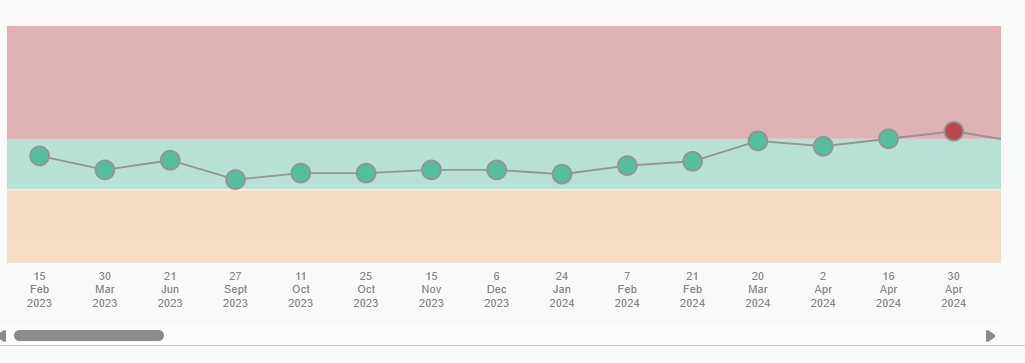
But then it went wrong. I decided to ignore it as I was too busy messing around with other biomarkers and you cannot sensibly try to do too many things at once.
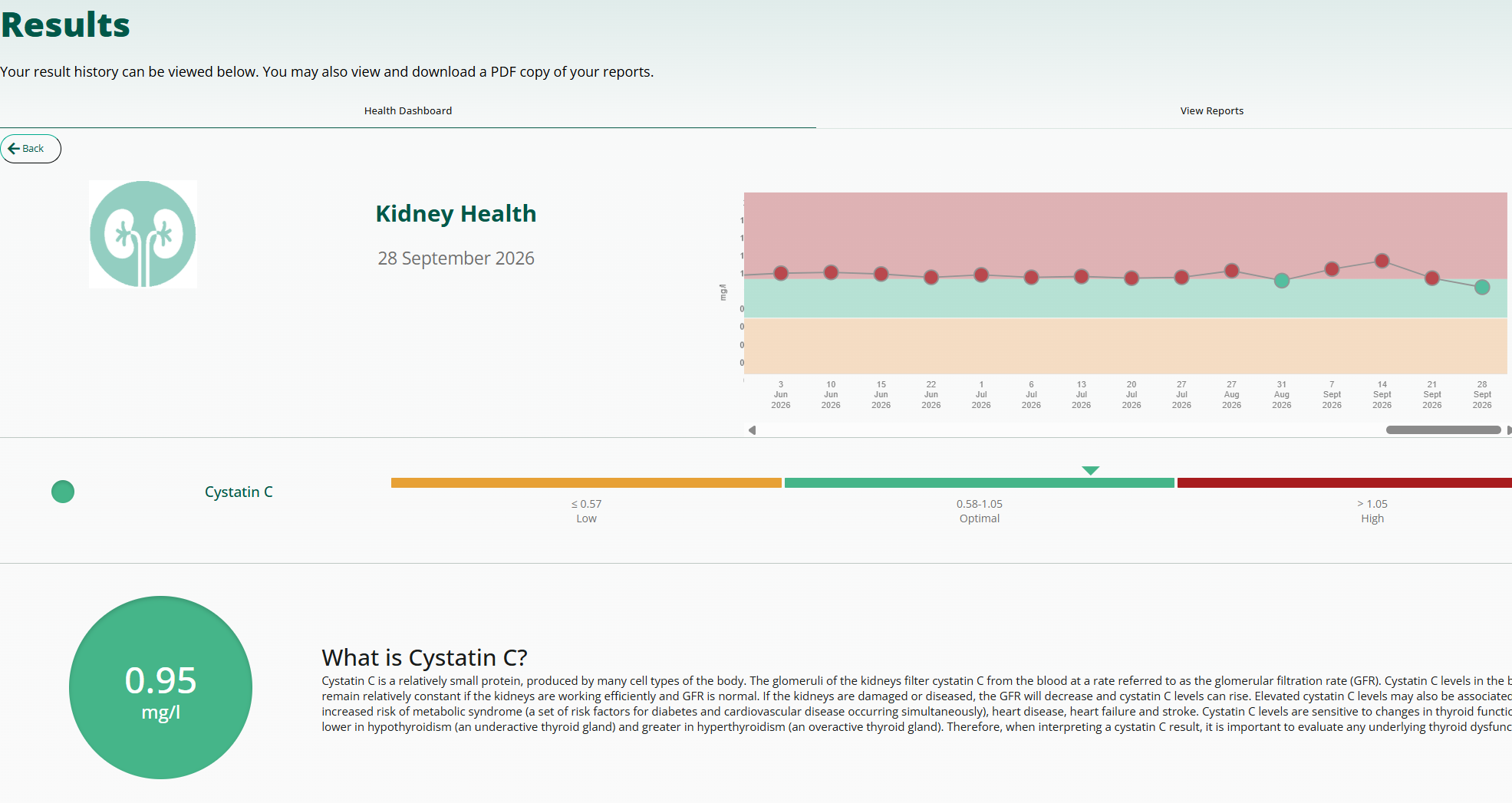
However, then more recently I gave it some attention:
What has happened over the past two weeks is that it has dropped from 1.29 to 0.95. I did have it at nice 0.73 a few years ago. I will still keep an eye on it, but what is important to learn from this is that it can move a long way without necessarily any change to kidney function itself.
I think there is probably a link between alcohol consumption and Cystatin-C
Getting a Cystatin-C based eGFR is also useful. Mine is much higher than the eGFR on my regular panel because I am muscular. Sure, a low reading can be a false sense of security but it is still better than a high one. I am pleased with my 0.69 reading and I have tested for it three times in my life now. It’s always been roughly the same number.
I asked my nephrologist to add Cystatin C to my regular monthly labs because creatinine-based eGFR can overestimate kidney function in people with lower muscle mass (I’m 108 lbs). He refused. My insurance would cover it without any problems. He still refused!
Amazing. My PCP at UCLA agreed to my request to measure cystatin C, even though he claimed it’s only used when there are discrepancies in biomarkers, while all my kidney related markers are top notch.
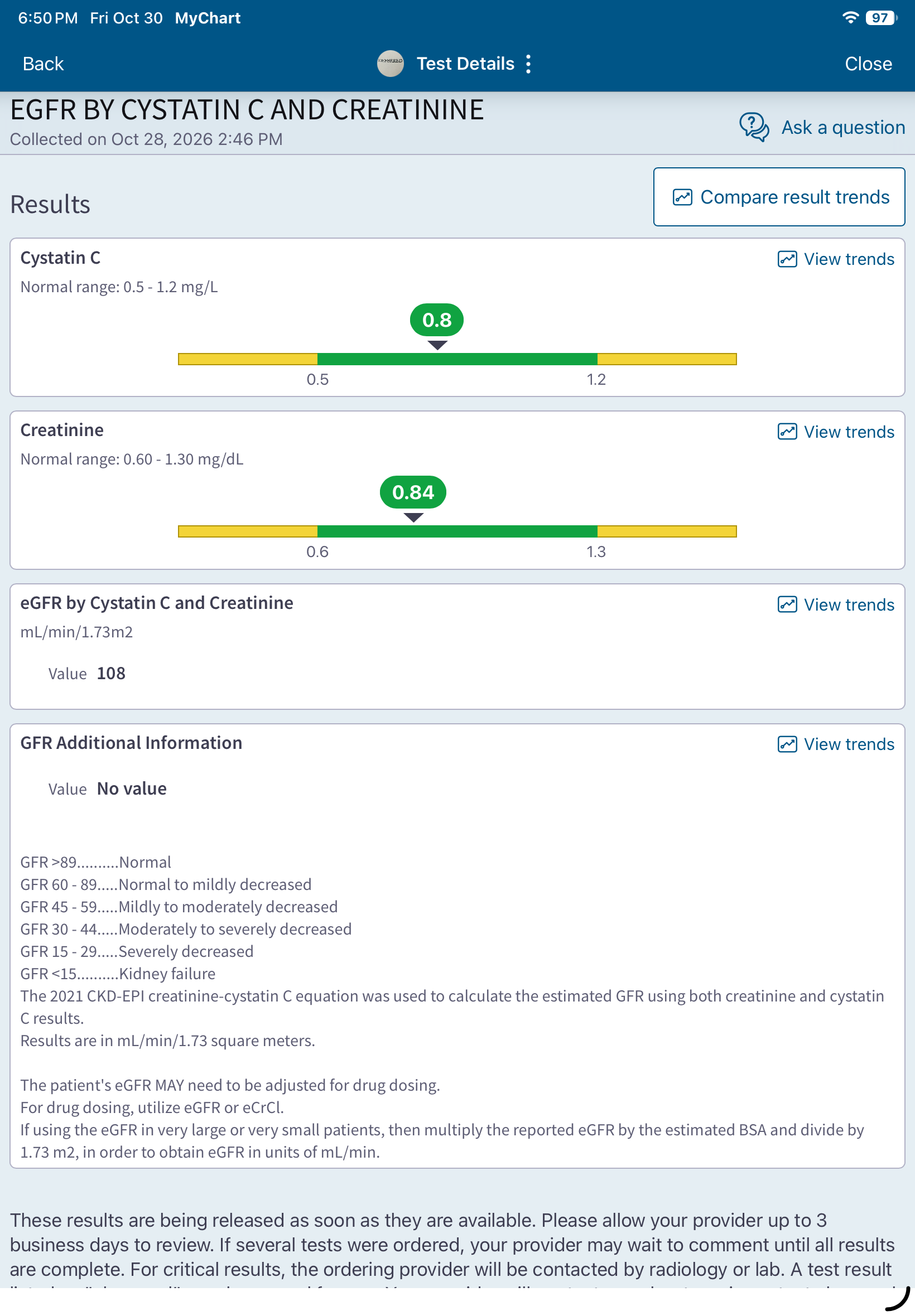
In any case, I just got my cystatin C result back at 0.8 mg/L (creatinine 0.84 mg/dL). Not the very best, but OK for my age. Screenshot: