And related video:
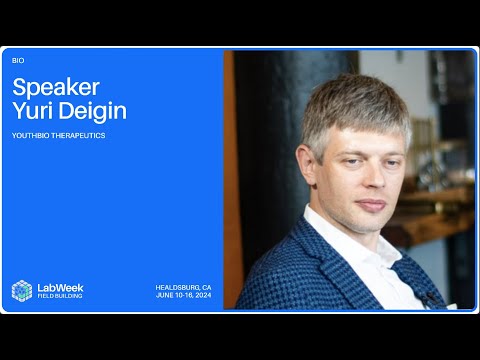
Yuri Deigin, CEO of YouthBio Therapeutics, explores the promising field of partial reprogramming and its potential applications in the brain. Deigin explains his journey as an early advocate for partial reprogramming and its therapeutic possibilities, and discusses how partial reprogramming, a process involving the temporary activation of Yamanaka factors, has gained substantial interest and investment due to its potential to rejuvenate cells and extend lifespan. Deigin highlights various studies demonstrating the effectiveness of partial reprogramming in treating diseases, including Alzheimer’s, and shares his optimism about translating these breakthroughs into clinical therapies.

There is also this post by Antonio Regalado from last year that I had noticed before:
https://x.com/antonioregalado/status/1988003682320093535#m
You heard about reprogramming old people to young age. But what about reprogramming babies?
Group in Spain exposed brains of fetal mice to reprogramming (Yamanaka) factors and claimed the animals grew into adults with “enhanced cognitive skills” due to expansion of the cortex.
If that works in humans, it would seem to run counter to the usual intuition about how genes influence intelligence. It would suggest that all you have to do is to expose fetal brains to some Yamanaka factors, and then the baby would develop a much higher IQ – i.e. that you don’t need to add dozens or hundreds of extra genes and delete many bad ones.