Cardiovascular Health 2026

I thought this was worth chatGPT5.6max paid

Worked for 6m 47s

Overall assessment

The DANCODE trial provides fairly strong evidence that 720 μg/day of MK-7 plus 25 μg/day of vitamin D3 slows the rise in coronary calcium in older people who already have severe calcification.

It does not demonstrate removal of existing calcium, regression of atherosclerosis, fewer cardiovascular events, or benefit from vitamin K2 alone.

Summary

DANCODE was a three-centre Danish, randomized, double-blind, placebo-controlled trial:

398 participants with CAC scores ≥400 Agatston units.

Median age 71; 30% women.

Median baseline CAC 903; 44% had CAC ≥1000.

Approximately 87% were taking statins.

Intervention: MK-7 720 μg plus vitamin D3 25 μg—equivalent to 1,000 IU—daily for 24 months.

Noncontrast CT was performed at baseline, 12 and 24 months.

Twenty-four-month scans were available for 356 participants: 90% of the intervention group and 89% of placebo.

Principal results

Outcome over 24 months K2+D3 Placebo Between-group result

CAC-score increase 196 AU 248 AU −52 AU (95% CI −79 to −24), P<0.001
Calcified plaque-volume increase* 15.0 mm³ 22.8 mm³ −7.81 mm³, P=0.007
Total plaque-volume increase* 21.0 mm³ 30.5 mm³ −9.49 mm³, P=0.34
Noncalcified plaque-volume increase* 5.9 mm³ 7.7 mm³ −1.75 mm³, P=0.85

*Selected CT-angiography subset of 143 participants.

The 52-AU difference represents 21% less progression relative to placebo progression, not a 21% reduction in the participants’ total calcium burden. Calcium increased substantially in both groups. Despite the trial’s “decalcification” name, it did not demonstrate decalcification.

The effect was directionally similar:

Men: −47 AU.

Women: −61 AU.

Baseline CAC 400–999: −39 AU.

Baseline CAC ≥1000: −70 AU.

The interaction tests were nonsignificant, although the subgroups were not sufficiently powered to establish that the effect is genuinely identical across sex or disease severity.

Mechanistic and safety findings

Inactive matrix Gla protein, dp-ucMGP, changed from approximately 558 to 383 pmol/L with supplementation, versus 560 to 591 pmol/L with placebo. Vitamin D increased from approximately 65 to 90 nmol/L. These findings confirm substantial biological exposure and are consistent with enhanced vitamin-K-dependent MGP carboxylation.

Only five major cardiovascular events occurred—two versus three—so the trial provides essentially no information about heart attacks, strokes, revascularization or mortality. No important safety signal emerged, but 398 participants followed for two years cannot exclude uncommon or longer-term adverse effects.

What is genuinely novel?

  1. Prospective confirmation in severe CAC

The earlier AVADEC analysis found a signal only in a prespecified subgroup of men with CAC ≥400. DANCODE deliberately recruited this high-progression population and confirmed the signal in a trial designed around CAC as its primary outcome.

  1. Extension to women

The severe-CAC AVADEC evidence was restricted to men. DANCODE included women and found no evidence of a sex interaction, although only 120 participants were women.

  1. Convergence with an independent K2-only trial

DANCODE is not the first positive randomized trial. The 2026 VitaK-CAC trial found that 360 μg/day MK-7 alone slowed CAC progression in 167 people with milder CAC scores of 50–400. Together, VitaK-CAC and DANCODE provide more persuasive evidence for a vitamin-K-related effect than either trial alone.

  1. Plaque-composition evidence

The CT-angiography substudy attempts to address an important concern: that reducing macroscopic calcification might leave more lipid-rich, potentially vulnerable plaque. It found less calcified-plaque progression without a detected increase in noncalcified plaque. This is useful mechanistic evidence, but less conclusive than the authors imply.

Strengths

Proper randomized, double-blind, placebo-controlled design.

Good allocation concealment and blinded central CT assessment.

Balanced baseline characteristics and almost identical attrition between groups.

Repeated measurements at 12 and 24 months.

A prespecified primary endpoint with a clear, statistically strong result.

Results reportedly remained similar after log-transforming CAC, adjusting for baseline CAC and adjusting for statin use.

Biochemical evidence of target engagement.

The findings are coherent with both AVADEC and VitaK-CAC.

These features make confounding or simple measurement bias an unlikely explanation for the primary CAC result.

Important criticisms

  1. CAC progression is not a validated treatment surrogate

High CAC and naturally occurring CAC progression predict cardiovascular risk, but this does not prove that deliberately slowing CAC progression improves outcomes.

Statins illustrate the problem: they reduce cardiovascular events while sometimes increasing calcium density as plaques become more fibrotic and stable. Therefore, the direction of a treatment-induced CAC change cannot automatically be translated into benefit.

There is also no validated “minimum clinically important difference” for CAC progression. The confidence interval indicates 24–79 AU less progression, but its meaning for myocardial infarction risk is unknown.

  1. The trial cannot identify the active ingredient

DANCODE compared:

MK-7 + D3 versus placebo

It did not contain K2-only, D3-only or factorial arms. Consequently it cannot determine:

Whether K2 produced the effect.

Whether vitamin D contributed.

Whether the combination is synergistic.

Whether D3 reduced or enhanced the K2 effect.

VitaK-CAC makes K2 the more likely active component, but that is an inference across trials, not a DANCODE finding.

  1. The plaque substudy is considerably weaker than the primary result

Only 143 of 398 participants entered the plaque analysis, restricted to CAC <1000 and acceptable scans at both time points. Randomization was no longer well protected in this selected subset: baseline total plaque volume was 237 mm³ in placebo versus 193 mm³ in the intervention group.

Although baseline-adjusted sensitivity analyses reportedly produced similar results, residual selection and regression-to-the-mean concerns remain.

More importantly, “no increase in noncalcified plaque” should be phrased as no statistically detected between-group difference. Its 95% confidence interval ranged from approximately 19.5 mm³ less to 16.0 mm³ more noncalcified plaque with treatment. That interval does not establish equivalence or exclude a clinically relevant increase.

  1. There are prespecification and reporting discrepancies

The public statistical analysis plan raises several questions:

The paper states that the SAP was finalized and uploaded before the first participant was enrolled. However, the registry lists the actual study start as 8 February 2023, whereas SAP version 1.0 is dated 24 February 2023. An earlier plan or a distinction between study start and first randomization may explain this, but the apparent discrepancy should be clarified.

The SAP required a 100-imputation sensitivity analysis if more than 5% of 24-month observations were missing. Forty-two of 398 participants—10.6%—lacked a 24-month scan, yet this prespecified analysis is not reported among the paper’s listed sensitivity analyses.

The SAP specified a random-intercept model; the article added random slopes. This may be statistically reasonable, but it is a model change requiring explanation.

The SAP planned to report aortic-valve calcification, quality of life and low-attenuation noncalcified plaque in the primary publication. These are absent.

The planned cardiovascular composite comprised myocardial infarction, revascularization and cardiac death; the article instead describes myocardial infarction, stroke and revascularization.

None of these observations readily explains away the strong primary result, particularly given balanced attrition. They do, however, weaken the paper’s assertion that no important prespecified changes occurred.

  1. Generalizability is narrow

The results apply most directly to:

Older Danish patients.

Severe CAC ≥400.

Patients investigated because of possible coronary symptoms.

Predominantly male participants.

A population already receiving substantial preventive therapy.

People not taking vitamin-K antagonists and without previous coronary revascularization.

They should not be extrapolated directly to younger people, CAC-zero populations, general prevention, other K2 forms or doses, or people taking warfarin-type anticoagulants.

  1. Funding and replication

The trial was investigator initiated, but Kappa Bioscience/Balchem provided financial support, and Kappa and Orkla donated the tablets. The companies are reported to have had no role in design, analysis or publication. The design and blinding reduce concern, but fully independent replication would still be valuable.

Bottom line

My assessment is:

High confidence: the tested K2+D3 regimen modestly slows CT-measured CAC progression in this severe-CAC population.

Moderate confidence: the effect involves vitamin-K-dependent MGP biology.

Low or no confidence: that the effect represents plaque regression, improves plaque stability, prevents cardiovascular events or extends life.

Scientifically, this is an important and fairly convincing proof that the coronary calcification pathway is pharmacologically modifiable. Clinically, it is not yet practice-changing. The decisive next study would be a larger, longer, preferably 2×2 factorial K2/D3 trial powered for cardiovascular events and including rigorous plaque-phenotype imaging and adherence measurement.
5 Likes

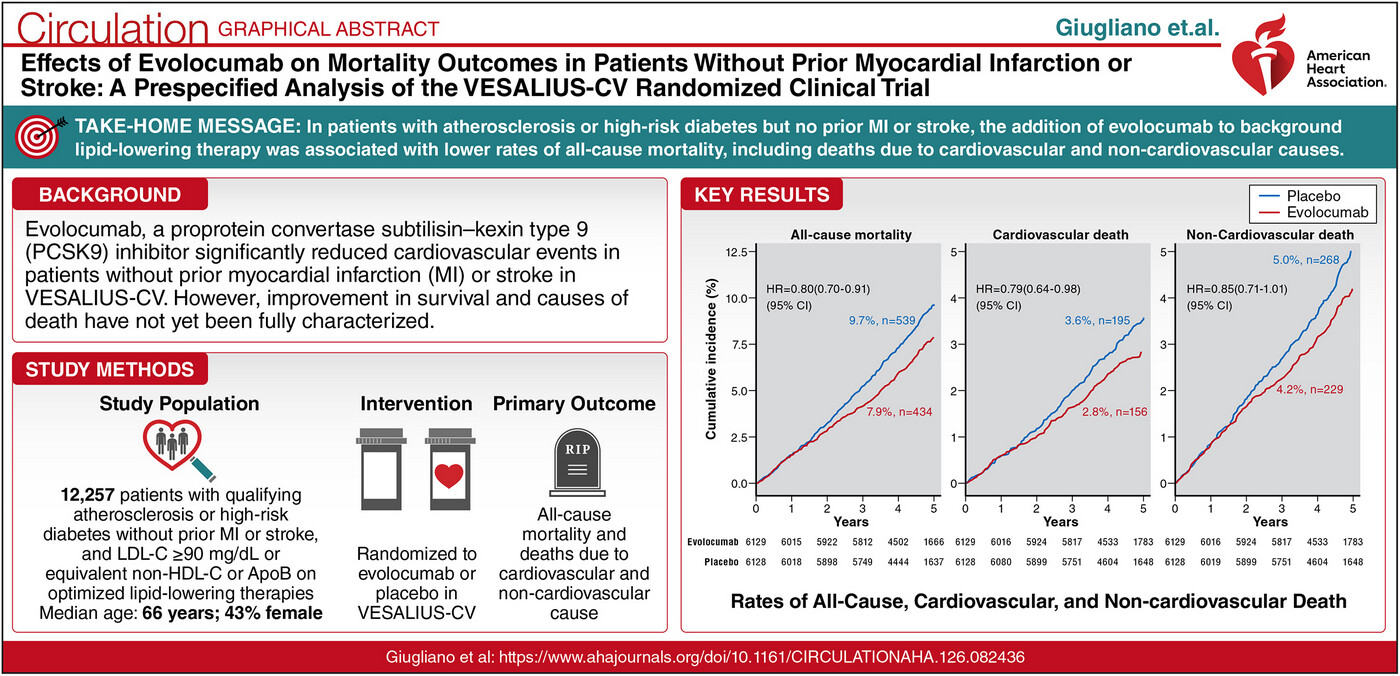
Repatha (pcsk9i) reduces CVD events and all-cause mortality over 5 year period in higher-risk patients who have not yet had CVD events.

https://www.ahajournals.org/doi/10.1161/CIRCULATIONAHA.126.082436

7 Likes

Evolocumab took average LDL baseline from 120 to ~45, and provided additional ACM reduction on top of statin therapy. The placebo group did not see any meaningful change in LDL levels. The “lower LDL is better” narrative holds strong.

7 Likes

It also reduced non-CVD related deaths by 15%, though it seems by reducing non-fatal CVD events that increased mortality.

ACM at 20% reduction was P=0.0005, so unlikely a false finding.

I always thought Repatha looked worse than Praluent, but now it’s the reverse.

3 Likes

New gene-editing drug for high LDL and triglycerides.

From May 2024 through August 2025, a total of 15 adults who had received a diagnosis of uncontrolled hypercholesterolemia, moderate or severe hypertriglyceridemia, or mixed dyslipidemia were enrolled in the trial and received one of five doses (0.1, 0.3, 0.6, 0.7, or 0.8 mg per kilogram of body weight) of CTX310. Here, we provide a 1-year follow-up for all trial participants.

At 1 year after treatment, among the four participants who received the highest dose of CTX310 (0.8 mg per kilogram), the mean percent change was −78.6% (range, −89.0 to −63.1) in ANGPTL3, −52.5% (range, −84.2 to −24.4) in low-density lipoprotein cholesterol, and −47.8% (range, −77.6 to −14.7) in triglycerides. Changes in individual participants are shown in Figure S2. Changes in non–high-density lipoprotein (HDL) cholesterol and HDL cholesterol were −52.0% (range, −79.4 to −25.2) and −23.5% (range, −44.9 to 0.0), respectively. Other percent changes — including −37.2% (range, −61.2 to −12.9) in apolipoprotein B and −71.7% (range, −87.8 to −56.1) in triglyceride-rich lipoprotein cholesterol — may be relevant to the potential for cardiovascular benefit.

https://www.nejm.org/doi/full/10.1056/NEJMc2609825?query=TOC

3 Likes

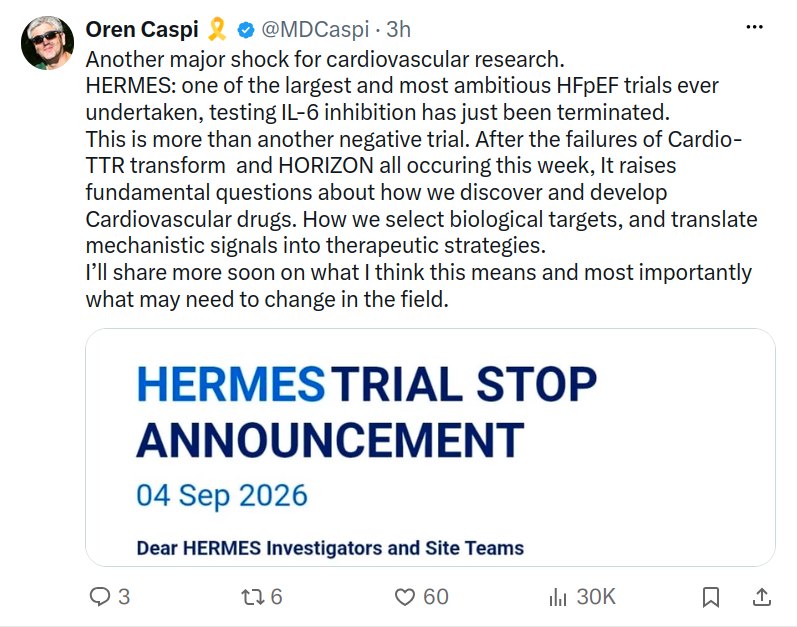
More trial cancellation for IL6 as target to reduce MACE, this time in HFpEF. HERMES trial has been cancelled.

2 Likes

Rates of Lipoprotein(a) Oxidation Accelerate at Elevated Levels and Attenuate With Atorvastatin Active Metabolites Compared With Other Statins

https://www.jacc.org/doi/10.1016/j.jacbts.2026.101664

Only atorvastatin (when compared to other statins) was shown to reduce oxydation rates of lp(a), and it did so without changing lp(a) levels. It’s possible that reducing oxydation rate might be as effective as reducing levels, since the oxydation is the risk we care about.

The findings of the current study suggest a possible mechanism for decreasing an aspect of Lp(a)'s atherogenicity with atorvastatin, which is independent of changes in Lp(a) or LDL levels

We previously found that the omega-3 fatty acid eicosapentaenoic acid (EPA), the active ingredient in icosapent ethyl, showed potent antioxidant activity in Lp(a) and other lipoprotein fractions arising from lipid-centric free radical scavenging by the methylene-interrupted double bonds of the acyl chain. The results of that study may help explain the reduction in ASCVD events in a subpopulation of REDUCE-IT (Reduction of Cardiovascular Events with Icosapent Ethyl–Intervention Trial) with elevated baseline Lp(a) with icosapent ethyl.36

5 Likes

Very good find, @qBx123Yk ! The individual profiles of statins are underappreciated in finding the best fit for any given patient. The usual practice is simply to prescribe whatever the formulary is of the insurance the patient has, and if there is some intolerance problem to then cycle through the statins and doses hoping to find one that doesn’t result in patient complaints. But the reality is that all statins have their specific characteristics that should be carefully evaluated to see how they impact a given patient in the context of their specific medical situation and the rest of their medicine and supplement stack. Here the implication is that if you have highish Lp(a) levels, you might look at atorvastatin compared to, say, simvastatin, unless your stack already addresses oxidized Lp(a), because of EPA etc.

We need a lot more studies of individual drugs within a class/category, because unfortunately prescriptions frequently go by insurance formularies, and “putting someone on a statin” is as far as it goes - same with “put them on a diuretic”, or “SGLT2i” or whatnot. You have to look at the totality of the patient medical situation and not just reflexively throw cookie cutter interventions at them.

This here is a nice addition to our store of knowledge about atorvastatin.

2 Likes

Here’s the EPA/Lp(a) study:

3 Likes

I swear, some doctors just puzzle the heck out of me. I don’t get them. They’re highly educated, practicing physicians, yet how they interpret data and decide on health interventions are - to me - extremely bizarre. I just can’t reconcile that. Here’s a cardiologist and nutrition advocate with decades of experience, a marathon runner and health fanatic - I can’t make heads or tails of this person. Maybe you are better at this; if so please help me, explain life and humanity to me.

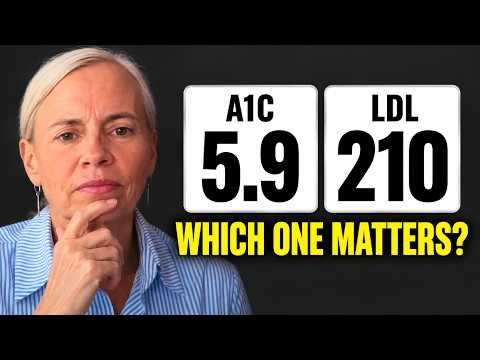
Vegan Cardiologist Went Carnivore. Her LDL Hit 210. (via Jeff Nelson - VegSource)

4 Likes

She’s 64 now I think. At 61 she did a 100 mile long haul race in 31 hours and 5 minutes. I see a few other long races including a marathon in 5 hours. Ok so I could compete with some of this but I now get injuries when I try to do things like this. I’ve been recovering for a year and a half from psoas injury. Finally a week ago got PRP.

In our personal lives we do what we want and the story it tells is not always flattering. I’ve been wanting to do a glucose tolerance test for years with the insulin also like Ivor Cummins says. Then you know. Do it again in a few years and stare at it for awhile. It’s inexpensive and pretty easy but I’ve not gotten it done. My A1C is 5.2 a couple months ago and insulin was low. You know, I’m not on fire so what am I doing buying extinguishers. I have more interesting things.

She has been vegan for so long and taken such good care that at this age she can probably get by with it. I’m shocked that with her previous eating habits she has managed to get keto. It’s not easy at all. Also it does not improve your times. And running does not keep away heart disease. It goes the other way.

So I think looking forward she should get a CAC. If it comes back ok, then ignore the critics. Do what you want. She looks great and today can outrun me.

There is a sizable market of absolute contrarians (huge overlap with MAGA) who believe that all science must be wrong because some popsci article from 2010 claimed that a sociology study found that liberals are smarter than right-wingers. By targeting said market, you can grift yourself rich.

Cynical answer: for clicks and attention?

I don’t find this all that surprising. IL-6 was never a great target IMO. It’s pretty clear that it’s a biomarker, but not really an active player. And IL-6 is so central to many things (not all bad), inhibiting it systemically will have consequences. I’m still glad somebody tried to investigate this, at least.

hsCRP seems to be a better marker for the inflammation in HFpEF, from what I’ve read.

Can’t ask for better than this IMO. This is what we all want - freedom from death and the causes of death! And of course, even a non-fatal MI is still a very strong negative health effect that you never fully recover from.

3 Likes

Health effects (healthspan) is underrated, some claim to have no problem with skin cancer if it’s not melanoma if it doesn’t affect ACM. So don’t use sunscreen according to them.

Yet there are skin cancers that require such invasive skin and tissue removal that it significantly affect appearance, especially if people wait for long.

2 Likes

Well, one thing to consider is the “field effect”, where once somebody has had cancer, they are more likely to get it again. In fact, one of the largest risk factors for getting cancer is… previously having had cancer. Plus, recurrences are almost always more aggressive and less treatable than the primary. So IMO, never getting cancer is the best situation by far.

3 Likes

Jason Fung explaining why cholesterol has no effect on heart disease. Lol. I know we’ve seen these things before but I really enjoy watching Dr. Fung go over it. It’s even more fun watching at 1.25 x the normal speed.

Also wanted to add that I agree with all the people that have written in saying Leqvio did nothing for them. It did nothing for me either. I tested LDL of 130 with treatment and it varies between 130 and 160 without. This helped me enjoy the video even more.

The video presents a sharp critique of the American Heart Association’s (AHA) lipid guidelines, arguing that clinical medicine’s fixation on lowering LDL and total cholesterol is drastically exaggerated compared to major metabolic drivers like diabetes, smoking, and hypertension.


1. Critique of the AHA Lipid Guidelines

  • Aggressive Screening and Stricter Targets: The guidelines recommend screening children as young as 9–11, testing every 5 years starting at age 20, and forcing LDL down to 55–70 mg/dL with immediate drug therapy.

  • Universal Medicalization: Following these criteria, 56.5% of adults aged 30–79—rising to 85% of people aged 60–69 and 93% of those over 70—would be prescribed lipid-lowering drugs (adding over 21 million Americans to medication rolls). The speaker compares this to “putting statins directly into the public water supply”.


2. Relative Risk Data: LDL vs. Primary Metabolic Drivers
Contrasting hazard ratios (HR) drawn from risk calculators and clinical cohorts highlights the disparity between risk factors:

  • High-Impact Risk Factors:

  • Diabetes: In the Women’s Health Study (Dugani et al., JAMA Cardiology, 2021), diabetes increased coronary heart disease risk in younger women by over 10-fold (HR ~10.71), while universally raising risk by 60%–65% in population equations.

  • Smoking and Hypertension: Elevate cardiovascular risk by roughly 60% and 36%, respectively.

  • Insignificance of LDL / Non-HDL: In the AHA PREVENT risk equations (Khan et al., Circulation, 2024), elevated non-HDL yielded a hazard ratio of 1.0 (0% added risk) in women and only a 5% increase in men.

  • Misdirection via “Non-HDL”: The guidelines rely on non-HDL to bundle in triglycerides—which are driven by refined carbohydrate consumption—even though statins target LDL without correcting underlying diet-driven dyslipidemia.


3. Lowering Cholesterol Shows Negligible All-Cause Mortality Benefit

  • Lifespan Reductions: Two large multinational studies from the Global Cardiovascular Risk Consortium (NEJM, 2023; NEJM, 2025) show that modifying smoking or diabetes adds 4–6 years of life, whereas treating cholesterol yields virtually no reduction in all-cause mortality. In cohort models, aggressively driving down cholesterol was associated with a loss of 0.4 to 1.3 healthy life-years.

  • The U-Shaped All-Cause Mortality Curve: A large Copenhagen cohort study (Johannesen et al., BMJ, 2020) demonstrated that all-cause mortality was lowest at an LDL of ~140 mg/dL (the 60th–95th percentile). Forcing LDL below 55 mg/dL was associated with a ~50% higher risk of all-cause death.

  • The Dialysis Paradox: Dialysis patients typically exhibit very low LDL (68–81 mg/dL) yet experience 10- to 20-fold higher cardiovascular mortality, disproving the claim that low cholesterol guarantees vascular protection.

  • Statin Deprescribing in Older Adults: A randomized trial in adults aged 75 and older (Bonnet et al., The Lancet Healthy Longevity, 2026) found that discontinuing statins caused no increase in cardiovascular events or overall mortality.


4. Clinical Incentives and Priorities

  • Systemic Misalignment: Writing a statin prescription takes seconds, while coaching patients through dietary lifestyle changes to reverse insulin resistance and metabolic dysfunction requires time the healthcare system fails to incentivize.

  • Focusing on What Matters: While not advising every patient to discontinue needed drugs, the speaker calls for weighing side effects and reorienting clinical focus: stop fixating on cholesterol numbers, and prioritize smoking cessation, blood pressure management, and dietary carbohydrate restriction to reverse diabetes and metabolic disease.

1 Like

This quack should have his license revoked. He is literally killing people with his idiocy.

5 Likes

Interestingly, in the MR study, genetically mediated statin targets were also associated with a 0.31–0.39 year reduction in lifespan per 1SD reduction in LDL/TG. It didn’t reach statistical significance, but it lines up surprisingly well with the cohort study mentioned in the video

1 Like

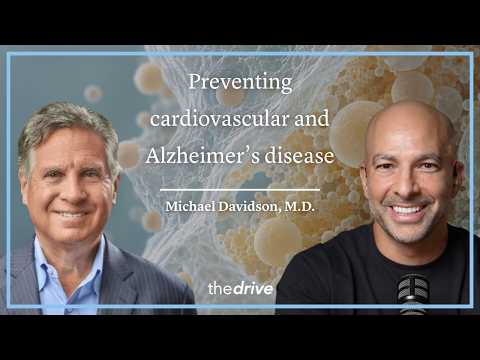
Peter Attia has an interesting new interview with the CEO of NewAmsterdam Pharma, the makers of obicetrapib.

The drug lowers LDL-C by approx 40% but ApoB by only 15%, so it’ll be interesting to see if any reduction in CVD events tracks mainly with the ApoB or with the LDL. Results should be out within the next 3 months.

AI (Gemini Flash) Summary (posted by RapAdmin):

I. Executive Summary

This clinical discussion between Peter Attia, MD, and lipidologist/biotech executive Michael Davidson, MD (CEO of NewAmsterdam Pharma), addresses the convergence of lifelong atherogenic particle exposure and neurodegenerative risk, specifically targeting low-density lipoprotein cholesterol (LDL-C), apolipoprotein B (apoB), and apolipoprotein E epsilon 4 (APOE4) biology.

The primary thesis is that current cardiovascular risk paradigms fail because they intervene too late in the disease process. The dialogue advocates for aggressive primordial and primary prevention: initiating lipid-lowering therapies decades before clinical thresholds are breached to minimize cumulative lifetime exposure (the “area under the curve” of apoB-bearing particles). The discussion reviews the historical failure of the “HDL-raising hypothesis,” detailing how early cholesteryl ester transfer protein (CETP) inhibitors (e.g., torcetrapib) failed due to off-target aldosterone induction and hypertension, while clinical trials evaluating niacin on top of statins (AIM-HIGH, HPS2-THRIVE) failed to produce clinical benefit.

The conversation pivots to next-generation therapeutic strategies, specifically selective CETP inhibition via obicetrapib and recombinant klotho development. Unlike ancestral compounds, obicetrapib demonstrates potent LDL-C reduction (up to 40–50% on top of maximally tolerated statins) alongside apoB and lipoprotein(a) lowering without off-target pressor toxicity. Furthermore, the dialogue examines CETP inhibition in the context of Alzheimer’s disease (AD) pathobiology: CETP activity influences brain lipid transport, and pharmacologic inhibition or genetic loss of function appears to attenuate blood-brain barrier dysfunction and amyloid deposition, disproportionately benefiting high-risk APOE4 carriers.

Finally, the participants caution against reliance on unvalidated surrogate longevity biomarkers that induce clinical anxiety without therapeutic actionable value, emphasizing lifestyle optimization (resistance/aerobic exercise, blood pressure control, metabolic homeostasis) alongside targeted pharmacology for APOE4 management.

II. Insight Bullets

  • Atherosclerosis requires both cumulative exposure to apoB-containing lipoproteins and endothelial transcytosis; preventing initiation is clinically superior to attempting plaque regression.
  • Primordial prevention aims to stop early vascular lipid deposition entirely rather than managing advanced subclinical disease in older adults.
  • Lifelong cumulative exposure to apoB-containing particles determines total lifetime atherosclerotic cardiovascular disease (ASCVD) risk.
  • Intervening early in young adults (in their 20s and 30s) alters long-term cardiovascular trajectory far more effectively than intensifying therapy after calcification occurs.
  • The historical focus on raising HDL-C was an epidemiological correlation that failed to demonstrate a causal protective mechanism in prospective intervention trials.
  • Niacin raised HDL-C significantly by 20% to 30%, but landmark clinical trials failed to translate this biochemical shift into major adverse cardiovascular event (MACE) reductions on modern statin backgrounds.
  • The AIM-HIGH Trial showed that adding extended-release niacin to intensive statin therapy provided no clinical outcome benefit despite substantial HDL-C increases.
  • The HPS2-THRIVE Trial confirmed the absence of clinical efficacy for niacin while documenting increased risks of bleeding, myopathy, infections, and new-onset diabetes.
  • Species lacking endogenous CETP activity, such as canines, demonstrate marked resistance to diet-induced atherosclerosis relative to humans and primates.
  • Transgenic expression of human CETP in murine models induces marked susceptibility to vascular lipid lesion development.
  • Early-generation CETP inhibitors failed because of off-target toxicities rather than the biological mechanism of CETP inhibition itself.
  • Torcetrapib failed clinically because of off-target activation of the renin-angiotensin-aldosterone system, which caused severe hypertension, electrolyte abnormalities, and excess mortality.
  • Pfizer halted development of torcetrapib following fatal cardiovascular outcomes observed in the ILLUMINATE trial.
  • Obicetrapib is an orally administered, highly potent, next-generation selective CETP inhibitor designed without off-target pressor effects.
  • NewAmsterdam Pharma is advancing obicetrapib as an adjunct oral therapy to maximally tolerated statin regimens for high-risk ASCVD and heterozygous familial hypercholesterolemia.
  • Phase 3 clinical evaluation of obicetrapib demonstrated marked LDL-C reductions in the BROOKLYN Trial for familial hypercholesterolemia.
  • The pivotal BROADWAY Trial evaluated obicetrapib 10 mg daily in patients with established ASCVD needing additional apoB lowering.
  • The definitive cardiovascular outcomes validation for obicetrapib is underway in the large-scale PREVAIL CVOT Trial.
  • CETP inhibition redistributes cholesteryl esters to HDL particles while upregulating hepatic LDL receptors, facilitating systemic LDL clearing.
  • Obicetrapib achieves concurrent decreases in circulating lipoprotein(a) [Lp(a)], a genetically determined, independent causal risk factor for ASCVD.
  • APOE4 status markedly increases lifetime vulnerability to both coronary artery disease and late-onset Alzheimer’s disease pathology.
  • APOE4 impairs astrocytic and microglial lipid trafficking within the central nervous system, driving neuroinflammation and impaired amyloid clearance.
  • Genetic loss-of-function variants in the CETP gene correlate epidemiologically with reduced incidence of cognitive decline and preserved hippocampal volume.
  • Obicetrapib exhibits central nervous system penetrance and modulation of lipid-protein interactions that could potentially protect APOE4 carriers from neurodegenerative cascade acceleration.
  • Human cohort analyses of CETP inhibition show favorable downstream trends on circulating and cerebrospinal fluid AD biomarkers, including phosphorylated tau and amyloid ratios.
  • Recombinant klotho therapy is being evaluated as an exogenous endocrine agent targeting longevity pathways, cognitive enhancement, and synaptic plasticity.
  • Klotho deficiency accelerates systemic endothelial stiffness, cognitive degradation, and multiorgan senescence phenotypes in preclinical models.
  • Klotho administration enhances NMDA receptor-mediated synaptic transmission and long-term potentiation in aging brain regions.
  • Managing vascular risk factors such as blood pressure and glycemic stability remains one of the few validated strategies to decelerate dementia progression in APOE4 carriers.
  • Untreated hypertension accelerates microvascular rarefaction, white matter hyperintensities, and neurovascular unit breakdown in high-risk genotypes.
  • High-dose docosahexaenoic acid (DHA) supplementation may support brain lipid balance, though transport across the blood-brain barrier is often impaired once mature APOE4-associated pathology is established.
  • Over-testing unvalidated surrogate biomarkers generates clinical anxiety and overtreatment without providing reliable clinical utility.
  • Lifestyle optimization—encompassing zone 2 aerobic conditioning, heavy resistance training, and nutritional management—is necessary but insufficient to overcome high monogenic or polygenic lipid loads.

III. Adversarial Claims & Evidence Table

Claim from Video Speaker’s Evidence Scientific Reality (Current Data) Evidence Grade Verdict
Primordial LDL-C reduction prevents CAD far more effectively than late-life intervention Epidemiological modeling and lifetime cumulative exposure curves (“area under the curve”). Mendelian randomization confirms that a 1 mmol/L lifelong reduction in LDL-C yields an ~50% drop in CAD risk, compared to ~22% from late-life statin therapy (Ference et al., 2012). Level A Strong Support
Niacin’s failure was due to biology on top of statins, not lack of HDL raising AIM-HIGH and HPS2-THRIVE clinical trials. Meta-analyses verify that pharmacologically elevating HDL-C via niacin or fibrates yields no incremental MACE reduction on statin backgrounds (Briel et al., 2009; HPS2-THRIVE, 2014). Level A Strong Support
Obicetrapib reduces LDL-C by >40% safely as an adjunct to maximally tolerated statins BROADWAY and BROOKLYN Phase 3 trial readouts. Phase 3 randomized trials confirm that 10 mg obicetrapib added to maximally tolerated statins lowers LDL-C by 40–50% and apoB by ~25–30% without elevating blood pressure (Ray et al., 2024). Level B Strong Support
CETP inhibition directly prevents or delays Alzheimer’s disease progression in humans Preclinical brain lipid data and exploratory biomarker signals in APOE4 carriers. Human outcomes trials are ongoing. Observational/genetic data link CETP loss-of-function to reduced dementia risk, but prospective phase 3 clinical disease-slowing data remain unproven (Circulation Research, 2026). Level C Plausible
Recombinant klotho enhances human cognition and slows neurodegeneration Non-human primate cognitive testing and preclinical longevity models. Recombinant klotho improves memory and synaptic plasticity in aging rhesus macaques (Castner et al., 2023), but human clinical efficacy and systemic safety profiles are unverified in phase 2/3 trials. Level D Speculative(Translational Gap)
Supplemental DHA significantly improves brain lipid architecture and prevents AD in APOE4 carriers Neurometabolic hypotheses and clinical lipid clinic anecdotes. Meta-analyses show high-dose DHA does not arrest cognitive decline once pathology is established in symptomatic APOE4 carriers; early primary prevention benefits remain equivocal (Yassine et al., 2017). Level B Speculative

IV. Actionable Protocol (Prioritized)

1. High-Confidence Tier (Level A/B Evidence)

  • Lifelong ApoB & LDL-C Optimization: Measure apoB directly to quantify circulating atherogenic particle count. For primary prevention in moderate-to-high risk individuals, maintain apoB <65–80 mg/dL (or <55 mg/dL in secondary prevention or very high genetic risk) using low-dose, high-potency statins (e.g., rosuvastatin, atorvastatin) and ezetimibe as first-line combination therapy.
  • Strict Blood Pressure Regulation: Maintain systolic blood pressure <120 mmHg and diastolic <80 mmHg. Managing hypertension protects microvascular endothelial junctions and preserves neurovascular autoregulation against vascular dementia and secondary amyloid acceleration.
  • Intense Metabolic Control: Prevent insulin resistance and maintain HbA1c <5.5% via diet, resistance training, and aerobic conditioning to limit chronic endothelial inflammation and vascular basement membrane thickening.

2. Experimental Tier (Level C/D Evidence, High Safety Margin)

  • High-Dose Triglyceride-Form DHA in Pre-Symptomatic APOE4: If identified as an APOE4 carrier prior to symptom onset, consider 2 g/day of purified EPA/DHA (specifically phospholipid- or triglyceride-bound formulations) to support central nervous system membrane liquidity. Discontinue if AFib signals emerge or bleeding parameters are compromised.
  • Targeting CETP via Clinical Trials: Patients with refractory dyslipidemia or elevated Lp(a) on maximum statin/ezetimibe combinations should consider enrollment in ongoing CETP inhibitor trials (e.g., the PREVAIL CVOT Trial).
5 Likes