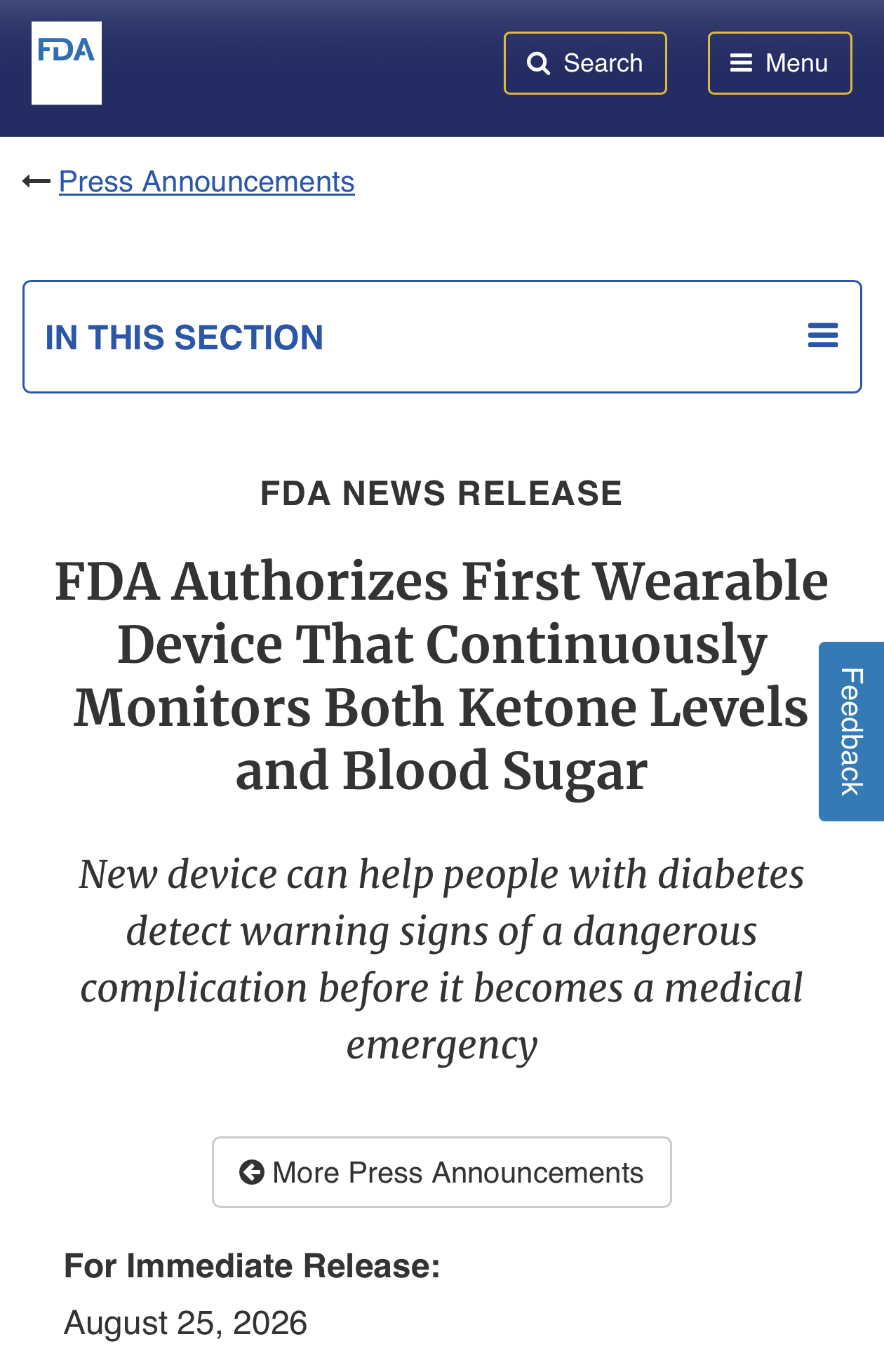
Re: keto acidosis - quite unlikely. I’m on 25mg empagliflozin and also roughly 4 hour feeding window, lean, exercise. In fact, even 36-48 hour fasts have not pushed me into KA. I think in clinical experience KA happens only if you concurrently use insulin or insulin stimulating drugs; additionally, there are special circumstances where it is recommended you stop SGLT2i for a time, such as a few days before major surgery.
Urine output is increased transiently with the initial introduction of an SGLT2i, but then returns to norm - it is not a diuretic. However some people (DeStrider here) report greater thirst and increased fluid intake. Increased thirst is not a common response, but increased fluid intake is recommended precisely because you may want to dilute the sugar being lost in urine.
Yes, if you have some urine track vulnerability to the presence of sugar, obviously an SGLT2i will put sugar in that pathway. UTI and genourinary infections (especially mycotic) are a definite risk factor with these drugs, so you must evaluate carefully whether you are a candidate. Some SGLT2i have higher infection risk than others, and all are higher for women than men (and for men, slightly higher for uncircumcised compared to circumcised).
That said it’s an individual decision. Do the pros outweigh the cons? Only you can decide, perhaps in consultation with a qualified physician. They’re great drugs for sure, but like all drugs not risk free. I thank my lucky stars that I can take empagliflozin and it is available to me, but obviously everyone’s situation is specific to them. Best of luck!
Fasting is another (ketoacidosis risk while taking SGLT2i). Also, those who are experimenting with retatrutide may be at additional risk due to ketogenic effect of glucagon agonism.
I appreciate the input of Cronos Tempi indicating that two of my concerns about SGLT2i may be invalid. Re my third concern I will consult with a urologist on whether adding glucose to a bladder with radiation-damaged blood vessels carries a risk.
My kidney markers have always been either normal or optimal (some labs only show normal range) with exception of anion gap which has always been a bit elevated (12-16, latest 14). so I don’t think I’ve had any major changes good/bad in kidney function as result of SGLT2 but presumably it helps with kidney function as well as glucose control.
latest results below (two weeks ago):
eGFR (creatinine)
Aug 29, 2026
73mL/min/1.73m2
Normal
BUN/Creatinine Ratio
Aug 29, 2026
13.0ratio
In range
Sodium
Aug 29, 2026
137mmol/L
In range
Potassium
Aug 29, 2026
4.2mmol/L
In range
Chloride
Aug 29, 2026
102mmol/L
In range
Carbon Dioxide
Aug 29, 2026
21mmol/L
In range
BUN
Aug 29, 2026
15mg/dL
In range
Creatinine
Aug 29, 2026
1.15mg/dL
In range
Anion Gap
Aug 29, 2026
14.0mmol/L
Out of range
btw, this is barry’s response (barry is the AI agent of goodlabs)
is my anion gap concerning?
Probably not. Your latest Anion Gap was 14 mmol/L, only mildly above this lab’s 4–12 range. It was 11 in April 2026, 15 in November 2025, and 13 in September 2024, so this appears to be a small, fluctuating elevation rather than a sharp change.
Your electrolytes and kidney markers are otherwise reassuring. The mild elevation is largely explained by Carbon Dioxide being low-normal at 21 mmol/L and can reflect hydration, fasting/diet, exercise, or routine laboratory variation. I’d simply recheck it with your next metabolic panel; discuss it sooner with a clinician if you feel acutely ill or if it rises substantially while carbon dioxide falls below range.
Granted that your kidney markers were already normal/optimal when you started SGLT2i with a limited scope for improvement, is it still slightly disappointing that there has not been any noticeable improvement?
If the markers are normal or optimal then there isn’t much room to improve. They were optimal and continue to be so with exception of anion gap which seems to be very mildly elevated but based on above, it is because of low normal CO2 which SGLT2i’s don’t do anything with CO2 as far as I know.
As long as my markers remain optima/normal I’m happy and I would assume SGLT2i is contributing to it.
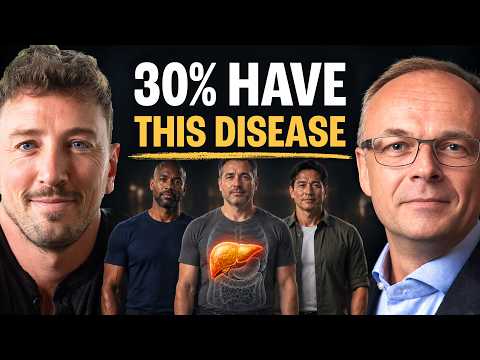
Many of us take a lot of prescription meds as well as a wide variety of supplements. A lot of this is cleared or activated by the liver. At the same time fat in the liver is widespread (~30% population worldwide) and even many “healthy” people can have small amounts of liver fat. All this can lead to liver problems as stress in the liver increases. I have been therefore looking at the liver more broadly for a few weeks now, and incidentally also happened to read papers on the impact of SGLT2i on the liver, and since not much has been posted on that connection I thought that perhaps some folks might be interested in a few of those, so I’m posting a handful for general interest - enjoy!
Effect of SGLT2 inhibitors on liver fat content: A meta-analysis
“Efficacy of SGLT2 inhibitors in non-diabetic non-alcoholic fatty liver disease: a systematic review and meta-analysis”
Efficacy of sodium glucose cotransporter 2 inhibitors on hepatic fibrosis and steatosis in non-alcoholic fatty liver disease: an updated systematic review and meta-analysis
And just this morning I came across a nice Simon Hill yt interview with a liver researcher, which does not deal with SGLT2i specifically, but I thought I’d post for general liver interest (RapAdmin can move this elsewhere if needed). Give your liver some love, it works hard for you!
Liver Specialist: How to Detect & Reverse Fatty Liver Disease Before It’s Too Late | Aleksander Krag (via The Proof with Simon Hill)
I imagine if you’ve been deep diving on liver health, you might have tackled UDCA or TUDCA at this point. If so, I’d love to hear your thoughts.
I had been taking TUDCA ia few days per week for the last several months, but I just paused after Claude’s fable found:
2026 study of 101 people with advanced pancreatic cancer found that higher blood TUDCA predicted worse survival. In cells and mice, TUDCA protected cancer cells from dying under chemotherapy. Human observational plus lab work, Cell Mol Life Sci, 2026.
Because pancreatic cancer is usually not something you know about until it’s bad, I thought I should hold off until I learned more.
I actually have not done a particularly deep dive into TUDCA and UDCA, because when I started looking into these, I decided that it’s not something I want to take. There is too much conflicting indicators and I’m unconvinced by the purported benefits. That said, if I had to choose, I’d sooner take UDCA, but definitely not TUDCA, although I have not come across good sources of UDCA (then again, I have not looked too hard).
If you are interested in these, then Antoine (adssx) is the person to ask, as he’s done the most research on them.
Nice… been on Jardiance 1year plus. No negative issues. Hopefully, a lot of positive issues… like this from the previous post.
In conclusion, this meta-analysis provides strong evidence that SGLT2 inhibitors significantly reduce LFC in adults with metabolic disorders, highlighting their potential role in the management of MASLD. Although the exact mechanisms are not yet fully understood
In a recent thread on rapamycin potentially increasing systemic inflammation, there were a couple of papers showing that rapamycin shifts the balance between M1 and M2 the two classes of macrophages. M1 is the generally pro inflammatory class (IL-6 etc.), whereas M2 is the antinflammatory class, and rapamycin reliably shifts the balance toward more M1 (inflammatory) and away from M2 (antinfammatory) independent of dose.
I became interested in this effect and while researching the factors impacting the balance between M1and M2, I incidentally came across a class effect of SGLT2i on this balance. It transpires that SGLT2i seem to shift the balance away from M1 (inflammatory) and toward M2 (antinflammatory), so the opposite of rapamycin, leading to potentially lower systemic inflammation, which might be of interest to those who take both rapamycin and an SGLT2i concurrently (FWIW I do: rapamycin 8mg/1-week and empagliflozin 25mg/day).
For those interested in the topic, here’s a paper (in mice) mentioning this effect:
SGLT2 Inhibition by Empagliflozin Promotes Fat Utilization and Browning and Attenuates Inflammation and Insulin Resistance by Polarizing M2 Macrophages in Diet-induced Obese Mice
“Furthermore, empagliflozin reduced M1-polarized macrophage accumulation while inducing the anti-inflammatory M2 phenotype of macrophages within WAT and liver, lowering plasma TNFα levels and attenuating obesity-related chronic inflammation. Thus, empagliflozin suppressed weight gain by enhancing fat utilization and browning and attenuated obesity-induced inflammation and insulin resistance by polarizing M2 macrophages in WAT and liver.”
It is not a dumb question, it is an important question. From what I understand based on my reading of the overall literature, it’s pretty clear that it is rapamycin that prevails.
Rapamycin is upstream (mTOR) and global, SGLT2i is downstream (AMPK) and more localized. Furthermore, rapamycin actively starves out M2. That said it’s quite complicated, because in some contexts SGLT2i suppress M2 - as in renal fibrosis (thus it’s beneficial) so in that case it works in concert with rapamycin (rapa in general is useful in ameliorating/preventing fibrosis in many tissues).
Thanks. Question is, if HF is ameliorated to a roughly equivalent degree by either dapagliflozin or empagliflozin, then is the greater magnesium sparing effect of dapagliflozin rendered irrelevant in people without hypomagnesia, or with high dietary or supplemental intake of magnesium. I think odds are, that most people on this site have adequate/high levels of magnesium. So does dapagliflozin achieve HF benefits additionally through some other mechanism than magnesium replenishment, because if use of SGLT2i in HF patients is beneficial in the presence of HF pathology - it does not imply that SGLT2i are useful for HF prevention in healthy people with high magnesium intake. FWIW, I also posted a study highlighting that it might be that SGLT2i are useful in HF only in a very specific group of people with a particular genetic defect - and that group is a minority of HF patients.
As always, any drug must be fitted to a specific patient, and a drug developed for a pathological condition does not automatically translate into being beneficial in the absence of such a condition, or for prevention. I wonder how many healthy people without overt CVD, who take an SGLT2i, are also counting on beneficial effects of these drugs for CVD prevention - rightly or wrongly.