I did a quick search on sotagliflozin, and it turns out there’s quite a bit of dirty laundry. Sanofi terminated its partnership with Lexicon because of its subpar efficacy, and the FDA rejected its approval for certain indications, among other messy issues. With a track record like that, it’s hard to stay interested in looking into this drug.
In that case, you should not have said “out of all gliflozins currently available [emph mine]” and instead said “out of all flozins most often discussed on this forum”. Btw., I’m not sure henagliflozin was discussed more often than sotagliflozin - certainly not earlier in the thread.
Also, if positing a thesis like “it is T1 that is important in LE” wrt. canagliflozin, you really should have “dug into” sotagliflozin research first before hanging your case on T1 seeing as the T2/T1 ratio is strongest in that flozin. Research first, generate hypothesis second.
1 Like
My bad ! I kind of glossed over sotagliflozin because I remembered seeing articles about all its corporate and regulatory mess, so I naturally excluded it from my literature search.
Also, I know I left out some of the other gliflozins. Maybe I’m just set in my ways, but up until now, my attention has pretty much been tied to dapagliflozin, empagliflozin, canagliflozin, and henagliflozin.
3 Likes
What a curious position to take! I myself pointed out the regulatory issues around sotagliflozin (including marketing decisions in Europe), earlier in the thread, so I’m well aware of this.
However, I find it astonishing, that you would see “subpar efficiency” of sotagliflozin in a clinical setting, and conclude that you should not be interested in this drug for research. Hello?! Isn’t that the entire point of research, to look at evidence for and against your hypothesis? A negative result is just as valuable as a positive one, often even more so. If you are positing that the T2/T1 ratio being low is what makes canagliflozin all that, then if presented with a case of a flozin with a lower yet ratio, and it is dramatically falsifying your hypothesis, that’s all the more reason, in Popperian terms to sit up and “dig into” the implication for your views re the centrality of T2/T1 ratio in the effectiveness of canagliflozin!
In fact, that is exactly what @adssx did earlier in the discussion of T2/T1 - he, unlike you, immediately saw the importance of sotagliflozin in clarifying this issue, and explored it earlier in the thread (@adssx has shown himself repeatedly to be a very good researcher of the literature - you may want to emulate his example, instead of doing the opposite as you so often tend to).
Remember, when generating and evaluating a hypothesis, you should not limit yourself to searching for all the evidence for your thesis, but even more importantly search for evidence against your thesis. That way your thesis won’t immediately collapse at the first presentation of a 101 level of critique. Get your basics solid first, long before boldly presenting a “novel” idea. Good luck!
4 Likes
Why debate which one to use when we can do both. As matter of fact, I’ve been doing Empa 12.5MG mornings for last 18 months but couple days ago I started Cana 100mg’s at night also. So, now I can have my 14% life extension and also protect my heart and kidneys LOL. I intend to keep it this way for a while and see how it goes.
1 Like
SGLT2-Inhibitors and Molecular Signatures of Aortic Valve Remodeling in Severe Aortic Stenosis: The Valve-AS Study
https://www.jacc.org/doi/10.1016/j.jacbts.2026.101658
Sodium-glucose cotransporter 2 inhibitor (SGLT2i) exerts pleiotropic metabolic and anti-inflammatory effects, but its role in calcific aortic valve stenosis (CAVS) is unclear. In this multicenter prospective study, 83 patients with severe CAVS undergoing surgical aortic valve replacement were stratified by SGLT2i use. Explanted valve tissue and plasma were analyzed using transcriptomics, circulating biomarkers, and metabolomics, including MALDI-MSI. SGLT2i therapy was associated with reduced valvular expression of SGLT1/2, GLUT4, and NHE, increased PPARα, decreased PPARγ, attenuation of inflammatory signaling (lower NF-κB and IL-6), and oxidative stress response (higher SOD2). Extracellular matrix turnover and fibrocalcific remodeling enzymes (MMP-9 and MMP-12) were also reduced. Metabolomic profiling demonstrated distinct clustering, with enrichment of amino acid and redox pathways in SGLT2i users. These findings suggest that SGLT2i therapy is associated with coordinated molecular and metabolic reprogramming of the valvular microenvironment, supporting a potential disease-modifying role in CAVS.
7 Likes
https://www.science.org/doi/10.1126/science.aeh4856
Interesting paper that explains why SGLT2 inhibitors help heart function during heart failure: turns out they also activate pantothenate kinase (PANK1), which increases CoA, and thereby improves all types of fuel utilization in heart tissue (and apparently liver too).
4 Likes
What I’d like to figure out is why SGLT2 inhibitors activate PANK1. Since all 3 SGLT2i drugs they tested bind to PANK1, is the binding site of SGLT2 exactly the same as the binding site for PANK1? That seems like it would be ridiculously unlikely, doesn’t it?
Unfortunately the paper is behind a paywall.
3 Likes
Mechanisms of renal protection by incretin mimetics in both diabetes and aging.
7 Likes
Sorry for the weird link, I wanted an unobstructed pdf.
Effects of empagliflozin on conventional and exploratory acute and chronic kidney outcomes: an individual participant-level meta-analysis
https://hal.univ-lorraine.fr/hal-05316232v1/file/1-s2.0-S2213858725002220-main.pdf
Here’s the original (can also access the pdf - extra step):
https://www.thelancet.com/journals/landia/article/PIIS2213-8587(25)00222-0/fulltext
2 Likes
Yeah…I think my Jardiance is doing by kidneys good. Have used it now for 1 full year.
3 Likes
Are you loosing any weight on Jardiance?
1 Like
None at all… but at 14% fat from my last DEXA scan… there really is not much to lose.
I am shredded muscle and bone. Weight at 188 lbs. Pretty much hasn’t budge in the past 4 years.
Not with TRT, HGH or rapamycin.
I can eat constantly… and do! Doesn’t stick.
2 Likes
Probably you’ve mentioned it before, and I missed it, but what is your dosage?
I cut a 25mg pill in half and take it daily and I haven’t lost anything (weight) for 18 months or so I’ve been doing it. My kidneys are doing great though as my markers are optimal.
3 Likes
How much do you bench?
1 Like
I take it for Longevity and a bit for kidneys… salt and sugar regulation. I take daily 25 mg for one year. No side effects.
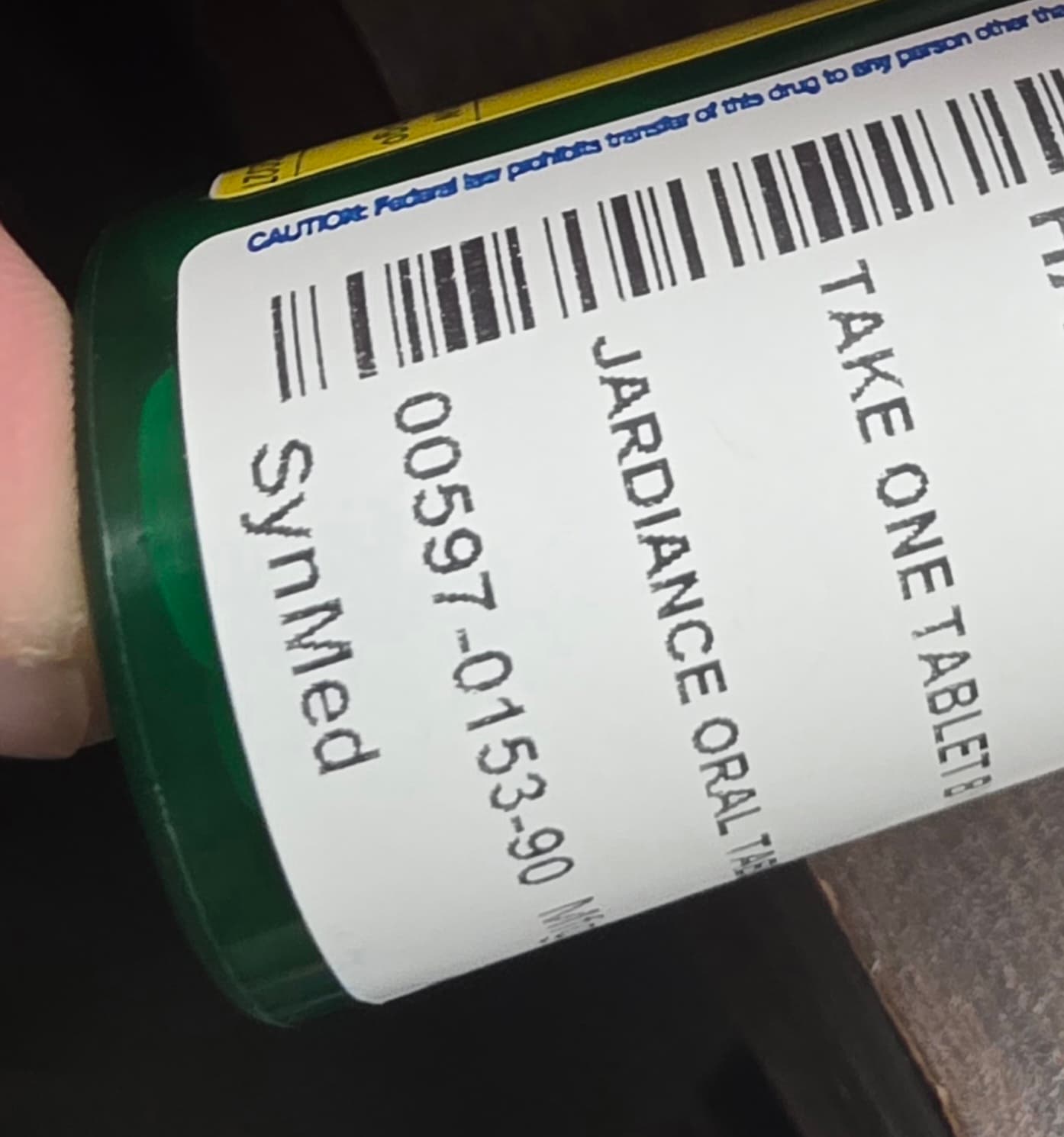
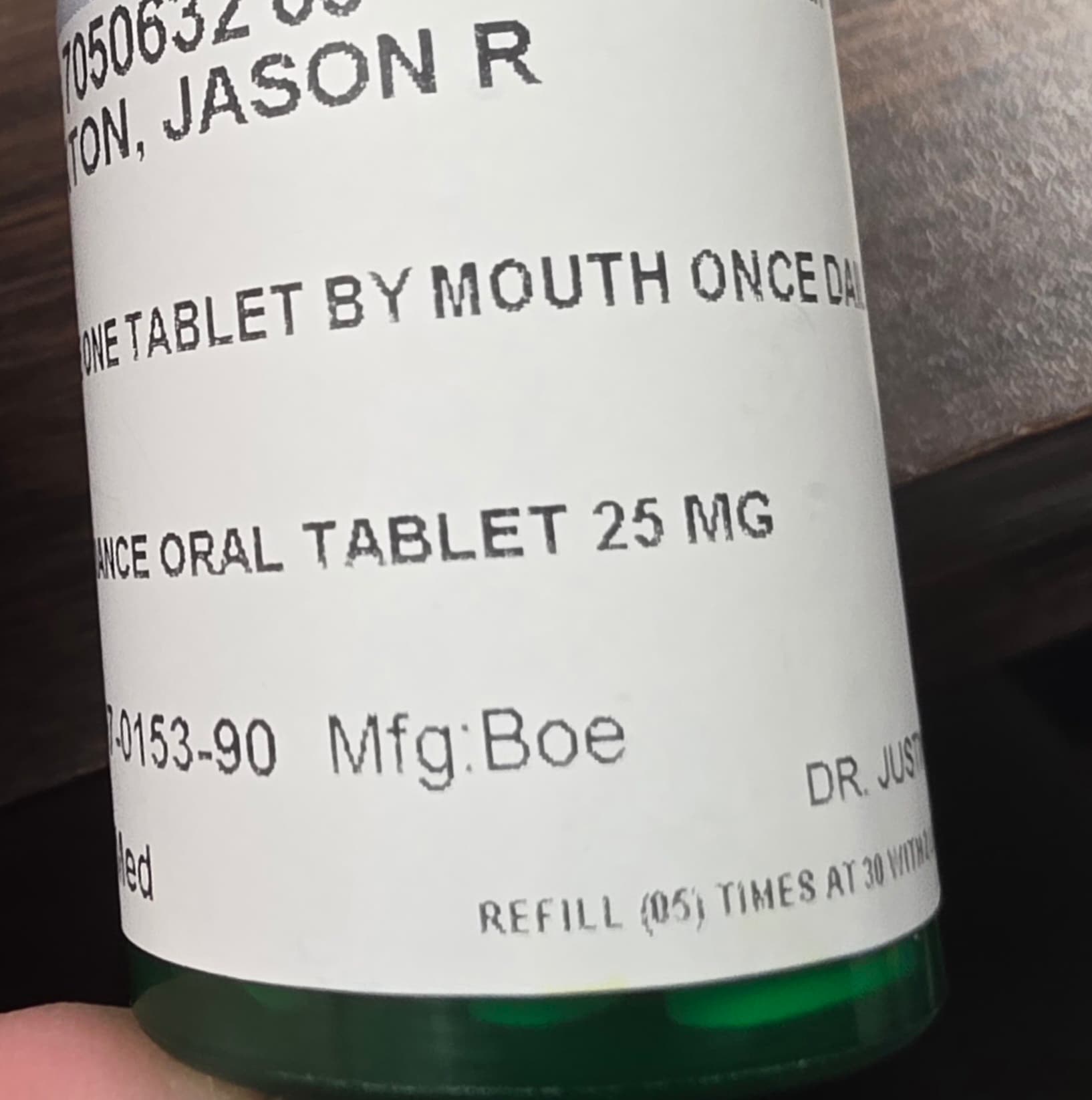
4 Likes
Before rapamycin…I was already on TRT.
I benched 90 lbs. Same for Pec Deck Machine and Lat Pulldown machine. 10 pull-ups twice.
Machines 3 sets each 30 reps.
Now 5 years later bench 150 lbs… 190 lbs. Pec Deck and 175 lbs. Lat Pull-down. 20 pull-ups twice. Machines 3 sets each 30 reps. Also do other machines and 4 leg machines.
Rapamycin enhanced the TRT… got a lot stronger. But not bigger.

6 Likes
You’re keeping an eye on your hematocrit, I hope? TRT + SGLT2i additively raise Hct and can potentially increase risk of heart attack/stroke if it gets too high.
3 Likes
Thanks David .
Yes was checked at my last appointment in February 2026. All normal. Overall excellent.
High normal in all the right places.
Plan on a total blood panel review in October after being on Descovy for 3 months… and Maraviroc for 8 months.
1 Like
I have been on the fence a long time on SGLT2 inhibitors. Despite their promising potential as evident in this long thread, I have finally decided not to use one. A triple negative makes this a no-brainer.
I have recently had occasional blood in my urine, not from any new cancer but from late radiation cystitis caused by radiation for prostate cancer six years ago. Adding sugar to a bladder with fragile, radiation-damaged blood vessels and an established bleeding tendency may carry a risk.
The few hundred extra millimeters of urine caused by SGLT2i is not much, but could be annoying for me with an overactive bladder.
SGLT2i nudges metabolism towards ketone production, which is positive. However, with a four-hour food window, on top of being lean and doing intensive exercise, I believe my risk of ketoacidosis may be more than negligible.
7 Likes