Why debate which one to use when we can do both. As matter of fact, I’ve been doing Empa 12.5MG mornings for last 18 months but couple days ago I started Cana 100mg’s at night also. So, now I can have my 14% life extension and also protect my heart and kidneys LOL. I intend to keep it this way for a while and see how it goes.
1 Like
SGLT2-Inhibitors and Molecular Signatures of Aortic Valve Remodeling in Severe Aortic Stenosis: The Valve-AS Study
https://www.jacc.org/doi/10.1016/j.jacbts.2026.101658
Sodium-glucose cotransporter 2 inhibitor (SGLT2i) exerts pleiotropic metabolic and anti-inflammatory effects, but its role in calcific aortic valve stenosis (CAVS) is unclear. In this multicenter prospective study, 83 patients with severe CAVS undergoing surgical aortic valve replacement were stratified by SGLT2i use. Explanted valve tissue and plasma were analyzed using transcriptomics, circulating biomarkers, and metabolomics, including MALDI-MSI. SGLT2i therapy was associated with reduced valvular expression of SGLT1/2, GLUT4, and NHE, increased PPARα, decreased PPARγ, attenuation of inflammatory signaling (lower NF-κB and IL-6), and oxidative stress response (higher SOD2). Extracellular matrix turnover and fibrocalcific remodeling enzymes (MMP-9 and MMP-12) were also reduced. Metabolomic profiling demonstrated distinct clustering, with enrichment of amino acid and redox pathways in SGLT2i users. These findings suggest that SGLT2i therapy is associated with coordinated molecular and metabolic reprogramming of the valvular microenvironment, supporting a potential disease-modifying role in CAVS.
7 Likes
https://www.science.org/doi/10.1126/science.aeh4856
Interesting paper that explains why SGLT2 inhibitors help heart function during heart failure: turns out they also activate pantothenate kinase (PANK1), which increases CoA, and thereby improves all types of fuel utilization in heart tissue (and apparently liver too).
4 Likes
What I’d like to figure out is why SGLT2 inhibitors activate PANK1. Since all 3 SGLT2i drugs they tested bind to PANK1, is the binding site of SGLT2 exactly the same as the binding site for PANK1? That seems like it would be ridiculously unlikely, doesn’t it?
Unfortunately the paper is behind a paywall.
3 Likes
Mechanisms of renal protection by incretin mimetics in both diabetes and aging.
7 Likes
Sorry for the weird link, I wanted an unobstructed pdf.
Effects of empagliflozin on conventional and exploratory acute and chronic kidney outcomes: an individual participant-level meta-analysis
https://hal.univ-lorraine.fr/hal-05316232v1/file/1-s2.0-S2213858725002220-main.pdf
Here’s the original (can also access the pdf - extra step):
https://www.thelancet.com/journals/landia/article/PIIS2213-8587(25)00222-0/fulltext
2 Likes
Yeah…I think my Jardiance is doing by kidneys good. Have used it now for 1 full year.
3 Likes
Are you loosing any weight on Jardiance?
1 Like
None at all… but at 14% fat from my last DEXA scan… there really is not much to lose.
I am shredded muscle and bone. Weight at 188 lbs. Pretty much hasn’t budge in the past 4 years.
Not with TRT, HGH or rapamycin.
I can eat constantly… and do! Doesn’t stick.
1 Like
Probably you’ve mentioned it before, and I missed it, but what is your dosage?
I cut a 25mg pill in half and take it daily and I haven’t lost anything (weight) for 18 months or so I’ve been doing it. My kidneys are doing great though as my markers are optimal.
3 Likes
How much do you bench?
1 Like
I take it for Longevity and a bit for kidneys… salt and sugar regulation. I take daily 25 mg for one year. No side effects.
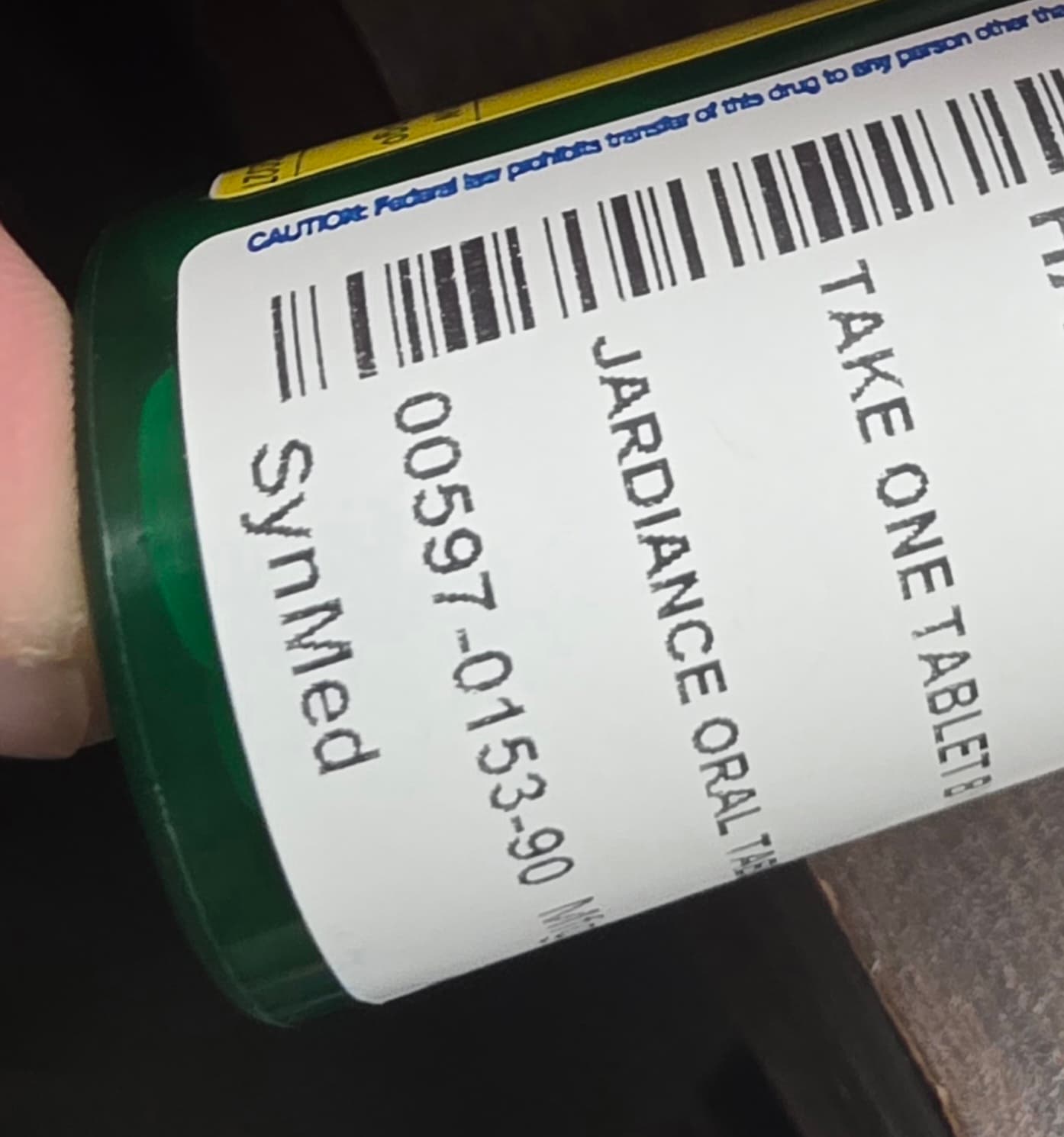
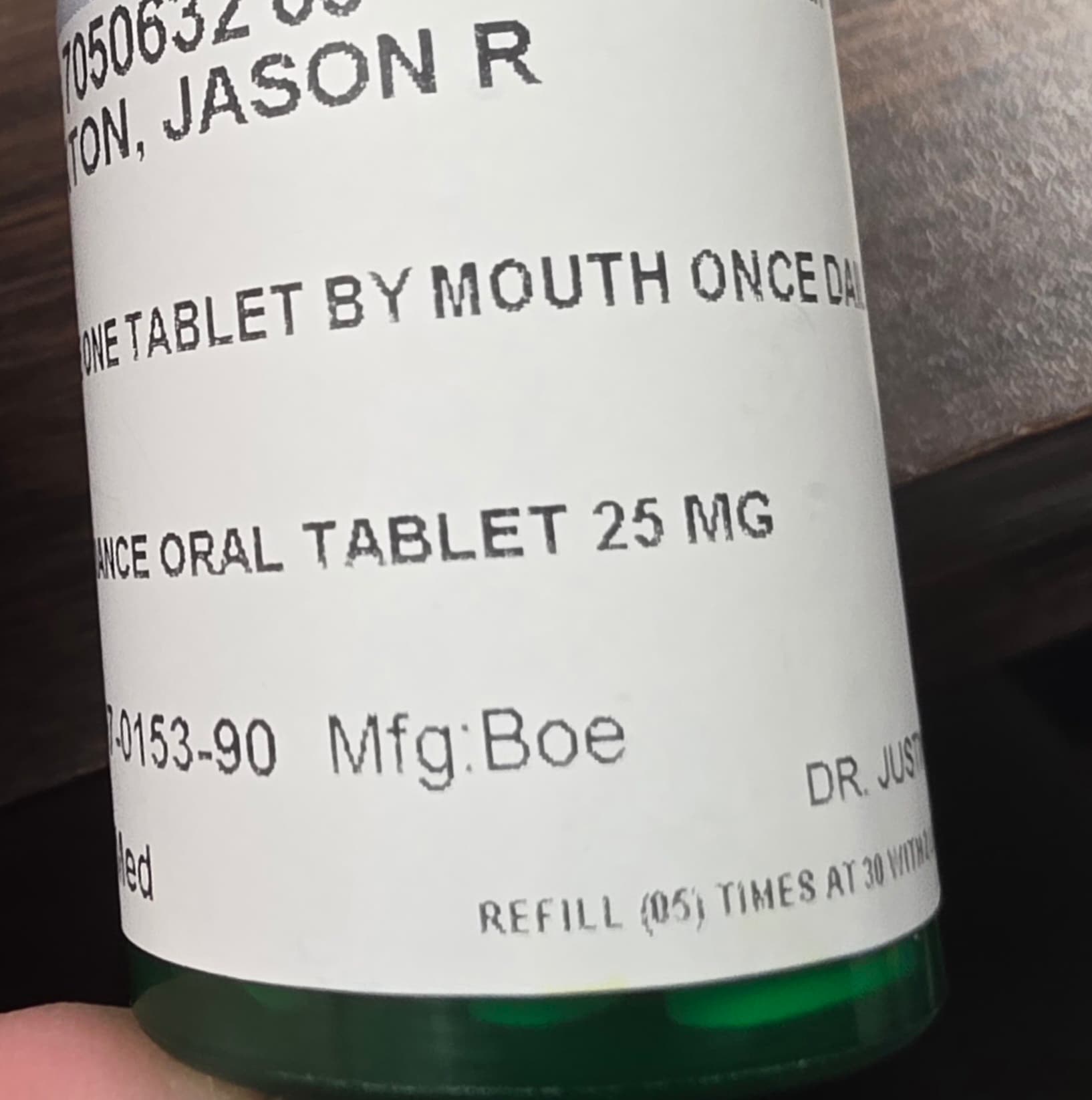
4 Likes
Before rapamycin…I was already on TRT.
I benched 90 lbs. Same for Pec Deck Machine and Lat Pulldown machine. 10 pull-ups twice.
Machines 3 sets each 30 reps.
Now 5 years later bench 150 lbs… 190 lbs. Pec Deck and 175 lbs. Lat Pull-down. 20 pull-ups twice. Machines 3 sets each 30 reps. Also do other machines and 4 leg machines.
Rapamycin enhanced the TRT… got a lot stronger. But not bigger.

6 Likes
You’re keeping an eye on your hematocrit, I hope? TRT + SGLT2i additively raise Hct and can potentially increase risk of heart attack/stroke if it gets too high.
3 Likes
Thanks David .
Yes was checked at my last appointment in February 2026. All normal. Overall excellent.
High normal in all the right places.
Plan on a total blood panel review in October after being on Descovy for 3 months… and Maraviroc for 8 months.
1 Like
I have been on the fence a long time on SGLT2 inhibitors. Despite their promising potential as evident in this long thread, I have finally decided not to use one. A triple negative makes this a no-brainer.
I have recently had occasional blood in my urine, not from any new cancer but from late radiation cystitis caused by radiation for prostate cancer six years ago. Adding sugar to a bladder with fragile, radiation-damaged blood vessels and an established bleeding tendency may carry a risk.
The few hundred extra millimeters of urine caused by SGLT2i is not much, but could be annoying for me with an overactive bladder.
SGLT2i nudges metabolism towards ketone production, which is positive. However, with a four-hour food window, on top of being lean and doing intensive exercise, I believe my risk of ketoacidosis may be more than negligible.
7 Likes
Re: keto acidosis - quite unlikely. I’m on 25mg empagliflozin and also roughly 4 hour feeding window, lean, exercise. In fact, even 36-48 hour fasts have not pushed me into KA. I think in clinical experience KA happens only if you concurrently use insulin or insulin stimulating drugs; additionally, there are special circumstances where it is recommended you stop SGLT2i for a time, such as a few days before major surgery.
Urine output is increased transiently with the initial introduction of an SGLT2i, but then returns to norm - it is not a diuretic. However some people (DeStrider here) report greater thirst and increased fluid intake. Increased thirst is not a common response, but increased fluid intake is recommended precisely because you may want to dilute the sugar being lost in urine.
Yes, if you have some urine track vulnerability to the presence of sugar, obviously an SGLT2i will put sugar in that pathway. UTI and genourinary infections (especially mycotic) are a definite risk factor with these drugs, so you must evaluate carefully whether you are a candidate. Some SGLT2i have higher infection risk than others, and all are higher for women than men (and for men, slightly higher for uncircumcised compared to circumcised).
That said it’s an individual decision. Do the pros outweigh the cons? Only you can decide, perhaps in consultation with a qualified physician. They’re great drugs for sure, but like all drugs not risk free. I thank my lucky stars that I can take empagliflozin and it is available to me, but obviously everyone’s situation is specific to them. Best of luck!
5 Likes
Fasting is another (ketoacidosis risk while taking SGLT2i). Also, those who are experimenting with retatrutide may be at additional risk due to ketogenic effect of glucagon agonism.
2 Likes
Mechanism around how SGLT2i rescue failing hearts: it’s an energy blance issue, not an inflamation/glucose control issue:
Summary by Healthspan
11 Likes
I appreciate the input of Cronos Tempi indicating that two of my concerns about SGLT2i may be invalid. Re my third concern I will consult with a urologist on whether adding glucose to a bladder with radiation-damaged blood vessels carries a risk.
4 Likes