chatGPT(5.5paid)
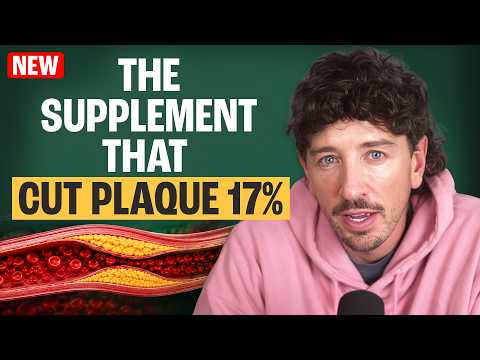
The uploaded transcript is a YouTube episode about whether supplements can reverse atherosclerotic plaque, especially coronary plaque. I’ve cleaned out the adverts, repetitions, obvious transcription errors, and structured it below. The original transcript source is here:
Summary
The video argues that most supplements do not have strong evidence for reversing atherosclerosis, but a few have evidence worth taking seriously.
The strongest case is for high-dose purified EPA, especially icosapent ethyl, not ordinary fish oil. The video cites EVAPORATE, where icosapent ethyl 4 g/day added to statins was associated with regression of low-attenuation coronary plaque on CT imaging, and REDUCE-IT, where icosapent ethyl reduced major cardiovascular events in high-risk statin-treated patients. EVAPORATE was an imaging trial, while REDUCE-IT was an outcomes trial. (PubMed)
Aged garlic extract is presented as promising but not proven. Small CCTA trials suggest it may reduce low-attenuation, vulnerable plaque, and another trial suggests slower coronary calcium progression, but there are no large hard-outcome trials showing fewer heart attacks or strokes. (PubMed)
Vitamin K2, particularly MK-7, is framed as plausibly useful for slowing calcification, especially in those with high coronary artery calcium, but the presenter correctly notes a key uncertainty: less calcification is not automatically better, because calcification can sometimes represent plaque stabilisation. The Danish DANCODE trial is designed to test K2 plus D3 in people with high CAC, including plaque and event-related outcomes. (PMC)
Niacin is used as a cautionary example: it improves HDL and triglycerides, but adding it to statin therapy has not improved cardiovascular outcomes and can increase adverse effects. HPS2-THRIVE was a large randomised trial of niacin/laropiprant added to intensive LDL-lowering therapy. (New England Journal of Medicine)
CoQ10 is described as mechanistically plausible, especially for mitochondrial function and possibly statin-associated muscle symptoms, but the video says there is no direct human plaque-regression evidence. That conclusion is reasonable.
Berberine is described as interesting but weakly evidenced: plausible metabolic, anti-inflammatory, and microbiome/TMAO mechanisms, but only small or uncontrolled plaque evidence.
Nattokinase gets a mixed assessment. A large Chinese study reported reductions in carotid intima-media thickness and plaque area at high dose, but it was not a blinded randomised placebo-controlled trial; the better-designed NAPS trial in healthy lower-risk adults found no effect on subclinical atherosclerosis progression. (PubMed)
Pomegranate has strong animal and mechanistic data but weak human plaque evidence. A small positive carotid stenosis study contrasts with a larger randomised study in moderate-risk subjects that found no significant overall CIMT benefit. (PubMed)
The final message is: supplements may be adjuncts, not replacements, and lipid-lowering drugs remain the evidence-based core for high-risk patients.
Critique
The video’s main strength is that it distinguishes imaging evidence from clinical outcomes. That matters because shrinking or stabilising plaque on CCTA, IVUS, CAC, or CIMT does not necessarily prove fewer heart attacks or strokes. The presenter is appropriately strongest on EPA because it has both imaging evidence and outcomes evidence, whereas most of the other supplements have only surrogate-marker data.
The EPA discussion is mostly well balanced. It correctly separates prescription purified EPA from ordinary fish oil or algae oil. It also acknowledges the REDUCE-IT controversy around mineral oil placebo and the neutral STRENGTH trial using EPA+DHA. That said, the video leans toward the explanation that DHA or formulation differences explain STRENGTH’s null result. That is plausible, but still not settled; the placebo issue, achieved EPA levels, population differences, and formulation all remain live explanations. (PMC)
The aged garlic extract section is reasonable but perhaps a little enthusiastic. The signal on low-attenuation plaque is interesting, but the trials are small, and some come from overlapping research groups. The correct conclusion is “promising adjunct under medical supervision,” not “plaque reversal treatment.”
The K2 section is one of the better parts because it recognises the calcification paradox. A supplement that slows CAC progression might look good, but plaque calcification can also reflect healing or stabilisation. The video correctly avoids overstating K2 as a plaque-reversal agent.
The niacin section is strong. It explains the “biomarker trap”: raising HDL is not the same as reducing events. One nuance: niacin did show benefit historically before modern statin therapy, but in contemporary practice, especially on top of LDL-lowering therapy, its role is very limited and adverse effects are a major issue.
The nattokinase section is also strong because it corrects the “95% plaque removal” claim. The video correctly states that the impressive Chinese data are hypothesis-generating, not definitive, and that the randomised NAPS trial was null. The most important unresolved issue is whether high-dose nattokinase might work in high-risk patients with established plaque; that trial has not yet been done.
The main weakness of the episode is that it uses the term “reverse plaque” across very different endpoints: coronary plaque volume, low-attenuation plaque, calcification progression, carotid IMT, carotid plaque area, and cardiovascular events. These are not interchangeable. A clearer evidence hierarchy would be:
- Fewer cardiovascular events.
- Coronary plaque regression or stabilisation on validated imaging.
- Carotid plaque or CIMT changes.
- Biomarkers and mechanisms.
- Animal or cell data.
By that hierarchy, icosapent ethyl is the only supplement-like intervention in the episode with a strong clinical case, and even that applies mainly to a defined high-risk population rather than the general public.
Tidy transcript
Can supplements reverse arterial plaque?
This episode asks whether supplements can genuinely reverse atherosclerosis that has already built up in arteries, rather than merely slowing it down. The focus is on human trial evidence, especially imaging studies and cardiovascular outcome trials.
The discussion covers eight supplements:
- High-dose purified EPA
- Aged garlic extract
- Vitamin K2
- Niacin
- CoQ10
- Berberine
- Nattokinase
- Pomegranate extract
The overall conclusion is that supplements may sometimes be useful adjuncts, but they should not replace proven medical therapies such as statins, ezetimibe, PCSK9 inhibitors, bempedoic acid, or prescription EPA where indicated.
1. High-dose purified EPA
The strongest evidence discussed is for EPA, particularly icosapent ethyl, a purified prescription-strength EPA preparation.
EPA and DHA are long-chain omega-3 fatty acids. EPA appears to be more relevant for cardiovascular and anti-inflammatory effects, while DHA is often discussed more in relation to brain health. The important distinction made in the episode is that pure EPA is not the same as ordinary fish oil, which usually contains both EPA and DHA.
EVAPORATE trial
EVAPORATE tested whether icosapent ethyl 4 g/day could reverse coronary plaque in people already taking statins. Participants had coronary atherosclerosis and elevated triglycerides. They were randomised to either icosapent ethyl or placebo for 18 months.
The study used coronary CT angiography to measure different types of plaque, including non-calcified plaque, fibrofatty plaque, fibrous plaque, calcified plaque, and low-attenuation plaque.
The key finding was that total plaque volume increased in the placebo group but decreased in the icosapent ethyl group. Low-attenuation plaque, which is considered a more dangerous lipid-rich plaque type, also fell in the EPA group.
This suggests that high-dose purified EPA may alter plaque biology in ways that go beyond LDL cholesterol lowering, especially because the participants were already on statins.
Plaque incorporation
The episode also discusses a short pre-surgical study in which EPA ethyl esters were given before carotid surgery. EPA was found to incorporate into plaque tissue within weeks, and plaques with higher EPA content showed signs of lower inflammation and greater stability.
This supports the idea that EPA may act directly at the arterial wall.
CHERRY trial
The CHERRY study tested EPA added to statin therapy in people with coronary disease. It used intravascular ultrasound rather than CT angiography. EPA plus statin therapy reduced plaque volume more than statin therapy alone.
Together, EVAPORATE and CHERRY point in the same direction: purified EPA added to statins may support plaque regression or stabilisation.
EPA versus EPA+DHA
The video argues that pure EPA appears to have better evidence than EPA+DHA combinations. Some analyses suggest that DHA may blunt EPA’s plaque-related effects, possibly because EPA and DHA compete for incorporation into membranes.
This is why the episode emphasises that ordinary fish oil should not be assumed to reproduce the effects of prescription purified EPA.
JELIS and REDUCE-IT
JELIS was a large Japanese trial using EPA added to statin therapy. It found fewer major coronary events in the EPA group, despite similar LDL reduction in both groups.
REDUCE-IT was a large outcomes trial in high-risk statin-treated patients with elevated triglycerides. Participants received either icosapent ethyl 4 g/day or placebo. The EPA group had substantially fewer major cardiovascular events.
The video notes the ongoing controversy around REDUCE-IT because the placebo was mineral oil, which may have worsened some markers in the control group. It also compares REDUCE-IT with STRENGTH, which used EPA+DHA and found no benefit.
The presenter’s interpretation is that the difference may relate to pure EPA versus EPA+DHA, and possibly to the chemical form used, but the issue is not fully settled.
RESPECT-EPA and VITAL
RESPECT-EPA was an open-label Japanese study in stable coronary disease. Its primary endpoint narrowly missed statistical significance, but some secondary coronary outcomes favoured EPA.
VITAL tested lower-dose EPA+DHA in a generally healthy population. Overall, it did not significantly reduce major cardiovascular events, although people with low fish intake may have benefited in subgroup analysis.
The practical conclusion is that high-dose purified EPA has the strongest evidence in high-risk patients, especially those already on statins with elevated triglycerides or residual cardiovascular risk. Standard fish oil is not an equivalent substitute.
2. Aged garlic extract
Aged garlic extract is not ordinary garlic powder. It is a concentrated fermented garlic preparation, aged for many months to increase certain compounds and reduce odour-producing harsh compounds.
The evidence is earlier-stage than EPA. There are no large cardiovascular outcomes trials, but some imaging studies are interesting.
Matsumoto trial
In a trial of people with metabolic syndrome, participants received aged garlic extract or placebo for about a year. Plaque was measured using cardiac CT angiography.
Total plaque volume did not change significantly between groups, but low-attenuation plaque decreased in the aged garlic extract group and increased in the placebo group. This is notable because low-attenuation plaque is considered more vulnerable and potentially more dangerous.
Diabetes replication study
A later study in people with diabetes found a similar low-attenuation plaque signal using the same dose and imaging approach. This suggested that the effect might generalise beyond metabolic syndrome.
However, both studies came from related research settings, so independent replication would strengthen confidence.
Calcification study
A European study of people at high cardiovascular risk used standard calcium CT scanning rather than full CT angiography. It could not assess soft plaque composition, but it found that aged garlic extract was associated with slower coronary calcification progression.
The aged garlic extract group also showed improvements in systolic blood pressure, IL-6, and fasting glucose.
Interpretation
Aged garlic extract may help stabilise lipid-rich plaque and slow calcification progression, but it has not been shown to reduce heart attacks or strokes.
The video’s conclusion is that aged garlic extract may be a reasonable adjunct for some high-risk people under medical supervision, but it should not replace proven therapies.
3. Vitamin K2
Vitamin K2 is discussed as a supplement that targets calcification rather than soft plaque.
K2 helps activate matrix Gla protein, which inhibits vascular calcification. Vitamin D also interacts with this pathway, which is why some trials combine vitamin K2 with vitamin D3.
The video highlights an important paradox: calcification is not always bad. In some circumstances, calcification may stabilise vulnerable plaque and reduce the chance of rupture. Therefore, slowing calcification does not automatically mean reducing cardiovascular events.
MK-7 and coronary artery calcium
A trial in men tested vitamin K2 as MK-7 plus vitamin D3 against placebo for two years. Overall, coronary calcium scores still increased in both groups. However, among participants with high baseline CAC scores, progression appeared slower in the supplement group.
A meta-analysis of vitamin K trials also suggested a modest slowing of calcification progression.
DANCODE
The video discusses the DANCODE study in Denmark, which is designed to test vitamin K2 and D3 in people with high coronary artery calcium. This study is important because it may provide better evidence on plaque progression and clinical relevance.
Interpretation
Vitamin K2 may slow calcification progression in people with high CAC scores, but it does not appear to reverse existing calcified plaque. There is no definitive evidence yet that it reduces cardiovascular events.
The video advises caution, especially for people taking warfarin, because vitamin K can interfere with anticoagulation.
4. Niacin
Niacin is used as a cautionary example.
High-dose niacin raises HDL cholesterol and lowers triglycerides. For many years, this looked promising because HDL was considered “good cholesterol.” The logic was that statins lower LDL, niacin raises HDL, and the combination should further reduce risk.
However, the trial evidence did not support that idea.
Imaging and outcomes
Studies adding niacin to statin therapy did not show meaningful additional plaque regression. Niacin did raise HDL, but the improved biomarker did not translate into improved arterial outcomes.
AIM-HIGH tested whether niacin added to statins reduced cardiovascular events. Despite changes in HDL and triglycerides, it did not reduce heart attacks, strokes, or cardiovascular deaths. The trial was stopped early for futility.
HPS2-THRIVE also found no meaningful cardiovascular benefit when niacin was added to modern LDL-lowering therapy and found increased serious adverse effects.
Interpretation
Niacin shows why improving a biomarker does not necessarily improve outcomes. HDL is associated with lower risk observationally, but raising HDL pharmacologically does not necessarily reduce cardiovascular events.
Niacin did show some historical benefit before statins were widely used, but in the modern setting, added to effective LDL-lowering therapy, it offers little benefit and has a significant side-effect burden.
5. CoQ10
CoQ10 has a plausible biological rationale but little direct evidence for plaque regression.
CoQ10 is involved in mitochondrial energy production and acts as an antioxidant. Levels decline with age and may be reduced by statins because statins inhibit a pathway involved in both cholesterol and CoQ10 synthesis.
Small studies suggest CoQ10 may improve endothelial function, reduce oxidative stress, and support cellular energy metabolism. These mechanisms are relevant to vascular health.
However, the video emphasises that there are no strong human imaging trials showing that CoQ10 alone reduces plaque volume.
One small study combined CoQ10 with aged garlic extract and found less coronary calcification progression and lower inflammatory markers. But because the intervention combined two supplements, it is impossible to know whether the effect came from CoQ10, aged garlic extract, or the combination.
CoQ10 may have more support for statin-associated muscle symptoms, although even that evidence is mixed. The practical conclusion is that CoQ10 should not be taken expecting plaque regression or proven cardiovascular event reduction, but it may be worth discussing with a physician if statin muscle symptoms occur.
6. Berberine
Berberine is presented as mechanistically interesting but clinically under-proven.
It is extracted from plants such as goldenseal and barberry and is often discussed for glucose-lowering effects. It may overlap with some metformin-like pathways, although the comparison should not be pushed too far.
Potential mechanisms include improved endothelial integrity, reduced inflammatory signalling, better metabolic control, and modulation of the gut microbiome.
The video mentions a small uncontrolled pilot study in people with atherosclerosis that reported a modest reduction in carotid plaque score after berberine supplementation. However, the study had only 21 participants and no control group, so it is hypothesis-generating rather than definitive.
Berberine may also affect TMAO, a gut-derived compound associated with cardiovascular risk, although whether TMAO is causal remains debated.
The video stresses safety: berberine can interact with medications, including metformin, cyclosporine, anticoagulants, and glucose-lowering drugs.
The conclusion is that berberine is worth watching but is not yet supported by strong plaque or outcome data.
7. Nattokinase
Nattokinase is an enzyme derived from natto, a traditional Japanese fermented soybean food. It is thought to have fibrinolytic and antithrombotic effects, meaning it may influence clot breakdown and blood coagulation.
The video says the evidence is conflicting.
Chinese carotid study
A large Chinese study in people with hyperlipidaemia and early carotid plaque reported reductions in carotid intima-media thickness and carotid plaque size after high-dose nattokinase.
The dose was 10,800 fibrinolytic units per day.
The presenter corrects a public claim that “95% of plaque was removed.” According to the video, the 95% figure refers to the proportion of people who improved on some measure, not the average amount of plaque removed. The reported mean plaque-area reduction was closer to 36%.
The key limitation is that this was not a blinded randomised placebo-controlled trial. It was observational or retrospective in design, so confounding is a major issue. People taking nattokinase may also have changed diet, exercise, alcohol intake, other supplements, or medications.
NAPS trial
The NAPS trial was a double-blind placebo-controlled trial in healthy adults without cardiovascular disease. Participants received nattokinase or placebo for about three years, with carotid intima-media thickness measured over time.
The result was null: nattokinase did not slow carotid atherosclerosis progression and did not meaningfully change blood pressure, coagulation markers, inflammatory markers, or metabolic markers.
Interpretation
The video concludes that nattokinase remains uncertain. The high-dose observational data are interesting but not enough to recommend it for plaque regression. The only rigorous randomised trial was null, although it studied a lower-risk population and may not answer the high-risk, high-dose question.
Nattokinase may have modest blood-pressure effects in some trials, but because it may affect clotting, people taking anticoagulants, antiplatelet drugs, or cardiac medications should not use it without medical advice.
8. Pomegranate extract
Pomegranate is rich in polyphenols with antioxidant and anti-inflammatory properties. Animal studies suggest it can reduce plaque size and improve plaque stability markers.
However, human evidence is mixed.
Small positive study
A small study of people with severe carotid artery stenosis found that pomegranate juice was associated with reduced carotid intima-media thickness over time. It also reported reductions in LDL oxidation and increases in antioxidant enzyme activity.
However, the study was very small and involved a specific high-risk population.
Larger Davidson trial
A larger randomised trial in moderate-risk adults without significant stenosis tested 240 ml/day of pomegranate juice. It found no significant overall effect on carotid intima-media thickness progression.
There were possible benefits in exploratory subgroups with higher oxidative stress or worse lipid profiles, but these findings were not definitive.
Blood pressure
The most reliable cardiovascular signal for pomegranate may be blood-pressure reduction. Meta-analyses of randomised trials suggest pomegranate can lower systolic and diastolic blood pressure, especially in people with higher baseline blood pressure.
Interpretation
Pomegranate has plausible mechanisms and interesting animal data, but human plaque evidence is weak and mixed. There are no large cardiovascular outcomes trials showing fewer heart attacks or strokes.
Overall conclusion
The evidence hierarchy is clear.
High-dose purified EPA, especially icosapent ethyl, has the strongest case. It has imaging evidence for plaque regression or stabilisation and large outcomes data showing fewer cardiovascular events in high-risk statin-treated patients.
Aged garlic extract and vitamin K2 have interesting imaging signals, but no definitive event data.
CoQ10, berberine, nattokinase, and pomegranate have plausible mechanisms and some supportive findings, but not enough evidence to rely on them for plaque regression.
Niacin is a reminder that improving biomarkers does not necessarily improve cardiovascular outcomes.
The practical message is that supplements should be viewed as possible adjuncts, not replacements for established therapies. People at elevated cardiovascular risk should know their lipid markers, consider appropriate imaging such as coronary artery calcium scoring or CT angiography where clinically relevant, and work with a physician on evidence-based lipid-lowering therapy.
For high-risk people already on statins with elevated triglycerides and residual risk, prescription icosapent ethyl may be worth discussing with a doctor. Ordinary over-the-counter fish oil or algae oil should not be assumed to provide the same effect.
A shorter version of the tidy transcript could be made into a 1-page briefing note or a table ranking each supplement by evidence strength.