Externalized Inflammasomes in Visceral Fat Sustain Obesity-Related Inflammation
https://www.ahajournals.org/doi/10.1161/CIRCRESAHA.125.327146
https://www.ahajournals.org/doi/10.1161/CIRCRESAHA.125.327146
I’ve been drinking green tea, but have not ventured into the duckweed yet…
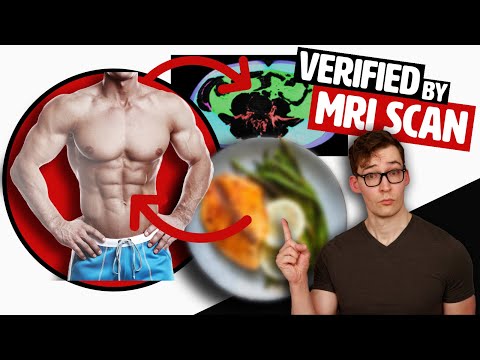
The video reviews a large, 18-month randomized dietary intervention comparing three diets: (1) standard healthy dietary guidelines, (2) calorie-restricted Mediterranean diet, and (3) the same Mediterranean diet plus two additions—green tea and Wolffia globosa (“duckweed”), a high-protein, high-fiber aquatic plant. This enhanced protocol is termed the Green-Med diet. Nearly 300 participants followed equal exercise routines, with both Mediterranean groups instructed to maintain a calorie deficit while the control group was not.
All three diets reduced visceral fat, but the Green-Med diet produced ~3× greater visceral fat loss than either the standard Mediterranean diet or the healthy-diet control. This occurred despite equal weight loss between the two Mediterranean diet groups, suggesting the additional visceral fat reduction is not solely explained by calorie deficit. MRI scans confirmed larger VAT reductions in the Green-Med group.
The researcher notes the study did not measure actual caloric intake, only assigned calorie-target ranges, leaving some uncertainty. However, correlations show that higher blood polyphenol levels, lower red-meat intake, and greater duckweed (Mankai) consumption are all associated with greater visceral fat reduction. These are associations, not proofs of causality.
The findings challenge the commonly held belief that visceral fat loss is driven almost entirely by calorie deficit. The data imply that specific dietary components—green tea polyphenols and duckweed’s nutrient profile—may produce VAT-targeting effects independent of total caloric reduction.
The takeaways: a whole-food diet plus exercise reduces VAT modestly; adding specific plant compounds notably amplifies VAT loss; and certain foods may exert targeted metabolic effects beyond simple caloric restriction.
| Claim | Evidence Provided | Assessment |
|---|---|---|
| Green-Med diet causes ~3× more visceral fat loss than other diets | VAT change bars, MRI examples, p-values between groups | Strong (RCT structure + imaging; but still one study) |
| Extra VAT reduction is independent of calorie deficit | Equal weight loss between Mediterranean groups but unequal VAT loss | Moderate (plausible but caloric intake wasn’t measured) |
| Duckweed and green tea are the causal agents | Correlation with duckweed intake and polyphenol levels | Speculative (associational only) |
| Polyphenols drive VAT reduction | Correlation between polyphenol levels and VAT change | Weak–Moderate (consistent with literature but not causal proof) |
| Reducing red meat supports VAT loss | Correlation plot | Weak (correlation only; many confounders) |
| Calories are not the only primary driver of visceral fat reduction | Discrepancy between weight loss and VAT loss | Moderate (insightful but still single-dataset dependent) |
LoL! many of us on the forum are way past that 
I’m looking forward to being 70 in about 7 weeks
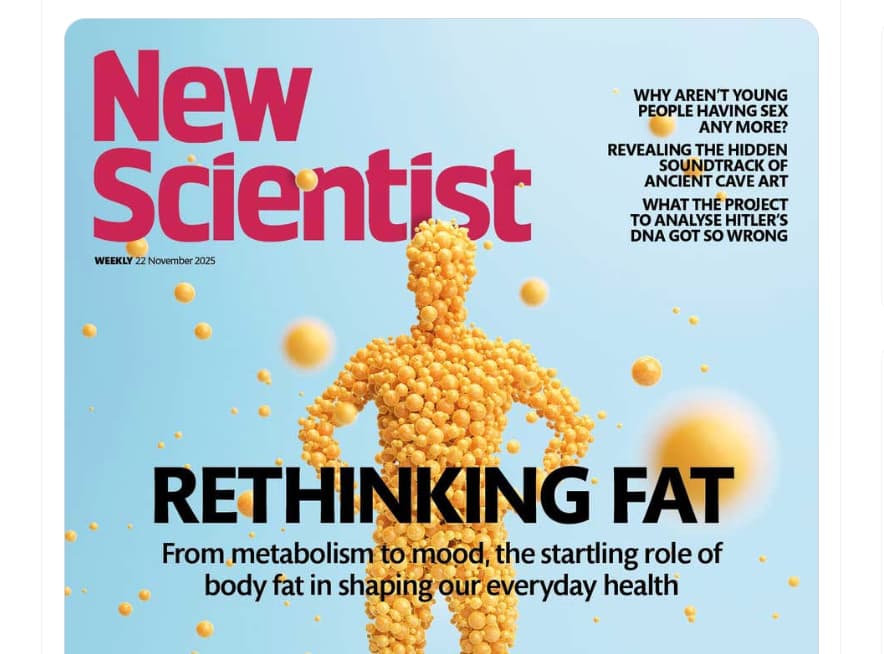
This week in New Scientist Magazine:
When fat turns bad
So if fat is such a crucial factor in our health, why does it get such a bad rap? The first issue is its location. White fat makes up more than 95 per cent of our total stores and is found both under the skin (subcutaneous fat) and wrapped around internal organs (visceral fat). “Our organs are often sitting in a sea of fat,” says Thomas.
That internal sea can turn toxic. Excess visceral fat is linked to a higher risk of type 2 diabetes, high blood pressure, heart attacks and certain cancers. Growing evidence also suggests it may affect brain function and contribute to conditions such as Alzheimer’s disease.
What triggers this shift from cooperative organ to rogue state is a major focus of research. While white fat cells in both subcutaneous and visceral deposits can expand and contract depending on the body’s storage needs, those surrounding internal organs appear especially vulnerable to the harmful effects of excess fat.
In obesity, these fat cells enlarge and are prone to dying once they reach a critical size. Part of the problem is that their blood supply can’t keep up with their growth. Stressed and suffocating, they release inflammatory molecules as distress signals, attracting immune cells to clear dead or dying cells.
These immune cells intensify the inflammation, with effects reaching far beyond the fat itself. The chemical signals interfere with insulin – the hormone that regulates blood sugar – raising the risk of type 2 diabetes. They are also linked to cognitive changes seen in obesity such as memory and attention problems, and may create conditions that foster tumour growth. Obesity is a risk factor for many kinds of cancer, and often people who are obese tend to have worse outcomes.
Dying or overstuffed fat cells also release fatty acids, or lipids, into their surroundings – and in excess, these can be toxic to surrounding cells. Over time, this lipotoxic stress can damage the network of nerves threaded through fat, a condition known as adipose neuropathy. Obesity, type 2 diabetes and ageing are all linked to this loss of peripheral nerves, which further disrupts metabolism by impairing communication between the brain and fat.
Read the full story: The vital, overlooked role of body fat in shaping your health and mind (New Scientist)
The food used in the study: HI-MAIZE® 260 resistant starch
https://www.ingredion.com/na/en-us/ingredient?name=himaize-260-22000b00
This video analyzes a pivotal randomized controlled trial (RCT) published in Cell Metabolism that investigates the effects of resistant starch (RS) on Non-Alcoholic Fatty Liver Disease (NAFLD). The study involved 200 participants with NAFLD who were randomly assigned to receive either 40 grams of resistant starch (derived from high-amylose maize) or a control starch daily for four months. The results were dramatic: while the control group saw no significant change, the resistant starch group reduced their liver fat by nearly half (from ~25% to ~13%).
The benefits extended beyond liver fat, showing significant improvements in body weight, waist circumference, insulin resistance (HOMA-IR), triglycerides, and inflammatory markers. Crucially, statistical analysis revealed that the reduction in liver fat was not solely driven by weight loss, suggesting a direct metabolic mechanism. The researchers identified the gut microbiome as the primary driver; specifically, the reduction of the bacteria Bacteroides stercoris. This mechanism was further confirmed via fecal transplants from human participants to mice, which replicated the metabolic benefits in the animals. The video concludes by noting the difficulty of achieving the 40g dose via whole foods alone and calls for further replication of these results.
| Claim Made in Video | Evidence Provided | Assessment |
|---|---|---|
| Resistant starch cuts liver fat in half. | 200-person RCT data showing reduction from 25% to 13% over 4 months. | Strong (High-quality RCT evidence). |
| Effect is independent of weight loss. | Statistical adjustment in the study showed liver fat loss exceeded what was expected from weight loss alone. | Strong |
| Microbiome changes cause the improvement. | Fecal transplant from treated humans to mice replicated the liver fat reduction in mice. | Strong (Causality demonstrated in animal model). |
| Whole foods can provide similar results. | Theoretical calculation (beans/oats contain RS), but the speaker admits the 40g volume is very high for a standard diet. | Speculative (Dose matching is difficult). |
| Bacteria Bacteroides stercoris is a key driver. | Correlation data from human trials and mechanistic data from mouse models showing reduction of this specific bacteria. | Strong |
Mechanism of Action: The Gut-Liver Axis
The study described is Ni et al., “Resistant starch decreases intrahepatic triglycerides in patients with NAFLD via gut-liver axis,” Cell Metabolism (2023).
Substrate Fermentation: Resistant starch (RS) escapes digestion in the small intestine and reaches the colon. There, it serves as a substrate for specific microbiota.
Microbial Shift: The intervention specifically reduced the abundance of Bacteroides stercoris, a gram-negative bacterium. High levels of B. stercoris are associated with increased endotoxemia and altered bile acid metabolism, which drives hepatic steatosis (fatty liver).
Metabolite Production: The fermentation of RS produces Short-Chain Fatty Acids (SCFAs), primarily butyrate, propionate, and acetate.
Butyrate strengthens the gut barrier (reducing “leaky gut” and endotoxin translocation to the liver).
It also acts as an HDAC inhibitor, potentially regulating gene expression in hepatocytes.
BCAA Regulation: The study noted that the RS intervention reduced circulating Branched-Chain Amino Acids (BCAAs). High circulating BCAAs are a known biomarker for insulin resistance and NAFLD. The gut microbiome modulation likely reduced BCAA biosynthesis or improved their catabolism.
Hepatic Gene Expression: In the mouse models, the RS-modulated microbiome led to the downregulation of lipogenic genes (e.g., SREBP-1c, FASN) and upregulation of fatty acid oxidation genes (e.g., PPARα, CPT1A).
Claim: “Double-blind randomized control trial showed this can be done… cut their liver fat in half.”
Verification: TRUE. The study is Ni et al. (2023). The intervention group saw intrahepatic triglyceride content (IHTC) drop by ~9.08% absolute (relative reduction ~40%), compared to minimal change in the control.
Source: Cell Metabolism: Resistant starch decreases intrahepatic triglycerides in patients with NAFLD
Claim: “40 grams of resistant starch daily.”
Verification: TRUE. The dosing protocol was 20g twice daily before meals. This is a very high dose compared to average intake (est. 3-6g/day in Western diets).
Claim: “Fava beans have between 7 and 12 gram per serving.”
Verification: PLAUSIBLE. Legumes are high in RS, but values vary wildly based on preparation (canning vs. dry cooking, cooling time). 7-12g is on the high end of estimates but achievable with specific preparation.
Claim: “Genes that turn on fat production… were reduced.”
Verification: TRUE. Transcriptomics in the mouse liver tissue confirmed downregulation of lipogenic pathways.
Here are the 10 best consumer sources to obtain Resistant Starch Type 2 (RS2), categorized by their purity and source material.
 Critical Note on Sourcing
The study used High-Amylose Maize Starch (brand name Hi-Maize® 260).
These products contain the specific corn-derived starch used in the study.
1. Jo’s Resistant Starch (Top Consumer Choice)
This is currently the most accessible consumer brand selling pure high-amylose corn starch specifically for this health protocol. The founder explicitly markets it as the Hi-Maize equivalent.
2. Honeyville Hi-Maize® Resistant Starch (Bulk Option)
Honeyville is an industrial supplier that sells directly to the public. If you are committed to the full 40g/day protocol, this is the most cost-effective option by far.
3. King Arthur Flour “Hi-Maize Fiber” (Legacy)
King Arthur previously carried this. While discontinued in retail stores, you can sometimes find “New Old Stock” or repackaged versions on eBay.
Unmodified Potato Starch is the most common form of RS2. It is cheap and effective but must be consumed raw (unheated) to remain resistant.
4. Bob’s Red Mill Unmodified Potato Starch
The gold standard for accessible resistant starch. Available in almost every major grocery store.
5. Anthony’s Organic Potato Starch
A popular bulk option on Amazon. Certified gluten-free and verified unmodified.
6. Frontier Co-op Potato Starch (Bulk)
Ideal for those who want to buy smaller bulk amounts than the 50lb industrial bags.
Green bananas are roughly 50% resistant starch by weight. They offer a different nutrient profile (high potassium) but the same gut-fermentation benefits.
7. Jonny’s Good Nature Green Banana Flour
Marketed specifically for its high RS content (tested at ~60% RS2).
8. Zuvii Green Banana Flour
A common brand found in Whole Foods and health stores.
These are mixed with other fibers or flavorings to make the 40g dose more palatable, though they are more expensive per gram of starch.
9. Supergut The Gut Healthy Prebiotic Mix
A scientifically formulated blend containing resistant starch (corn) and green banana powder. It was designed specifically to lower blood sugar (HbA1c).
10. UCAN SuperStarch Energy Powder
While marketed for athletic endurance, UCAN uses a hydrothermally modified corn starch that behaves similarly to resistant starch (slow release). It is expensive but high quality.
Inflammation driven by immune signals given off by excess fat surrounding abdominal organs has long been known to trigger the insulin resistance that leads to type 2 diabetes. Dutta and his team at Pitt’s Vascular Medicine Institute sought to better understand that process through research on mice and human tissue.
“What we found is that there is a subset of immune cells in our fat tissue that are actually helpful,” Dutta said. “Although they’re immune cells, they’re not inflammatory—rather, they actually suppress the inflammation that causes insulin resistance.”
This subset of immune cells—called resident macrophages—clean up dead cells, fight infections and keep tissues healthy. SerpinB2 is a protein that helps resident macrophages survive. When too much visceral fat accumulates—which occurs when someone is overweight or obese—inflammation increases and SerpinB2 levels plummet.
This causes resident macrophages to die out, which allows fat tissue to grow larger and become more inflamed. Ultimately, the body can’t respond as well to insulin, which controls blood sugar, and the person develops diabetes.
https://medicalxpress.com/news/2026-02-visceral-fat-triggers-diabetes-loss.html
Purple corn would give the additional benefit of high anthocyanin content.
SerpinB2 supplementation?
My new Renpho Morpoho 8 lead scale indicates my VFat is 3lb for a 142lb individual. At the low end of “normal”.
GLP1’s reduce visceral fat significantly.
Not just Visceral but also Liver fat and the visibly obvious fat reduction with Adipose fat.
In preclinical studies GLP1’s show benefits with respect to Brown and Beige fat
Tirzepatide - affect on visceral fat.pdf (549.5 KB)
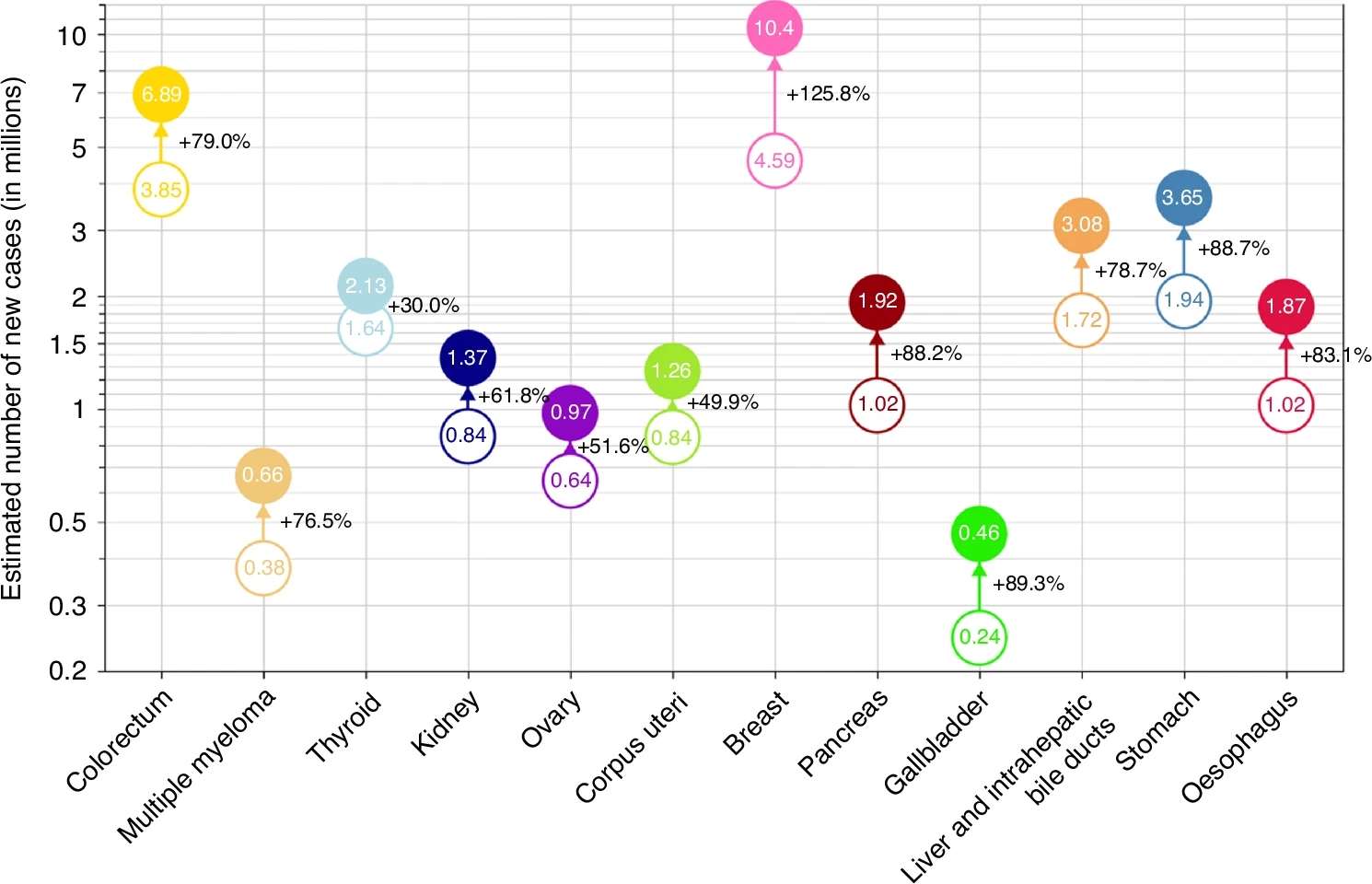
Evidence from conventional and Mendelian Randomisation epidemiological studies support the conclusion that obesity is causally associated with increased risk of several common cancer types. Some evidence, notably from quasi-experimental bariatric surgery studies, support the concept that sustained long-term weight loss in individuals is associated with reduction of cancer incidence, particularly in women. Yet, there are no authoritative public health policies directed specifically at large-scale weight management interventions to prevent obesity-related cancers. At least two adversities conspire against public health success: (i) awareness of the causal link between obesity and cancer risk; and (ii) lifestyle interventions are associated with only moderate weight loss that is generally not sustained long enough to result in clinically meaningful cancer prevention. However, there is now a revolution of effective pharmacotherapy for obesity, namely glucagon-like-peptide (GLP)-1 agonists and their extended family of dual and triple agonists, which leads to substantial rates of weight loss, sustained while individuals continue to take the drug. There is now a key new cancer prevention research question, whether this drug class might significantly reduce cancer risk with long-term use. The logistics of addressing this question in a clinical trial setting are discussed and potential strategies to overcome these challenges are proposed.
| Rank | Product/Brand Name | Vendor | Total Weight | Total Price (USD) | Cost Per 100g | Product Link |
|---|---|---|---|---|---|---|
| 1 | Whole Psyllium Husk | Bulkfoods.com | 25 lbs (11,339.8 g) | $199.95 | $199.95 / 11,339.8 g * 100 = $1.76 | Link |
| 2 | Bulk Whole Psyllium Husk | Dolce Superfoods | 40 lbs (18,143.7 g) | $425.60 | $425.60 / 18,143.7 g * 100 = $2.35 | Link |
| 3 | Psyllium Husks Powder | Monterey Bay Herb Co. | 1 lb (453.6 g) | $11.01 | $11.01 / 453.6 g * 100 = $2.43 | Link |
| 4 | Azure Market Organics Psyllium Husk Powder, Organic | Azure Standard | 5 lbs (2,268.0 g) | $56.54 | $56.54 / 2,268.0 g * 100 = $2.49 | Link |
| 5 | Psyllium Husk Powder | Food to Live | 10 lbs (4,535.9 g) | $115.37 | $115.37 / 4,535.9 g * 100 = $2.54 | Link |
| 6 | Organic Psyllium Husk Powder, 0.5 Pounds — Non-GMO, Kosher, Raw, Vegan | Walmart (Food to Live) | 15 lbs (6,803.9 g) | $190.41 | $190.41 / 6,803.9 g * 100 = $2.80 | Link |
| 7 | Organic Psyllium Husk Powder | Nuts.com | 44 lbs (19,958.1 g) | $579.33 | $579.33 / 19,958.1 g * 100 = $2.90 | Link |
| 8 | Psyllium Husk Powder Bulk 25kg | PureBulk, Inc. | 25 kg (25,000 g) | $726.25 | $726.25 / 25,000 g * 100 = $2.91 | Link |
| 9 | Organic Whole Psyllium Husk (10 Pack) | Anthony’s Goods | 15 lbs (6,803.9 g) | $207.90 | $207.90 / 6,803.9 g * 100 = $3.06 | Link |
| 10 | Organic Psyllium Husk Powder | BulkSupplements.com | 25 kg (25,000 g) | $784.81 | $784.81 / 25,000 g * 100 = $3.14 | Link |
Psyllium husk (derived from the seeds of Plantago ovata) operates as a highly viscous, gel-forming non-fermentable soluble fiber. Clinical data indicates that routine supplementation exerts significant metabolic leverage directly applicable to lifespan extension parameters:
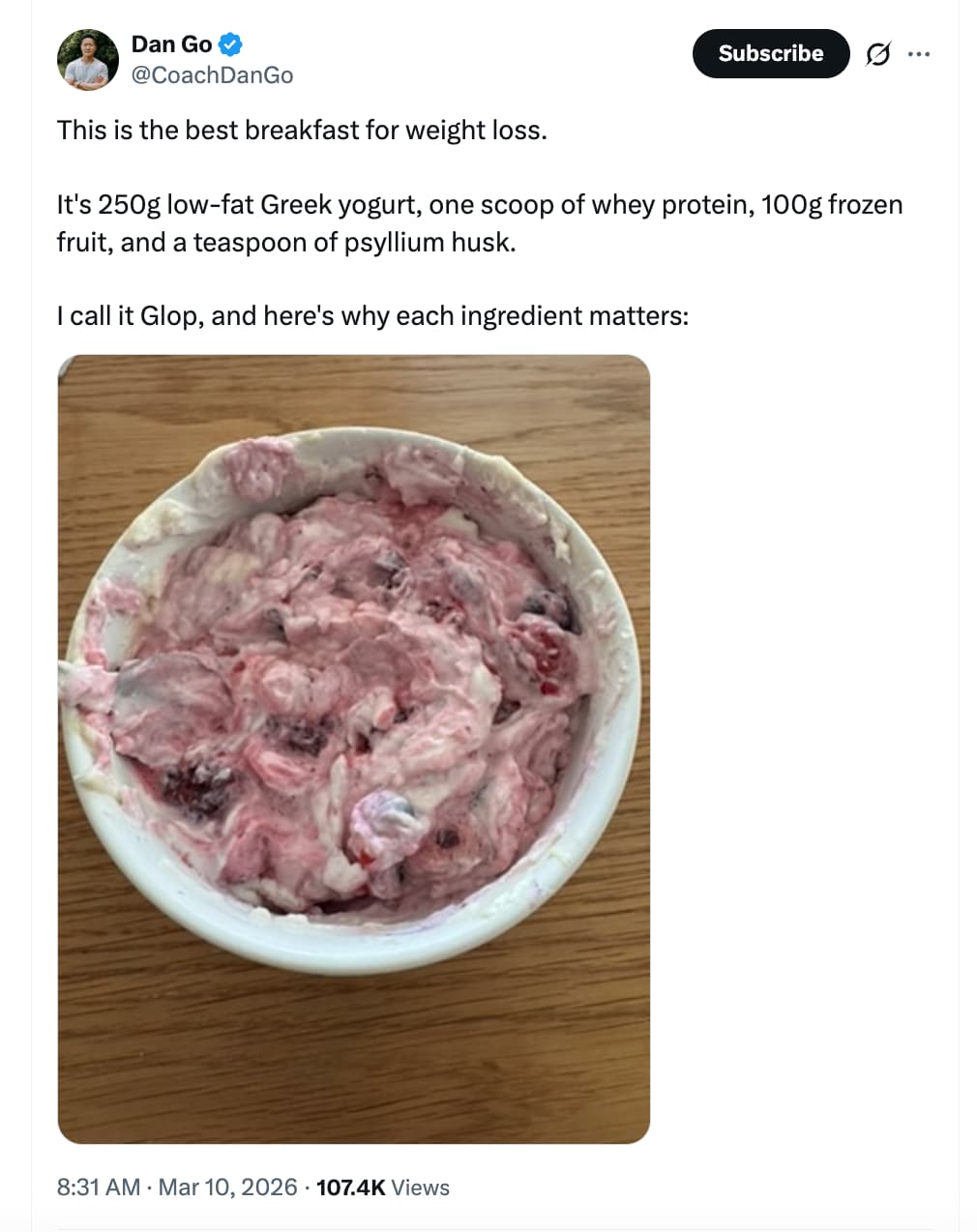
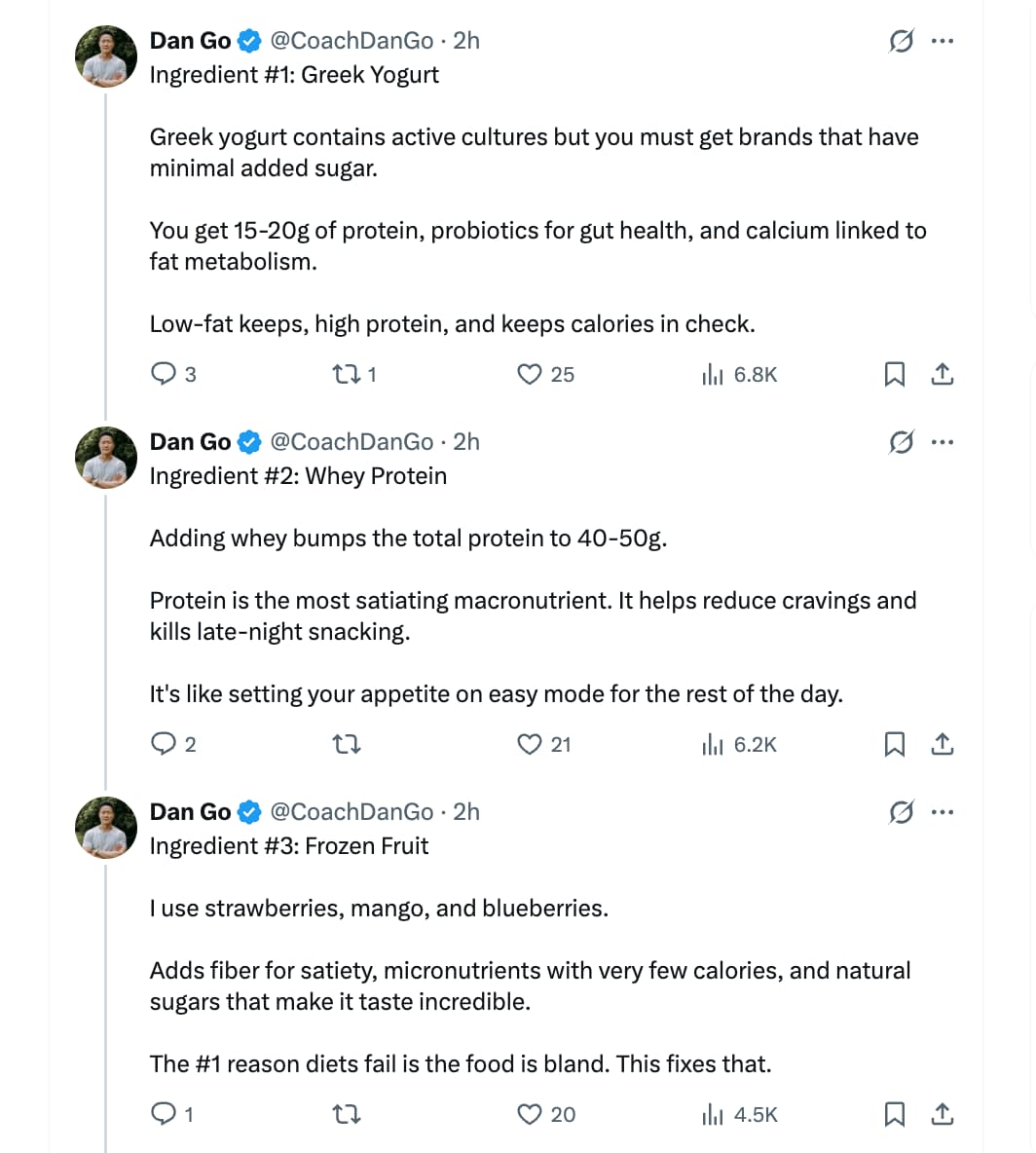
Glop is awful. Combining berries with yogurt is poor, because it inhibits the effectiveness of the polyphenols in berries. Take the fermentable dairy away from the fruit, and if looking at fermentable dairy kefir is a better bet with more strains of bacteria and some strains of yeast to boot. Glop looks like a poorly thought out and poorly researched dish. Dan seems to give suboptimal advice; in a world of time constraints where you must carefully pick whom to pay attention to, Dan seems s definite PASS. YMMV.
I agree that kefir would be better… but to do it right takes time and effort I don’t always have.
I used Gemini Pro to evaluate the scientific evidence behind the claim: “Combining berries with yogurt is poor, because it inhibits the effectiveness of the polyphenols in berries.”
The statement that combining berries with yogurt is “poor” due to the inhibition of polyphenols is scientifically oversimplified and largely inaccurate regarding clinical outcomes. While biochemical interactions between milk proteins and flavonoids exist, the net effect on bioavailability and biological activity is nuanced and often negligible in a balanced diet.
The premise of the statement relies on the affinity of proline-rich proteins (like casein in yogurt) for polyphenols (like anthocyanins in berries).
Current nutritional science distinguishes between a reduction in antioxidant capacity (measured in a lab) and metabolic bioavailability (measured in human plasma).
For a longevity-focused professional, the “interference” argument fails a practical cost-benefit analysis:
The statement is partially true at a molecular level (binding occurs) but false regarding nutritional utility. The inhibition is not significant enough to warrant avoiding the combination, especially considering the metabolic benefits of protein-polyphenol co-ingestion.
Knowledge Gaps:
My view: why take the chance of complications. Just take them away from each other - done. You still get to prime your gut with fermentable dairy probiotics, and then hit it with berries. Of course, I take an extreme biohacking perspective, for ordinary users this is all fiddling at the margins. But hey, it’s a hobby.
A sustained reduction in visceral adipose tissue (VAT) provides a neuroprotective effect that persists for up to a decade, operating independently of general weight loss. While the longevity and biohacking communities frequently focus on complex pharmacological interventions for neuroprotection, this research isolates the metabolically active component of abdominal fat as a primary, modifiable driver of structural brain atrophy.
The Follow-Interventions-Trial (FIT) analyzed 533 adults up to 16 years after they completed dietary lifestyle interventions. The data establish a clear divergence between general subcutaneous fat, overall body mass index (BMI), and visceral fat. Participants who successfully reduced and maintained lower VAT area during the interventions exhibited significantly higher total brain volumes, preserved gray matter, and improved Montreal Cognitive Assessment (MoCA) scores years later. Conversely, long-term exposure to high VAT levels accelerated the rate of brain atrophy and ventricular expansion.
Crucially, the mechanism linking VAT to cognitive decline appears rooted in systemic glycemic dysregulation. Among baseline biomarkers, only fasting glucose and HbA1c interacted significantly with time to predict longitudinal brain changes, whereas lipid and general inflammatory markers did not show consistent longitudinal associations.
Source:
Just a thought on the gloop breakfast. I do it with a greek yoghurt/kefir combo. But also add
chia, flaxseed and frozen pomegranate arils with pomegranate peel powder along with the mixed berries (from freezer)
Chia and flaxseed instead of psilium husk for nutritional value and a good fibre matrix for supporting my urolithin a “metabotype”.
Combined with the kefir they provide a good support for converting the pomegranate arils and pomegranate peel powder into meaningful levels of urolithin a.
If you really want to go to town you can also add wheatgerm for spermidine hitting multiple mitochondrial benefits in one very quick breakfast/snack.
It basically boosts akkermansia, urolothin a, omega 3, butyrates anthocyanins along with 15g + fibre
I eat berries with kefir/yoghurt for taste and ease but there does seem to be a net benefit from the combination (at last if you let AI trawl the research) Could you point me to the studies suggestion the net effect is negative for the combination
We live rurally (a distance from grocery shops) so have for years frozen sliced sourdough at home so we can toast ot as needed.
I now realise freezing bread makes the starch resistant. I can’t see any downsides and it seems a very simple win. But welcome any thoughts from the hive mind!
Antioxidant activity of blueberry fruit is impaired by association with milk
“When blueberries and milk were ingested there was no increase in plasma antioxidant capacity. There was a reduction in the peak plasma concentrations of caffeic and ferulic acid (-49.7%, p<0.001, and -19.8%, p<0.05, respectively) as well as the overall absorption (AUC) of caffeic acid (p<0.001). The ingestion of blueberries in association with milk, thus, impairs the in vivo antioxidant properties of blueberries and reduces the absorption of caffeic acid.”
Accessible overview:
My own view: maybe, but why take the chance? YMMV.