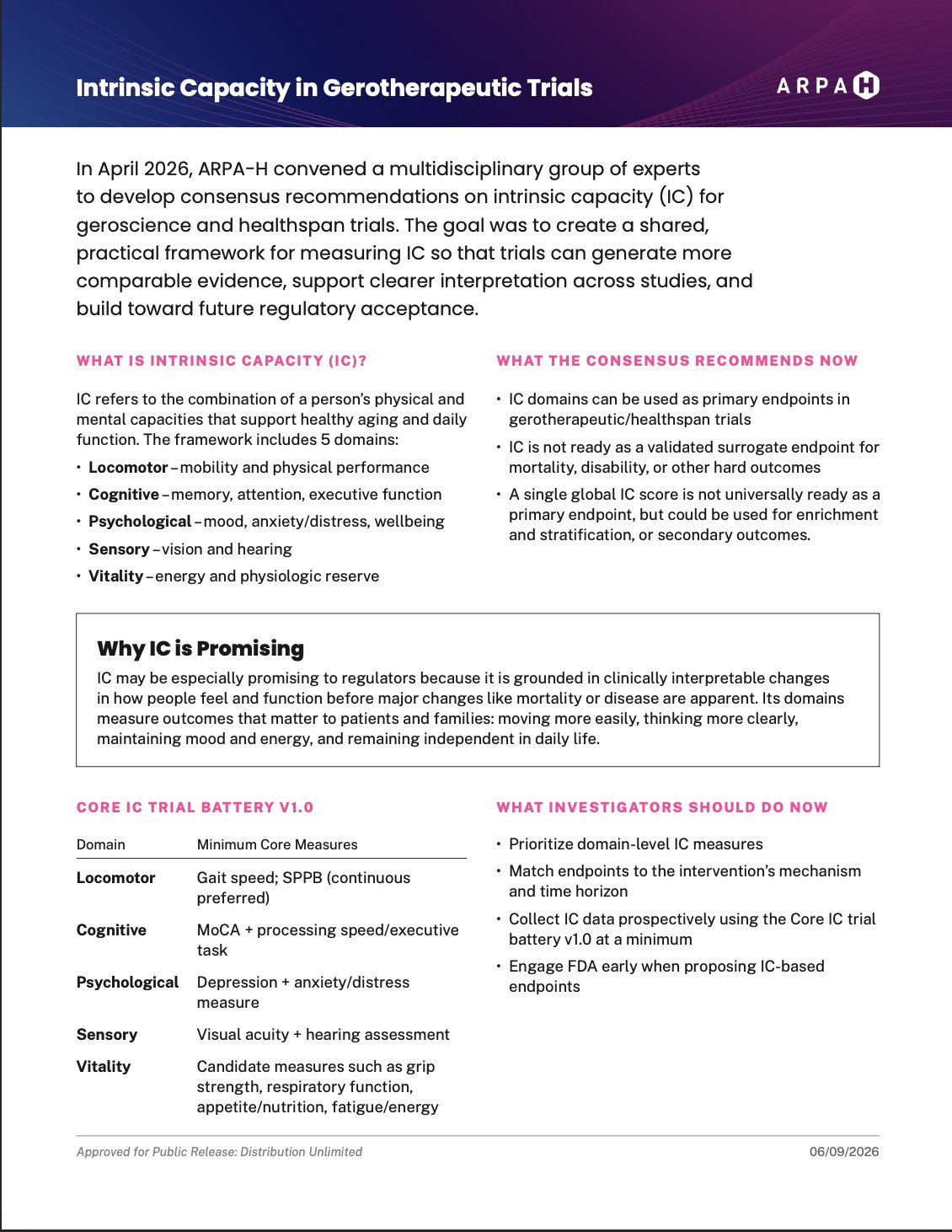
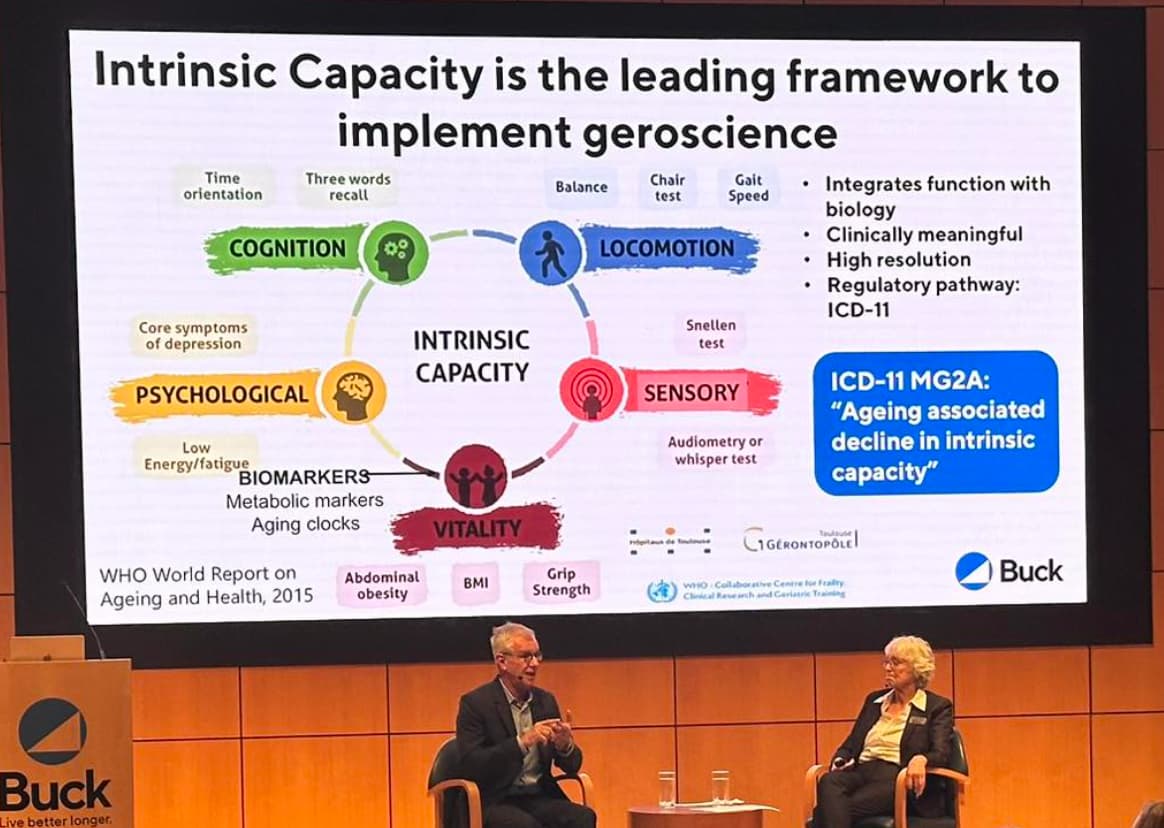
The global demographic shift toward an older population presents a distinct clinical challenge: extending healthspan to match gains in chronological lifespan. A recent cross-sectional analysis provides actionable epidemiological data on the relationship between modifiable lifestyle factors and the preservation of physical and mental function, collectively termed “intrinsic capacity” (IC). Utilizing the World Health Organization’s ICOPE framework, researchers evaluated a cohort of 1,644 community-dwelling older adults to quantify how combined lifestyle habits correlate with functional decline.
The findings are highly indicative of the profound impact lifestyle exerts on functional aging. Over half of the evaluated cohort (50.9%) exhibited at least one intrinsic capacity deficit, with prevalence predictably scaling alongside chronological age. However, when stratified by a Healthy Lifestyle Score (HLS)—a composite metric evaluating smoking, alcohol intake, physical activity, sleep duration, and body mass index—a clear, dose-dependent functional divergence emerged. Among subjects classified with a “healthy” lifestyle, 55.6% maintained full intrinsic capacity without deficits, compared to only 45.9% in the “unhealthy” cohort.
Crucially for longevity protocols, the data highlights specific, high-yield intervention targets. Insufficient physical activity was the most dominant risk factor, corresponding to a 2.28-fold increase in the odds of presenting with an IC deficit. Insufficient sleep (defined as fewer than seven hours per night) was the second most critical variable, yielding a 1.89-fold increase in deficit odds. Conversely, variables such as BMI (using Asian-specific cut-offs) and smoking status did not show statistically significant independent associations with IC deficits within the adjusted multivariable models of this specific cohort. This strongly suggests that prioritizing restorative sleep and rigorous physical activity yields the highest probability of preserving neuromuscular and cognitive healthspan in aging populations.
Source:
- Open Access Paper: Association Between Healthy Lifestyle Habits and Intrinsic Capacity Among Community-Dwelling Older Adults in Singapore
- Context: This research was conducted by investigators at the National University of Singapore and Alexandra Hospital in Singapore, and published in the peer-reviewed journal Nutrients.
- Impact Evaluation: The impact score of this journal is 5.9, evaluated against a typical high-end range of 0–60+ for top general science, therefore this is a Medium impact journal.
Mechanistic Deep Dive
While the study itself omits molecular pathway data, the macroscopic clinical findings align tightly with known longevity biochemistry.
- AMPK & mTOR Coordination: The profound protective effect of physical activity (OR 2.28 for deficits if insufficient) observed in the cohort operates mechanically through the cyclic activation of AMPK and subsequent modulation of the mechanistic Target of Rapamycin (mTOR). Sustained physical activity stimulates mitochondrial biogenesis and preserves the neuromuscular junction, directly counteracting the locomotion and vitality deficits measured in the ICOPE framework [Confidence: High].
- Autophagy & Glymphatic Clearance: The secondary major driver of IC deficits was insufficient sleep (<7 hours). Sleep deprivation disrupts systemic circadian amplitudes, directly impairing glymphatic clearance of neurotoxic proteins in the brain and blunting baseline autophagy. This correlates directly with the cognitive and psychological capacity deficits categorized under the WHO framework [Confidence: High].
- Organ-Specific Priorities: The data suggests that the central nervous system (sleep-dependent) and the musculoskeletal system (activity-dependent) are the primary failure nodes driving early loss of intrinsic capacity in older humans [Confidence: Medium].
Novelty
This paper shifts the analytical lens from traditional disease-centric morbidity scores to a functional, capacity-centric model (ICOPE) within a rapid-aging demographic (Singapore). It provides quantifiable, population-level validation that compound lifestyle behaviors are measurable upstream determinants of functional decline before overt frailty syndromes manifest [Confidence: High].