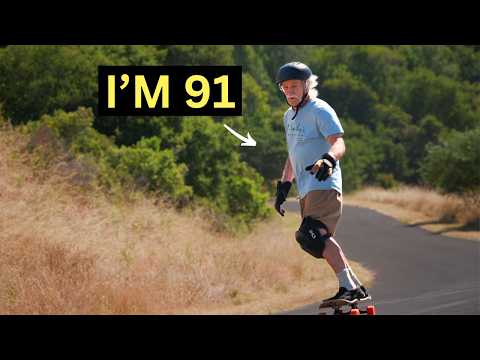
Yet another old old, who never exercised, but simply stayed physically active in the course of living his life. As you look at that cohort, this seems more of a rule, with formal exercisers in a distinct minority.
I’m a doctor who tracks my health. My 93-year-old dad does none of that
“My dad has never tracked his sleep, and wouldn’t know what a macro is. He has never set foot in a gym, and doesn’t own sneakers (he prefers loafers). And yet, at 93, he continues to live a healthy, fulfilling life.”
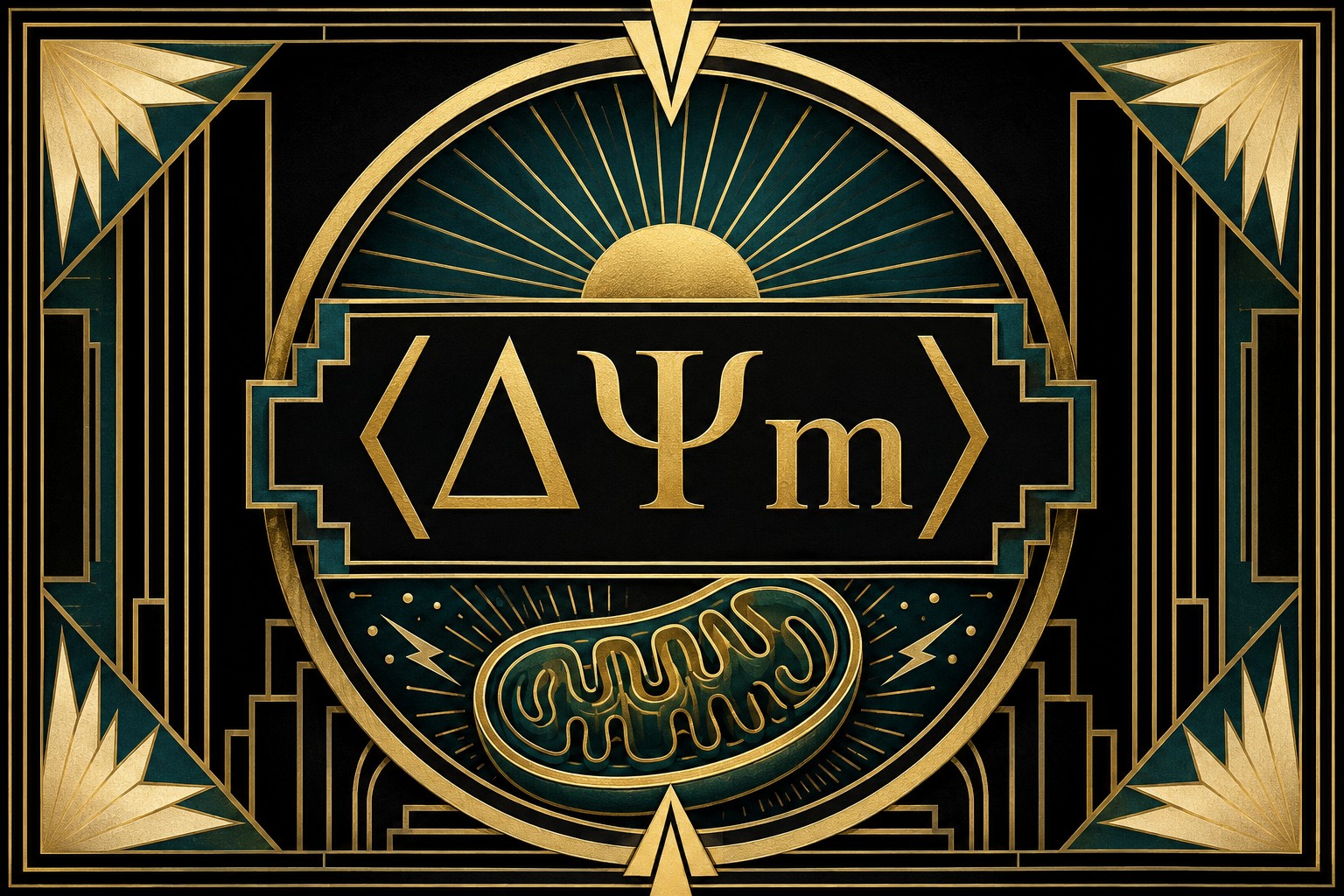
One result of my broader hypothesis that ⟨ΔΨm⟩ drives development and ageing is that people start with a different position at conception. (and in fact different organs will also start differently as the embryo develops) This does seem to fit with observed facts.
Decoding: ΔΨm is the mitochondrial membrane potential — the electrical voltage across the inner mitochondrial membrane that mitochondria use to generate ATP. Typical values in healthy mitochondria are −140 to −180 millivolts, with the matrix side being negative.
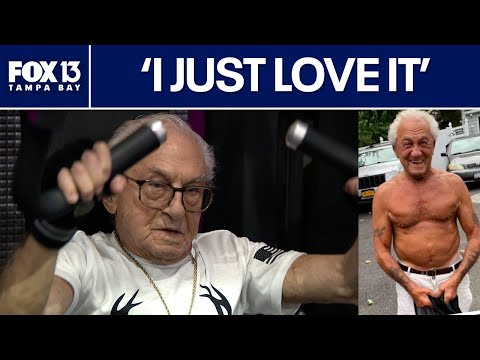
The lifting is inspiring and great to see - he certainly looks amazing for his age. The daily ham sandwiches and lemon pie make me die inside a little.
What I take away from this, is that the inspiring part is daily ham sandwiches and lemon pie. Miss me with the daily 3 hour gym sessions. But then again, miss me with the ham and pie too. Gee, does that mean I have no shot at the century mark in good shape? Fortunately I can look at Mel Brooks at 100, and not worry one whit about either exercise or diet, or sleep circadian rhythms, as that guy is still very sharp and in good physical shape. He likely can’t lift as much as Joe, but lifting a whole lot is not a goal I aspire to either - not at the price of 3 hours a day at the gym, just be mobile and fully on top of unassisted ADL.
But joking aside, given the astonishing variety of lifestyle choices by the cents, is there any doubt that the genetic cards we’re dealt have something to do with it?
Speaking of inspiring, few men inpired as many people to start exercising as Richard Simmons. A huge inspiration to literally millions. He lived what he preached and died at 76. Whelp.
How would exercise increase lifespan either way? The improvements in “mitochondrial function” is located in the muscles that are exercised, not total body, AFAIK. But at the same time there can be a genetic lottery which might be risk reduced by exercise and have an effect on lifespan for those.
But either way quality of life – total difference. Being able to walk for instance.
I don’t know, I think genetics may load the dice, but after that there’s an awful lot of rolling going on. If you make it to 40 or 50 reasonably healthy, you’ve already dodged a bunch of the really nasty genetic stuff. From there, lifestyle, infections, accidents, medical care, plain old bad luck — all of it starts piling into the equation.
Genetics matters, sure. I just have a hard time with “genetics trumps everything.” Biology is way messier than that. Sometimes you get the mouse that just won’t die. Sometimes you get the mouse that had every advantage and still checks out early.
Exercise can probably delay frailty but it won’t eliminate it. Elastin loss and other mechanisms would still bring body to frailty after 90. We need to find solution to replenish Elastin.
Per AI quick search:
What recent research has achieved
Multi‑target restoration of elastic fibers (2026)
A 2026 study showed that combining three agents — Copper Tripeptide‑1, ethyl ferulate, and cedrol — can:
• Increase elastin production
• Reduce elastase activity
• Restore microfibrillar scaffold proteins
This improved elastic fiber architecture in UV‑damaged human skin samples.
This is meaningful, but it’s repair, not full replenishment.
mRNA‑based elastin production (2026)
A July 2026 paper demonstrated that mRNA technology can induce fibroblasts to produce new elastin in aged skin.
This is one of the most promising directions because it directly reactivates elastin synthesis.
However, it is still limited to skin, and long‑term stability of the new fibers is unknown.
Recombinant human elastin delivered transdermally (2026)
A 2026 study showed that noninvasive delivery of recombinant elastin can restore extracellular matrix homeostasis and repair aged skin.
This bypasses the need for cells to make elastin — but again, it’s skin‑focused and does not rebuild deep structural elastin in arteries or lungs.
My solution was to build up enough reserve earlier. I could lose more than half my strength and still be mobile.
Also, my skin has far fewer wrinkles than people far younger than me.
I’ve played every GTA since around Vice City, the new footage from six made me motivated to be healthy because of the expected positive valence of video game experiences, and isn’t incompatible per se with healthfulness (e.g eating healthy).
The valence and hype from the footage matter as well (like playing the character & with the latina gf). – the last minute in the extended footage is pure story valence: https://youtu.be/wSm9GTUttBs?si=qtavENQUxd7SzBvK&t=1542 esp for those who’ve waited for gta 6…
Going around in Miami on crazy adventures isn’t good, simulating some of those and stories in a video game is ok. Being healthy engaging with stories can’t be worse than the opposite, especially if your mind is clearer rather than dull from all of the excess calories & sodium, and dehydration, for instance.
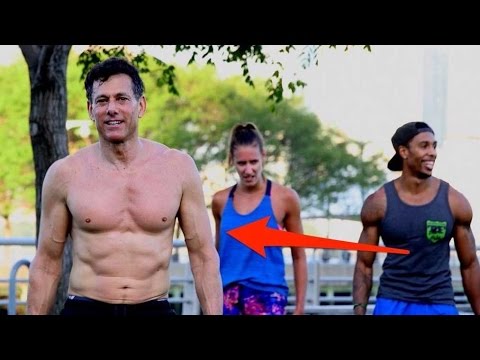
So anyway I watched some interviews of the Take-Two CEO of GTA 6, and noted he looked younger than his age. CNBC hosts noted he’s like Benjamin Button and aging in reverse.
I found he’s written a book about fitness and aging, blood testing regularly, cholesterol etc, & Attia wrote the foreword!
Came from a long lived family. Daily egg still hasn’t killed her. What tips can we pick up from this, what inspiration? None that I can see, but that could be because I didn’t look carefully enough… but hopefully the diet and exercise fanatics might mitigate my lack of diligent observation.
Woman, 100, Who Still Drives a Car, Lives on Her Own Has 6 Tips for a Long Life
That’s a really neat story - longevity running in her family tells part of the story with her sister living to 101 years old. It does seem that she lived a “clean lifestyle” of organic food, greens, wild berries, walking, low-stress, and minimal chemical/pollutant exposure. I love that she enjoys coffee and doesn’t drink alcohol either. She looks very, very good for 100 years old and her leanness certainly helped IMO - perhaps she was inadvertently CR’d, or just has plain good genetics. The fact that she’s an optimist and basically never worried are likely to have been beneficial as well.