This is an interesting thought. AFAIK the main pathway for building things is HIF 1 alpha. There are thoughts that it also has broader effects potentially through the transfer of mitochondria and it definitely has some effects outside the cell in which it starts off. It would be an interesting test. I would not, however, think the non exercised arm (remembering that any movement is a form of exercise) would become that much stronger.
The inactive limb gains about 40% of the strength gains for the trained one:
training programs organized into multiple sets (3-5 sets of 8-15 repetitions with rest times of 1-2 minutes) obtained strength improvements in the opposite limb up to 39.2 ± 2 7.8% of those achieved in the trained hemisphere.
https://www.jssm.org/hf.php?id=jssm-16-180.xml
In this study, those that trained their mobile arm only lost 2% of the muscle in the immobile arm, compared to 28% for the group that didn’t exercise:
"This group also had just two per cent muscle wastage in their immobilised arm, compared with those who did no exercise who had a 28 per cent loss of muscle.
Transfer of mitochondria from muscles to other parts of the body, like the organs and the brain seems very interesting to me. That would justify doing a lot of zone 2 exercise (maximizing creation of new/better mitochondria by exercising at 2 mmol lactate, right before lactate takes off).
Brad Stanfield video
More Exercise, More Plaque?
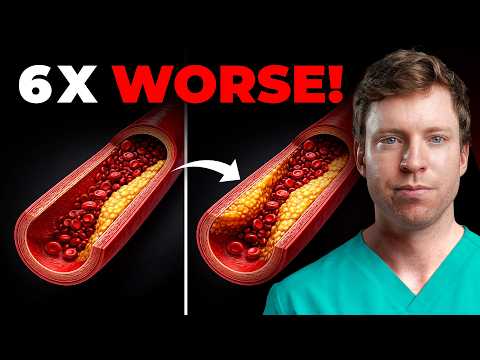
It seems people that do high volume, high intensity exercise have much higher risk of cardiovascular disease.
1 Like
Really… huh.
Never had a desire to run marathons… lol. Any extreme isnt good.
Is 1 hour and a half… muscle resistance normal…and better.
I have none. Just did a $6,000 CT scan… 100 per cent healthy at almost 68 years.
2 Likes
That’s impressive!
Perhaps a lot of why marathon runners are at higher risk is long duration pulses in blood pressure, even though their resting blood pressure is maybe very low (leading them to falsely believe they have little risk of CV problems).
I, personally, am too big (too much muscle weight) to run a marathon. I’d need to lose maybe 50 pounds to be light enough to do it.
I don’t do weight-lifting over a long enough duration to cause the kind of long-range blood pressure spikes in marathon running; but certainly do have blood pressure spikes when lifting.
1 Like
And BTW…
According to legend, the first marathon runner, a Greek messenger named Pheidippides, died of exhaustion immediately after running approximately 25 miles from the battlefield of Marathon to Athens to announce a victory against the Persians in 490 BCE. He reportedly collapsed and died after shouting "Rejoice! We have won!
Not a great beginning for a sport… in my opinion. 
2 Likes