So you believe brains are 0.5% plastic?
1 Like
If microplastics are harmful, and if humans are being exposed to more microplastics, then we’ll start seeing a clear trend of shortened lifespan & healthspan because of it.
Is my logic solid here? If it is, then when should we start seeing clear evidence of the negative effects?
How many years of no evidence would it take for all of you to concede that there’s no danger from microplastics – five years? 10 years? 25? 50?
(I’m not trolling here; I’m legitimately curious. I know very little about microplastics.)
Lastly, clearance rates from the brain are unknown for polymer particulates. The lack of correlation with the decedent age suggests that an equilibrium occurs and may depend on genetic, dietary, and lifestyle factors that ultimately contribute to the wide between-subject variability in MNP concentrations. In zebrafish exposed to constant concentrations, nanoplastics uptake increased to a stable plateau and cleared after exposure16; however, the maximal concentrations were increased proportionately with higher exposure concentrations. While the time course for kinetics is assuredly longer in humans, we postulate that the exponentially increasing environmental concentrations of MNPs1,17 will analogously increase internal maximal concentrations, which is corroborated by our finding that total plastics mass concentration in brains increased over 50% in the past 8 years.
We should’ve seen this for people in plastic factories, or people who microwave their food in plastic containers. I doubt this is much of a problem until someone can show increase death rates or disease in those scenarios.
No, but for the 0.5% of the brain is plastic claim, I doubt it.
2 Likes
Nobody claimed that. These were small 3-5cm samples from the frontal cortex only, that contained, on average, one half percent plastic. They didn’t measure plastic in the whole brain, so levels in other areas may have had more or less than an average of 0.5%. I guess we’ll see what the final paper says, if it’s published, but I’d still be alarmed if the number were 0.1%.
Good, I missed that wasn’t explicitly claimed. Lots of unknowns still like why plastic factories aren’t extremely terrible, unless there is such data. Does that mean that you have to eat the plastic?
Lots of problems with the article / pre-print:
1 Like
PFC is one of the most important parts of brain, I’d be EXTREMELY alarmed if plastic levels highest in this region
Also, the effects are almost certainly non-linear (harmless below a certain threshold, then suddenly becoming harmful, sometimes MUCH more so once it crosses a threshold)
It’s the trendlines that are truly truly concerning.
2 Likes
tbh microplastics are also a reason to not become an athlete or run marathons because the increased total flux of everything will just get more microplastics trapped in tissues (if you eat MORE food and breathe more air due to need to exercise, more plastic will get trapped in b/c all food contains MP by now)
(I mean exercising to the extreme limit - the benefit after X hours goes way down, and additional microplastic flux is… an added issue…)
No - we have no idea of the harm levels from micro plastics generally, and specifically with regard to increased exercise, and we have many long term benefits of exercise…
I think you’re just trying to rationalize not exercising 
4 Likes
Of all the threats to us, It would be ironic if mankind went extinct due to our penchant for plastic water bottles and food wrappers (to simplify it a bit):
Scientists have shown that microplastics — fragments up to 5 millimeters long (less than 0.2 inches) — can cross the blood-brain barrier, and the toxins pollute even far corners of Earth, as well as the most vital parts of our bodies. A new study revealed that nanoplastics can escape through blood vessel walls and accumulate at high levels in developing hearts, livers, and kidneys, as Phys.org reported.
A team led by Leiden University biologist Meiru Wang injected chicken embryos with europium- or fluorescence-tagged polystyrene nanoplastics, which were either 150 nanometers (0.00015 mm) or 1 micrometer (0.001 mm) to mimic the size range of nanoplastics in the environment. In addition to the aforementioned findings, it discovered that some of the particles were excreted through the kidneys.
The authors also said that a previous study that showed nanoplastics caused cardiac defects in chicken embryos by damaging the neural crest may have come to at least an incomplete conclusion and that damage to the heart’s cushion tissues could play a role.
1 Like
1 Like
Need to stop feeding them so much plastic.
2 Likes
Probably about 20 years ago I became very nervous about the potential leakage of plastics and plasticisers into food and drink. I threw out any utensils with Teflon coatings and only cook in stainless steel or glass now.
Recently I read about the plastic leaching into water from plastic bottles. I rarely drank that but I did drink sugar-free cola, so now I buy it exclusively in glass bottles.
Plastic chopping boards and utensils such as soup ladles have also been exchanged for wooden boards and metal utensils.
I won’t use a Whipper Snipper in the garden anymore as the plastic line breaks into tiny pieces and these go into the soil.
Plastic! It’s everywhere and I HATE it!
4 Likes
Some good news today, finally something is eating the plasic completely and cleanly:

This won’t help you in your house or reduce the plastic in your brain.
2 Likes
@AlexKChen it looks like Bryan has a new micro plastics test coming out that may be of interest:
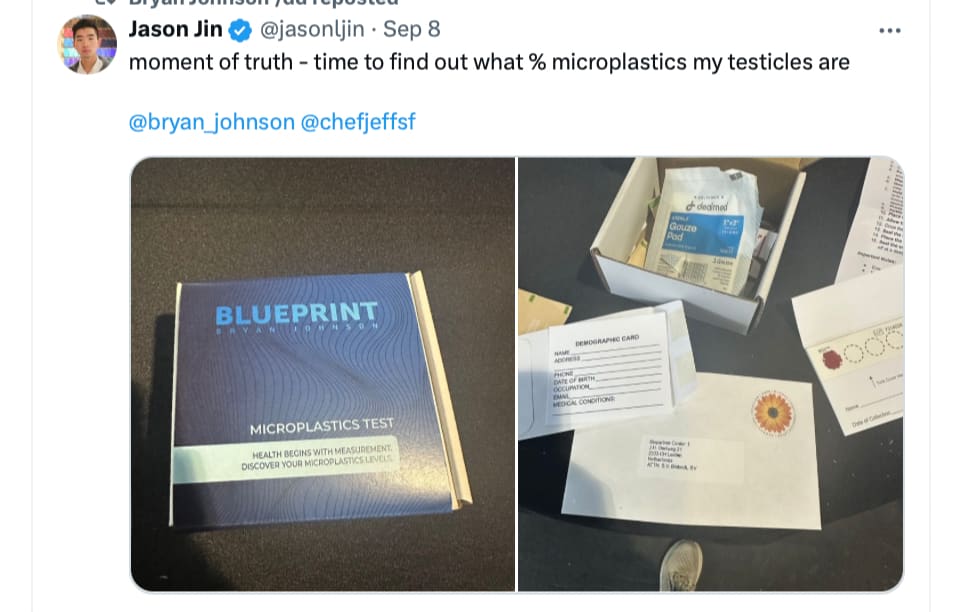
Source: x.com
3 Likes
Plastic worker diseases at high dose: 2.2 mg/m3 (Flock worker’s lung), a term for more research?
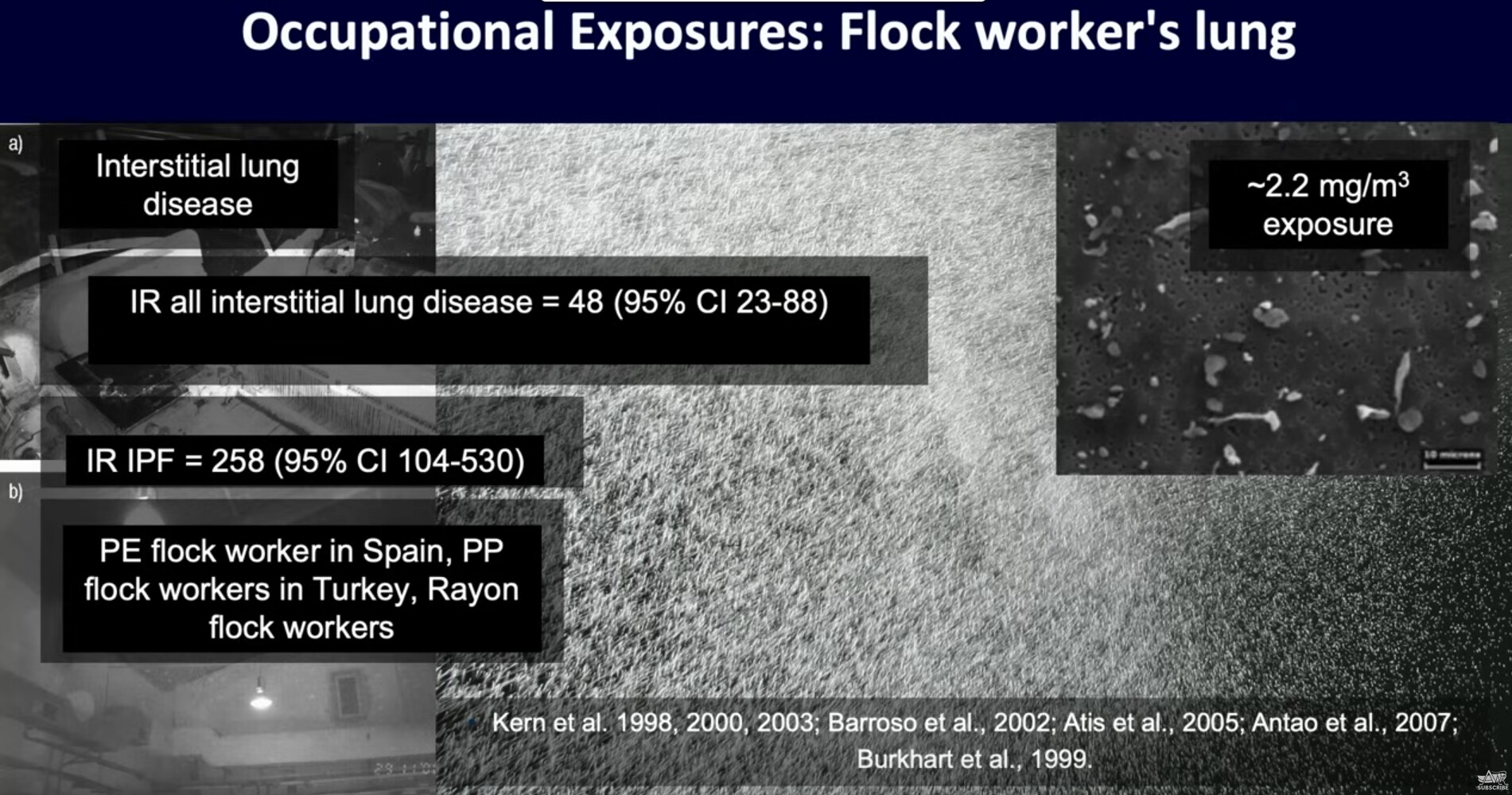

Chemicals in plastics a possible very important separate issue.
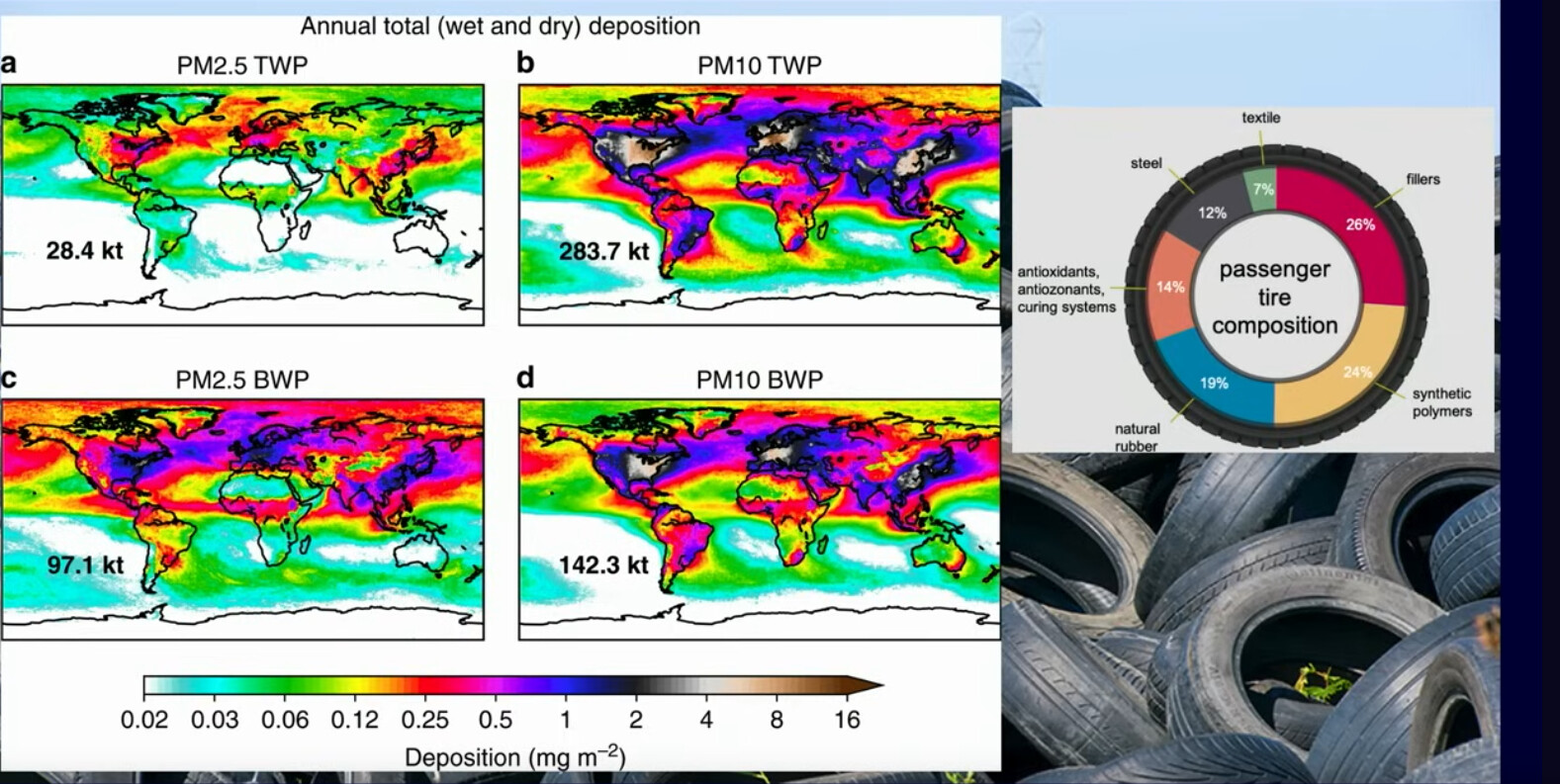
Car tire pollution patterns across Earth and compositon of tires:
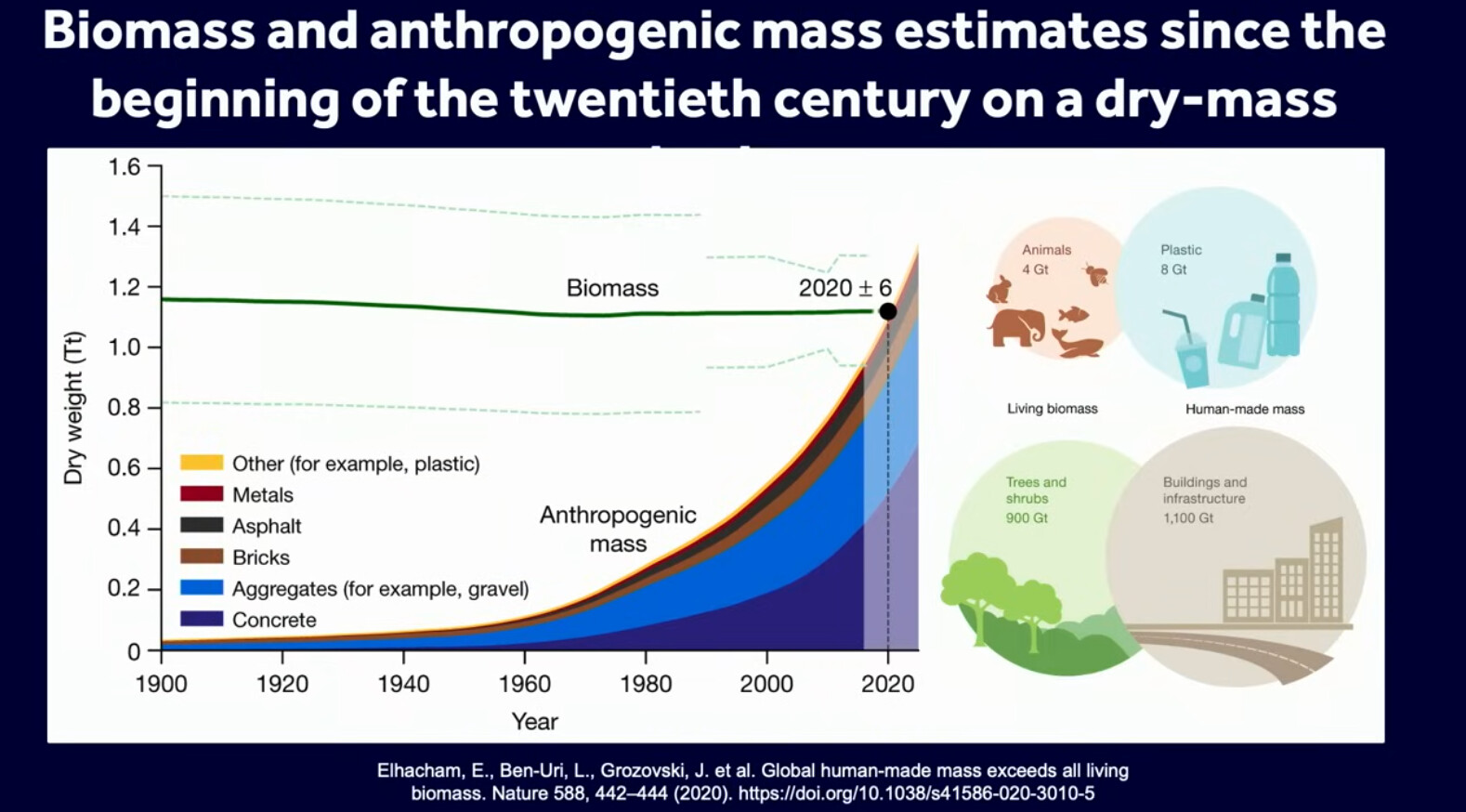
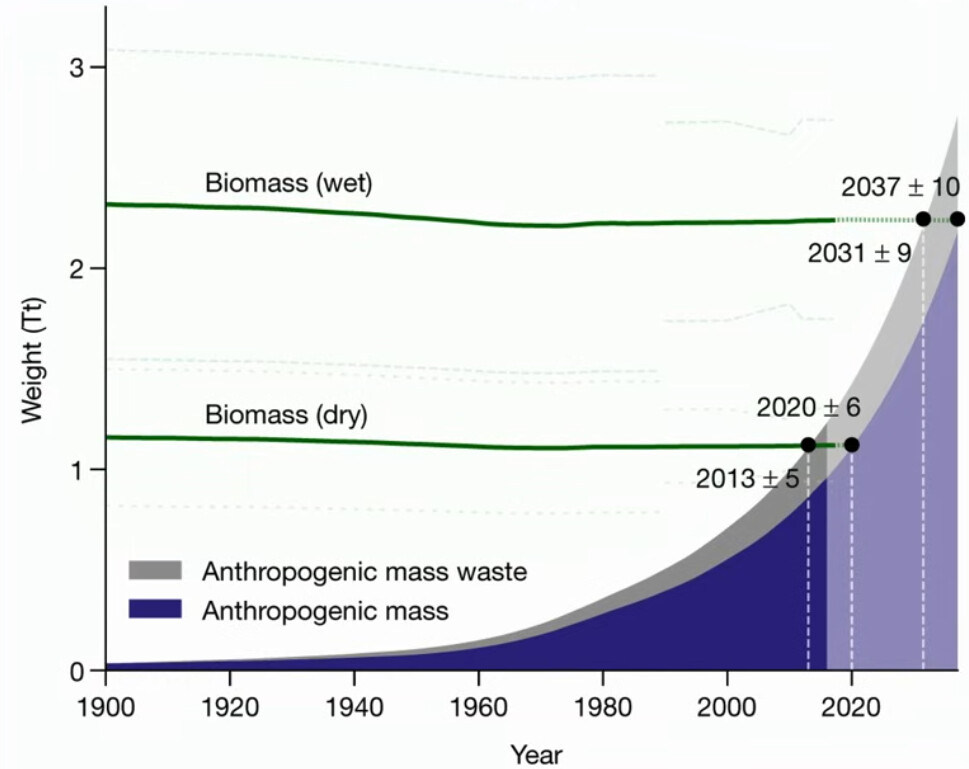
Human-made mass is more than living biomass and seems to increase exponentially.
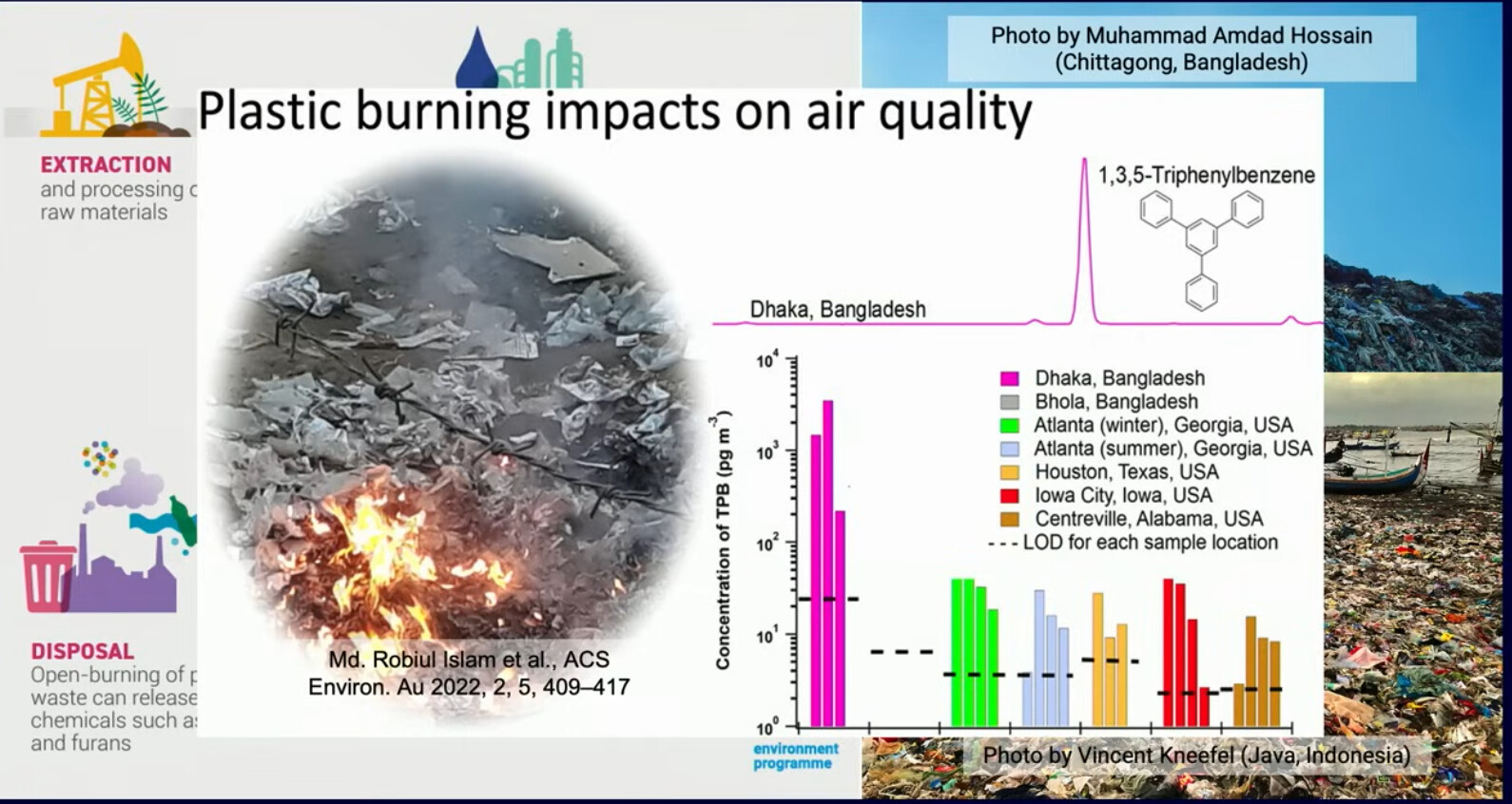
Plastic burning i.e Bangladesh.
1 Like
So what is the occupational exposure needed for Byssinosis - StatPearls - NCBI Bookshelf vs flock worker’s lung? Is the former less toxic or more toxic for each average level of exposure?

a second “microplastics in brain” study that got into twitter popular tags [8/15 had MPs in their entorhinal cortex], though if it’s only 8/15, I’m curious if their technique wasn’t sensitive enough…
1 Like