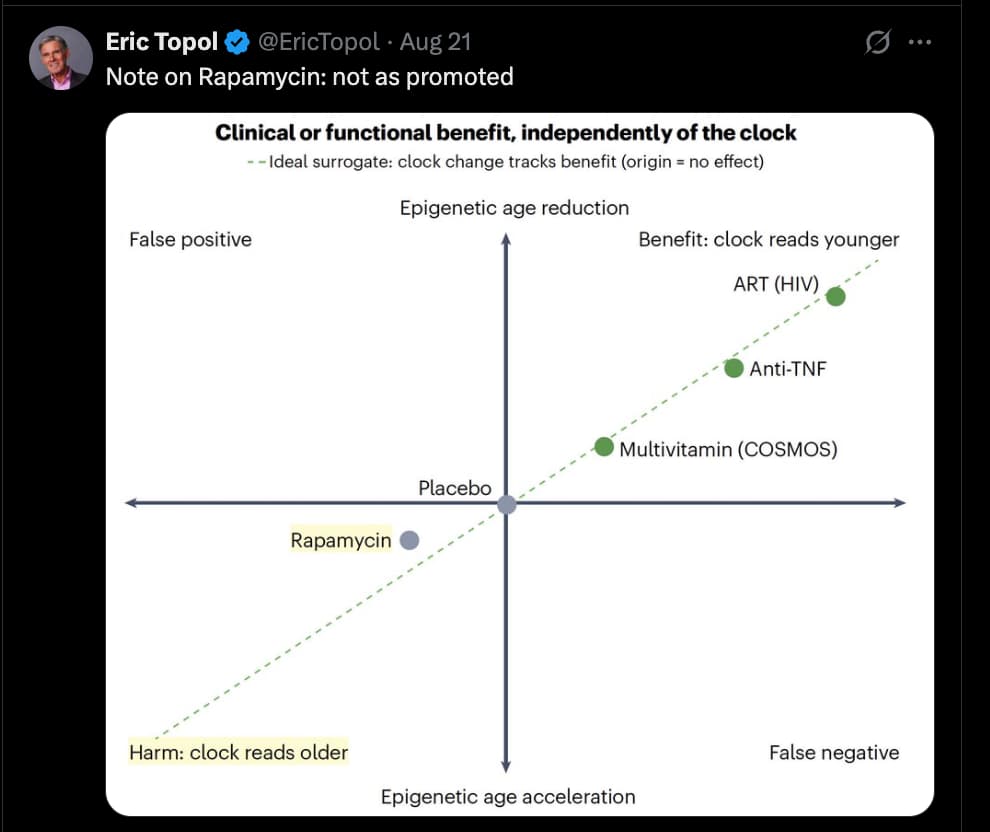
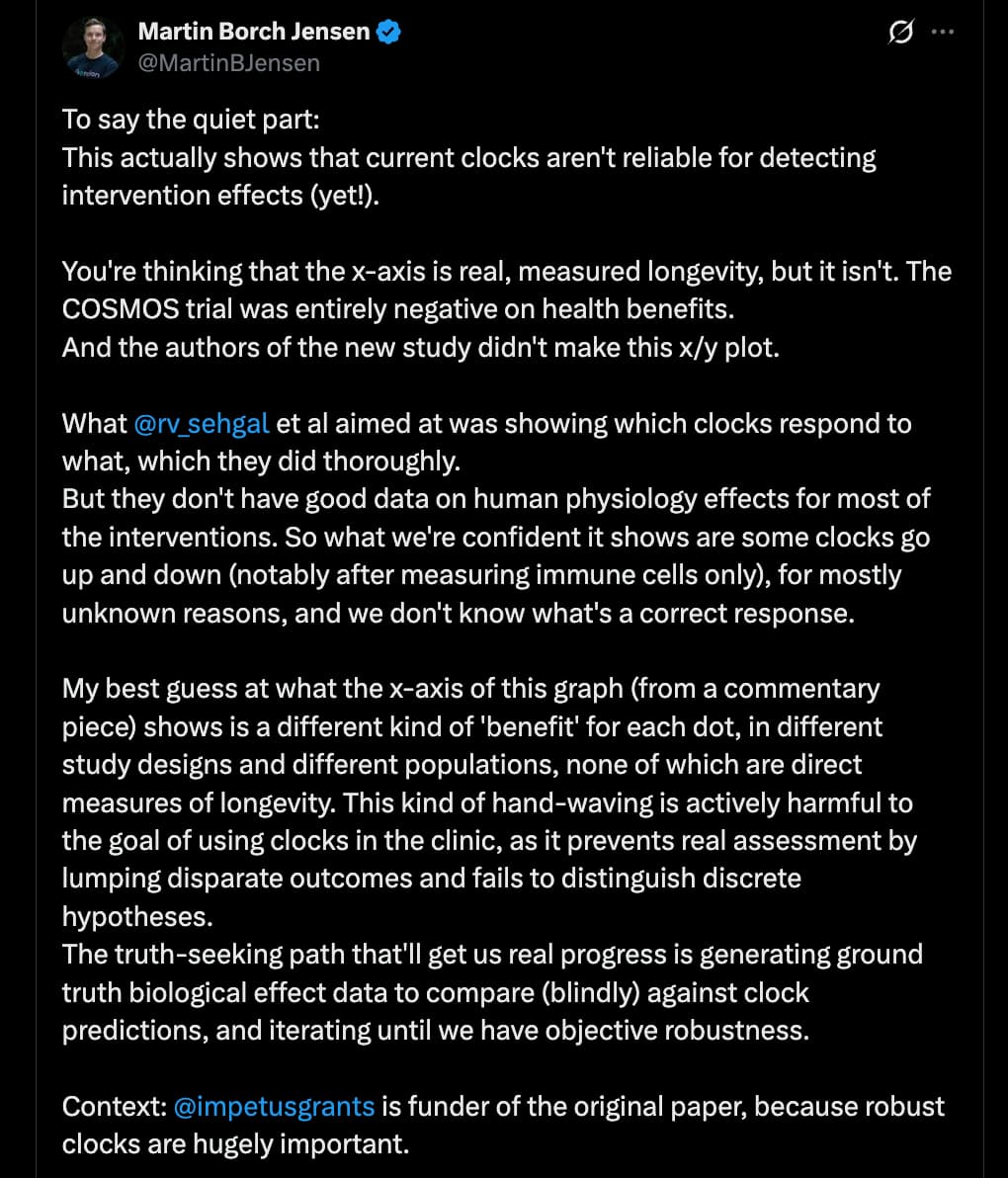
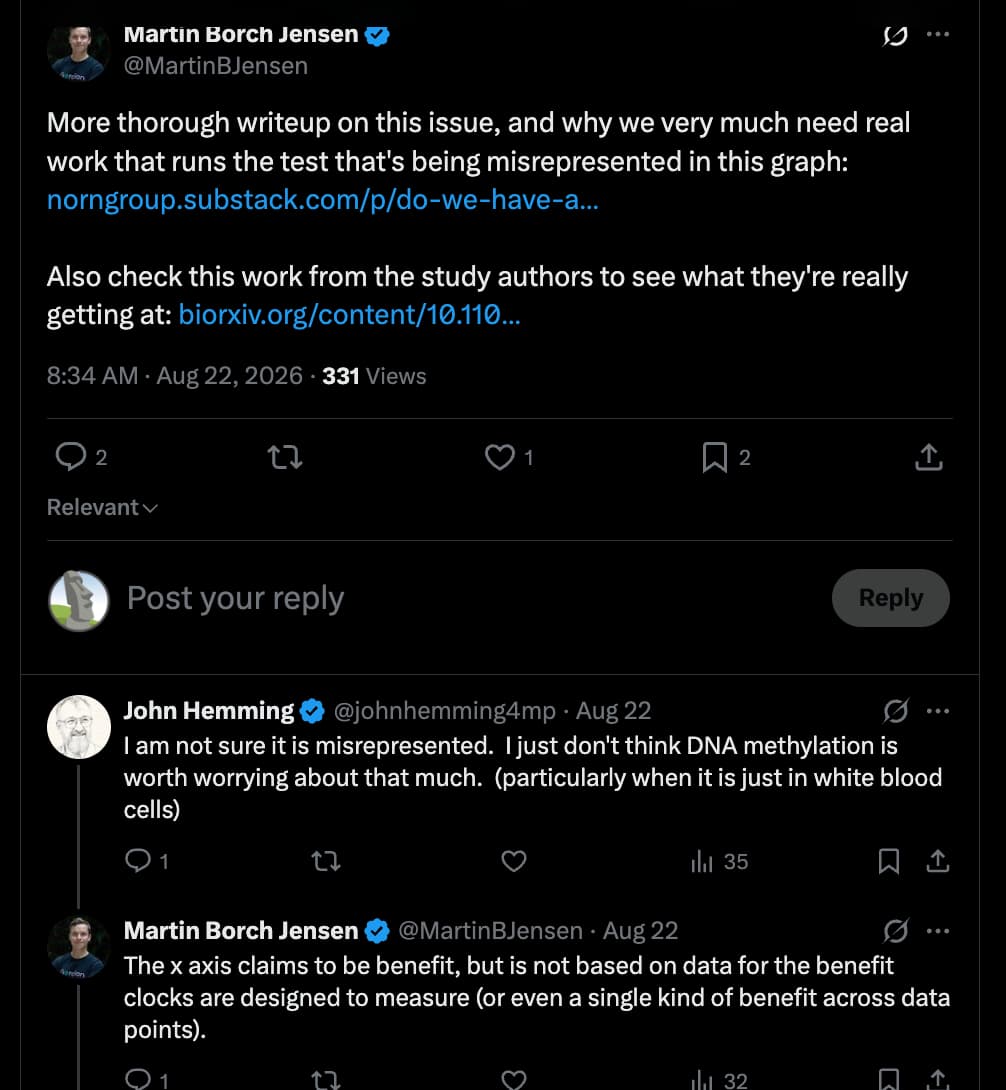
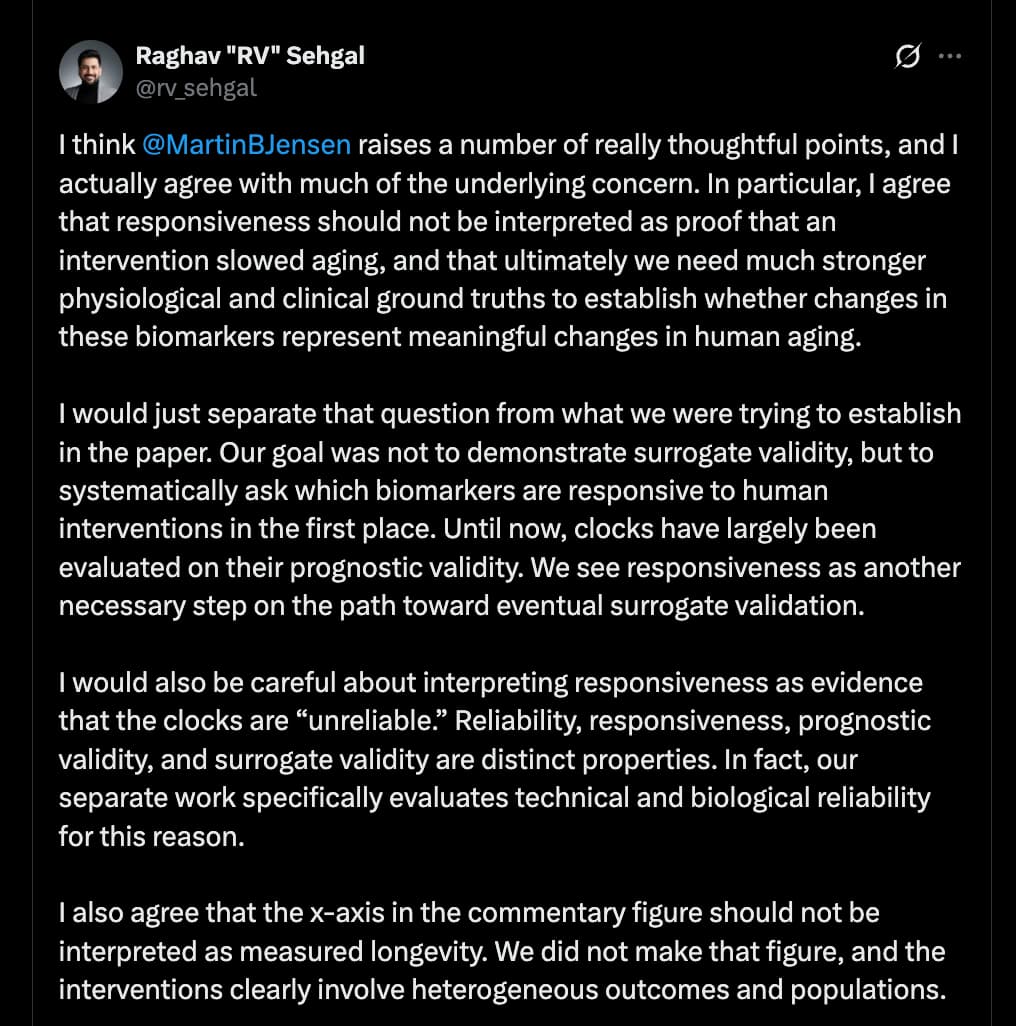
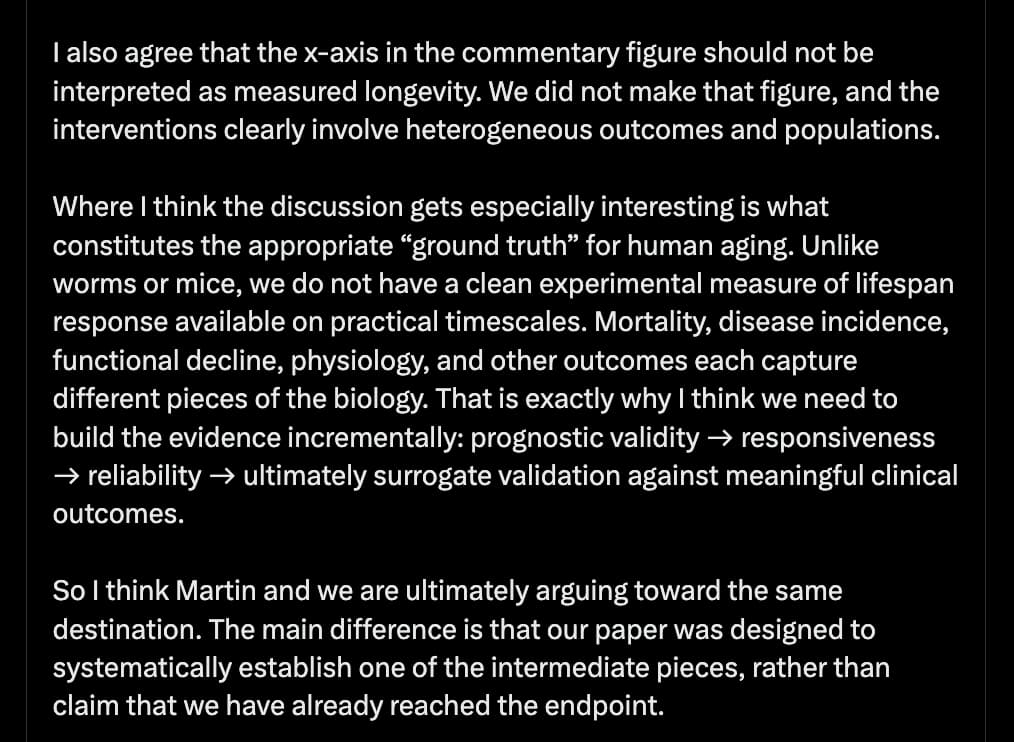
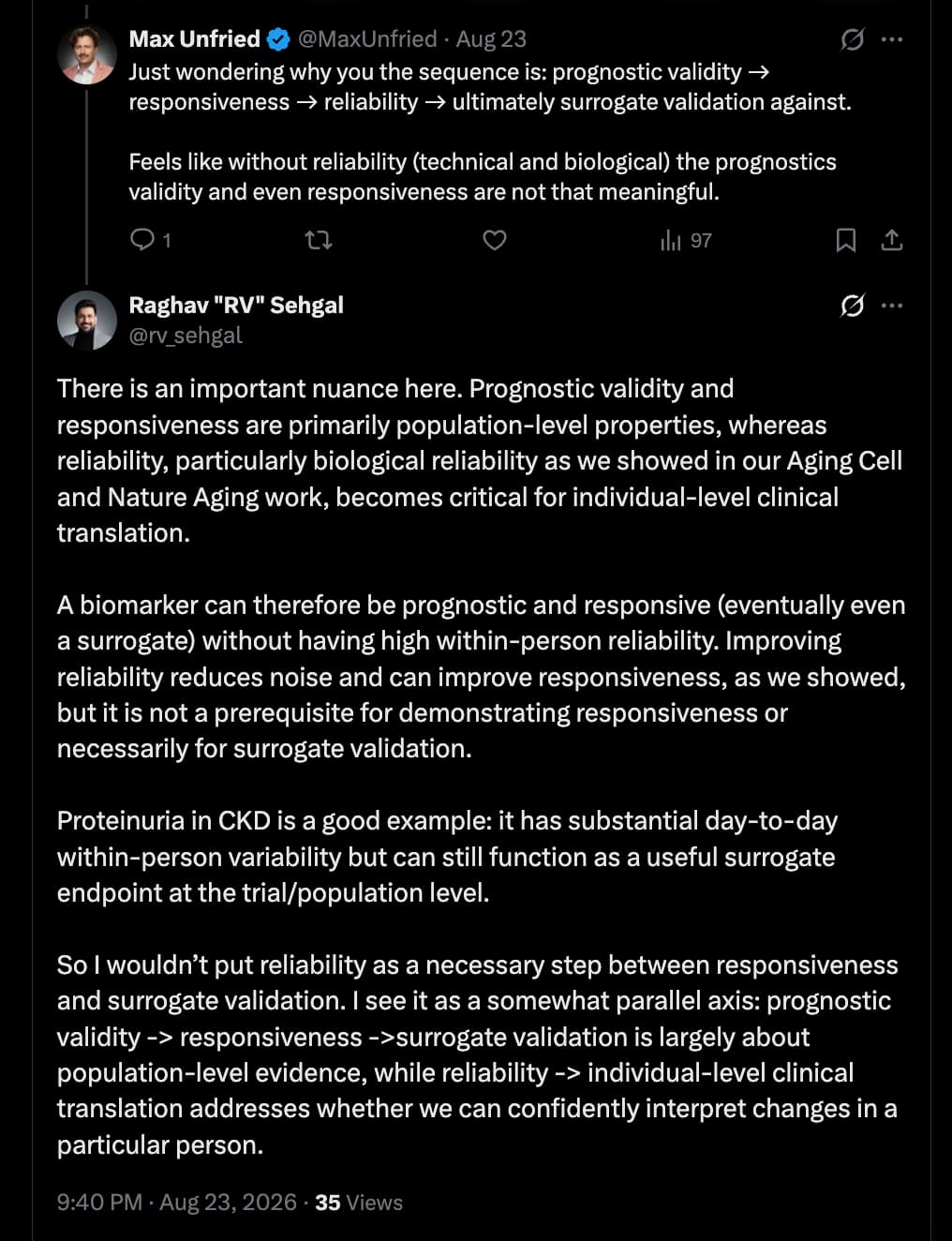
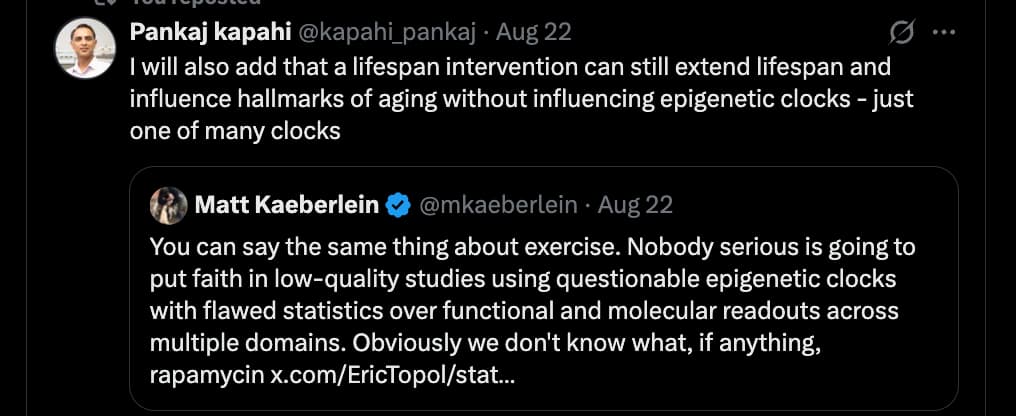
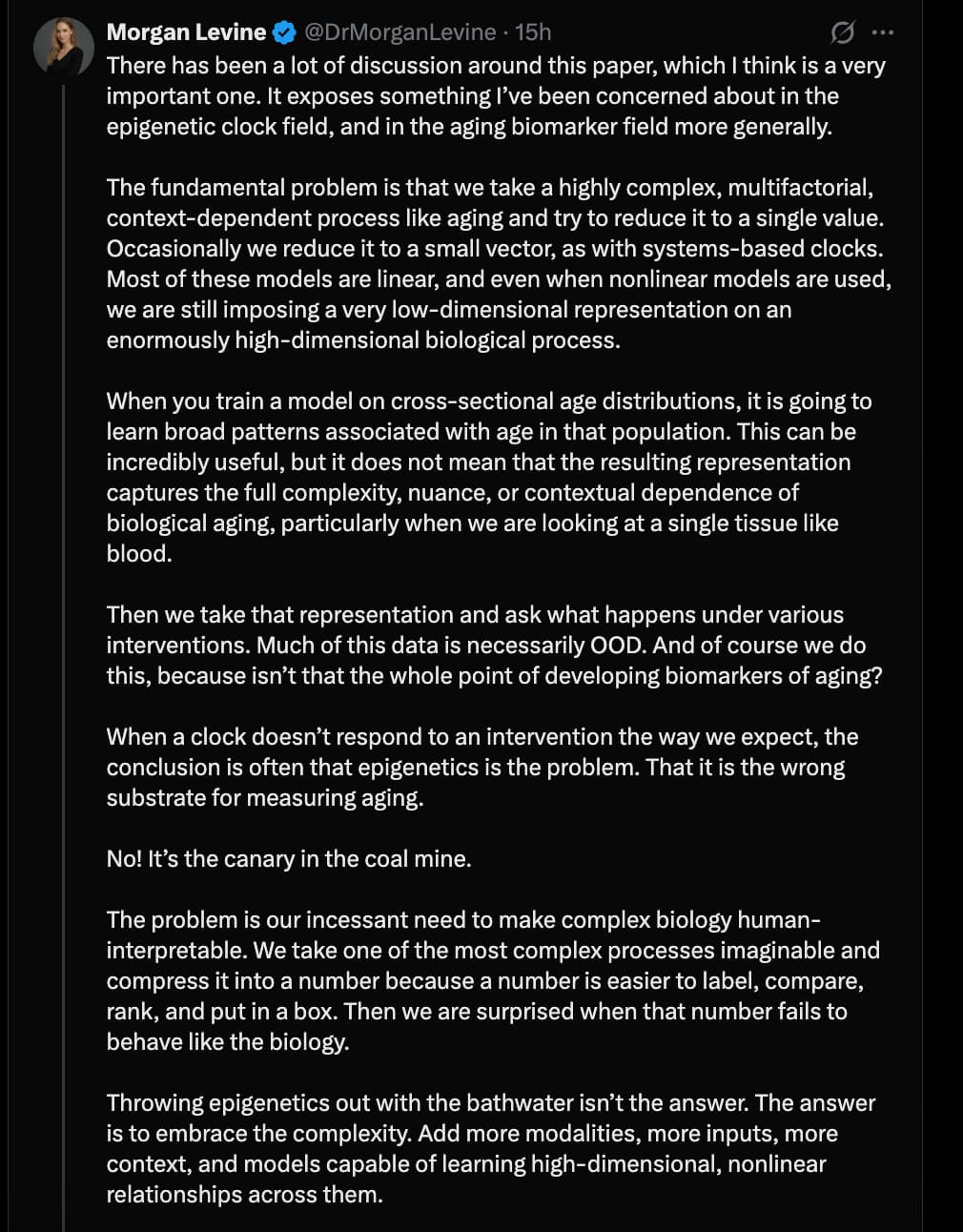
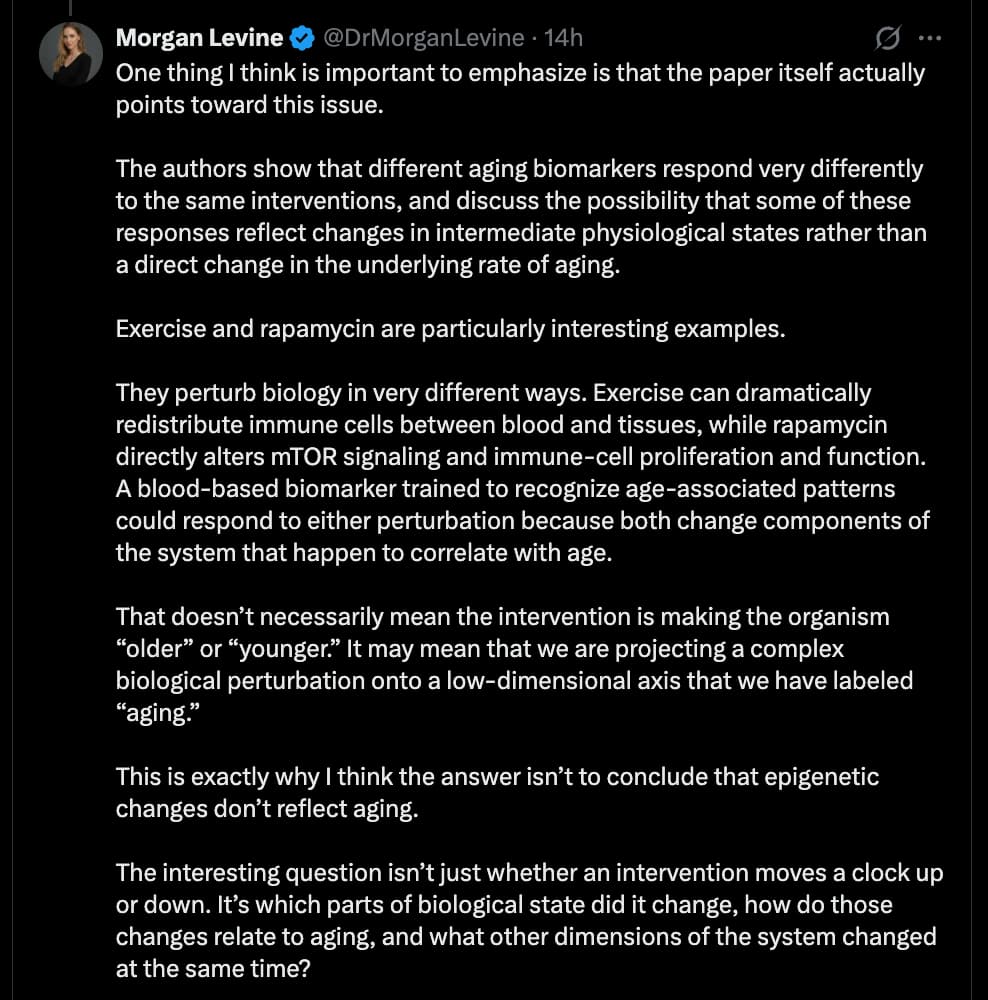
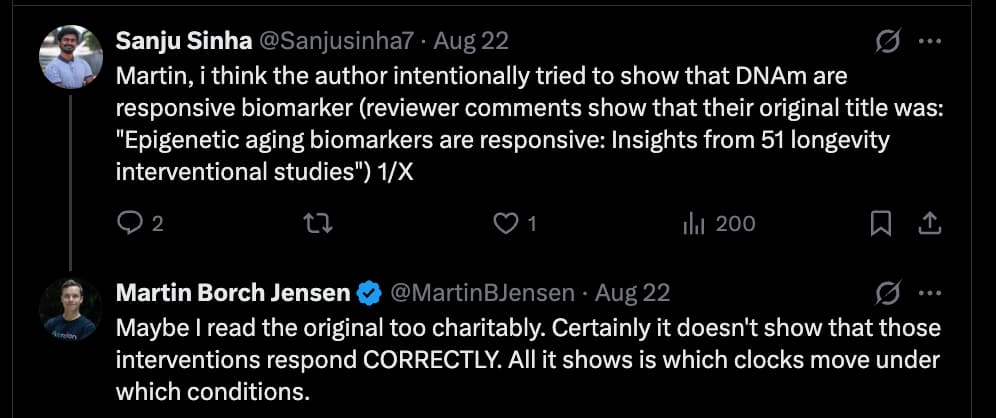
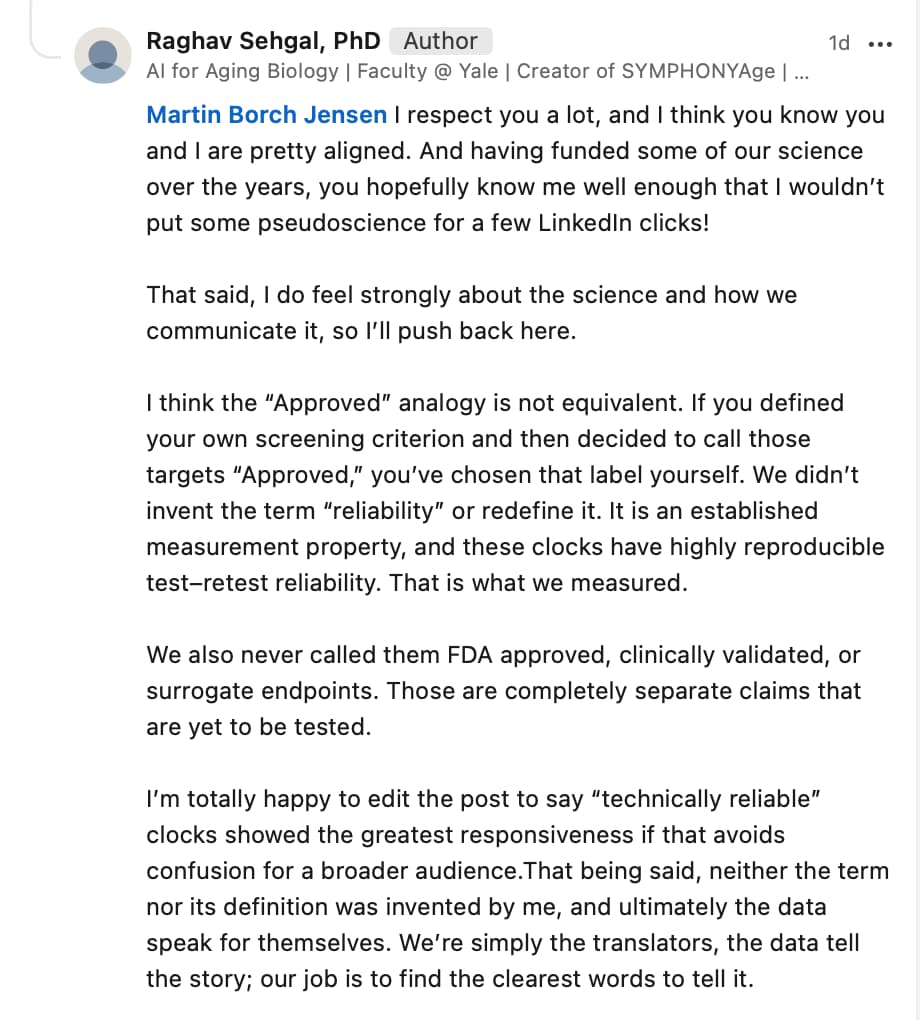
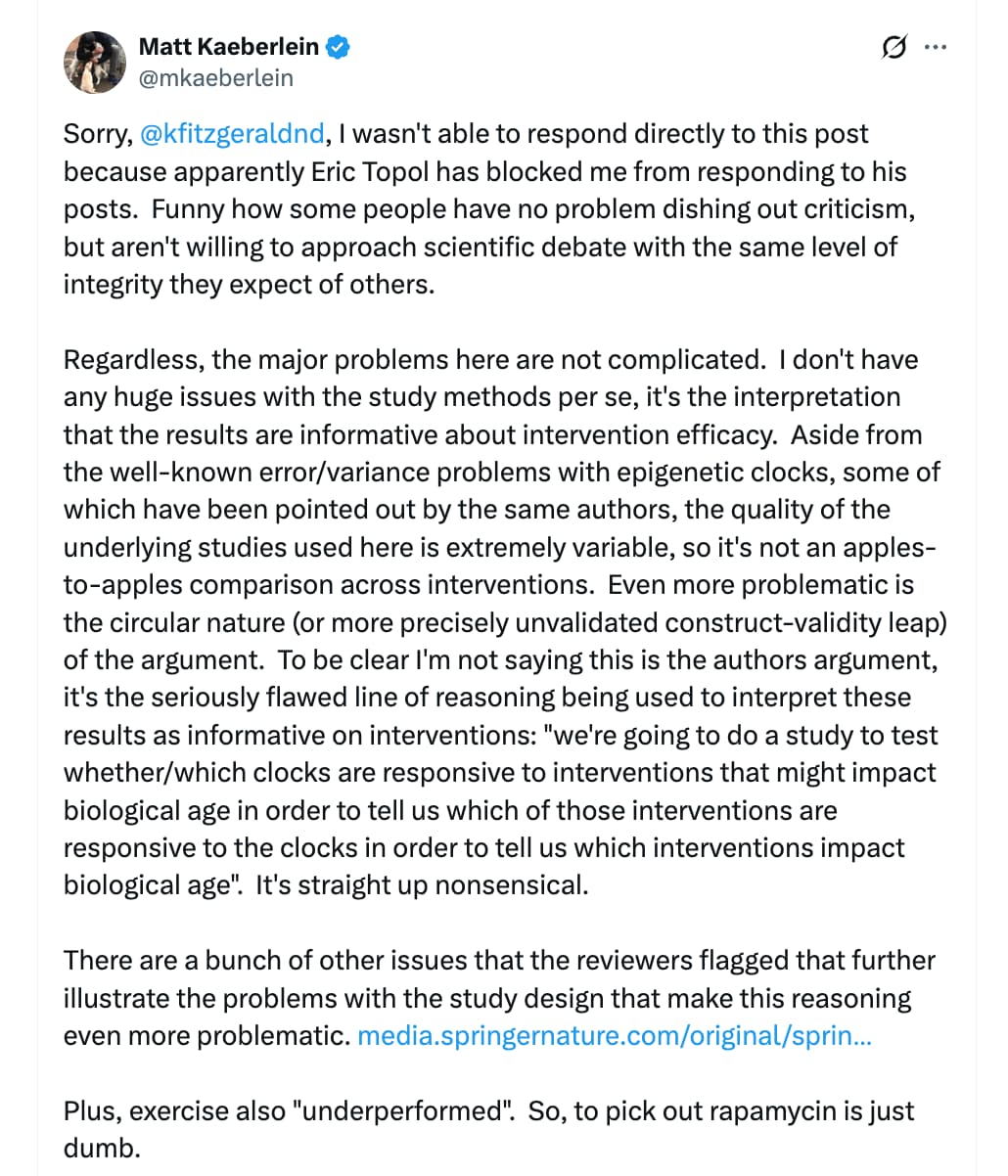
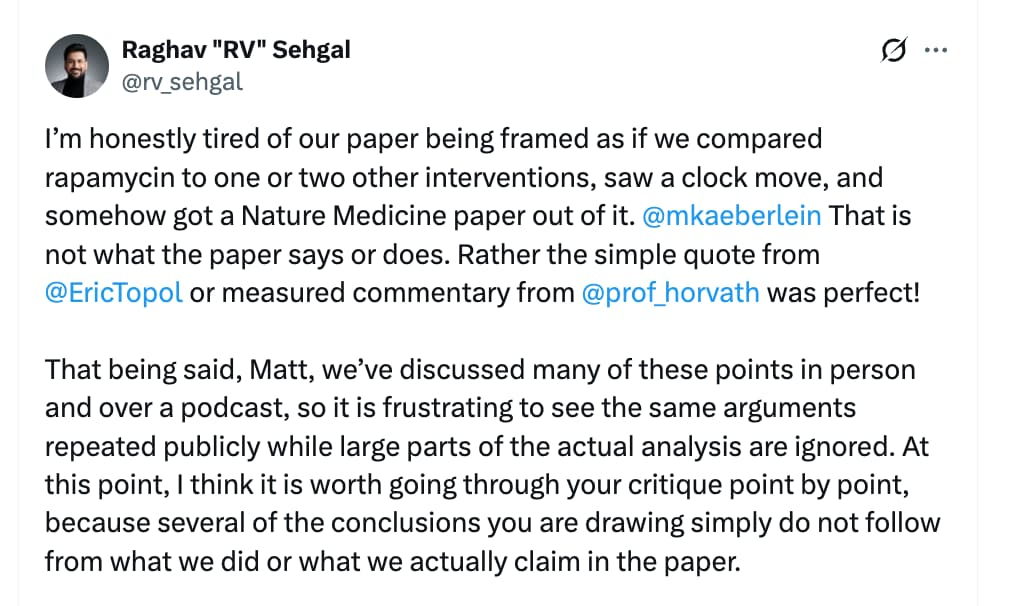
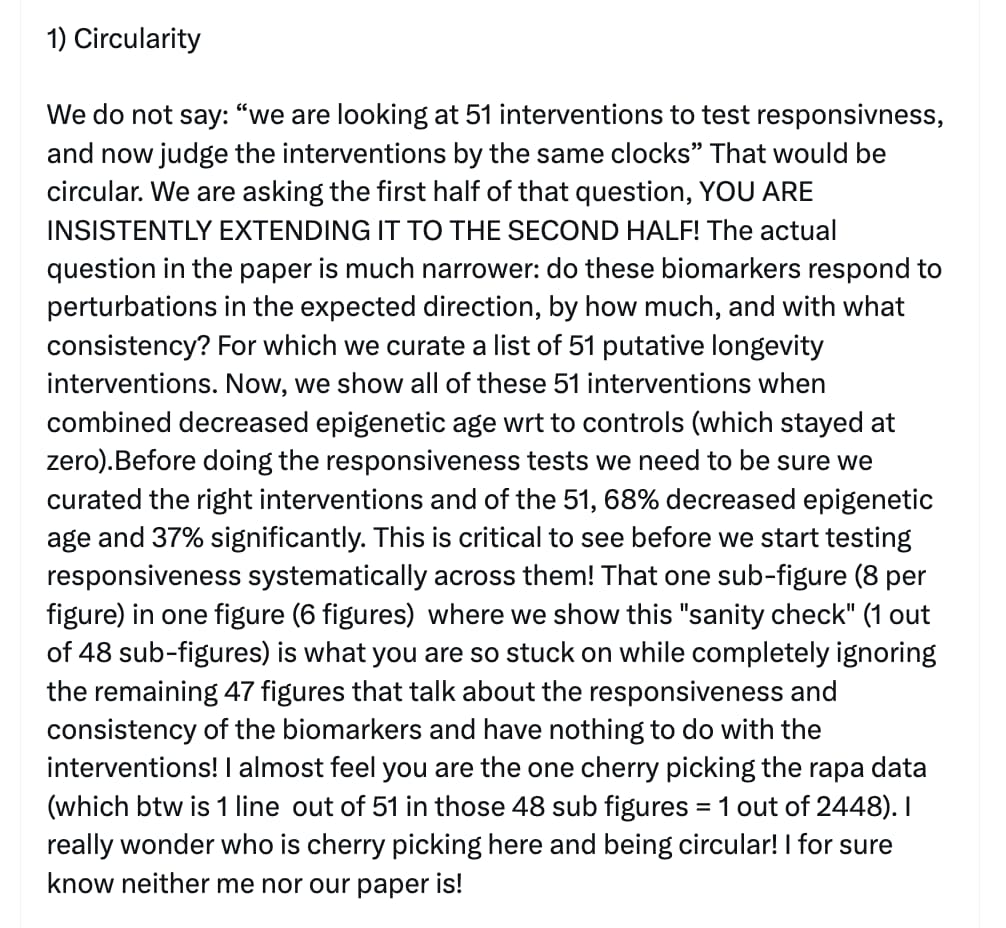
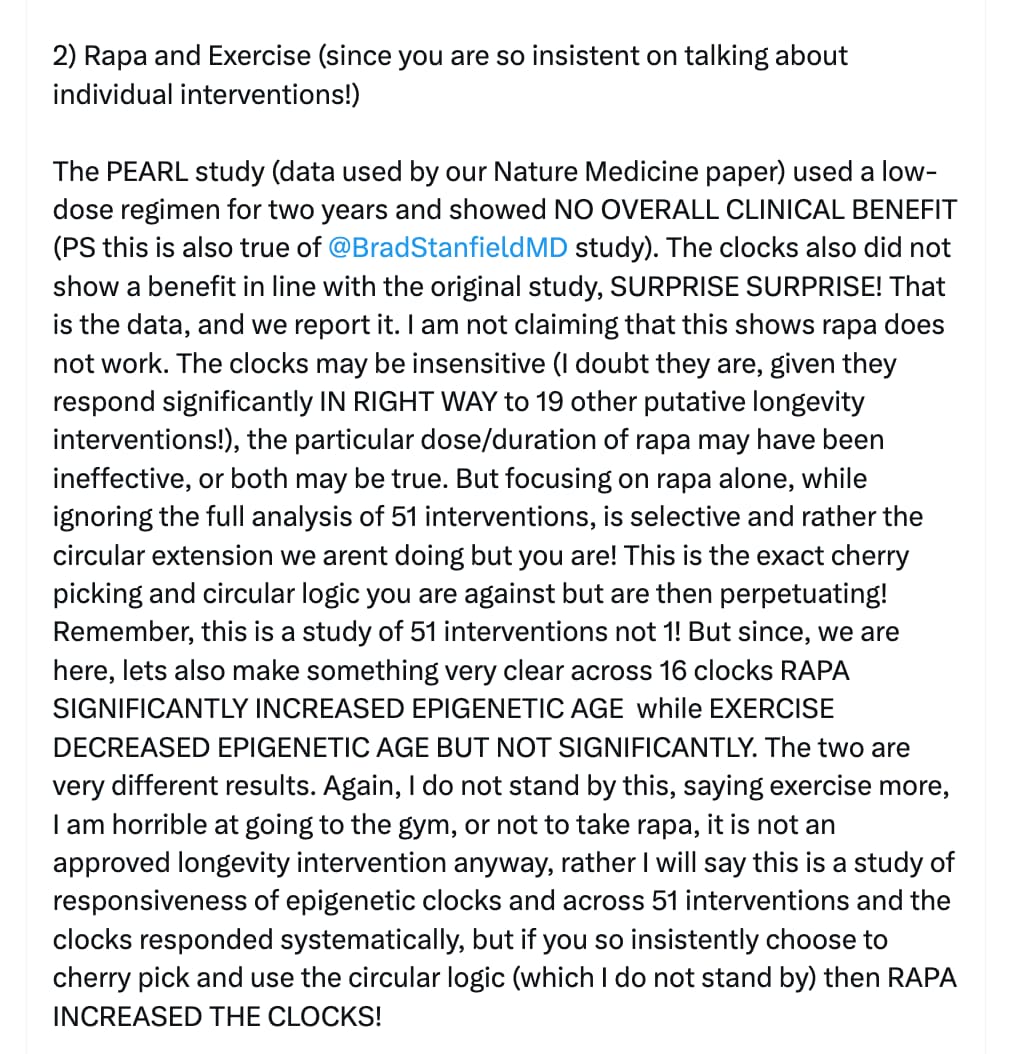
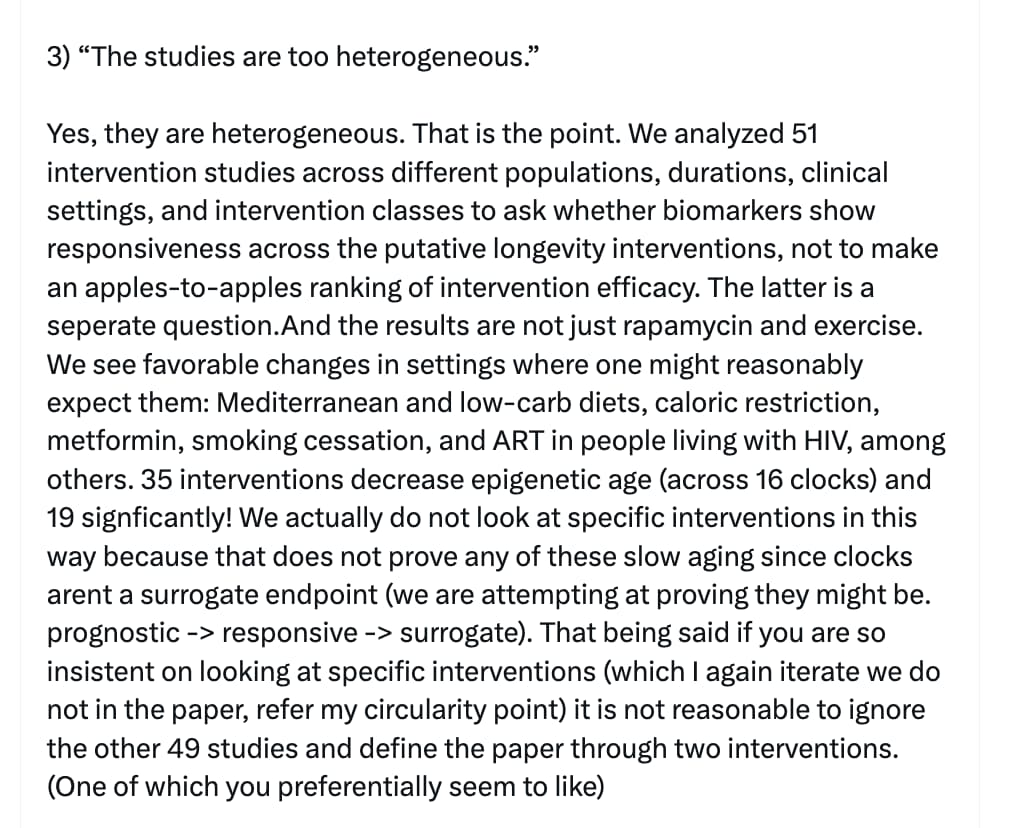
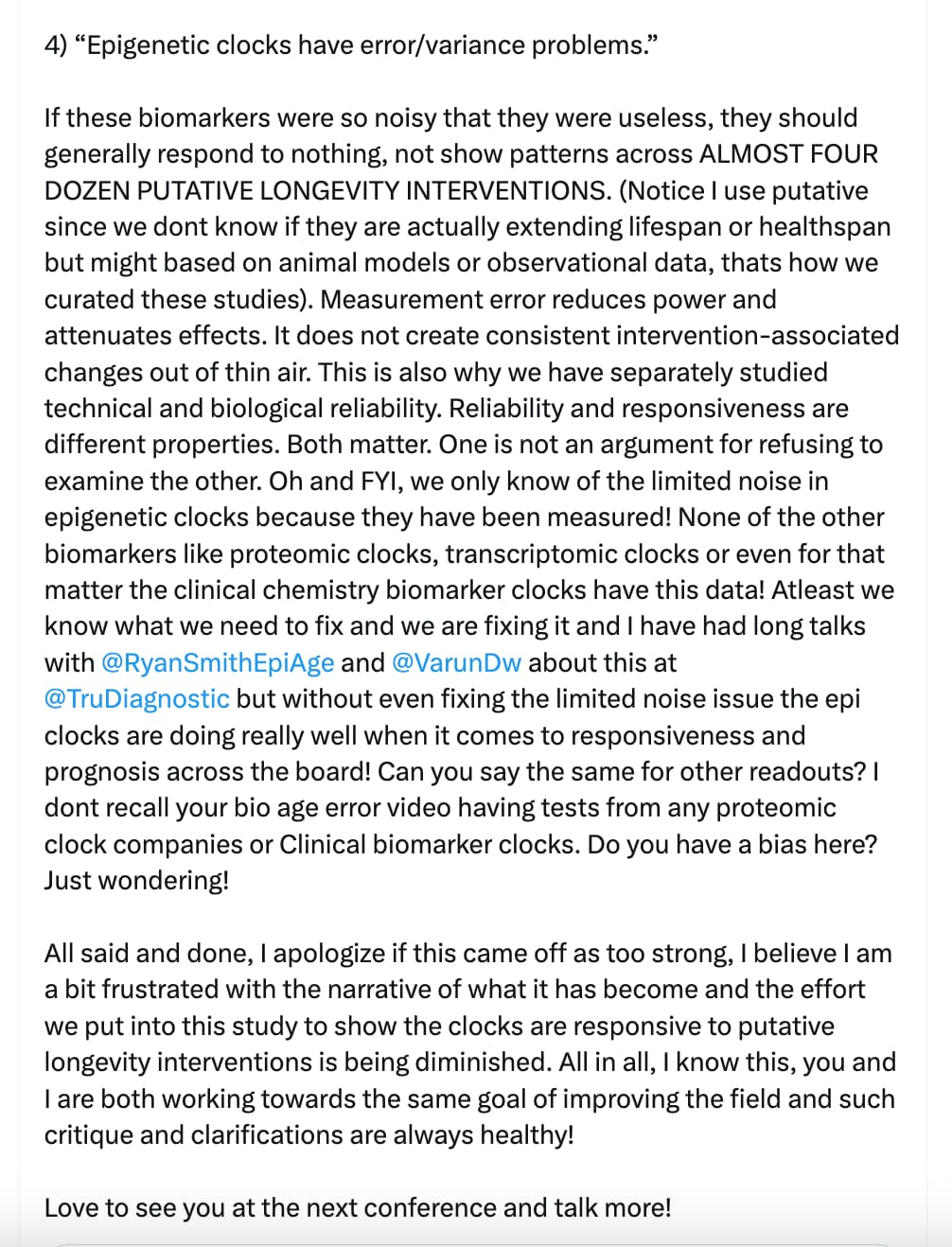
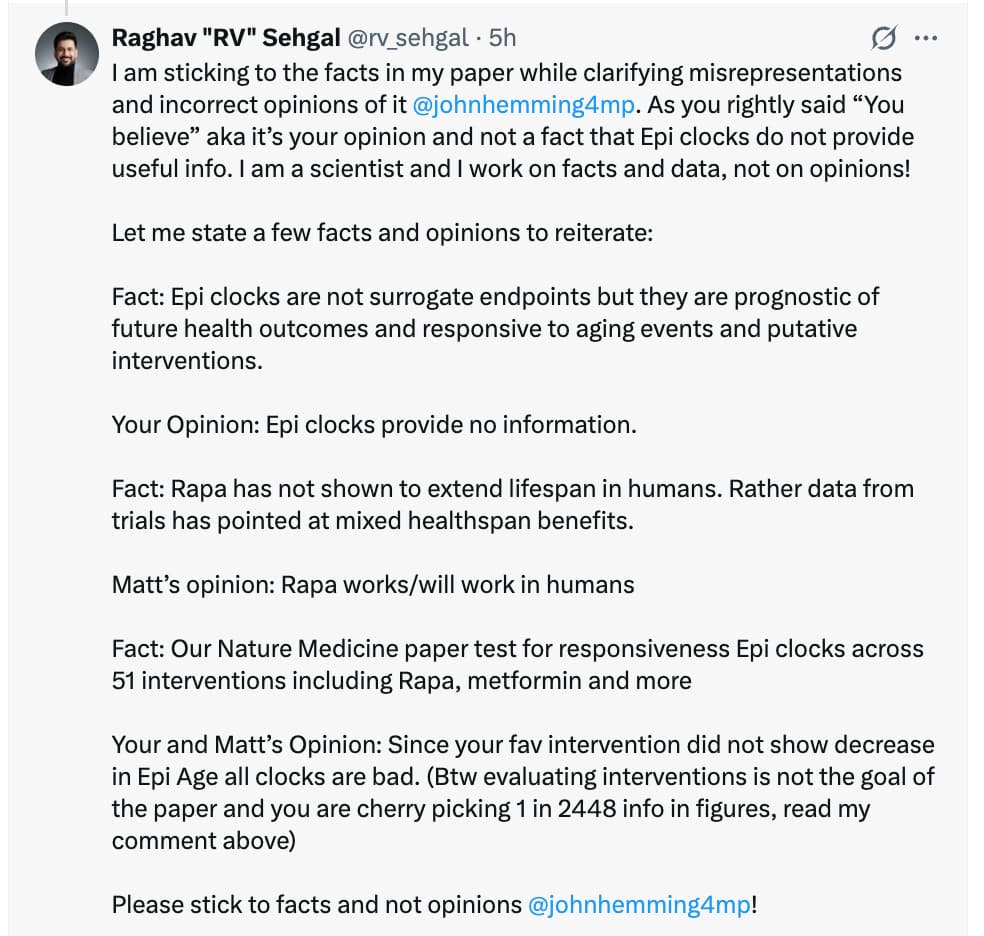
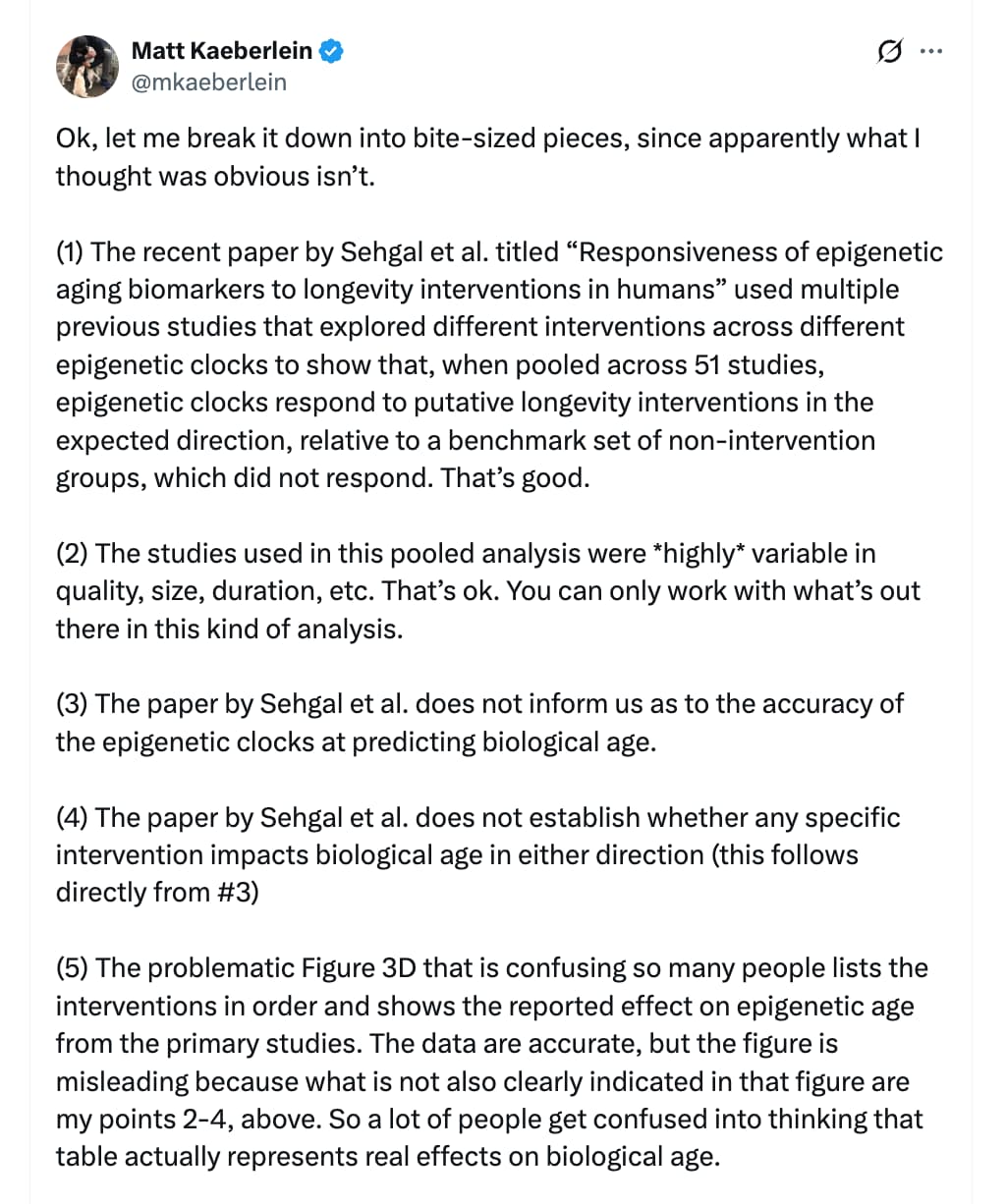
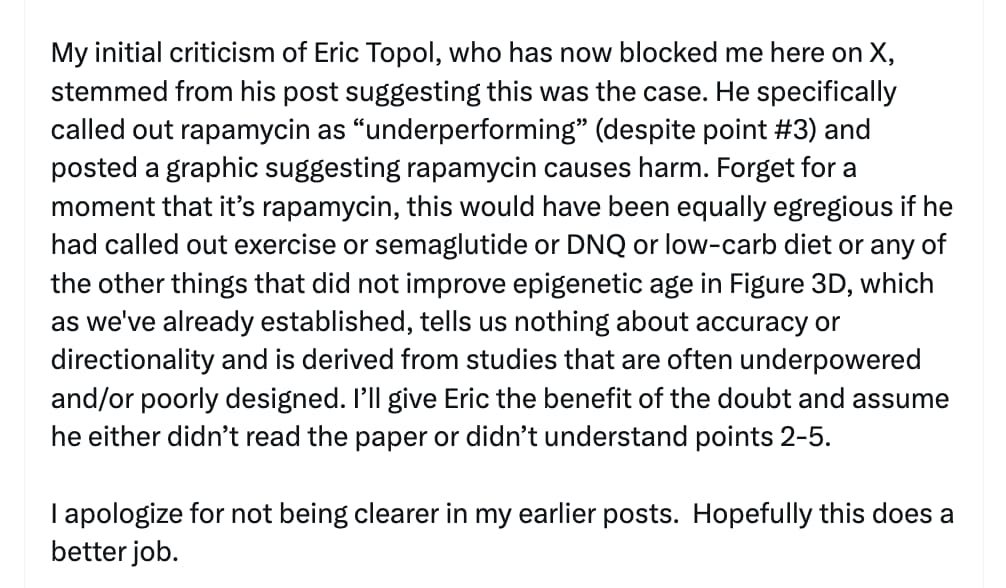
I pointed Claude at the research papers mentioned in this thread and asked it to try to explain the possible reasons why rapamycin is not showing the positive movement in epigenetic clocks that we would expect from a validated life extension agent like rapamycin. Here is the response:
Why Rapamycin Does Not Move the Epigenetic Clocks
Brief Summary
Epigenetic clocks are algorithms that read DNA methylation patterns in blood and return a number meant to represent biological rather than chronological age. They are being promoted as the short-cut endpoint for longevity trials, because nobody wants to run a fifty-year survival study. The TranslAGE-Response analysis pooled 51 human intervention studies across sixteen clocks and found that, on average, the clocks do move, but by a very small amount, and the largest movements came from sick populations receiving disease treatment rather than from healthy people taking geroprotectors. Rapamycin, the single best validated pharmacological lifespan extender in mammals, produced no statistically significant clock reduction. That combination is the problem. Either the clocks are not measuring the axis of aging that rapamycin acts on, or the human trials are far too small and far too short to see it, or rapamycin’s human benefit is much smaller than the mouse data imply. The three possibilities are not mutually exclusive, and the field currently cannot distinguish between them, which is precisely why a $300,000 competition now exists to find a better biomarker.
The Core Arithmetic Problem
Before any biology, the numbers need stating plainly.
In the ITP mouse trials, rapamycin extends median lifespan by roughly 10 to 26 percent depending on dose and sex. If a human took a drug that slowed the rate of biological aging by even 15 percent, and if DunedinPACE genuinely measured rate of aging, the pace score should fall from about 1.00 to about 0.85. The standard deviation of DunedinPACE in reference populations is roughly 0.09 to 0.10 units. A drop of 0.15 units is therefore about 1.5 standard deviations, which is an enormous effect, impossible to miss even in a small trial.
What the 51-study database actually found, averaged across every intervention tested, was a mean standardized reduction of 0.089 standard deviations for DunedinPACE, 0.089 for PCPhenoAge, 0.081 for GrimAgeV2 and 0.078 for PCGrimAge. That is roughly one seventeenth of the effect the mouse lifespan data would predict for a real 15 percent slowing of aging.
So one of the premises is wrong. Below are the candidate explanations, ordered from most to least mundane.
Category A: Statistical and Measurement Explanations
1. The human rapamycin trials are hopelessly underpowered for the effect size in question.
To detect a standardized effect of d = 0.09 at 80 percent power and p < 0.05 in a two-arm trial, each arm needs about 1,940 participants. The PEARL trial, the largest randomized human rapamycin longevity trial to date, enrolled 114 people across three arms, roughly 38 per arm. With 38 per arm, the smallest effect detectable at 80 percent power is about d = 0.64, which is seven times larger than the average clock response observed across all 51 interventions in the database. A null result under those conditions carries almost no information. It is not evidence of absence.
2. The trial duration is shorter than the signal accumulation time.
This is the most important and most overlooked point. Clocks that measure accumulated age, such as PhenoAge and GrimAge, only diverge between treated and untreated groups in proportion to elapsed time. If rapamycin slows aging by 20 percent, then after 48 weeks the treated group has banked 0.2 years of advantage. The test-retest measurement noise of first-generation clocks is on the order of 1 to 3 years. You are looking for a 2.4-month signal inside a 24-month noise band. Even the reliability-improved PC clocks cannot rescue that ratio in under a year.
3. Sixteen clocks, paired pre-post t-tests, and no multiple-comparison correction.
The analysis itself uses paired t-tests on pre and post samples with a p < 0.05 threshold and no correction across sixteen biomarkers. The authors are candid that they cannot tell whether a single-clock hit is a false positive or the most sensitive readout. This cuts both ways: it inflates the apparent responsiveness of the interventions that did hit, and it means rapamycin’s non-significance sits inside a very noisy comparison structure.
4. Aggregation across heterogeneous, mostly uncontrolled studies.
TranslAGE-Response pools published studies of wildly different design, dose, duration and population. Many are single-arm pre-post with no placebo. Regression to the mean, seasonal variation, acute illness resolution and assay batch effects all live inside those pre-post deltas.
Category B: The Clocks May Be Measuring Something Rapamycin Does Not Change
5. The clocks were trained on the wrong target.
First-generation clocks (Horvath, Hannum) were trained to predict chronological age. By construction, an algorithm optimized to predict calendar time discards exactly the residual variation that an anti-aging drug would move. Second-generation clocks (PhenoAge, GrimAge) were trained on mortality-associated clinical chemistry and plasma proteins in observational cohorts. They inherit whatever drives mortality in an untreated population, which is heavily weighted toward smoking, inflammation, metabolic disease and kidney function. Neither training target is “responsiveness to mTOR inhibition.”
6. Rapamycin pushes the input biomarkers of second-generation clocks in the wrong direction.
This is a specific and under-discussed mechanism. PhenoAge is built from albumin, creatinine, glucose, CRP, lymphocyte percentage, mean cell volume, red cell distribution width, alkaline phosphatase and white cell count. Rapamycin is well documented to raise triglycerides and LDL, to sometimes raise fasting glucose and impair insulin sensitivity via chronic mTORC2 inhibition, and to cause mild anemia, altered red cell indices and lymphocyte suppression at higher exposures. Several of these move the clock in the “older” direction. If rapamycin simultaneously slows true aging and worsens the surrogate inputs, the clock reads a wash. The clock is not measuring aging here, it is measuring metabolic side effects.
7. In mice, much of rapamycin’s lifespan gain is cancer deferral, which clocks do not index.
The dominant cause of death in laboratory mice is neoplasia. A substantial share of rapamycin’s median and maximum lifespan extension comes from delaying tumor onset. Tumor latency is not encoded in blood methylation drift. An intervention can therefore add 20 percent to lifespan while leaving the methylation trajectory of surviving normal tissue essentially untouched.
8. Clock signal may be dominated by stochastic methylation drift that mTOR inhibition does not touch.
Recent work on epigenetic disorder (Aging, 2024) shows that clock CpGs are enriched in regions that both gain and lose methylation disorder with age, and that lifespan interventions dissociate from that disorder. Caloric restriction in C57BL/6 mice reduced epigenetic age across all clock types while leaving global disorder unchanged; Snell dwarfs reduced both. If clock signal is largely a readout of cumulative stochastic drift tied to cell division history, then a drug acting on translation, autophagy and proteostasis has no obvious lever on it.
9. Tissue mismatch: we measure blood, rapamycin acts elsewhere.
The mouse data support this directly. Wang et al. (Genome Biology, 2017) found that liver epigenetic aging signatures were slowed by rapamycin, dwarfism and calorie restriction. Horvath et al. (GeroScience, 2021) found no significant effect of rapamycin on blood DNAm age in 37 common marmosets given about 1 mg/kg five days a week for two to three and a half years, despite that being a far longer and more intensive exposure than any human trial. Liver responds, blood does not. Human trials measure blood. Notably, rapamycin at 25 nM does slow the skin and blood clock in cultured keratinocytes (Aging, 2019), independently of replicative senescence and proliferation rate, which argues the drug can move methylation age when the relevant cell type is actually the one being measured.
10. Immune cell composition confounds the whole-blood signal.
Blood clocks are strongly influenced by leukocyte proportions. Rapamycin changes immune composition in complex ways, expanding naive T cells and reducing exhausted CD8+CD28- populations, which should read younger, while also suppressing overall lymphocyte counts, which reads older. Cell-composition deconvolution corrections applied by different labs may then remove exactly the biological signal of interest.
Category C: Dose, Schedule and Population
11. Human dosing is far below the mouse exposure that produces the lifespan effect.
The ITP’s strongest results used 42 ppm in chow, producing sustained blood levels well above what 5 to 10 mg once weekly achieves in humans. Weekly pulsatile dosing is deliberately designed to hit mTORC1 while sparing mTORC2, minimizing side effects. If the clock-relevant effect requires more sustained inhibition, the human protocols may simply be below the threshold.
12. Healthy participants have little room to move.
The database’s clearest finding is that disease populations showed substantially larger clock reductions than healthy populations (PCPhenoAge mean difference of 0.28 standard deviations, p < 0.0001). Anti-TNF therapy in arthritis and IBD, and kidney transplantation, were among the strongest responders. That is a strong hint that much of what the clocks register as “rejuvenation” is resolution of acute inflammatory and uremic pathology, not modification of the aging rate. Healthy 50 to 85 year olds on rapamycin have no such pathology to resolve.
13. Late-life start against a cumulative readout.
Rapamycin extends lifespan in mice even when started at 20 months of age. A cumulative-damage clock records the first 20 months regardless. Slowing future accrual produces a change in slope, not a change in level, and slope is exactly what a short two-timepoint study cannot resolve.
Category D: The Uncomfortable Possibilities
14. The clocks may not be valid surrogate endpoints for lifespan interventions at all.
No epigenetic clock has been prospectively validated against a lifespan outcome in a randomized mammalian intervention trial. The entire surrogate rests on observational correlation with mortality. The existence of the Biomarkers of Aging Consortium challenge, with $300,000 in prize money to find the assay that best tracks aging, is an admission by the field that the current tools are not fit for this purpose.
15. Rapamycin’s human effect may genuinely be much smaller than the mouse effect.
This has to stay on the list. Mouse lifespan is short, tumor-dominated and lived in a specific-pathogen-free cage. Human aging is dominated by cardiovascular and neurodegenerative disease over eight decades. The PEARL trial’s actual positive findings were narrow: sex-specific improvements in lean tissue mass, pain and quality of life in women at 10 mg per week, with most other endpoints null. That is a modest healthspan signal, not a rejuvenation signal, and a flat clock is consistent with it.
Bayesian confidence tagging on the main claims:
- Underpowering plus insufficient duration account for a large share of the null: high confidence (roughly 85 percent).
- Second-generation clock inputs are partly antagonized by rapamycin’s metabolic side effects: moderate confidence (roughly 60 percent).
- Blood is the wrong tissue for detecting rapamycin’s effect: moderate confidence (roughly 55 percent), supported by the liver versus blood contrast in mice and marmosets.
- Epigenetic clocks are not currently valid surrogate endpoints for geroprotector trials: high confidence (roughly 80 percent).
- Rapamycin has no real geroprotective effect in humans: low confidence (roughly 15 percent).
Narrative
Aging research has a measurement problem, and rapamycin has just exposed it.
For a decade the field has leaned on epigenetic clocks, algorithms that read chemical tags on DNA and return a number described as your biological age. The appeal is obvious. Nobody can run a fifty-year trial, so a blood test reporting whether you are aging faster or slower would let researchers screen therapies in months instead of decades.
A recent analysis pooled 51 human intervention studies and ran them through sixteen different clocks. The headline was that the clocks are responsive, they do move. The detail underneath is more troubling. The average movement was tiny, roughly one twelfth of a standard deviation, and the biggest movements came from treating sick people, patients receiving anti-inflammatory drugs for arthritis or bowel disease, or receiving a kidney transplant. That is not the same thing as aging more slowly.
And rapamycin, the drug with the strongest and most reproducible lifespan-extension record in mammals, 10 to 26 percent added to mouse median lifespan across independent labs, did not shift the clocks at all.
There are three readings, and we cannot yet tell them apart.
The first is that the human trials are simply too small and too short. Detecting an effect the size these clocks produce needs roughly two thousand people per arm. The largest randomized rapamycin longevity trial enrolled 114 total. Over one year, a drug that slowed aging by twenty percent would bank only about two and a half months of divergence, well inside the measurement noise of the assay.
The second is that the clocks measure the wrong thing. They were trained to predict calendar age, or to predict death from blood chemistry in untreated populations. Neither target has any reason to be sensitive to mTOR inhibition. Worse, rapamycin raises cholesterol, sometimes raises blood sugar and alters red cell indices, and several of those are direct inputs to the newer clocks. The drug may be slowing aging with one hand while making the surrogate look worse with the other.
The third is the one nobody in the community wants to hear: rapamycin’s human benefit may be far smaller than the mouse data suggest.
The big idea is that the tool everyone wanted to use to shortcut longevity research has failed its most important test case. Until a biomarker can correctly identify the one drug we are most confident about, no result from that biomarker should change anyone’s behavior.